
Articles
Inspection Encyclopedia
Views and suggestions on property inspection, indoor environment, and report follow-up
336 matching articles found
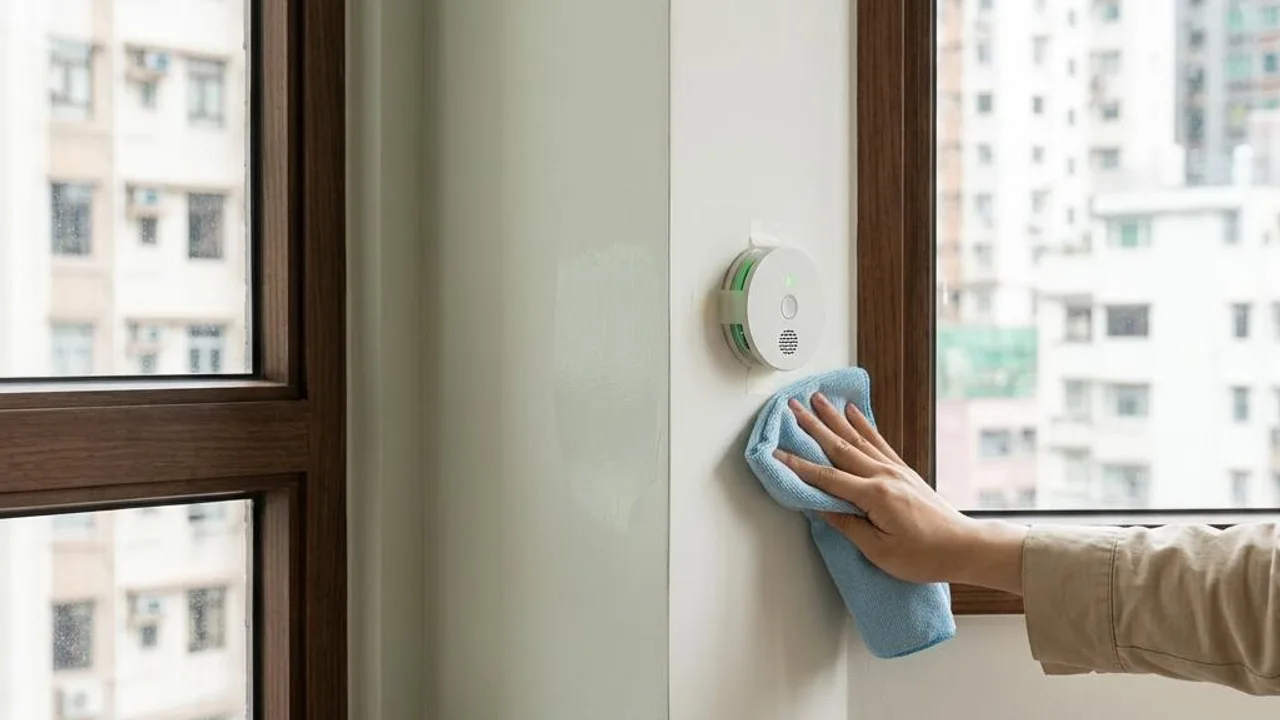
Causes of odor in new property paint and guide to improving air quality
Common odors upon taking over new properties often originate from wall paint additives and accumulation in enclosed environments, which can be effectively diluted through scientific convective ventilation. This article details the causes of volatiles, compares the odors of different building materials, and provides practical guidelines for improving air quality and professional testing.
Read full article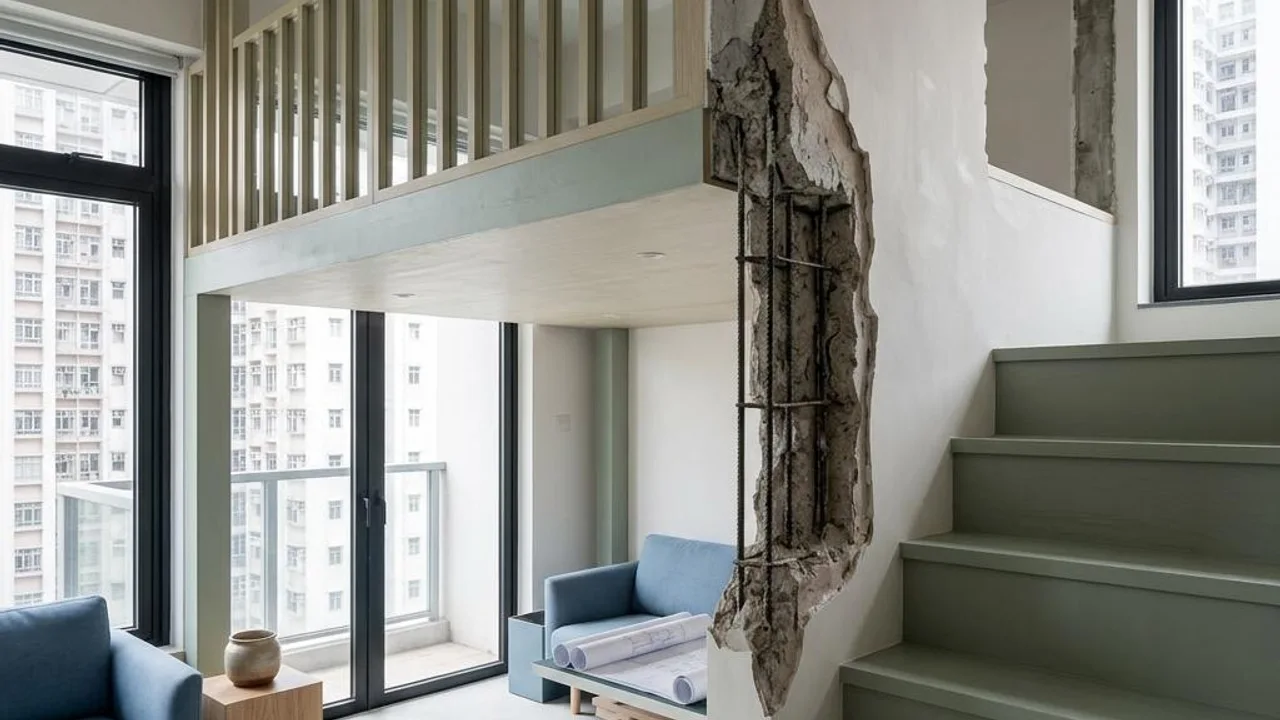
Risks of modifying second-hand properties: A guide to identifying load-bearing walls and loft regulations
This article analyses the legal risks associated with structural modifications in second-hand properties. It guides buyers on how to identify load-bearing walls through floor plans and on-site observation, and emphasises the necessity of hiring professionals to clarify potential unauthorised building works to safeguard property safety and asset value.
Read full article
[Floor Damp-Proofing] Key to wooden flooring installation: Selection of damp-proof underlay and plywood, and moisture-proofing methods
This article dissects the causes of arching and creaking in wooden floors, focusing on the hazards of dampness rising from the concrete subfloor. It provides construction advice on selecting damp-proof underlays, plywood and leaving expansion gaps to help homeowners identify flooring risks and prevent damage.
Read full article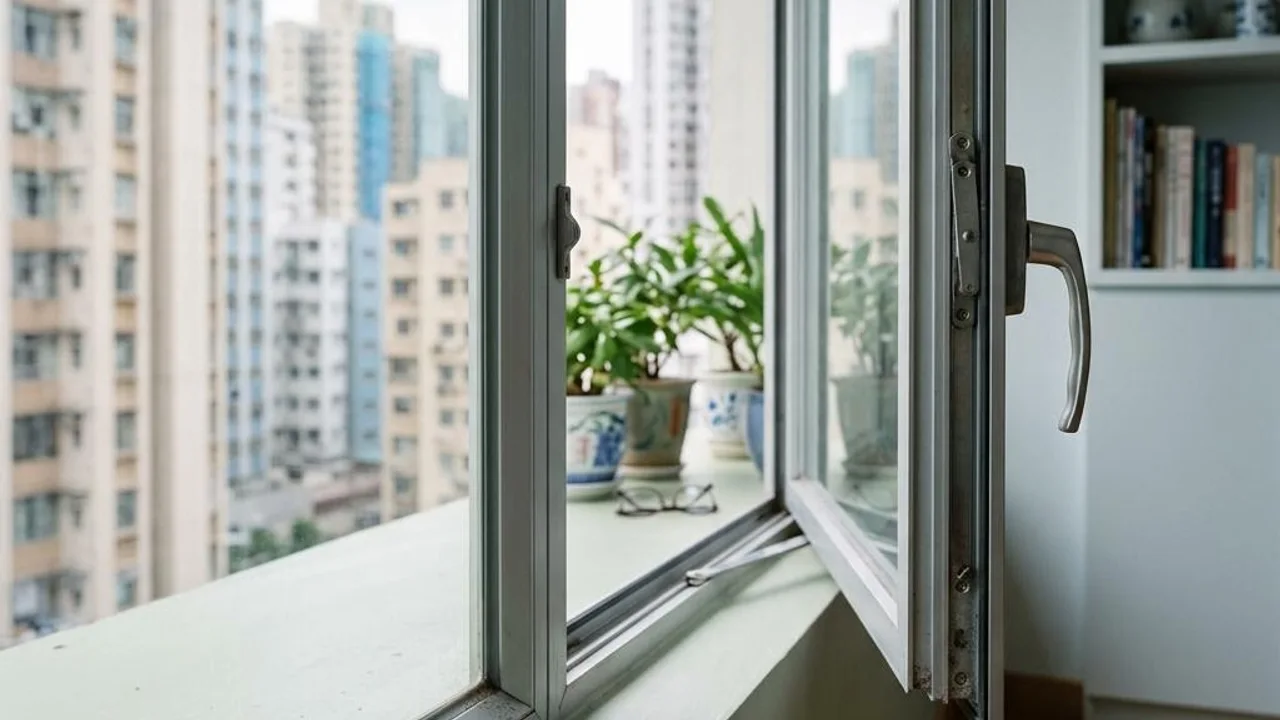
A guide to aluminium window hardware mechanics and safety maintenance
This article aims to explore the mechanical structure of aluminium window hardware and analyse wear and tear caused by incorrect opening methods and environmental factors. Homeowners should identify hidden hazards through daily safety observations and, if structural or seepage abnormalities are discovered, commission qualified personnel to perform precision instrument testing and professional repairs to ensure home safety.
Read full article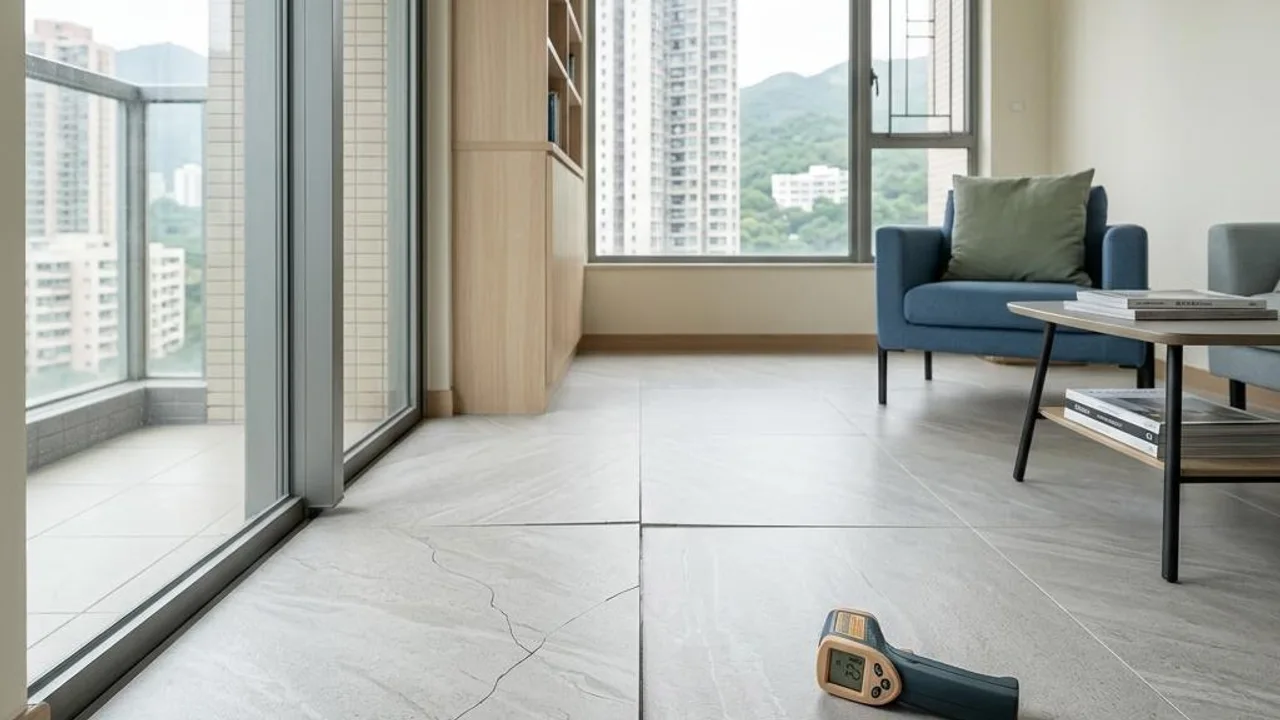
Floor tile expansion and installation: Professional property inspection guidance to avoid tile popping
This article dissects the physical causes of floor tile expansion and arching in Hong Kong homes due to fluctuations in climatic temperature and humidity. It teaches homeowners how to effectively prevent and respond to floor tile damage risks by recognising the importance of expansion joints and professional property inspection checks.
Read full article
Emergency manual for smart lock failure: Must-test mechanical keyholes during new property inspection
While smart locks are convenient, circuit or battery failures may lead to an inability to enter. Upon taking possession of a property, homeowners should inspect the mechanical keyhole location and lock cylinder operation in detail, and store spare keys properly to ensure emergency unlocking capability in extreme power failure situations.
Read full article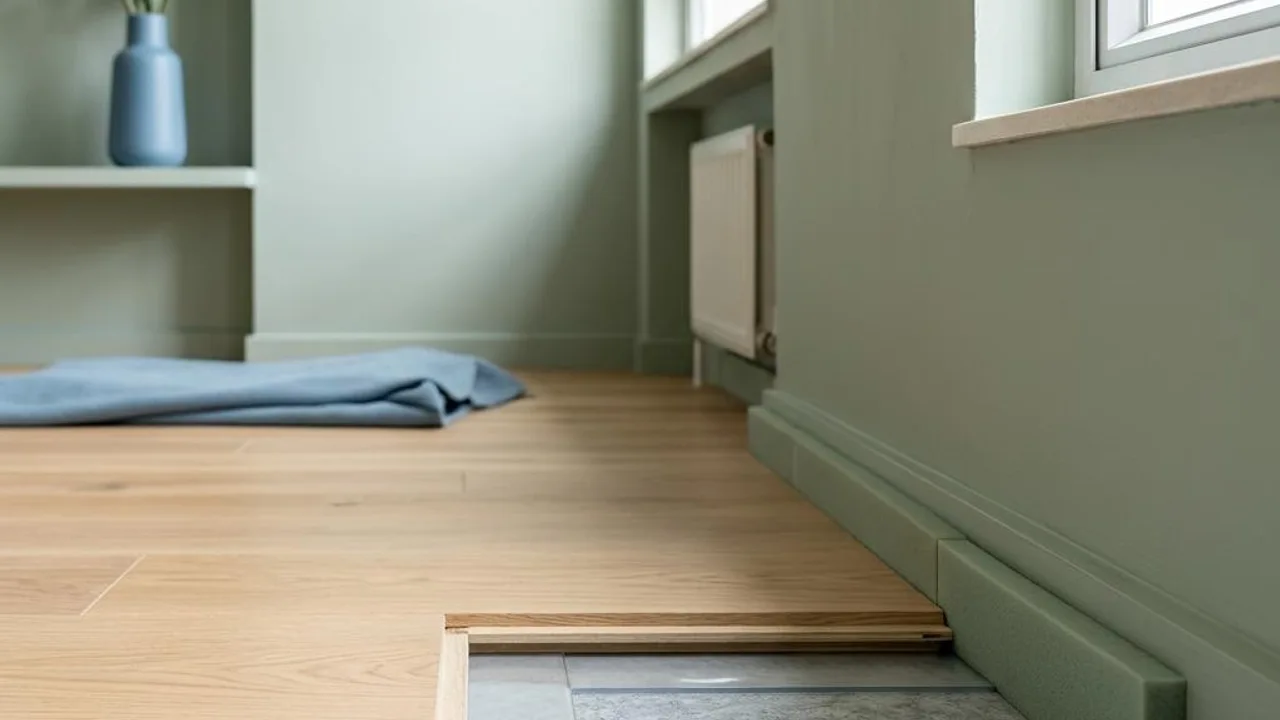
High-rise residential soundproofing analysis: A practical guide to floor structure and vibration reduction
This article explores the principles of solid-borne sound transmission in high-rise buildings and analyses the vibration characteristics of concrete structures. It provides homeowners with practical home noise reduction strategies, professional investigation advice and key guidance for maintaining home safety, helping to resolve daily impact noise disturbances.
Read full article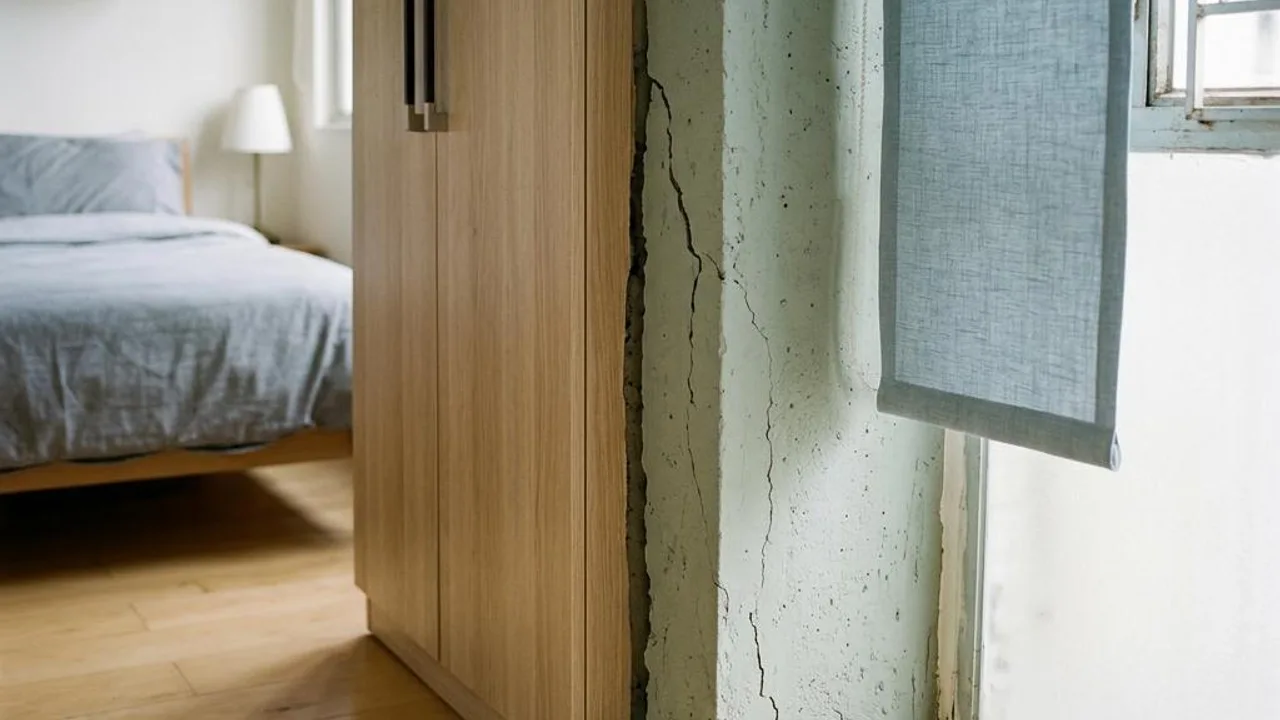
Secret tips for property handover inspection: Deconstructing techniques for onsite developer handover
Taking possession of a property is not just a ceremony for receiving keys, but a critical moment for owners to verify the engineering quality of the unit. This guide assists prospective owners in seeing through onsite psychological distractions and using scientific tools and professional judgement to identify surface and potential hidden structural risks to safeguard their property rights.
Read full article
[Housing Society Property Inspection] Third-party acceptance mechanism for subsidised housing and self-hiring property inspection strategies
Although Housing Society subsidised housing has a third-party acceptance mechanism to ensure compliance, it is often difficult to cover detailed living quality. Homeowners should conduct a comprehensive self-inspection after receiving keys and consider hiring a private property inspector to accurately identify hidden water and electrical hazards to safeguard their long-term living environment.
Read full article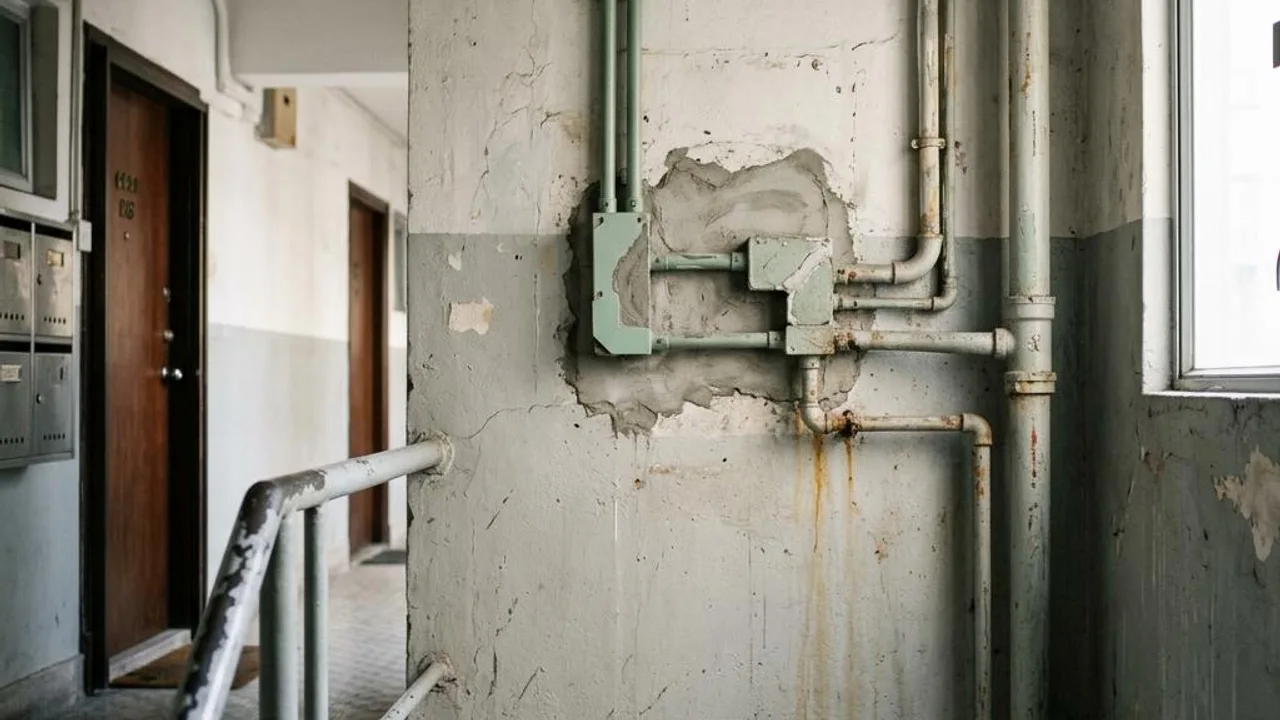
Building maintenance and monitoring of Owners' Corporation accounts: A guide for small owners to prevent engineering traps
When a building undergoes major maintenance, small owners should monitor the transparency of the Owners' Corporation accounts by reviewing financial books, checking the bill of quantities and introducing third-party professional assessments to prevent engineering quotation traps and additional funding risks, thereby protecting their ownership interests.
Read full article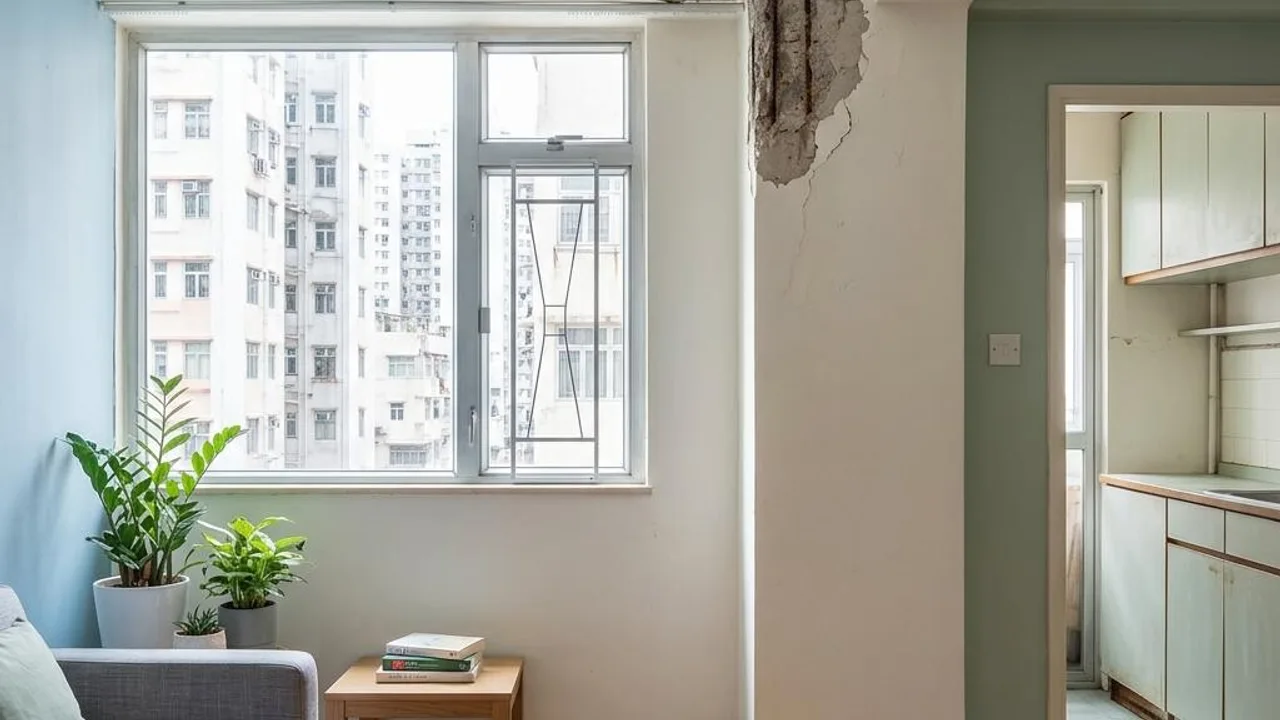
Home Inspection, Mandatory Inspection and Structural Assessment: What's the Difference?
Understand the purposes, scope and documents for home inspection, statutory inspection and structural assessment. Follow the requirements of a notice; a general inspection report is not statutory or structural safety certification.
Read full article
New property self-inspection: A guide to initial indoor screening using everyday items
New property self-inspection can utilise everyday items such as coins, ping-pong balls and mobile phones to conduct initial screenings for floor gradient, wall hollows and power socket connectivity. This guide helps owners identify obvious defects early and record them in a rectification list, followed by booking professionals for in-depth testing and reinspection.
Read full article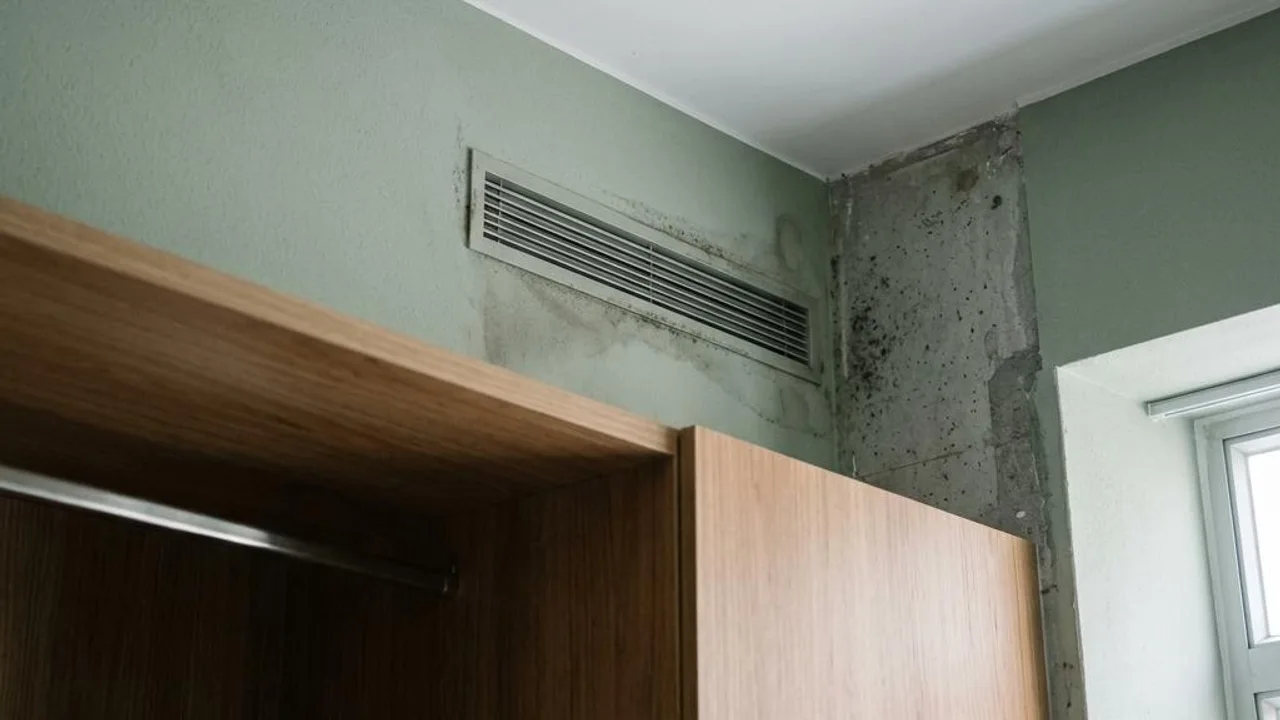
Ventilation analysis for moving into new properties: How to identify and handle indoor moldy smells
This article analyzes the causes of moldy smells and microclimates caused by the high airtight design of new properties, teaches homeowners how to conduct daily ventilation checks, and instructs them to seek timely follow-up from professionals when structural leakage is discovered to ensure a healthy living environment.
Read full article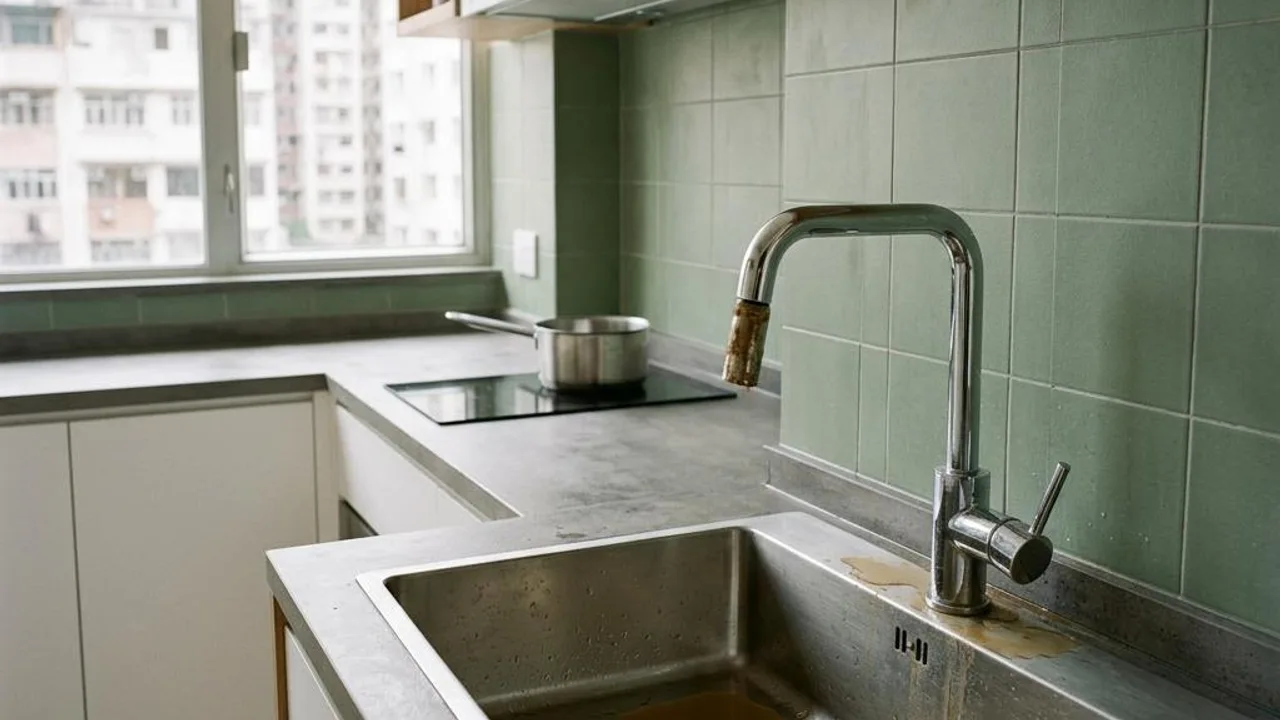
Property inspection water quality check: Causes and handling of muddy water when turning on the tap during handover
Muddy water appearing during property handover is mostly a physical sedimentation phenomenon caused by long-term stagnation in the water supply pipes. Homeowners can resolve this by continuously running the water to flush the system and cleaning the tap filter. If the problem persists or is accompanied by abnormal water pressure, professional inspection is required.
Read full article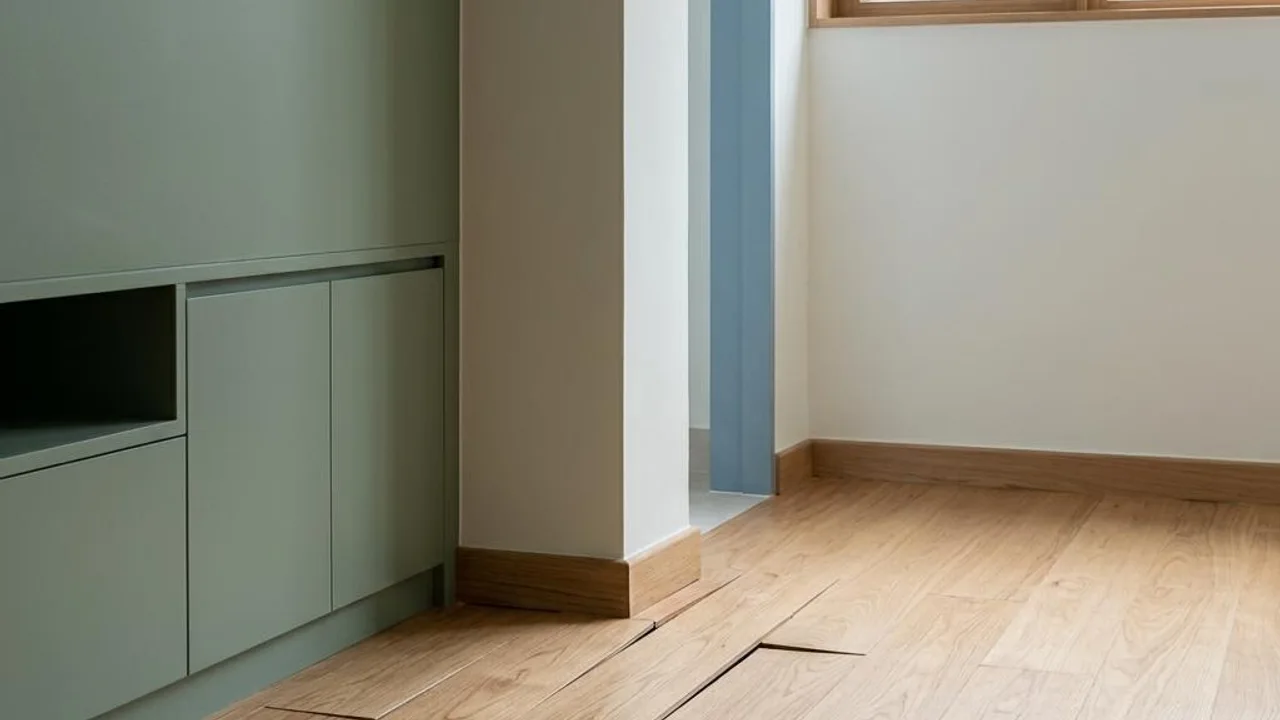
Property inspection time planning: Why should it never be done on the same day as the completion of the sale and purchase?
Property handover should be arranged in stages for legal formalities and property inspection; avoid cramming everything into the same day. Rushed inspections lead to missing structural or plumbing defects due to time pressure. Time should be reserved for water and electricity to be turned on for systematic assessment by professionals to safeguard rights for defect rectification.
Read full article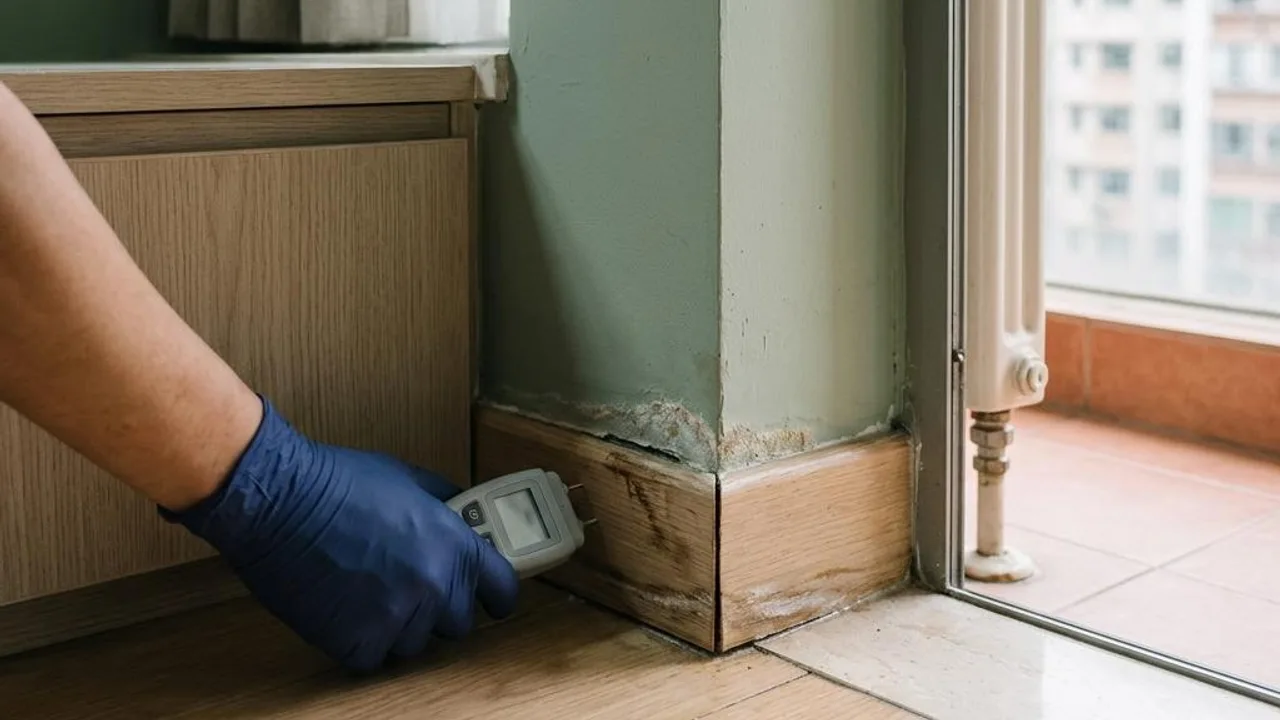
Property inspector reveals: Hidden defects developers fear most and response guide
This article dissects the core of property inspection, using scientific instruments to detect tile hollows, hidden water seepage and waterproofing details, helping owners identify potential risks before moving in, ensuring asset safety and effectively communicating quality issues with the developer.
Read full article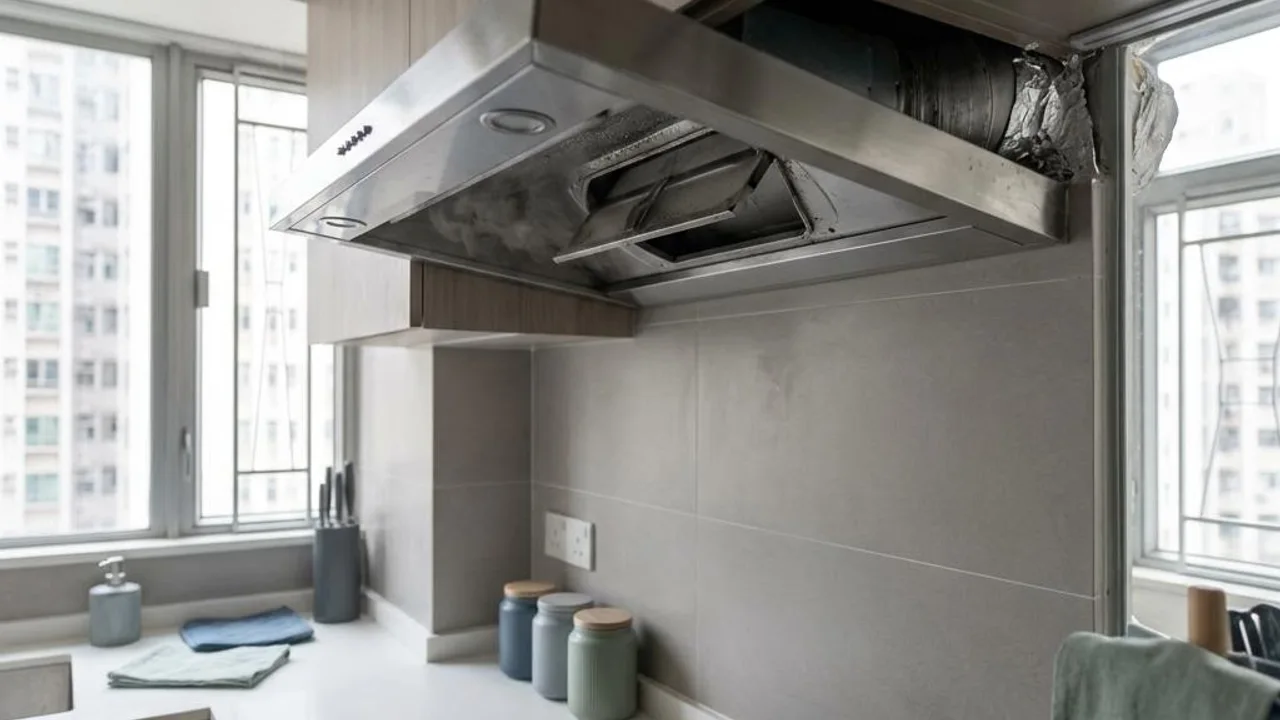
New property kitchen pitfall prevention: Thoroughly solving the causes of range hood backdraught
This article analyses the causes of backdraught in range hoods in new kitchens, explores the structure of the exhaust system and the performance of non-return valves, and provides inspection guidance and advice for owners to seek qualified professionals to handle the issues in order to maintain home air quality.
Read full article
[Checking building maintenance when buying a property] The condition of pipes on the building's exterior wall outside the window
This article focuses on deconstructing the impact of exterior wall pipes on indoor water seepage, teaching owners how to observe signs of pipe ageing, assess potential maintenance risks, and the correct procedures and professional boundaries for dealing with water seepage problems.
Read full article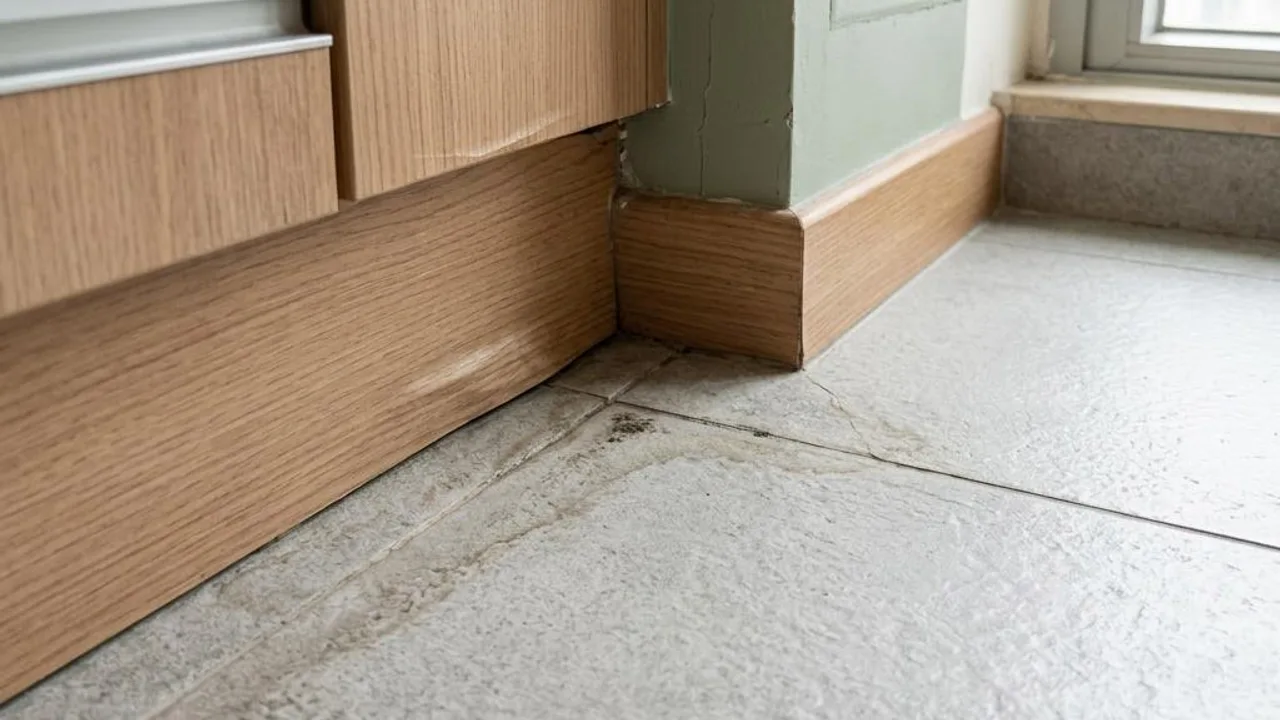
[Smart Viewing Tips] 3 Major blind spots to look for in a 5-minute viewing to avoid problematic units
This article summarises observation priorities for living rooms, wet areas and window sills during property viewings, teaching owners how to identify wall cracks, signs of water seepage and traces of decorative concealment with the naked eye to safeguard property purchase safety.
Read full article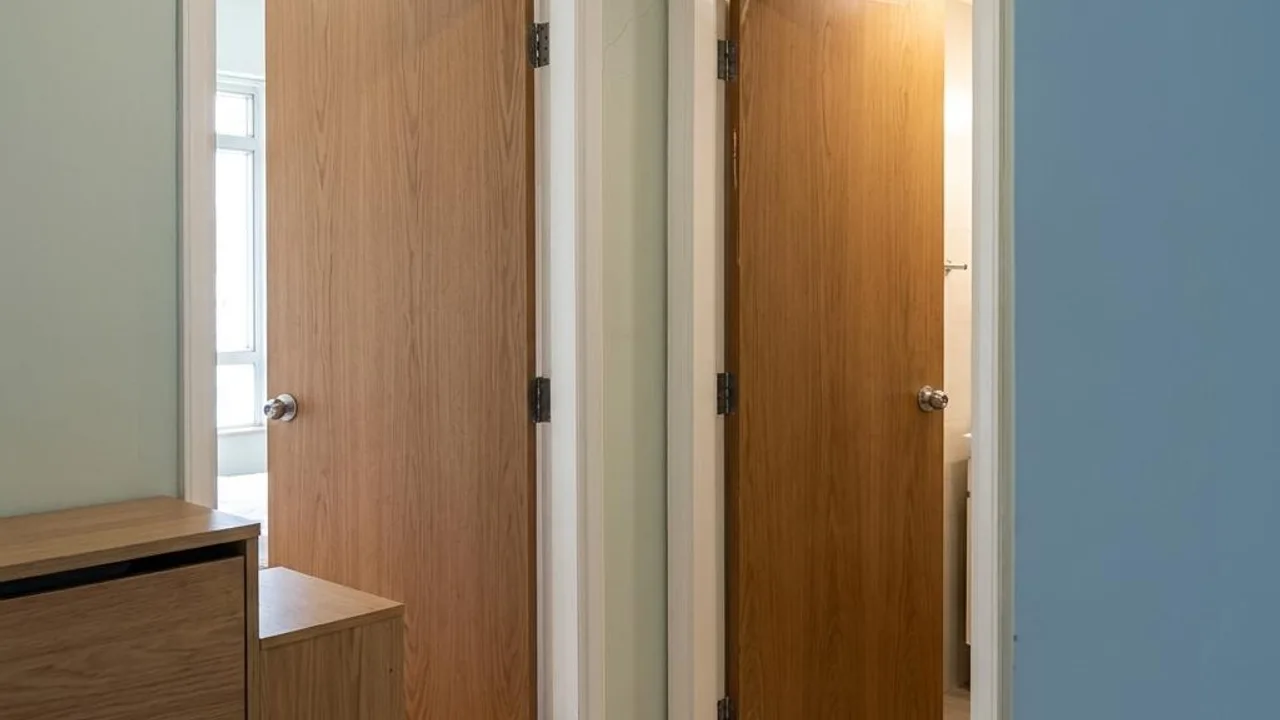
[Bedroom and bathroom doors cannot be closed] Preliminary signs of unit structure or settlement from door frame deformation
This article analyses the phenomenon of door deformation, teaching owners to distinguish between daily dampness wear and tear and structural settlement. It emphasises that in the face of structural displacement, incorrect repairs should be avoided and professional structural engineering assessment should be sought to safeguard home safety.
Read full article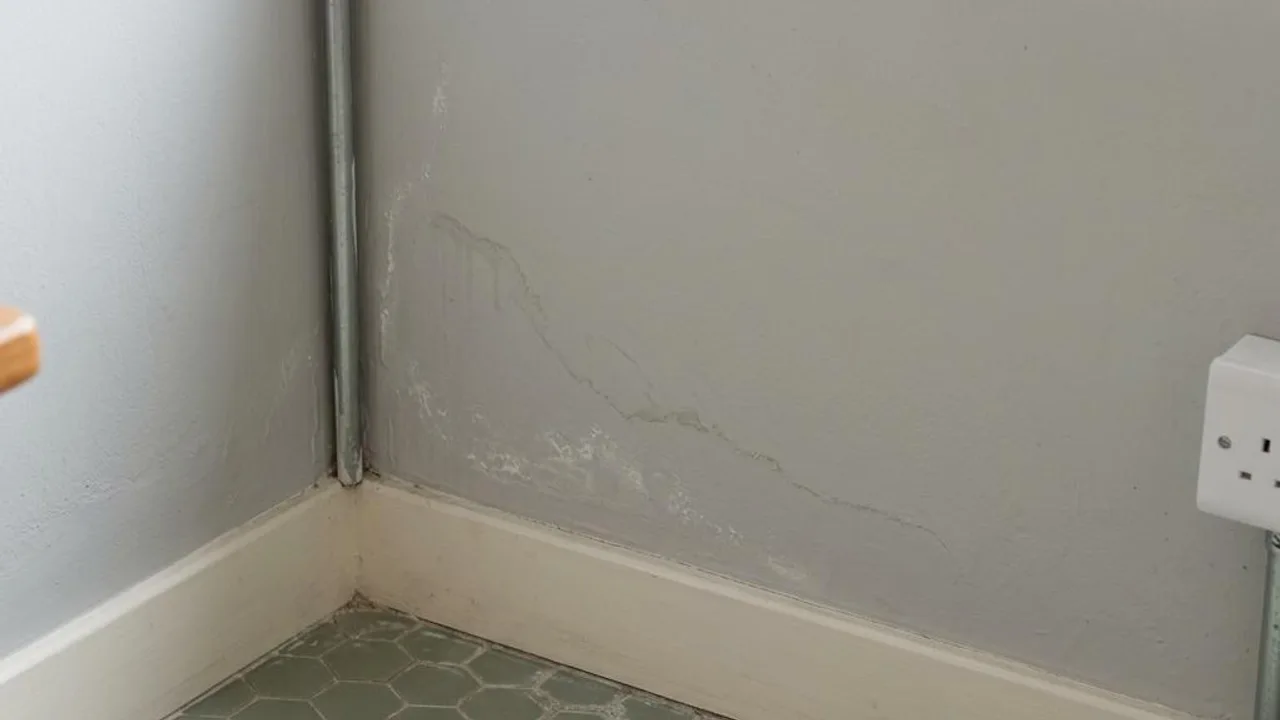
Viewing notes practical guide: Efficiently reviewing to lock in your preferred unit
This article provides a systematic note-taking and analysis method for property viewings, guiding buyers on how to filter out potential hazards through personal observation and professional inspection to ensure rational and reassuring decisions during the property buying process in Hong Kong.
Read full article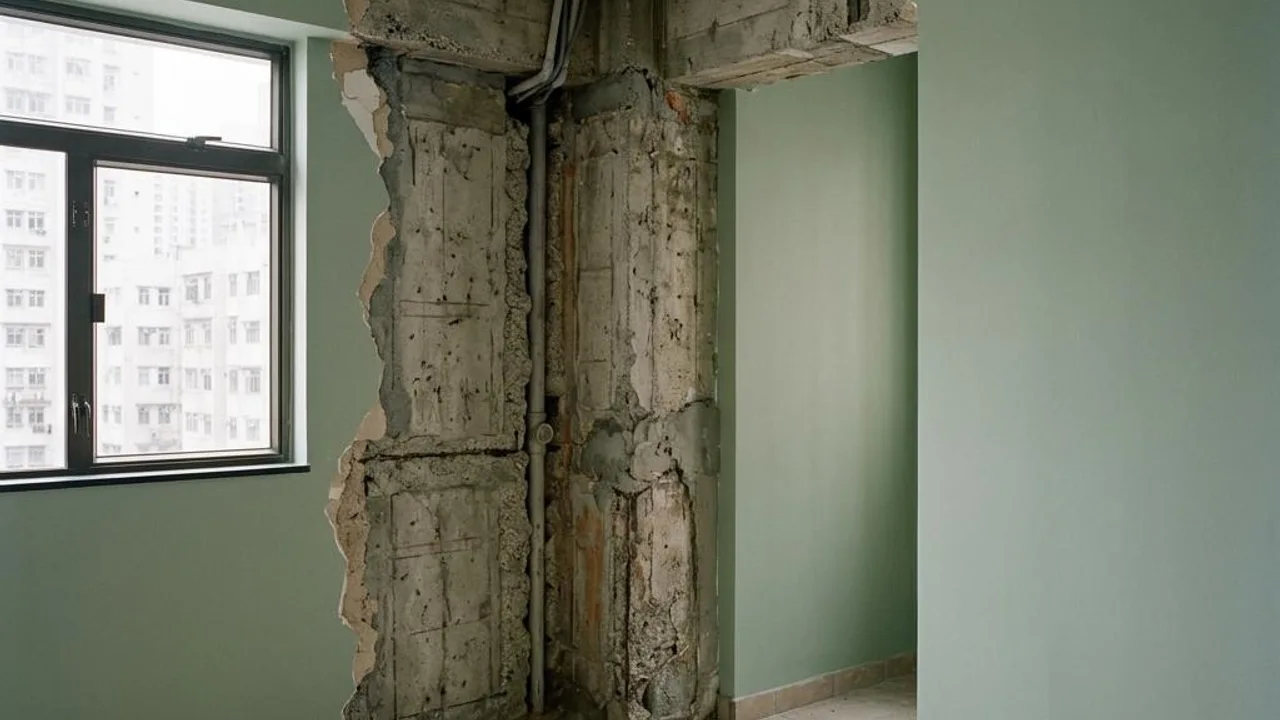
[Viewing Pitfalls] Don't be fooled by beautiful decoration! How to assess the true structure of a second-hand property after it is cleared
This article analyses the potential structural hidden hazards after sophisticated decoration of second-hand properties, teaching buyers how to rationally identify wall cracks, water seepage and risks in hidden spaces, assisting buying decisions through a professional perspective to ensure peace of mind after moving in.
Read full article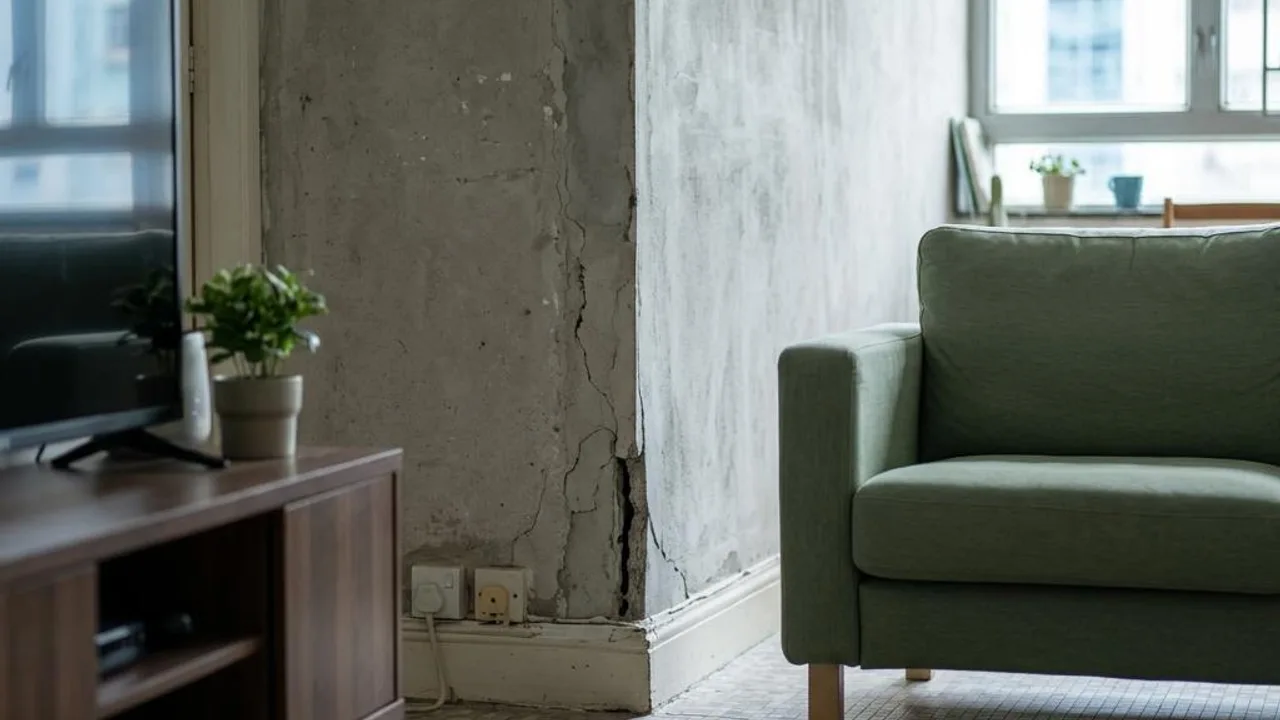
Property purchase guide: How to assess unit soundproofing and privacy
This article analyses common causes of soundproofing and privacy issues in Hong Kong homes, teaches prospective buyers how to perform preliminary assessments of wall and window structures during viewings, and explains the importance of professional property inspection and feasible improvement directions for owners to help safeguard property purchase rights.
Read full article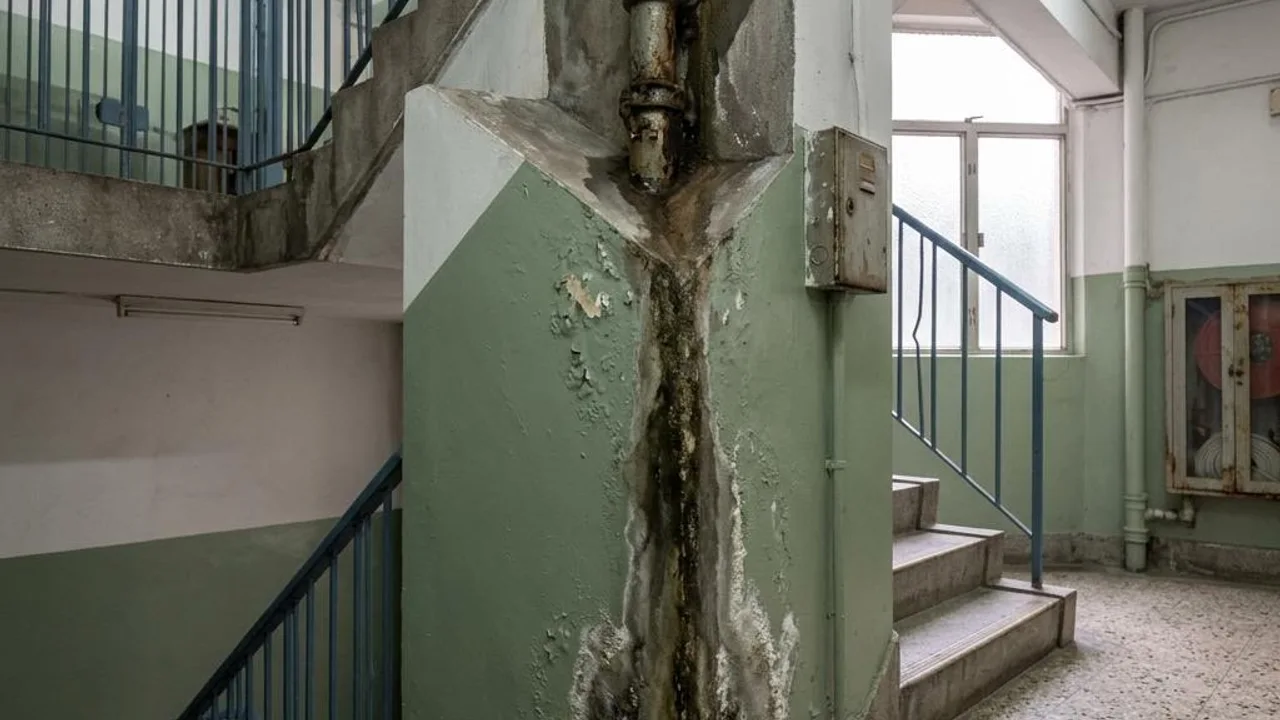
Old building viewing guide: Environmental, odour and public safety assessment
When purchasing an old building, in addition to the interior of the unit, it is essential to focus on assessing the environmental hygiene, odour and electrical safety of the public staircases. By observing these peripheral hidden hazards in conjunction with advice from a professional property inspection team, buyers can judge potential living risks, ensure property quality, avoid long-term water seepage or pest infestation troubles, and safeguard the living experience for future residence.
Read full article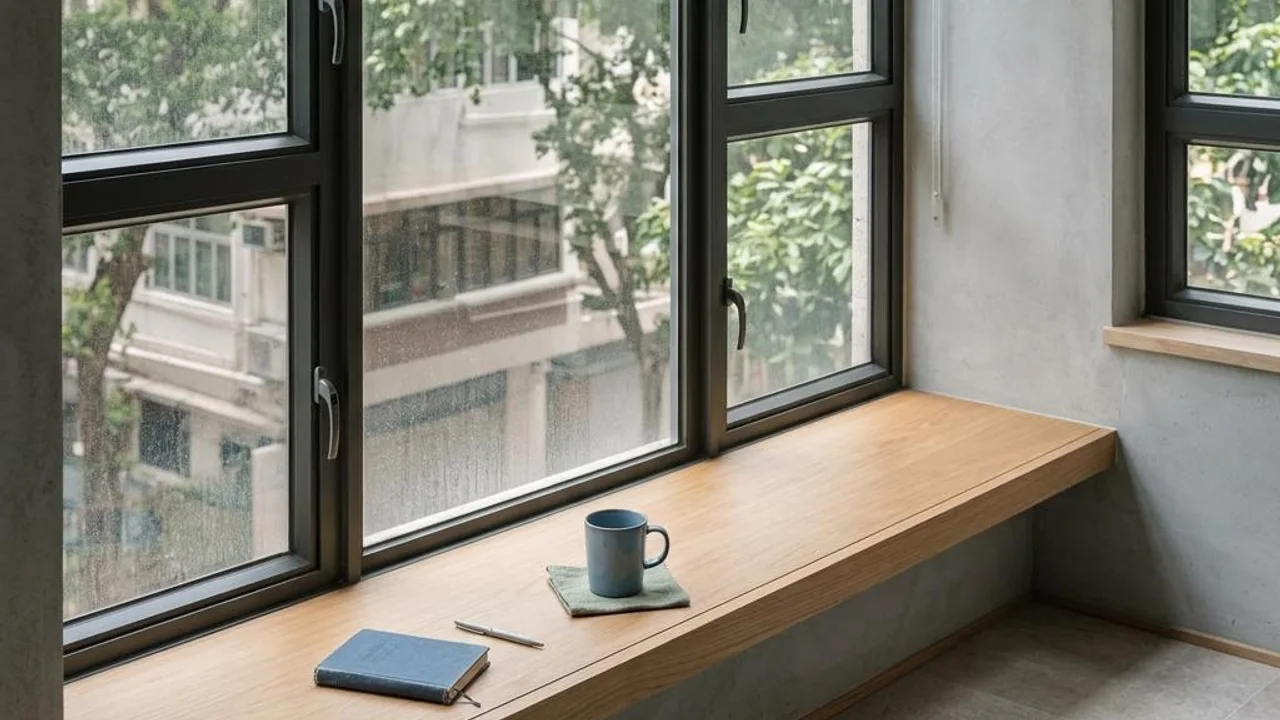
Low-floor unit viewing essentials: Actual environment and lighting experience
This article analyses the challenges faced by low-floor units in Hong Kong regarding lighting, privacy, ventilation and the living environment. Owners should conduct site visits and seek professional team assessment to avoid water seepage and structural concerns, thereby safeguarding the investment benefits of the property purchase.
Read full article
Viewing in practice: Mobile compass and orientation/sunlight assessment guide
This article analyses the gap between unit orientation and actual sunlight in Hong Kong homes, explains the limitations of mobile compass measurements, and teaches owners how to accurately judge the quality of lighting and ventilation through observation and professional assessment, thereby safeguarding property purchase rights.
Read full article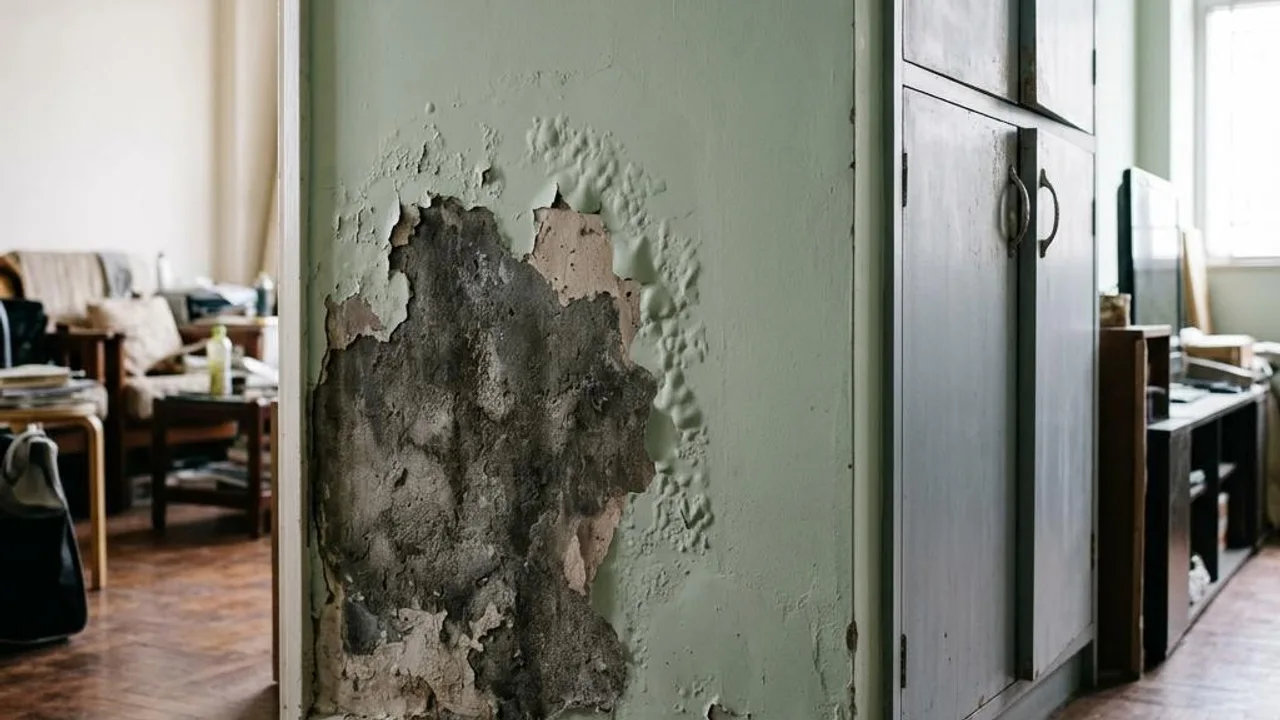
[Unit listing] Deducing the reasons for slow sales from estate agent rhetoric and the onsite environment
When facing slow property sales, owners should clarify the causes of the slow sales by optimising the environmental perception and seeking professional property inspection analysis. Building transparency through objective data and professional assessment can effectively increase buyer confidence and facilitate transactions.
Read full article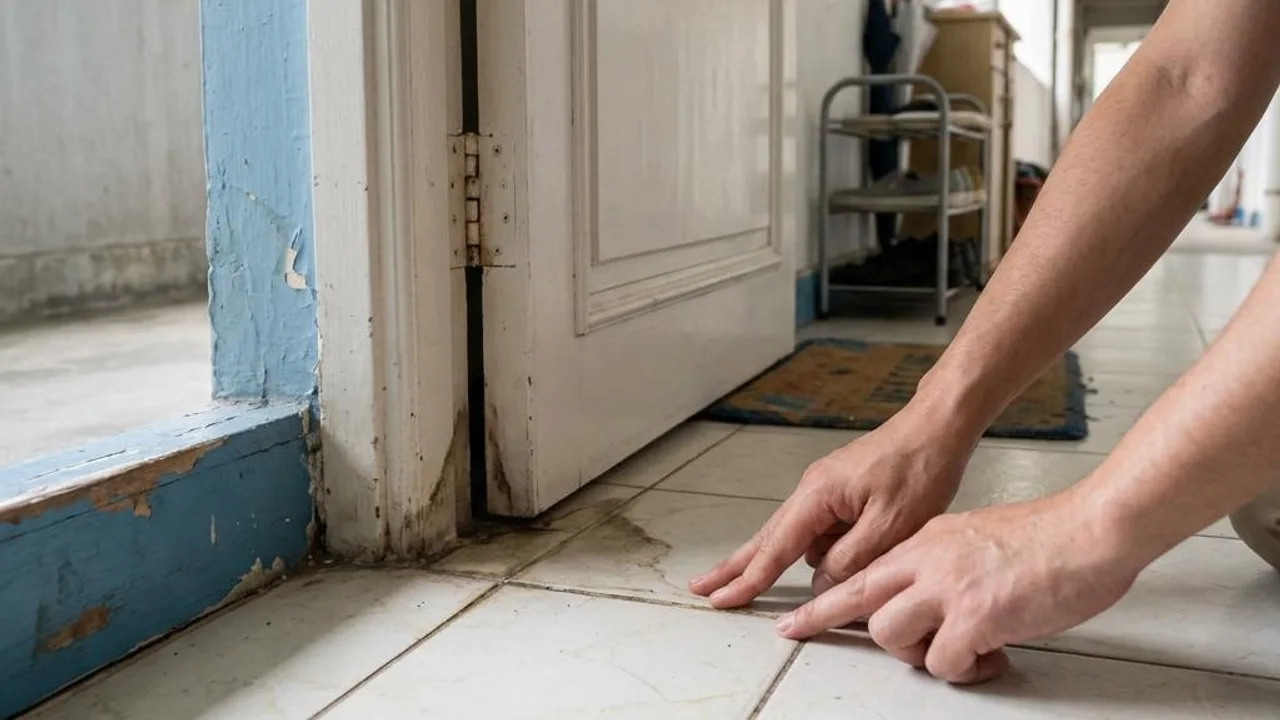
[Must-read for property viewing] How to accurately judge property quality and water leakage risks in a short time
This article guides prospective buyers to identify potential water seepage and structural hidden hazards in the limited viewing time by observing key locations such as skirting boards, window sills, bathroom walls and testing for hollows, avoiding missing important maintenance signals.
Read full article
Dusk property viewing strategy: How to see the true lighting and ventilation quality of a unit clearly
This article dissects the key advantages of viewing properties at dusk, helping buyers accurately evaluate the true living environment of a unit and avoid daytime visual blind spots by observing lighting dead corners, ventilation flow, and wall details during the period when natural light fades.
Read full article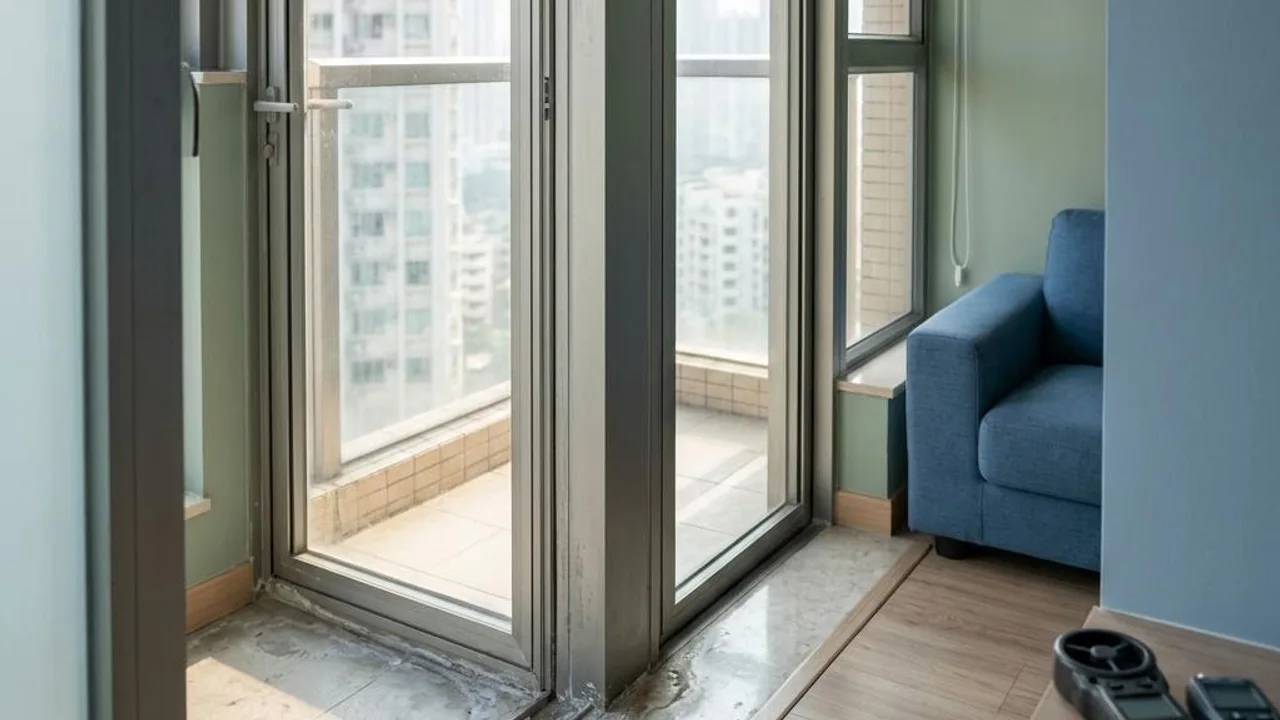
High-rise unit balconies: A practical inspection guide for wind pressure crises and the western sun effect
High-rise unit balconies are often subject to strong wind pressure and the western sun, harbouring risks of structural ageing and water seepage. This article teaches homeowners how to observe the condition of window frames, waterproofing layers and heat insulation, and to seek professional assessment when abnormalities are discovered to safeguard living safety and environmental comfort.
Read full article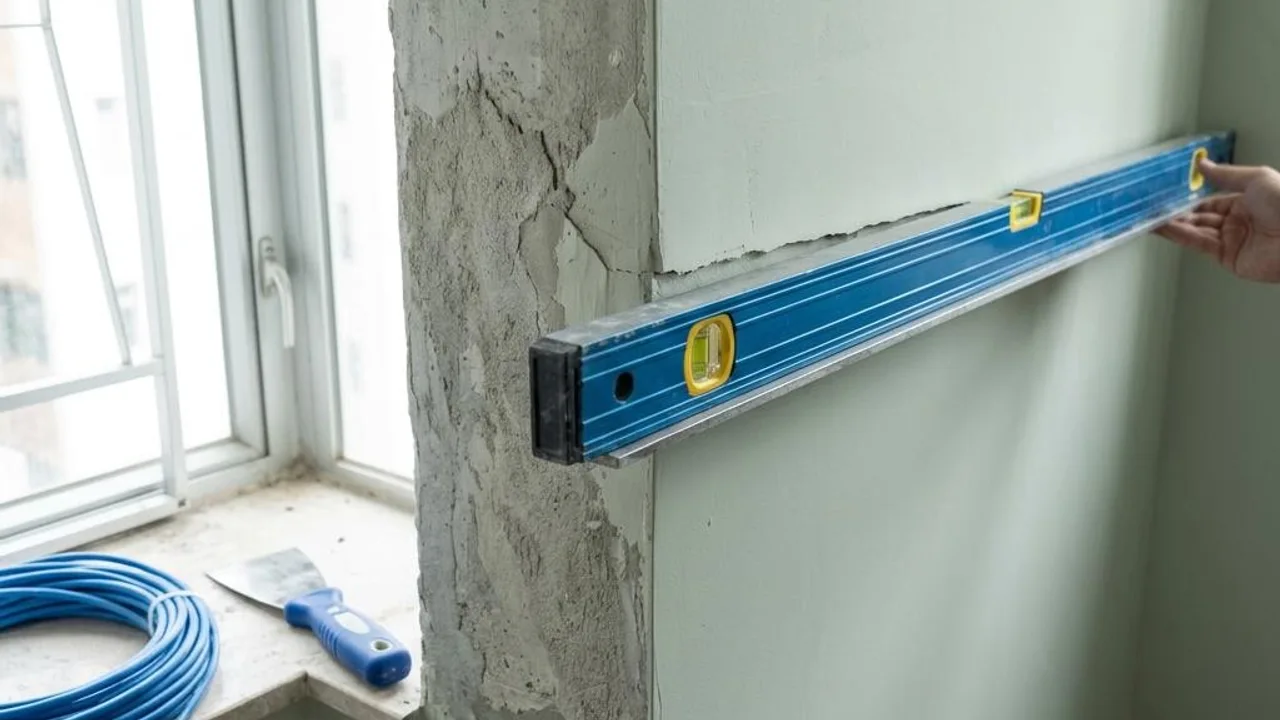
[Second-hand property beautiful decoration pitfalls] Teach you to spot wall hidden hazards at a glance
In the second-hand property market, gorgeous decoration often conceals water seepage and wall defects. Owners should identify potential hidden hazards by observing fine cracks, hollows and signs of dampness to avoid bearing huge maintenance costs after moving in.
Read full article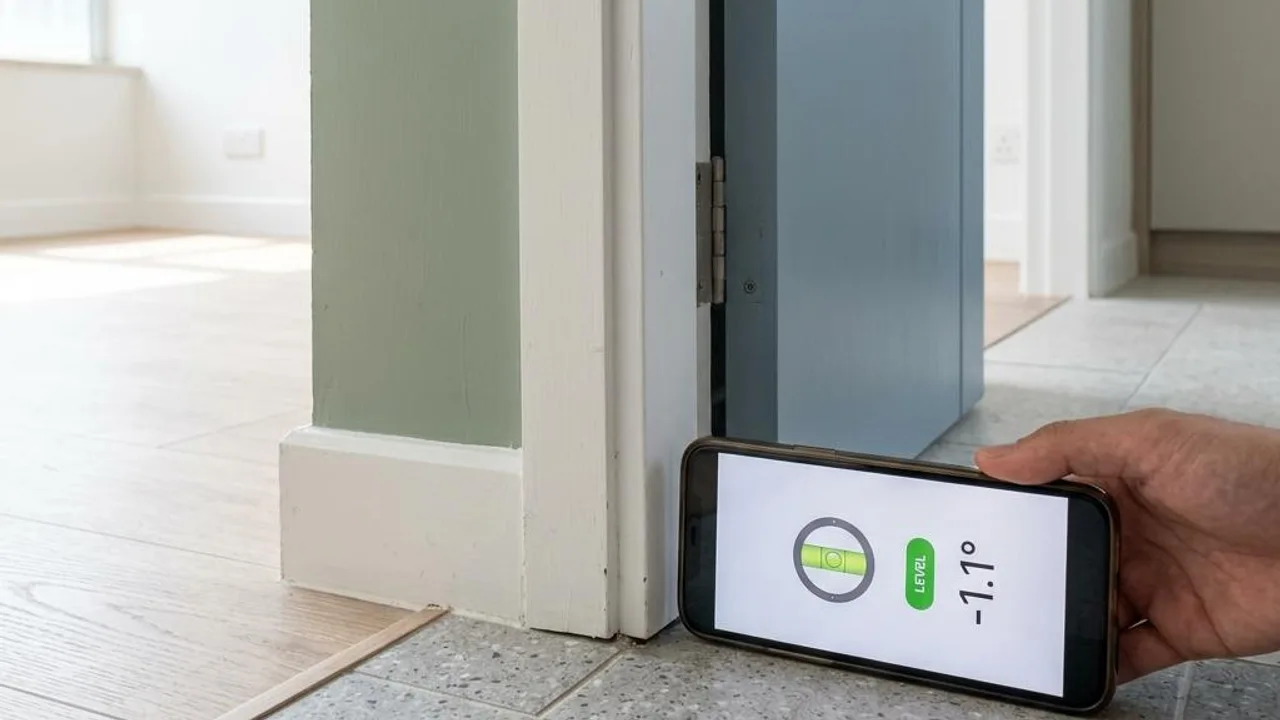
Property inspection: Limitations of mobile App level functions and professional testing
This article explores the physical differences between property inspection mobile Apps and professional property inspection testing. Owners should understand the limitations of simple tools and combine them with professional instruments and experience to ensure the objectivity and safety of home defect rectification work.
Read full article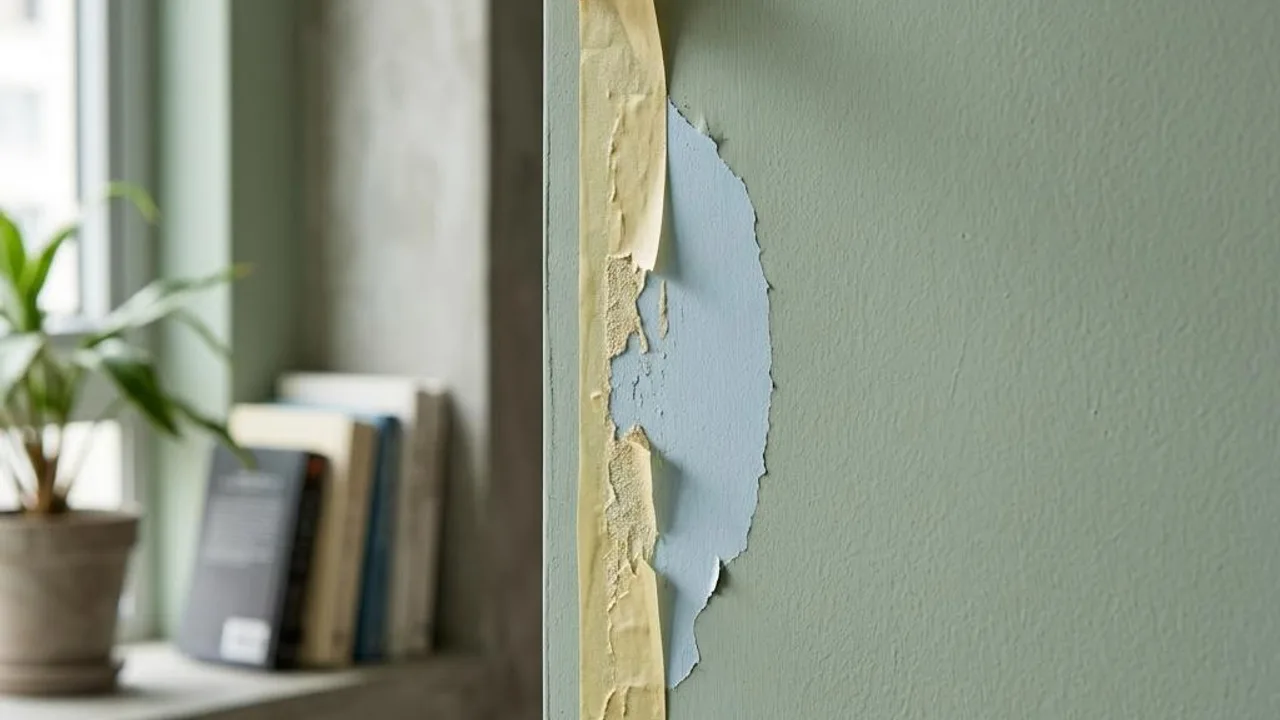
Does masking tape damage paint if left on too long? Precautions for property handover defect rectification
Homeowners need to be careful when using masking tape during property inspection and defect rectification; leaving it on for too long can easily penetrate the paint film and cause peeling. The correct method is to shorten the usage time, strictly prohibit the use of hard objects to scrape it off, and seek professionals to handle serious defects.
Read full article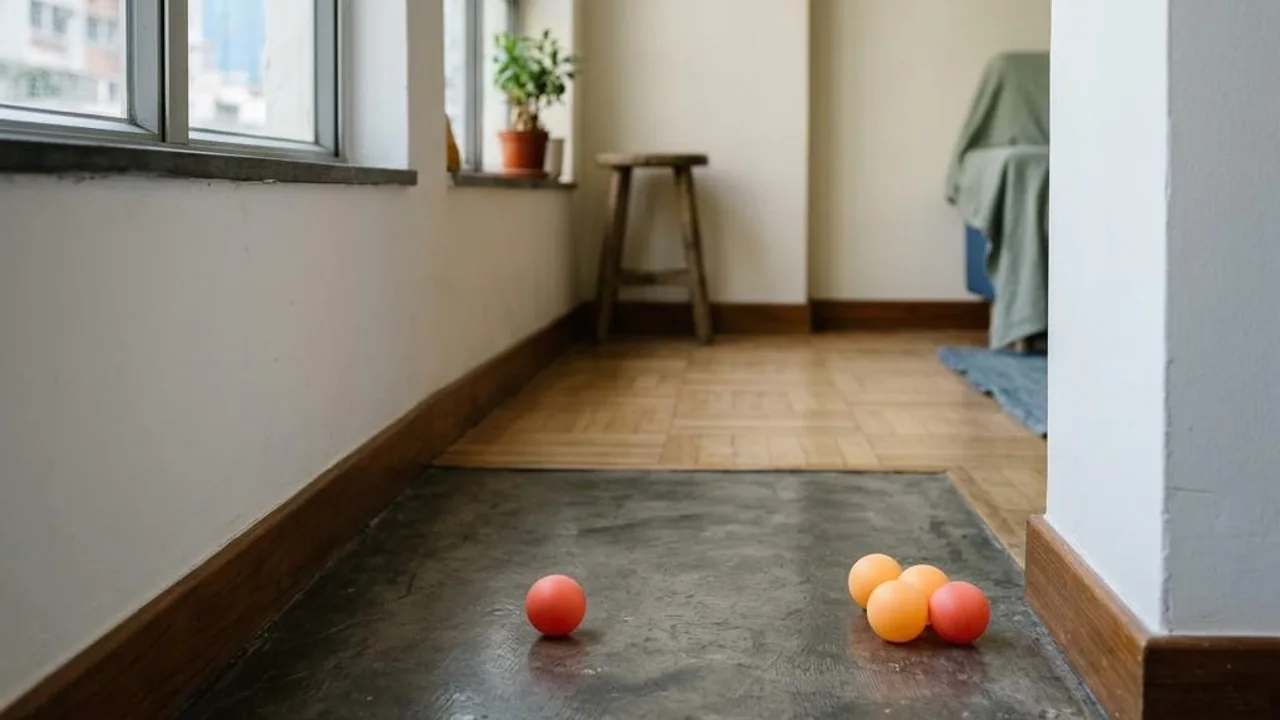
Property inspection floor level testing guide: Application and limitations of the ping-pong ball test method
This article explores the method of using a ping-pong ball to test floor flatness during property handover, elaborating on its physical characteristics as an initial screening tool, operating steps, limitations and when to seek assistance from a professional property inspector to safeguard owner rights.
Read full article
Property inspector new property inspection focus: Unit assessment from a professional perspective
This article summarises the new property inspection process and technical focus, guiding owners on how to detect hidden defects through professional equipment such as hollow hammers and infrared cameras, and clarifying the boundaries between self-inspection and professional assessment to safeguard long-term rights.
Read full article
The balance between new property handover rituals and professional property inspection
This article explores how to achieve a balance between the unboxing ritual on social platforms and rigorous professional property inspection when taking possession of a property. It guides owners to identify common home hidden hazards and analyses the importance of commissioning professionals to conduct systematic inspections to ensure the safety of the new home.
Read full article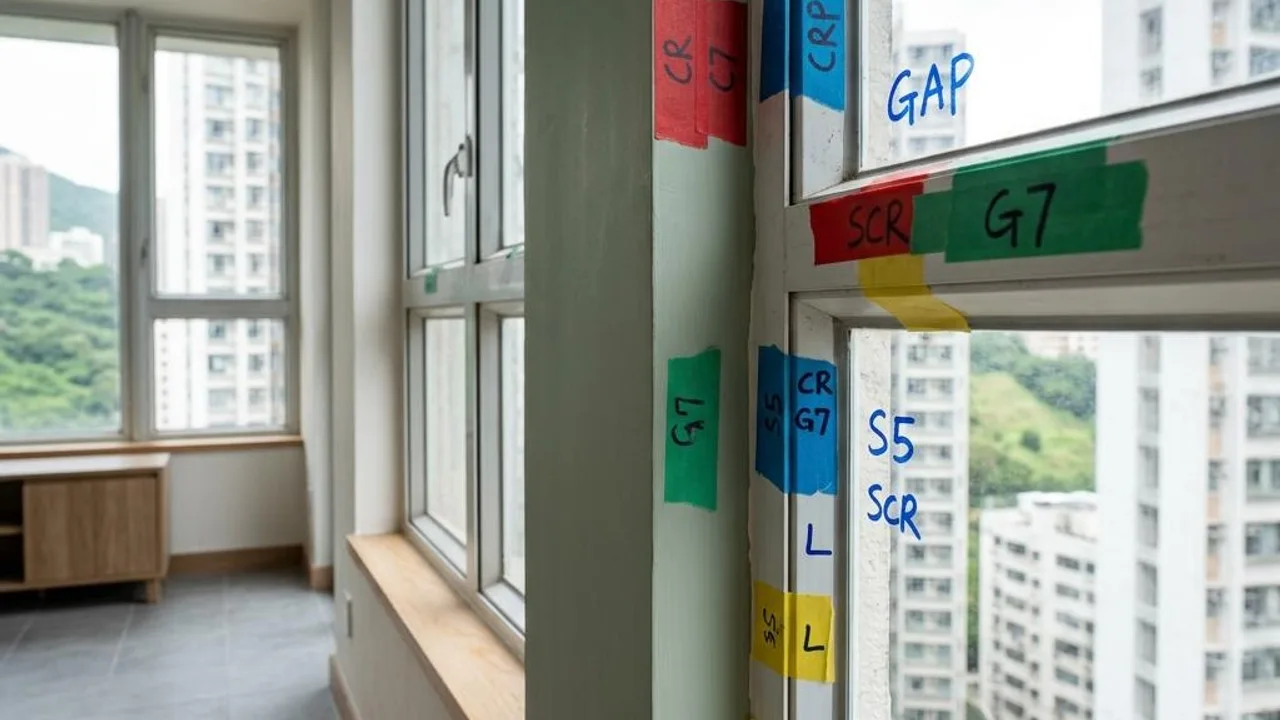
Full analysis of property inspection tape signals: Decoding the meaning of defect rectification behind the marks
This article comprehensively dismantles the role and meaning of wall tape marks during new property handover, teaches owners how to identify unit defects through professional markings, coordinate with professional property inspection procedures, and provides correct recording and follow-up techniques to help you safeguard your home handover rights.
Read full article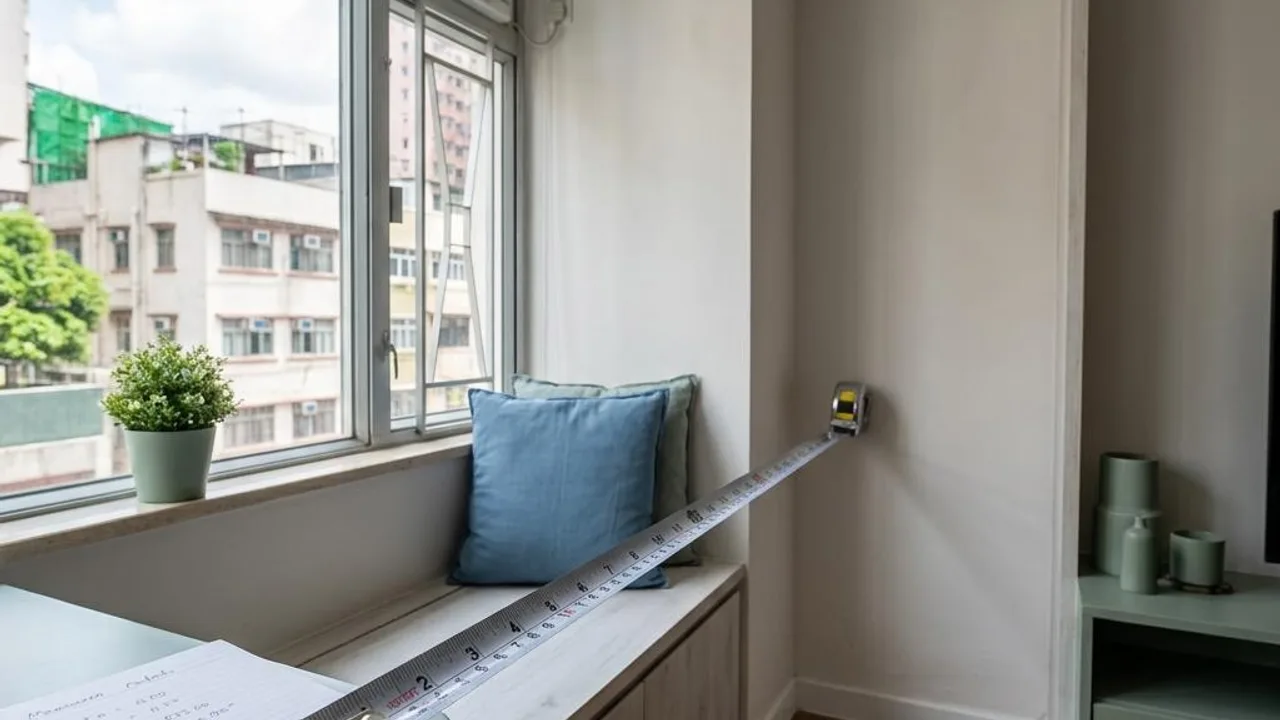
Self-carrying a measuring tape for property inspection: Key steps to avoid decoration pitfalls
Measuring on the handover site is an important step to safeguard owner rights. By measuring the actual space dimensions on site, owners can discover construction deviations early, avoid custom-made furniture not fitting during renovation, and provide accurate data for design layout, effectively reducing later modification expenses and wasted time.
Read full article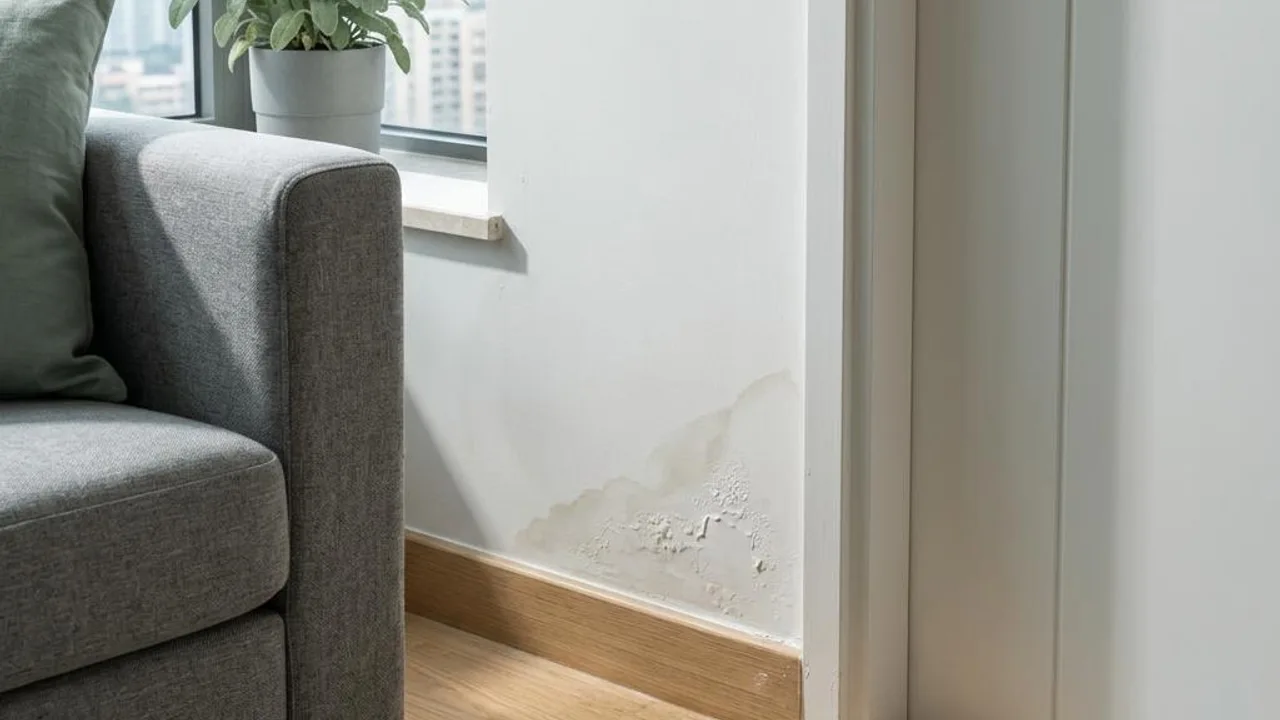
Property inspection pitfall prevention: Never rush to sign the confirmation document on the day of handover
Do not be rushed into signing documents during handover. Insist on a detailed property inspection before signing off, recording details like wall hollows, drainage and window frames, to avoid bearing unnecessary defect rectification responsibilities due to the unit status being considered accepted upon signature.
Read full article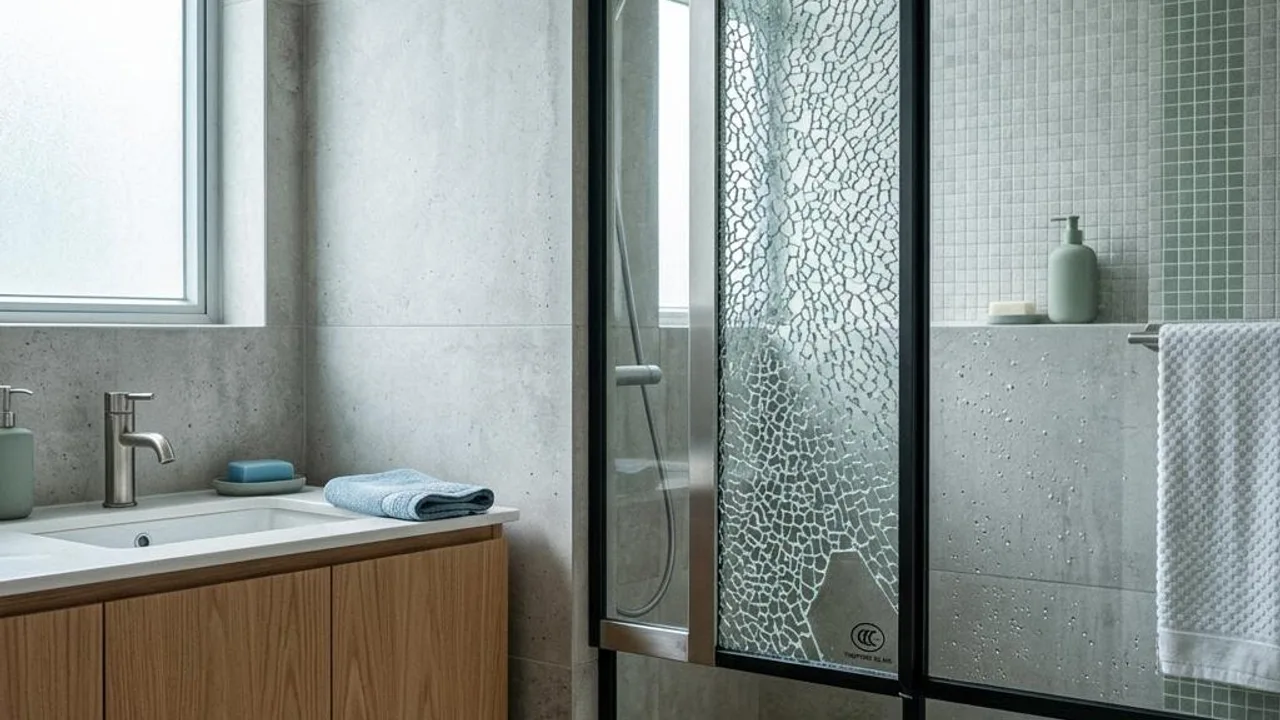
Causes of self-explosion of shower screen glass and guide to identifying tempered safety glass
This article explores the causes and physical mechanisms of spontaneous glass breakage in shower screens in Hong Kong homes. It provides guidance to owners on checking the status of the glass, identifying compliant safety marks, and establishing daily maintenance routines to enhance safety in the bathroom.
Read full article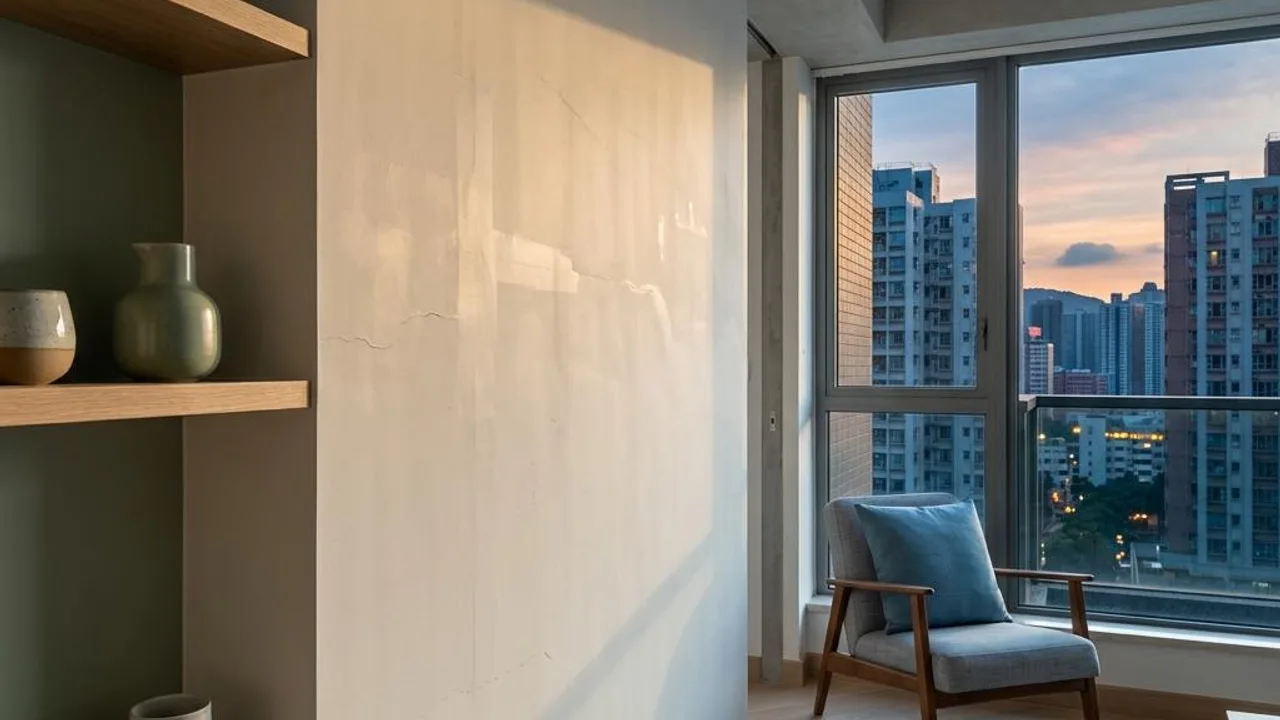
The impact of lighting angles on property inspections: Why do wall flaws appear differently at dusk compared to daytime?
This article analyses the influence of lighting angles on property inspection results. It explains why observing walls under daylight versus side lighting yields different results and provides practical side-lighting inspection techniques and tips for owners to accurately identify wall plastering defects.
Read full article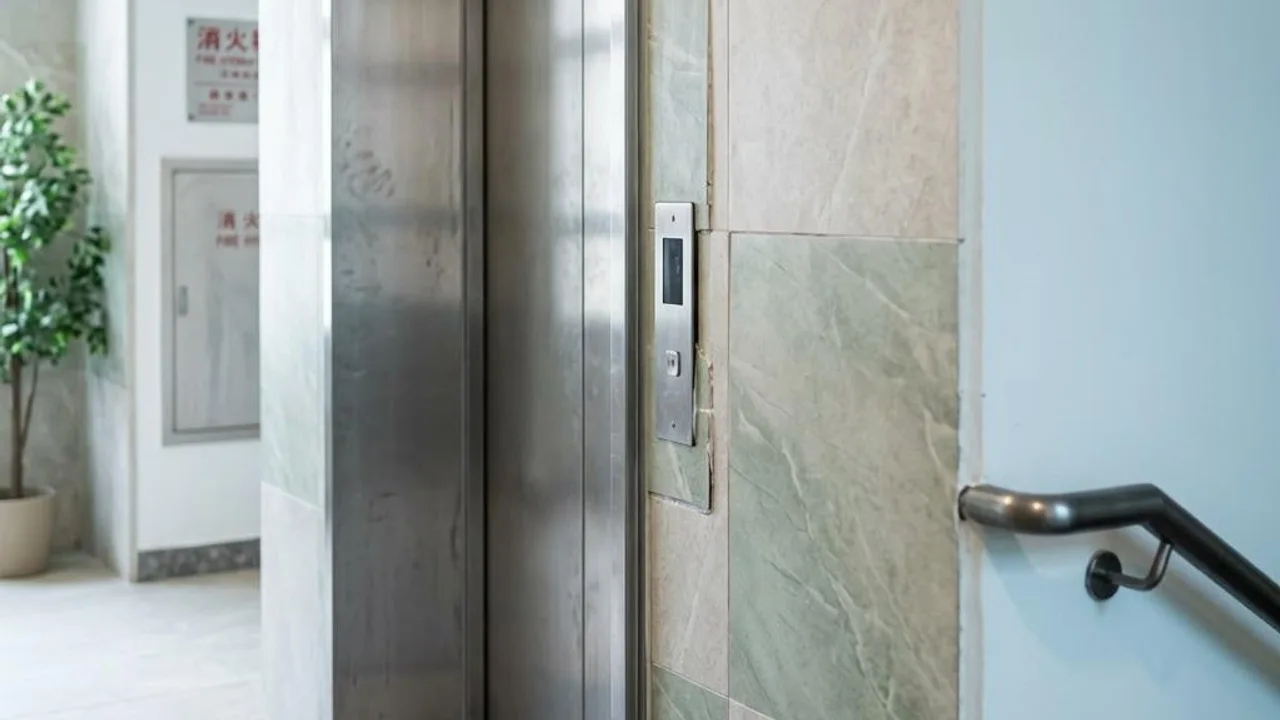
Inspecting lobbies and lifts upon property handover: Key points for observing overall estate quality before moving in.
Property inspections should not only cover the interior of the unit; common areas are equally critical. By observing the stone work in the lobby, the stability of the lifts, and fire safety facilities, you can assess the developer's craftsmanship, avoid future depletion of maintenance funds, and safeguard the long-term rights and interests of residents.
Read full article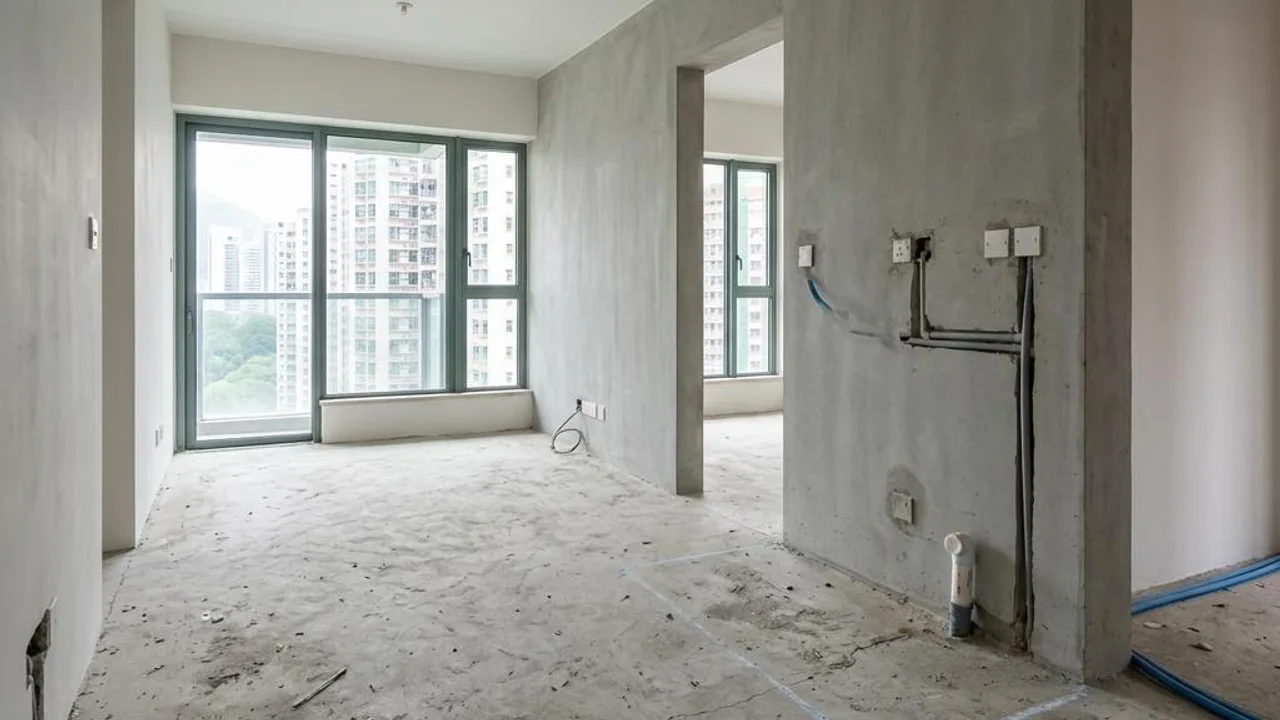
Property inspection checklist for bare-shell units: Key testing points for units without flooring or partition walls.
Inspecting a bare-shell unit upon handover is not just a structural check; it is critical for eliminating risks associated with concealed works. This article details key inspection points for structure, flooring, pipes, and windows, assisting owners in mastering correct inspection methods and recording processes to effectively protect their renovation budget and avoid future repair disputes.
Read full article
Demystifying property inspection report terminology: Understand common building terms and key inspection points in seconds.
This article aims to assist Hong Kong owners in interpreting professional building terminology in property inspection reports and clarifying the definitions of structural defects and water seepage risks. By understanding key terms, owners can communicate more effectively with contractors to ensure defect rectification progress and understand the essential role of professional equipment in inspecting concealed works.
Read full article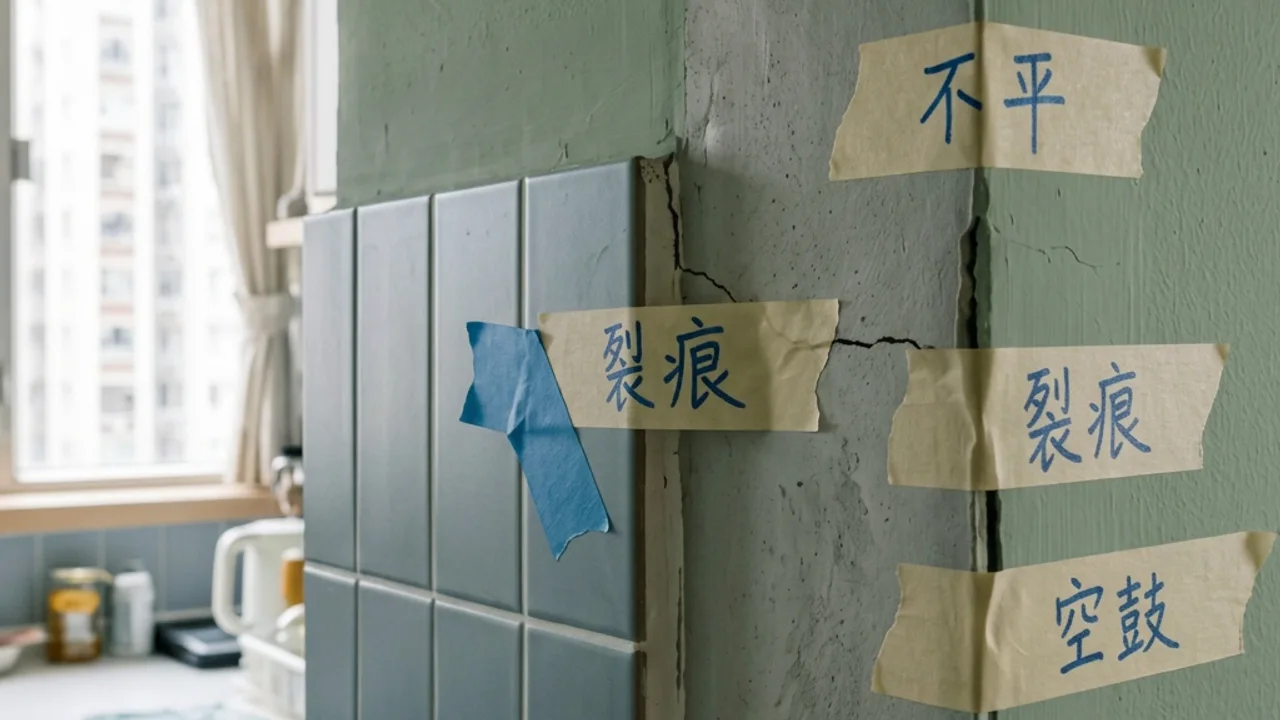
Techniques for marking defects with masking tape: How to avoid misunderstandings during defect rectification.
Owners should avoid indiscriminately applying tape during property inspections. Using precise marking, specifying the nature of the defect, and coordinating with on-site communication can effectively enhance rectification efficiency and avoid secondary damage to finishes or communication breakdowns caused by the misuse of tape.
Read full article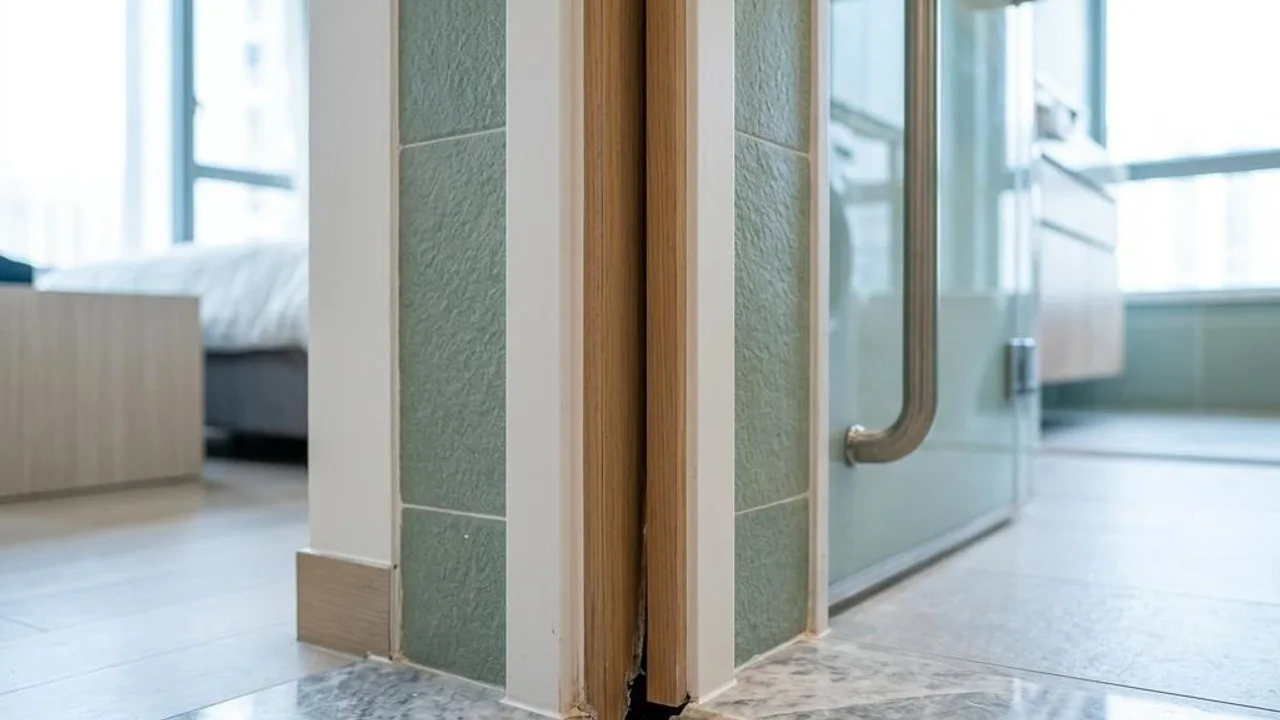
Defect rectification guide upon property handover: How to deal with developer delays and failed reinspections.
This article analyses common tactics used by developers to delay defect rectification for new properties. It guides owners on leading the follow-up process through written records and adopting effective construction supervision measures to identify and handle various construction defects during reinspection, thereby protecting the unit's interests.
Read full article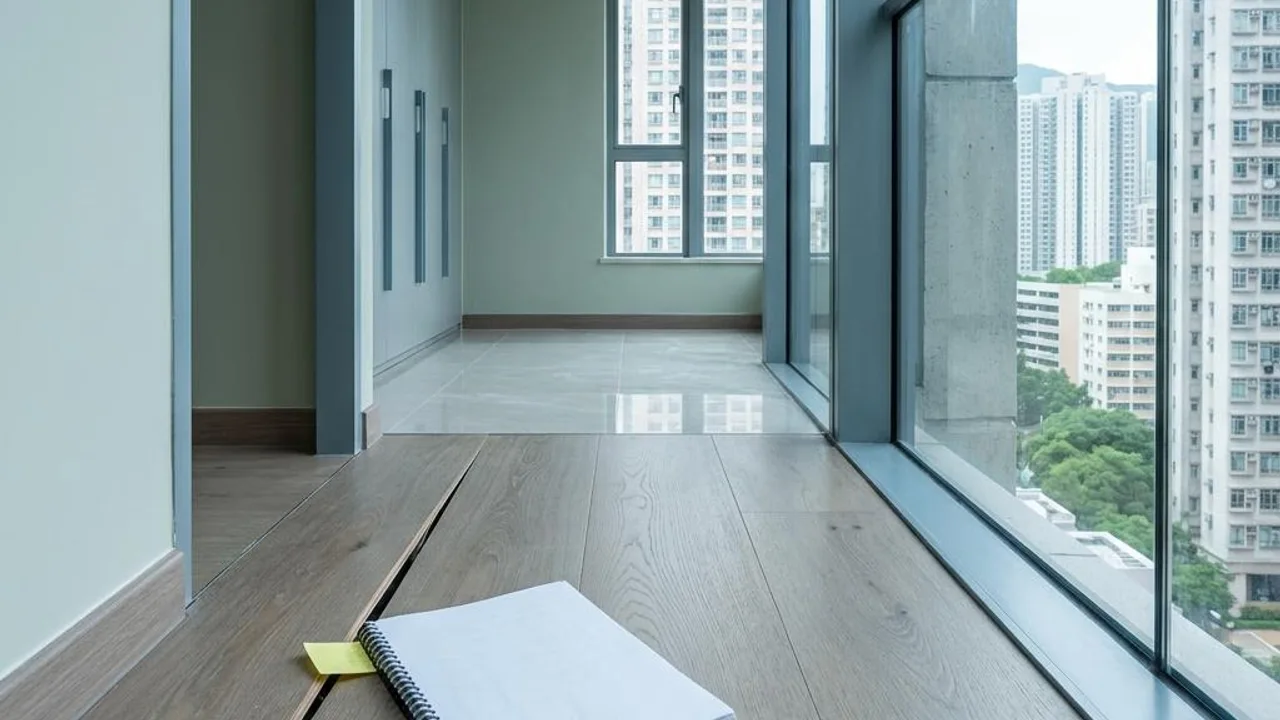
Must-read for property handover: How to use a property inspection report to negotiate with the developer.
How to utilize data within a professional property inspection report after handover to effectively categorise defects and conduct robust negotiations with the developer, supported by scientific evidence, to claim reasonable rights to defect rectification and quality assurance.
Read full article
Complete guide to property inspection soundproofing: Checking double-glazed glass and window seals.
This article focuses on the key aspects of inspecting window soundproofing during property inspections, covering double-glazed performance assessment, window frame airtightness checks, and hardware adjustment. It guides prospective owners in identifying noise leakage points and suggests consulting professionals to protect living standards.
Read full article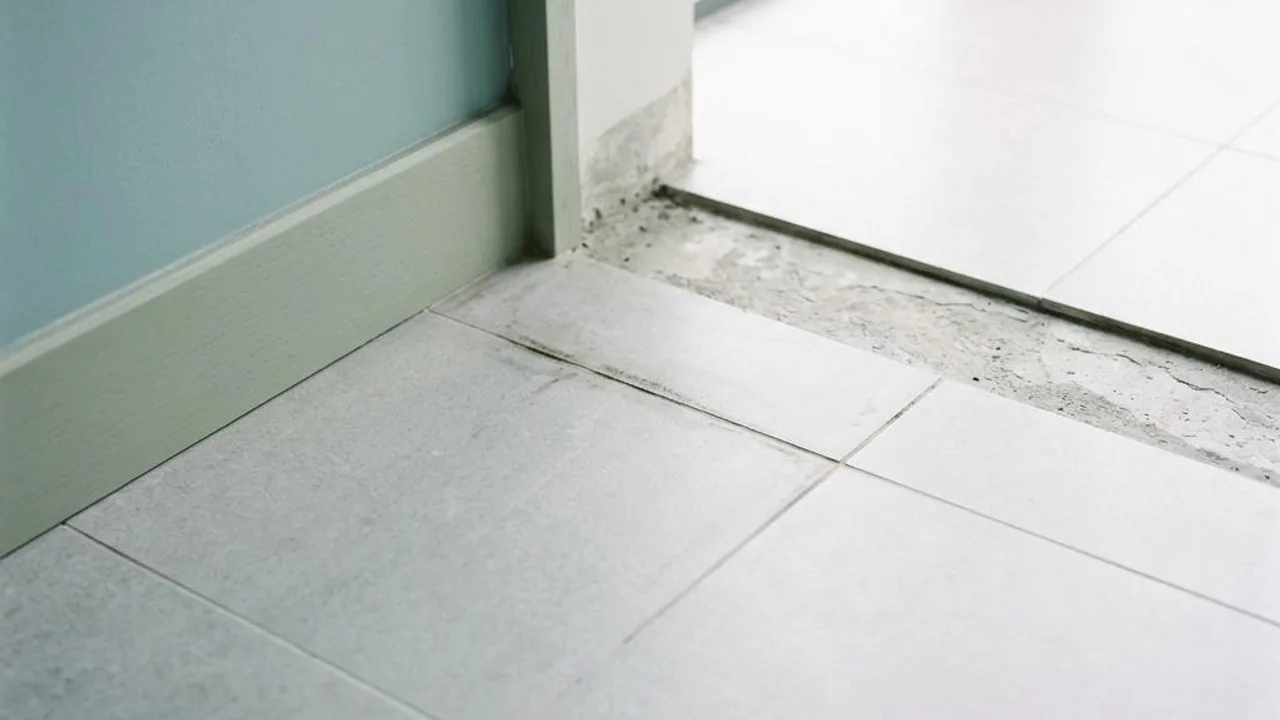
Property inspection details not to be overlooked: Three common invisible blind spots when taking possession of new properties.
New property acceptance is not just about aesthetics; the airtightness of door and window hardware, waterproofing performance, and the finishing details of skirting boards directly affect living standards and structural safety. Owners need to use careful observation and professional assistance to record defects in time to protect their rights.
Read full article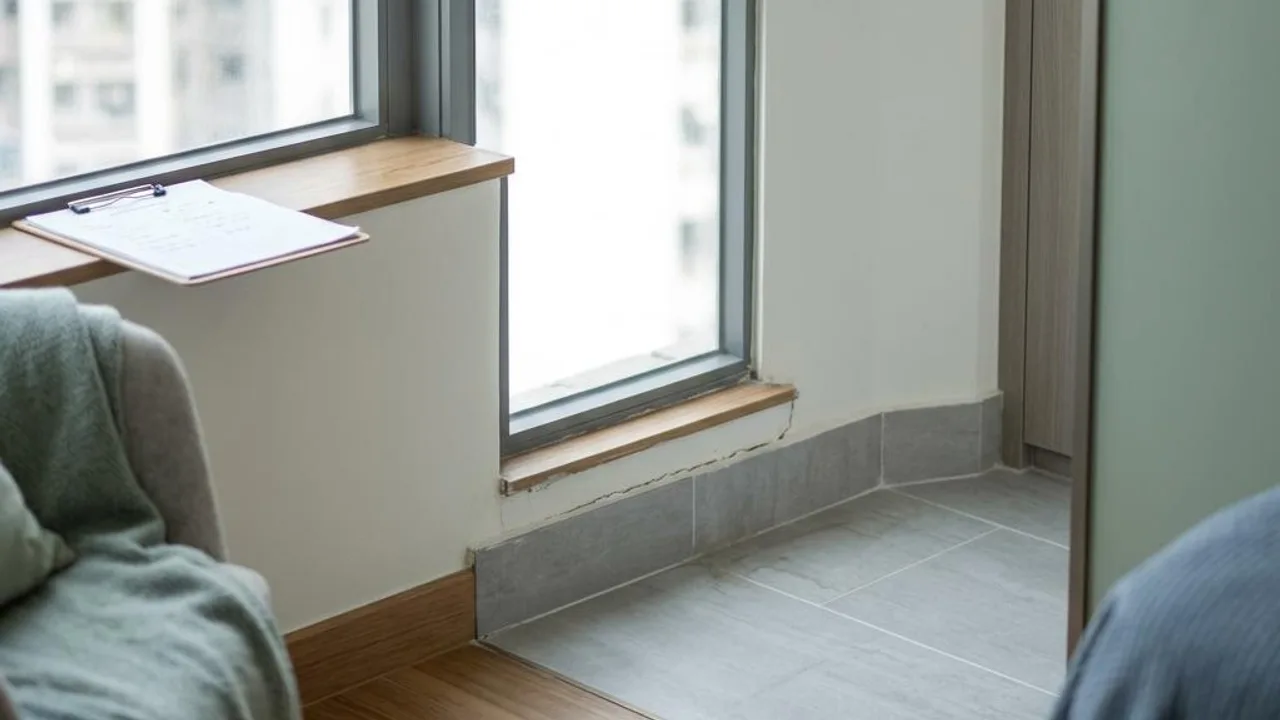
New property handover guide: The five core inspection steps that beginners must know when moving in.
This article summarises the core inspection points for new property handovers, guiding owners through observation and basic tests to identify common construction defects in doors, windows, walls, water, electricity, and flooring. This helps owners protect the quality and safety of their home before moving in and avoids increased renovation costs later.
Read full article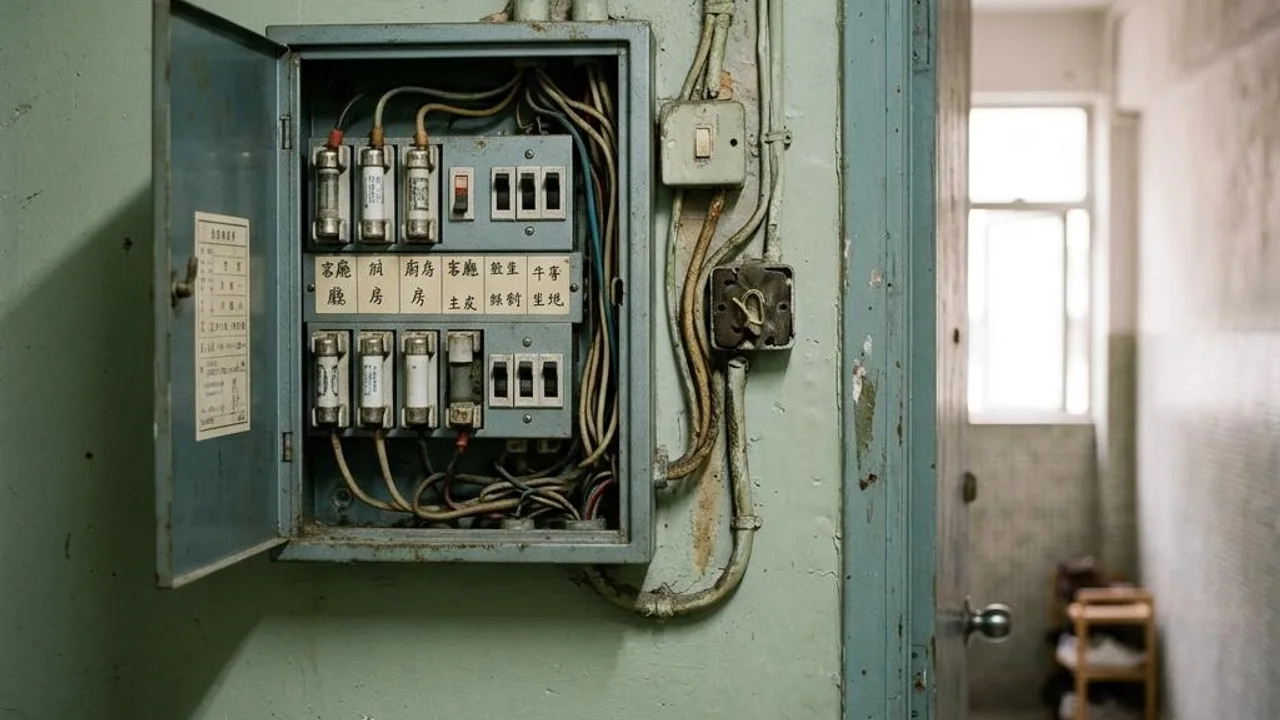
Second-hand property electrical box and wiring safety: A preliminary inspection guide.
This article explores the potential risks of old electrical systems, including aging wiring and electrical box safety. It provides practical guidelines for owners to inspect sockets and wiring daily and emphasises the importance of hiring registered electrical contractors to perform precision tests and issue engineering certificates to ensure electrical safety at home.
Read full article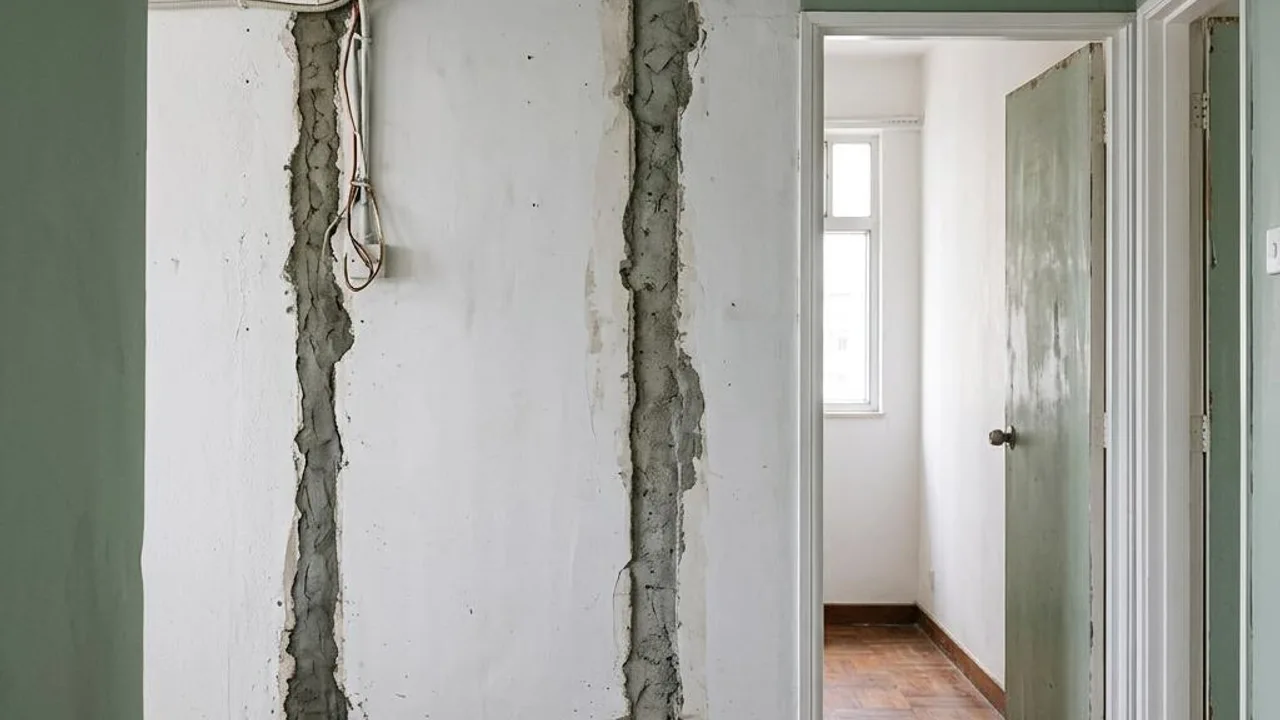
Purchasing second-hand property: Checking structural alterations and risk assessment.
This article guides home buyers in Hong Kong on how to identify structural alterations and risks associated with 'haunted houses' (hongzaai). By checking floor plans, observing signs of renovation, and making good use of bank valuations, buyers can protect their living safety and avoid potential property investment pitfalls.
Read full article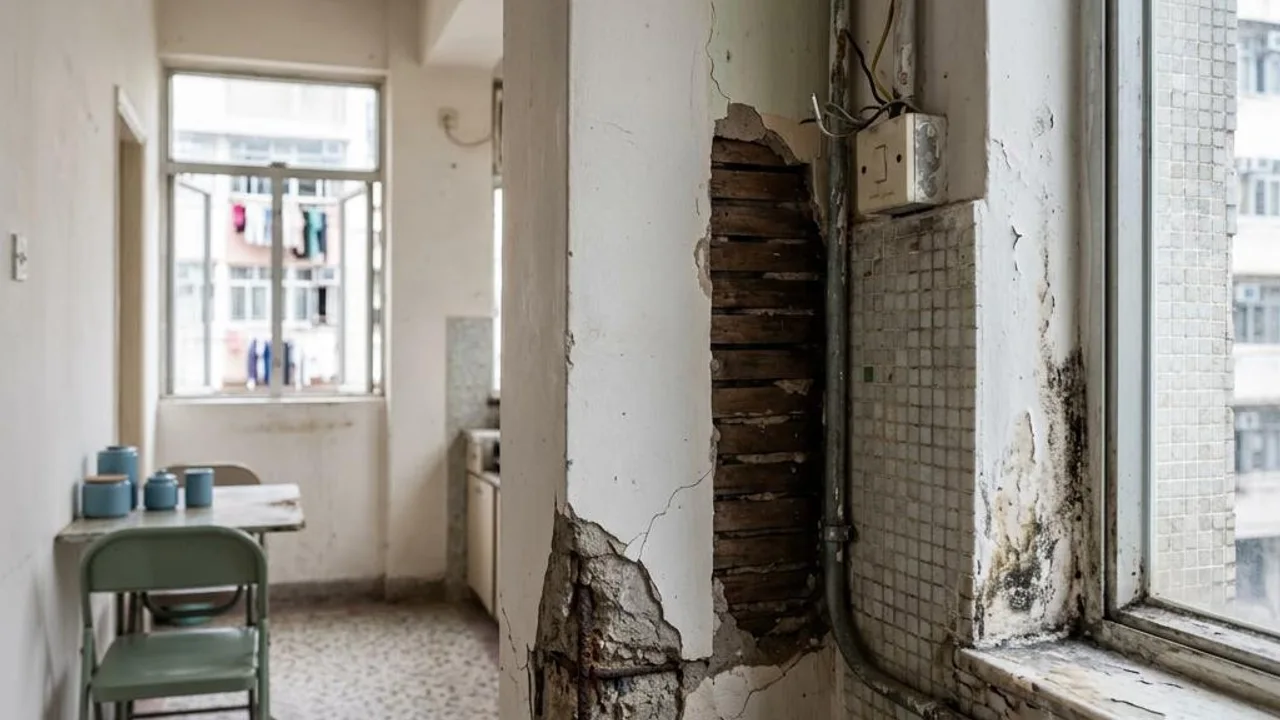
Inspection guide for tenement buildings and stand-alone old buildings: Checking public facilities and concealed structures.
This article aims to assist owners of old buildings without property management in understanding the structures, public pipes, external walls, and water seepage risks that need attention during property inspections. Professional assessment can reduce post-purchase maintenance risks and financial burdens.
Read full article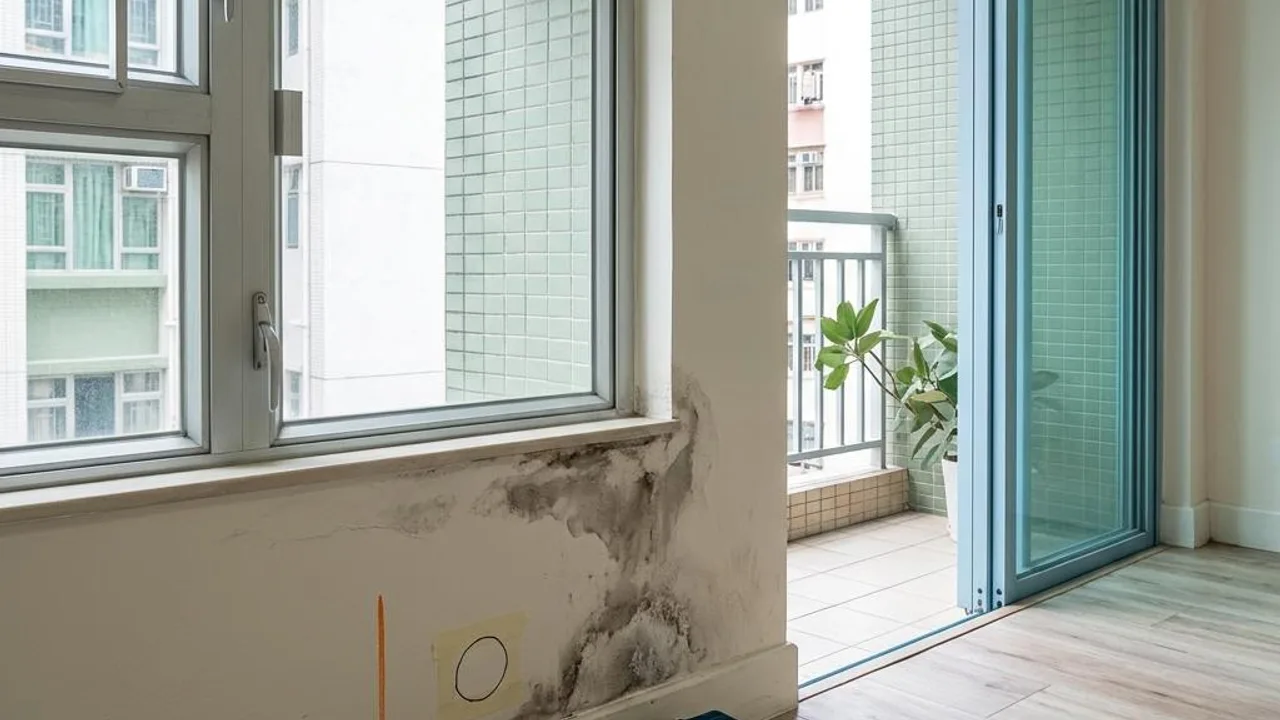
Property handover inspection guide: Weighing self-inspection versus professional property inspection.
This article explores inspection strategies for new home handovers, analysing the differences between self-inspection and commissioning a professional property inspection. It explains the keys to handling concealed works and maintenance responsibilities, assisting owners in making the best decision for their handover based on budget and renovation plans.
Read full article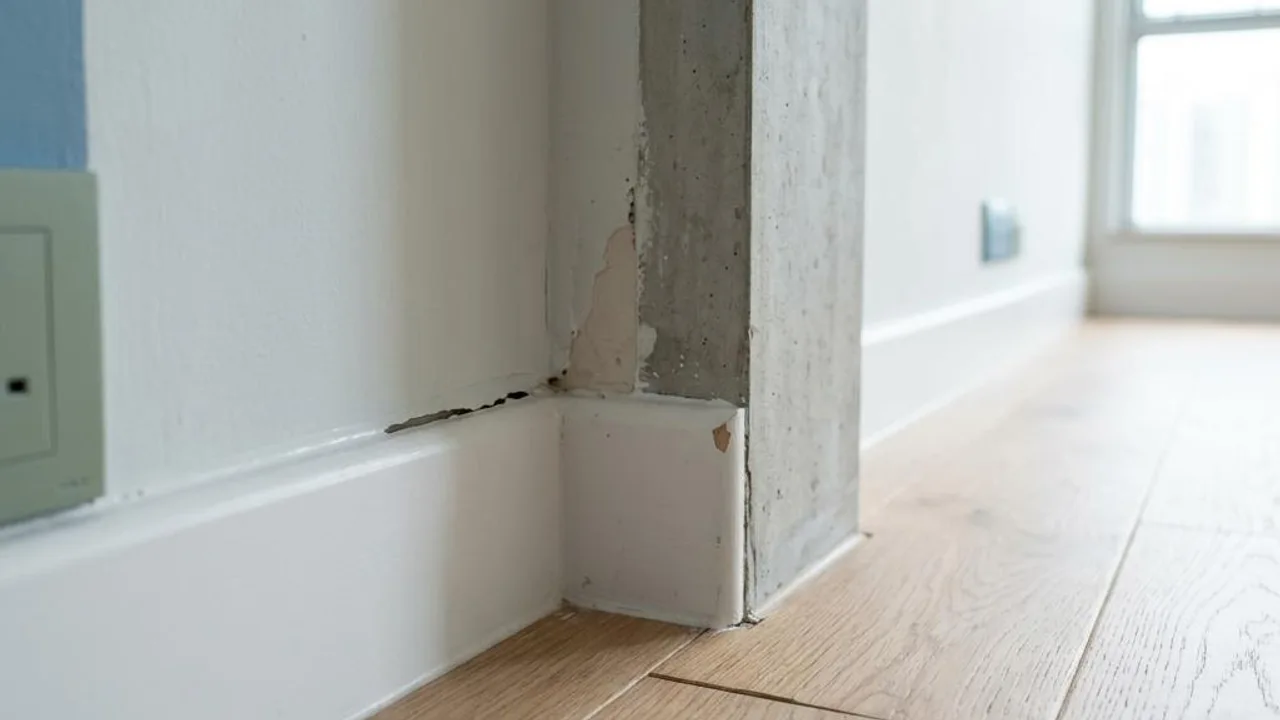
New Home Ownership Scheme (HOS) flat completion standards and full guide to defect rectification.
This article summarises key inspection points for new HOS flats, covering structural, electrical and plumbing, aluminium window, and wall inspection guides. It assists owners in recording and reporting functional defects effectively within the maintenance period after handover, ensuring living safety and rights before moving in.
Read full article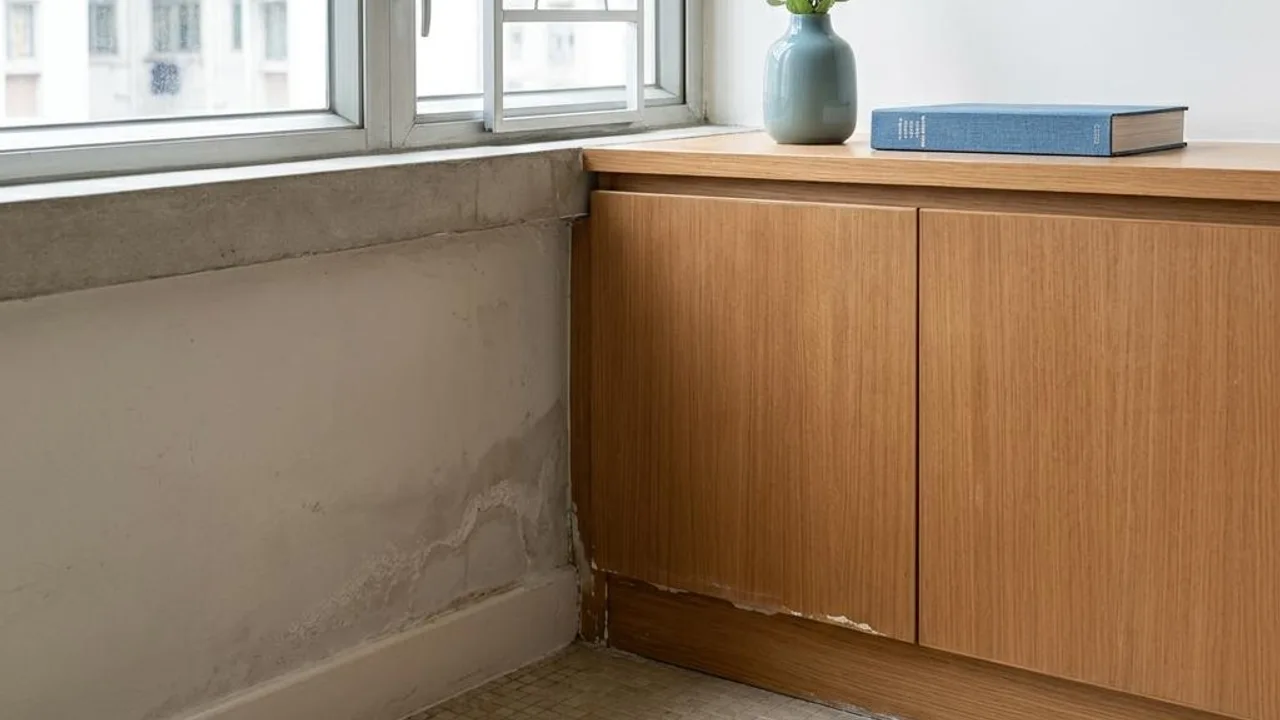
Second-hand property transactions: Property inspection rights and practical tips after signing the provisional agreement.
Second-hand property transactions require explicitly writing the right to a property inspection into the provisional agreement, allowing the buyer to commission a professional to conduct tests before signing the formal agreement to clarify hidden issues such as water seepage or electrical circuits, thereby avoiding disputes during handover.
Read full article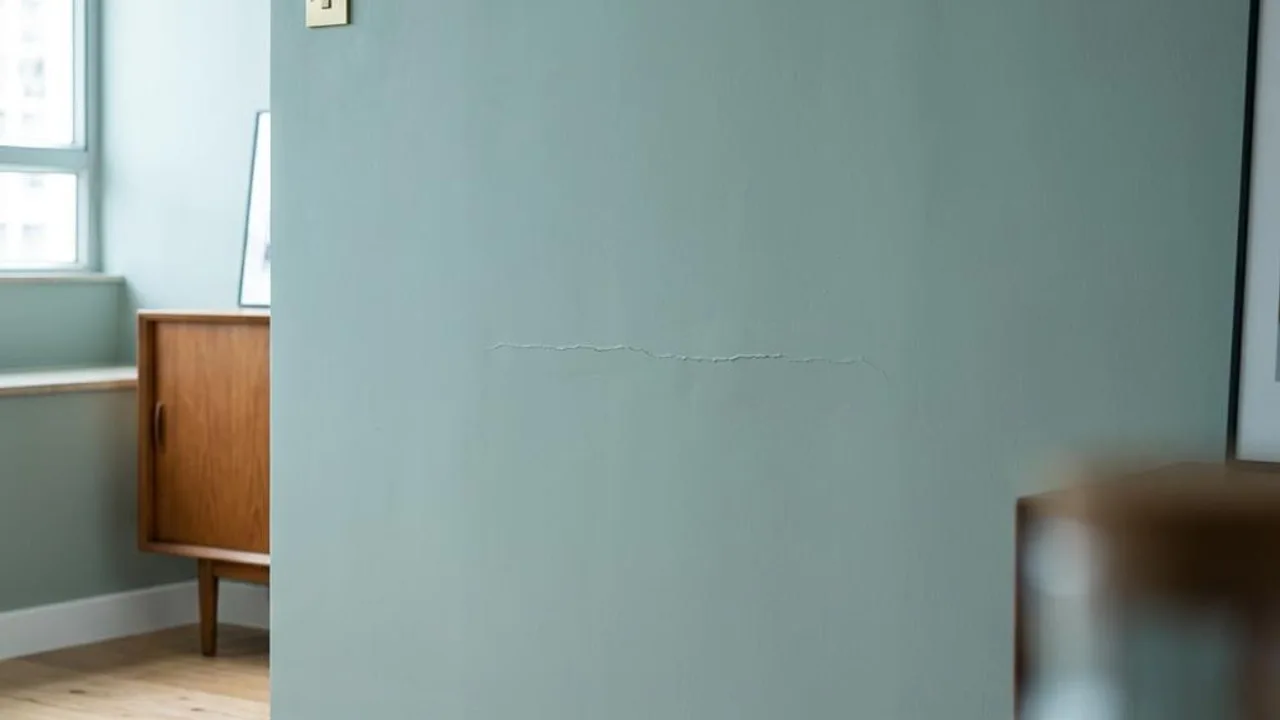
Second-hand property buying avoidance guide: Dissecting concealed wall defects after renovation.
This article analyses concealed wall defects in renovated second-hand properties, providing buyers with practical methods for checking water seepage, hollow tiles, and structural cracks. It suggests consulting professionals to reduce the risk of high repair costs and protect the safety of the home.
Read full article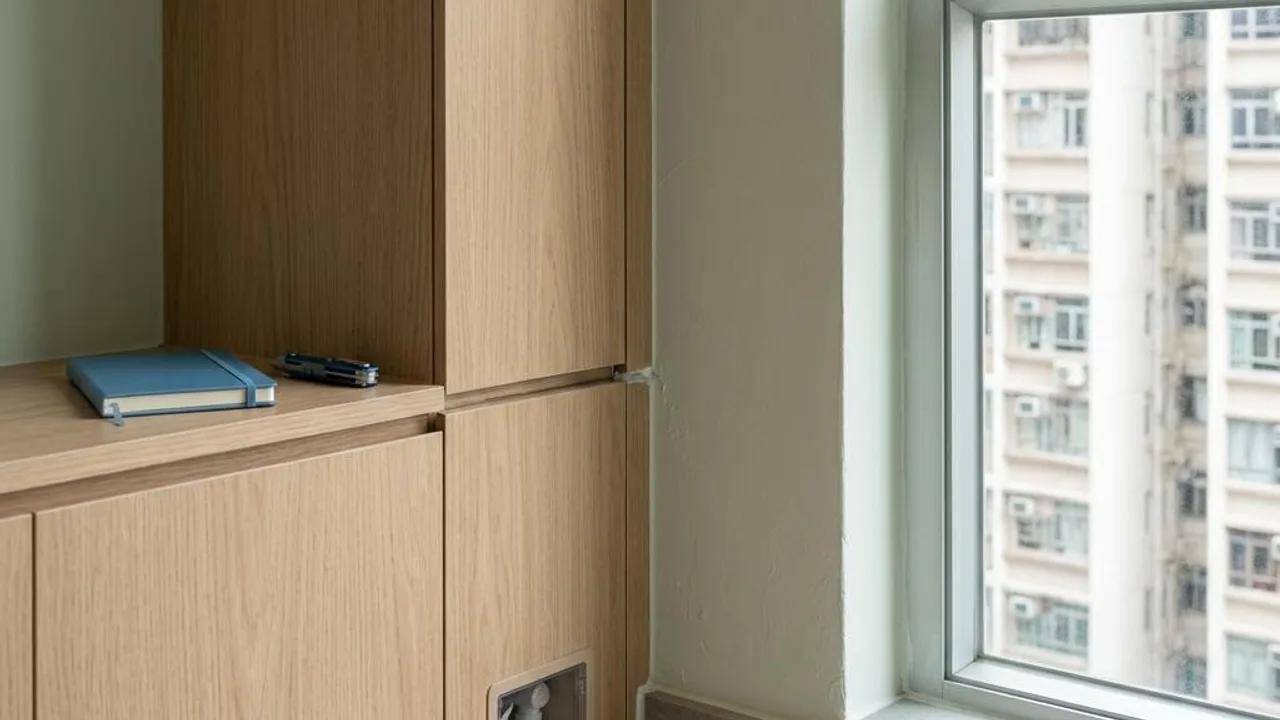
Home maintenance guide: Establishing an annual inspection process for long-term comfortable living.
This guide aims to assist Hong Kong owners in establishing proactive annual home inspection habits. By inspecting waterproofing, electrical circuits, aluminium windows, and structures in stages, owners can effectively prevent minor problems from worsening, safeguard home safety, and maintain the asset value of the property.
Read full article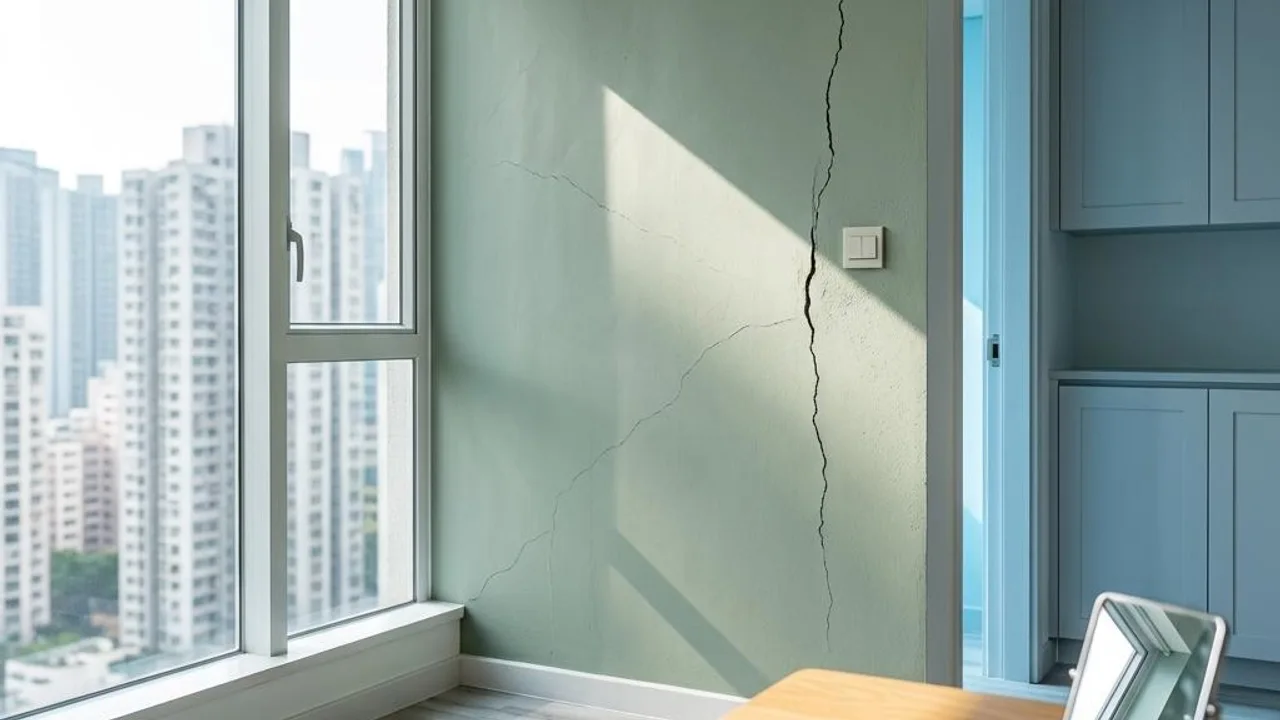
Daytime property inspection techniques: How to use light and viewing angles to detect unit defects.
This article introduces how owners can cleverly use side lighting and low-angle views to observe wall and floor defects when conducting property inspections during the day. It also explains when it is necessary to commission a professional for in-depth instrument testing to ensure the property handover is flawless.
Read full article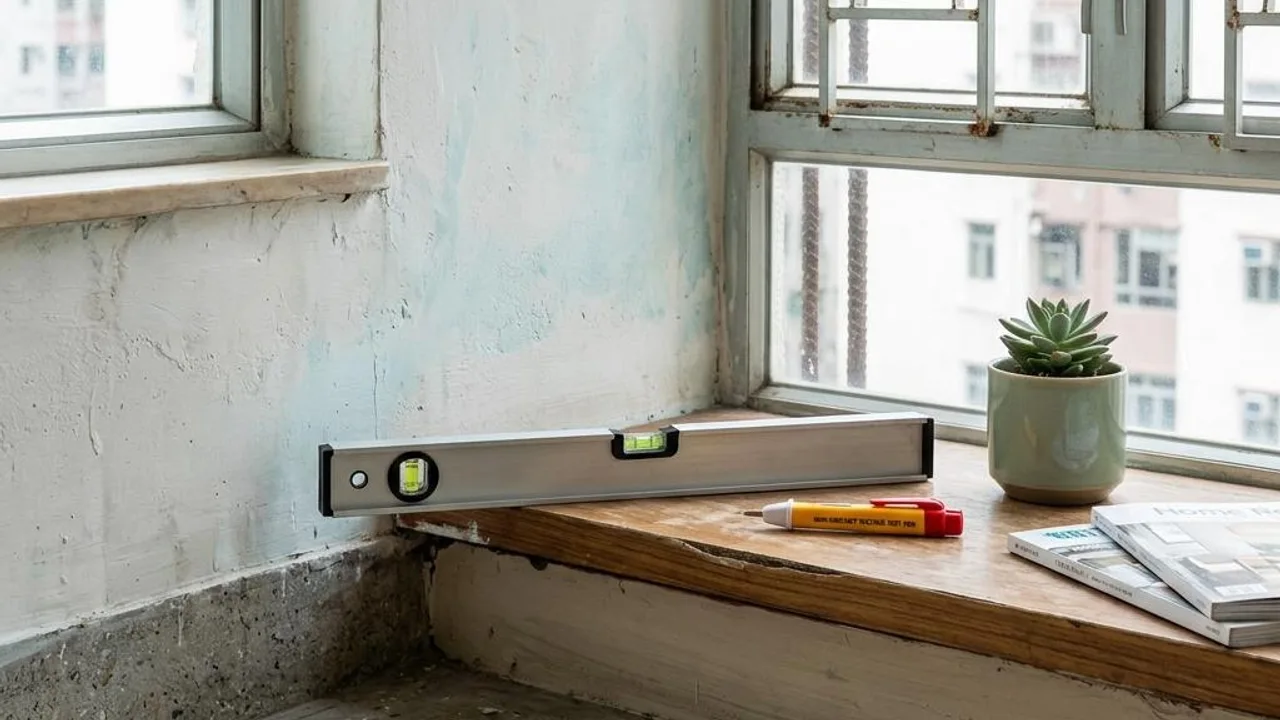
Practical home self-inspection: Essential tools under HK$500 and avoidance guide.
This guide details the basics of home self-inspection, teaching how to use spirit levels and electrical testing tools for preliminary checks. Understanding tool operation, safety precautions, and when to seek the assistance of registered professionals helps protect living safety and environmental quality.
Read full article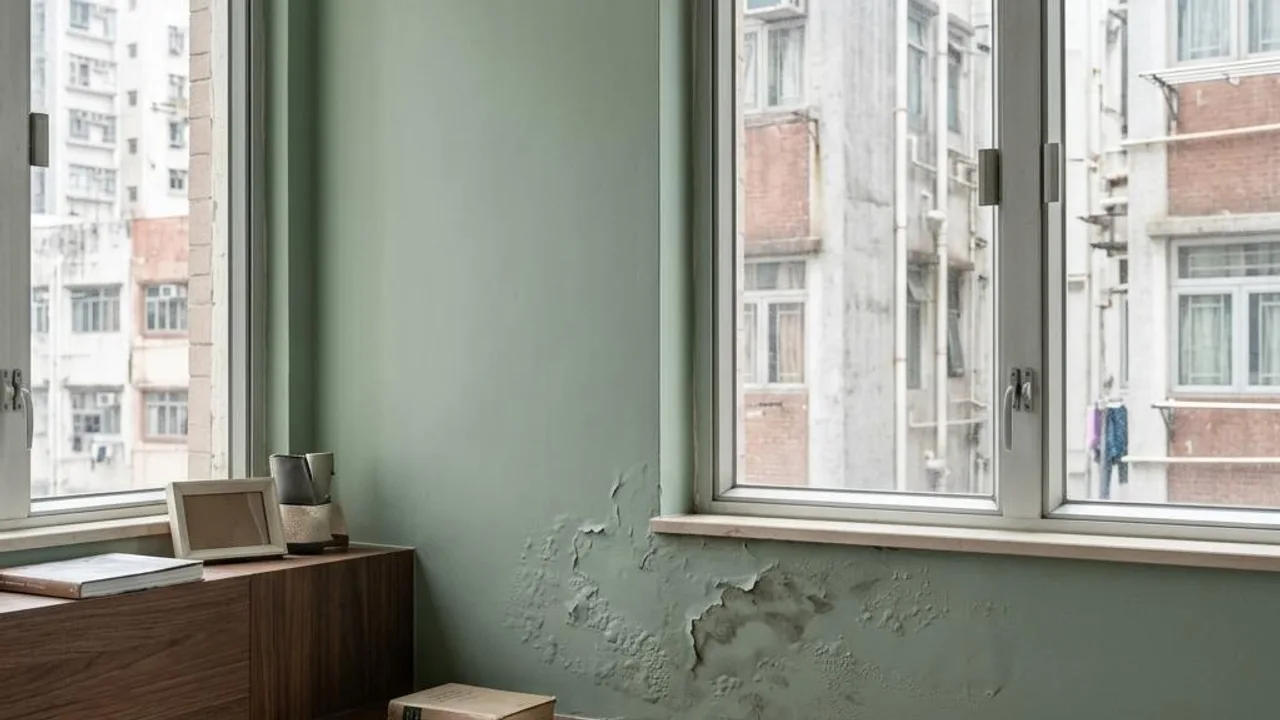
Can a property inspection report serve as evidence for a claim in the Small Claims Tribunal?
This article analyses the legal role, evaluation standards, and claim process of professional property inspection reports in the Small Claims Tribunal, assisting owners in understanding how to use professional engineering assessments as objective technical evidence for dispute mediation.
Read full article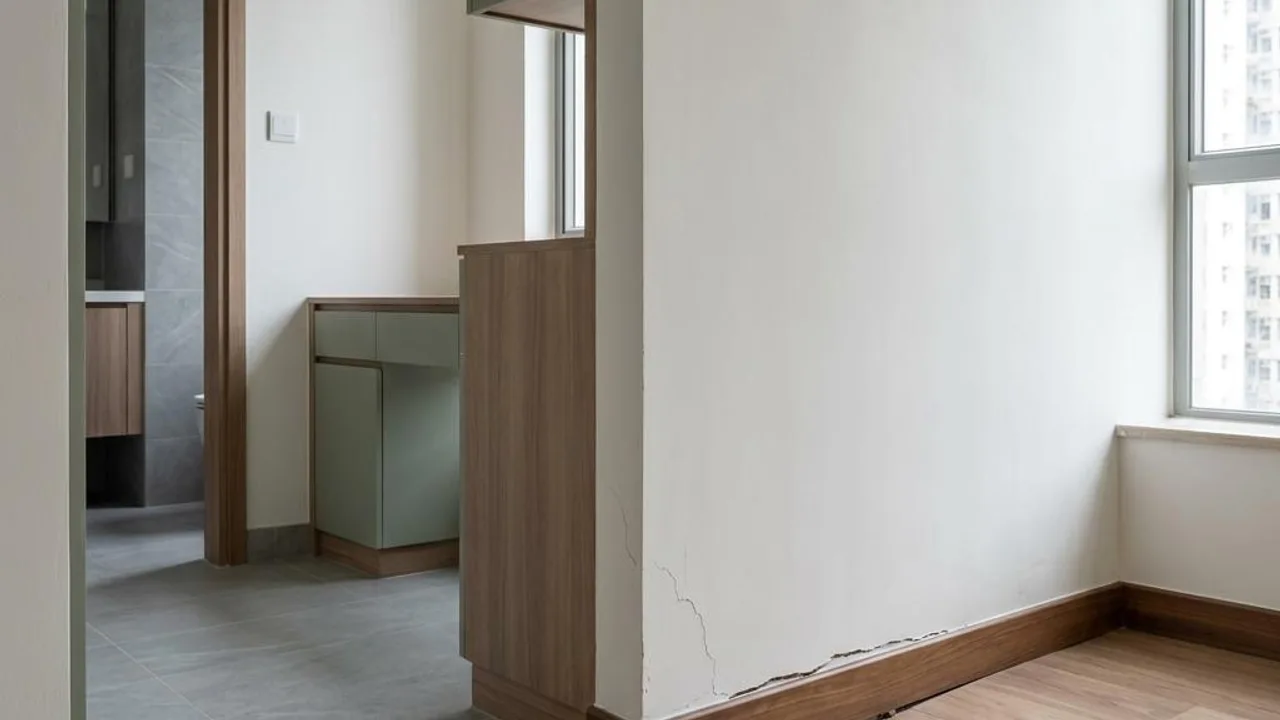
New property move-in: Critical timing and process for submitting the defect rectification list.
This article focuses on the golden period for defect rectification after moving into a new property. It details the difference between the two-week administrative deadline and the statutory maintenance period, guiding owners on protecting their rights through professional property inspection procedures to effectively prevent and handle hidden defects within the unit.
Read full article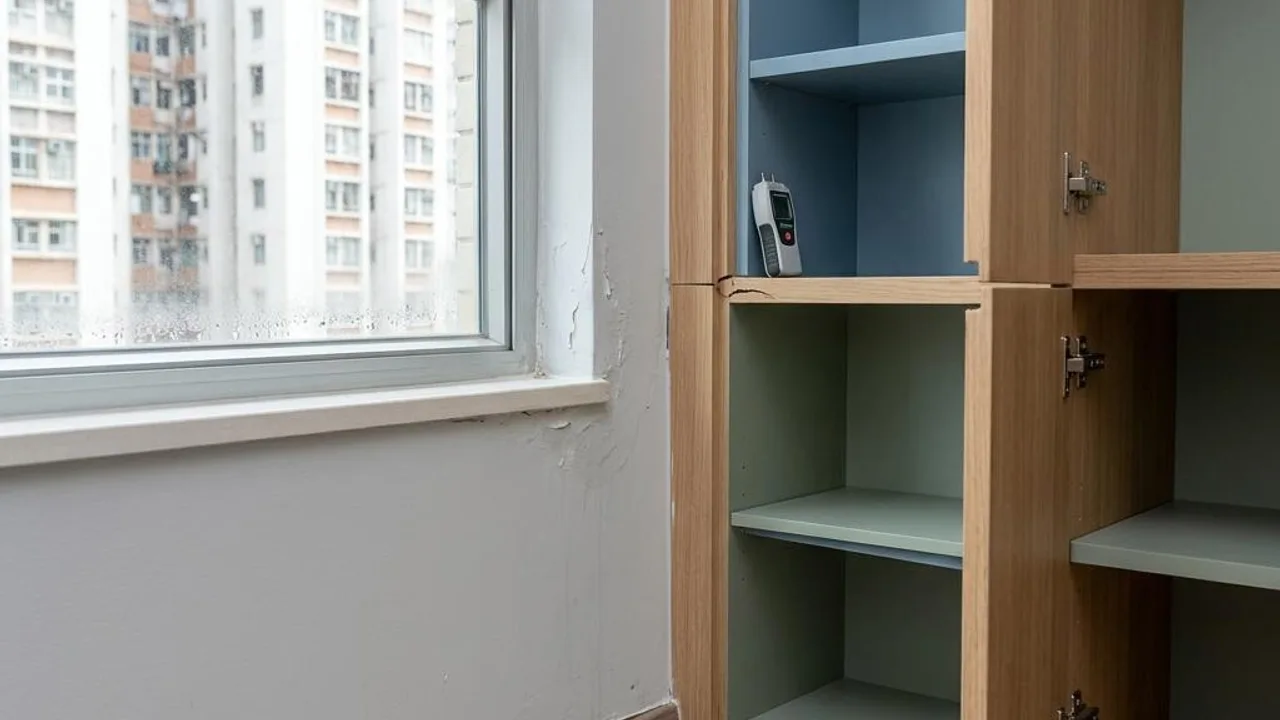
Inspection guide for small units: Common defects and check priorities for nano-flats under 500 sq. ft.
This article analyses common construction and renovation defects in small units, covering inspection priorities for drainage, ventilation, wall structure, and electrical systems. It assists owners in self-assessing the state of their home and understanding how to arrange professional follow-up.
Read full article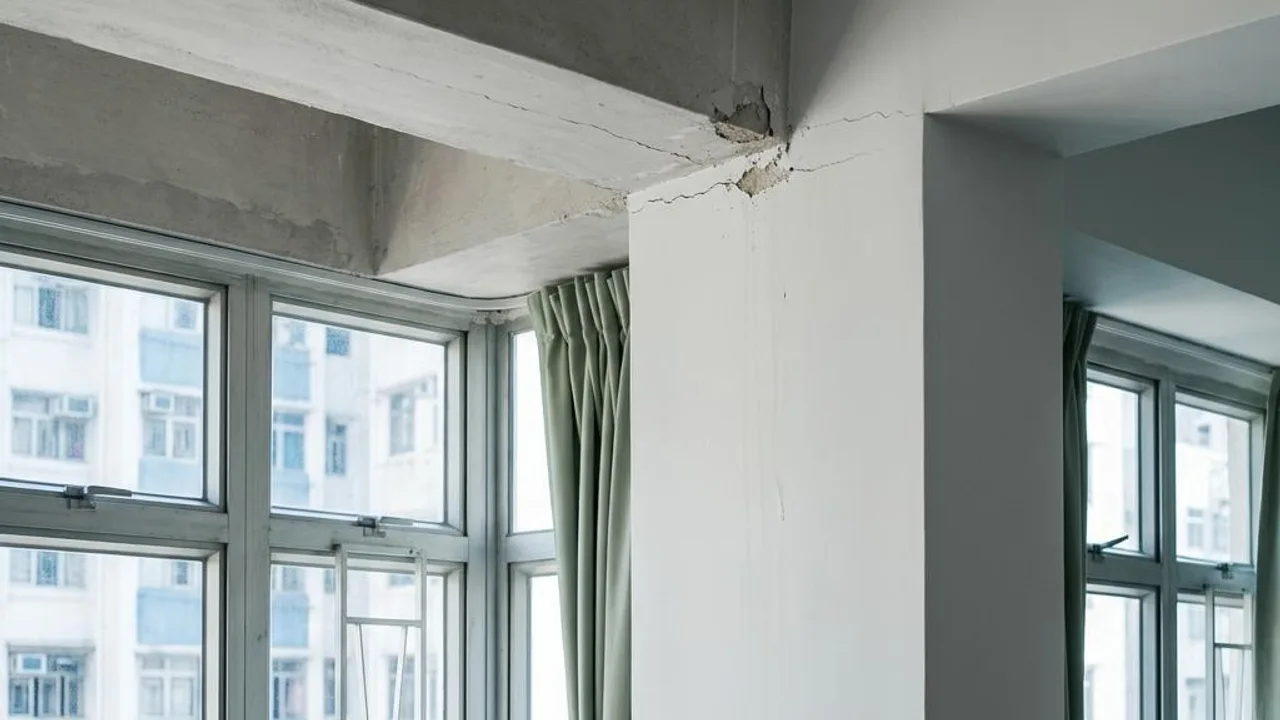
Neighbourhood renovation countermeasures: Structural self-inspection and risk assessment before moving in.
This guide aims to assist owners in dealing with potential structural risks posed by neighbours' renovations, including checking for cracks caused by vibrations, monitoring tile hollowness, and handling leaks to protect their property structure and asset safety.
Read full article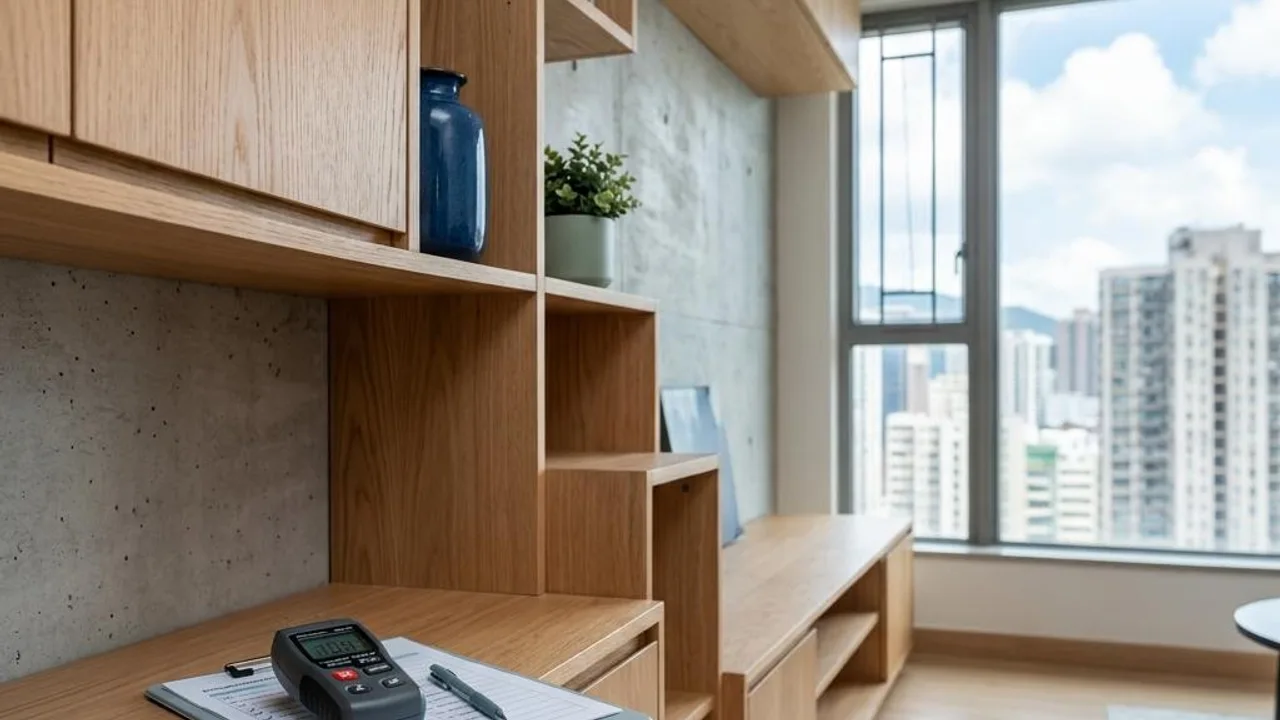
How to compare property inspection quotes? Determining value for money from service scope, records, to follow-up arrangements.
When comparing property inspection companies, one should not just look at the lowest price. Use the same unit data to verify quotes, and check the scope, limitations, deliverables, additional items, and post-rectification arrangements one by one to avoid treating different service contents as the same type of quote.
Read full article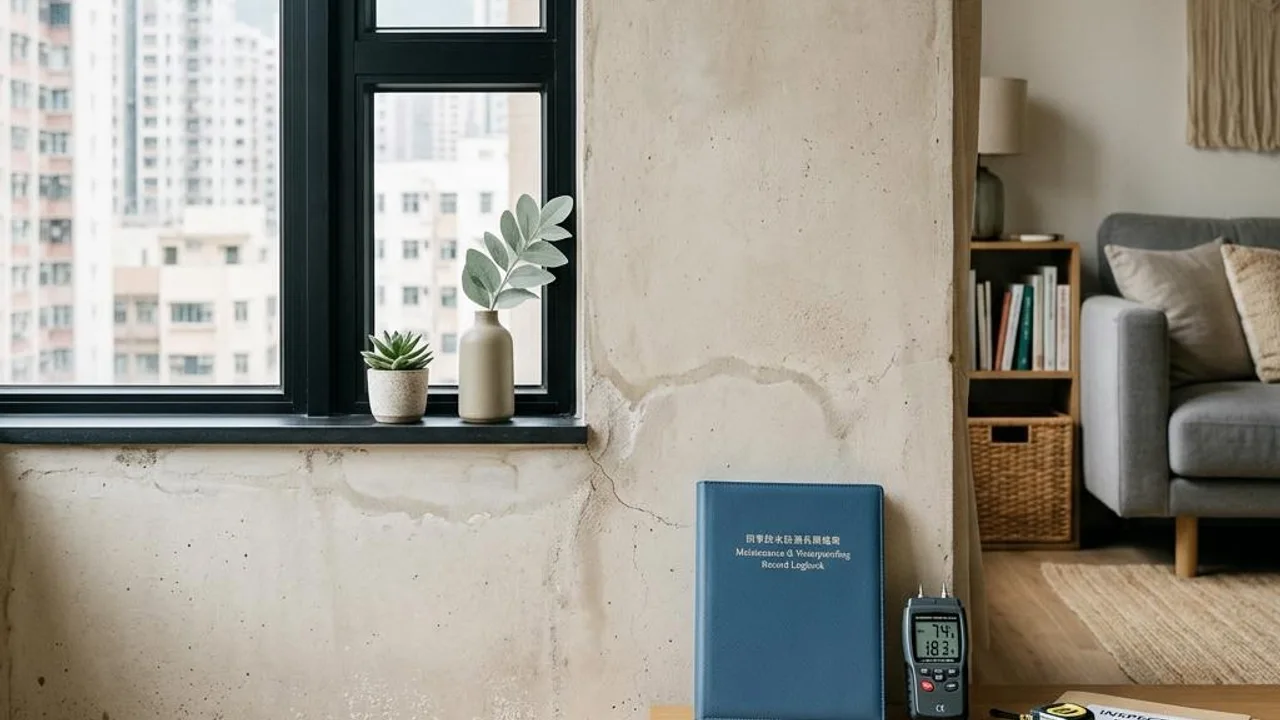
Home waterproofing and damp management guide: How to establish a long-term maintenance file.
This article provides a home waterproofing and damp management guide, instructing owners on how to establish a long-term maintenance file through seasonal records, digital archiving, and data monitoring, and how to correctly seek professional help when warning signs of water seepage are found.
Read full article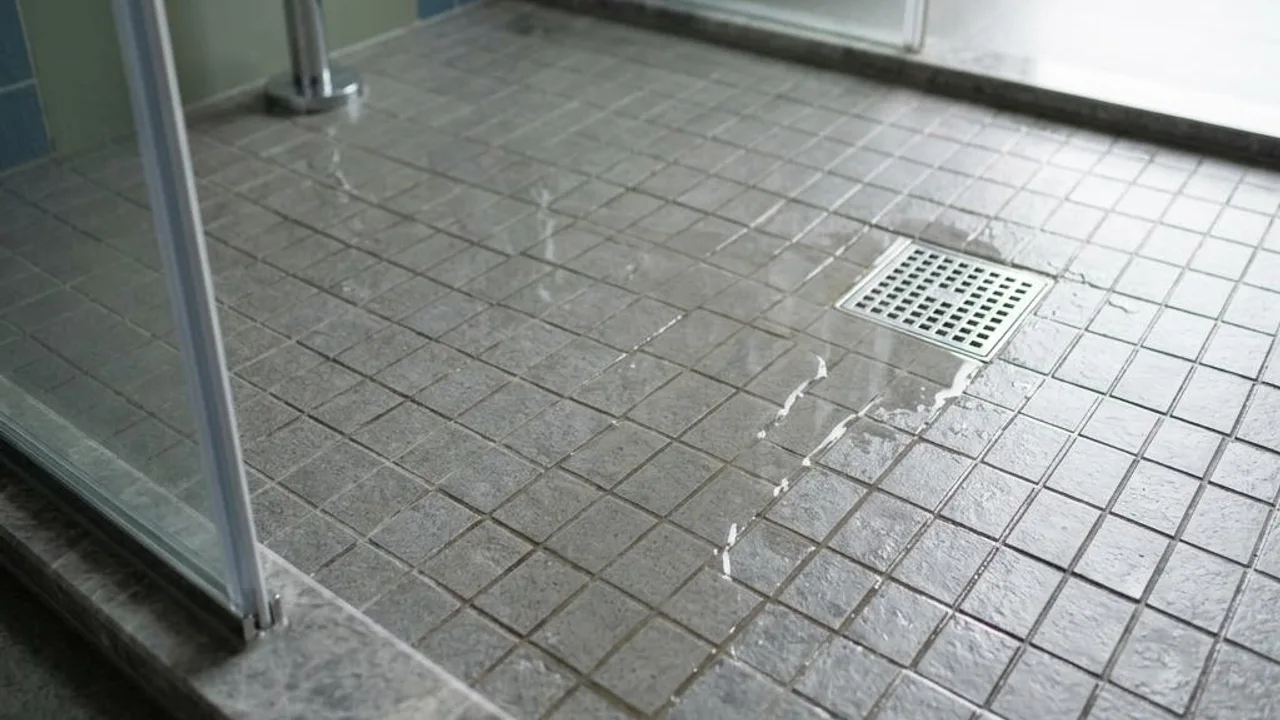
Guide to inspecting floor slope in kitchens and bathrooms: Detection and rectification plans for insufficient drainage gradient.
This article introduces the methods for checking floor slope in kitchens and bathrooms and the causes of water accumulation, providing owners with inspection techniques and rectification suggestions. By observing drainage paths and water accumulation, you can ensure the floor remains dry and hygienic, resolving issues with insufficient drainage gradient.
Read full article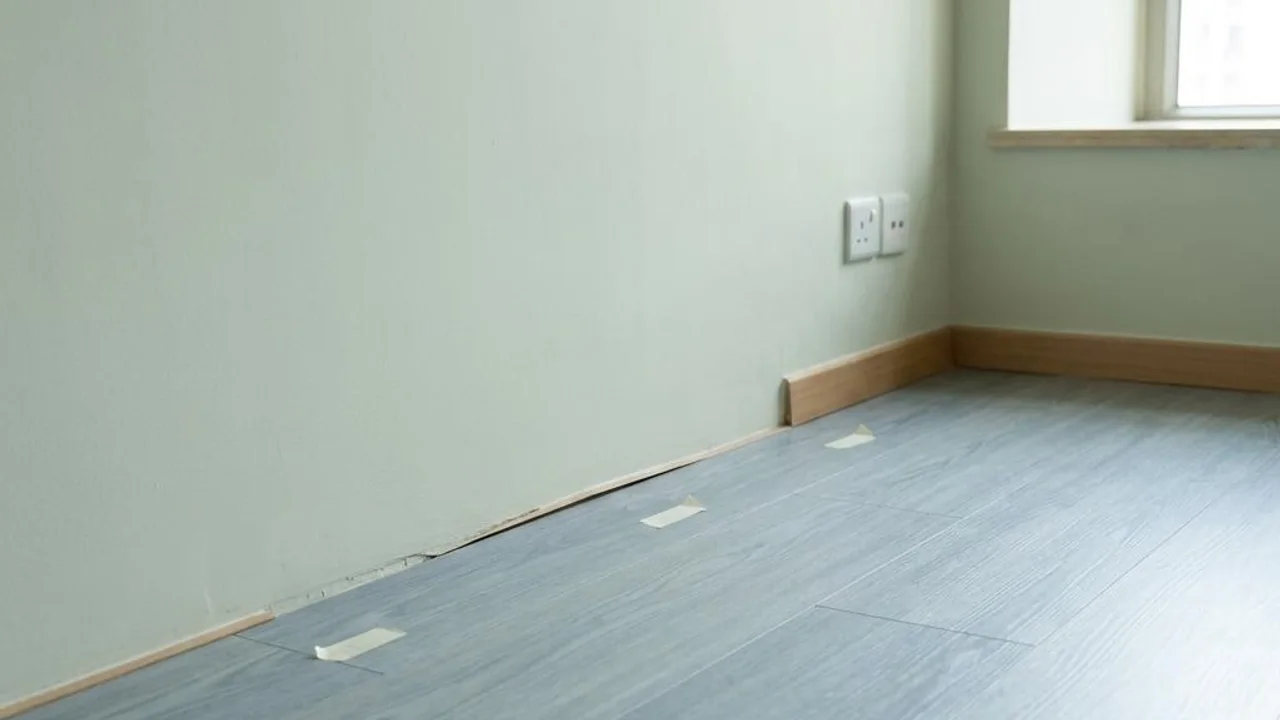
Self-learning home property inspection guide: Five essential inspection techniques for beginners.
This article summarises basic inspections that owners can perform themselves when taking over a home, covering key areas such as flooring, doors and windows, walls, drainage, and electrical circuits. It helps you comprehensively assess the condition of the unit, ensure new home quality meets expectations, and request timely follow-up repairs from the developer.
Read full article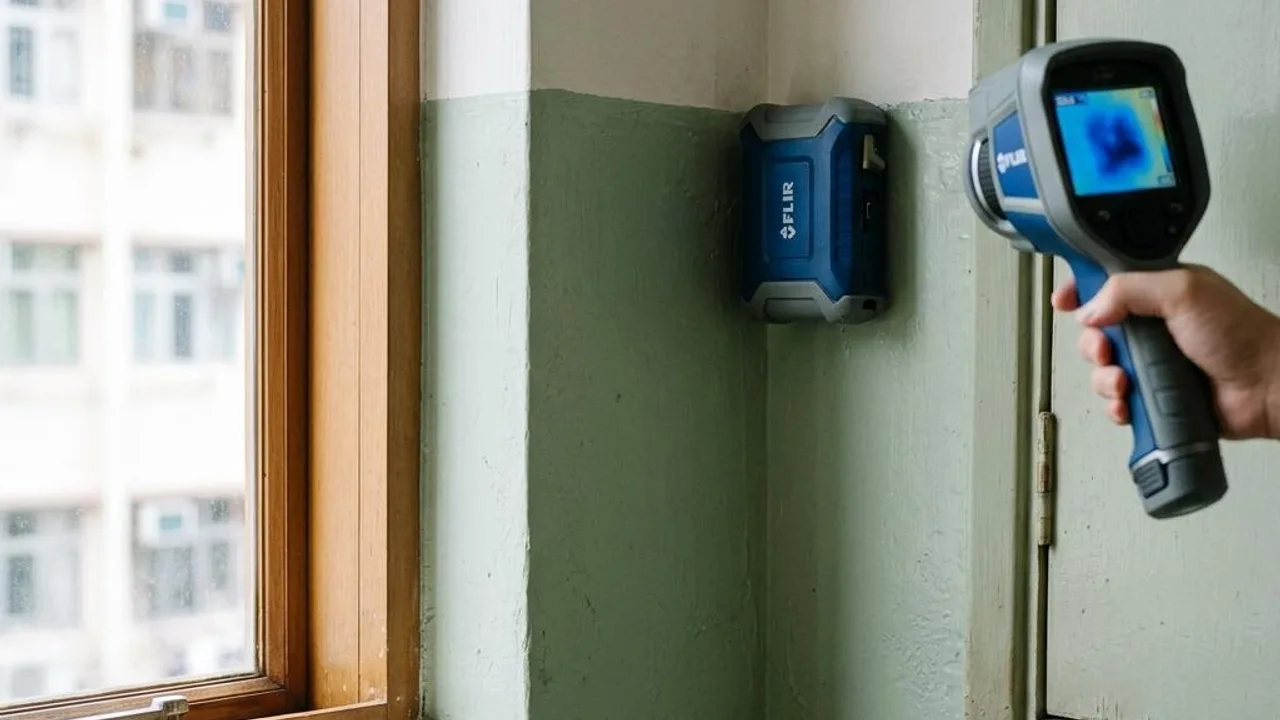
Second-hand flat anti-mould guide: Infrared inspection for water seepage risks.
Before renting a second-hand property, using an infrared thermal imager to assist with inspection can effectively identify hidden water seepage and mould problems. This is a critical step to protect tenants' rights and clarify maintenance responsibilities, avoiding future tenancy disputes.
Read full article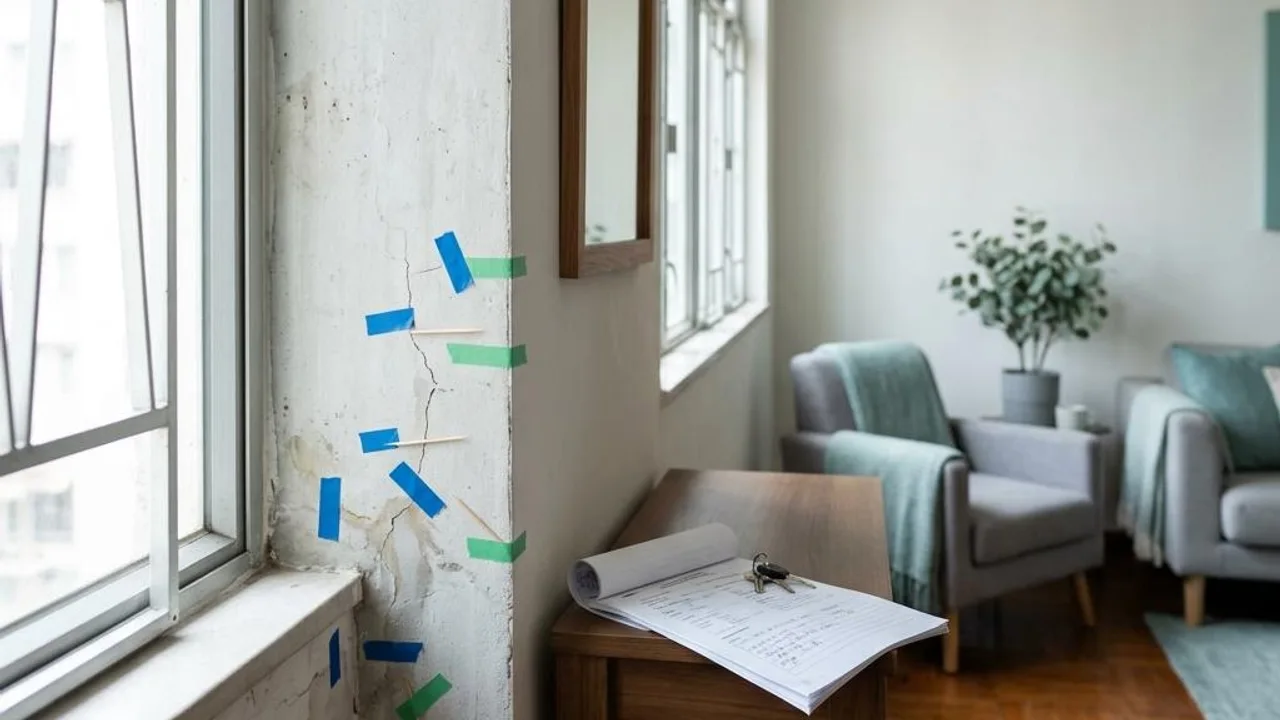
New property handover and renovation timeline: Secrets to connecting defect rectification.
This article analyses solutions for conflicts between new property handover and renovation progress. Owners can effectively coordinate the work of the developer and the renovation team by scientifically splitting inspection items and reserving a buffer period, avoiding chaotic work sequences and the risk of secondary damage.
Read full article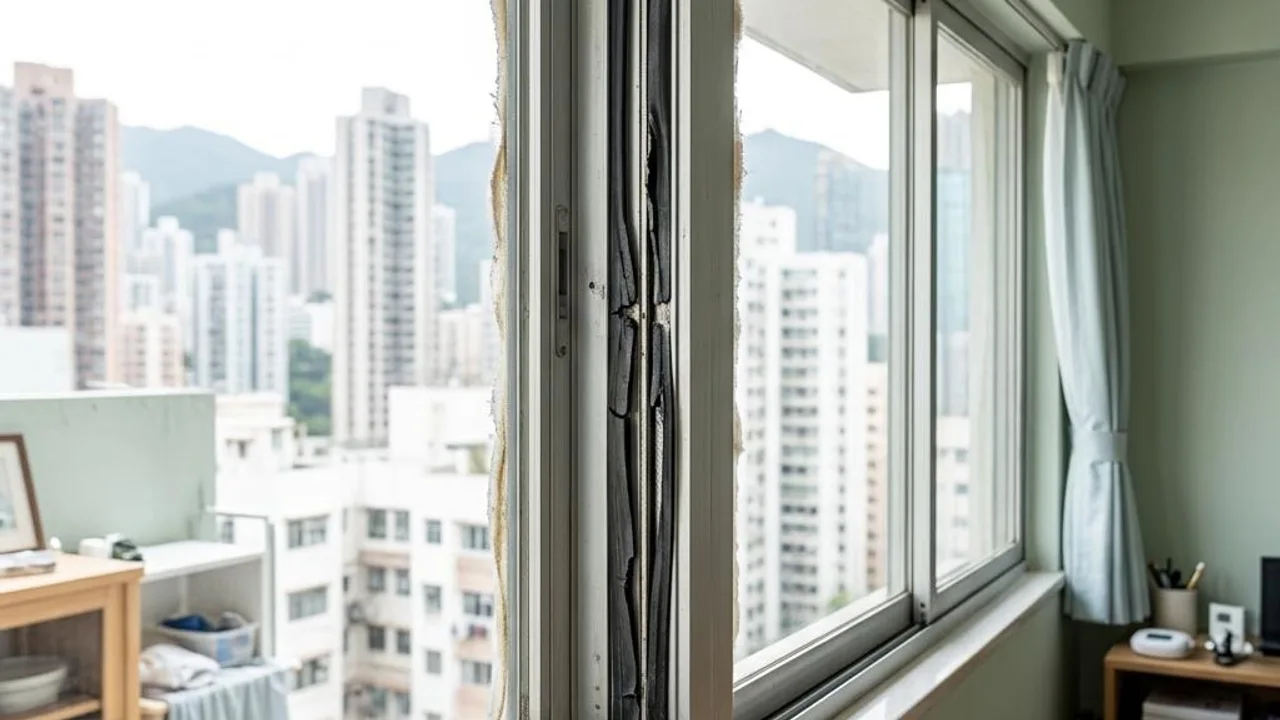
Dissecting aluminium window drafts and water seepage: Ageing weather stripping and self-inspection guide.
This article analyses common causes of drafts and water seepage in Hong Kong residential aluminium windows due to ageing weather stripping. It teaches residents how to perform self-checks by sight and touch, provides suitable daily maintenance techniques and emergency advice, and explains when one should contact a professional aluminium window technician for repairs.
Read full article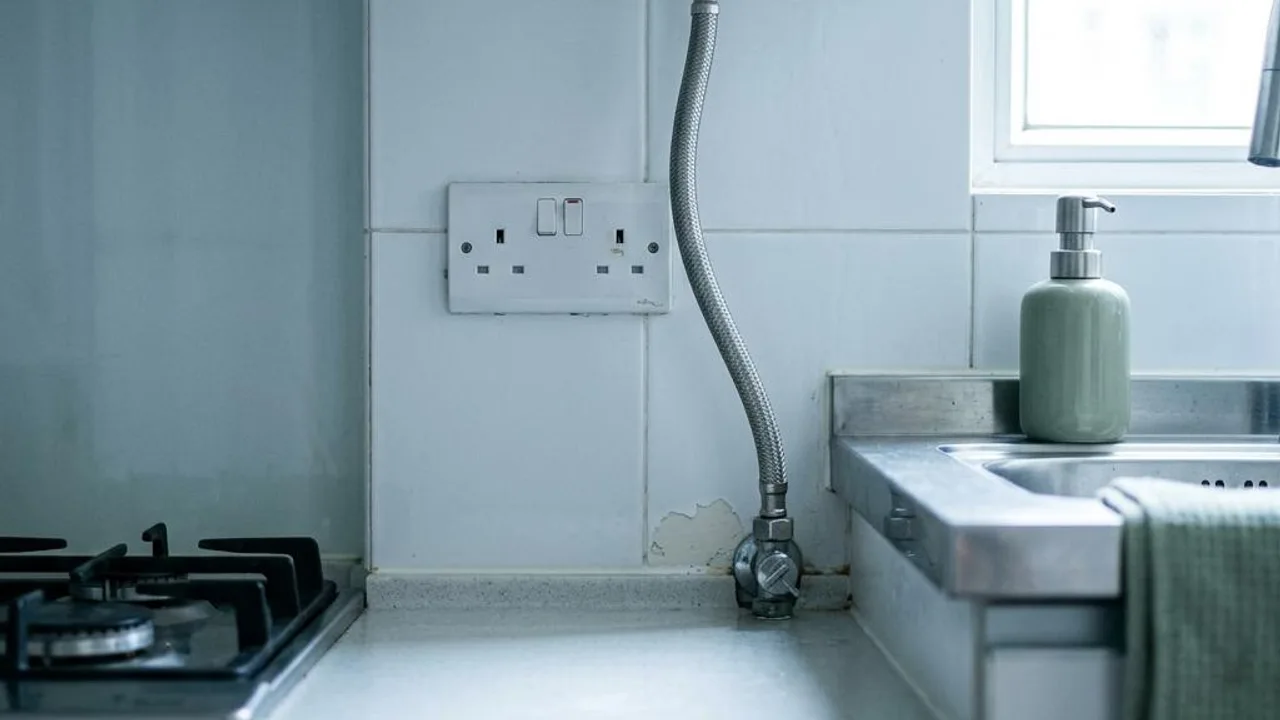
Rental property inspection guide: Basic equipment checklist for tenants before moving in.
Performing a basic inspection before taking possession of a rental property is a key procedure for protecting the tenant's rights. Through checking electricity, water, doors and windows, and making detailed records of the current state, one can effectively prevent equipment failure and disputes over repair responsibilities after moving in.
Read full article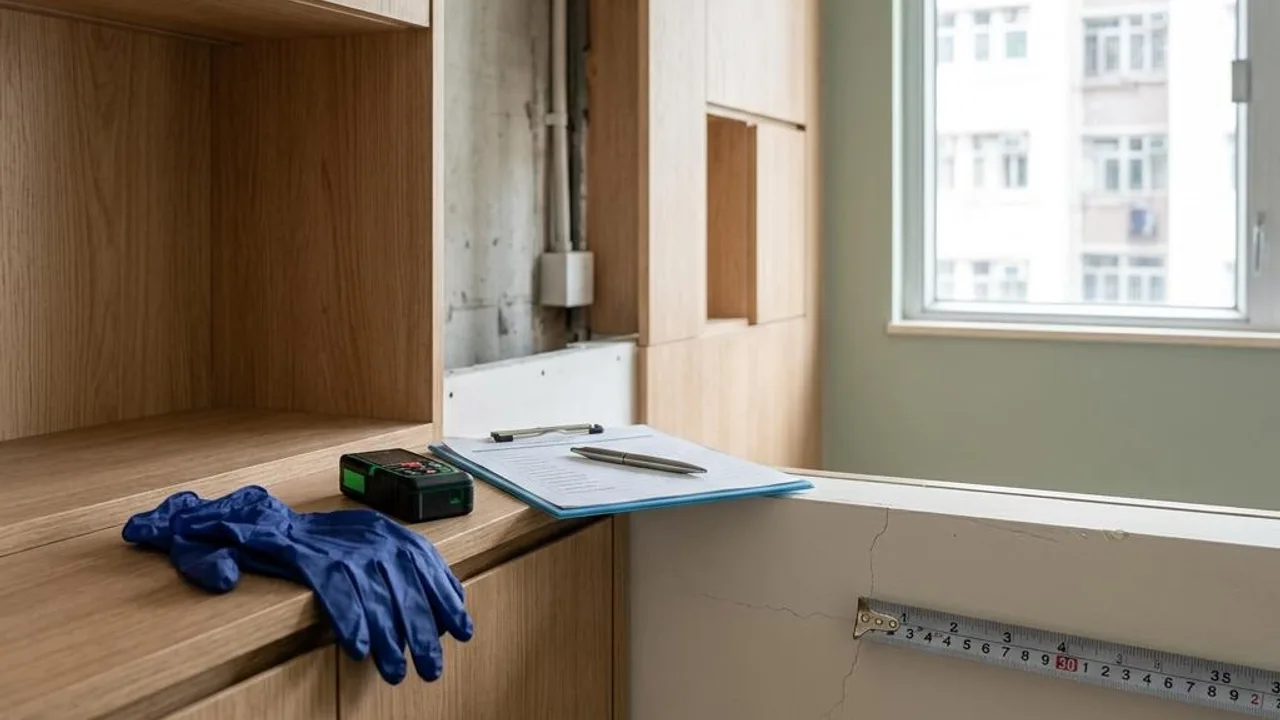
Do owners need to be present for property handover and inspection? On-site supervision and renovation communication guide.
When performing property handover and inspection, the owner being present allows for alignment of renovation plans with the professional inspector, clarifying defect standards on the spot and exchanging information on concealed works. This significantly improves inspection efficiency, ensuring subsequent rectification works meet long-term living needs.
Read full article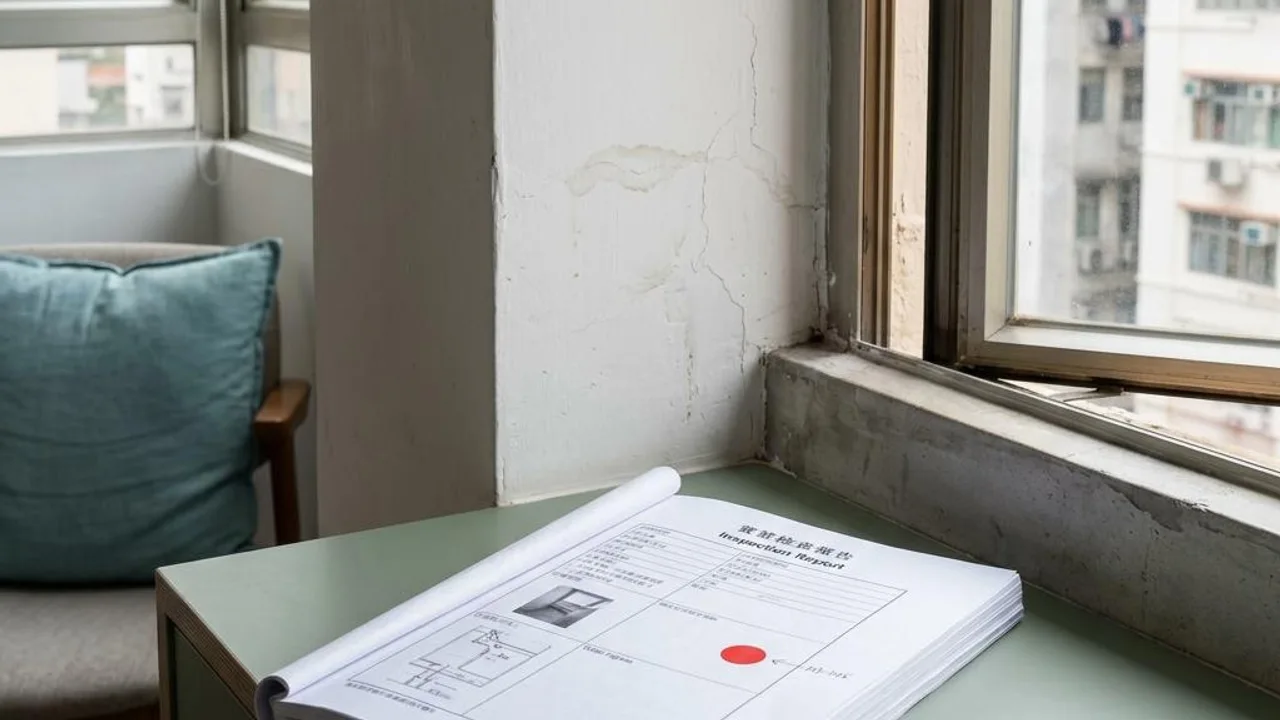
How to interpret a property inspection report? Key screening for water seepage, hollow tiles, and electrical safety.
This article aims to assist owners in interpreting property inspection reports, identifying water seepage, tile hollowness, and electrical risks through professional analysis, and providing high-efficiency repair strategies to help owners communicate accurately and ensure long-term living safety.
Read full article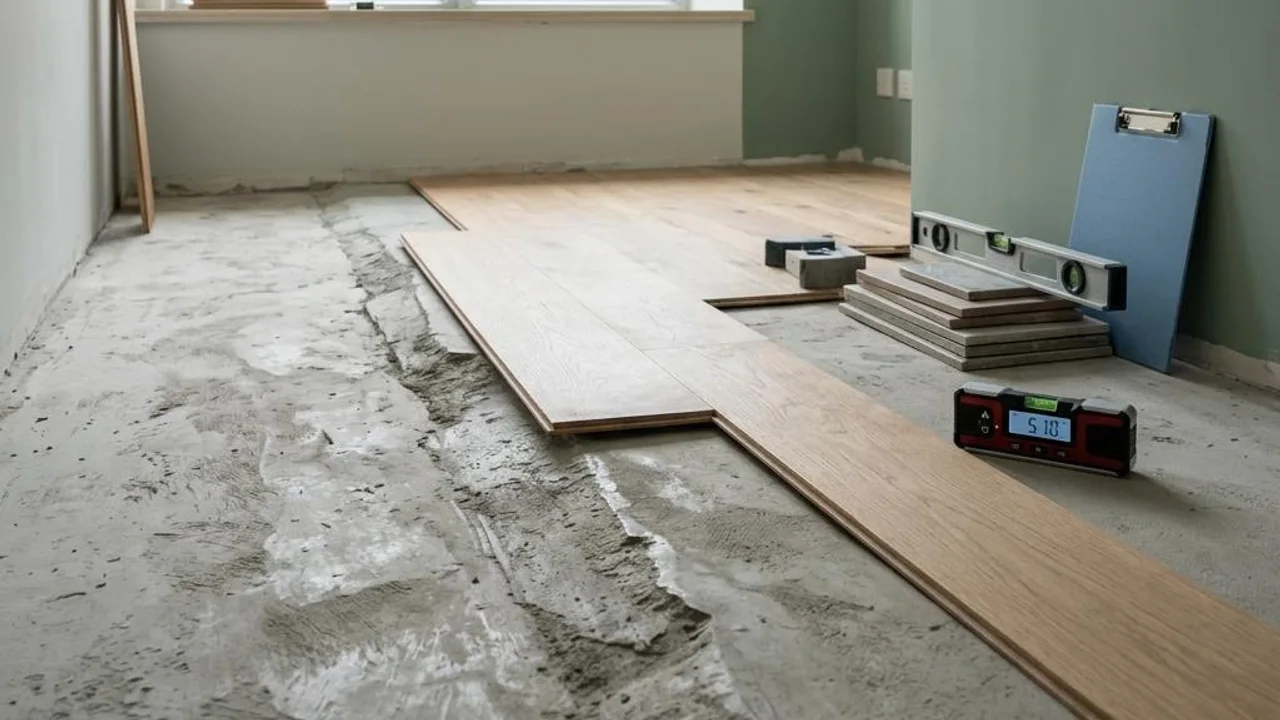
Pre-renovation floor flatness inspection: Key to quality for wood flooring installation.
Floor flatness determines the stability and lifespan of wood flooring. Uneven floors easily lead to floating floors, damaged locking mechanisms, and failed moisture barriers. Owners should conduct basic tests before installation to ensure the base layer meets installation requirements, avoiding risks of structural noise or mould later on.
Read full article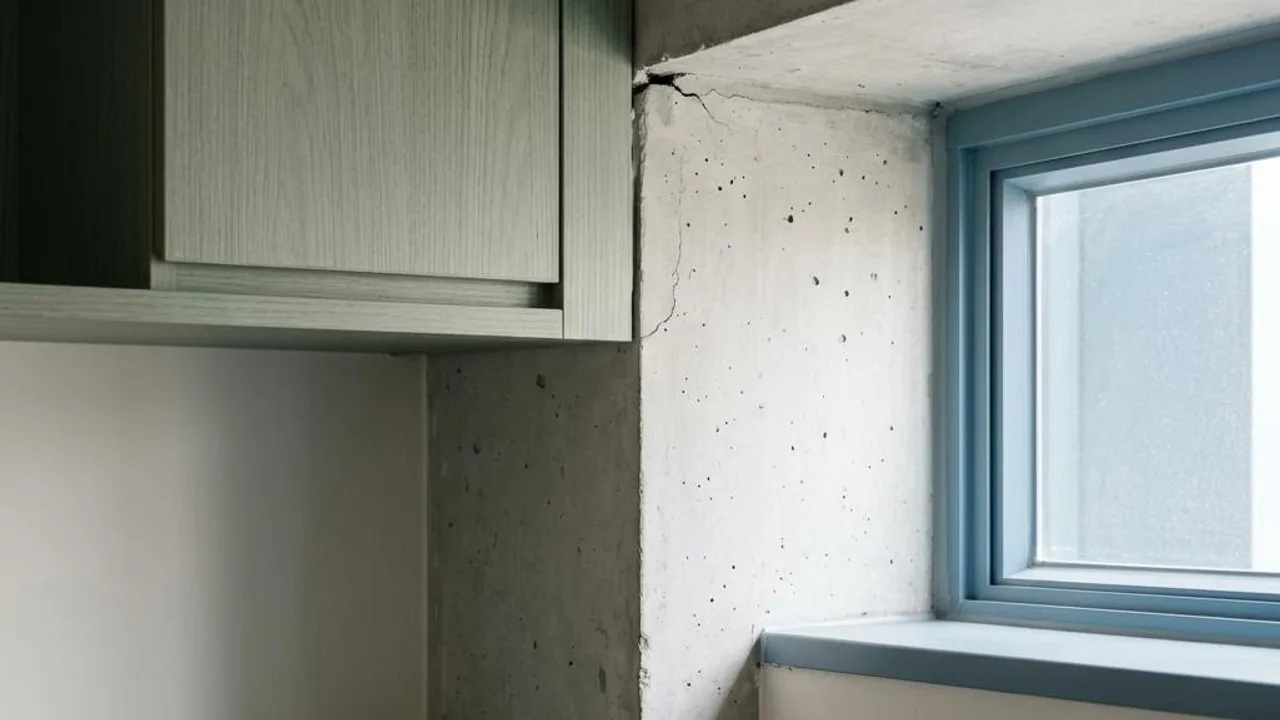
Nano-flat handover and property inspection: Concealed risks in spatial planning and storage structures.
Nano-flats have small spaces; when taking handover, one must pay special attention to the structural stability of built-in furniture, pipe leakage risks, and ventilation flow to ensure long-term living quality and structural health, reducing concerns about concealed works.
Read full article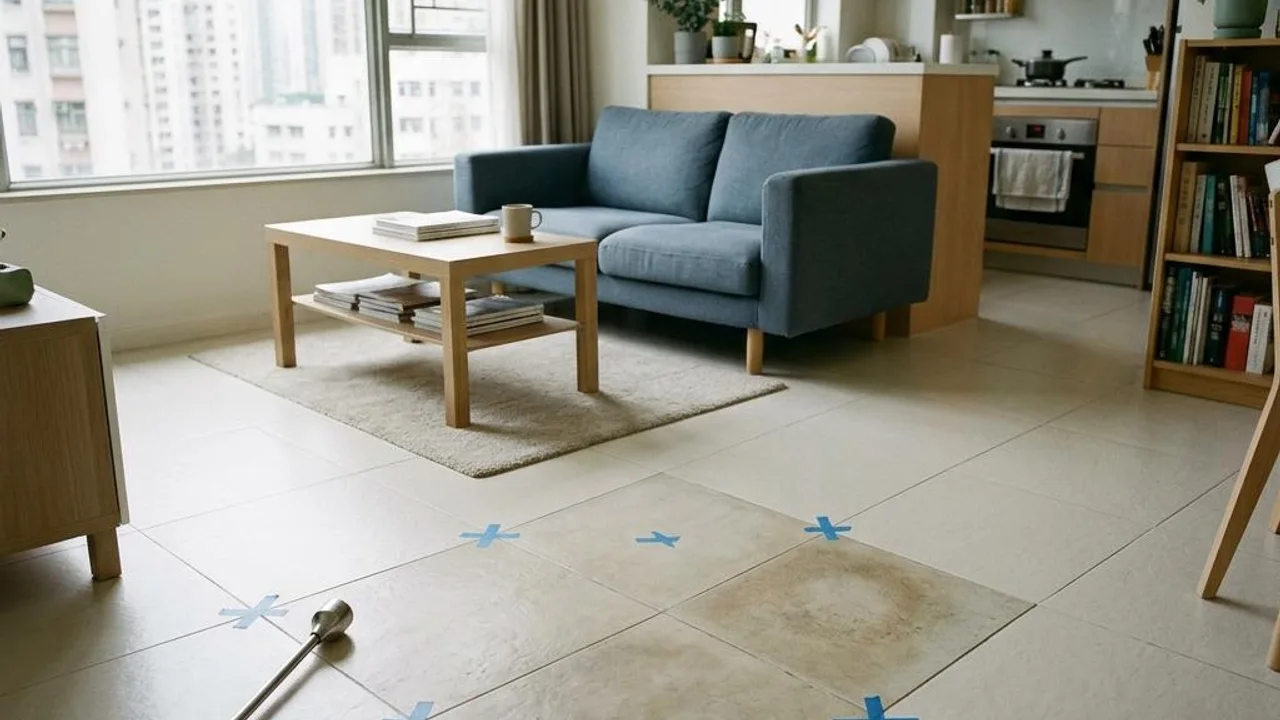
Tile hollowness check: Area standards, causes, and rectification suggestions.
This article explores the physical causes, structural safety risks, and evaluation standards of hollow tiles. Owners can use objective data to identify the priority of repairs in different areas, balancing the economic benefits of repair works while ensuring the stability of the living environment.
Read full article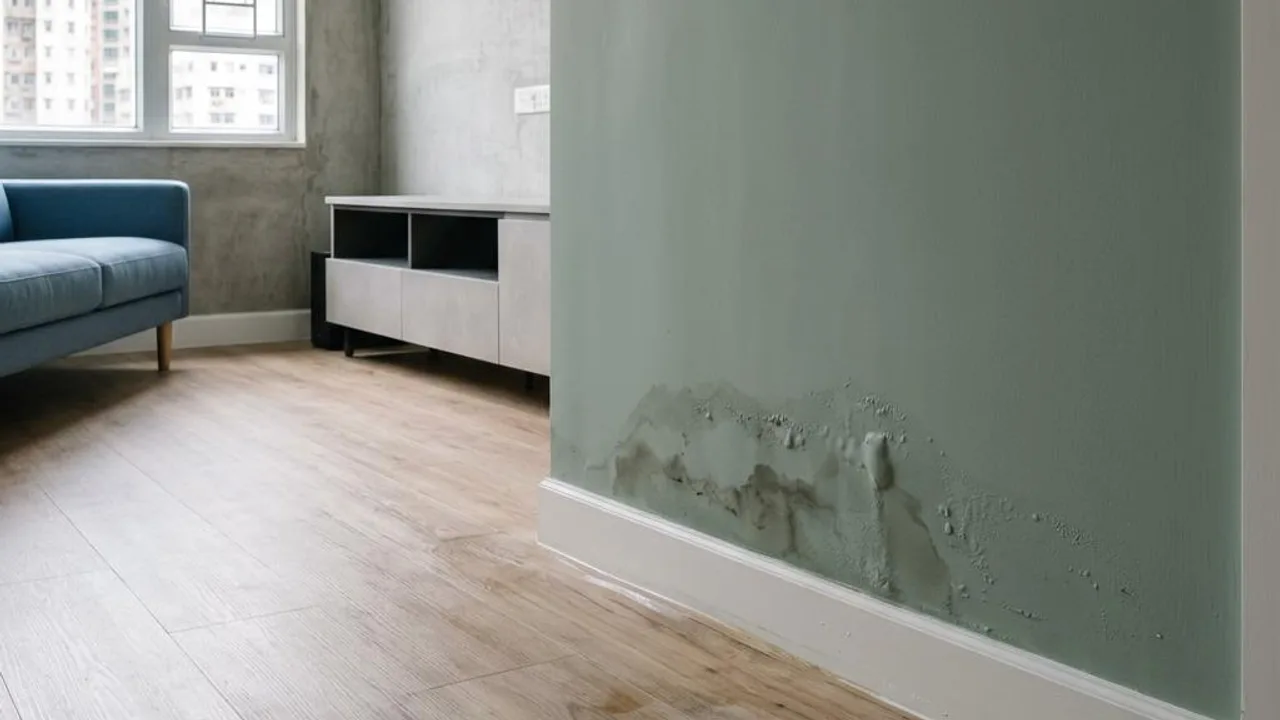
Inspecting renovated second-hand properties: Revealing concealed seepage and renovation risks.
When purchasing renovated second-hand properties, concealed works like wall seepage and pipe ageing are often masked by surface beautification. This guide details how to assess water risks by observing structural joints and using professional testing instruments, and how to include these hidden problems in the property budget to protect asset safety and living quality.
Read full article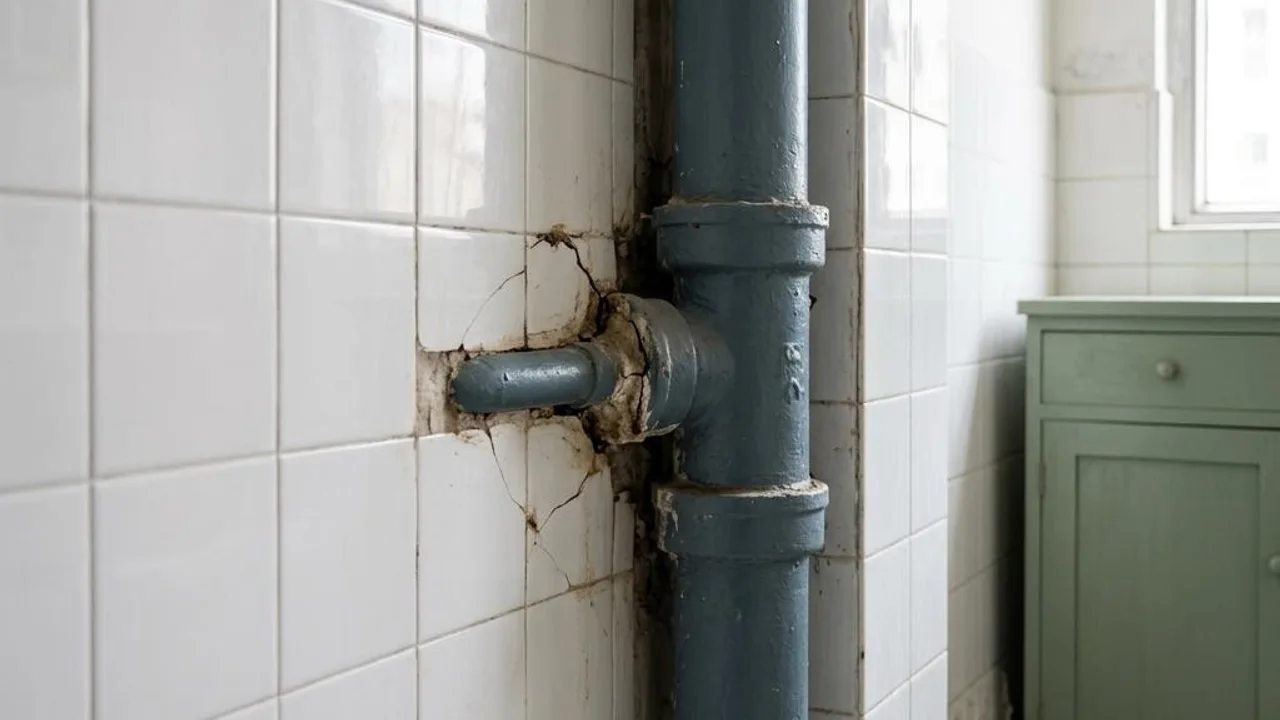
Hidden traps the property inspector didn't point out: The joint impact of building public pipes and common areas.
This article explores the hidden impact of leaks in the building's common pipes and structural settlement on private units. It guides owners on how to identify the boundaries of responsibility, handle public maintenance issues through effective communication, and understand the scope and limitations of professional property inspections.
Read full article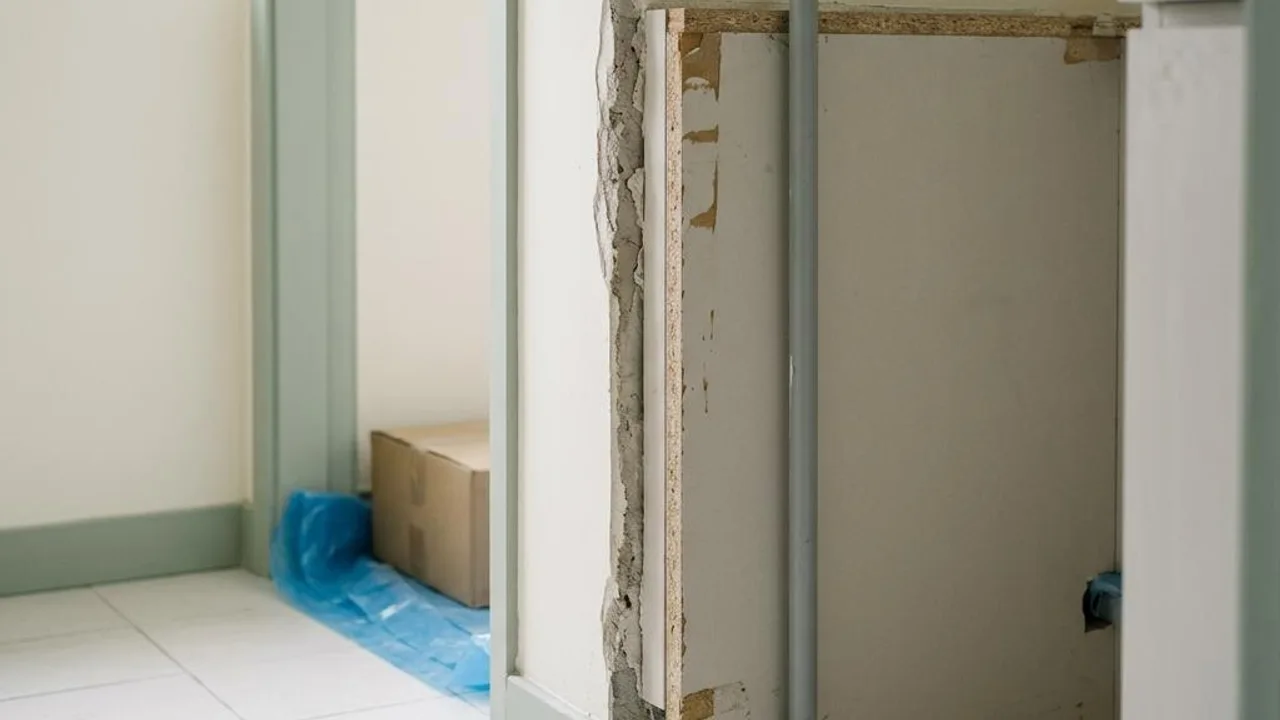
First-time buyer property inspection guide: Dissecting wall cracks and spatial limitations.
This article discusses common defects in new developments such as plaster cracks, hardware installation discrepancies, and tile hollows. It teaches owners how to conduct preliminary self-checks and recommends professional inspections to safeguard residential rights and long-term maintenance.
Read full article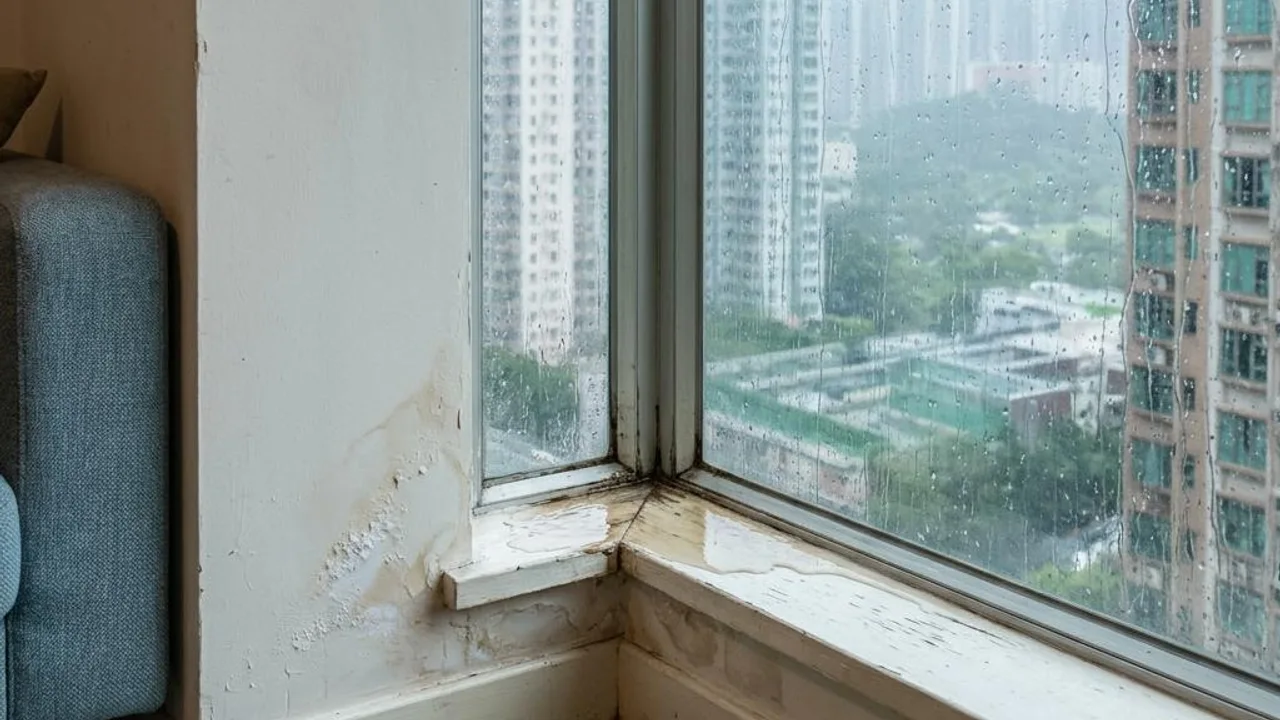
Rainy season property inspection guide: The golden opportunity to observe a property's waterproofing performance during key handover.
The rainy season is the golden opportunity to examine hidden waterproofing and structural risks in residential properties. By observing the condition of window frames, balconies, and walls, owners can identify potential leaks early, avoiding expensive repairs and daily inconvenience after moving in.
Read full article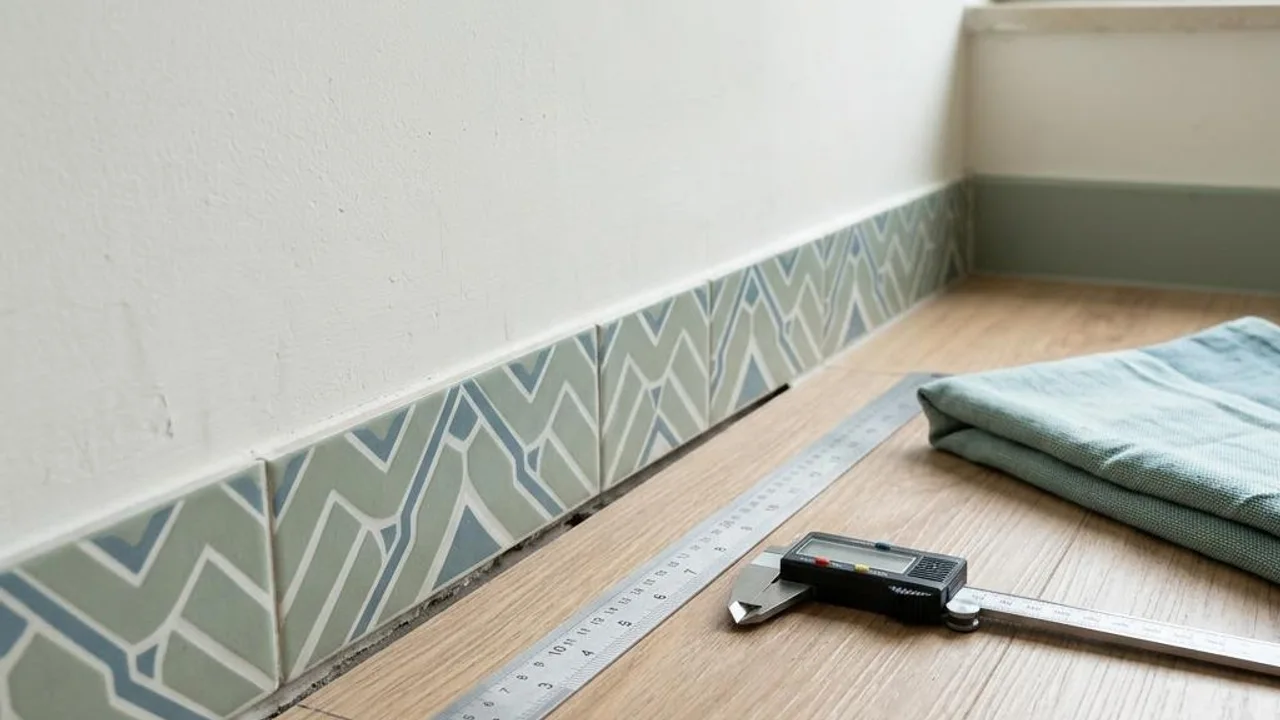
Property inspection record guide: How to take convincing photos for defect rectification.
During key handover, owners should master the logic of professional property inspection photography. By using three-level progressive photography, lighting techniques, and standardized text descriptions, you can effectively create persuasive records, improving written communication with developers and increasing the efficiency of obtaining defect rectification.
Read full article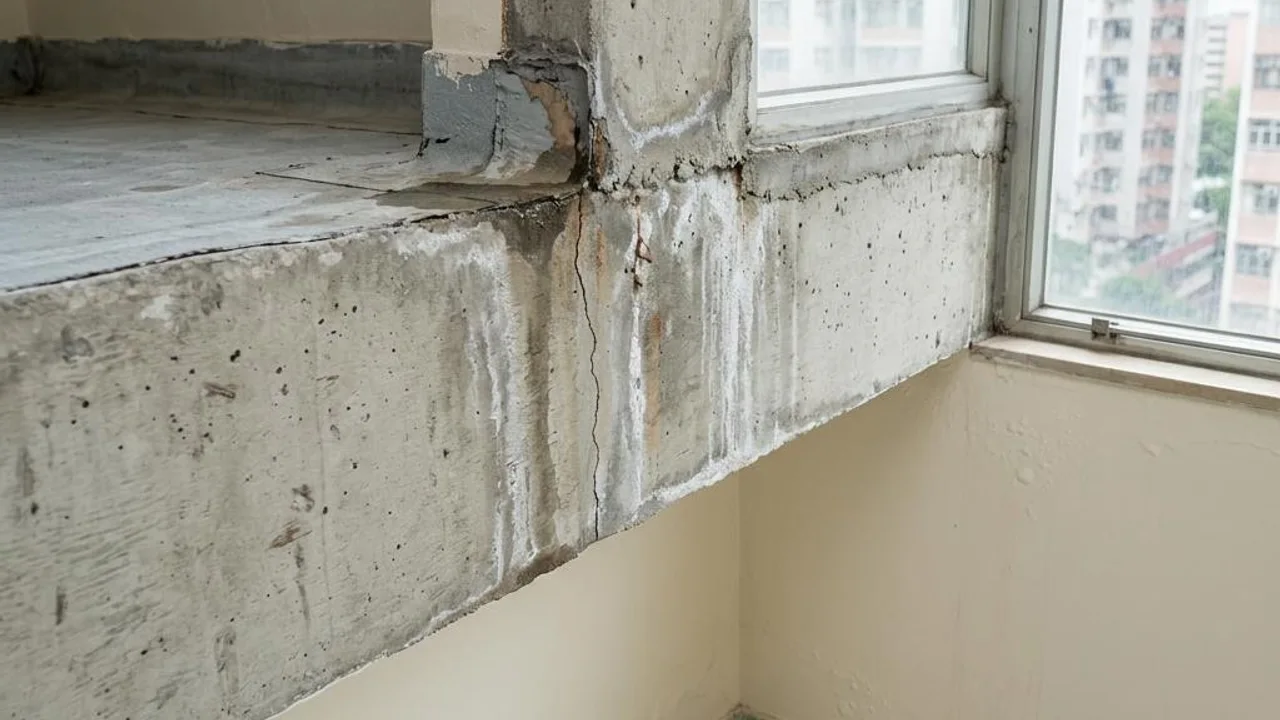
Buying repossessed properties or special units: The hidden structural and waterproofing challenges during property inspection.
Repossessed properties and special units often have dried-up water seals and aged waterproofing layers due to long-term vacancy and outdoor exposure. During property inspection, owners must focus on the wear and tear of hidden pipes, traces of structural alterations, and the integrity of wall waterproofing, and consult professionals to plan repair priorities to prevent post-renovation leakage crises.
Read full article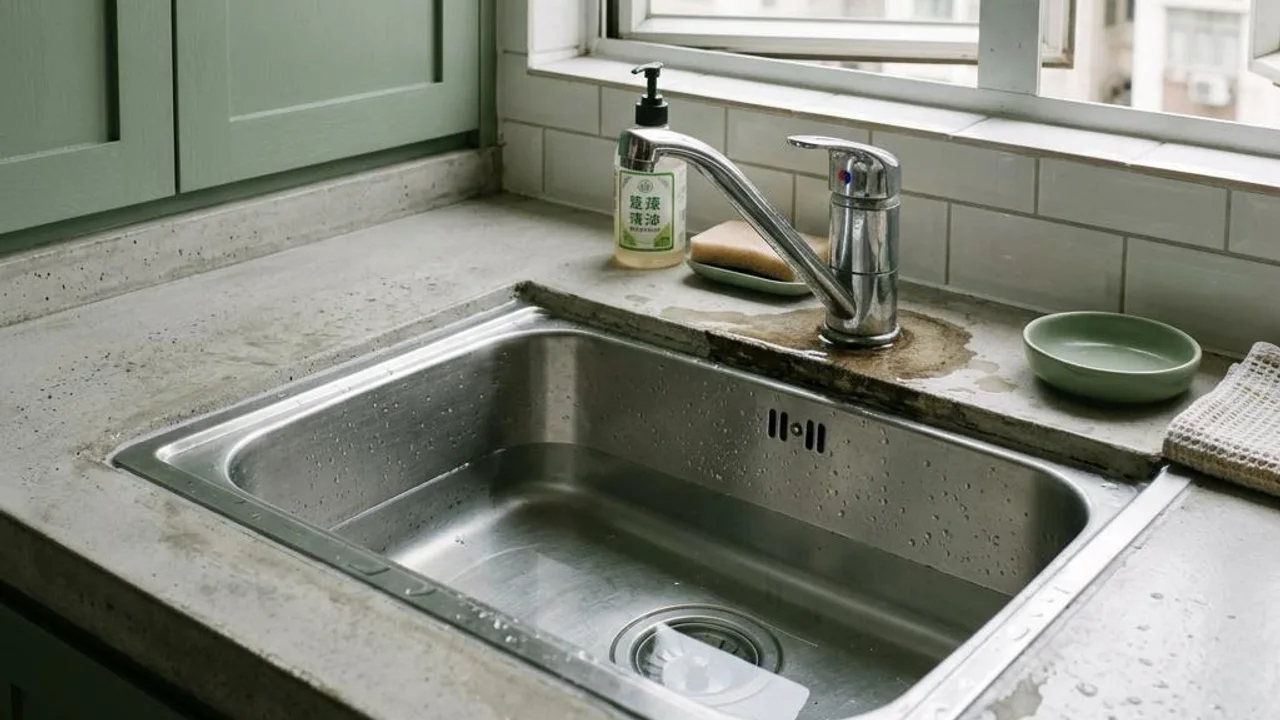
Tips for preventing leaks in kitchens and bathrooms: Simple self-inspection methods every owner should know.
This article introduces simple inspection techniques for kitchen and bathroom floors, drainage, and waterproofing facilities, helping owners identify potential water leakage risks. It also analyses why professional deep instrument inspections should be sought for critical engineering projects to ensure residential safety.
Read full article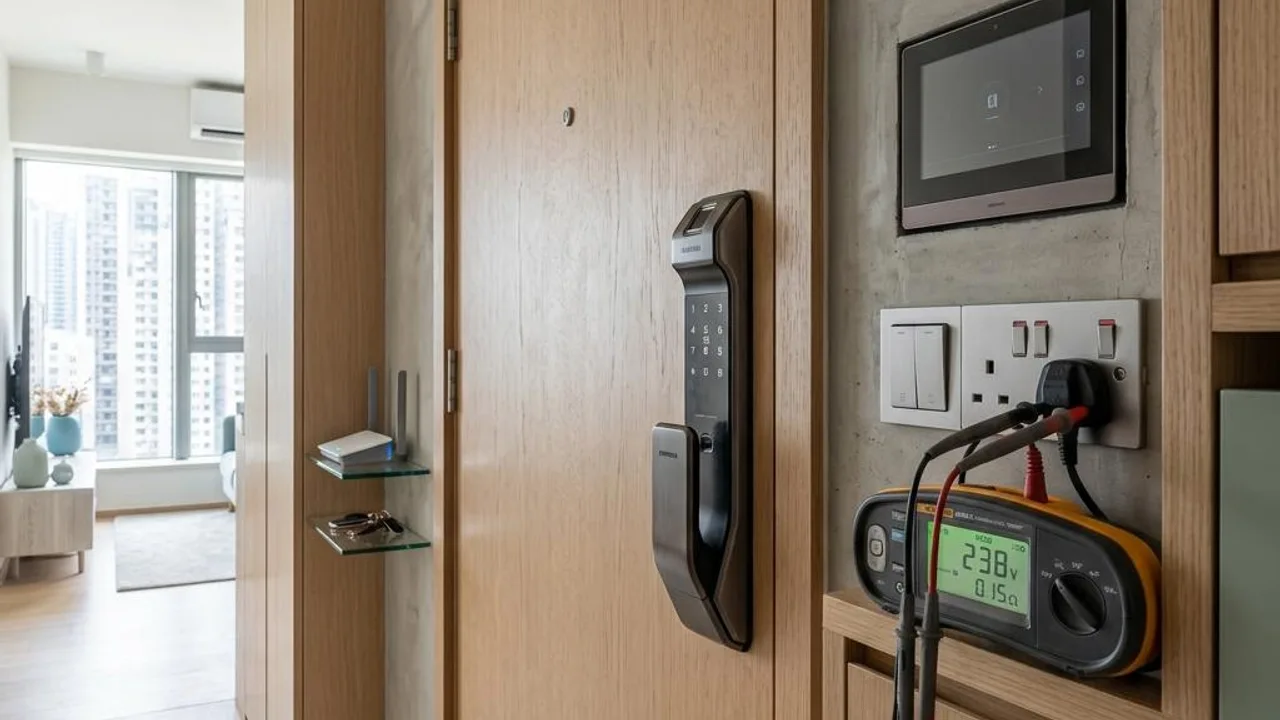
Inspection priorities for smart electronic devices during key handover.
This article aims to assist Hong Kong owners in systematically inspecting smart home devices during property inspection, covering electronic door locks, video intercoms, smart lighting controls, and network infrastructure, ensuring that all devices are installed in compliance with regulations and are functioning correctly, thereby safeguarding future living stability and security.
Read full article
Home safety for families with young children: Safety checks during the property inspection stage.
Home safety for families with young children needs to be planned from the property inspection stage, covering windows, electrical sockets, anti-collision facilities, and bathroom anti-slip measures, using professional inspections to ensure the new home meets long-term living safety and stability requirements.
Read full article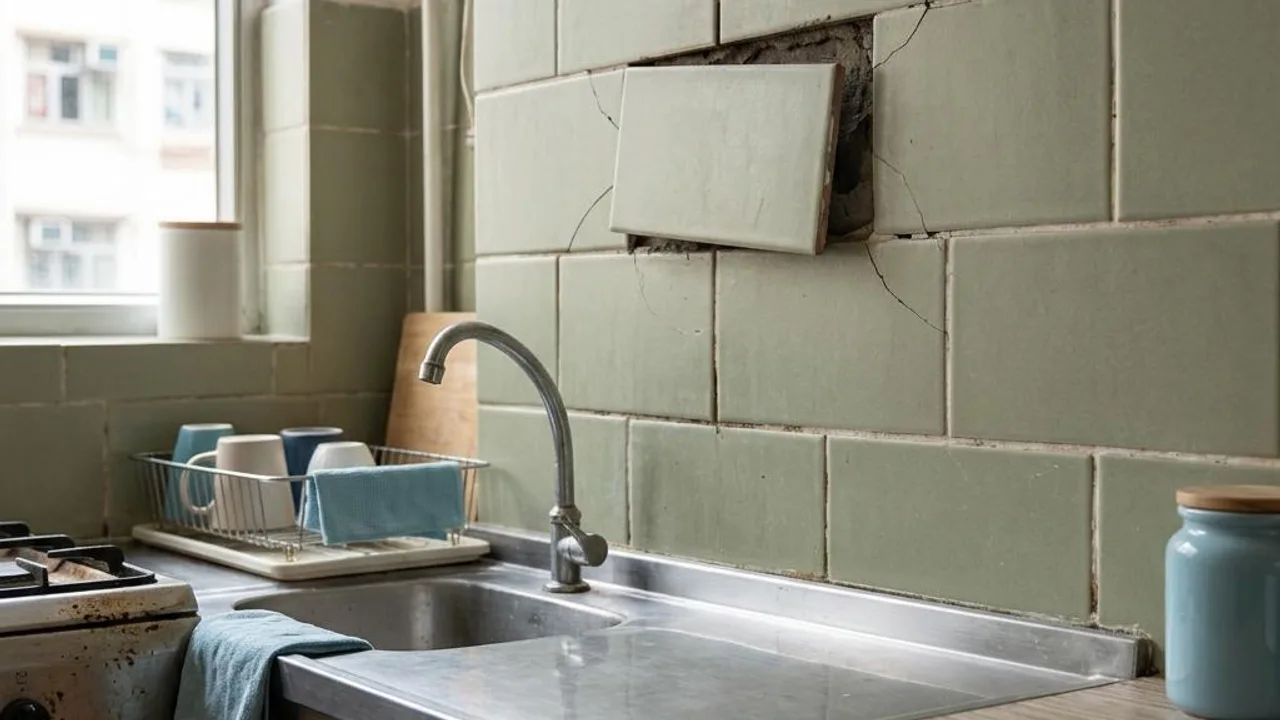
Tile hollow analysis: Causes, risks, and assessment recommendations.
This article analyzes the causes, long-term impacts, and related risks of tile hollows, guiding owners on how to conduct preliminary observations and assess whether professional assistance is needed to ensure home structure and residential safety.
Read full article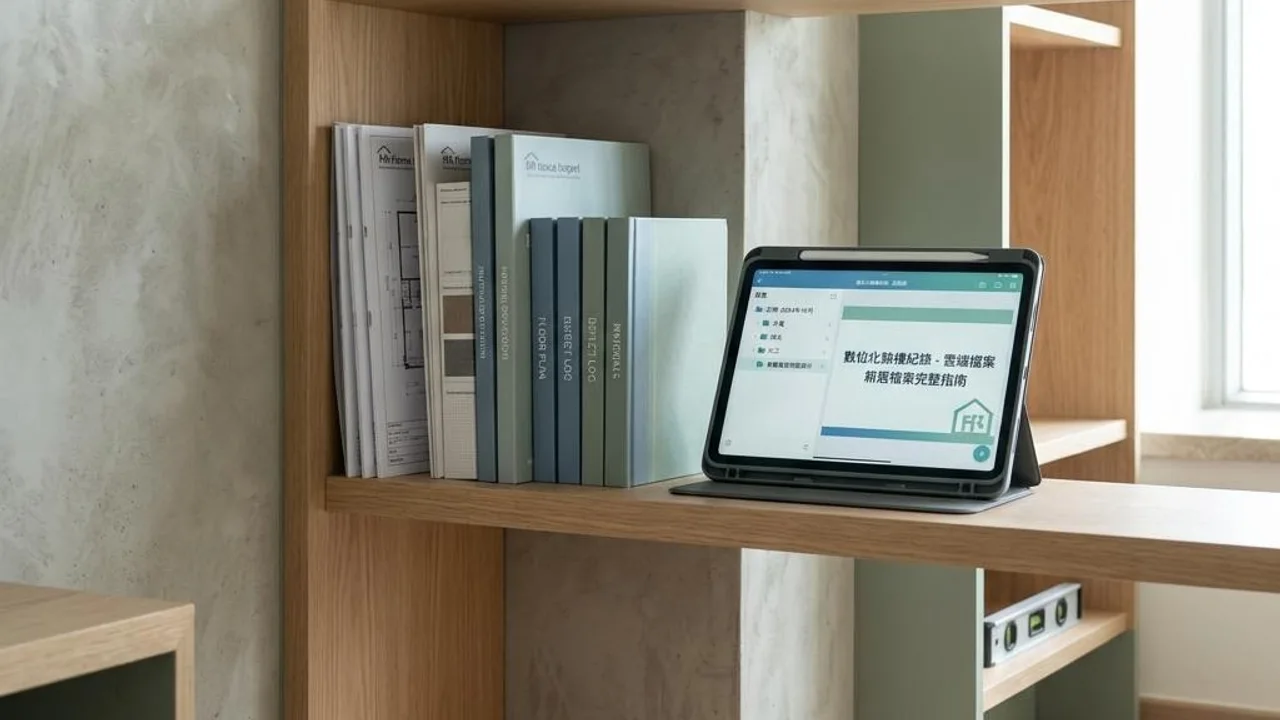
Digital property inspection records: A guide to building a personal, exclusive cloud-based new home file.
Building a systematic cloud-based property inspection record can effectively integrate contract plans, defect rectification progress, and home appliance maintenance data, enhancing an owner's digital management capacity for property assets and ensuring more precise future maintenance.
Read full article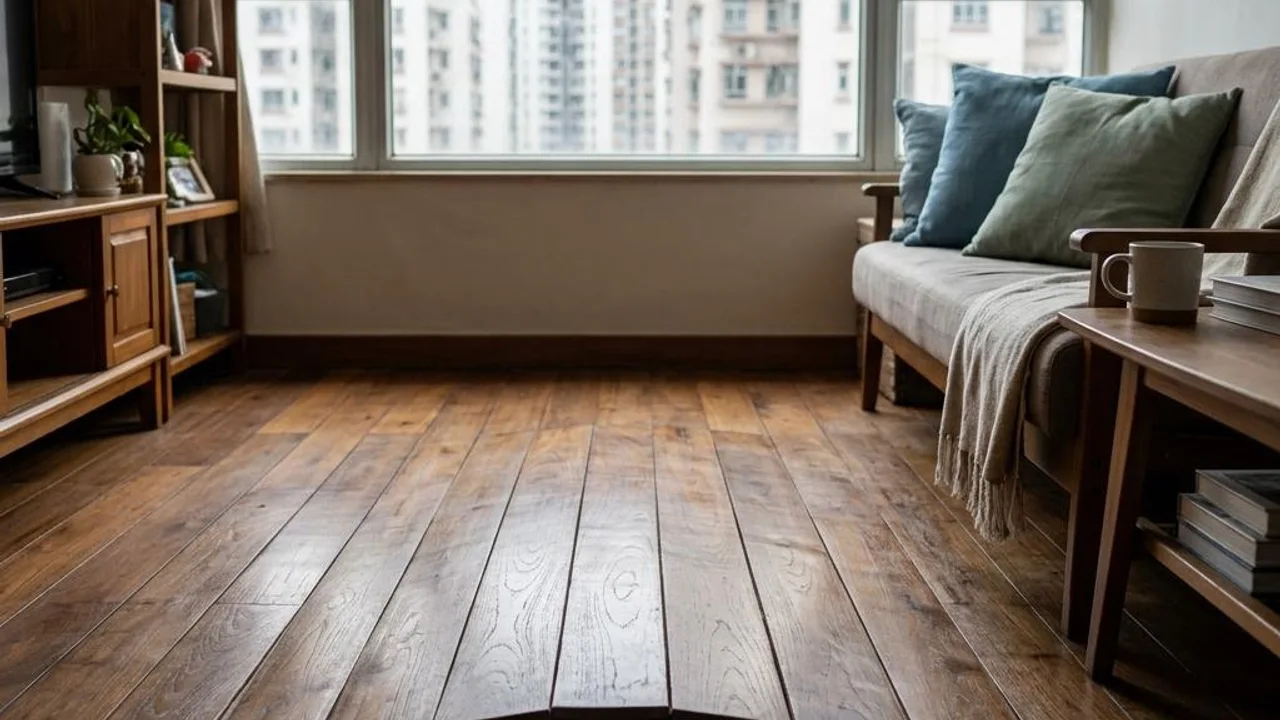
Solid wood flooring deformation check for older buildings: Dampness hazard assessment before key handover.
During key handover, conduct a dampness and deformation assessment for solid wood flooring, focusing on checking for board bulging, hollow rattling sounds, gaps at skirting edges, and hidden leakage risks to ensure living quality.
Read full article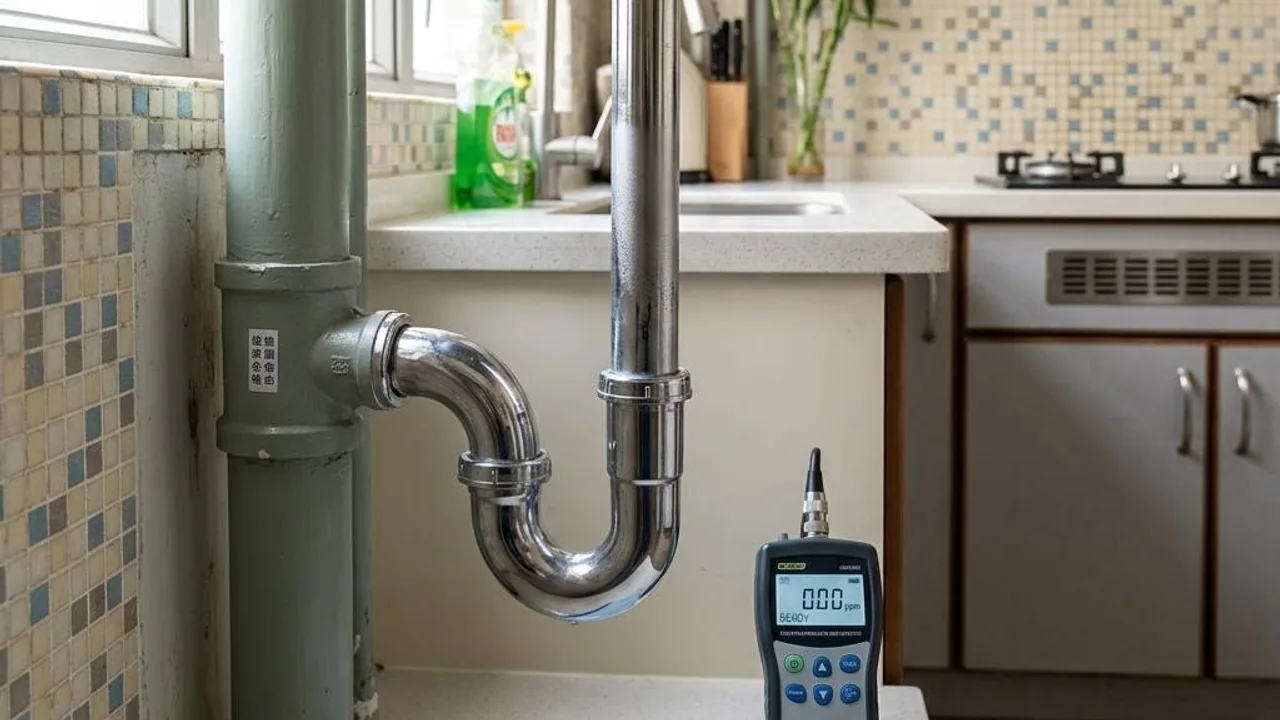
Older building drainage system check: A guide to testing P-traps and anti-odour functions.
This guide details the importance of P-traps and water seals in older building drainage systems. By observing the status of water seals, the sealing of pipe connections, and changes in drainage air pressure, owners can effectively identify the source of odours. When fundamental issues cannot be resolved, qualified professionals should be sought in a timely manner to conduct deep inspections to ensure indoor sanitary safety.
Read full article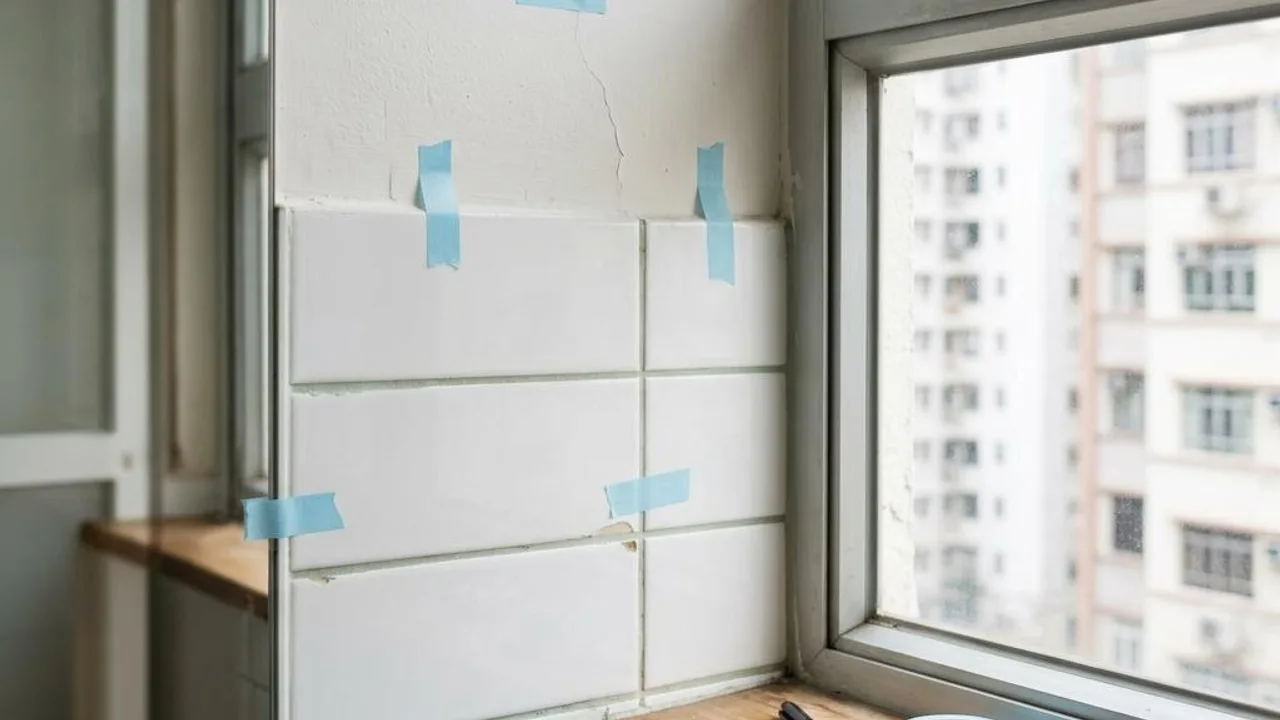
Property inspection checklist user guide: How beginners can accurately record indoor defects.
This article introduces a systematic strategy for owners to conduct property inspections, including space zoning inspection techniques, using markers and image recording methods, and detailing how to test window and door drainage and distinguish between the scope of self-observation and professional inspection, ensuring an effective list of unit defects can be compiled.
Read full article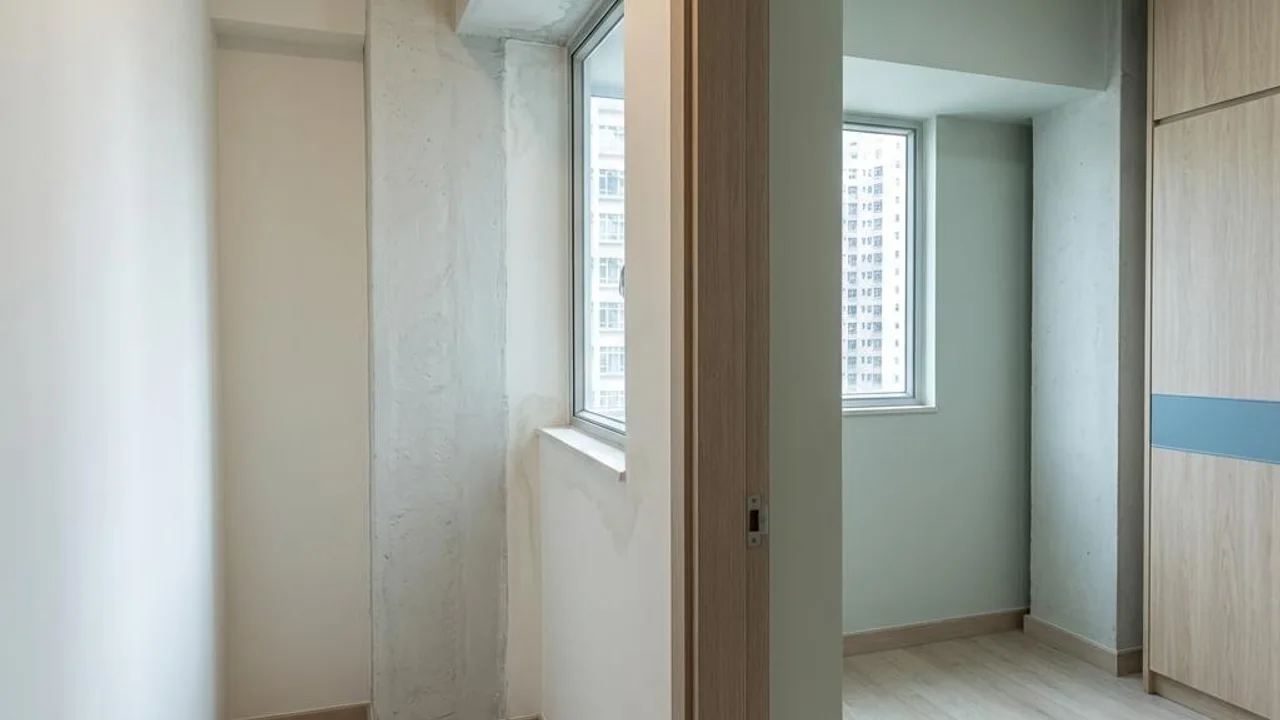
Blind spots when collecting keys for entry-level units: Key points for detailed structural inspection.
This article aims to assist owners in conducting systematic inspections for open-plan kitchens, bathroom drainage, window airtightness, and electrical configurations during key handover. Through observation and simple tests, it clarifies whether there are installation defects or hidden work issues in the unit and specifies when professional assessment should be sought to ensure long-term living safety and structural integrity.
Read full article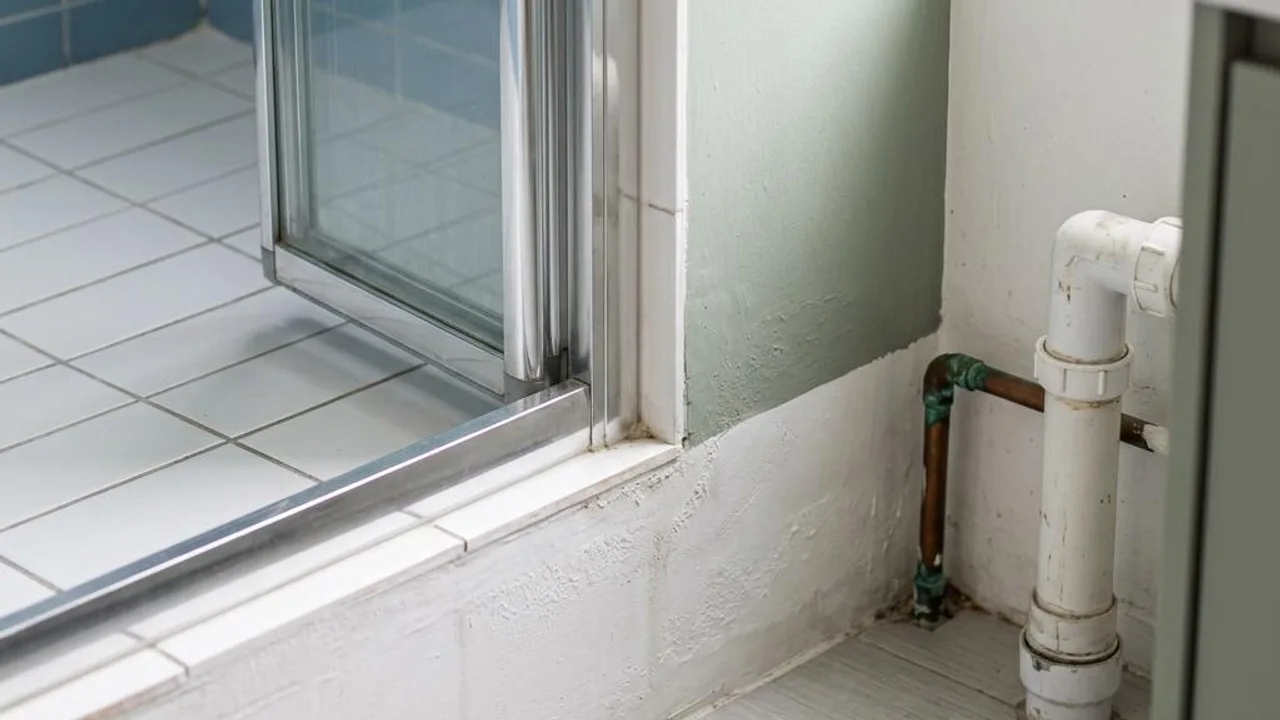
Essential information for collecting keys for second-hand properties: An inspection guide for common leakage and high-risk structural locations.
This guide details how to check for hidden water leakage risks in kitchens, bathrooms, window frames, pipes, balconies, and modified walls when collecting keys for second-hand properties, helping owners identify high-risk locations and maintain them through professional assessment.
Read full article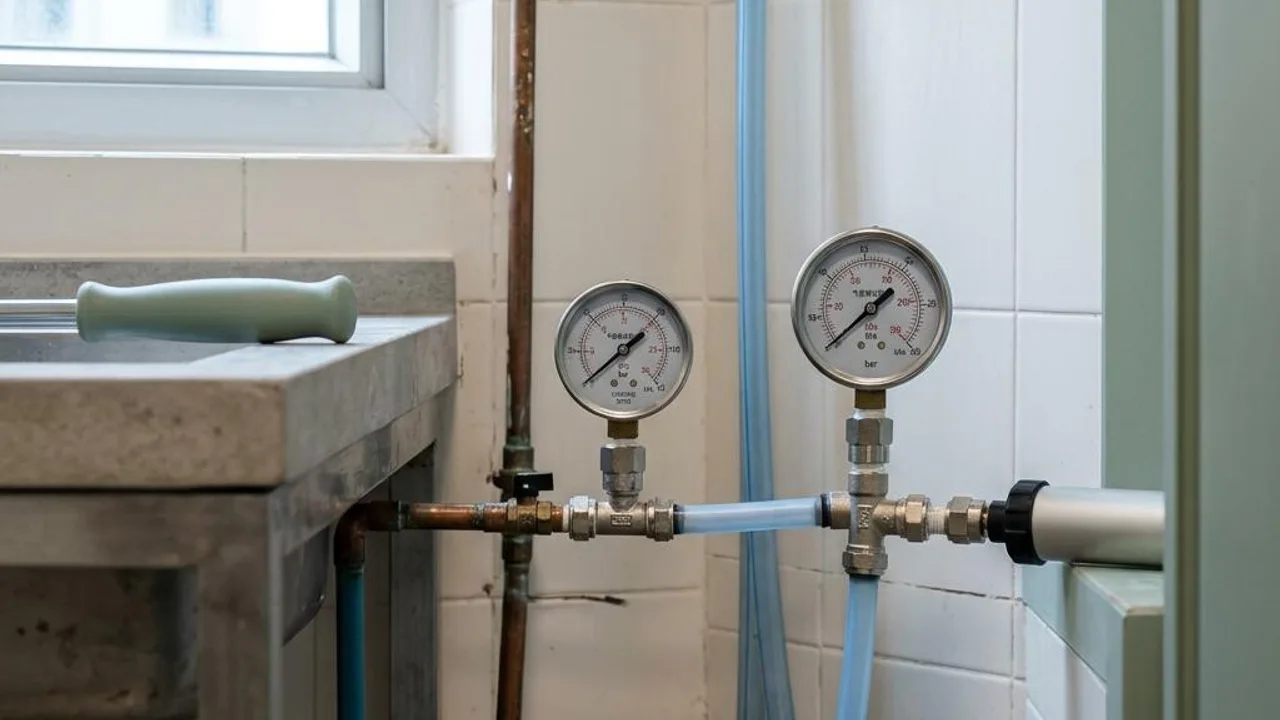
Whole-house water purification system installation: Airtightness test and pipeline safety acceptance guide.
This article explores the airtightness testing process for whole-house water purification systems, analyzing how to use professional instruments to detect micro-gaps in pipe connections to ensure the stability and safety of the domestic water supply system and prevent hidden leakage hazards.
Read full article
Acceptance guide for the adhesion of heat-insulating film on floor-to-ceiling glass windows.
This article introduces the physical adhesion principles, acceptance standards, and professional inspection recommendations for heat-insulating film on floor-to-ceiling glass. By observing edge sealing, residual air bubbles, and dust defects, owners can effectively evaluate construction quality, safeguarding energy-saving performance and comfort in the home environment.
Read full article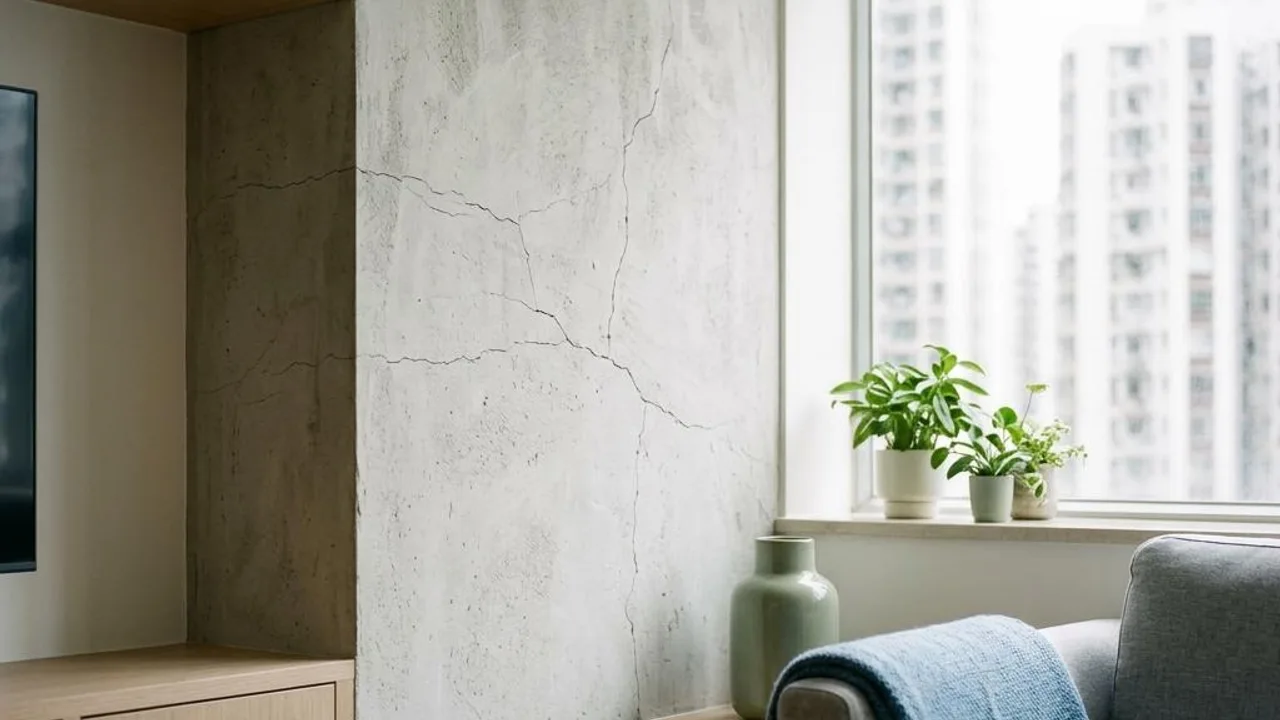
Key points for detecting cracks in soundproof composite walls after a typhoon.
This article explores the impact of typhoons on residential soundproof composite walls, guiding owners on how to properly inspect wall stress cracks, identify structural changes, and recommending the hiring of professionals for scientific testing and preventive repairs to ensure domestic tranquility.
Read full article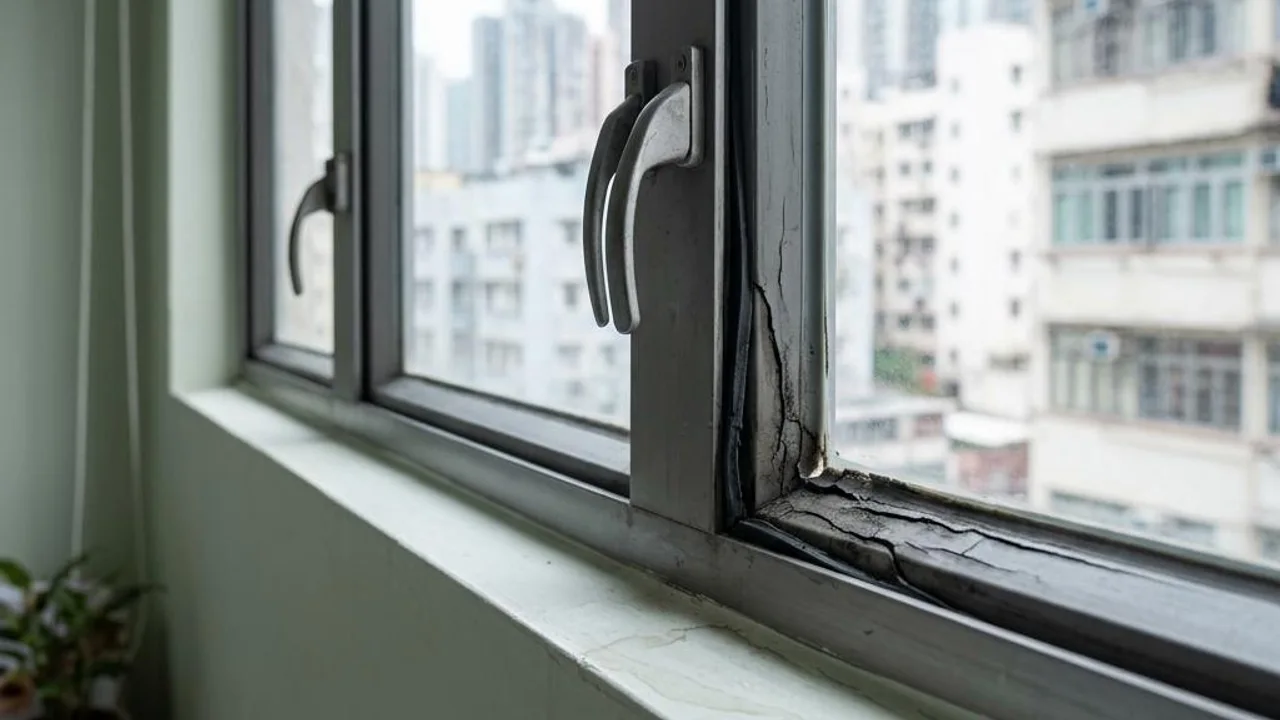
Inspection guide for waterproof rubber seals on aluminium windows in older buildings.
This article discusses the ageing principles and inspection methods of waterproof rubber seals on aluminium windows in older buildings, guiding owners on how to maintain the sealing performance of aluminium windows through scientific inspection and professional assessment, thereby reducing leakage risks and ensuring residential safety.
Read full article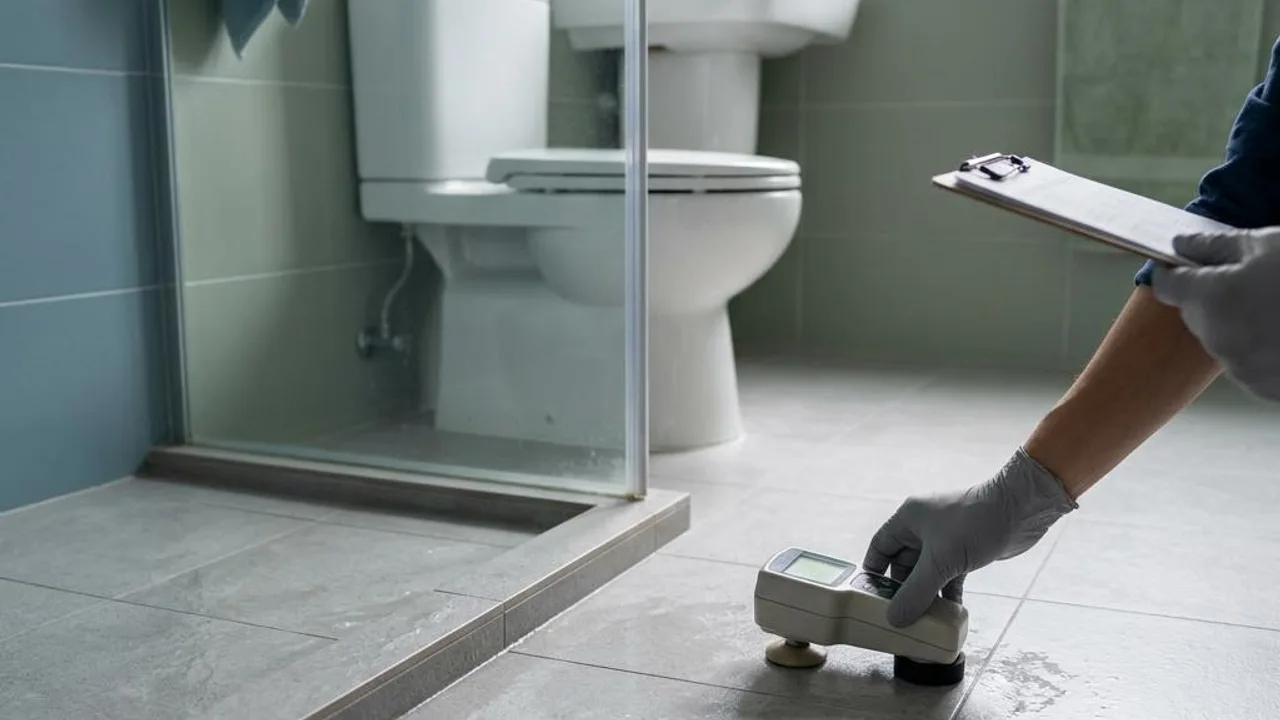
Acceptance inspection guide for bathroom anti-slip microcrystalline coating.
Bathroom anti-slip microcrystalline coating increases friction by changing the microscopic structure of the tile surface. This article analyzes its physical operating principles, scientific acceptance methods, and daily monitoring strategies, helping owners ensure the anti-slip safety of their home environment.
Read full article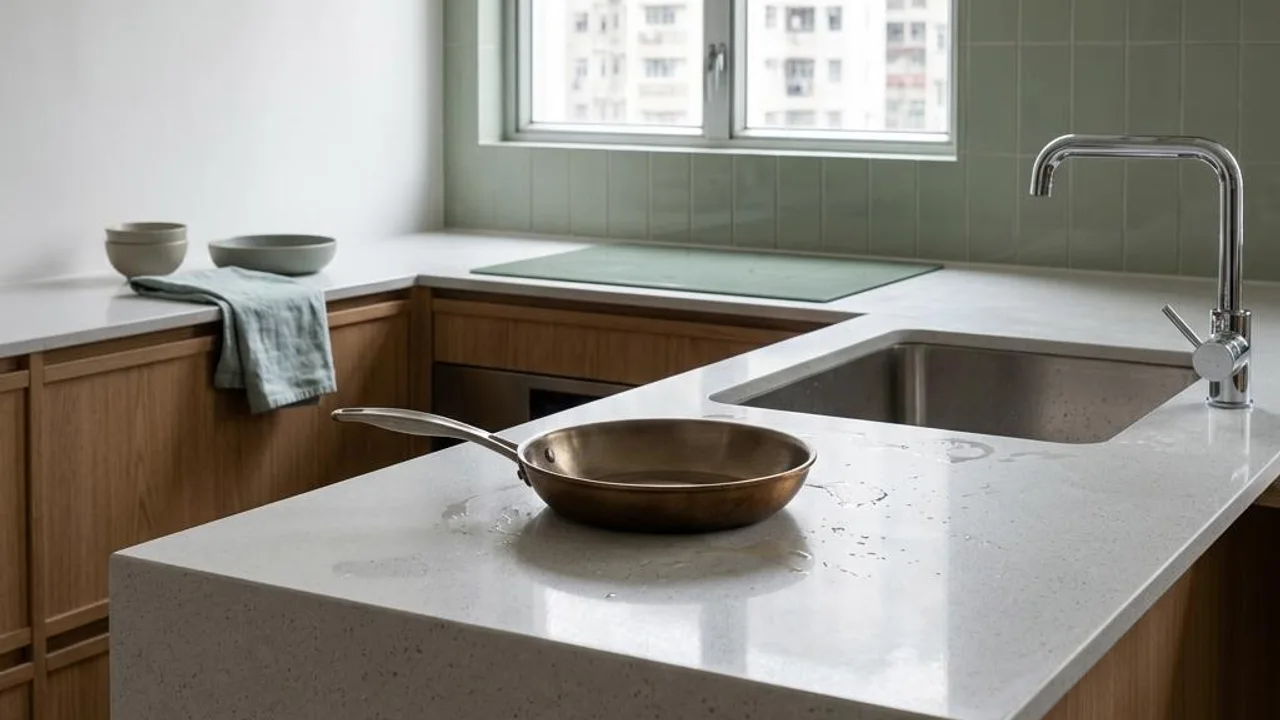
Acceptance guide for heat resistance of quartz kitchen countertops.
This guide details the physical properties, thermal shock inspection points, and maintenance methods of quartz countertops, helping owners master installation acceptance details and daily usage preventive measures to ensure kitchen renovation quality and long-term value.
Read full article
Interpreting a property inspection report: An efficiency guide for busy owners.
This article guides owners on how to read property inspection reports efficiently by identifying critical safety items, distinguishing between renovation and structural problems, and using digital search tools to quickly lock onto repair needs, assisting you in extracting key handover points from complex data.
Read full article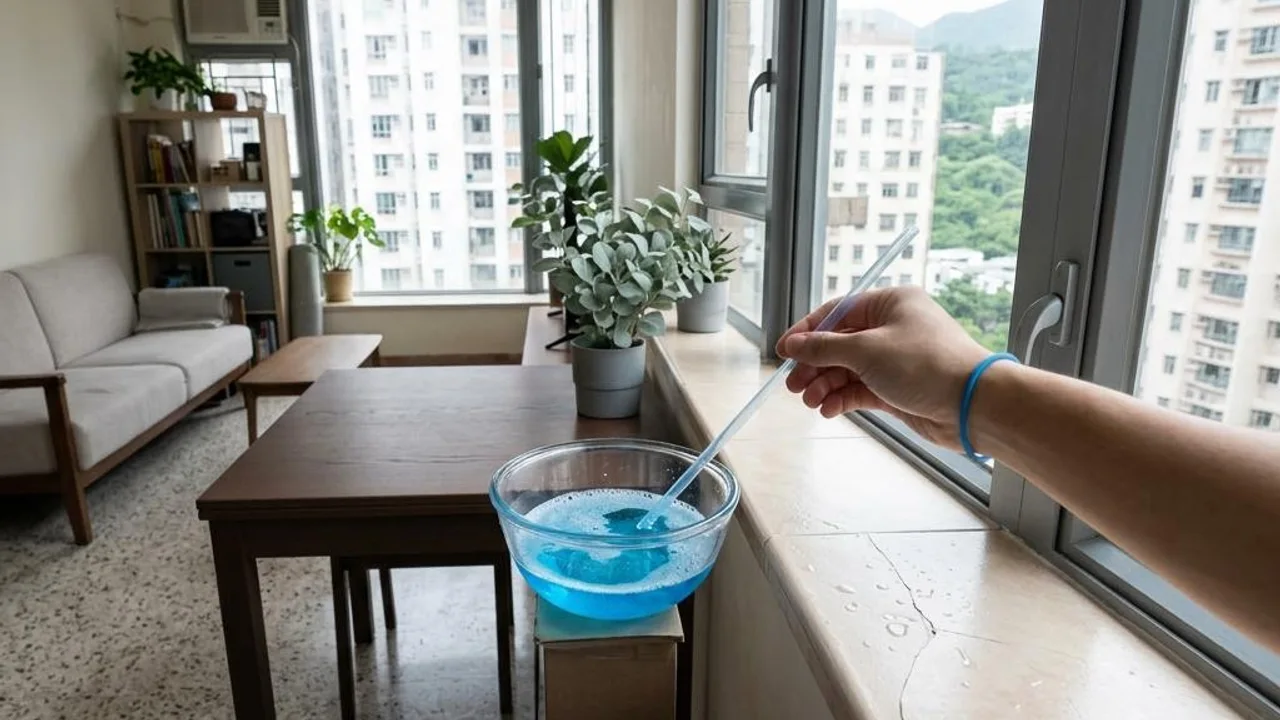
Alternatives for property inspection gadgets: Using everyday items for preliminary inspections.
Owners can use simple items like coins, phone chargers, table tennis balls, and business cards to conduct basic visual and auditory inspections of their new home. These methods help in the preliminary discovery of tile hollows, electrical socket conductivity, drainage gradients, and gap defects. If structural leakage or electrical circuit hazards are discovered, a professional OPO Inspection team must be consulted in a timely manner to ensure residential safety.
Read full article
Property inspection lighting techniques: How to identify surface defects by observing ambient light.
This article provides practical techniques for utilizing light during property inspection, teaching owners how to observe natural and artificial light to identify surface defects in the unit under different lighting conditions, and understanding the limitations of self-checks and the importance of professional support.
Read full article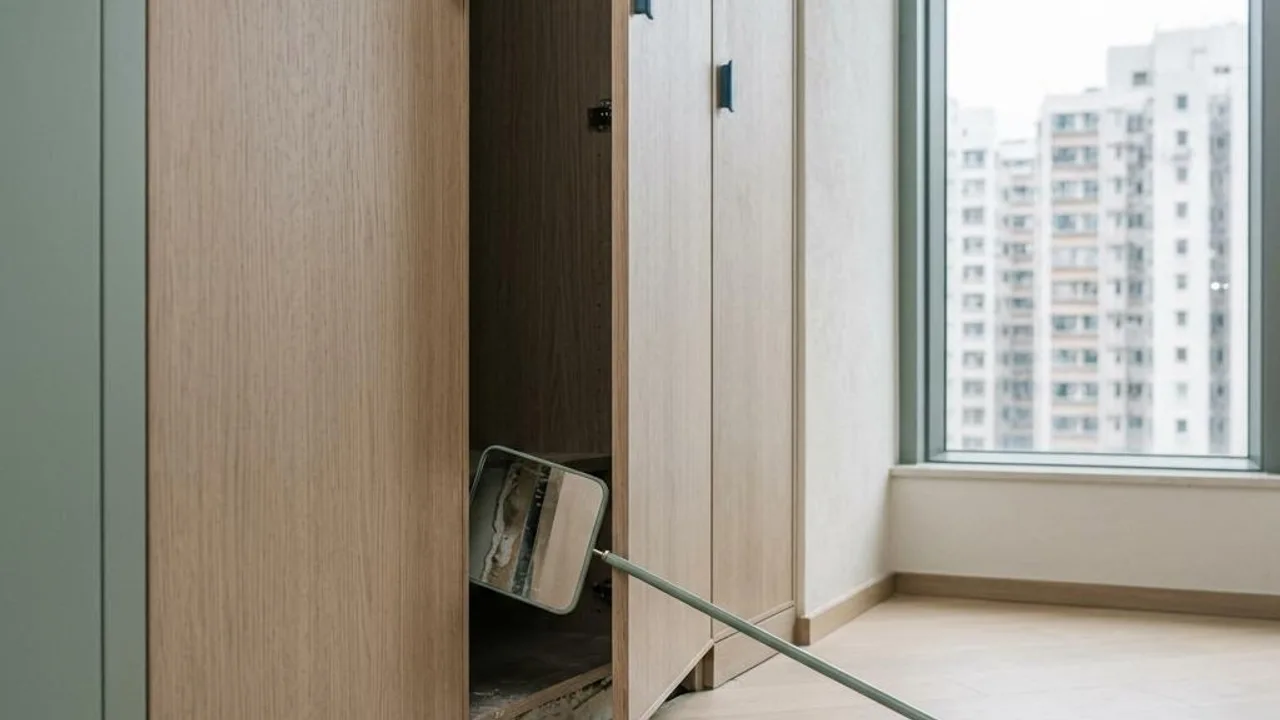
In-depth look at new development property inspection: An inspection checklist for hidden spots of complimentary luxury furniture.
This article guides owners on how to inspect complimentary luxury furniture in new developments during key handover, focusing on joint sealing, water stains in hidden areas behind cabinets, hardware operation, and pipe details, assisting owners in accurately recording issues and communicating with the developer.
Read full article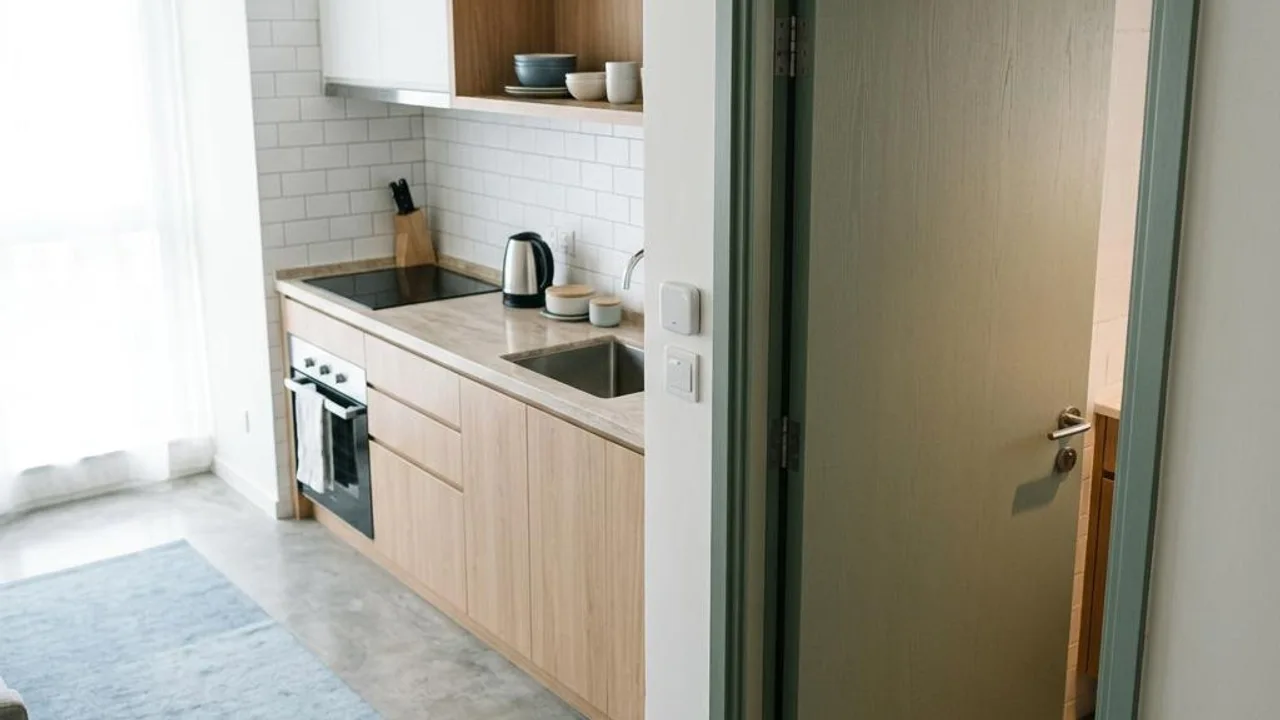
Acceptance of fire doors for open-plan kitchens in Hong Kong: Safety standards and technical details.
Fire doors for open-plan kitchens are core to safeguarding home safety in Hong Kong. During acceptance, it is necessary to focus on inspecting the automatic door closing system, the airtightness of the door, and the fluency of escape operation to ensure all electronic interlocking and fire-resistance performance meet safety regulations.
Read full article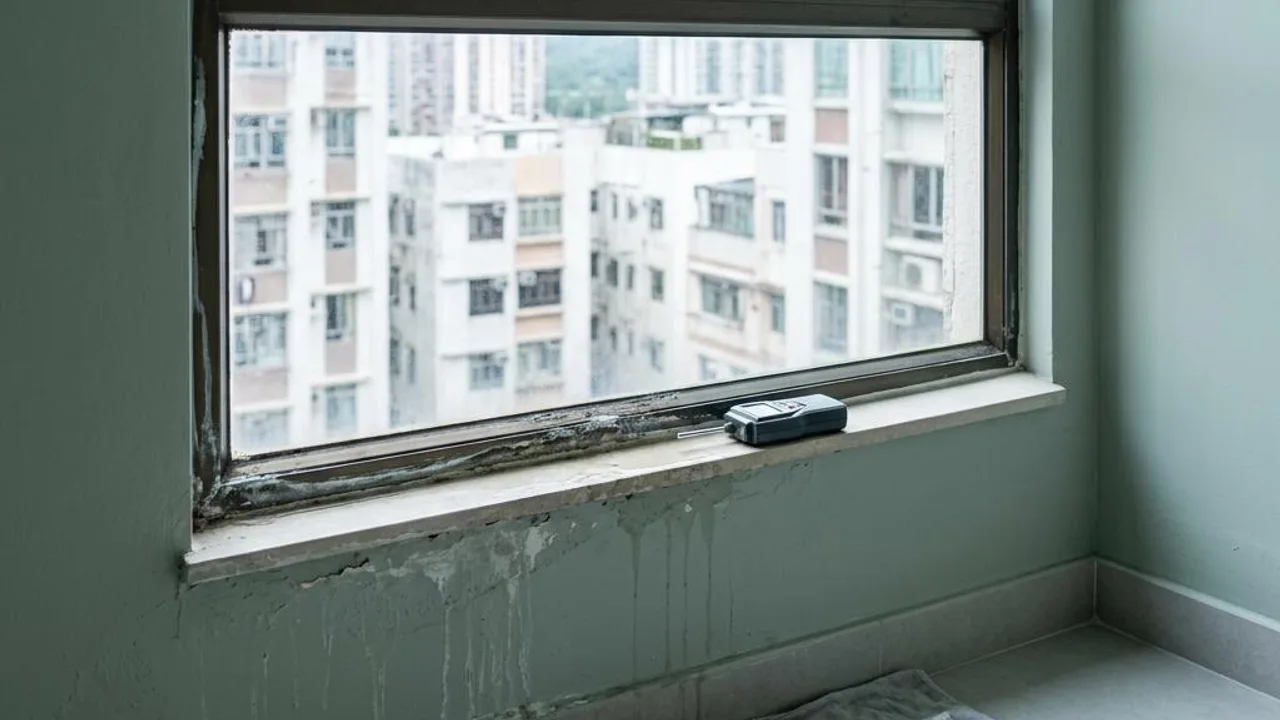
Window wind and water resistance testing: Property inspection priorities before the typhoon season.
This article summarizes the key points for window wind and water resistance, discussing in detail the airtightness of rubber seals, hardware stability, windowsill drainage, leakage observation, and professional assessment, assisting owners in checking and maintaining home safety at the key handover stage.
Read full article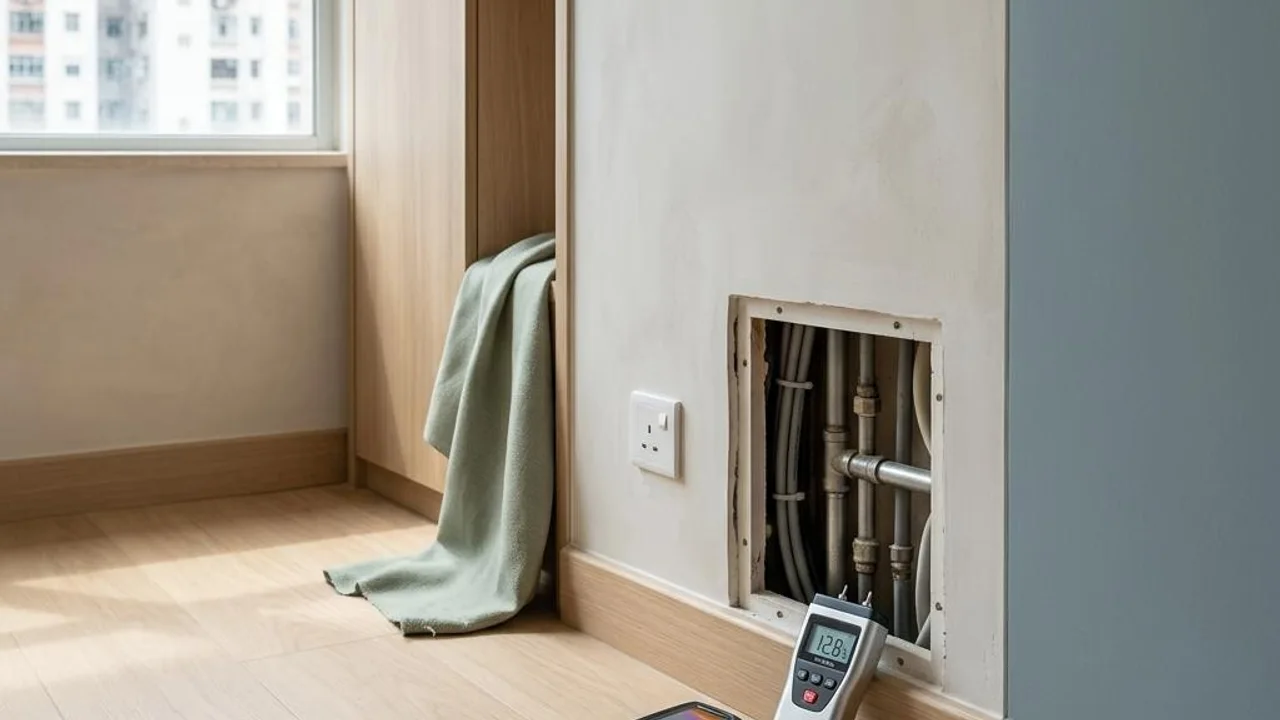
How are property inspection fees calculated? A clear look at usable area, minimum fees, and additional items.
A property inspection budget is not just about the price per square foot. Understand how this website calculates based on usable area, tiered minimum fees, the high-pressure water jet test, and reinspection arrangements, and distinguish between basic fees and additional charges confirmed per address.
Read full article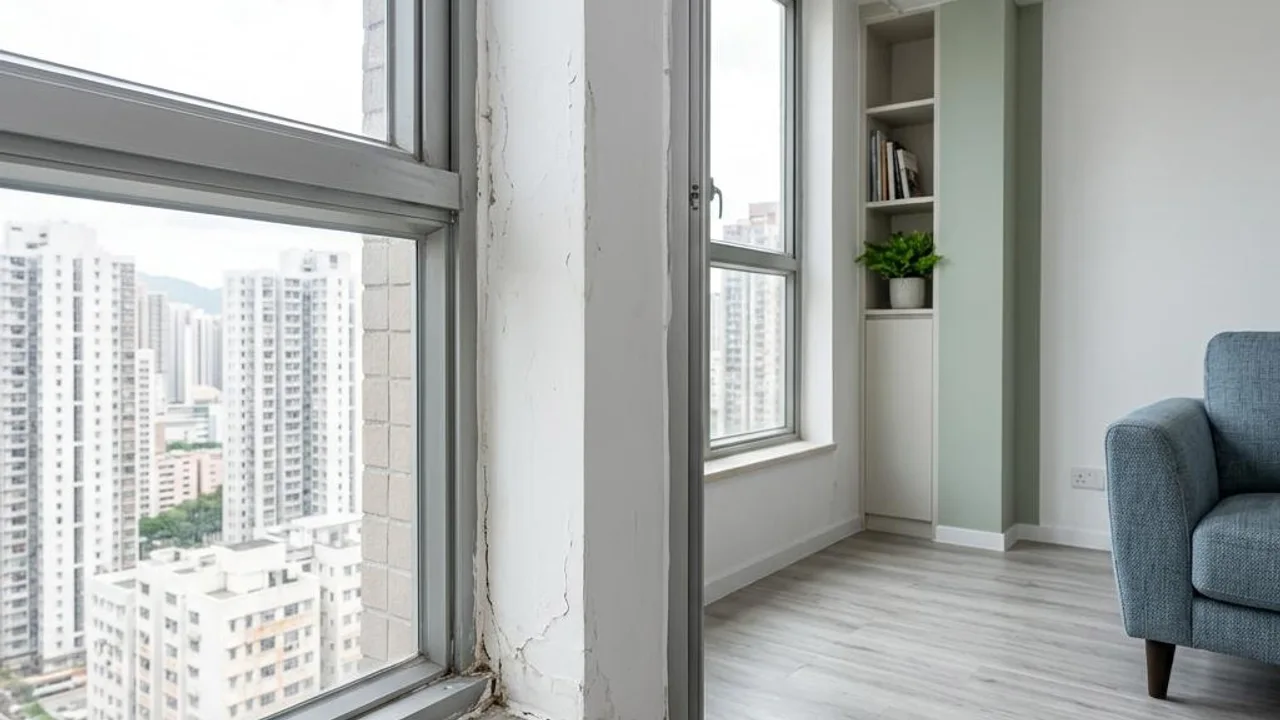
Common handover defects in new development property inspections and professional inspection guidelines.
This article covers the core processes of property inspections for new developments in Hong Kong, focusing on common defects in drainage systems, wall hollows, finishing craftsmanship, and hardware installation, and explains how professional instruments assist owners in identifying hidden construction craftsmanship and leakage problems, safeguarding investment rights.
Read full article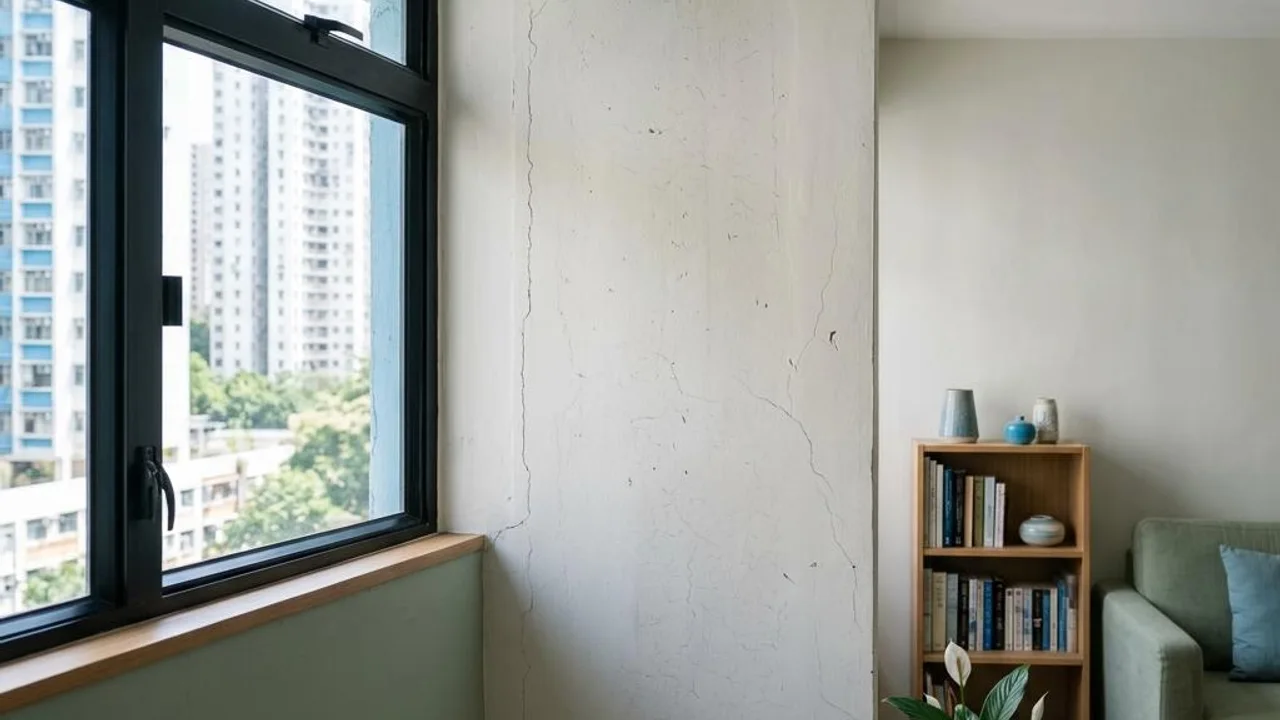
Home wall crack analysis: How to distinguish between surface defects and structural problems.
This article analyzes the causes of home wall cracks, providing observation techniques from paint shrinkage to structural warnings, assisting owners in correctly assessing the nature of cracks and consulting professionals in a timely manner to safeguard residential safety.
Read full article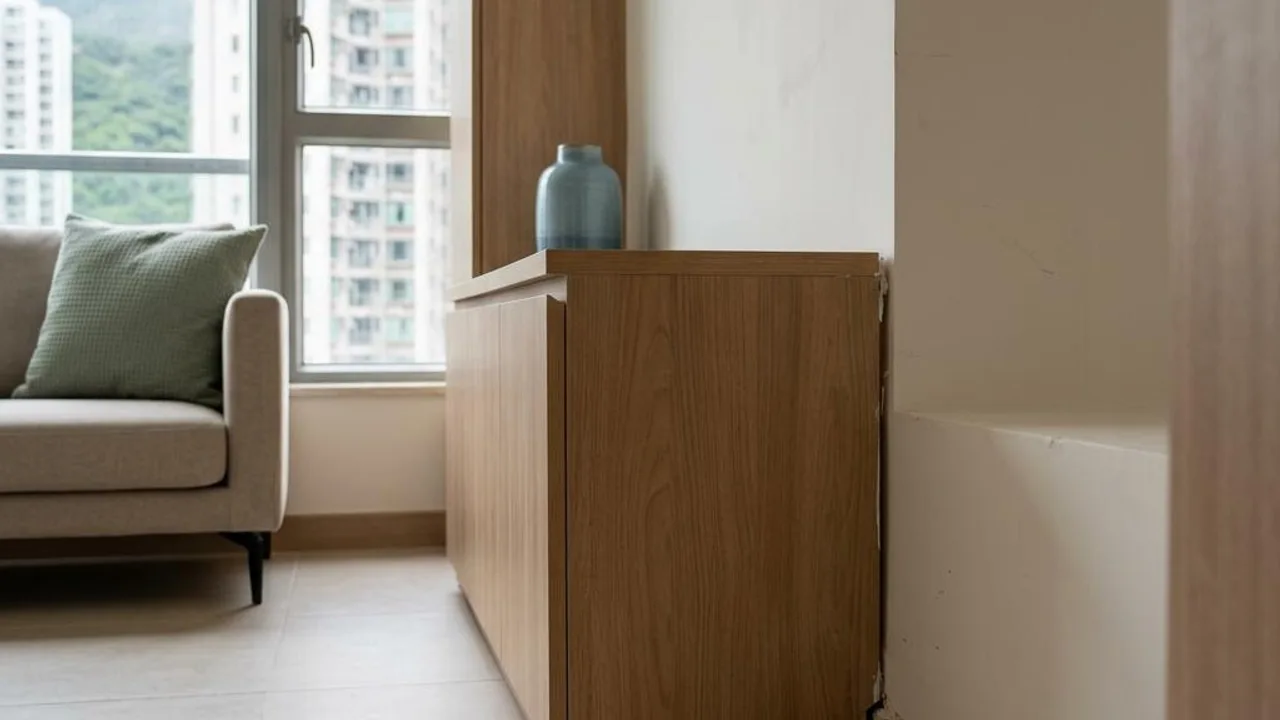
Strategy for new development property handover and inspection: Key steps to safeguard owner rights.
This article aims to assist owners of new developments in mastering the core of property inspection, through systematic inspection of walls, floors, and hidden facilities like water and electricity, detailing defects and clarifying responsibilities for defect rectification, ensuring the unit's condition meets safety and usage requirements before moving in.
Read full article
Before moving into a new home: How to assess the quietness and soundproofing performance of the home environment.
This article aims to assist owners in assessing the quietness of a new home during property inspection by observing details such as the airtightness of doors and windows, wall soundproofing, and environmental noise. It lets you master observation points, establish reasonable expectations for the living environment after moving in, and consult professionals if necessary to handle noise issues.
Read full article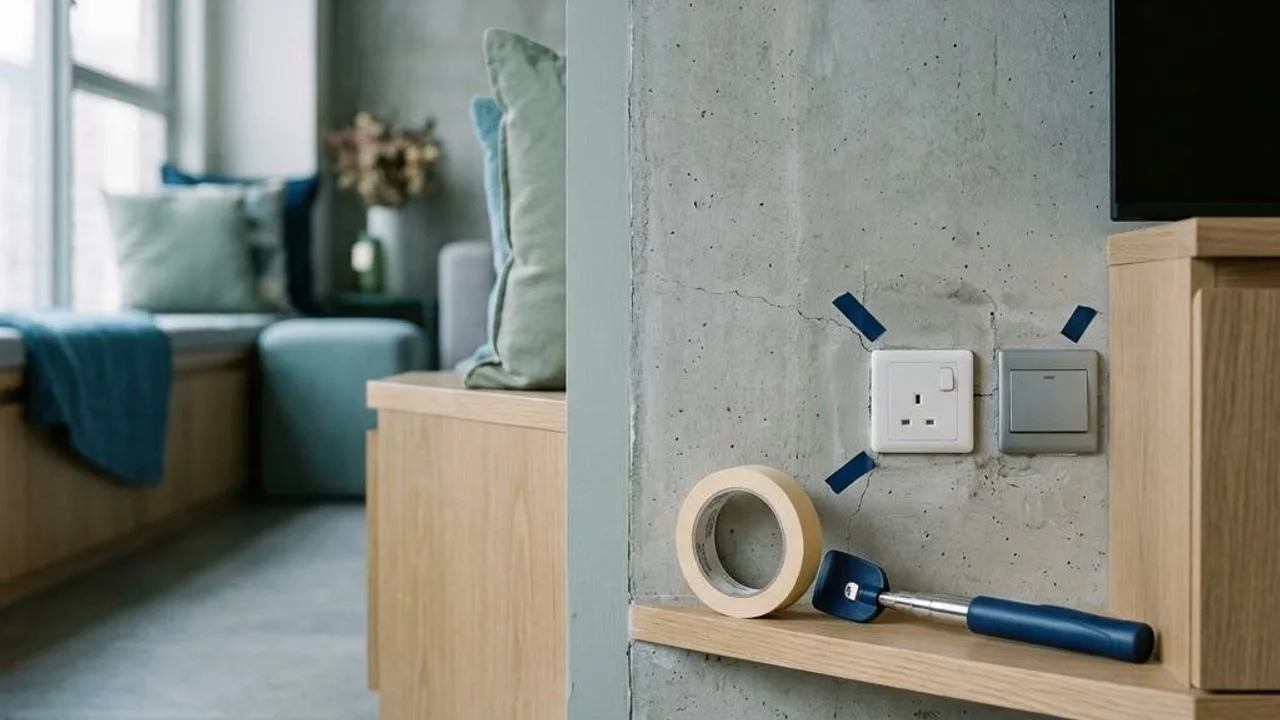
Common practical tools for property inspection: A guide to detection equipment for beginners.
This article introduces basic inspection tools commonly used by owners and their application limitations, emphasizing the techniques of using masking tape, telescopic poles, and electrical testers for preliminary inspection, and recommends seeking professional assistance when encountering complex hidden engineering hazards to ensure home structure and electrical safety.
Read full article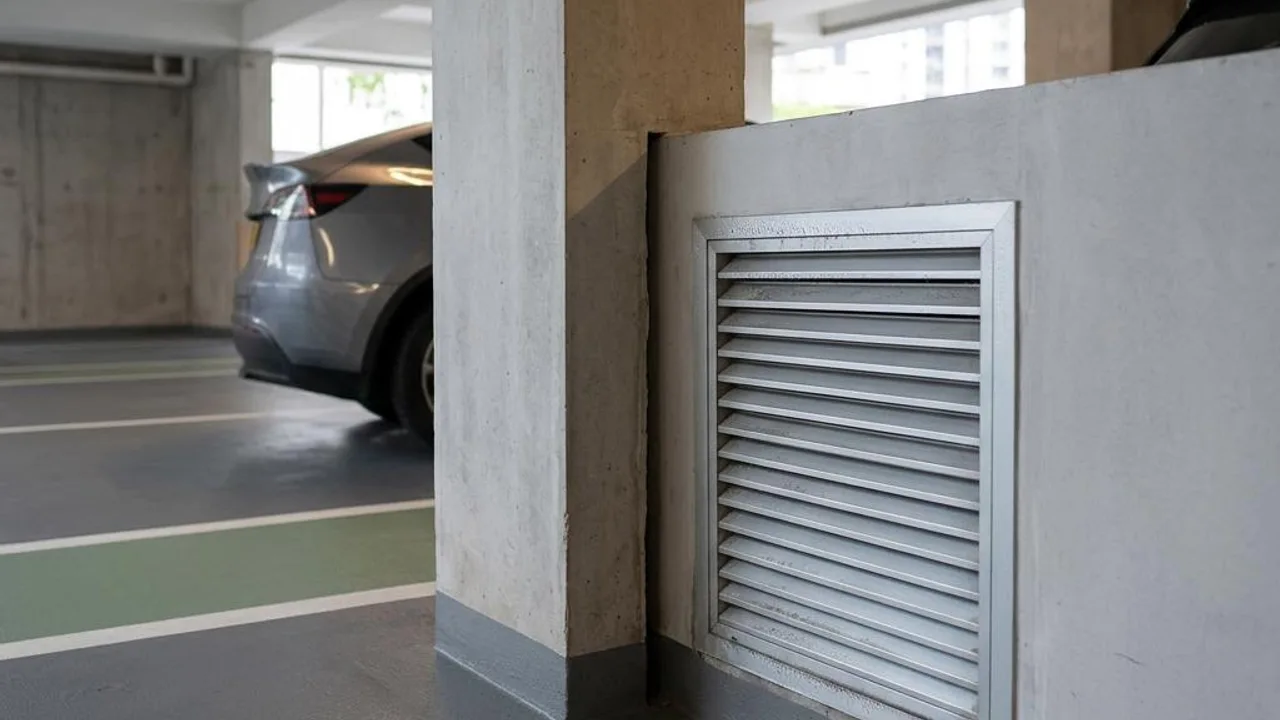
Damp-proofing guide for underground parking spaces: Dehumidification systems and airflow checks.
This article explores dehumidification and airflow control for underground parking spaces, analyzes the causes of dead air zones, and teaches owners how to effectively prevent moisture accumulation and protect vehicles from moisture damage through system adjustments and scientific inspections.
Read full article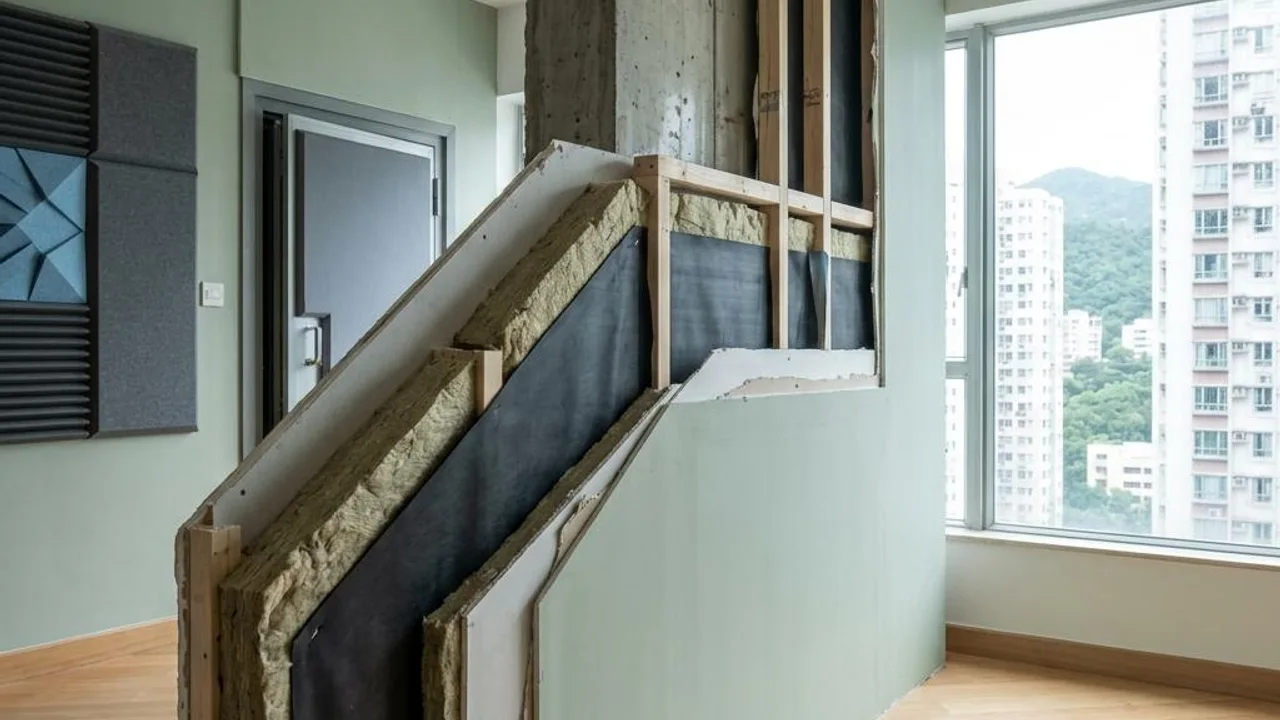
Construction and acceptance guide for soundproof walls in residential recording studio conversions.
This article explores the soundproofing works for residential recording studio conversions, elucidating the design of room-within-a-room, wall vibration damping, airtight sealing, and key points for quantitative acoustic testing. It helps owners understand the professional inspection process to ensure soundproofing effectiveness meets physical requirements.
Read full article
Code of practice for the acceptance of anti-leakage works for solar panel installation on village houses.
Installing solar panels on the rooftops of village houses involves drilling holes for mounting brackets, which easily damages the waterproofing layer. This article parses the sealing technology for fixing points, scientific anti-seepage testing, and drainage planning, helping owners ensure the anti-leakage performance of the building structure through professional inspection.
Read full article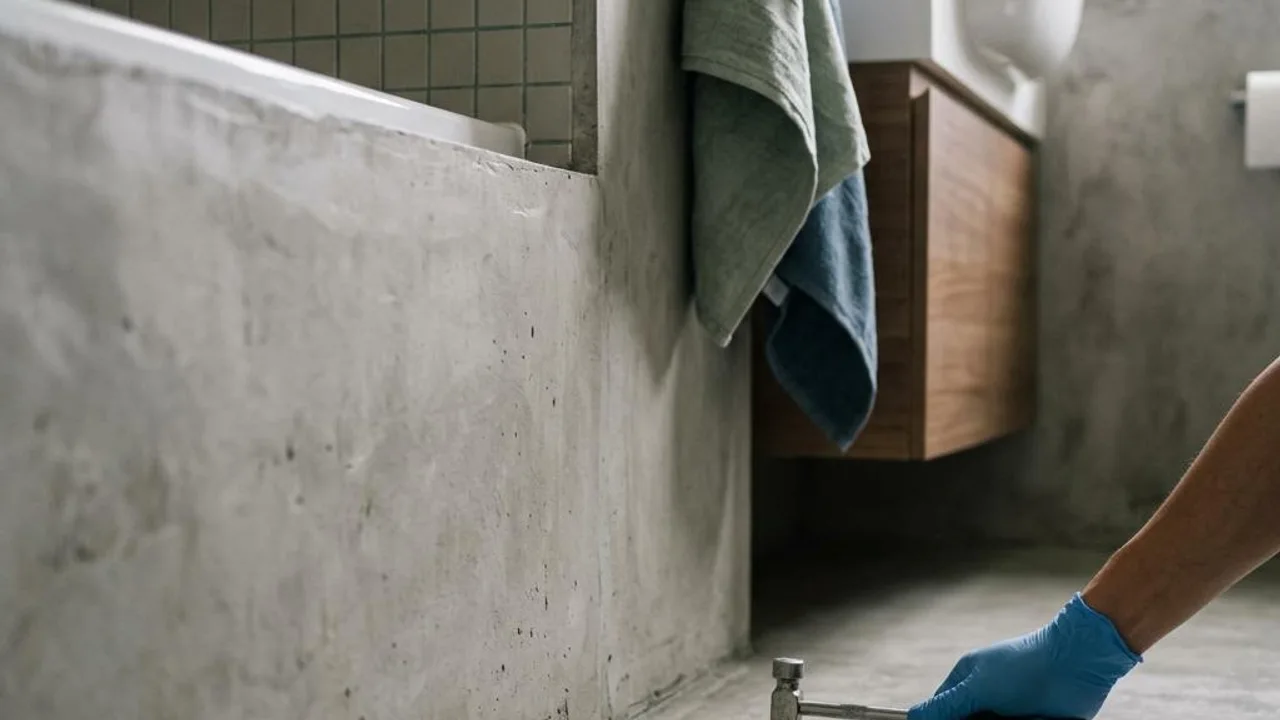
Inspection guide for hollows in seamless cement bathroom bases.
This article explores the risk of hollows in the base layer of seamless cement bathroom renovations, detailing the causes, scientific inspection methods, and acceptance processes, assisting owners in ensuring the durability of renovations and preventing hidden leakage hazards.
Read full article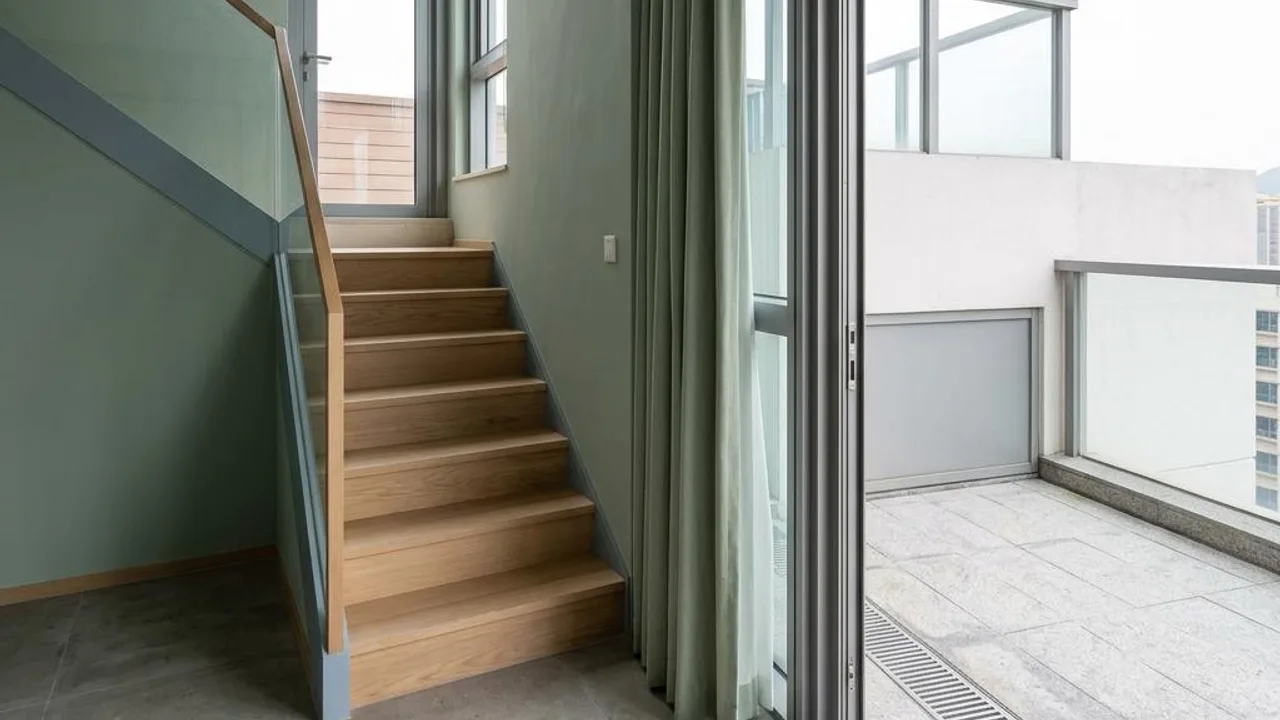
Property inspection guide for medium and large special units: Structural points for balconies and rooftops.
The balconies and rooftops of special units are the core of home value and are also critical for wind and water resistance. This guide analyzes in detail the inspection points for outdoor waterproofing, drainage gradients, fence stability, and leakage risks, assisting owners in identifying hazards during property inspection to ensure residential safety and quality.
Read full article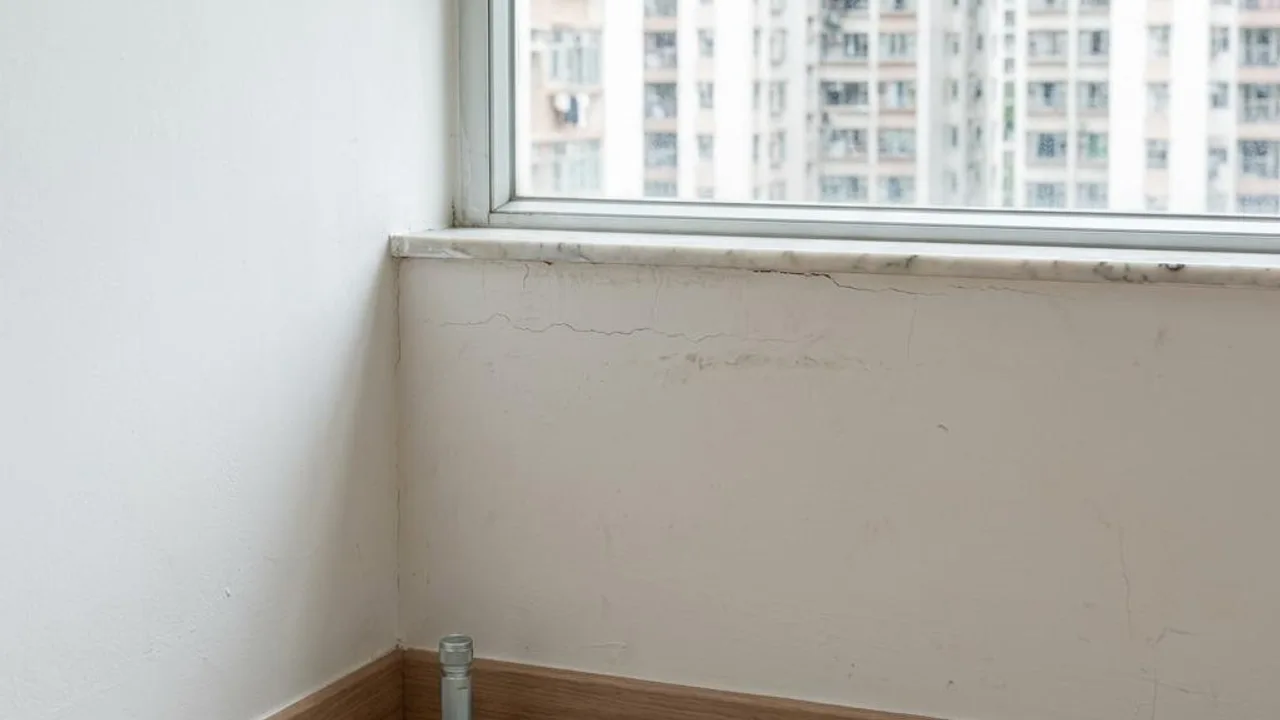
The potential and limitations of self-inspected property: A practical guide for novice owners.
This article provides owners with practical guidelines for self-conducted property inspections, covering basic tool preparation, surface defect inspection methods, and recording techniques, and objectively analyzes the limitations of inspecting hidden works, assisting owners in more effectively managing property handover quality and the defect rectification interfacing process.
Read full article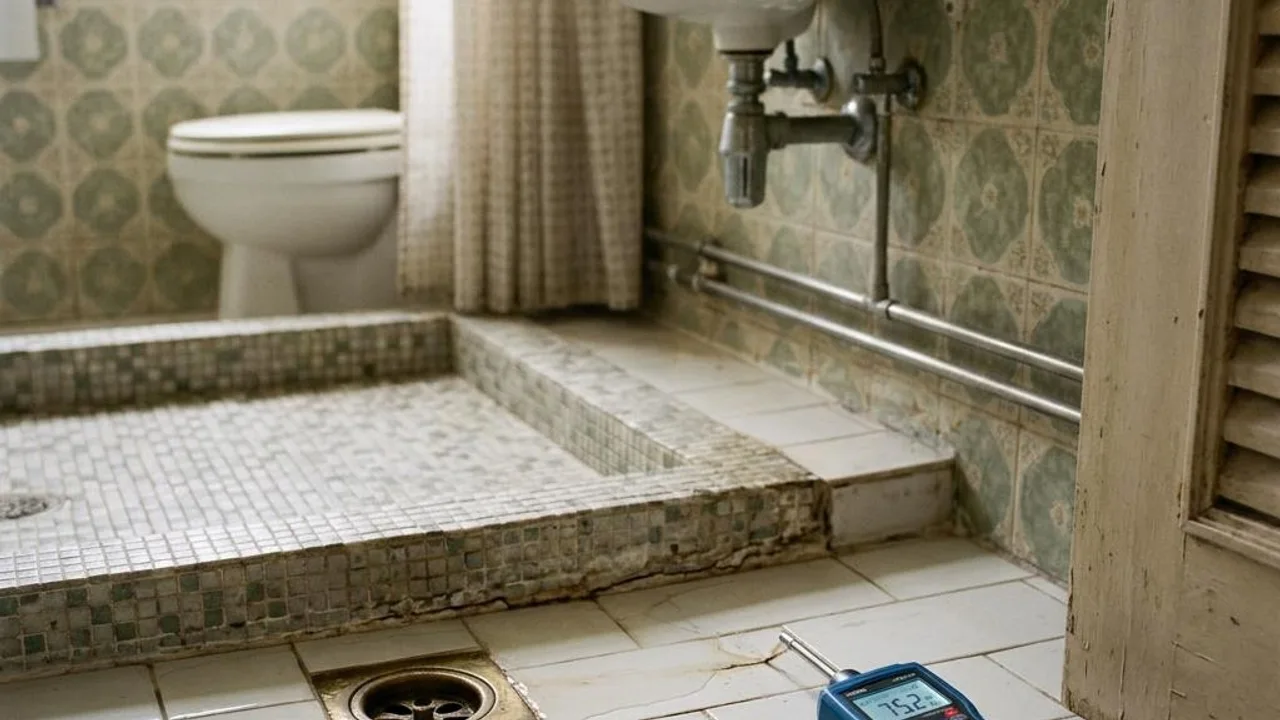
Acceptance points for second-hand property bathrooms: A guide to water testing and waterproofing systems.
This article summarizes the core strategies for bathroom acceptance in second-hand properties, from water storage testing, joint sealing, to checking hidden pipes, guiding owners on how to systematically identify aging of the waterproofing layer, leakage hazards, and drainage problems, ensuring a safe and dry home environment.
Read full article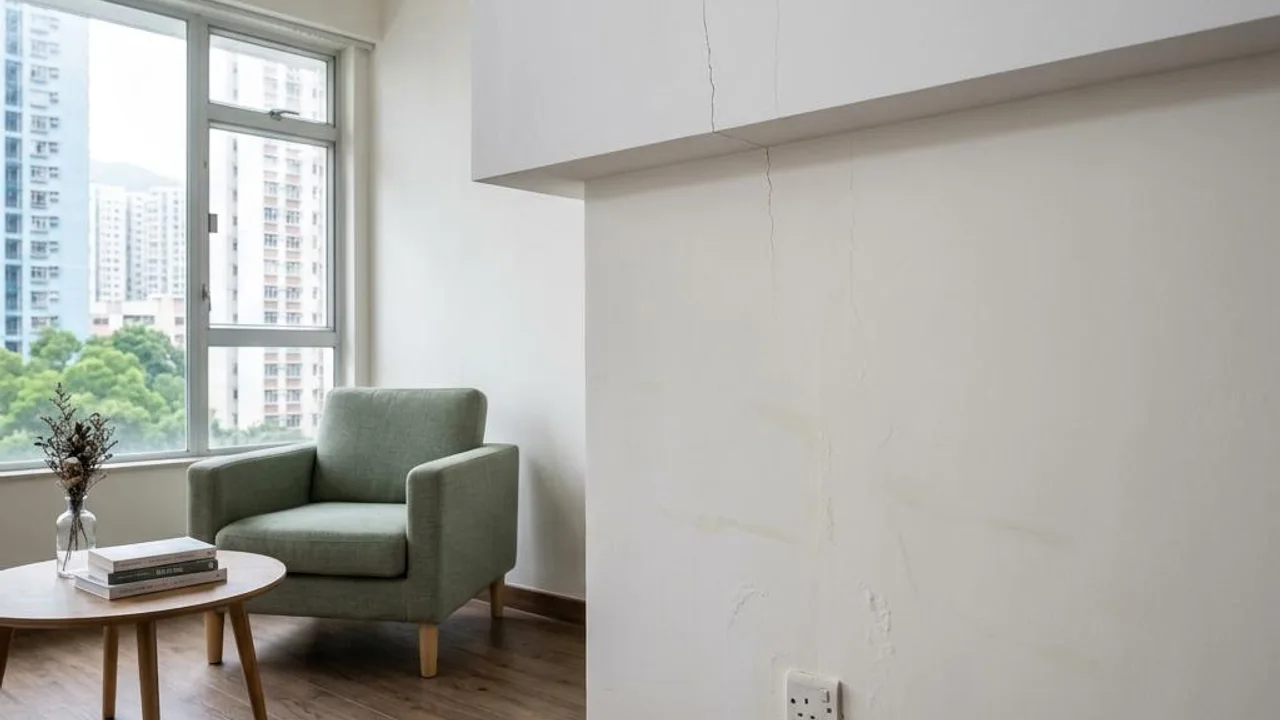
Things to note for second-hand property buyers when viewing a property: How to identify surface hazards.
Second-hand property buyers should focus on inspecting water leakage, aluminium window safety, and structural hazards when viewing properties. By observing walls, windows, pipes, and partitions, you can preliminarily estimate potential maintenance costs and consult professional opinions when necessary to safeguard property investment.
Read full article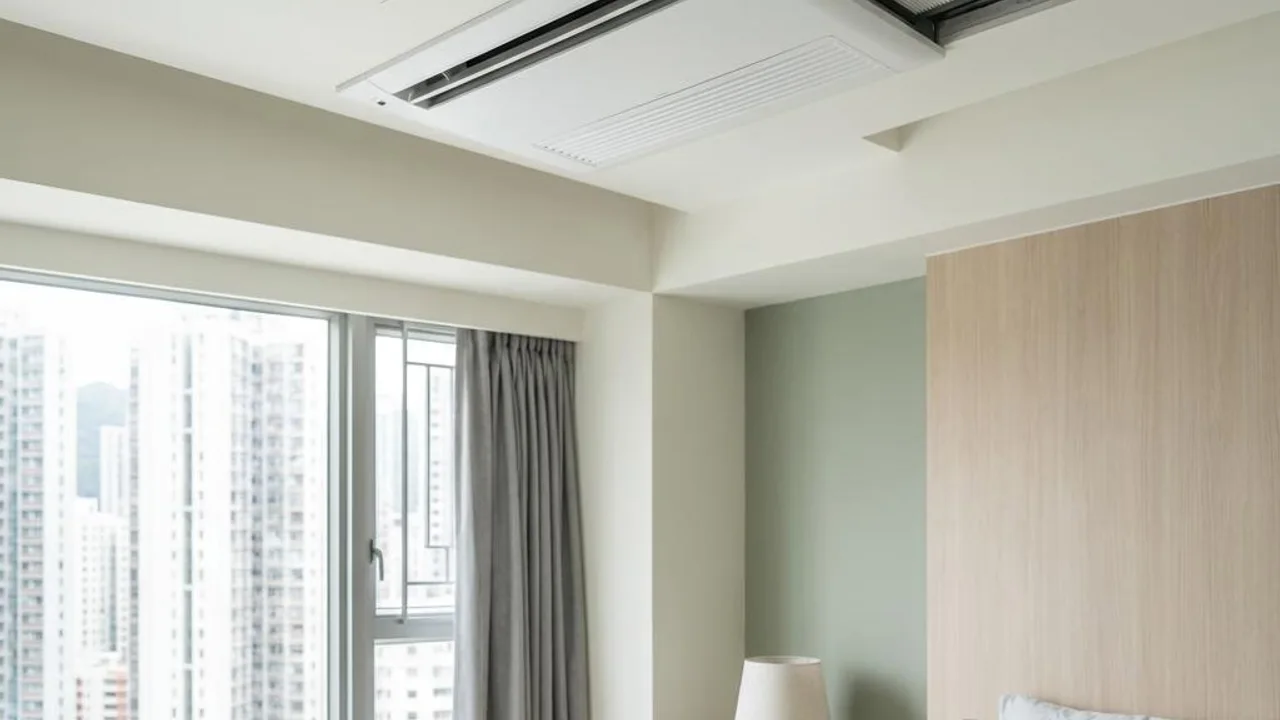
The way to a healthy home: The operation and professional acceptance of whole-house fresh air systems.
Whole-house fresh air systems improve indoor air quality and humidity levels in Hong Kong's humid environment by continuously introducing filtered, clean air and exhausting stale air. Through professional inspection and handover, owners can ensure the system achieves the expected purification efficiency and airflow balance, establishing a healthy breathing environment for the home.
Read full article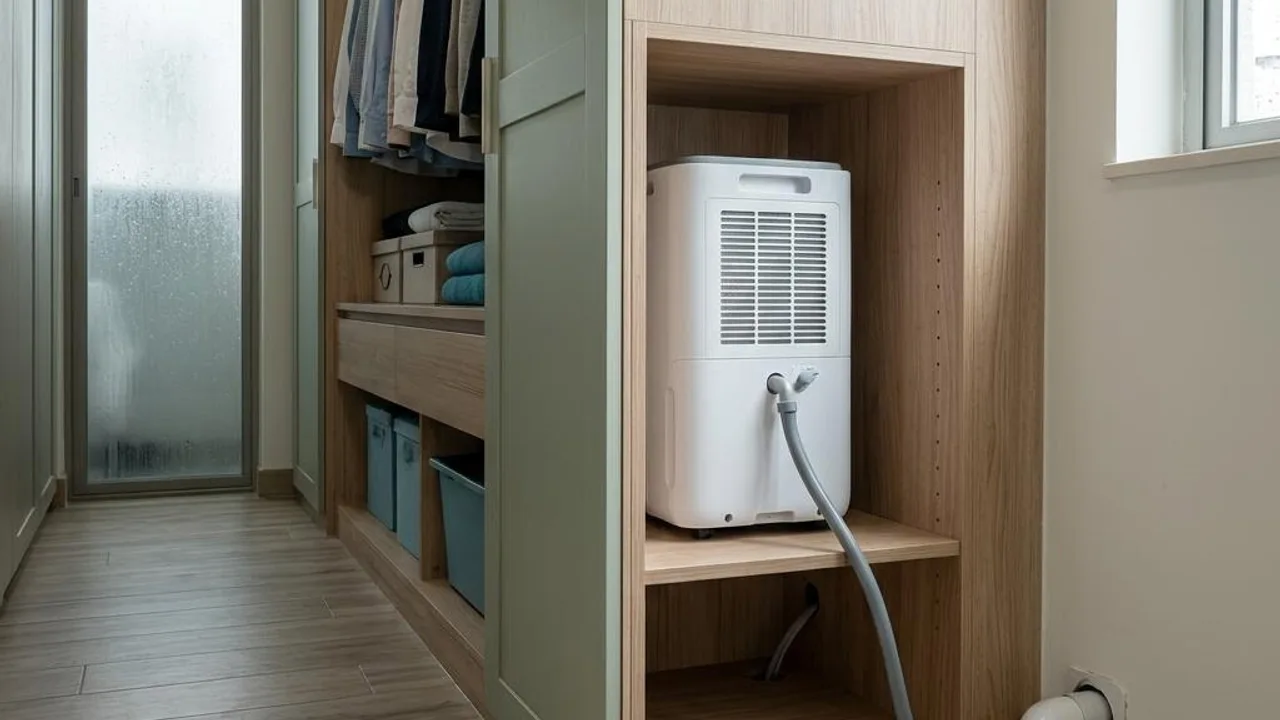
Installation and inspection guide for walk-in closet dehumidification and drainage systems
Walk-in closet dehumidification and drainage systems solve humidity issues, achieving continuous dehumidification through professional piping layouts. This protects valuable clothing and leather goods while ensuring installation compliance and preventing damage to internal structures.
Read full article
Private gym floor vibration testing and safety assessment
Vibrations from residential gyms can transmit through floor slabs, causing disturbances to neighbours. This article explores how to quantify and reduce structure-borne noise through professional acoustic testing and structural anti-vibration techniques to protect resident comfort and building structural integrity.
Read full article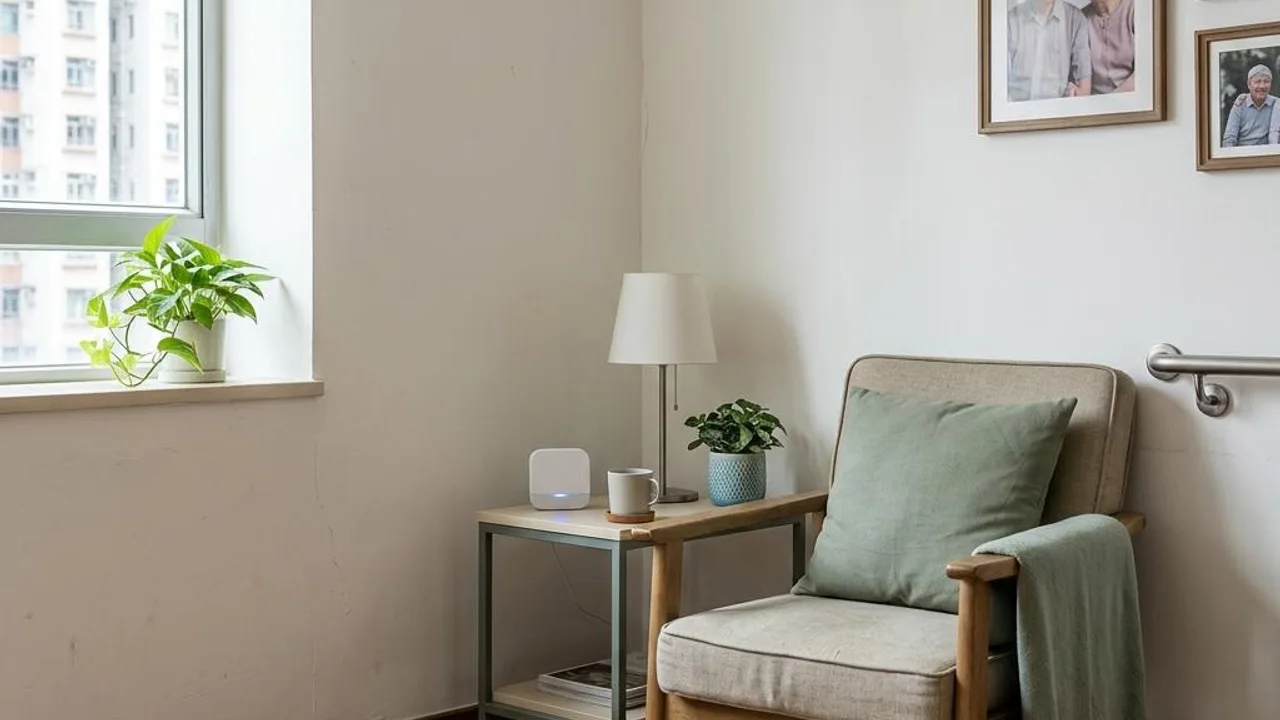
Acceptance and integration guide for smart home fall detection systems for elderly living alone
This article outlines the key inspection points for smart home fall detection systems for the elderly, including privacy protection technology, network alert functions, hardware durability, professional debugging, and electrical safety requirements to ensure the home protection system operates stably and reliably.
Read full article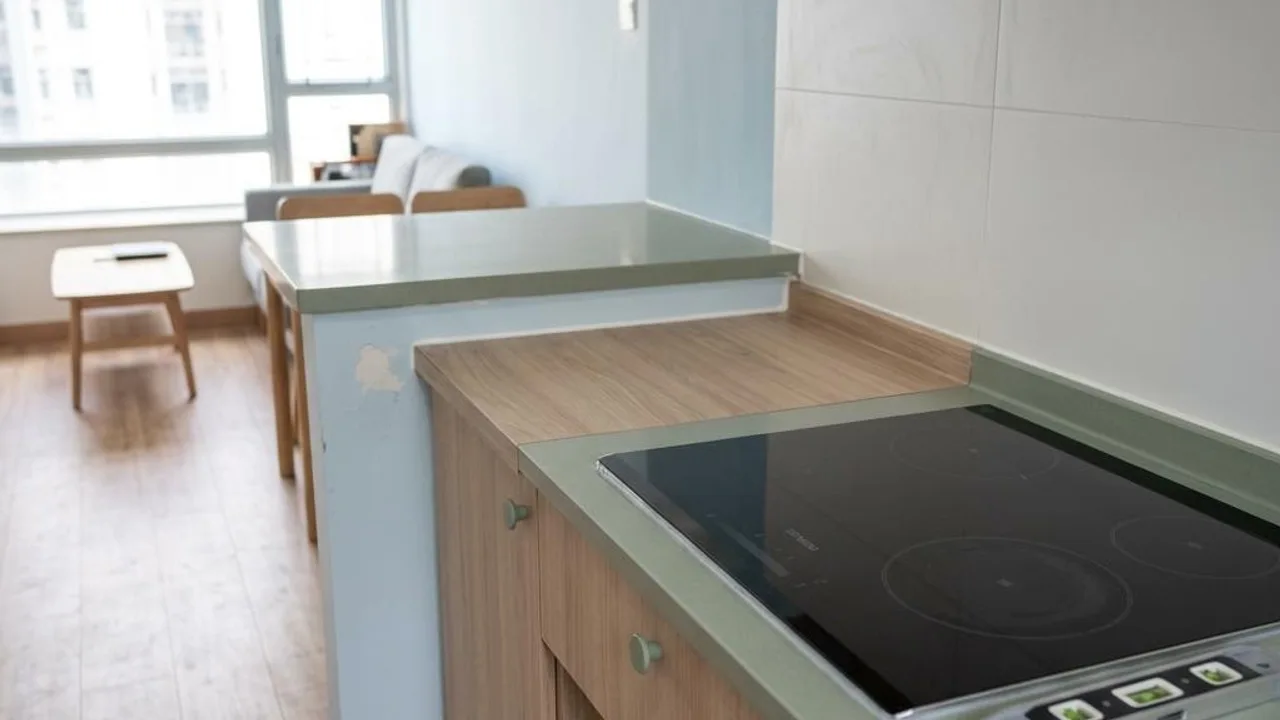
Open-plan kitchen property inspection guide: From functional testing to structural safety details
This article provides key guidance for open-plan kitchen inspections, covering ventilation, drainage, concealed works, electrical safety, finishes, and lighting, helping owners systematically identify hidden defects and implement follow-up actions.
Read full article
The professional value of property inspection reports: A critical foundation for defect rectification and communication
A property inspection report is a core tool for owners to manage defect rectification works. By structurally recording wall, floor, and M&E defects, it helps prioritise tasks, ensures an orderly rectification process, and provides an objective baseline for future reinspection to minimise disputes.
Read full article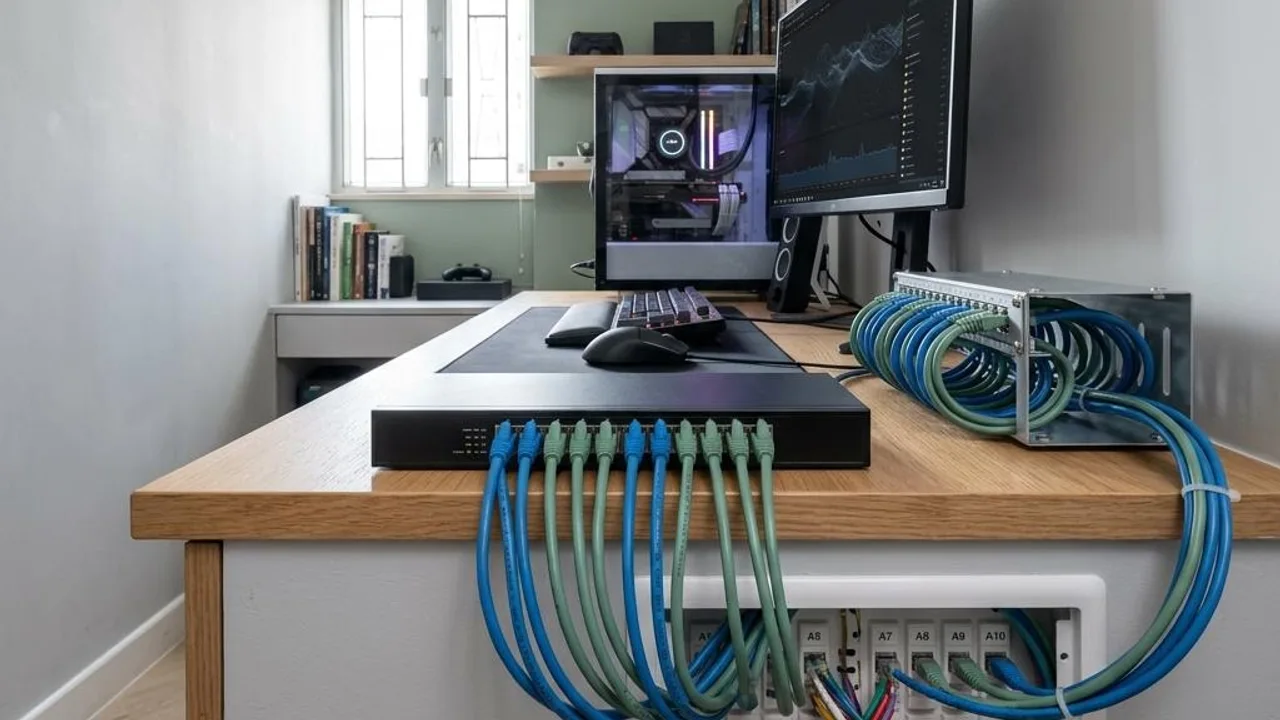
E-sports room low-voltage system and network load testing guide
This article explores e-sports room low-voltage cabling planning, network load stability testing, and home electrical safety points, helping owners build an efficient and safe digital home environment through professional inspection and standardised operations.
Read full article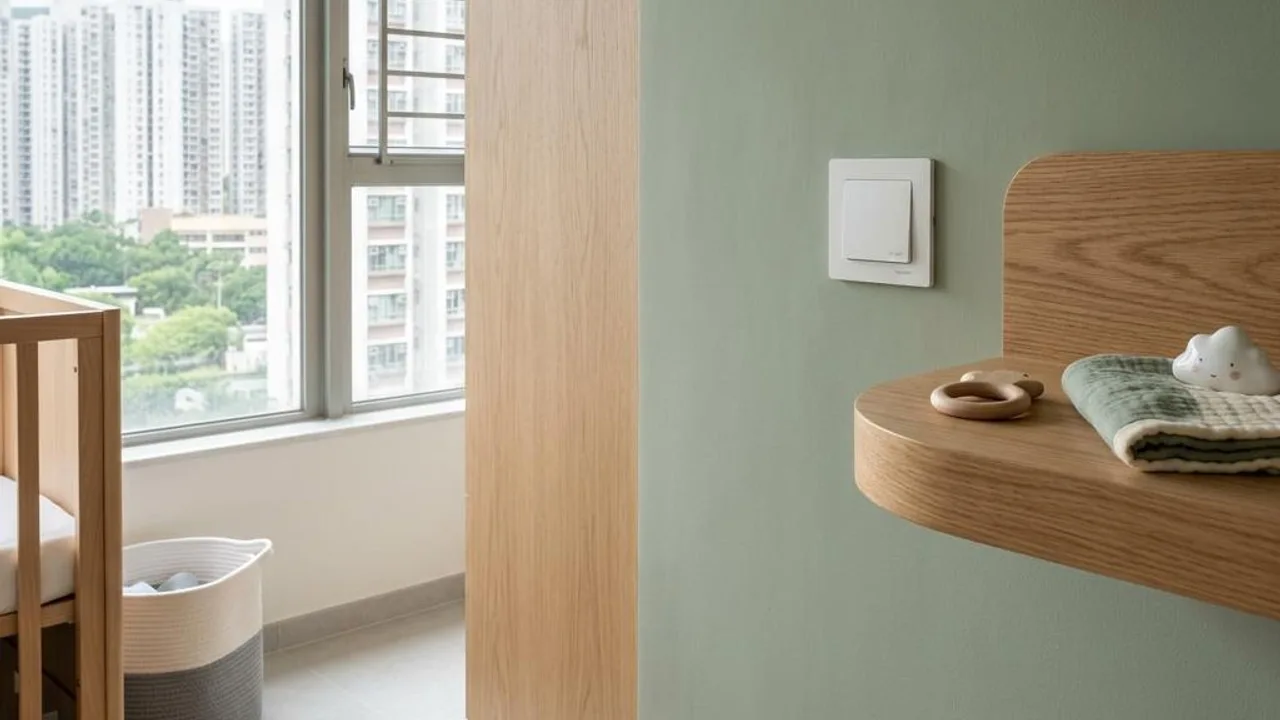
Baby room eco-friendly wall paint application and air quality assessment
This article explores application recommendations for natural, eco-friendly wall paint in baby rooms, analyses how to improve indoor air quality through scientific inspection, and provides long-term wall maintenance strategies to safeguard infant health at home.
Read full article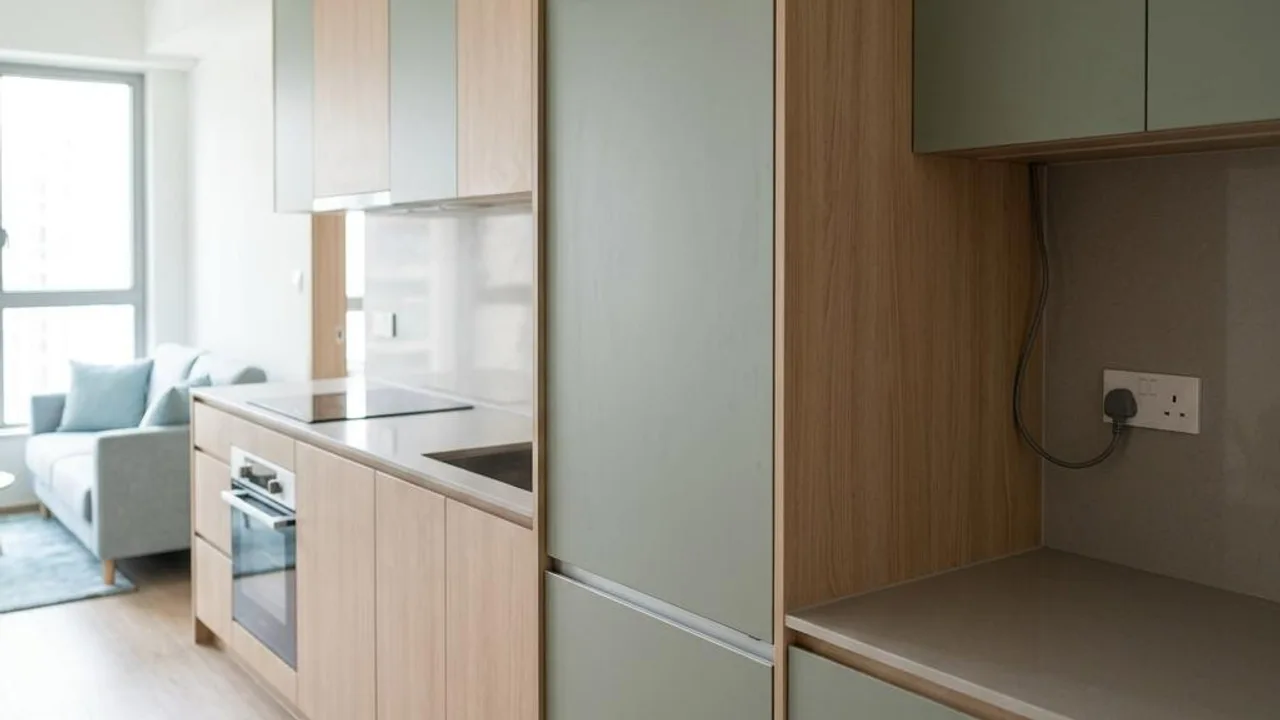
Built-in refrigerator installation standards and electrical safety inspection
This article introduces key points for heat dissipation design, electrical load safety regulations, and professional inspection procedures for built-in refrigerators. Owners should focus on cabinet ventilation paths and independent power configurations, using scientific instruments to assess concealed risks, thereby ensuring appliance performance and extending the service life of kitchen facilities.
Read full article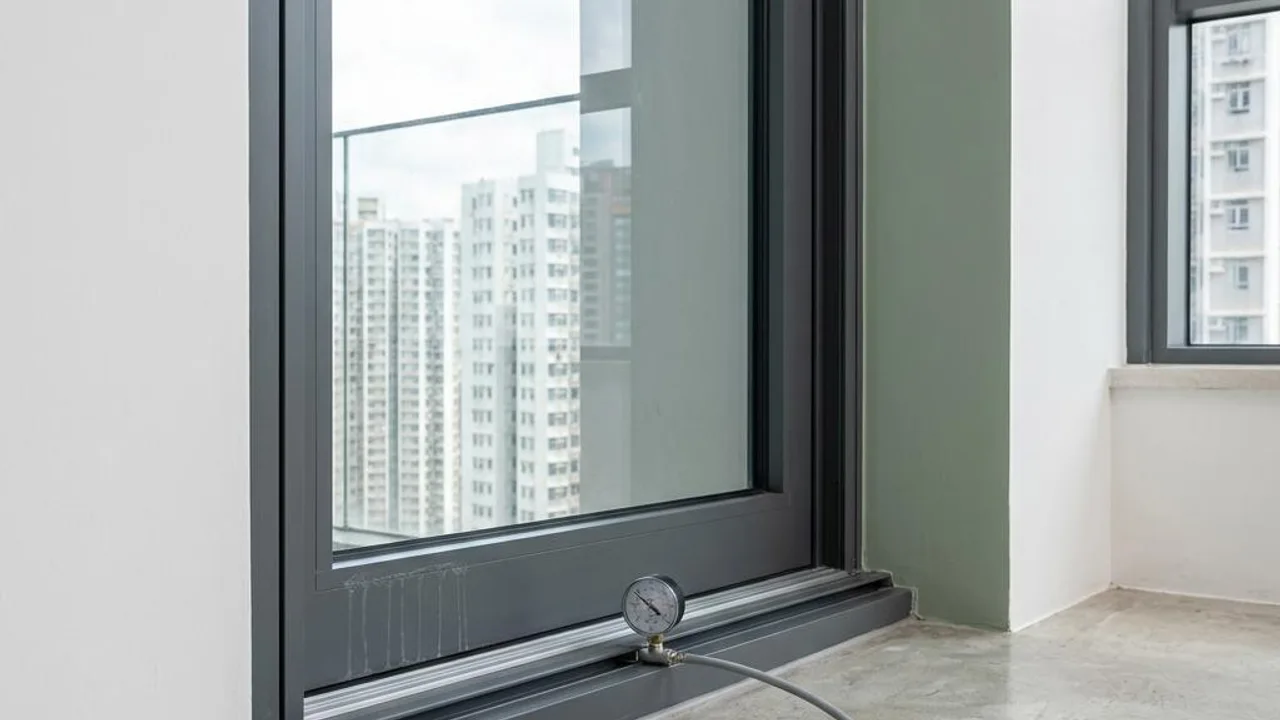
Before typhoon season: Residential window sill airtightness and structural safety inspection guide
This article provides an inspection guide for residential window sill airtightness and structural safety before the typhoon season. By examining the condition of rubber seals, metal fittings, and physical structures, it helps owners identify water seepage and structural risks, and recommends seeking professional assessment from qualified persons to ensure the home’s ability to withstand extreme weather.
Read full article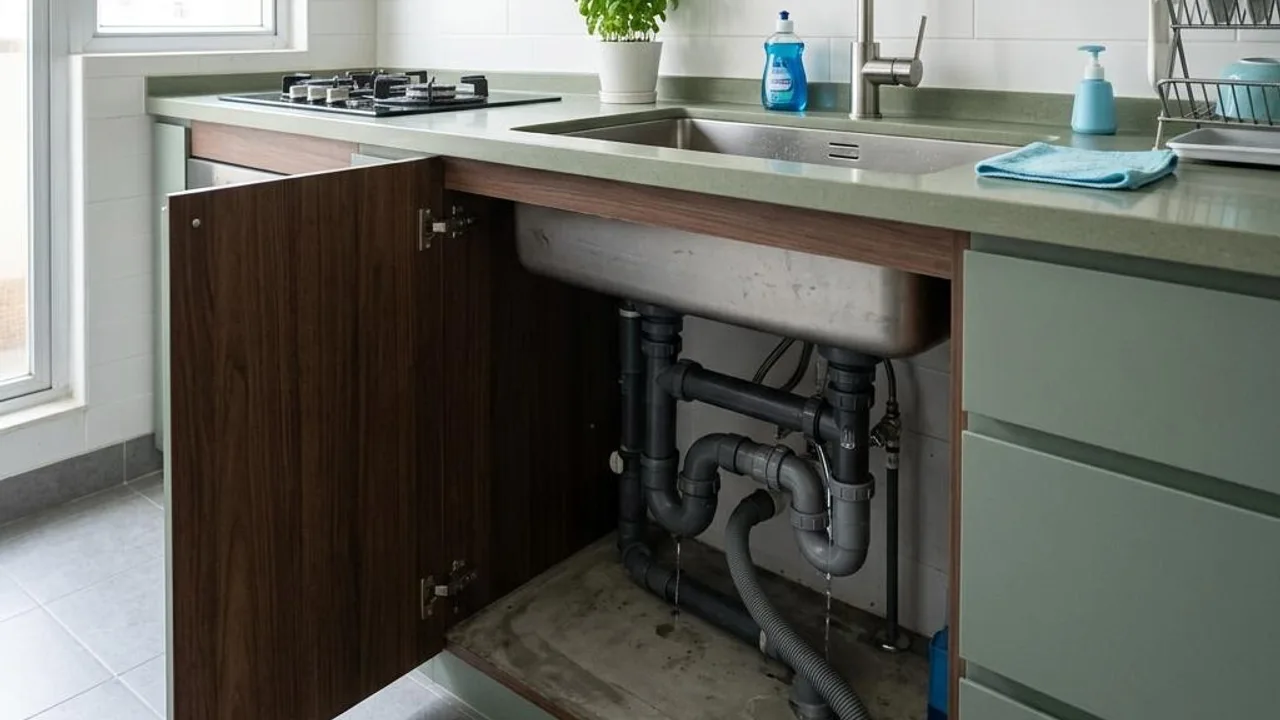
Kitchen drainage system inspection guide: Key testing details
This article summarises the key inspection guide for kitchen drainage systems, covering drainage performance, cabinet base leakage checks, pipe routing design, and joint sealing details, helping owners master correct self-inspection procedures and response methods.
Read full article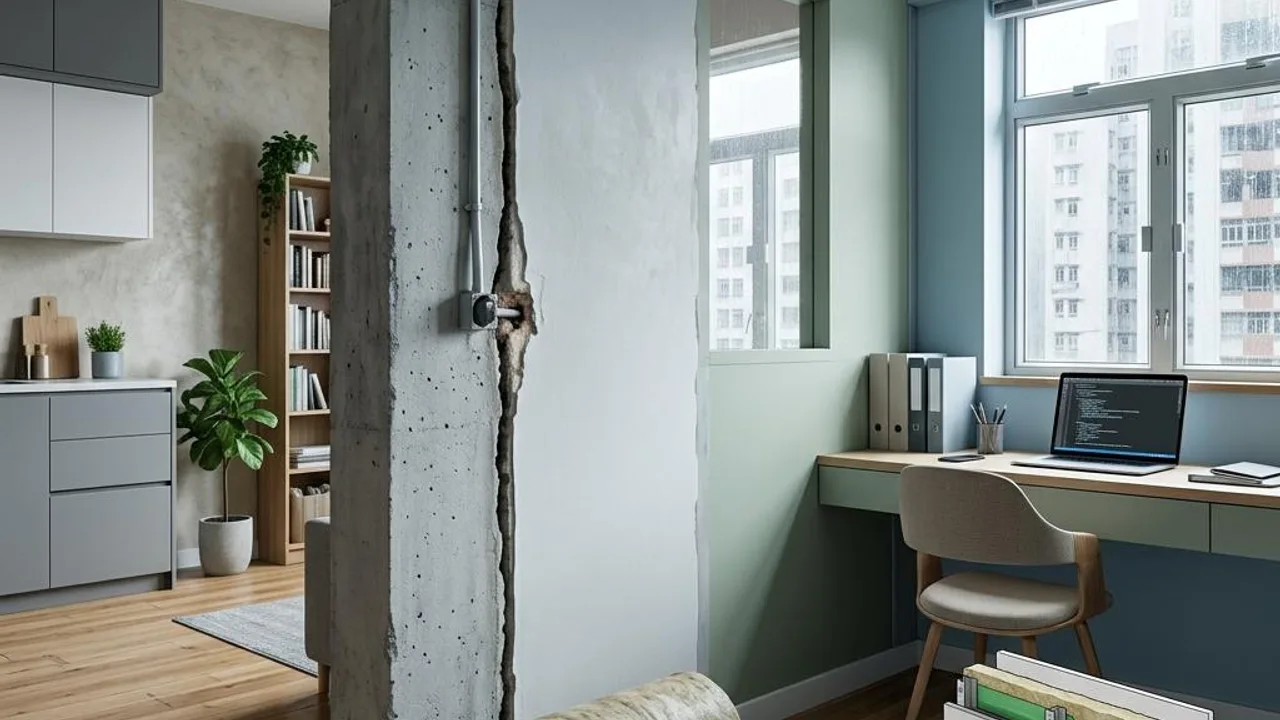
Home office soundproofing inspection guide
This article introduces the key points of home office soundproofing inspection, covering wall construction, seal checks, vibration damping, and professional testing procedures, helping owners identify noise vulnerabilities to ensure a quiet and comfortable working environment.
Read full article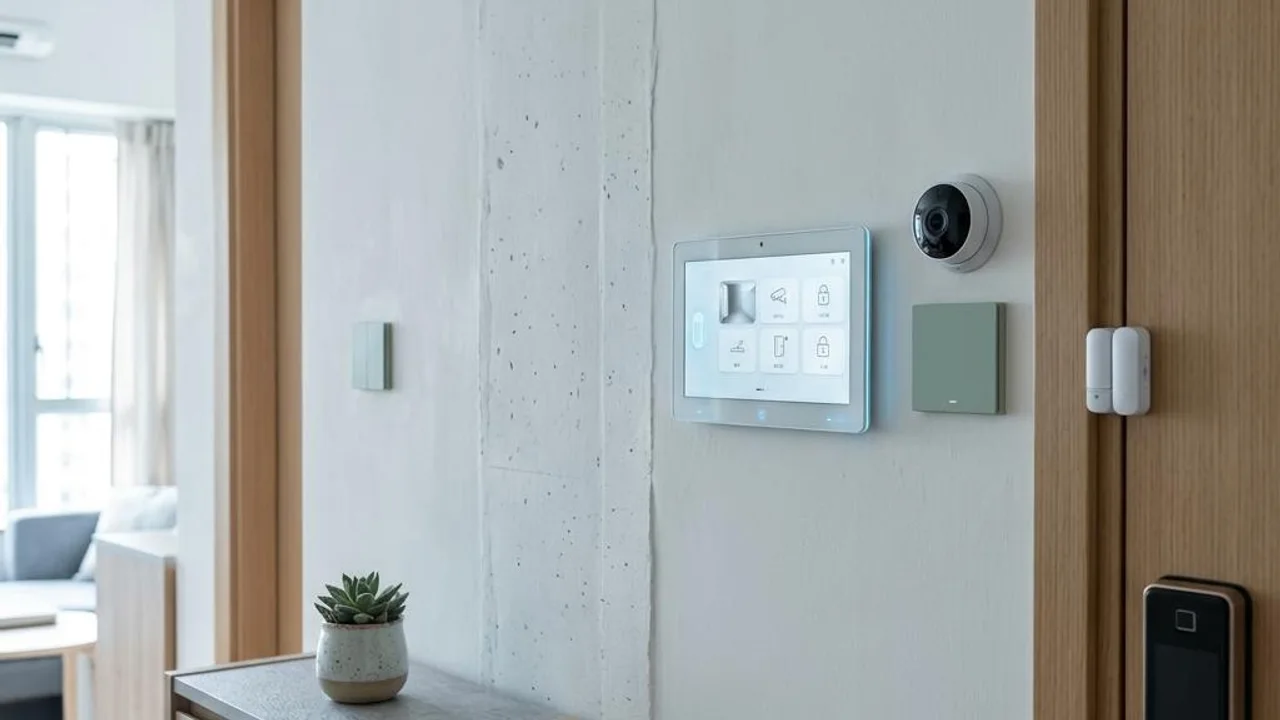
Home security system inspection guide for those living alone
This article aims to help individuals living alone master the acceptance and testing keys for smart home security systems. Through systematic checks and professional debugging, it enhances access control, spatial protection, and emergency mechanisms, ensuring the reliable operation of home security networks and eliminating technical vulnerabilities.
Read full article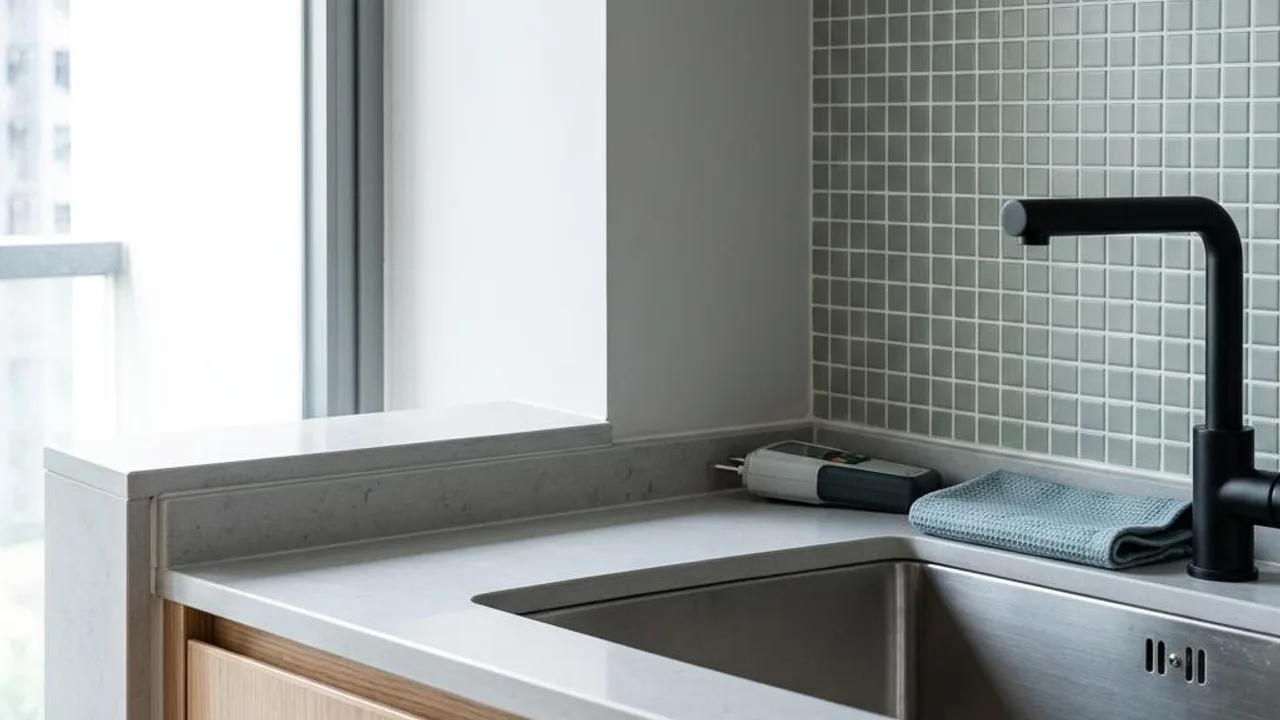
New home renovation inspection guide: Establishing four lines of defence to safeguard home safety
This guide details four areas of renovation inspection, including water and electricity configuration, masonry and painting, aluminium window safety, and furniture hardware installation. Owners should ensure home details meet construction requirements through scientific testing and professional assessment to protect quality and safety.
Read full article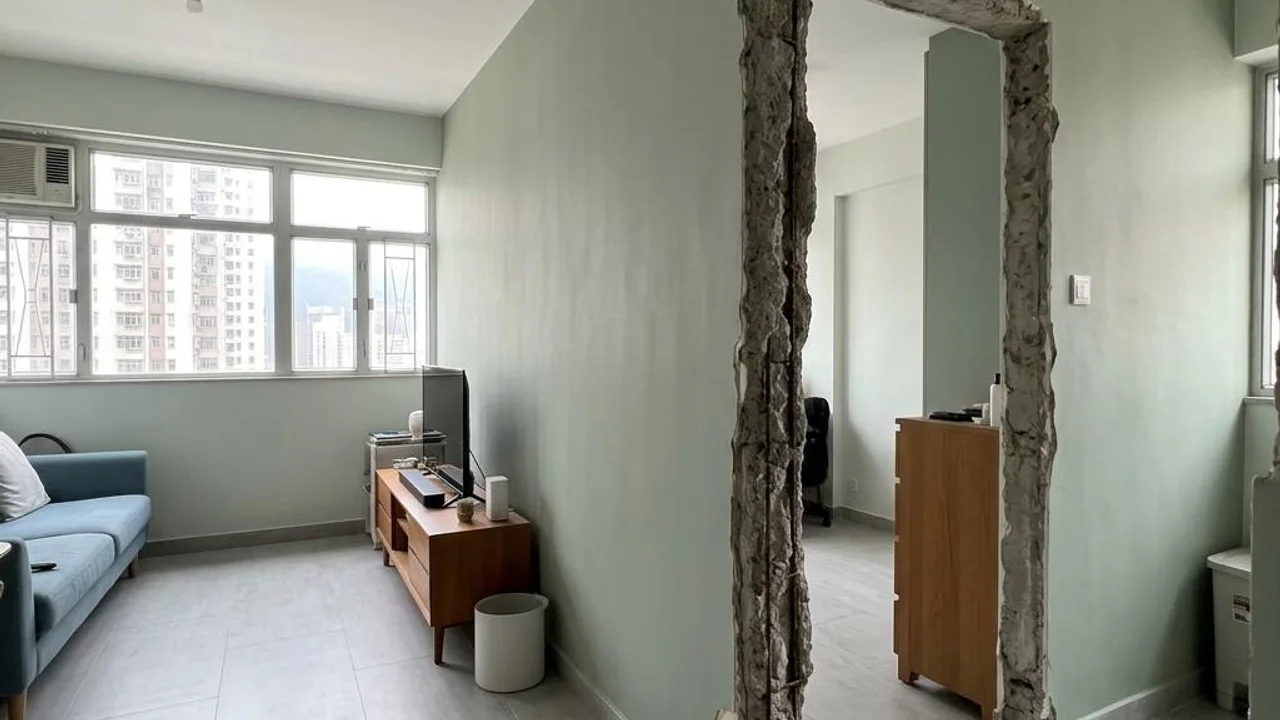
Second-hand property buyer's guide: Verifying structural alterations and avoiding reinstatement risks
This article analyses the regulatory risks of structural alterations in second-hand properties, guiding owners through plan verification and professional inspections to identify unauthorised walls or drainage changes, preventing the burden of mandatory reinstatement and property transaction barriers.
Read full article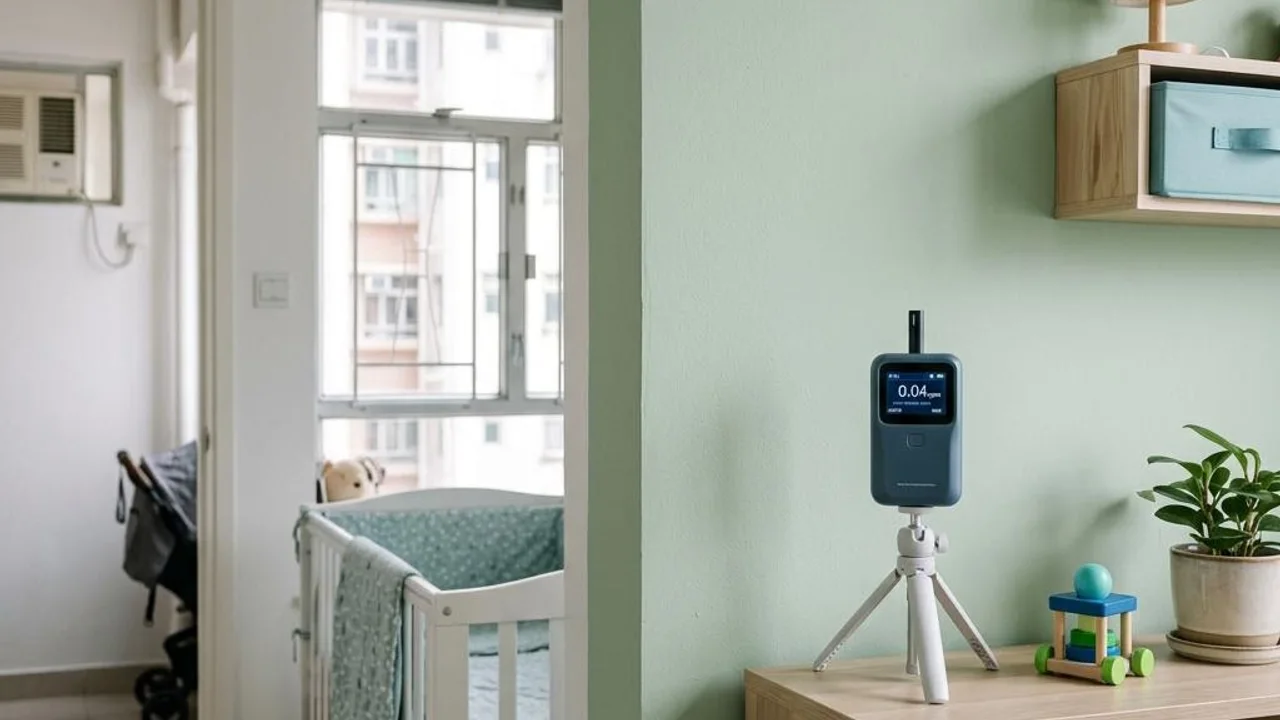
Parenting home wall paint and air quality inspection guide
This guide details how parenting families can use scientific methods to test for volatile organic compounds (VOCs) released by wall paint, assess indoor air quality, and formulate rational and effective renovation inspection and environmental management strategies.
Read full article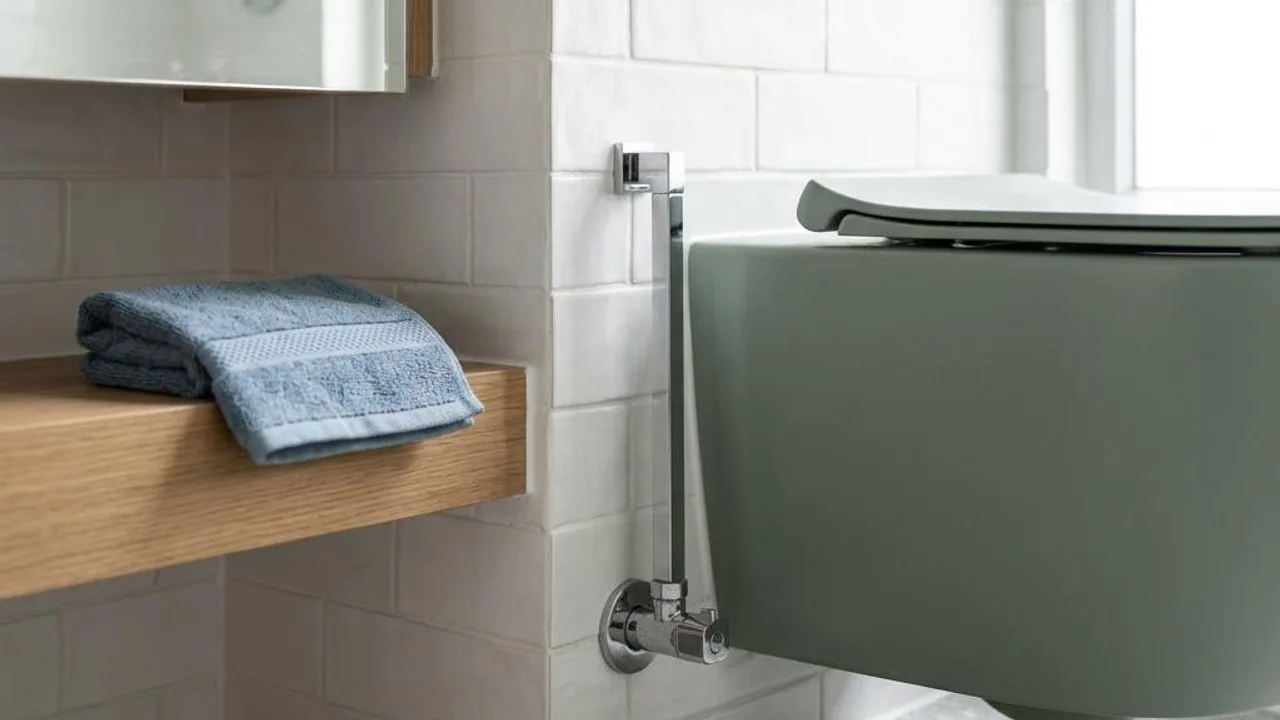
New home move-in anti-leakage inspection guide
This guide details key inspection points for aluminium windows, drainage systems, and bathroom waterproofing layers, providing owners with practical home anti-leakage check steps to ensure quality of renovation works and prevent water seepage problems.
Read full article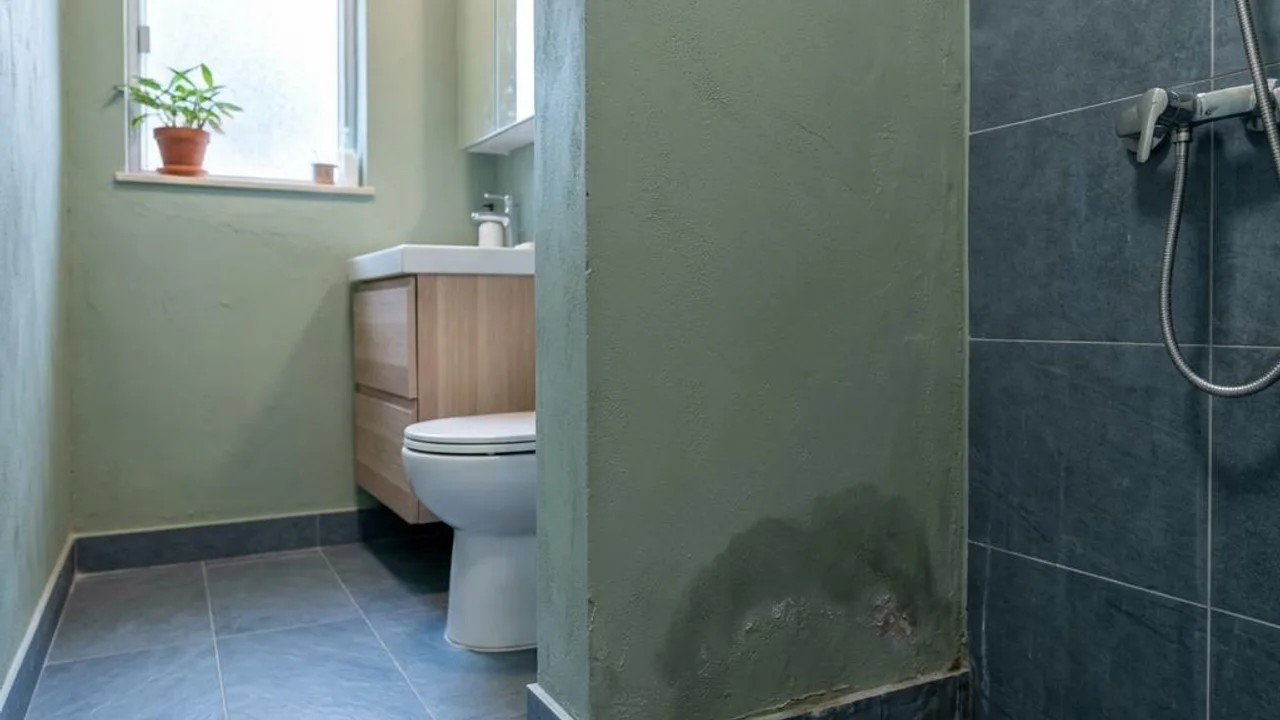
Bathroom waterproofing works inspection guide: Preventing leakage to safeguard building safety
This article introduces the potential risks of bathroom waterproofing layer failure, emphasising that early detection of seepage through professional water storage tests and instrument testing safeguards structural safety. It clarifies key concerns during property inspection to help owners effectively maintain property value.
Read full article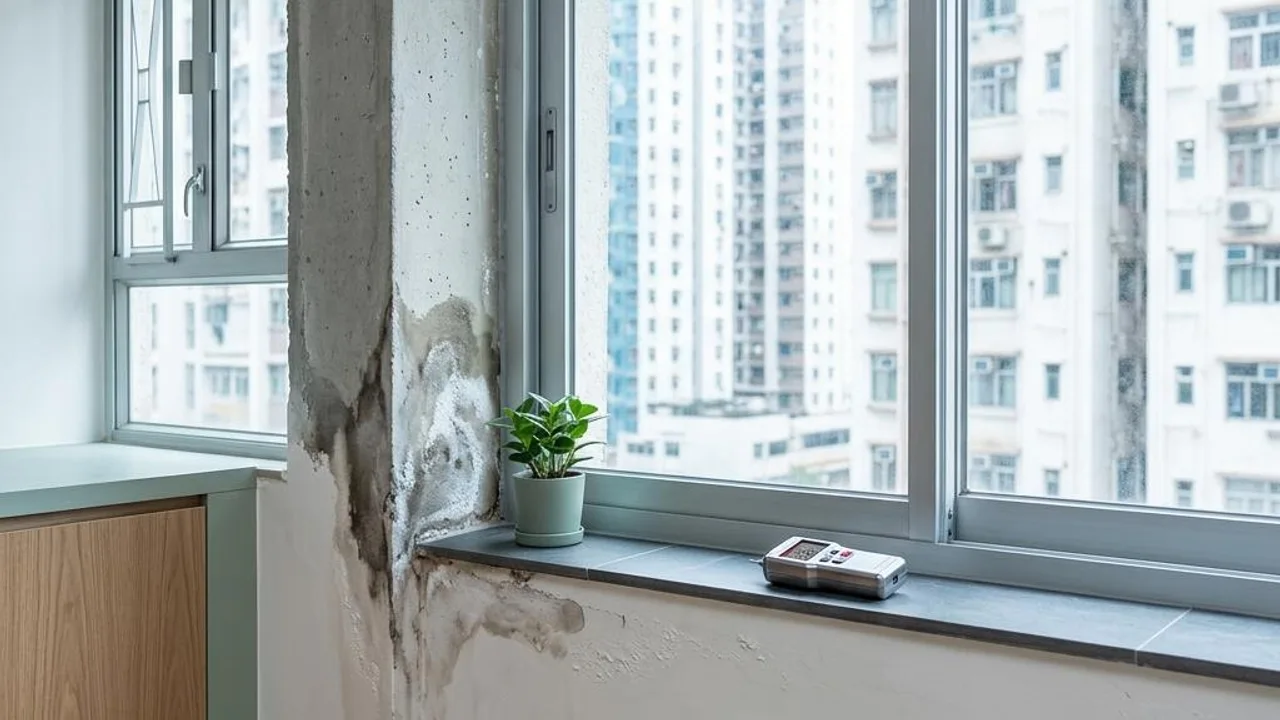
Window frame anti-seepage inspection strategy: Preventing leaks to safeguard home quality
This article explores the concealed risks of window frame leakage, guiding owners to clarify responsibility early through professional anti-seepage inspections, thereby protecting renovation investments, maintaining home hygiene, and ensuring long-term structural integrity of the property.
Read full article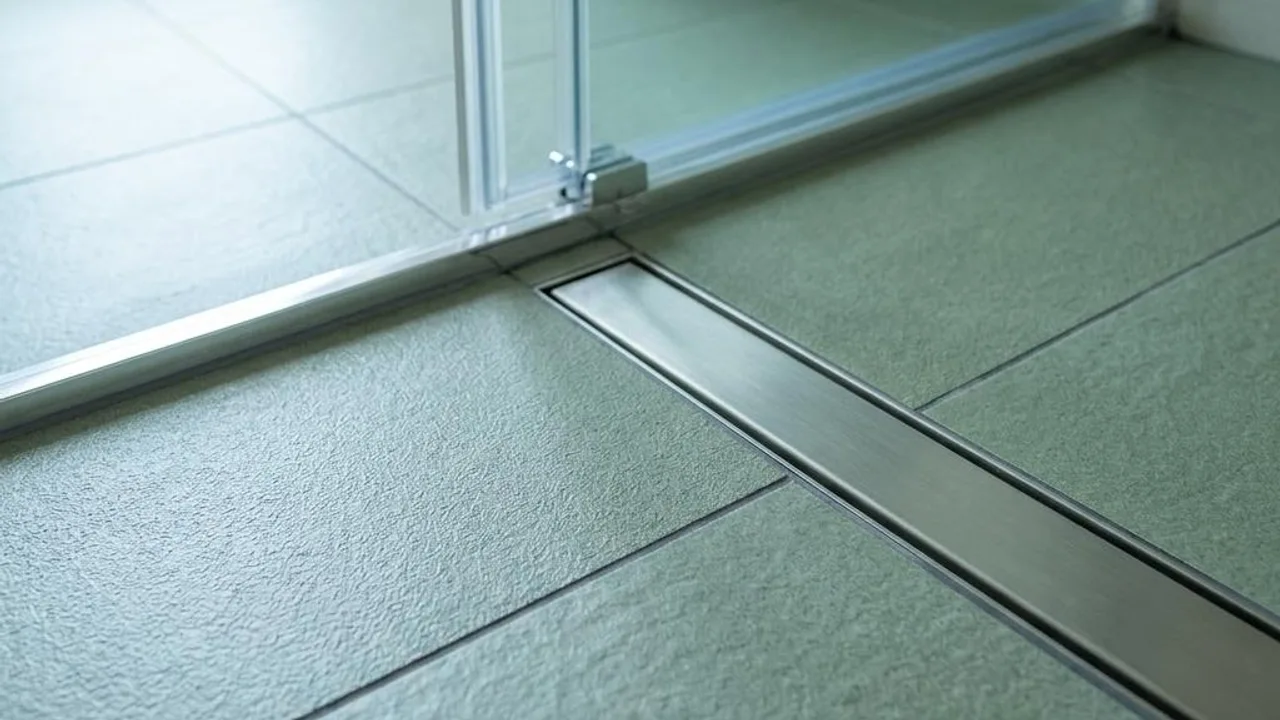
Collecting keys with parents: Using professional property inspection data to let elders move in with peace of mind
This article explores how, when accompanying elders to collect keys, using scientific and quantitative professional OPO Inspection services to convert details like building structure, water, and electricity into data can eliminate psychological anxiety about the new home and ensure living quality after moving in.
Read full article
The way of property purchase and handover: Replacing luck with professional testing to safeguard home safety
Buying a property is a significant investment. Through scientific OPO Inspection testing, owners can master the structural and facility status of the unit before moving in, identify potential seepage and construction defects, and ensure the property meets residential and safety standards, thereby protecting long-term asset value.
Read full article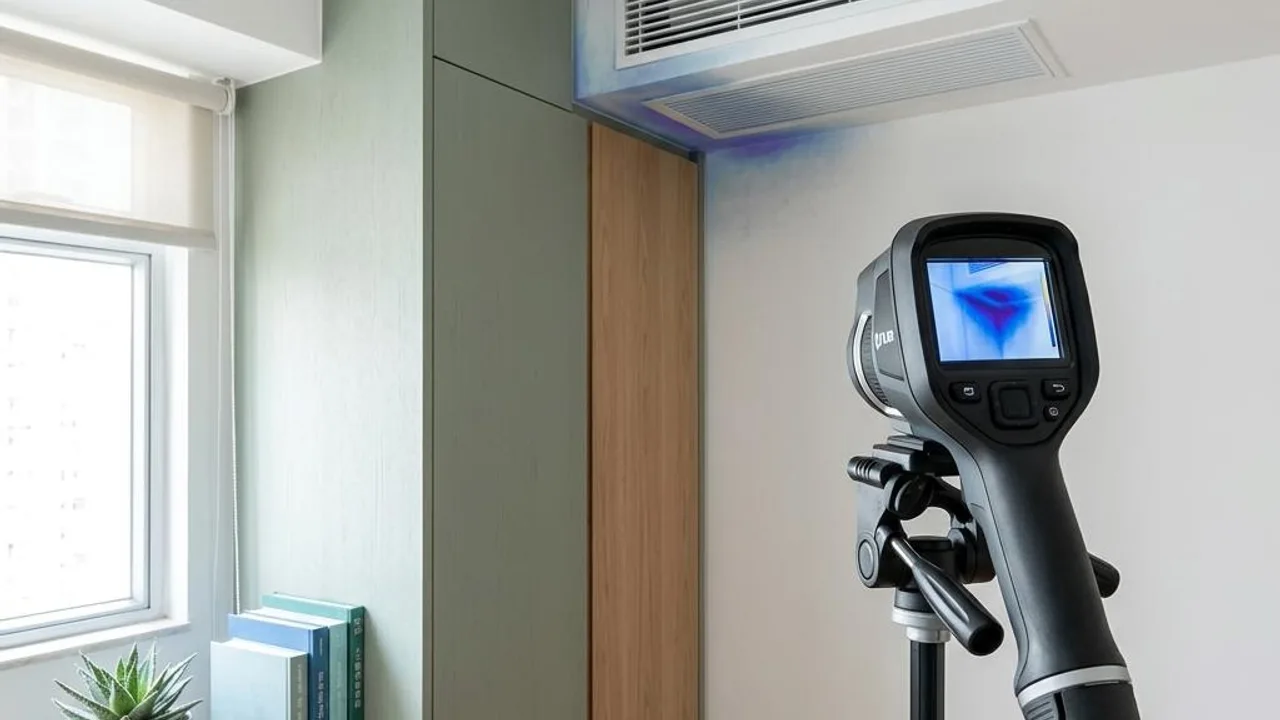
The application and importance of infrared testing in OPO Inspection services
Infrared testing uses thermal imaging technology to non-invasively visualise hidden wall seepage or structural anomalies, helping owners accurately trace the source of water marks, improve the objectivity and efficiency of maintenance decisions, and ensure long-term home safety and comfort.
Read full article
Professional OPO Inspection assessment guide for unauthorised building works in village houses
This article provides a professional inspection guide for unauthorised building works in village houses, detailing how to identify common forms of unauthorised additions, assess structural and drainage risks, and recommends regular inspections and maintenance to protect residential safety, helping owners clarify risks and key points for seeking professional advice.
Read full article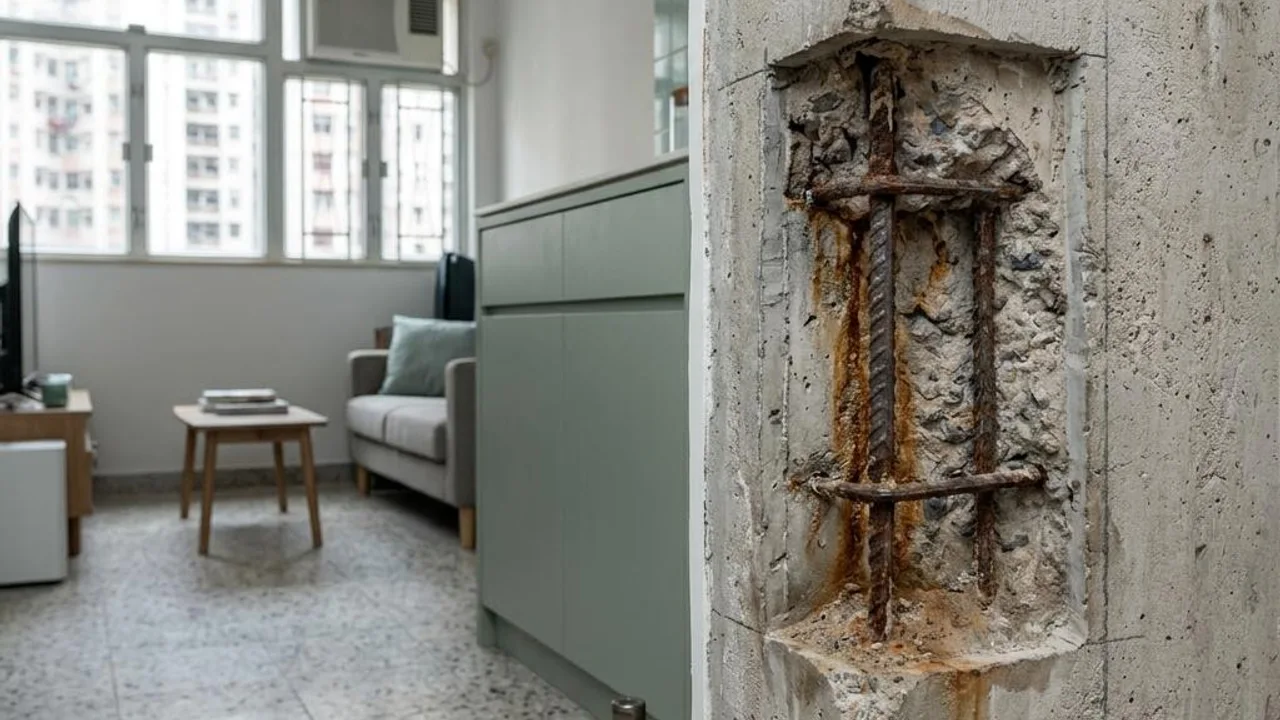
OPO Inspection and maintenance planning for older properties
This article aims to help owners of older properties understand the importance of OPO Inspection, covering common facility ageing issues, scientific inspection items, and systematic maintenance planning. Through professional testing and preventive maintenance, property quality can be effectively improved and its service life extended.
Read full article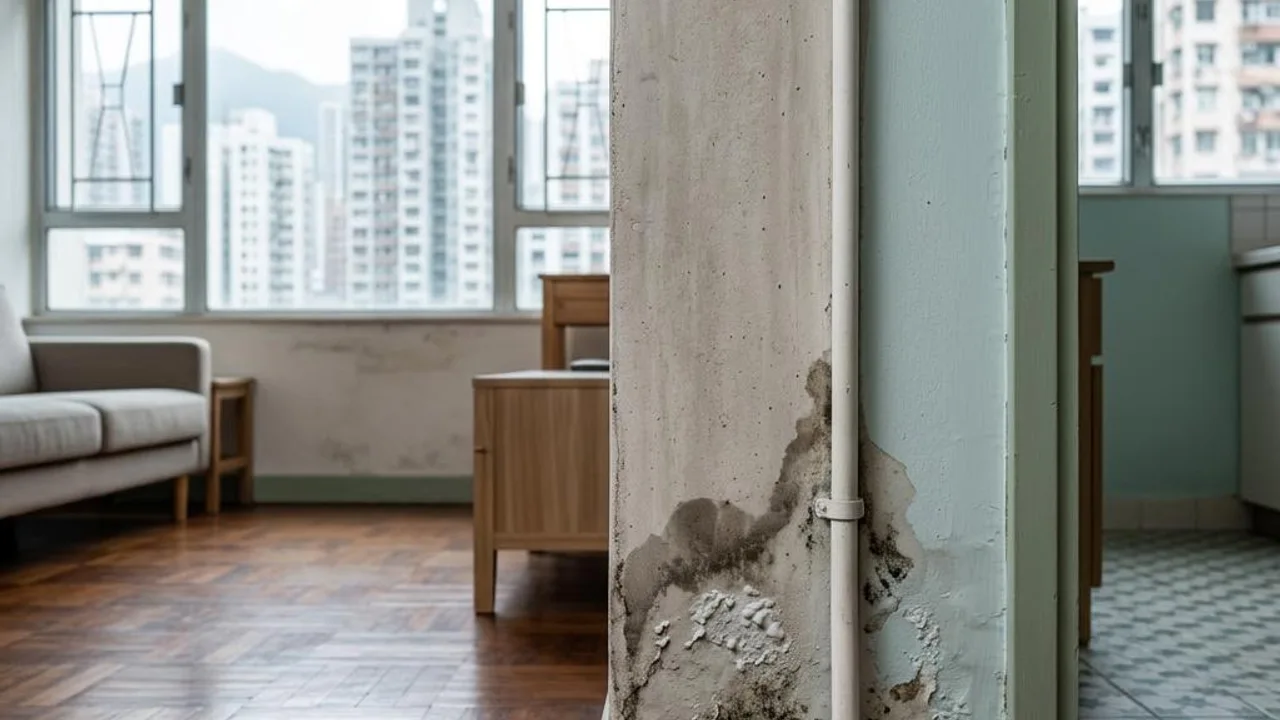
Key guide to OPO Inspection and anti-water seepage checks in Hong Kong's environment
Hong Kong is humid and rainy. Conducting professional anti-water seepage checks during OPO Inspection can effectively predict structural risks in window sills, bathrooms, and rooftops, helping owners establish a long-term property maintenance list and enhance living quality.
Read full article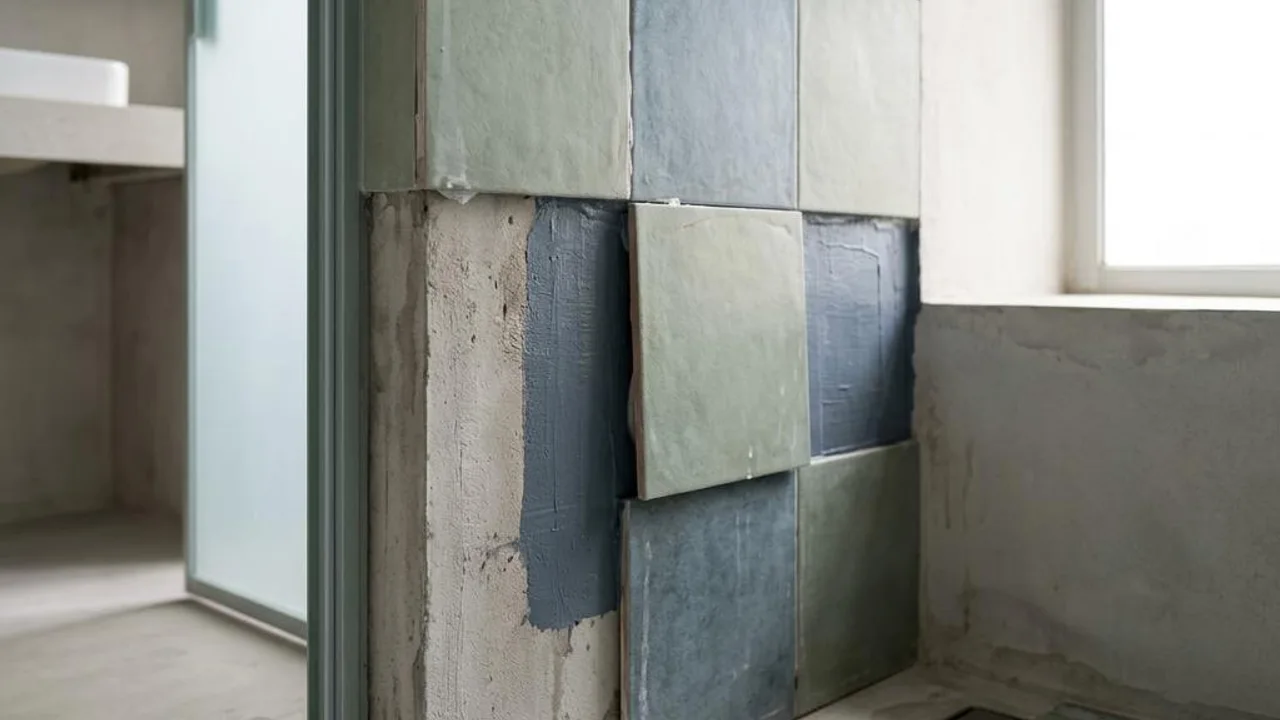
Pre-move-in OPO Inspection checklist: Water seepage and hollow tile inspection guide
This article explores the key steps of home inspection before moving in, covering window waterproofing, floor hollow tiles, kitchen/bathroom anti-leakage, and electrical system checks, helping owners accurately identify hidden defects and seek professional assistance in a timely manner to safeguard home safety.
Read full article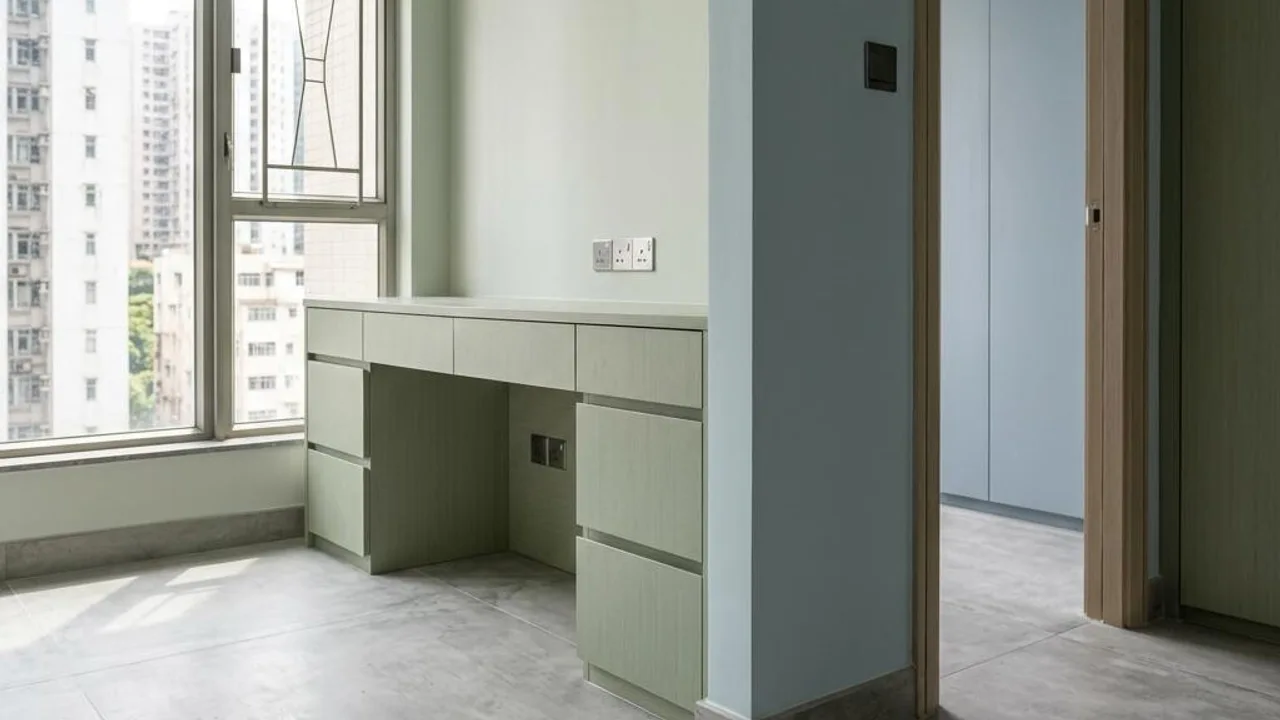
Renovation works inspection: A must-read guide to ensuring the quality of your home
This article provides a practical guide for renovation inspection, covering wall painting, tile laying, water/electricity concealed works, and woodwork details, helping owners observe defects and record problems scientifically, ensuring home engineering quality meets standards for a worry-free move-in.
Read full article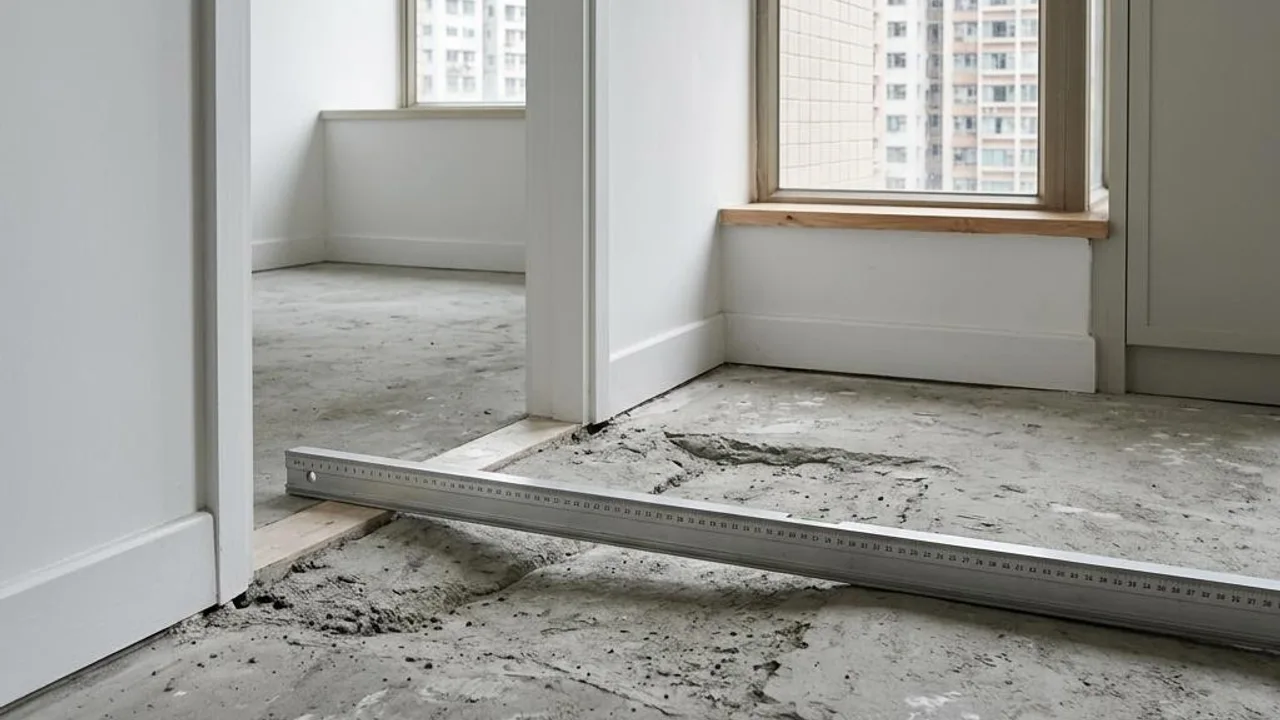
New building OPO Inspection: Floor and plastering flatness testing guide
This article aims to guide owners in correctly viewing flatness testing for floors and wall plastering in new homes. Through professional measurement tools, it identifies potential construction errors, establishes an objective baseline for subsequent renovation works, and effectively plans repair details and expenses.
Read full article
Hong Kong's Mandatory Window Inspection Scheme and comprehensive OPO Inspection: The complementary path to safety maintenance
This article explores the complementary relationship between Hong Kong's Mandatory Window Inspection Scheme and comprehensive OPO Inspection services. Owners should address window safety, home seepage, and other hidden dangers through regular professional inspections, implementing systematic maintenance to ensure residential safety and asset value.
Read full article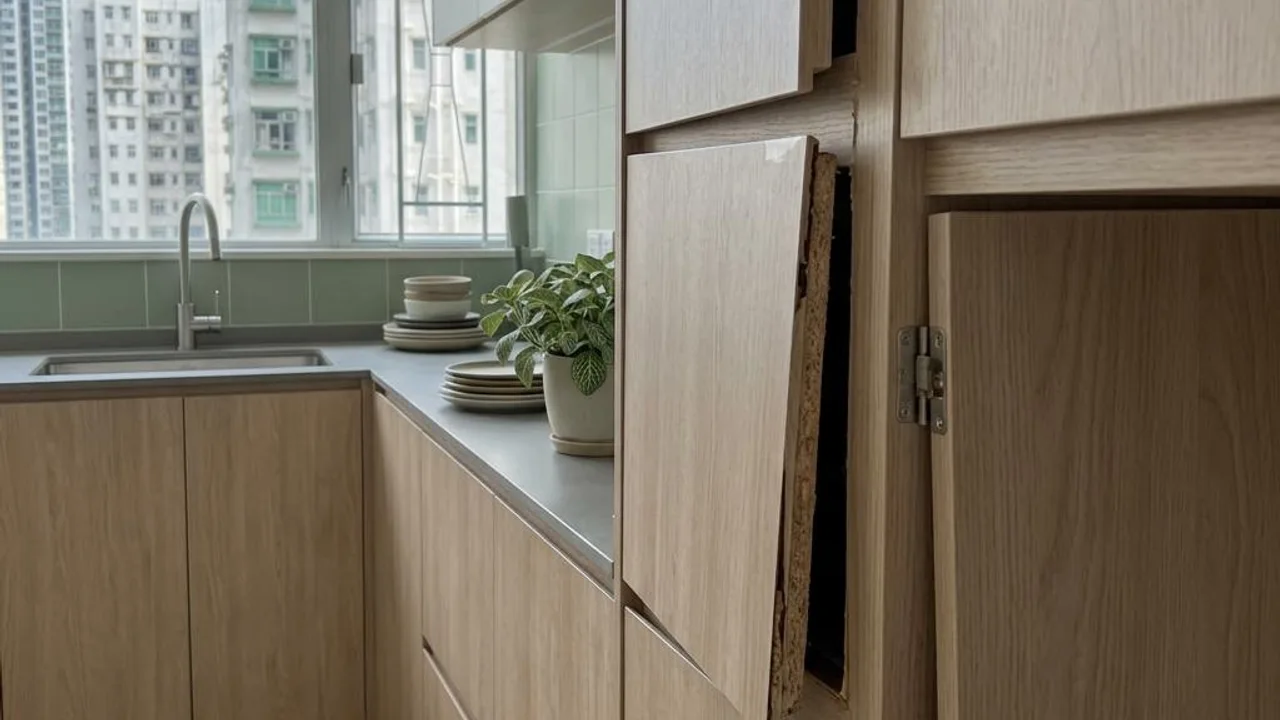
Renovation works inspection full analysis: From basic checks to professional oversight
This article comprehensively dismantles the key points of renovation inspection, from wall paint finishes, tile hollows, electrical systems to custom furniture installation details, providing practical self-inspection steps to ensure owners can properly supervise renovation quality.
Read full article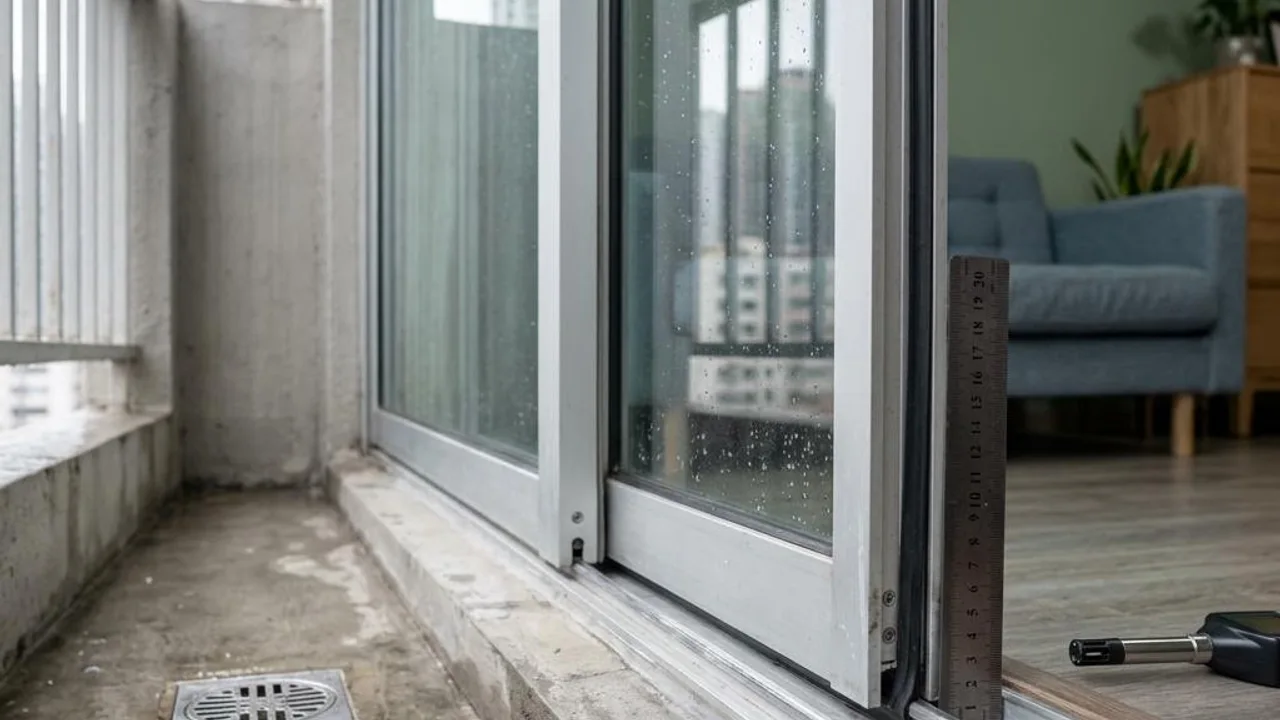
Balcony drainage and glass door sealing: Home waterproofing maintenance under extreme weather
Balcony drainage systems and glass door sealing performance are at the core of home waterproofing. This guide assists owners in identifying seepage risks such as poor drainage and ageing seal strips, effectively preventing rainy season seepage risks and protecting home safety through regular testing and professional maintenance.
Read full article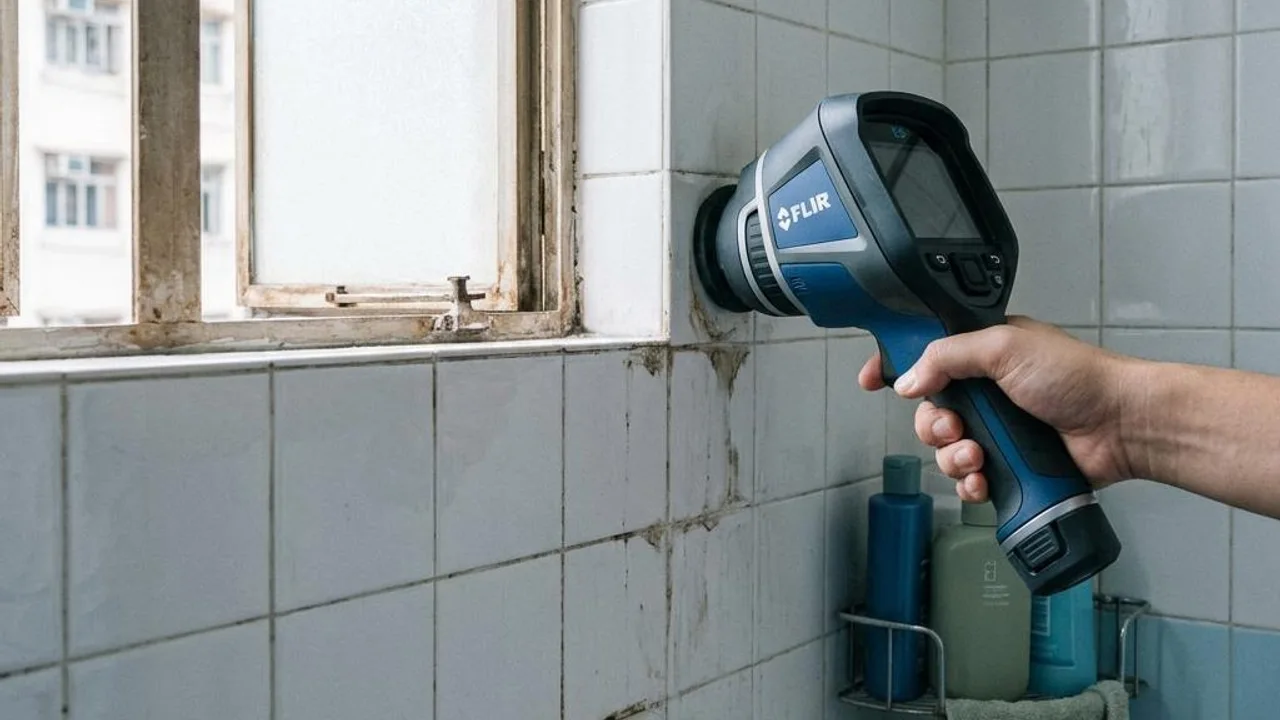
Applying professional instruments to see through wall seepage and concealed pipe problems
This article explores the impact of concealed seepage in Hong Kong homes on structure, introduces the application of non-destructive instruments in precisely locating water leak points, and suggests owners adopt preventive management and professional inspection to effectively reduce renovation losses.
Read full article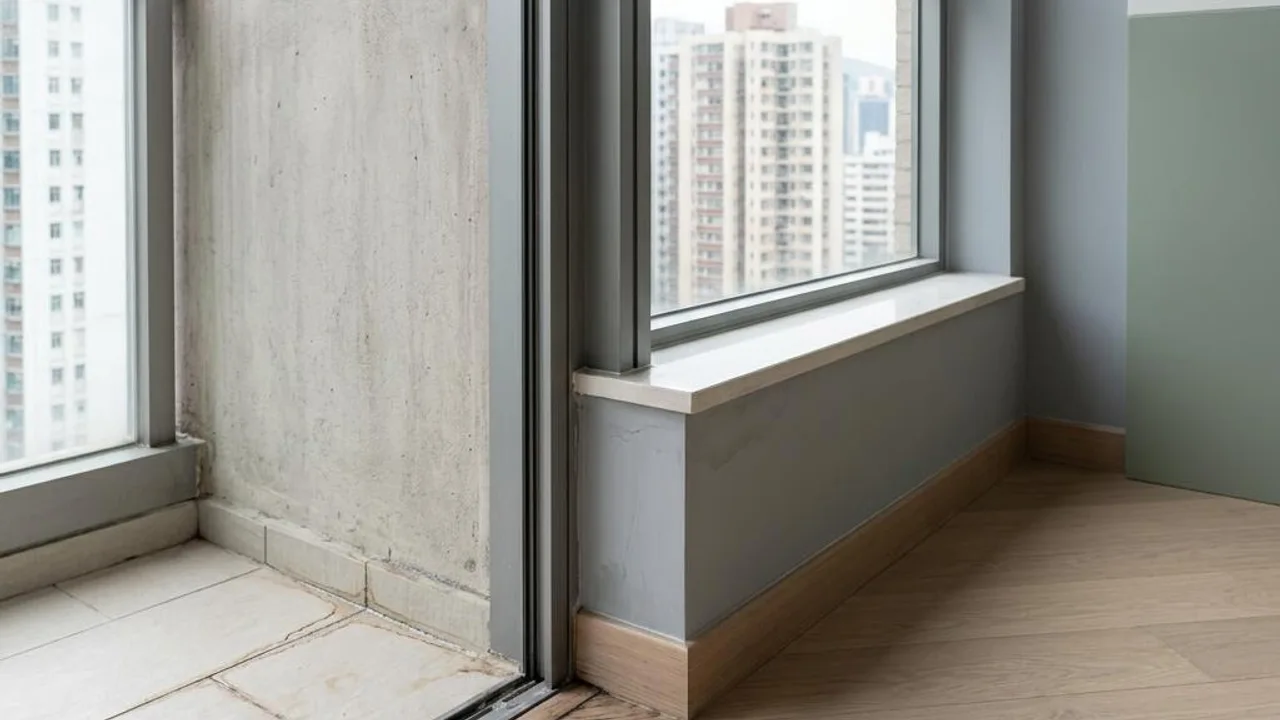
The role of the OPO Inspection report in post-move-in maintenance and practical guide
This article aims to assist owners in interpreting OPO Inspection reports and formulating effective post-move-in home maintenance strategies based on the report's content to maintain property safety, improve living quality, and prevent potential damage, practicing long-term property maintenance management.
Read full article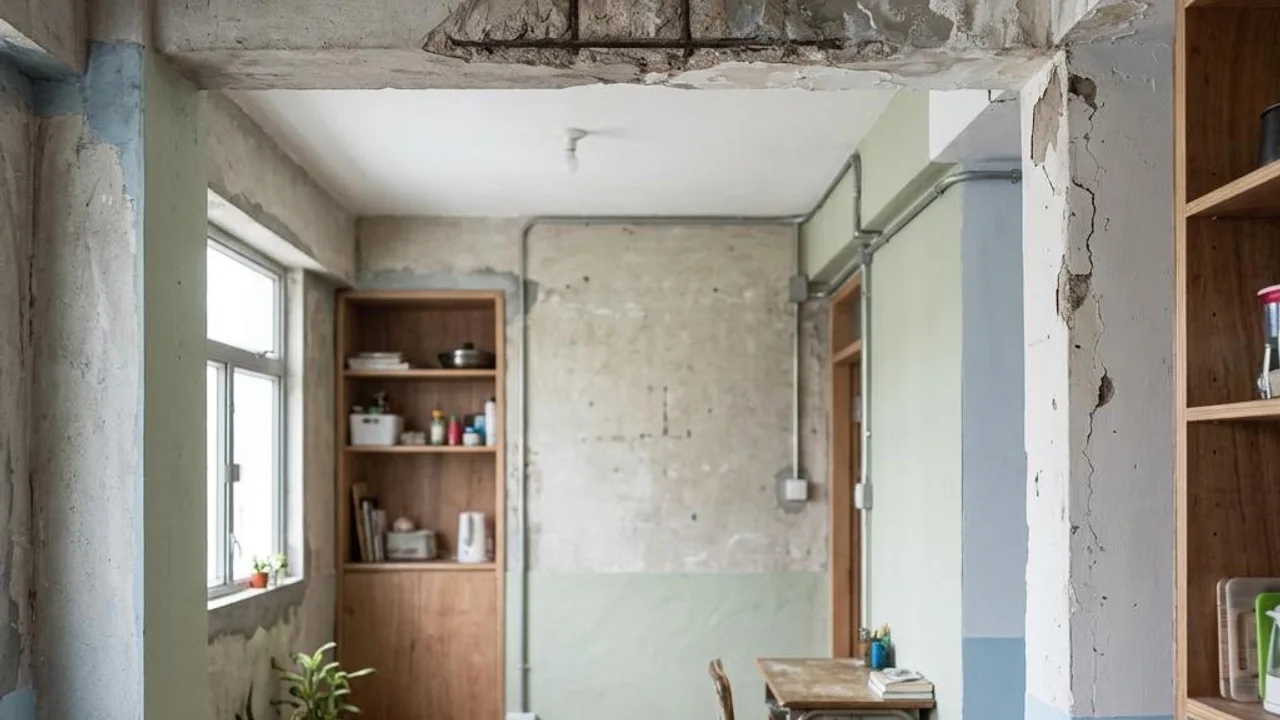
OPO Inspection key points for village houses and tong laus: Structure, seepage, and facility maintenance guide
This article summarises OPO Inspection knowledge for village houses and tong laus, covering structural safety, seepage prevention, and facility maintenance, helping owners identify potential risks and formulate appropriate repair and maintenance schemes to ensure residential environment safety.
Read full article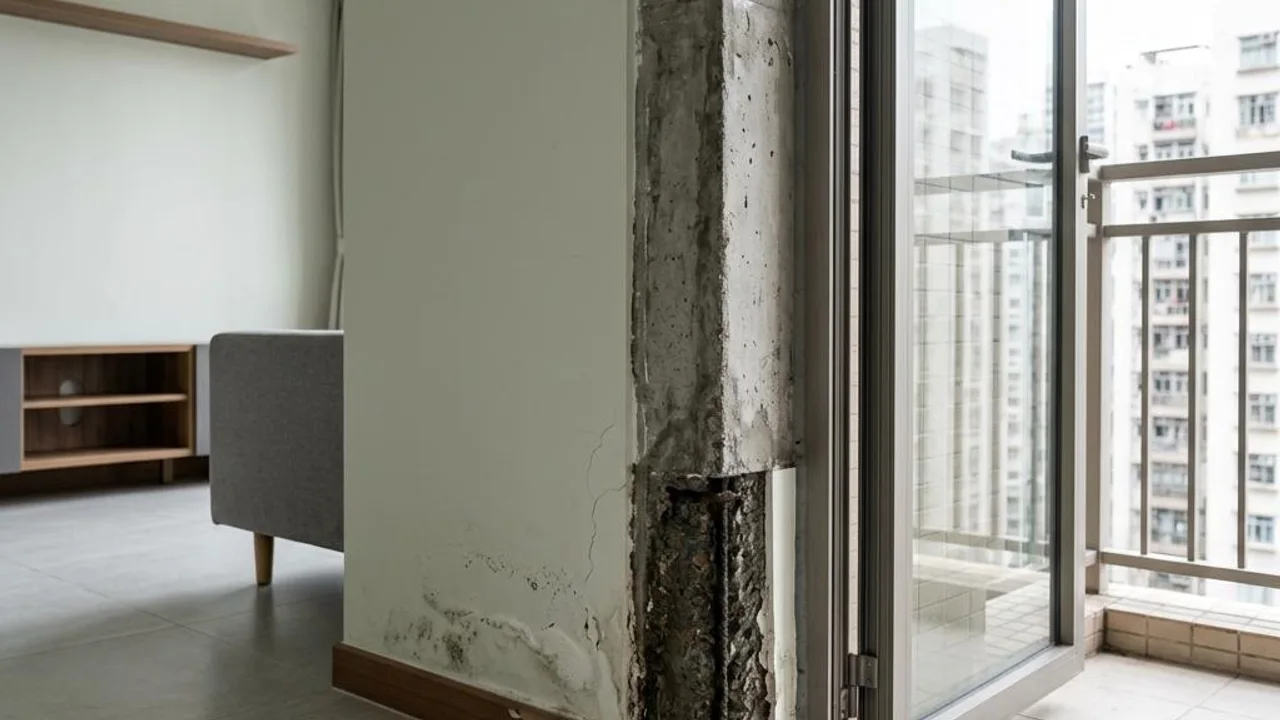
Home OPO Inspection essentials: Structural safety inspection beyond water and electricity surfaces
This guide details the key points of home OPO Inspection, covering wall structure, waterproofing systems, and M&E facilities. It assists owners in identifying potential safety hazards through systematic observation and professional testing, safeguarding living quality.
Read full article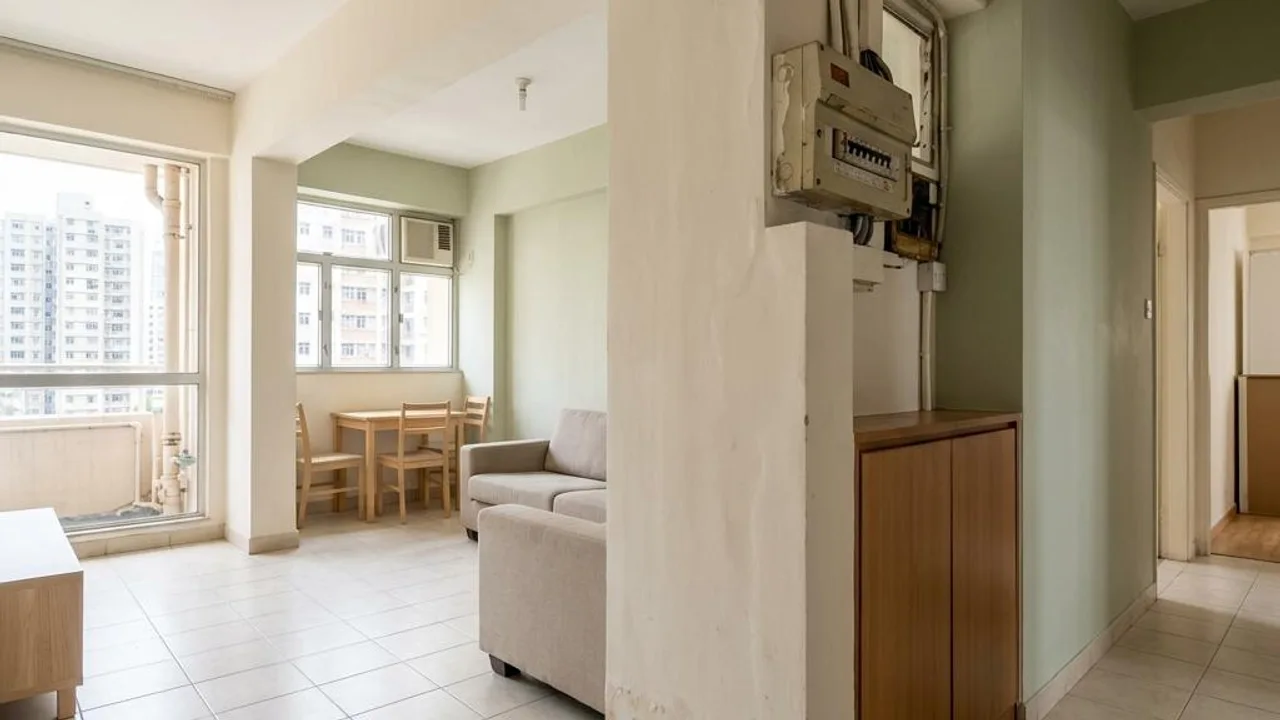
OPO Inspection service comparison: The difference between self-inspection and professional teams
This article compares the differences between self-inspection and professional OPO Inspection, discusses professional testing equipment, the legal validity of reports, and follow-up processes in detail, helping prospective owners identify and record concealed property defects through systematic inspection to protect their rights.
Read full article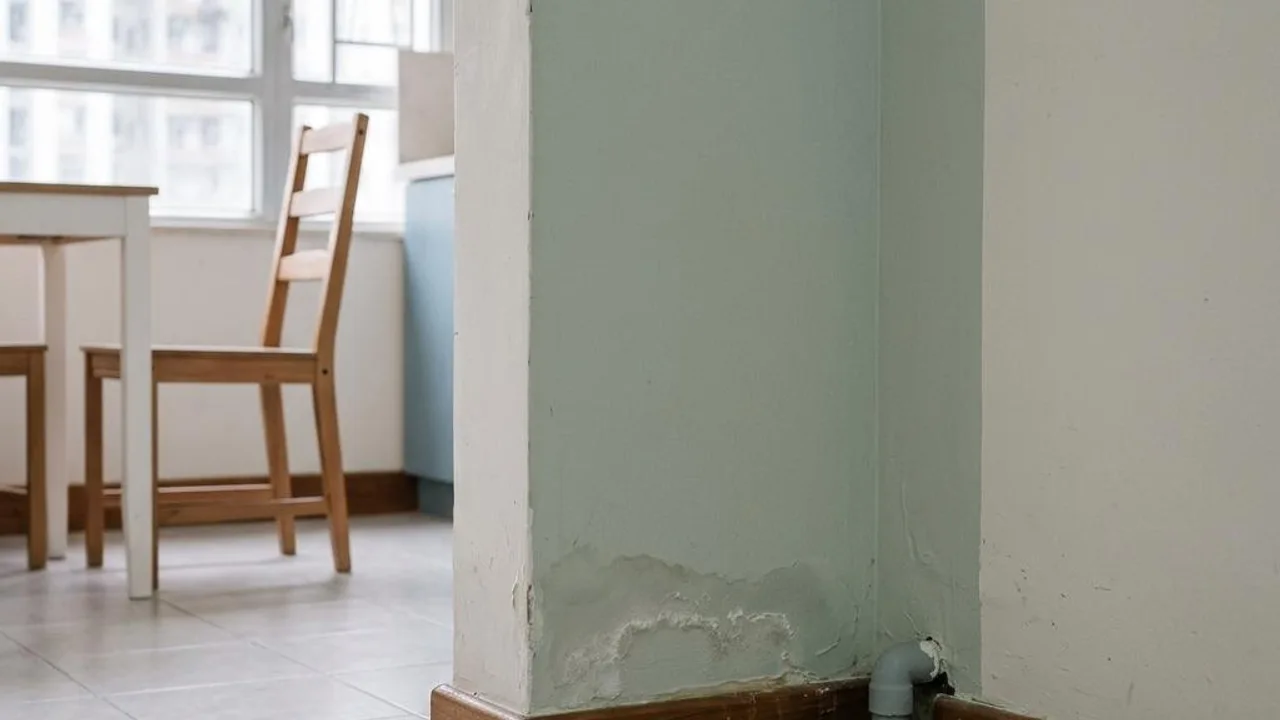
OPO Inspection and renovation supervision: Distinguishing their functions and importance
This article clarifies the functional differences between OPO Inspection and renovation supervision, guides owners on how to choose appropriate professional services according to the property stage, and ensures handover status confirmation and renovation quality, thereby effectively reducing residential risks.
Read full article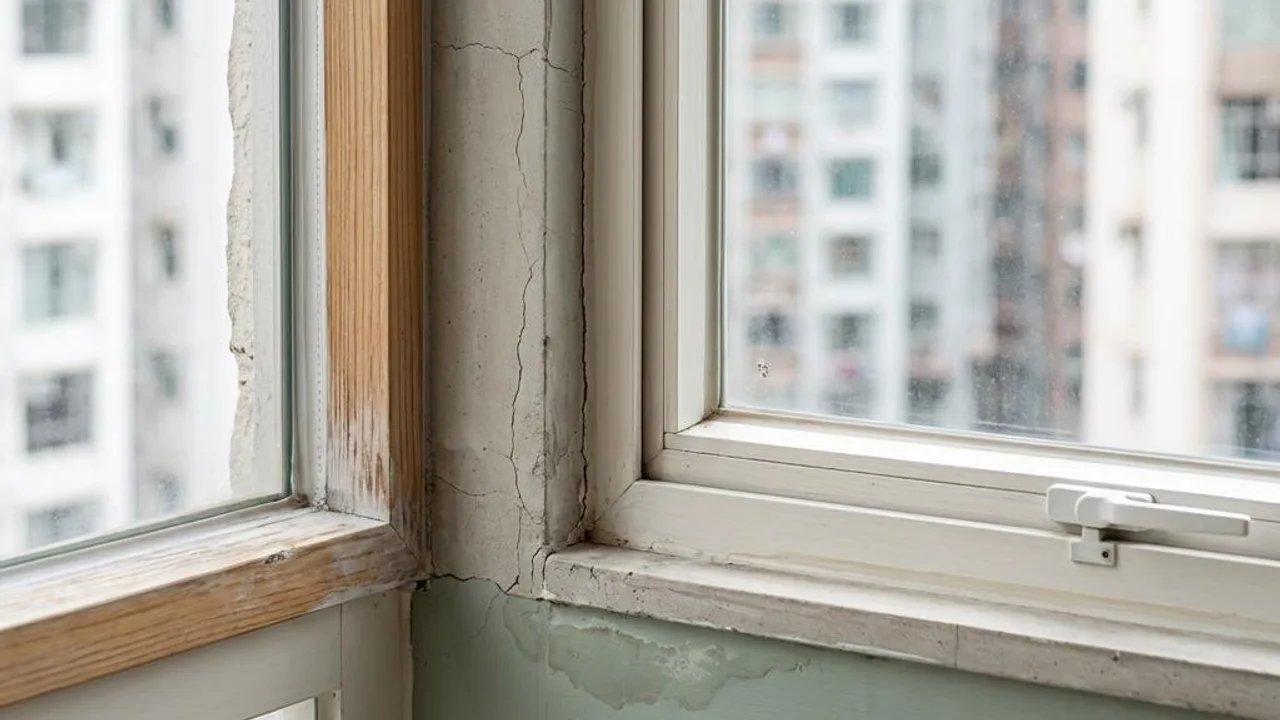
OPO Inspection service detailed explanation: Handover process and key inspection items
This guide details the key inspection scope and processes of OPO Inspection, assisting owners in identifying potential defects early at the handover stage, safeguarding the safety and quality of the home living environment through professional records and reasonable defect rectification arrangements, and avoiding long-term hidden dangers.
Read full article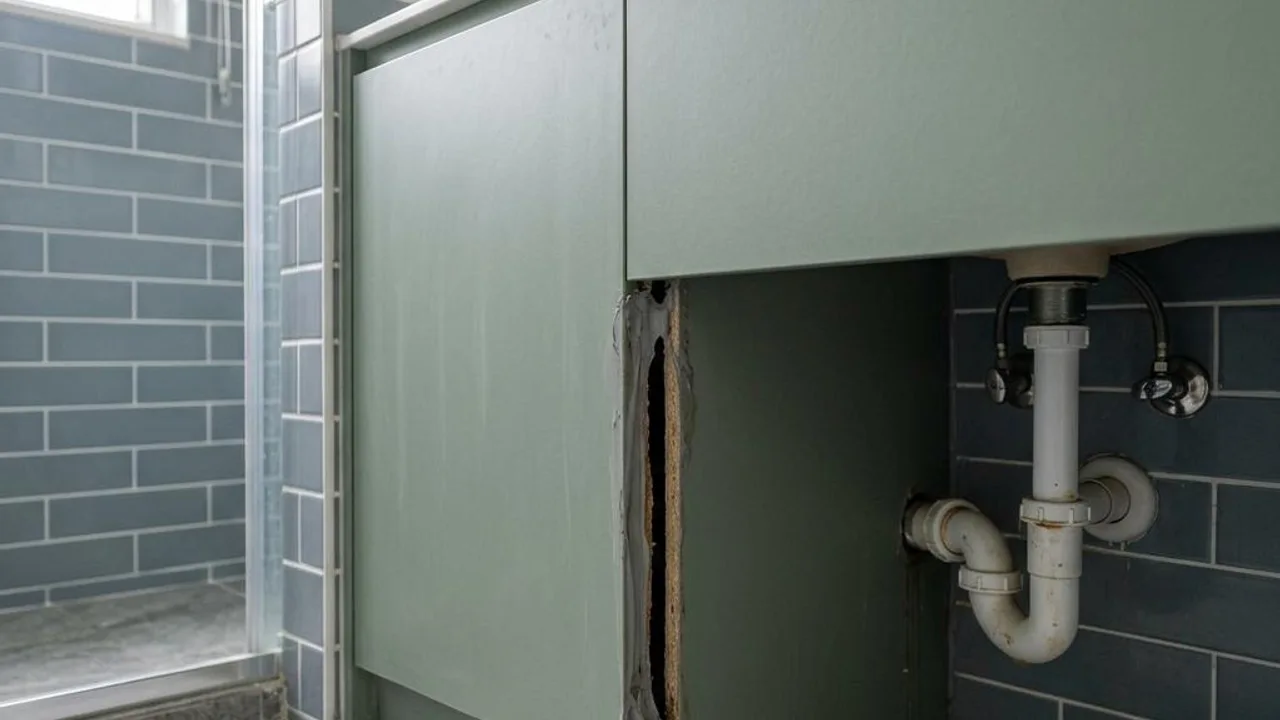
Renovation handover inspection guide: Five key points for concealed works and quality checks
This guide details the key inspection steps during renovation handover, covering waterproofing works, electrical safety, wall finishes, furniture details, and the importance of professional OPO Inspection, assisting owners in identifying potential defects and safeguarding residential rights and engineering quality.
Read full article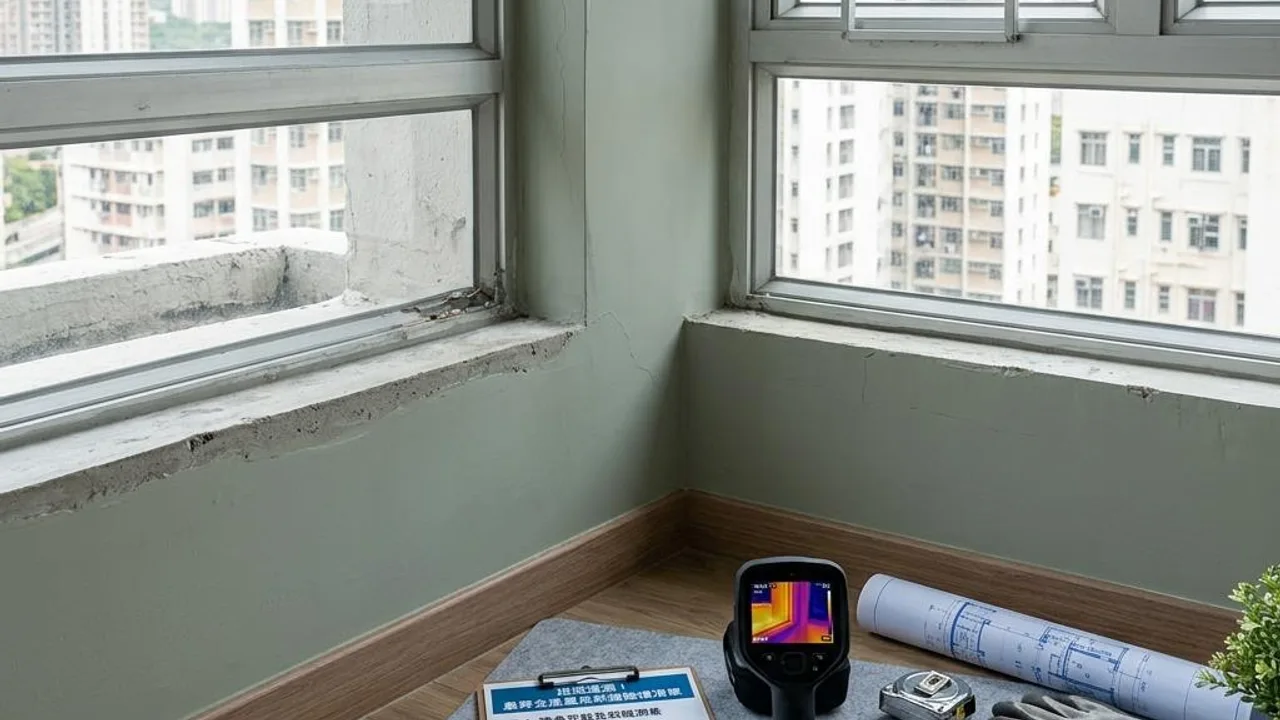
Refuse to miss anything! Comprehensive OPO Inspection guide for new home move-in
This article comprehensively dismantles the OPO Inspection steps for new home move-ins, covering water/electricity testing, hollow tile inspection, and door/window hardware maintenance. It assists owners in mastering correct observation methods, identifying hidden dangers from a professional perspective, and ensuring the safety quality and living experience of the residence.
Read full article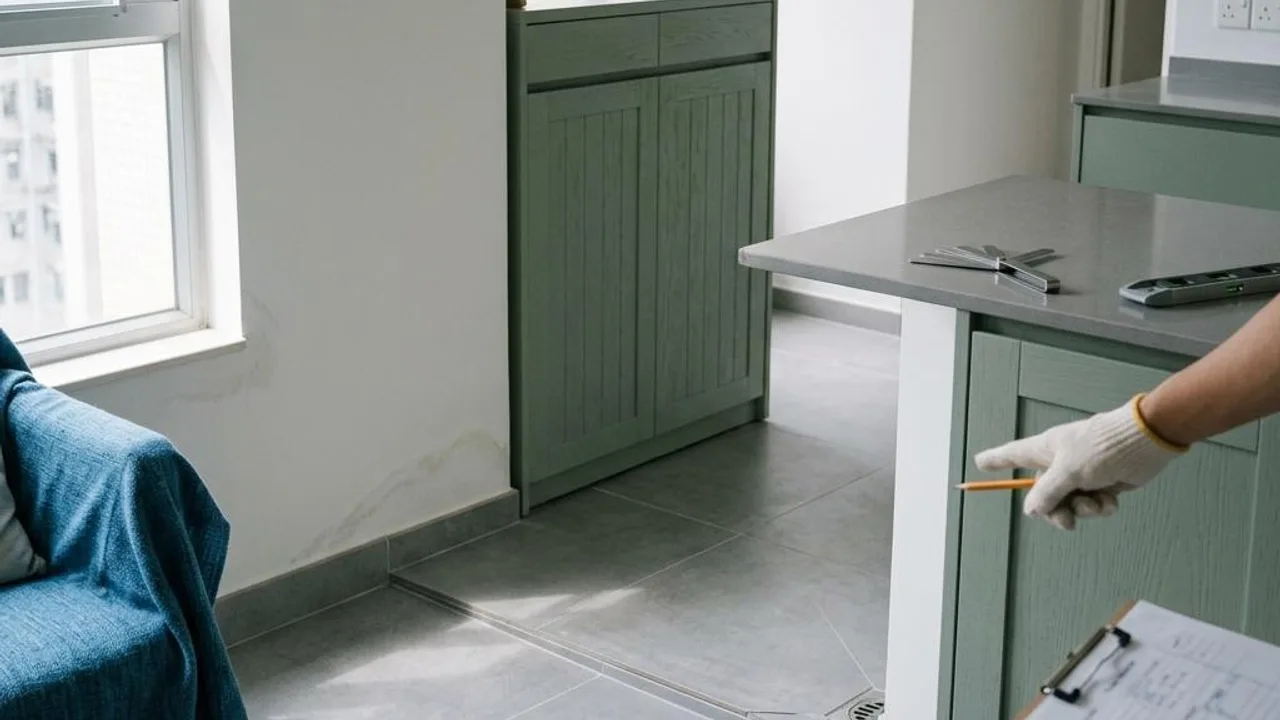
Renovation works inspection guide: Ferreting out concealed defects and executing defect rectification
This guide details key techniques for renovation inspections, covering waterproofing, tile hollowness, and defect rectification procedures. By correctly identifying hidden defects and protecting payment rights, it helps homeowners effectively require renovation contractors to complete improvement works, ensuring home safety and living quality.
Read full article
Self-Protection Guide for Renovation Inspection: Essential Project Checks Before Settling the Final Payment
This article summarises key steps for renovation inspection, focusing on checking electrical and plumbing functions, wall tiling, and carpentry details. It is recommended to perform these before settling the final payment to protect homeowner rights and ensure the quality and safety of home renovation works.
Read full article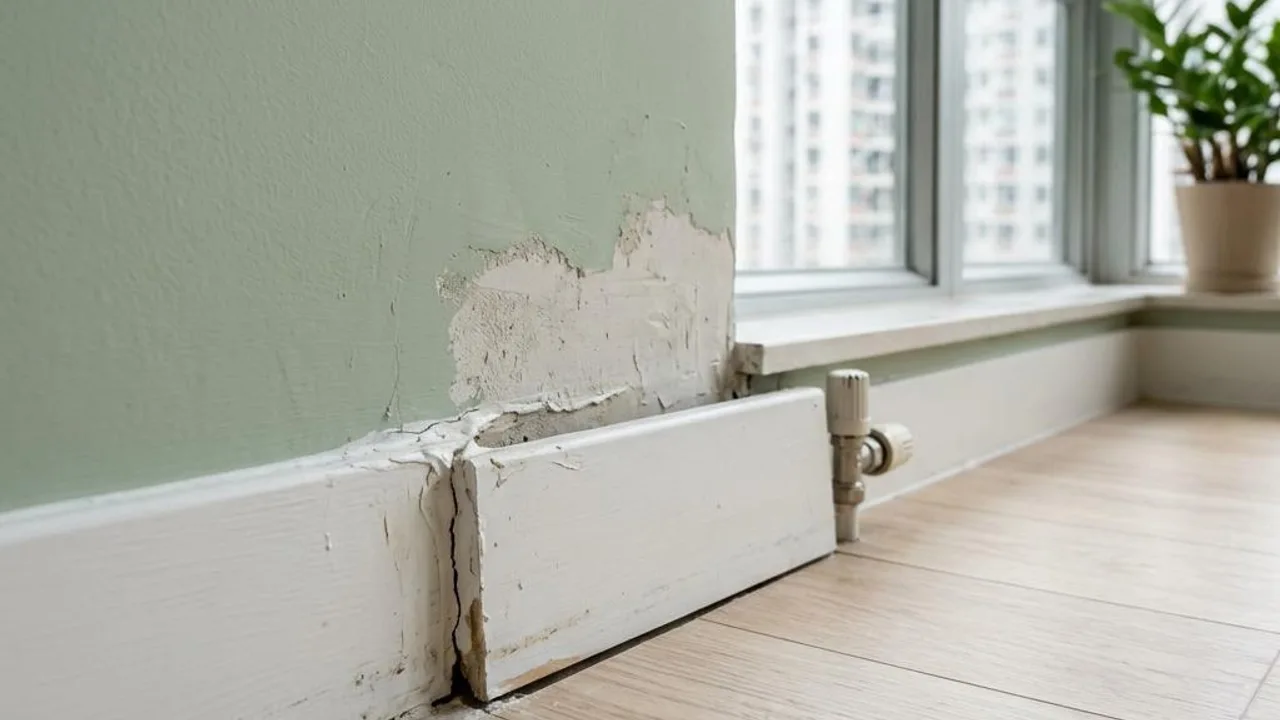
Renovation Inspection Strategy: Professional OPO Inspection Reveals Traps of Cutting Corners in Hidden Works
Renovation inspection is a crucial stage to ensure the quality of the living environment. By checking paint smoothness, plastering, waterproofing, and hardware details, homeowners can rectify hidden construction defects early, effectively avoiding high future repair costs and living hazards.
Read full article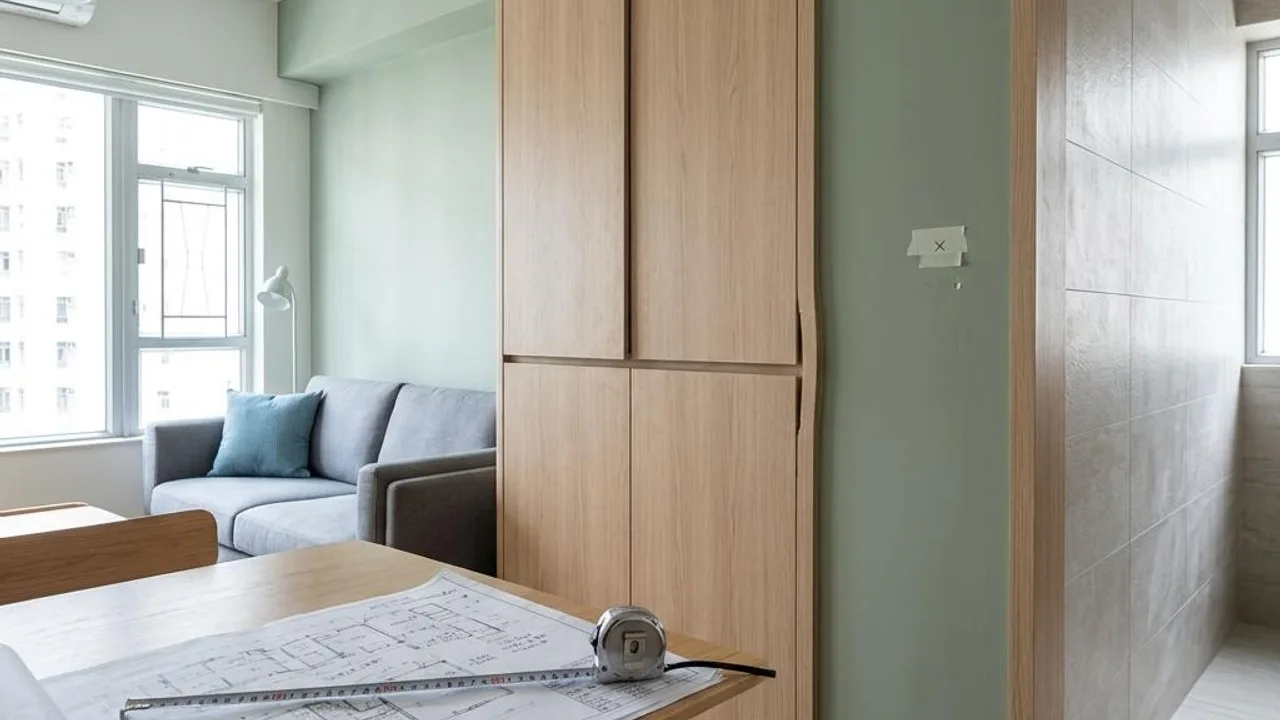
Renovation Inspection Strategy: DIY Test Checklist for Novice Homeowners to Prevent Incomplete Projects
This article provides practical strategies for renovation inspection for homeowners, covering key check areas in plumbing and electricity, plastering, painting, and carpentry. Through a systematic process and professional advice, it assists homeowners in identifying common defects and ensuring project quality.
Read full article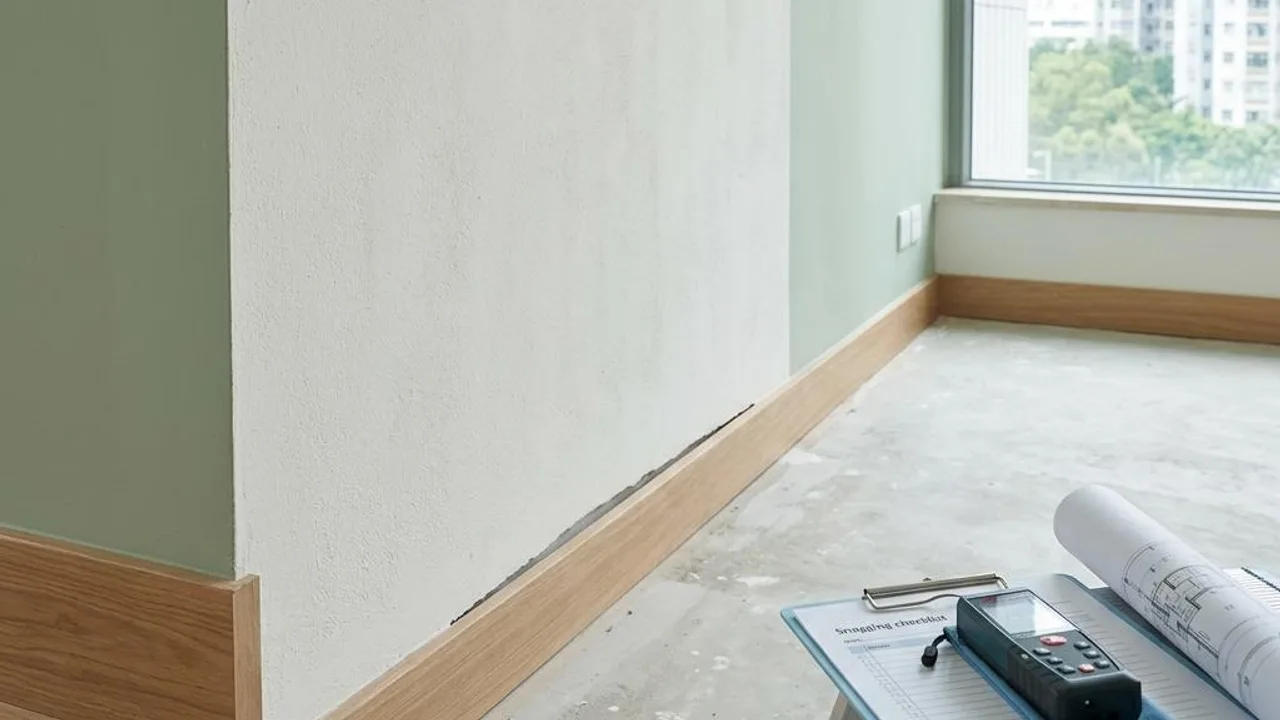
New Home Handover Guide: Professional OPO Inspection Process and Precautions
This article introduces the new home handover procedure, highlighting how to discover property hazards and protect homeowner rights through professional testing and precise defect rectification reports, ensuring the property is successfully rectified and delivered.
Read full article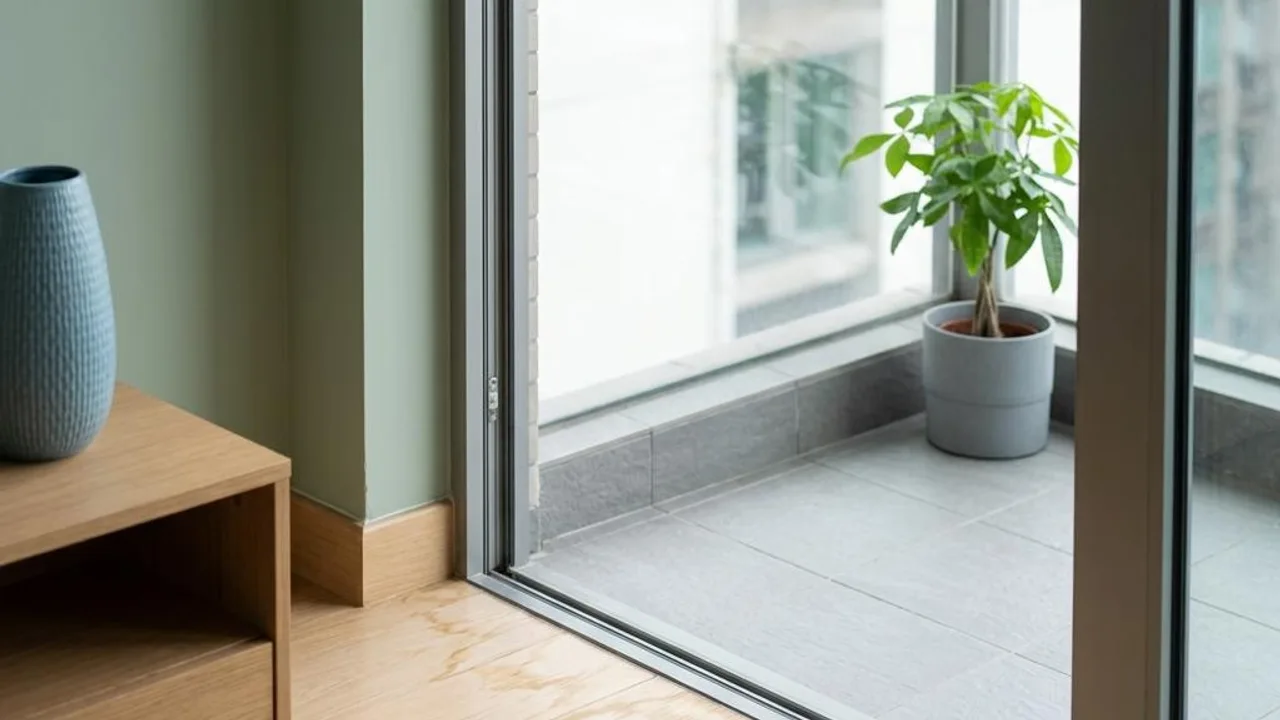
Guide to OPO Inspection Service Scope and Common Inspection Items
This guide details OPO Inspection priorities such as home structure, leakage, flooring, and electrical and plumbing systems, assisting homeowners in mastering common inspection items for various units to ensure living spaces meet basic functional requirements and safety standards.
Read full article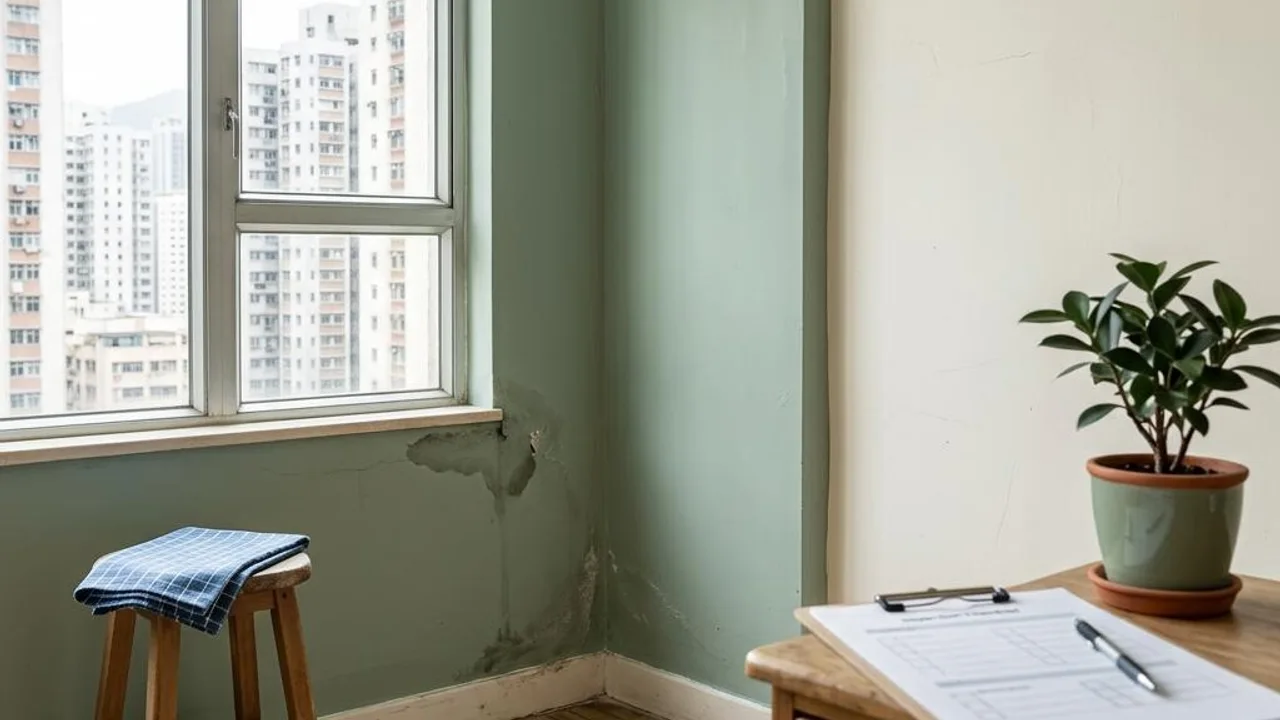
Practical Guide to Home Handover and OPO Inspection: Checklist for Protecting Homeowner Rights
The handover is an important part of a homeowner's asset protection. This guide compiles key steps for new home inspection, tips for checking common construction hazards, and practical methods for writing effective defect rectification reports, helping homeowners identify defects and maintain their entitled rights.
Read full article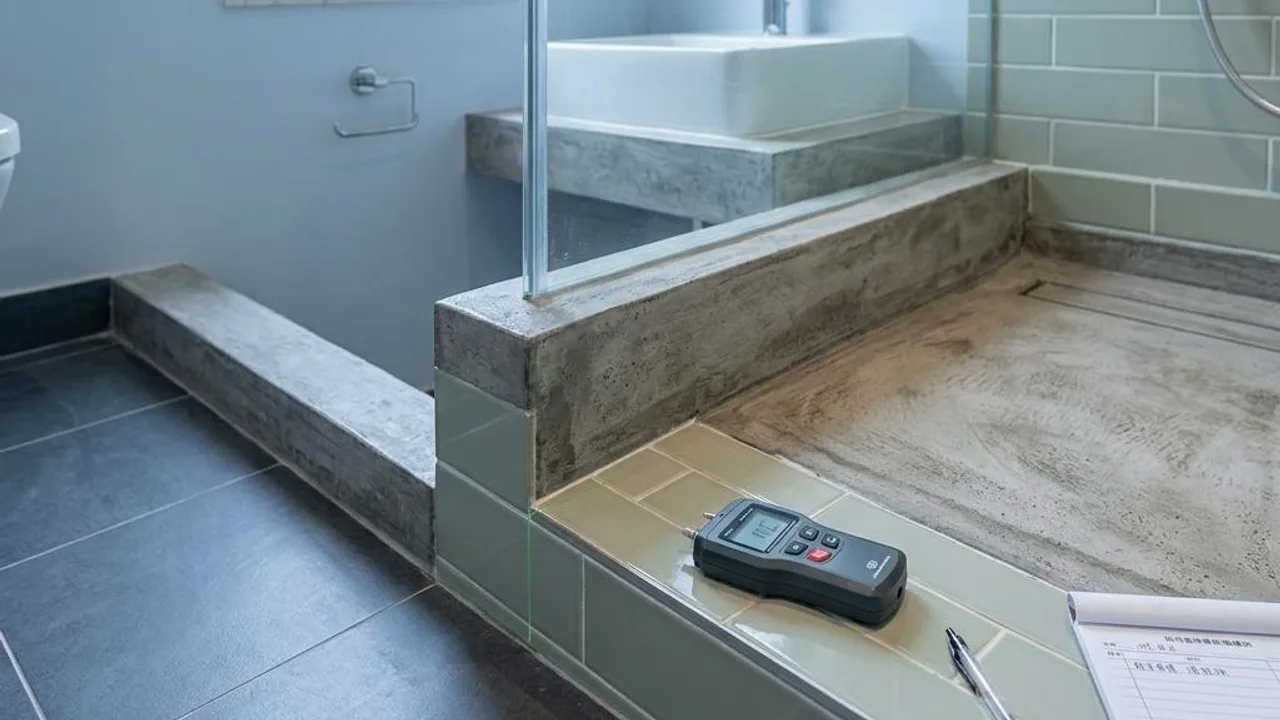
How to Choose a Professional OPO Inspection Expert?
Choosing a professional OPO Inspection expert requires a comprehensive assessment of qualifications, practical experience, application of testing tools, and report details. Objective property inspections can help homeowners accurately grasp the unit's condition, providing a professional basis for defect rectification and thus safeguarding living quality.
Read full article
Detailed Steps of the OPO Inspection Procedure
Professional OPO Inspection helps homeowners systematically review unit quality before handover, covering everything from doors and windows to electrical and plumbing systems and structural hollowness. Through detailed inspection reports and professional advice, it protects property rights and guards the quality of living.
Read full article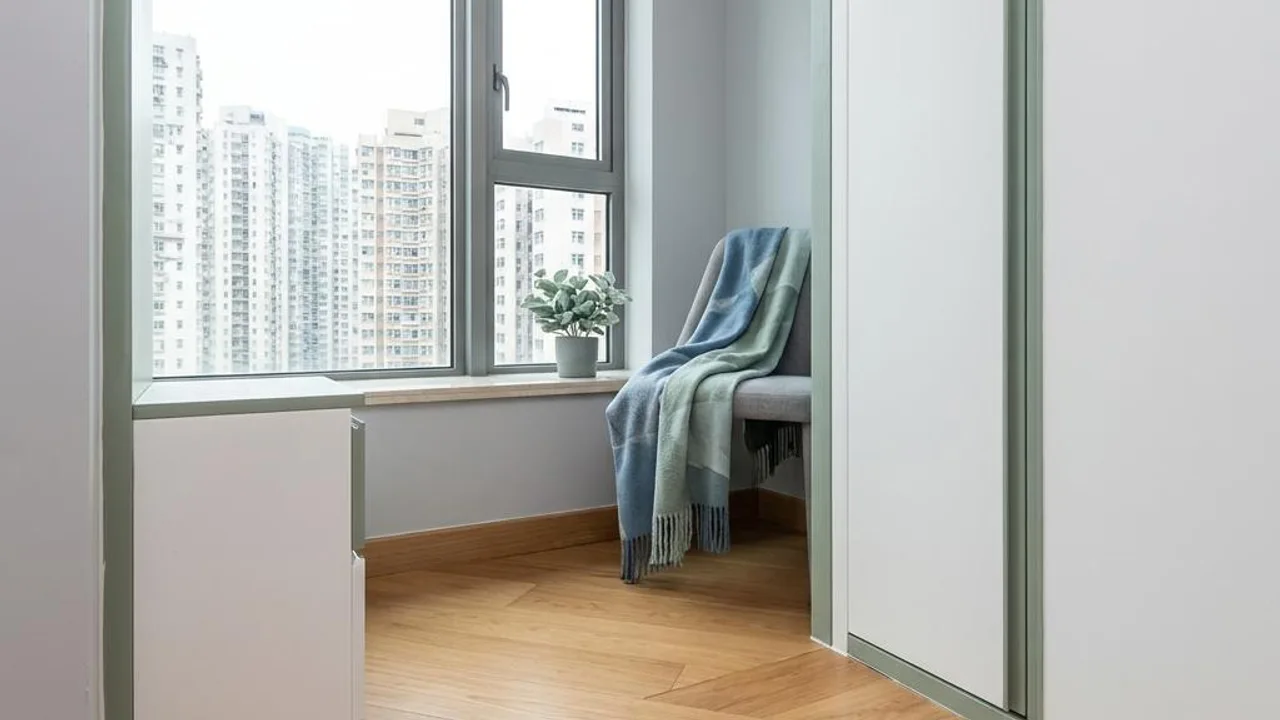
Complete Guide to Home Handover and OPO Inspection: From Handover Process to Defect Rectification Essentials
Home handover and inspection is a crucial gate to ensure the quality of a new home. Homeowners need to start by checking contract specifications, inspecting waterproofing, hollowness, testing sanitary ware, and aluminium windows. By marking defects and performing timely defect rectification, and seeking professional inspection when necessary, long-term living safety is protected.
Read full article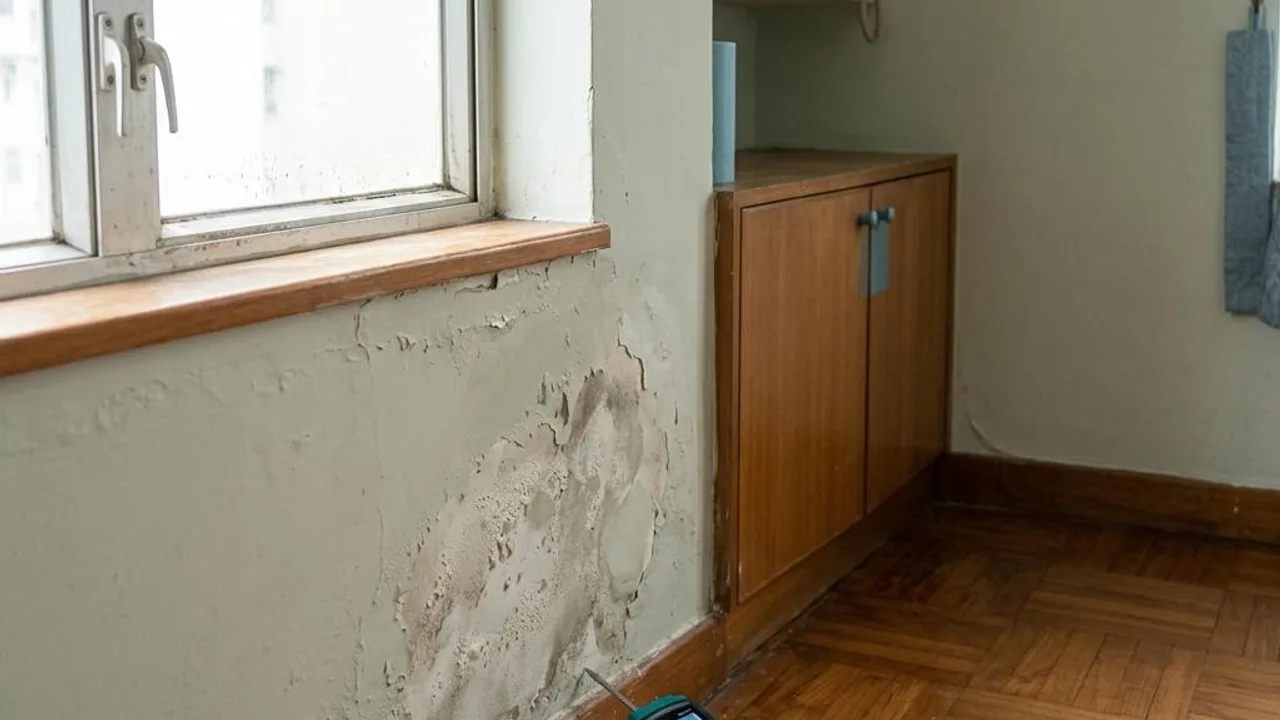
Key Guide to Second-hand Home Handover: Avoiding Traps and Key Inspection Points
Buyers of second-hand homes must carry out a comprehensive inspection before handover, including verifying included appliances, checking for water leakage, electrical installation safety, and structural hazards, to ensure the property condition meets expectations and to avoid bearing high repair expenses after moving in.
Read full article
New Property Handover Procedure: Key OPO Inspection Process and Precautions
The new property handover process is complicated; homeowners should complete OPO Inspection and defect rectification before renovation. Through systematic checking of windows, wall hollowness, and drainage systems, ensure the property is in an ideal state to avoid unclear responsibilities for subsequent renovation and maintenance, protecting asset quality.
Read full article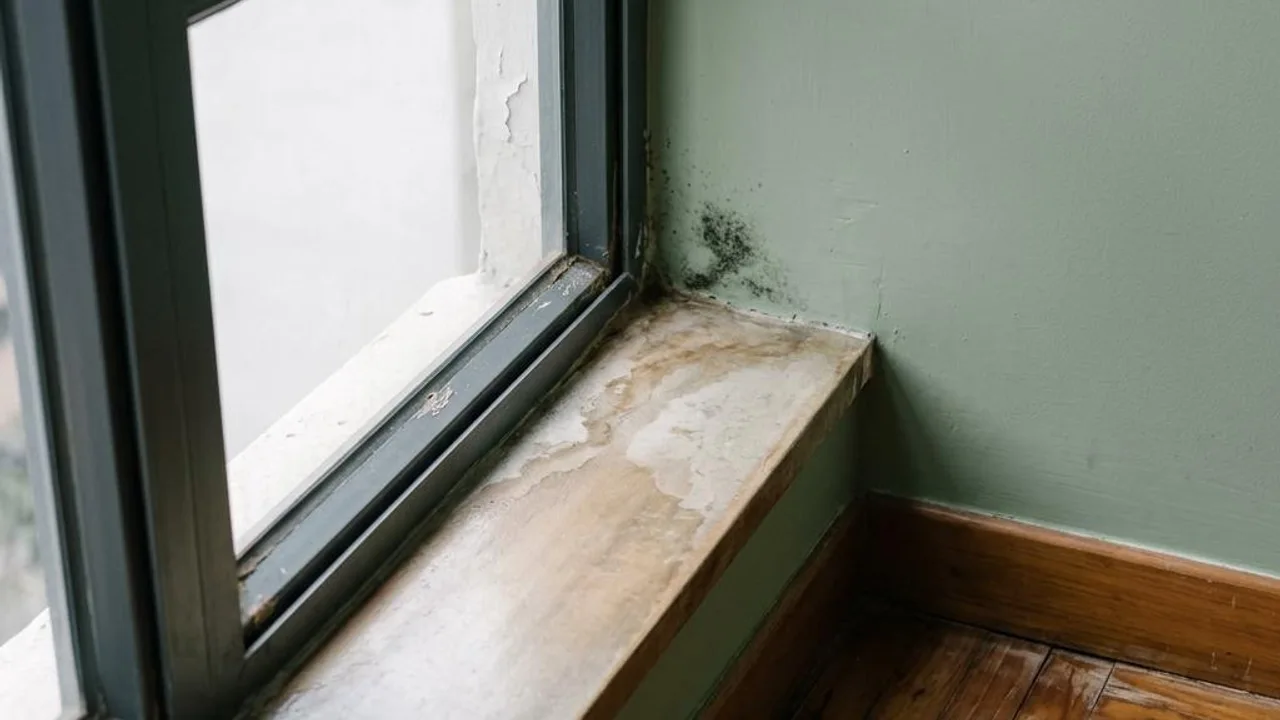
Handover Essentials for New and Second-hand Properties: Protecting Assets and Avoiding Monetary Traps
The handover is not just about receiving keys; it is the key to protecting property quality. Regardless of whether it is a new or second-hand property, homeowners need to check for hidden water leakage, wall, and structural problems during the warranty period to ensure the unit is in good condition, avoiding unnecessary repair expenses and legal risks arising from future renovations.
Read full article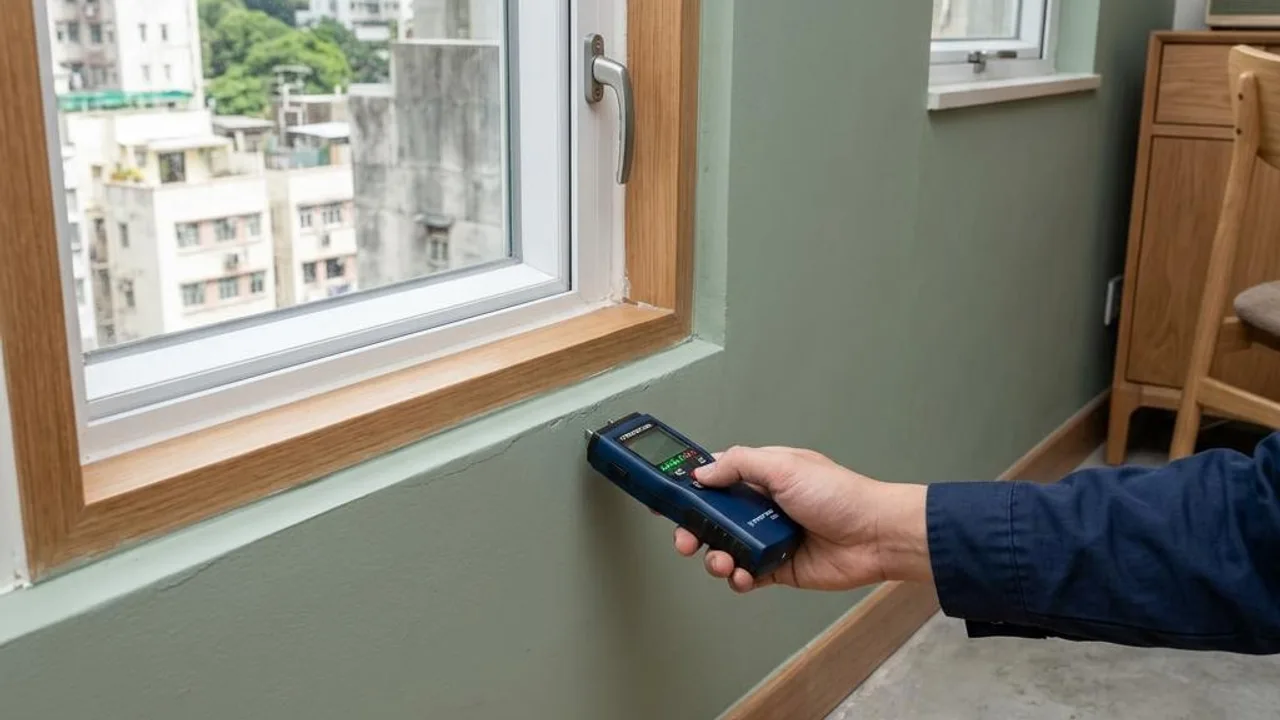
Handover Guide for Novice Homeowners: Full-house Inspection Steps and Practical Checklist
This guide details the focus of handover inspection, covering walls, windows, kitchens, bathrooms, and electrical facilities. Through systematic observation and proper documentation, homeowners can effectively improve inspection quality, establishing a solid foundation for home safety and defect rectification communication.
Read full article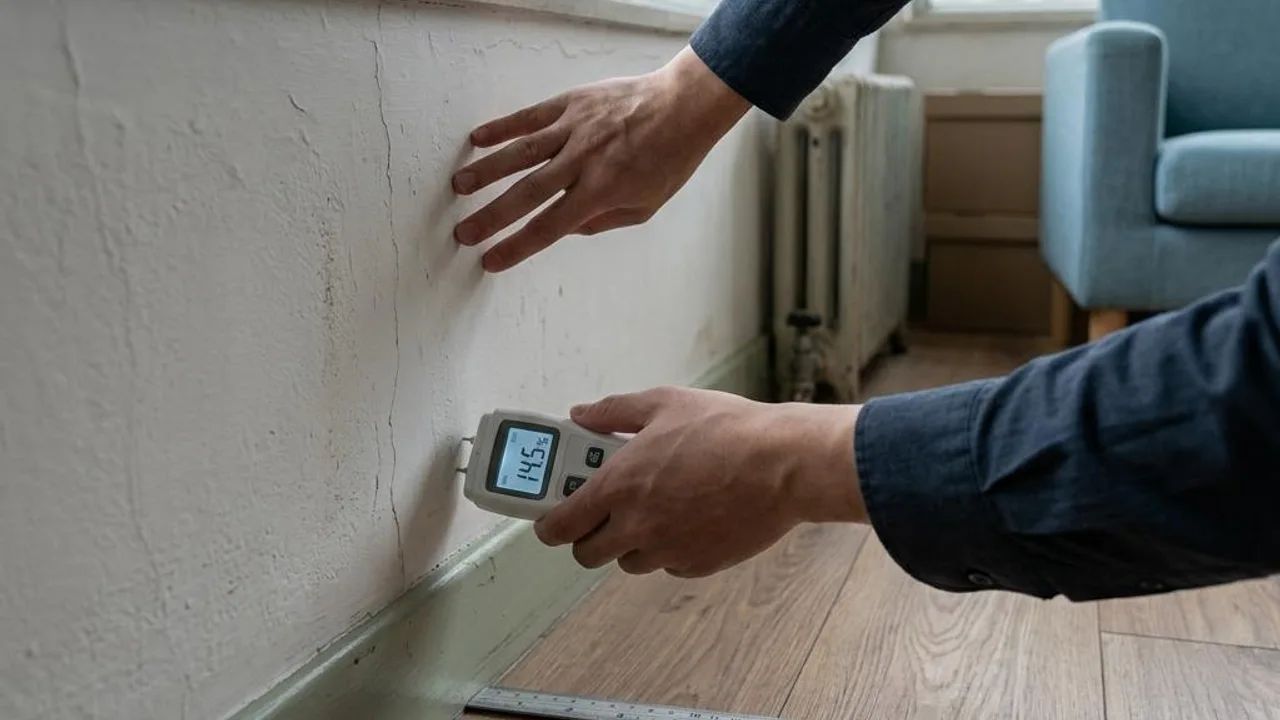
Wall and Floor Inspection: Professional Testing and Defect Rectification Strategies
This guide details wall and floor inspection strategies for homeowners when taking over a new home. By using side-lighting, tapping, and professional instruments to identify defects such as hollowness and water leakage, it helps you build a professional defect rectification list and ensures home quality.
Read full article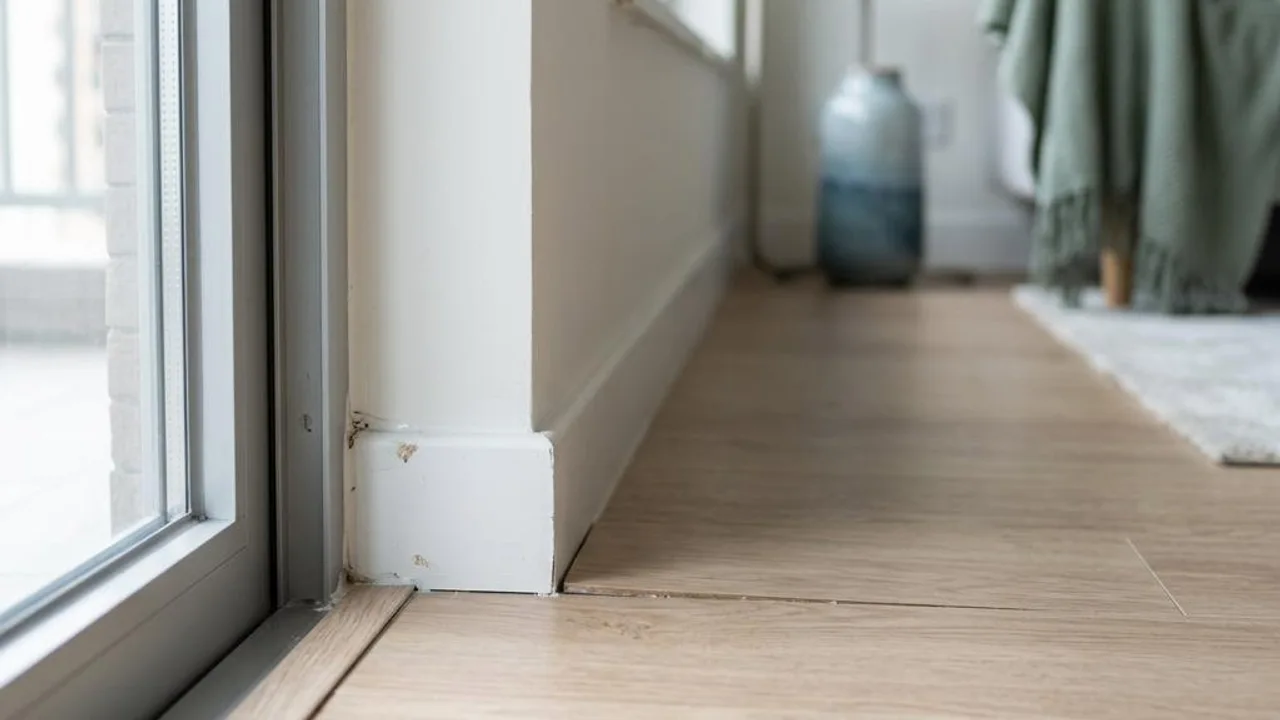
New Property Handover and OPO Inspection Guide: Common Defects and Inspection Techniques
This article provides a detailed OPO Inspection guide for new properties, covering key areas such as window waterproofing, wall and floor tiles, electrical and plumbing functions, and appliance operation. Through observational and testing methods feasible for homeowners, it helps you identify renovation defects and properly request defect rectification, ensuring home living quality.
Read full article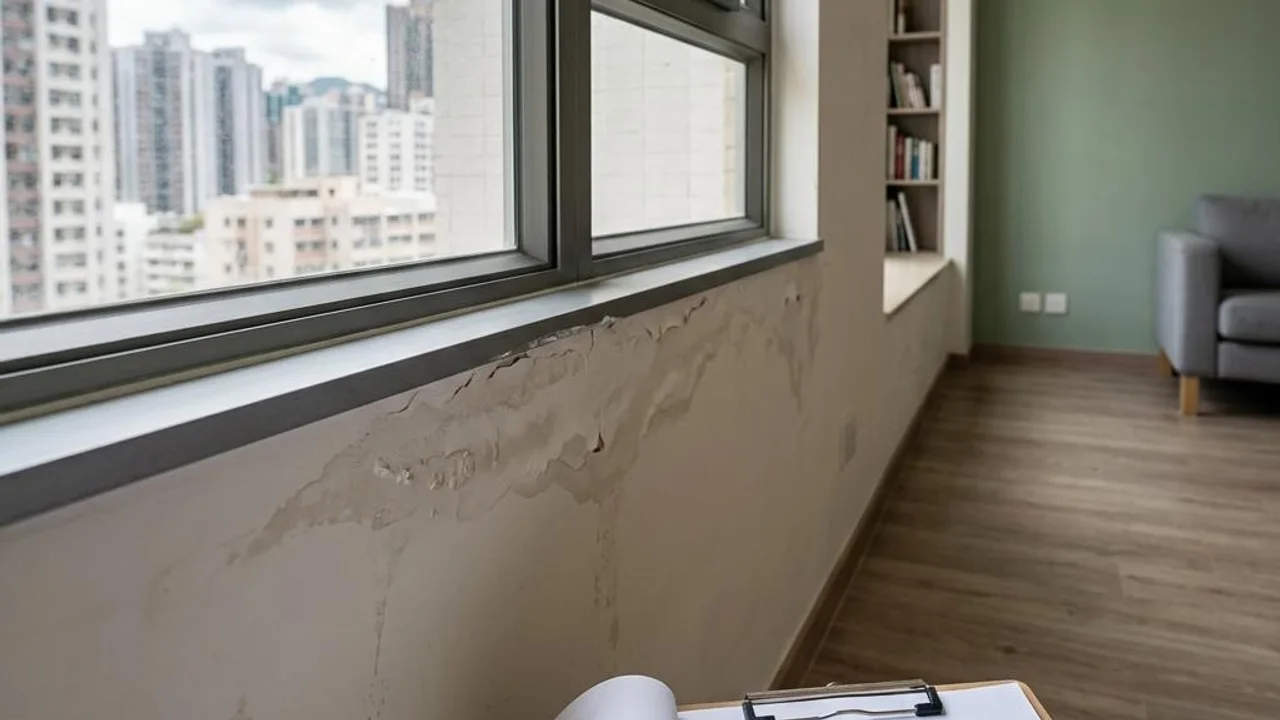
Handover Defect Rectification Strategy: How to Effectively Interpret Reports and Follow Up on Repairs
This article aims to help homeowners correctly interpret OPO Inspection reports, manage defect rectification lists through systematic methods, and effectively supervise repair progress and quality, in order to protect the functionality and safety of the living environment and reduce unnecessary trouble during the process of asserting rights.
Read full article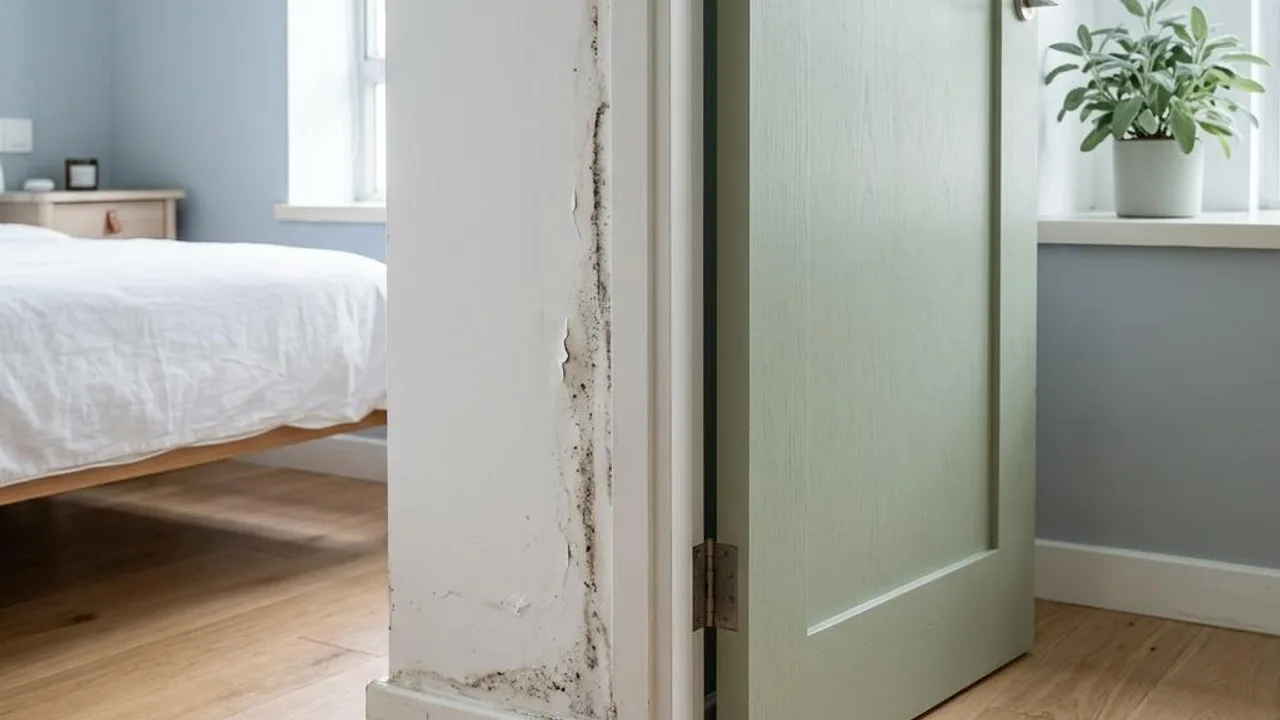
Property Purchase OPO Inspection Guide: Why Detailed Inspection is Needed to Safeguard Asset Value
Property inspection is the first line of defence for protecting assets. Through professional testing for wall leakage, electrical and mechanical installations, and structural hazards, homeowners can effectively use the warranty period to clarify repair responsibilities with the developer, avoid bearing additional repair costs after moving in, and ensure living safety and quality of life.
Read full article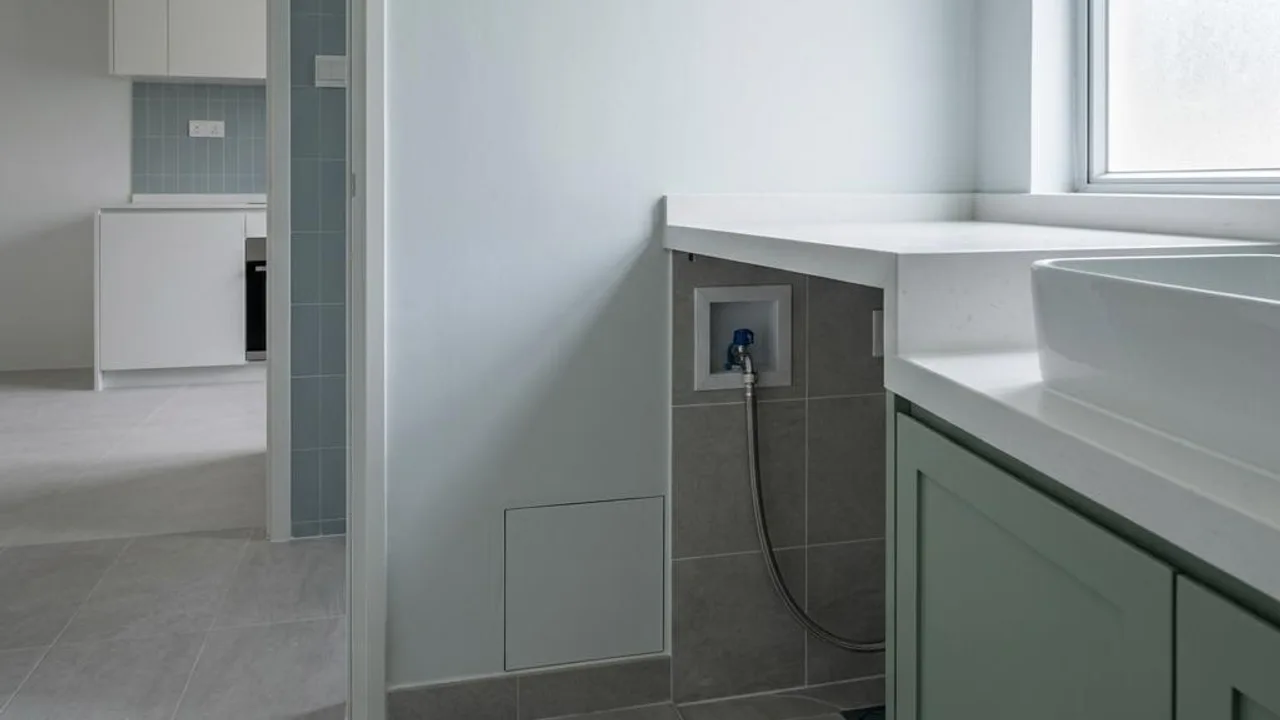
Post-Renovation OPO Inspection Guide: Strictly Guarding Project Details and Construction Quality
Post-renovation inspection is key to ensuring home quality and safety. By checking wall and floor tiles, electrical and plumbing systems, furniture, doors, windows, and structural details, homeowners can rectify construction defects early, avoiding frequent repair issues after moving in.
Read full article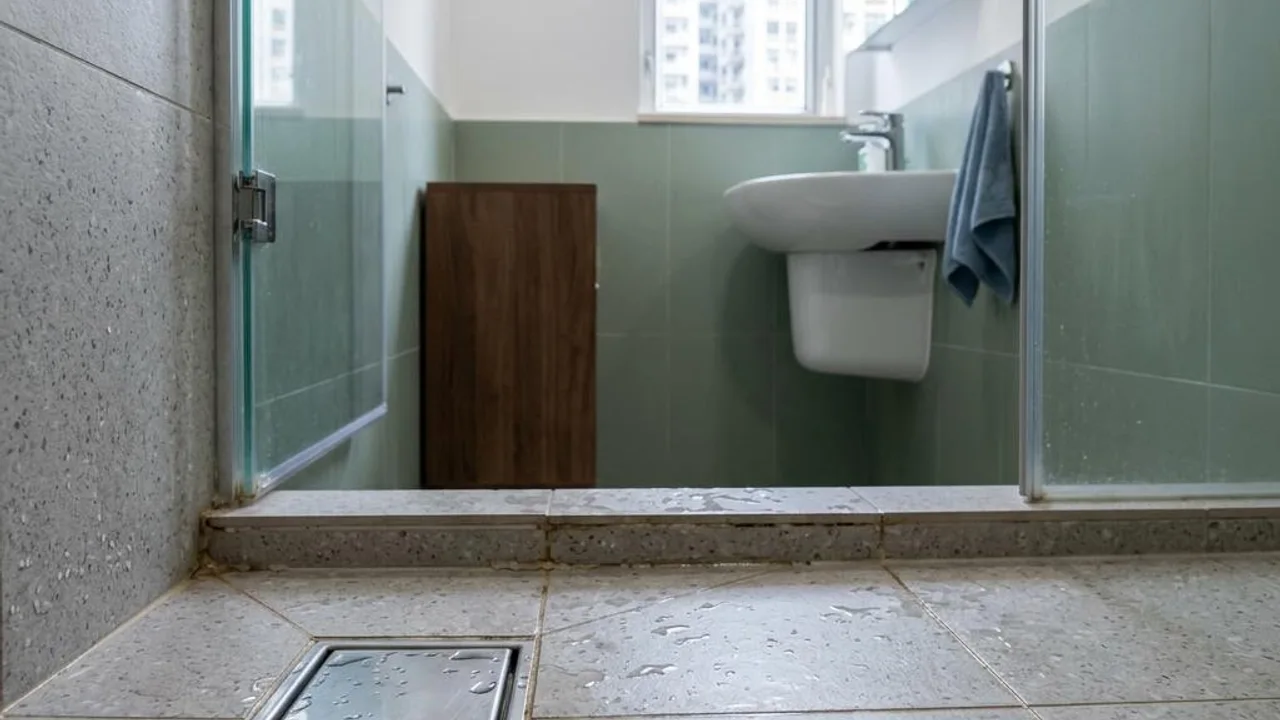
Warning Signs in Inspection Quotes: Overpromises and Unclear Scope
Look for promises to find every defect, headline-only prices, unclear reinspection terms and unexplained qualifications. Ask for clarification rather than relying on unverified company blacklists.
Read full article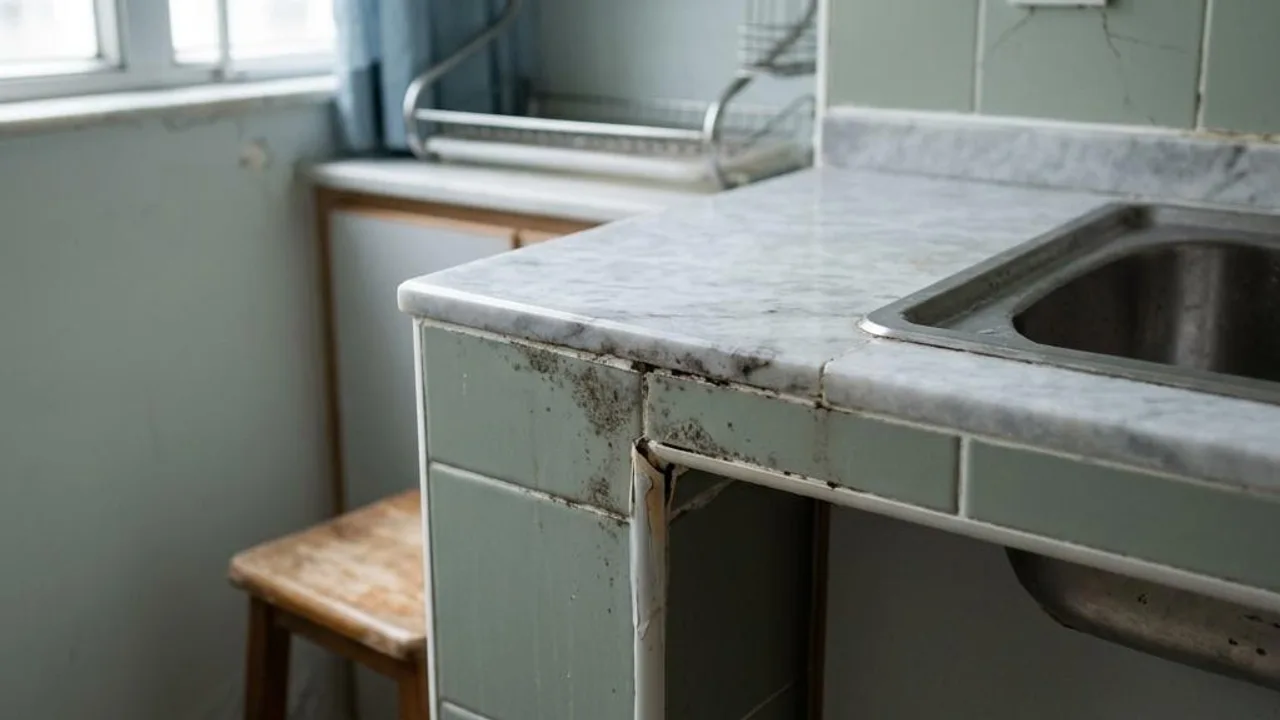
Knowledge of OPO Inspection Procedures: Clarifying Common Misconceptions Buyers Have About Inspections
This article analyses four common misconceptions about new property handover inspections and provides practical guidelines for homeowners to perform professional OPO Inspection and long-term property maintenance, assisting you in protecting your rights during the handover process.
Read full article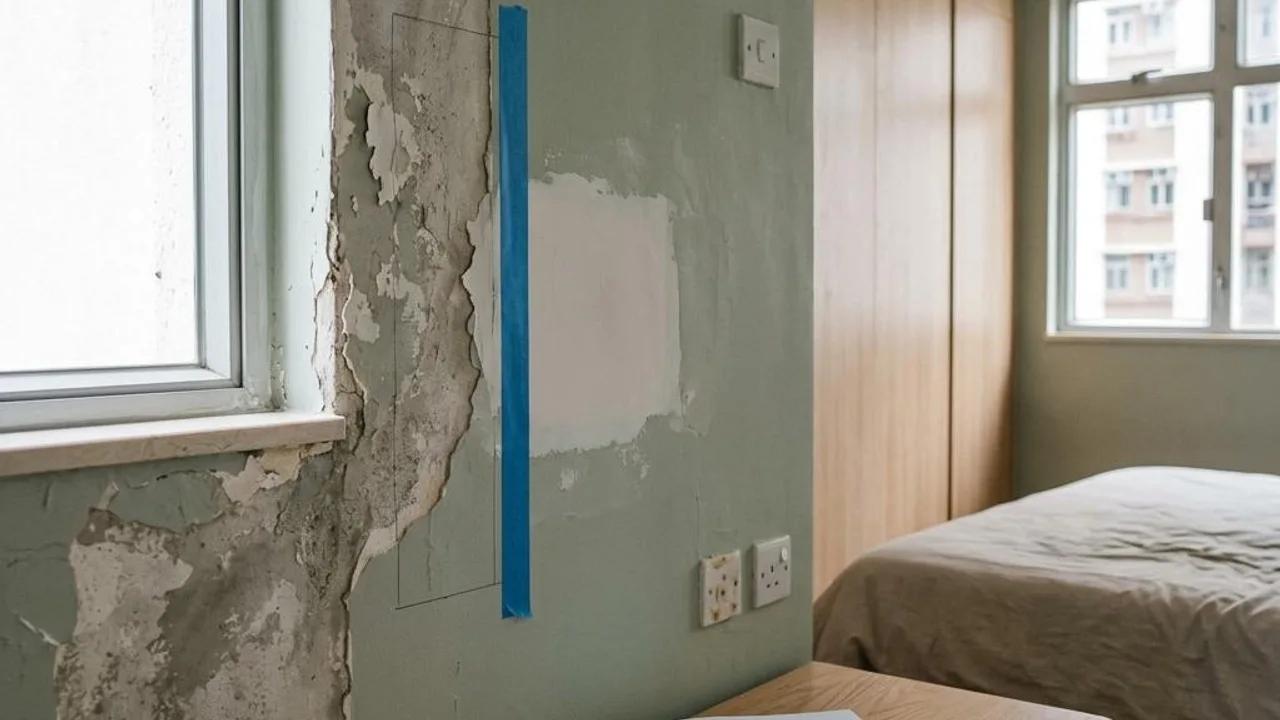
OPO Inspection Report Interpretation and Repair Handling Guide
This guide explains the interpretation of OPO Inspection reports and subsequent follow-ups in detail, emphasising the necessity of prioritising structural and electrical/plumbing hazards, and teaching homeowners how to communicate with professional contractors to ensure home repairs meet safety standards and clarify repair responsibilities.
Read full article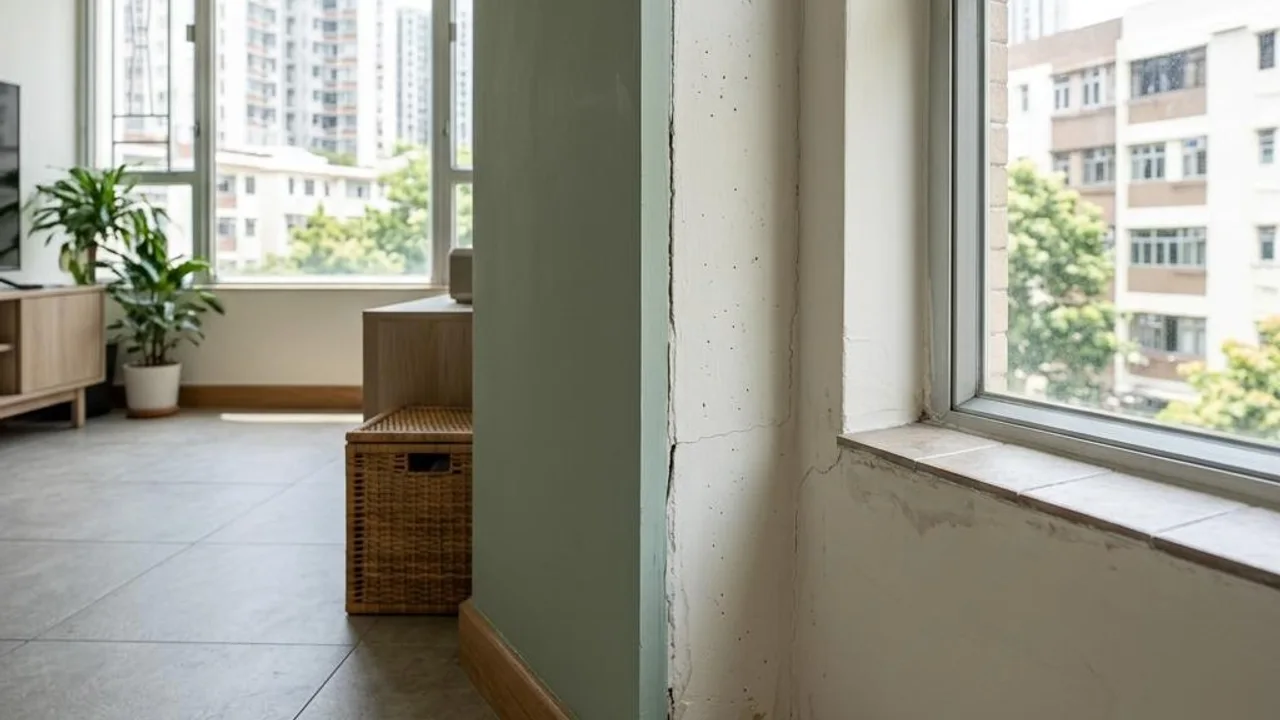
OPO Inspection Priorities and Demand Analysis for Different Types of Properties
Understand the inspection priorities for residential, commercial, industrial, and agricultural properties, covering structural safety, electrical and plumbing systems, facility functionality, and fire safety compliance, helping owners accurately assess property conditions and identify potential hazards.
Read full article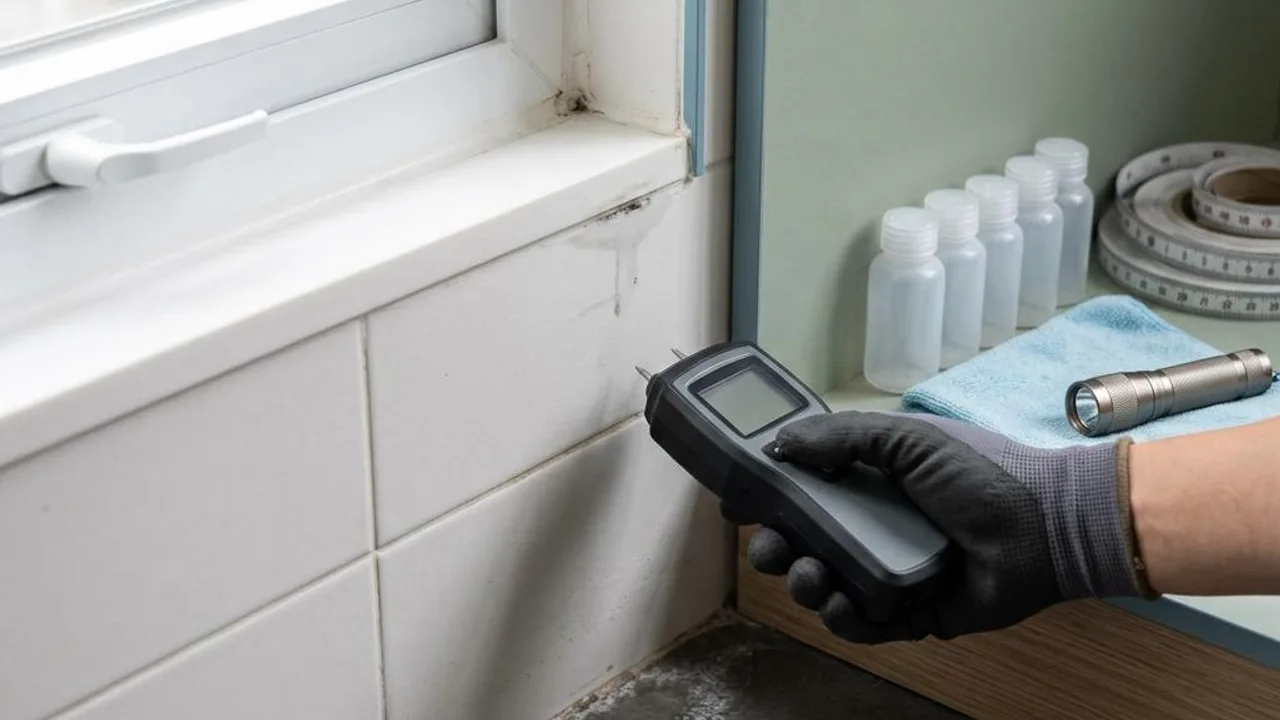
Complete Guide to Property Purchase OPO Inspection: Full Inspection Process and Precautions
This article introduces the professional OPO Inspection process for property purchases in Hong Kong, covering core content such as pre-inspection preparation, electrical and plumbing system checks, and report application, helping homeowners identify unit conditions and protect their rights.
Read full article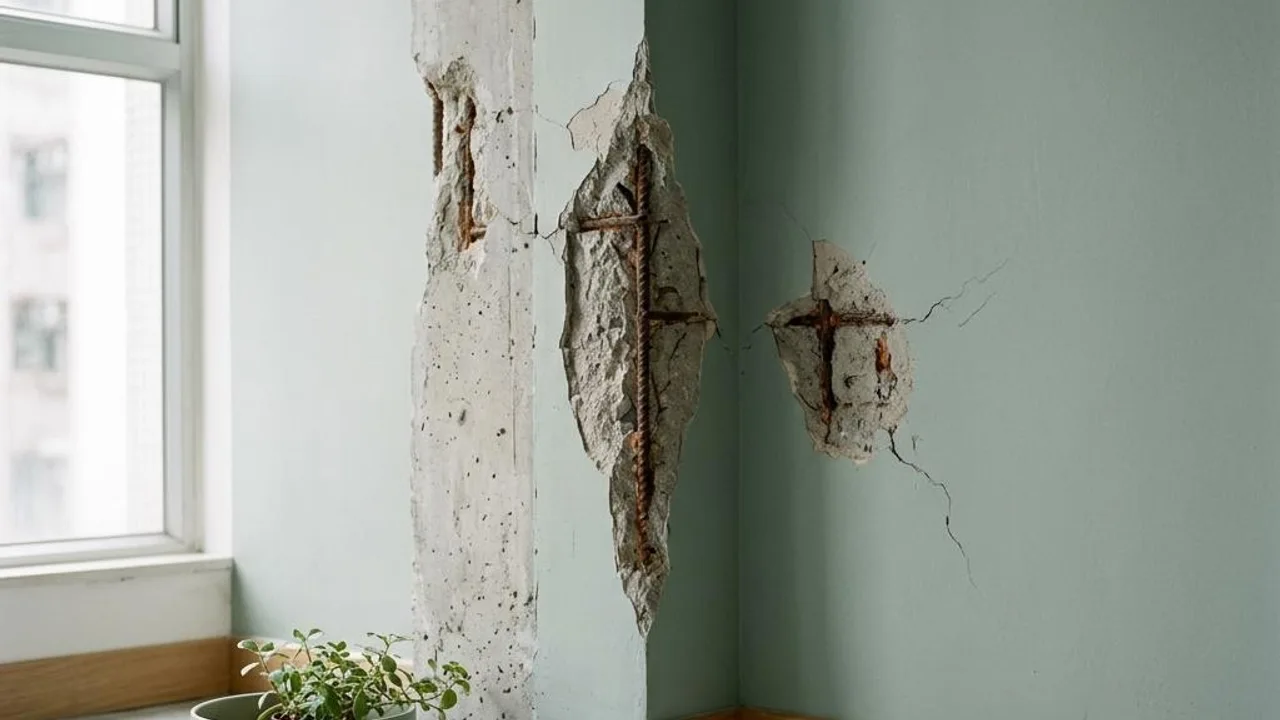
Prevention is Better than Cure: What Risks Can OPO Inspection Effectively Avoid?
Property OPO Inspection aims to identify structural, electrical, plumbing, and compliance risks before the deal is closed, assisting buyers in assessing potential repair expenses and legal liabilities, ensuring basic living safety and reducing later financial burdens; it is a vital step for smart property purchases.
Read full article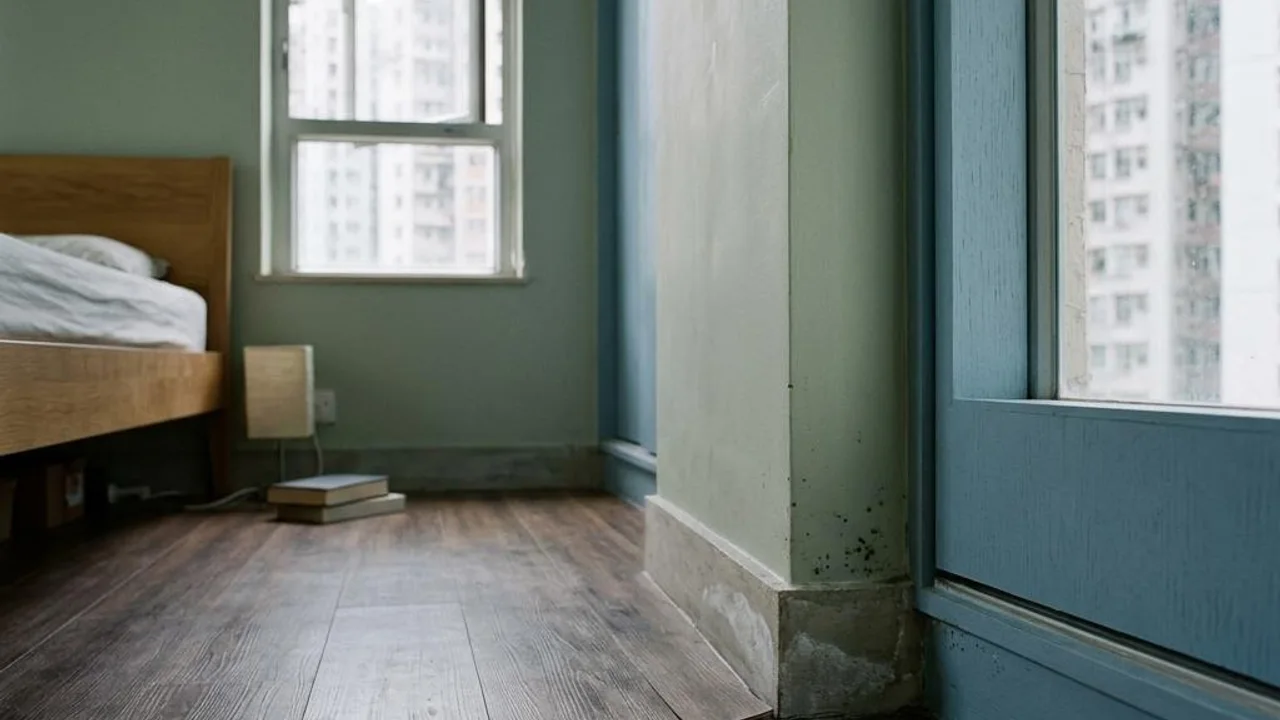
Complete Guide to Key Details of Home Handover and OPO Inspection
Home handover inspection is an important procedure to protect homeowner rights. Through systematic checking of internal equipment, structural details, and environmental conditions, homeowners can identify potential problems early and record them properly, ensuring the unit meets inspection standards and safeguarding long-term living safety.
Read full article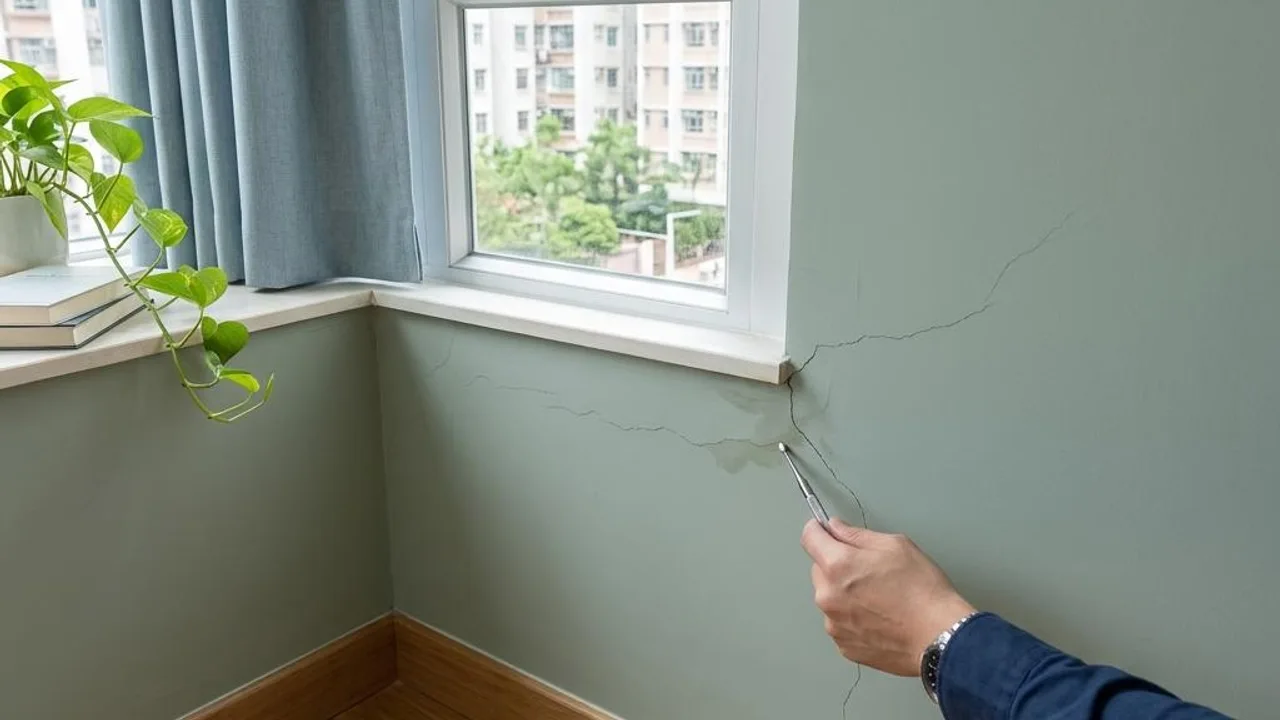
Which Home Inspection Company Should You Choose? Hong Kong Guide 2026
Compare inspection scope, the full quotation, on-site explanations, reports and reinspection terms. Use a practical booking checklist rather than price, item counts or online rankings alone.
Read full article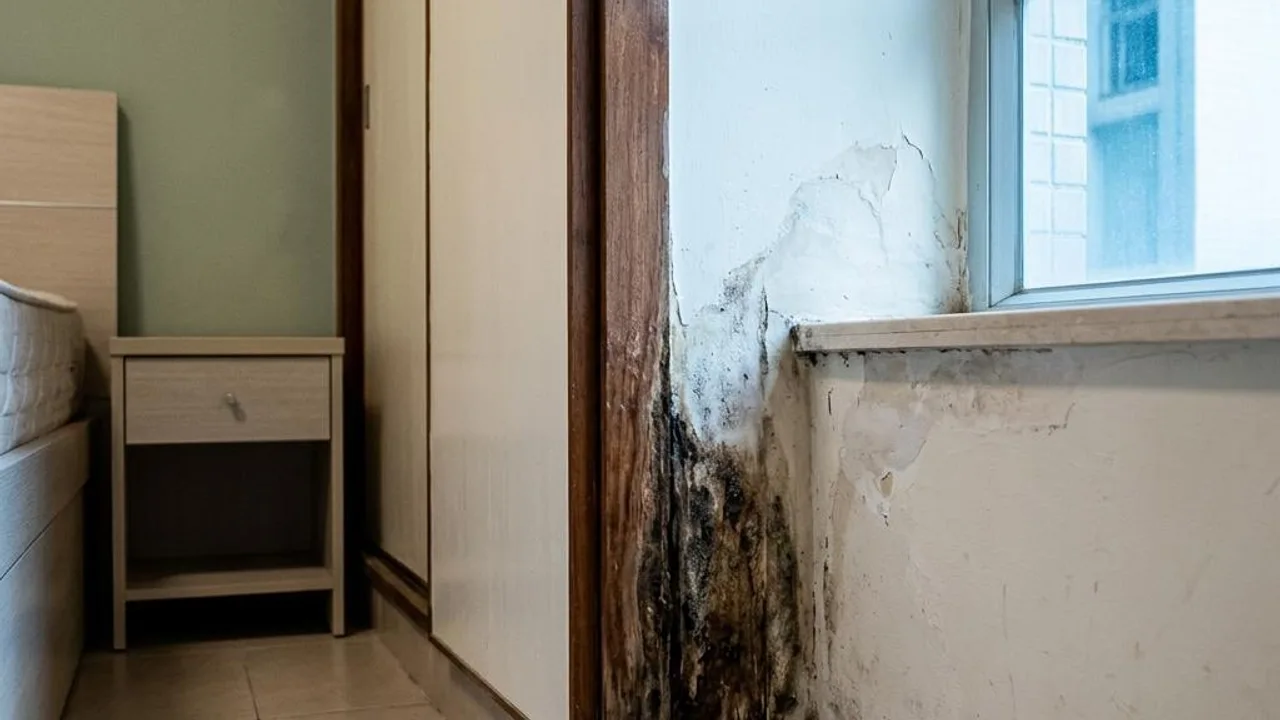
Key OPO Inspection Guide: Why Do Homeowners and Buyers Need to Prioritise Property Inspections?
This guide details the importance of professional OPO Inspection, covering key details such as checking pipe leakage, electrical safety, and wall structure, assisting homeowners in proactively identifying hazards, protecting living safety, and enhancing the long-term value of the property.
Read full article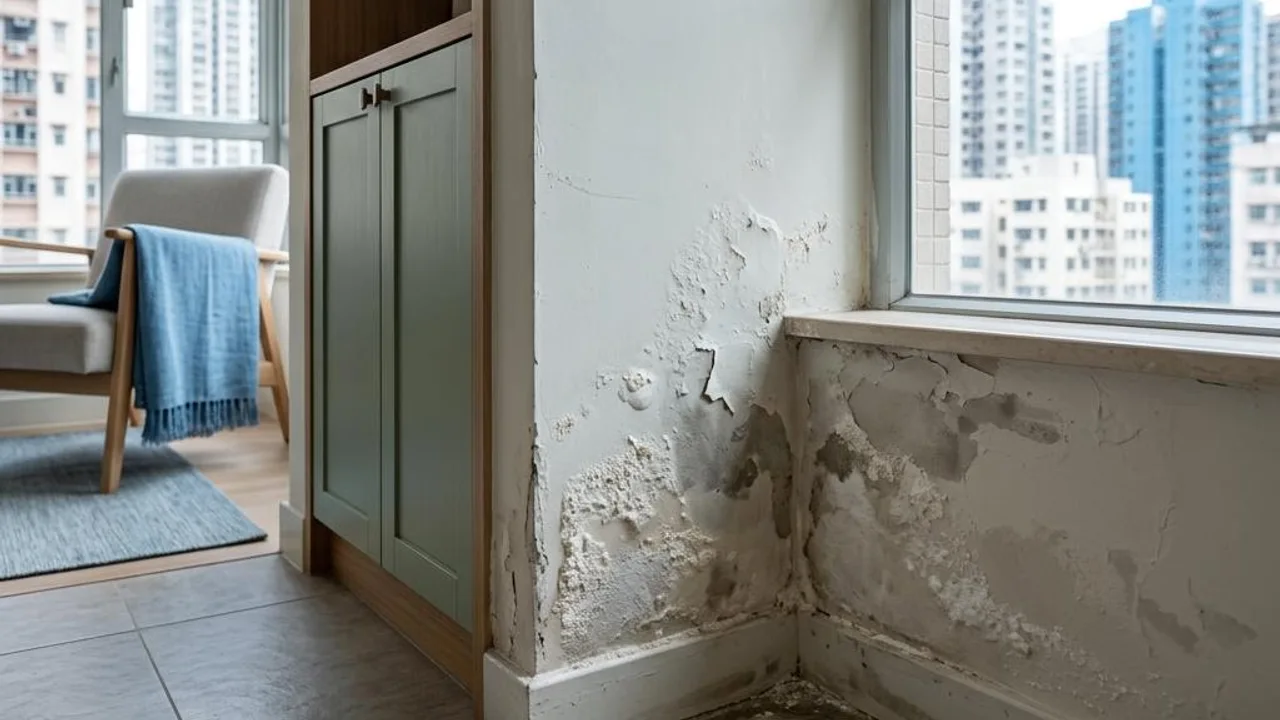
Complete Guide to Property Transaction OPO Inspection: Improving Transparency and Transaction Safety
This article aims to help Hong Kong buyers and sellers understand the importance of professional OPO Inspection. Through systematic checking of unit facilities, structure, and water leakage hazards, it improves the transparency of property transactions and lowers potential risks, ensuring asset value.
Read full article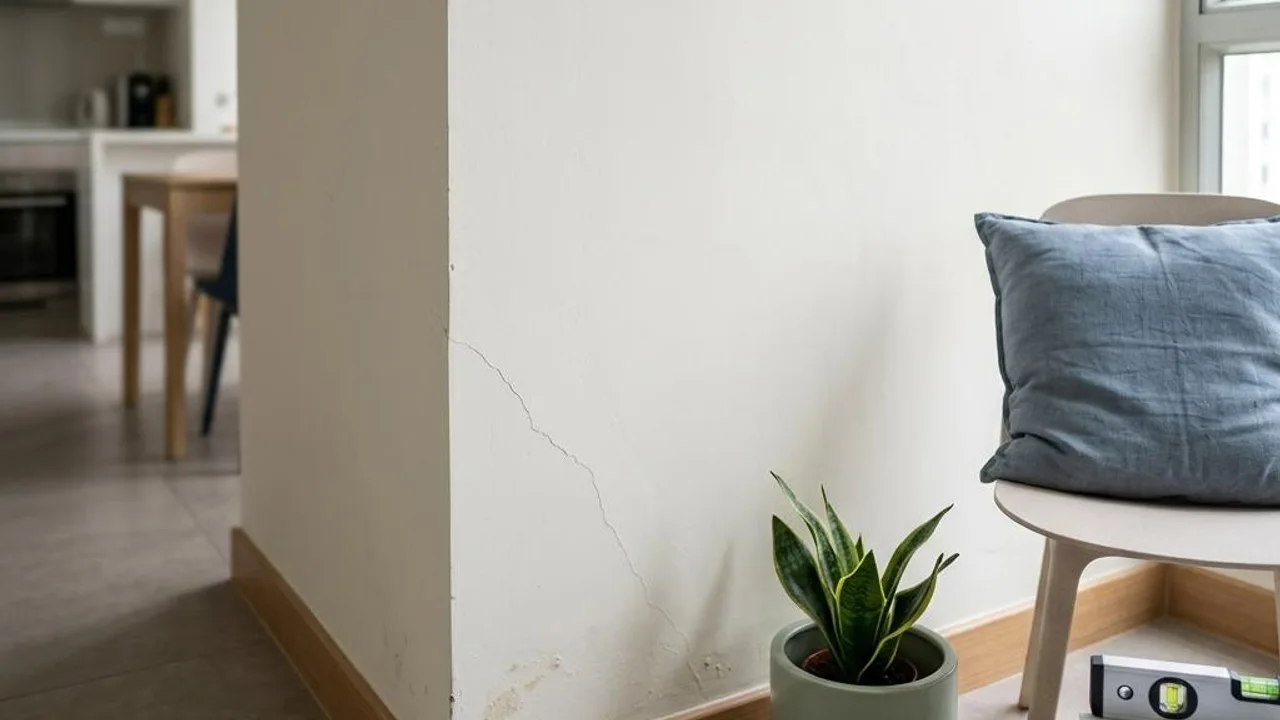
Positive Psychological Impact and Professional Role of OPO Inspection for Home Buyers
OPO Inspection is a vital psychological defence line in the home purchase process. Through professional and objective data testing, it can effectively alleviate the buyer's anxiety regarding hidden works, assist homeowners in establishing rational expectations at handover, and, through clear repair goals, significantly enhance the sense of safety and confidence in decisions regarding living.
Read full article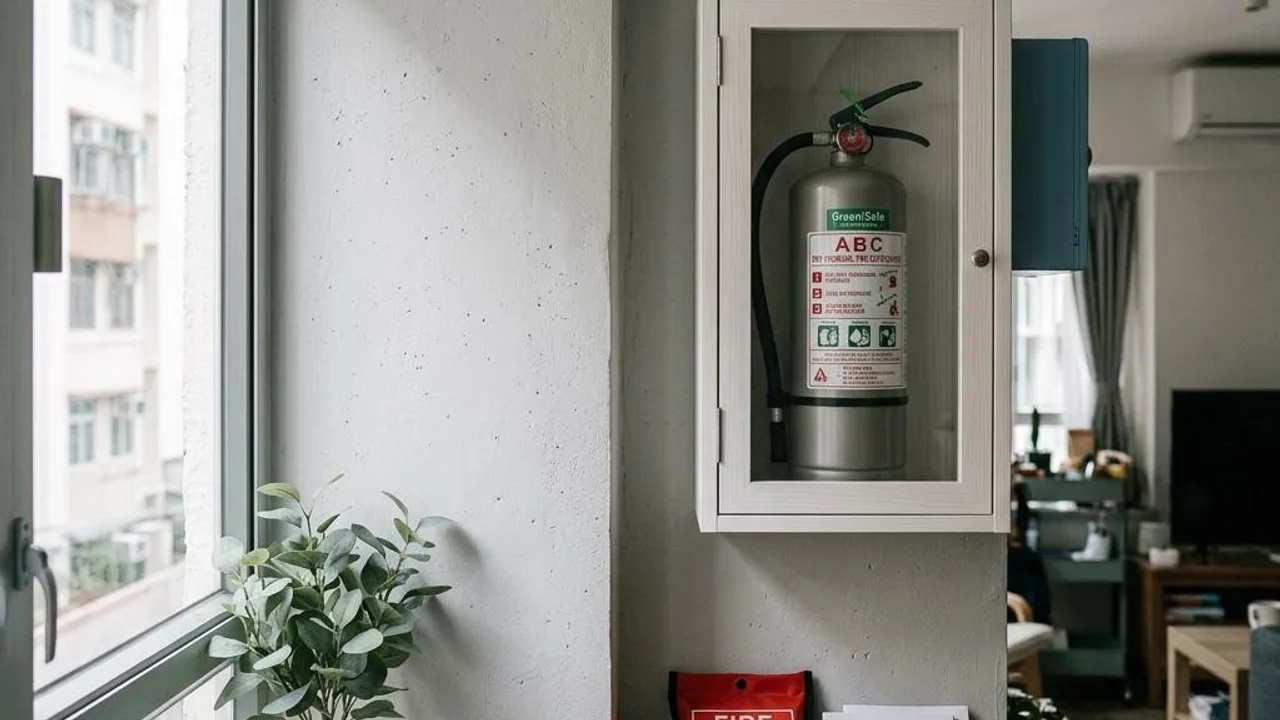
Safety Inspection Priorities Before Residential OPO Inspection and Professional Assessment Guide
This article summarises key aspects of home safety, providing practical inspection advice from five dimensions: electricity, gas, plumbing, structure, and fire safety, assisting homeowners in mastering indoor hidden worries and hiring professionals for timely follow-up handling.
Read full article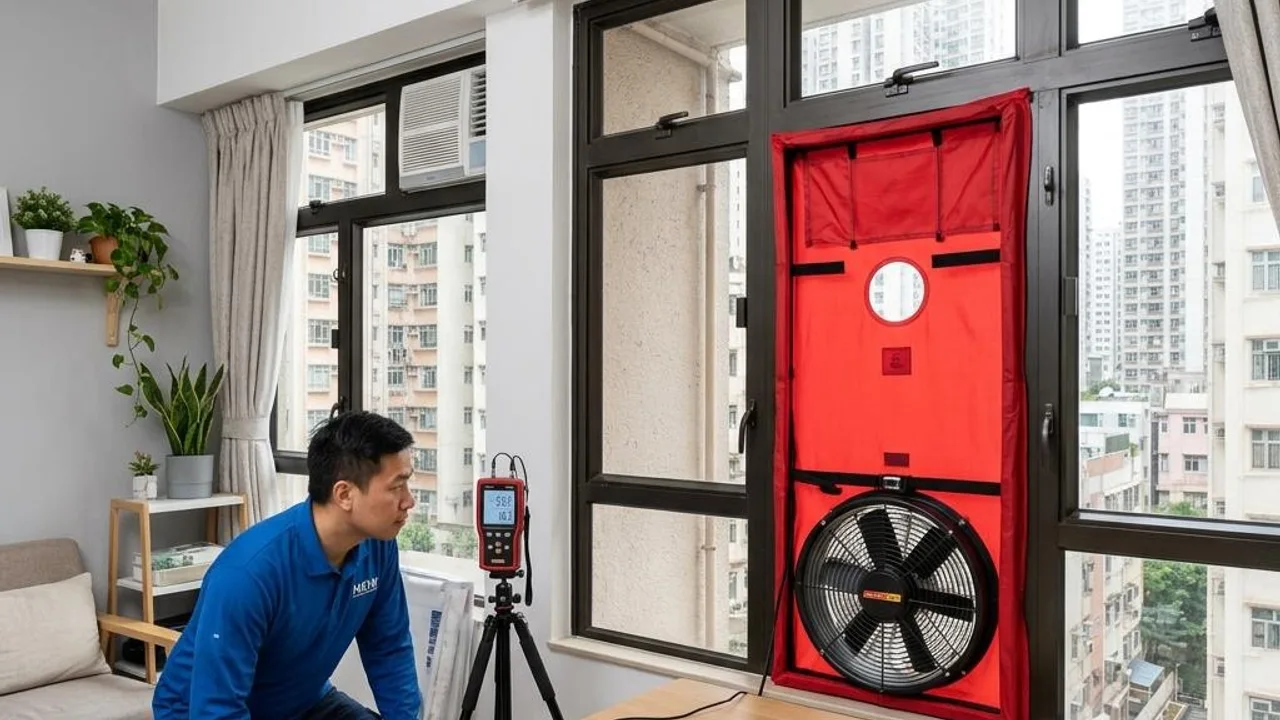
How to Correctly Assess the Airtight Performance of Home Windows?
This article introduces how homeowners can assess window airtightness through visual and simple physical tests. Good sealing can improve energy efficiency and sound insulation. If hardening, cracks, or continuous draughts are found, professional technical support should be sought for repair to maintain the living environment and structural safety.
Read full article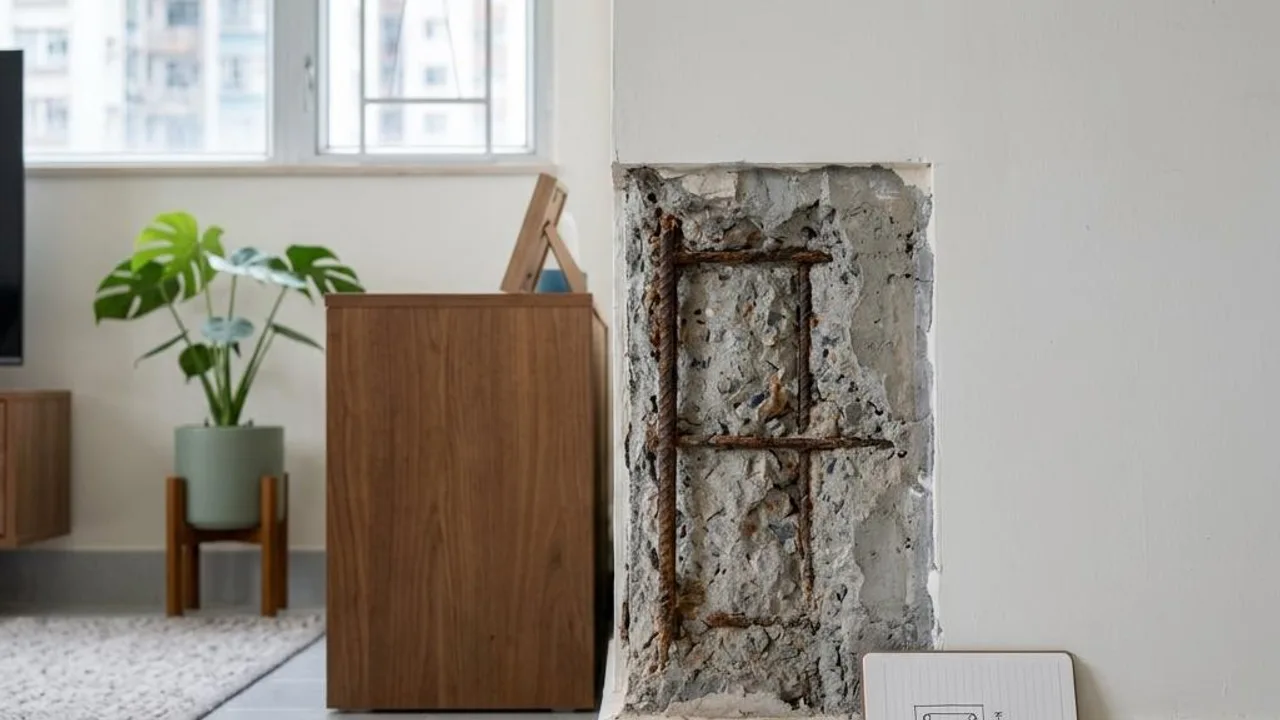
How to Ensure Transparency in the Residential Building OPO Inspection Process?
This article aims to explain how to increase the transparency of residential building OPO Inspection through standardised inspection processes, detailed reports, and open communication. Homeowners can thereby understand their property's condition and learn how to collaborate with professionals to ensure living safety and quality.
Read full article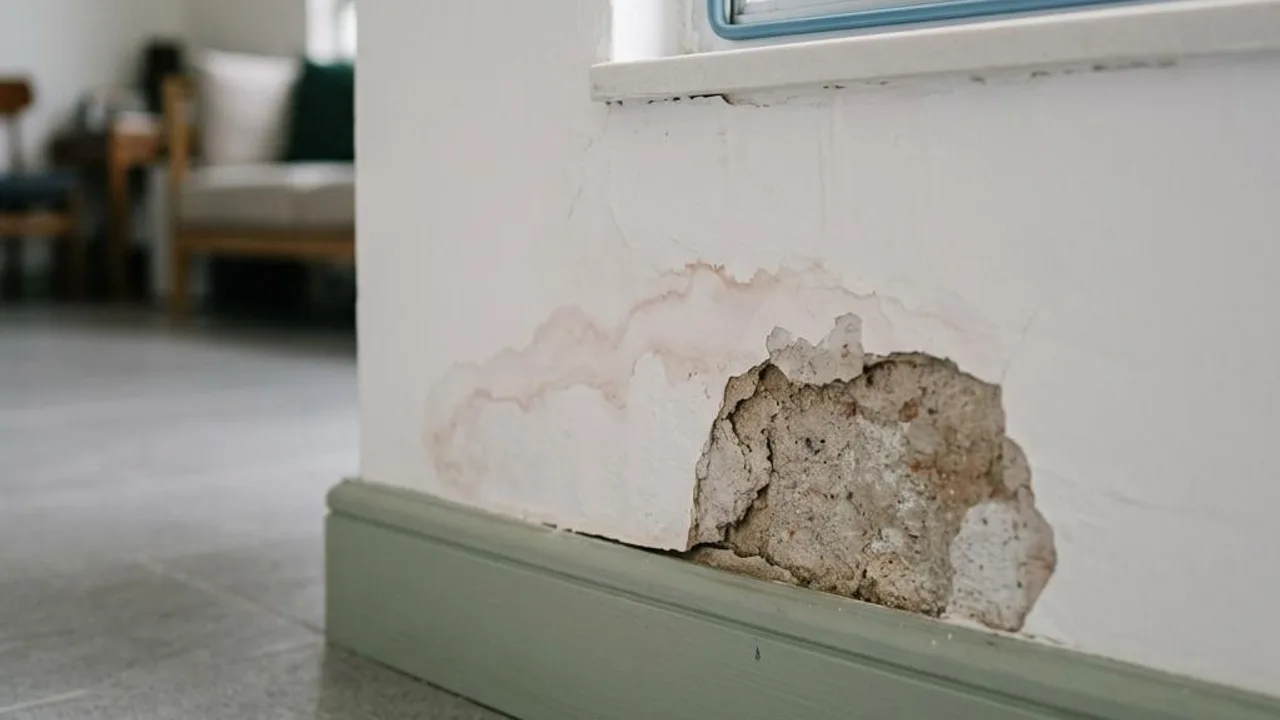
Key Details That Cannot Be Ignored in Building OPO Inspection
Building OPO Inspection covers key areas such as structure, plumbing and electricity, ventilation, and fire protection. Through professional observation and assessment, homeowners can effectively identify hazards, ensure living safety, and provide the necessary basis for subsequent repairs and maintenance, ensuring property quality.
Read full article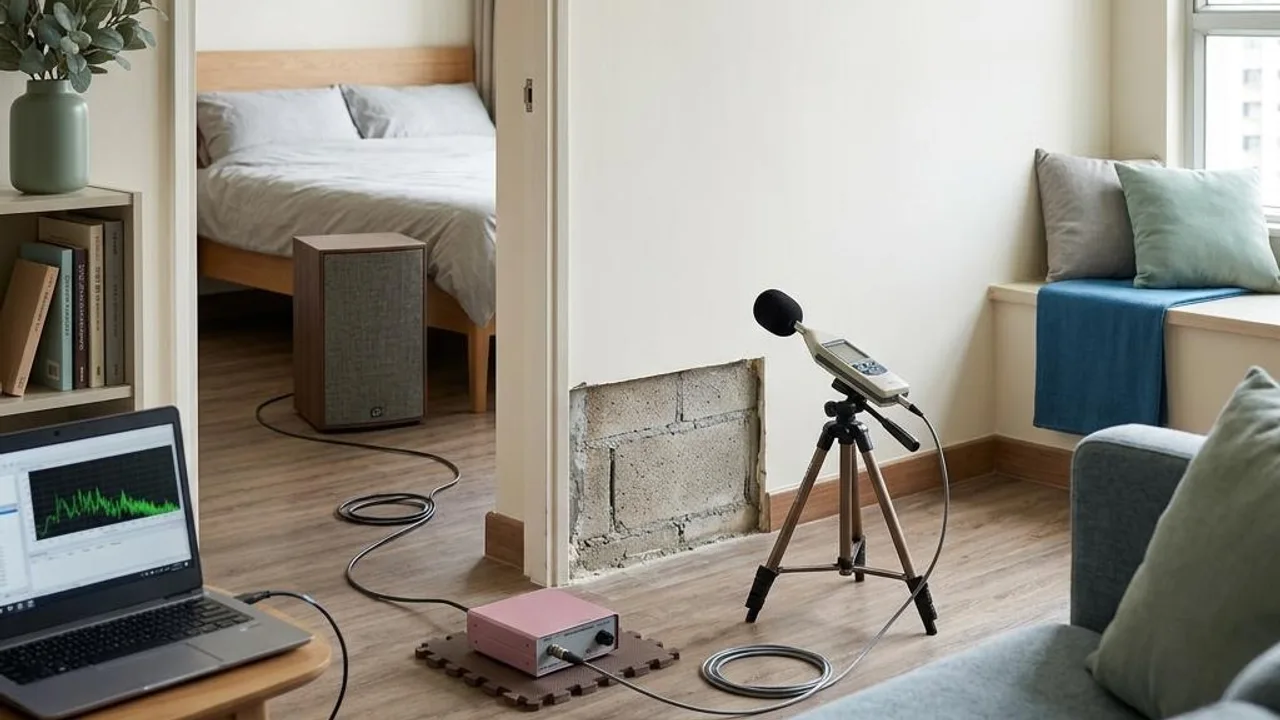
Noise and Acoustic Environment Testing During OPO Inspection
This article explores acoustic environment testing during OPO Inspection, covering environmental noise measurement, structural sound insulation performance analysis, vibration testing, and indoor reverberation performance assessment, helping homeowners identify potential acoustic problems to improve living quality.
Read full article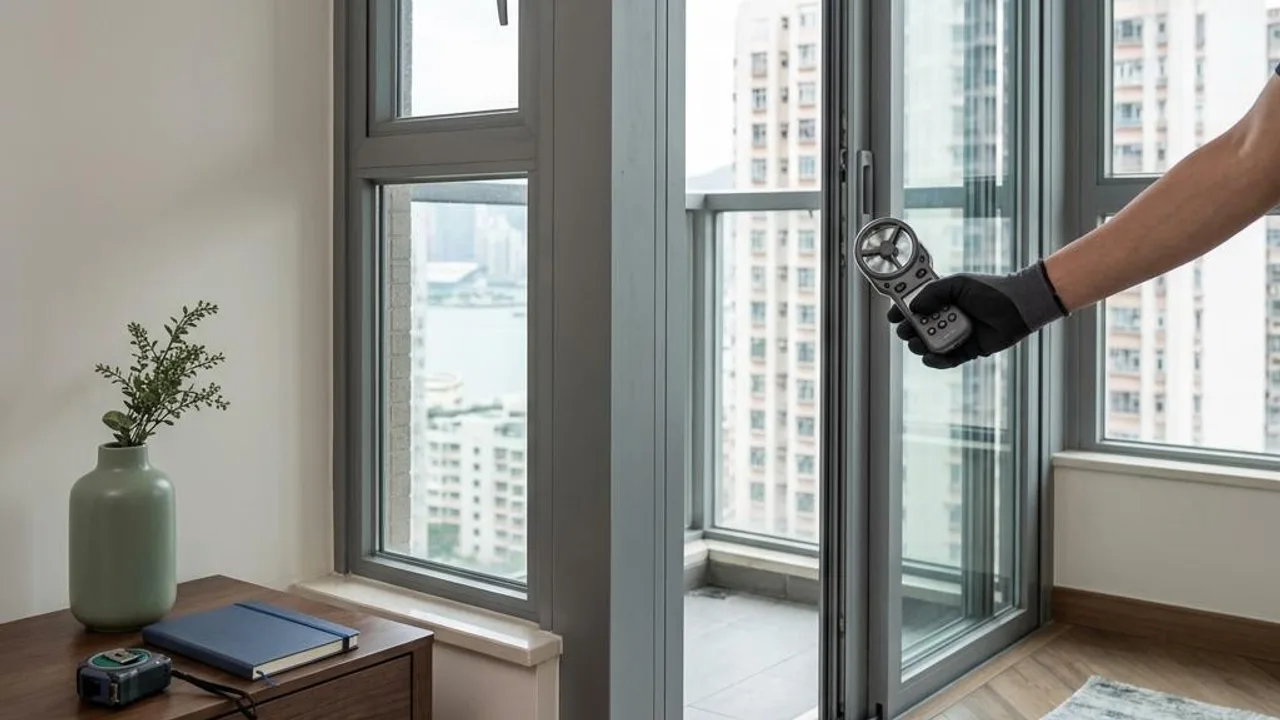
Complete Guide to OPO Inspection: Sealing Performance Testing for Windows and Doors
This article aims to help Hong Kong homeowners master the sealing performance testing techniques for windows and doors. By observing window frame seams, sealing strips, and door lock tightness, homeowners can timely identify potential leakage and ventilation problems, and when significant structural defects are found, seek professional contractors for targeted repairs.
Read full article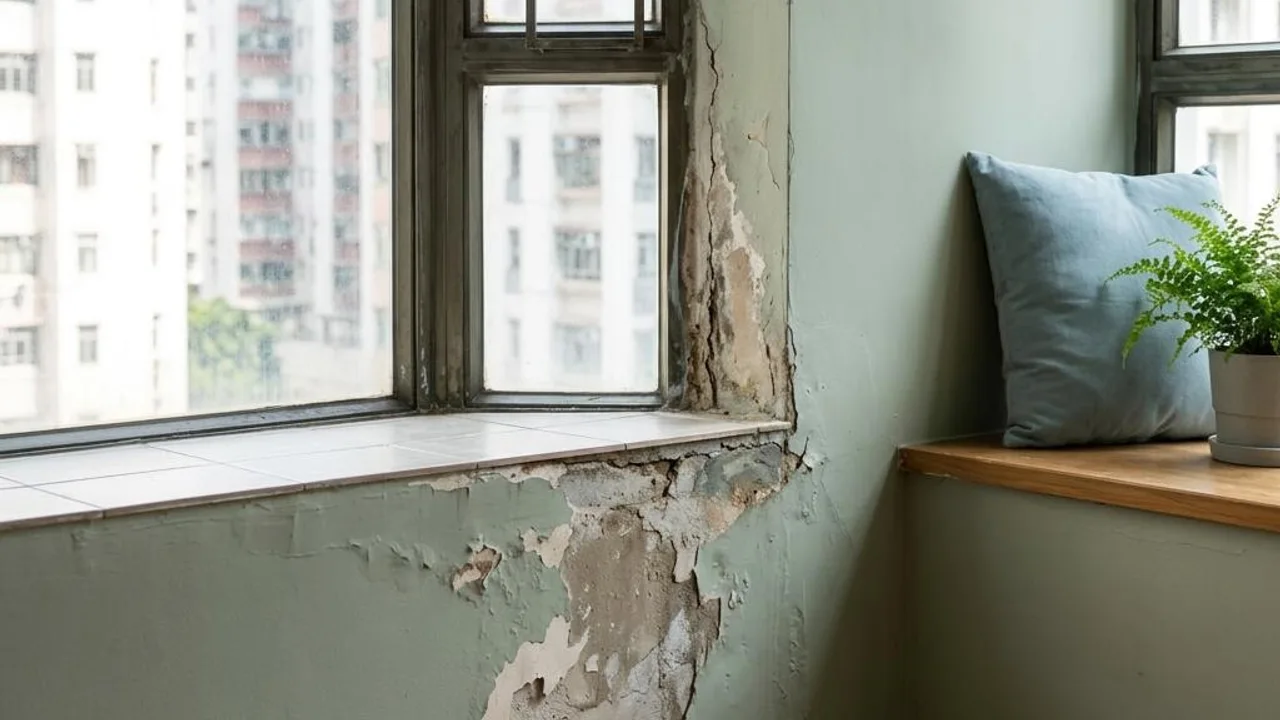
Complete Guide to OPO Inspection: Key Steps to Safeguard Property Rights
Professional OPO Inspection helps homeowners reveal hidden construction defects at handover, clarify the actual state of the property, and, through objective testing and professional advice, protect the legal rights, repair budget, and long-term asset value of the property buyer.
Read full article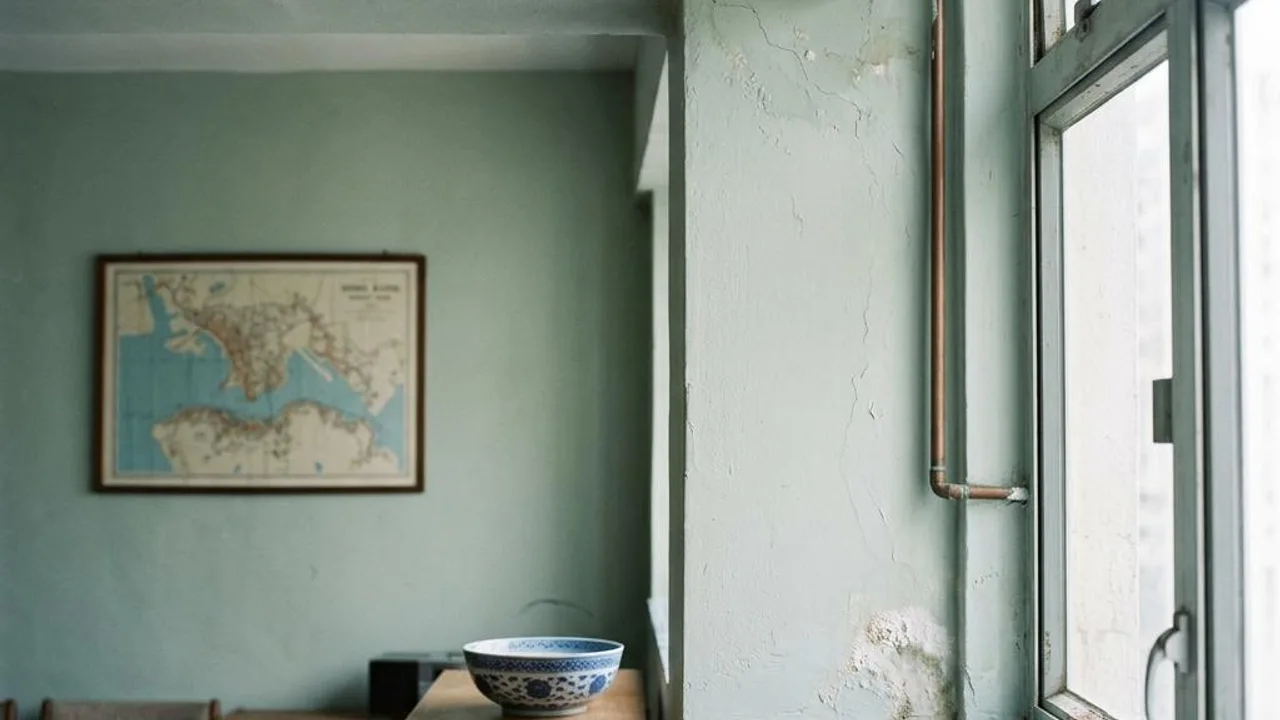
Residential OPO Inspection Frequency Suggestions: Safeguarding Property Value and Living Safety
Regular residential inspection is key to maintaining property structural safety and asset value. Through systematic routine inspections and professional assessment, homeowners can identify hazards early, shifting from passive repair to active prevention, ensuring a durable and stable living environment.
Read full article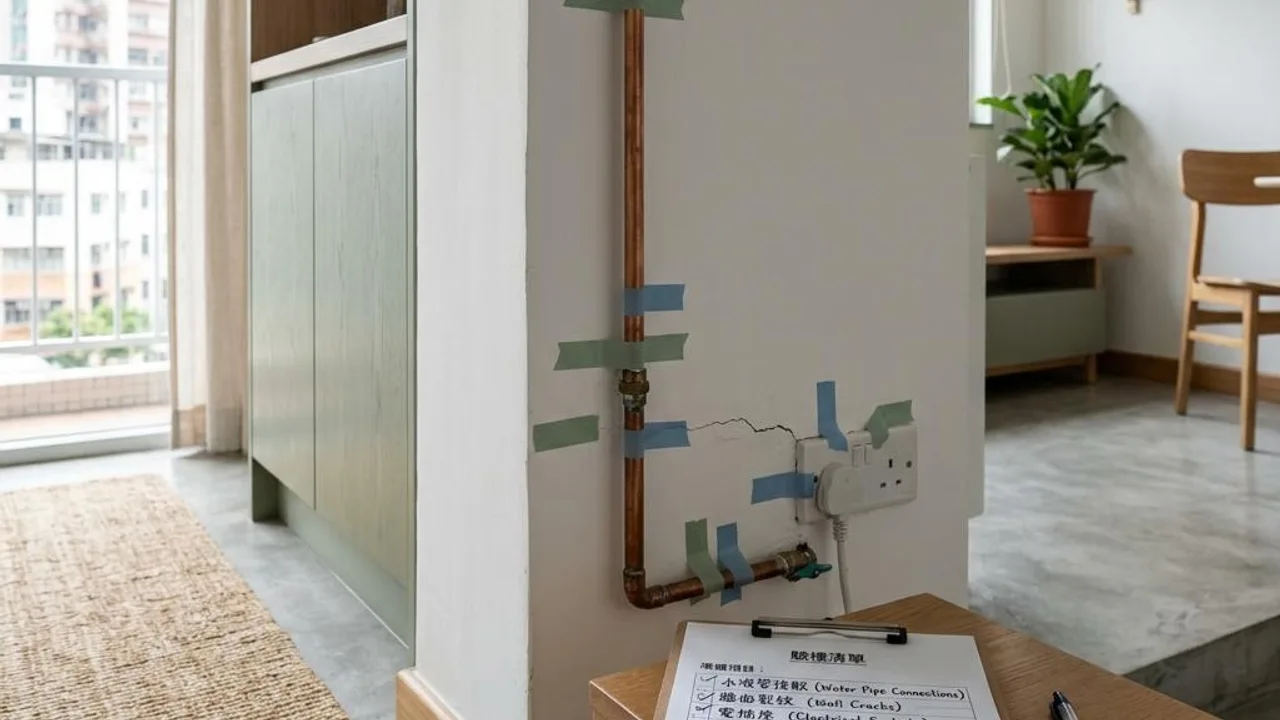
Compiling a Home OPO Inspection Checklist: Essential Guide for Handover and Property Inspection
This guide details the core scope of home OPO Inspection, covering inspection priorities for structure, plumbing, electricity, and renovation craftsmanship, assisting homeowners in systematically recording potential problems and seeking professional advice to ensure the safety and quality of the living environment.
Read full article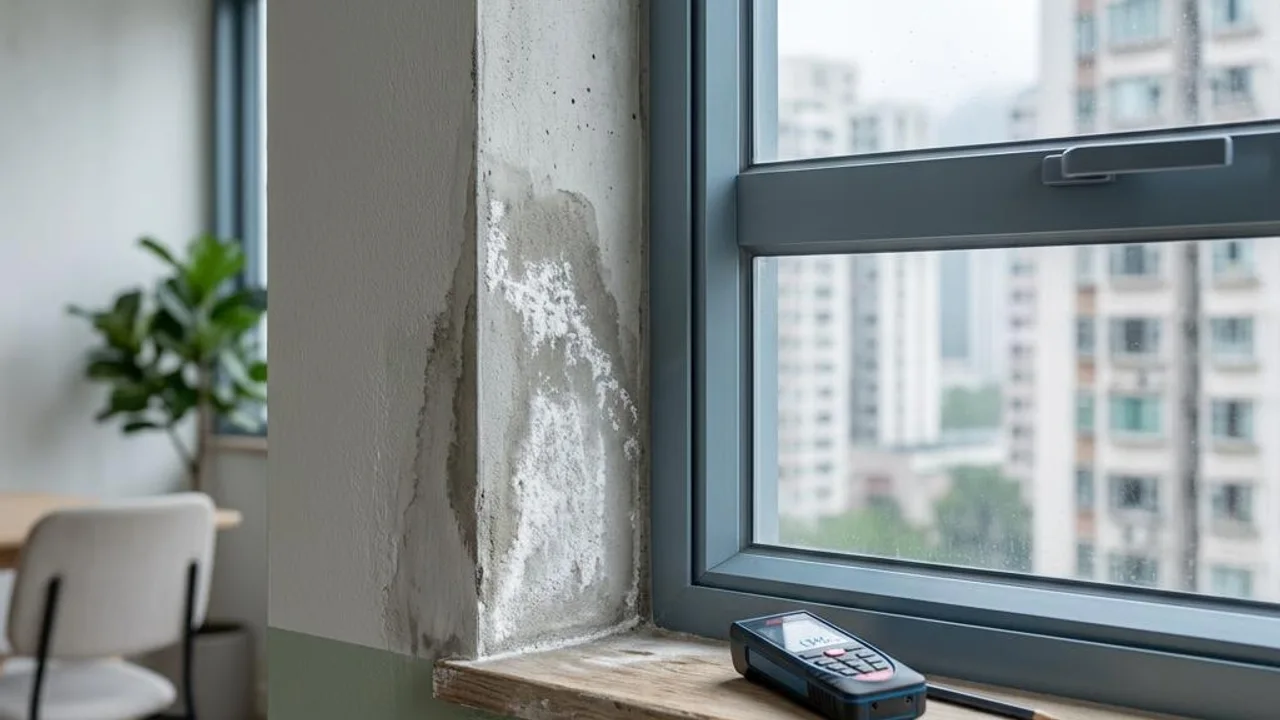
Guide to OPO Inspection Timing: Best Inspection Times for New and Old Properties
Mastering the appropriate OPO Inspection timing is vital to ensuring property quality. This guide suggests inspection deadlines for new and second-hand properties, the effect of seasons on test results, and how to coordinate the inspection process, helping homeowners comprehensively identify hazards.
Read full article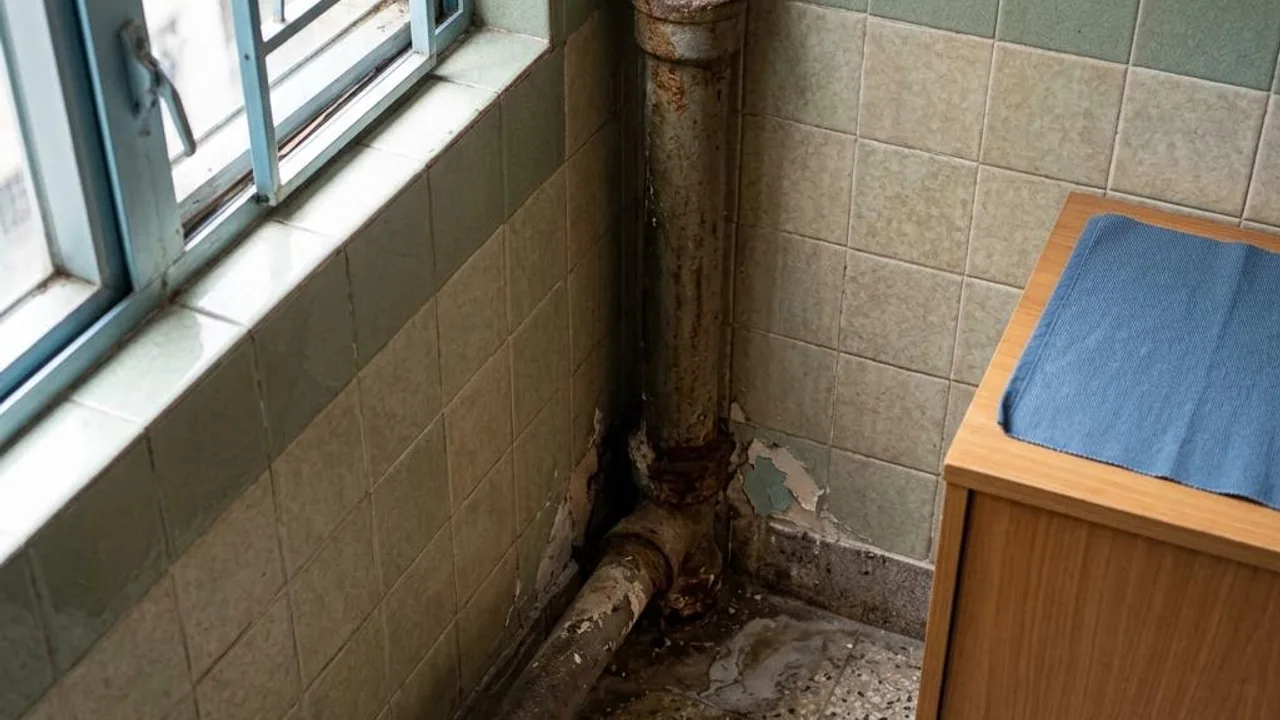
Professional OPO Inspection Practices: Differences and Strategies for New and Old Residential Inspections
OPO Inspection provides professional property inspection services focusing on differences between new and older buildings, conducting in-depth assessments of structural safety, finishes, and electrical/plumbing systems. By using professional equipment to identify potential hazards, we help property owners understand the condition of their premises and ensure their living environment meets safety and quality standards.
Read full article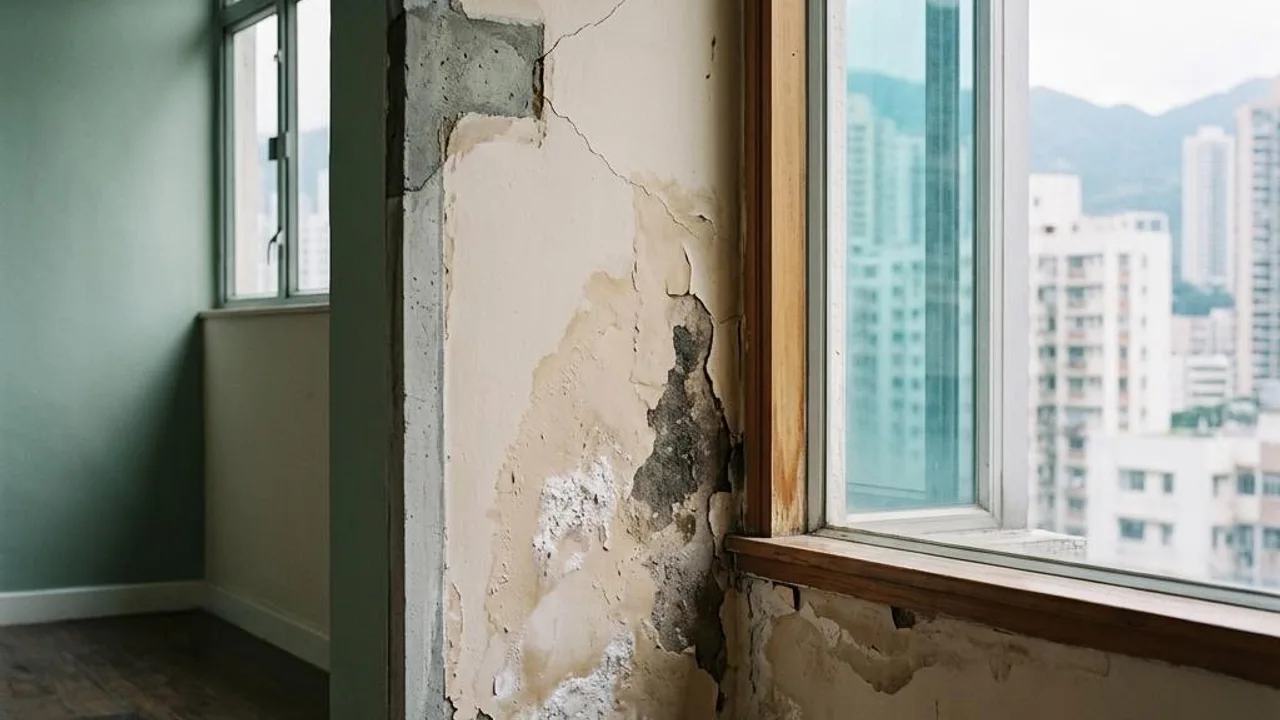
Property inspection guide to avoiding common traps when taking possession of a new home.
This article explores the core process of property inspection upon handover, covering definitions of inspection responsibilities, professional selection criteria, interpretation of reports, and key points for on-site participation, helping owners identify potential defects in their new home and develop reasonable defect rectification plans.
Read full article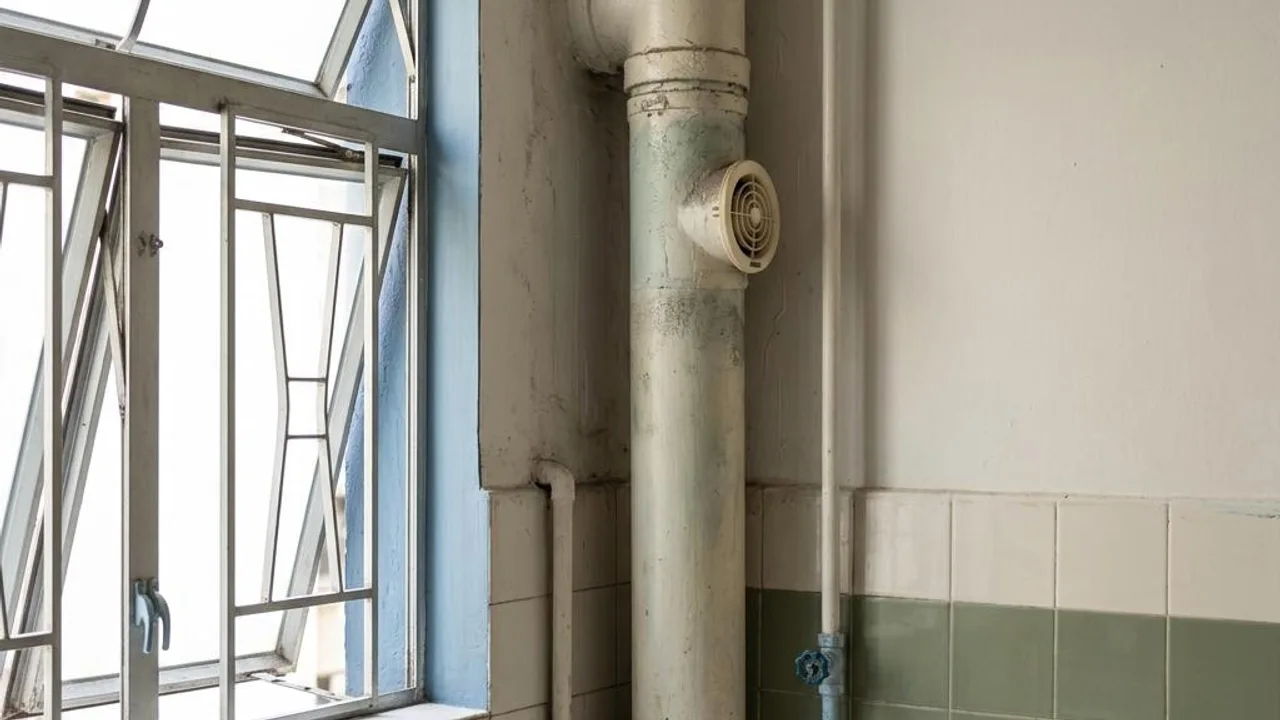
Home air circulation: A guide to the inspection and maintenance of building ventilation systems.
This article introduces basic inspection and maintenance recommendations for residential ventilation systems, helping owners check exhaust equipment, identify poor ventilation spots, and improve indoor air quality and home comfort through proper maintenance.
Read full article
An integrated strategy for property inspection and maintenance.
Property inspection is key to ensuring living standards; combining systematic testing with continuous maintenance allows for early identification of seepage, electrical, plumbing, and structural defects, enabling homeowners to scientifically plan repairs and maintain property value and safety in the long term.
Read full article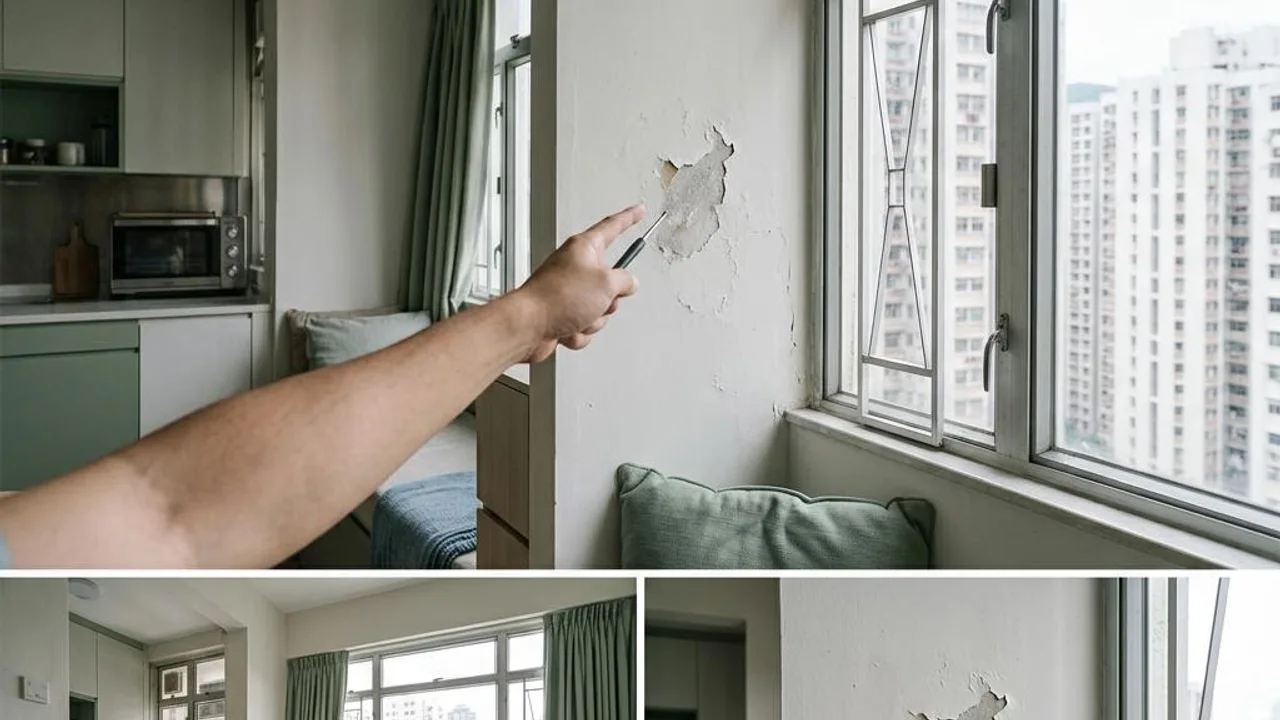
The importance of building inspection: From owner responsibility to property value preservation.
This guide details owners' obligations regarding mandatory window inspection, home electrical safety management, indoor environment maintenance, and property value preservation strategies. It instructs owners on how to use professional testing to identify hazards and implement preventative maintenance to ensure a safe living environment and asset value.
Read full article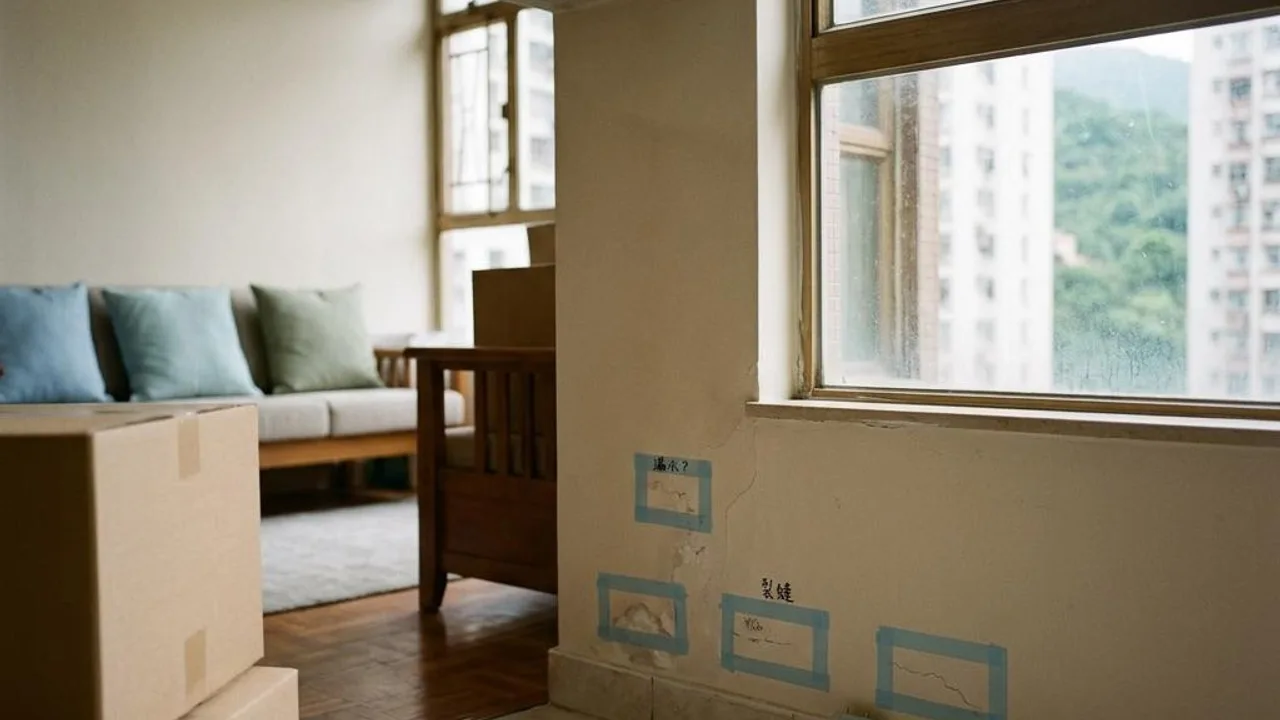
Preparation for property inspection upon handover: Checklist, documents, and environment arrangements.
Thorough preparation is required before property inspection, including scheduling, organising documents like contracts and floor plans, and creating a personalised inspection checklist. Keep the unit clean and promptly report concerns regarding water seepage or electrical systems to professionals to ensure the inspection process is precise and effective.
Read full article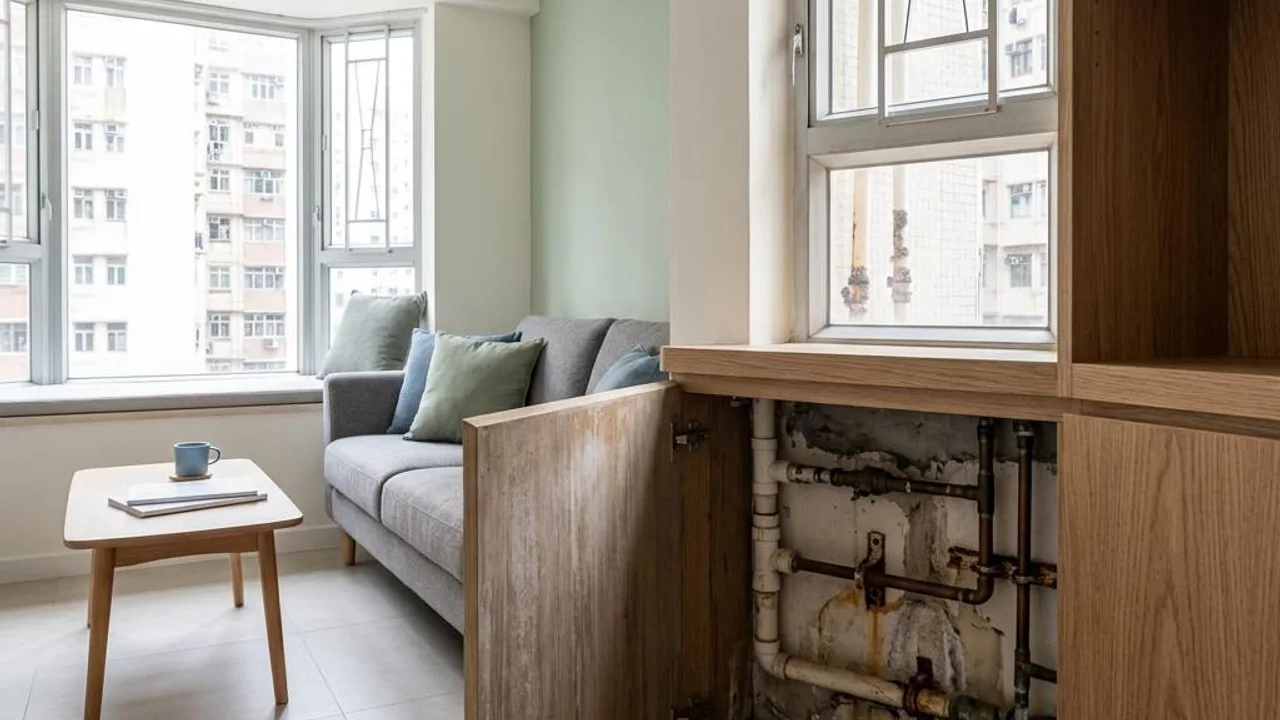
Second-hand property inspection guide: A comprehensive assessment of structure, electrical/plumbing, and renovations.
When purchasing a second-hand property, a comprehensive review must be conducted across five aspects: structural safety, electrical and plumbing functionality, environmental quality, renovation finishes, and legal title, using professional assessments to confirm potential risks and ensure investment safety.
Read full article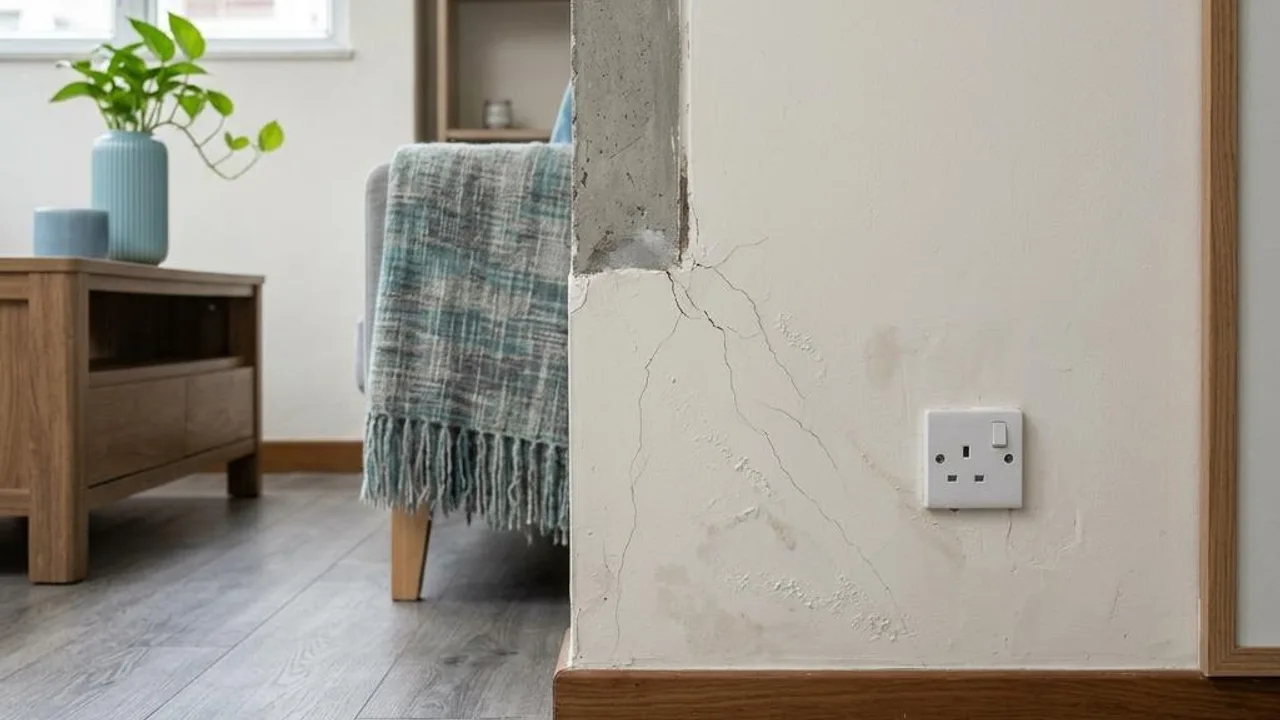
The importance and necessity of building inspection.
This article explores the importance of building inspection for home safety, property value, and compliance, teaching owners how to identify potential structural, electrical, plumbing, and legal risks early through regular checks and professional assistance to maintain asset health.
Read full article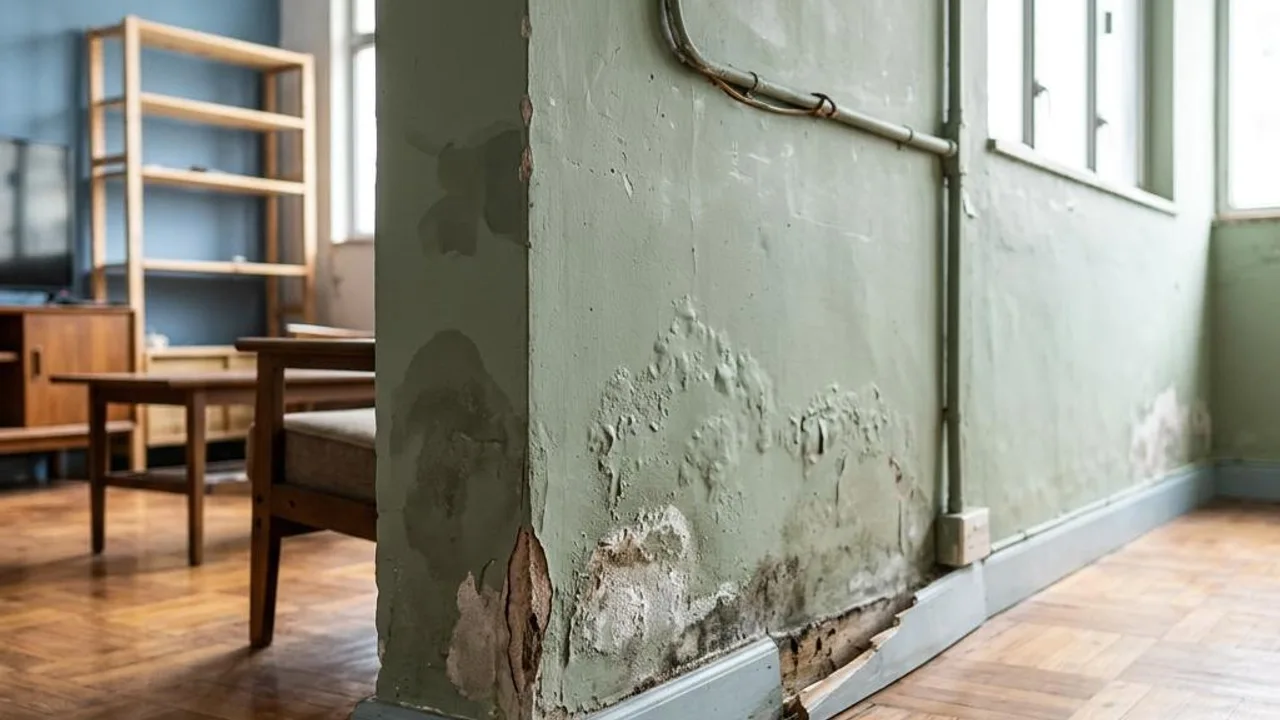
The practical significance of property inspection for homebuyers.
Homebuyer property inspection can identify structural flaws and hidden plumbing/electrical hazards, strengthening negotiation leverage and helping owners understand the true state of the property, providing stable support and confidence for long-term asset maintenance and management.
Read full article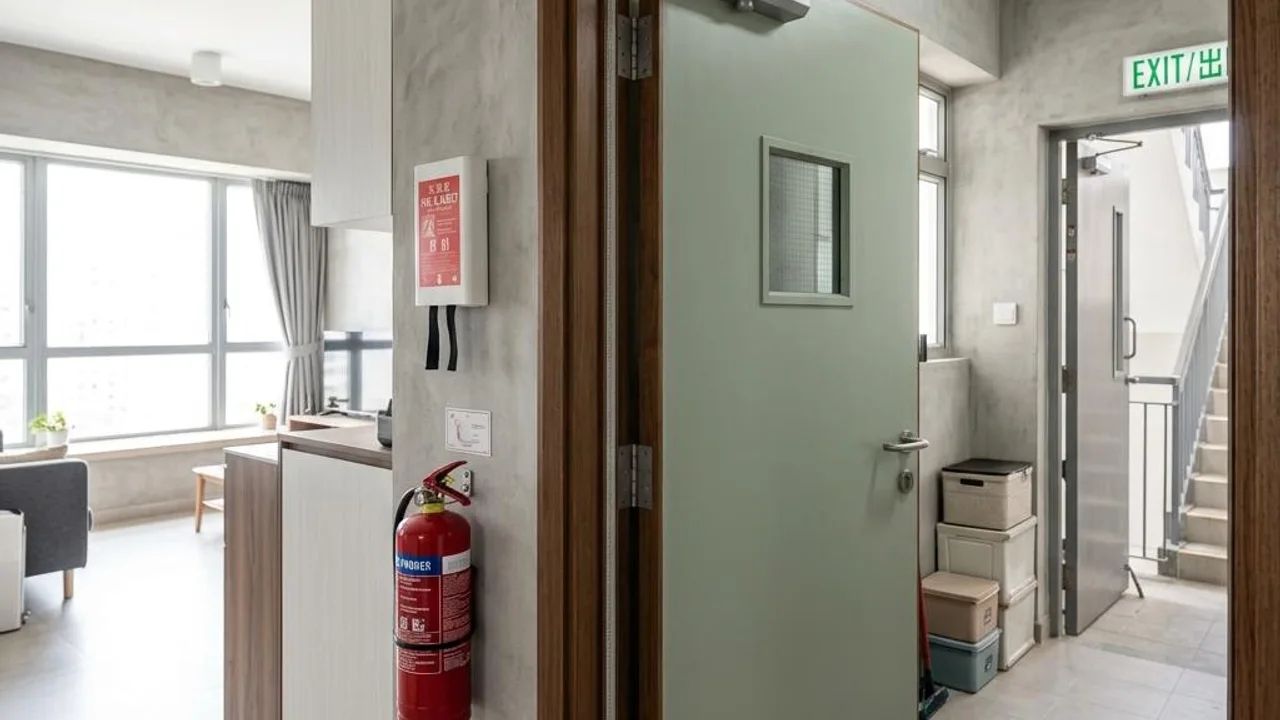
Home fire safety inspection guide: Prevention and maintenance priorities.
Home fire safety requires regular inspection of alarm systems, fire extinguishers, escape routes, and electrical facilities. Combined with professional assessments, this ensures the safety of the residence, prevents fire hazards, and protects the lives and property of occupants.
Read full article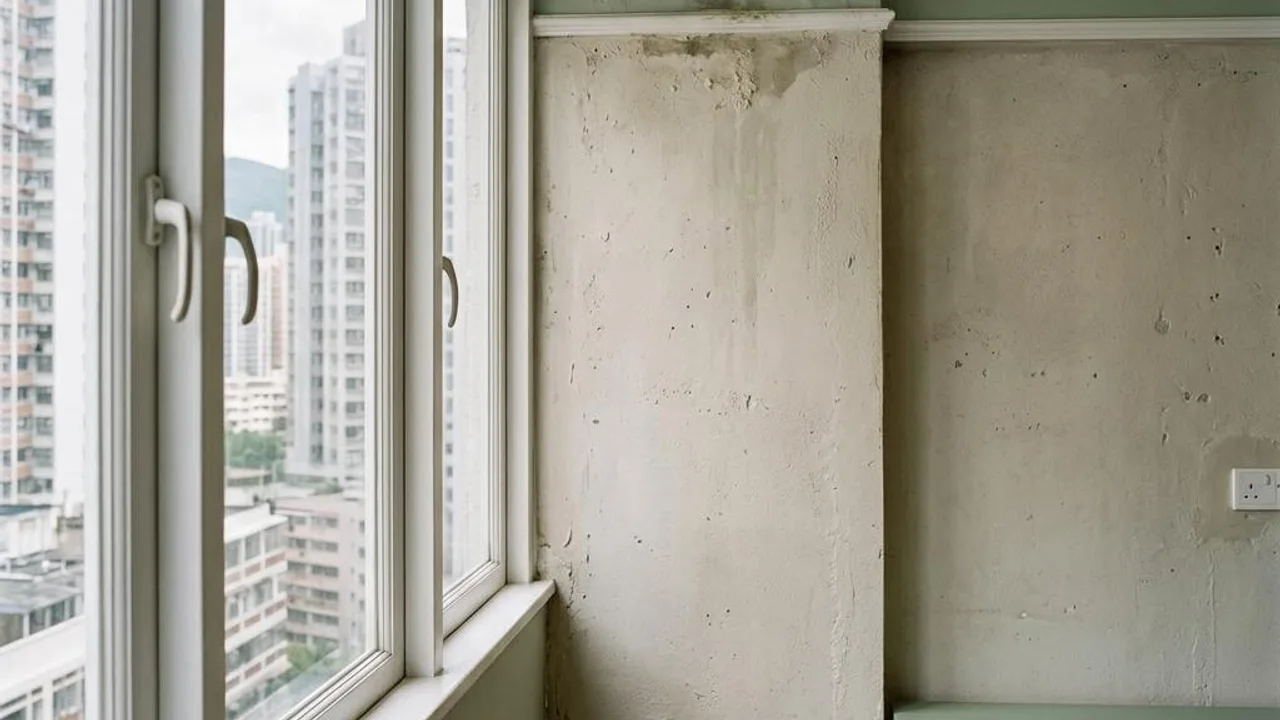
Property inspection guide: Common housing defects and key points for professional identification.
This guide details key inspection points for common residential defects such as structural issues, plumbing/electrical, ventilation, and sound insulation, helping owners master observation points, detect potential problems early, ensure a safe and comfortable home environment, and understand when to hire professionals.
Read full article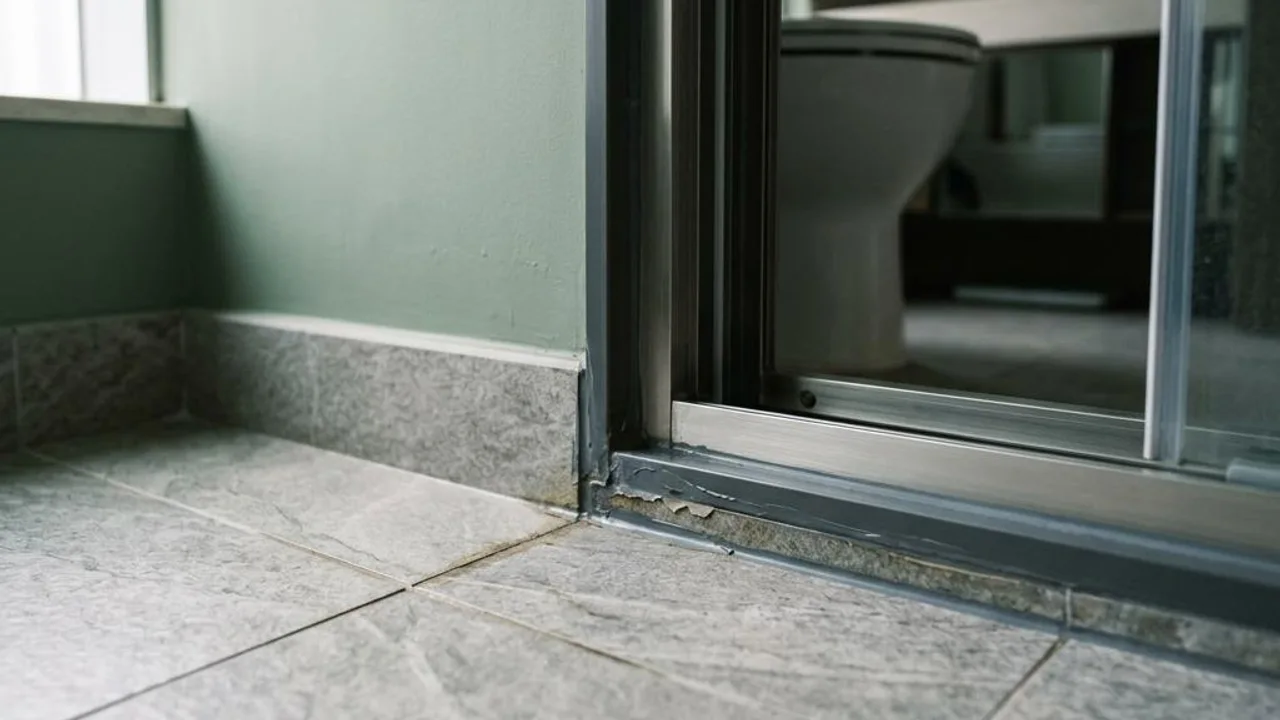
Property inspection guide for waterproofing: Protecting the home from seepage.
This guide details core items for waterproofing inspection during property handover, covering key points for external walls, roofs, and basement seepage. It assists owners in identifying potential hazards and protecting living safety through professional assessment to avoid future high repair costs and lifestyle disruptions caused by water leakage.
Read full article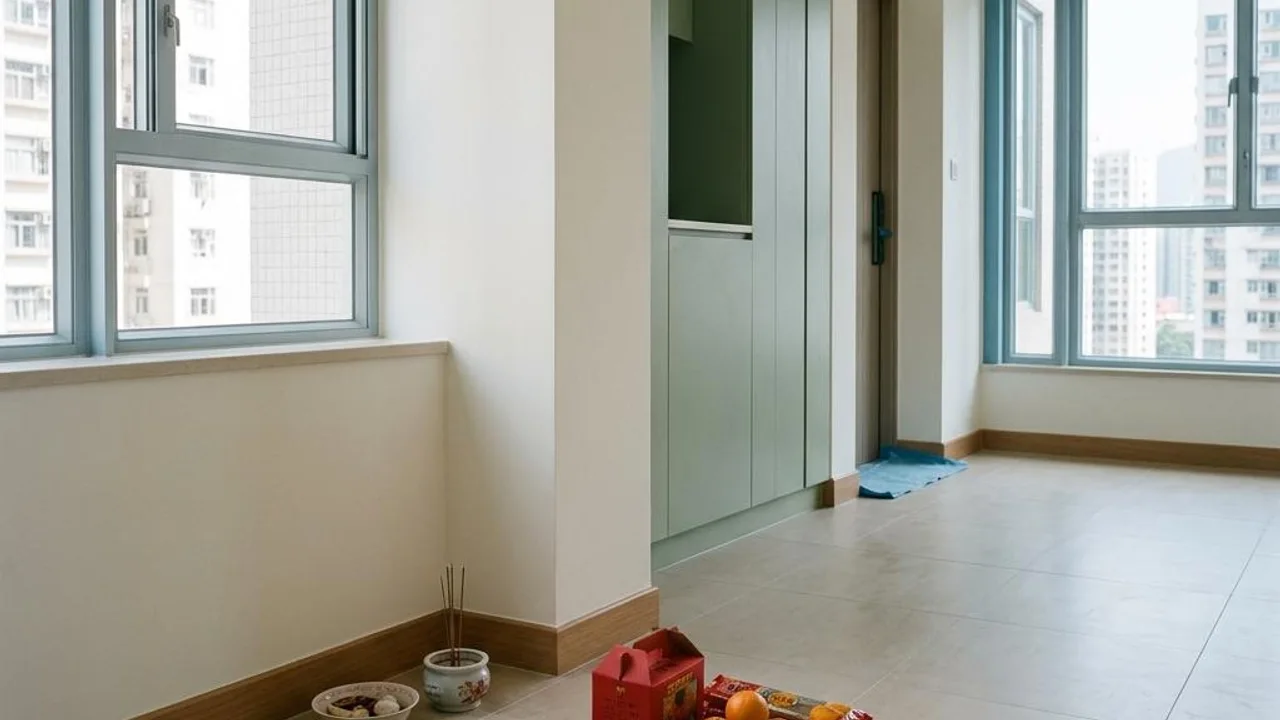
Customs of 'worshipping the four corners' before moving in: Traditional rituals and modern life practices.
This article explores the cultural significance, ritual preparations, and execution flow of the pre-move-in 'worshipping the four corners' custom. It combines modern living perspectives to explain how to establish a stable psychological and living environment for a new home while maintaining traditional sincerity and prioritising the safety of property inspection.
Read full article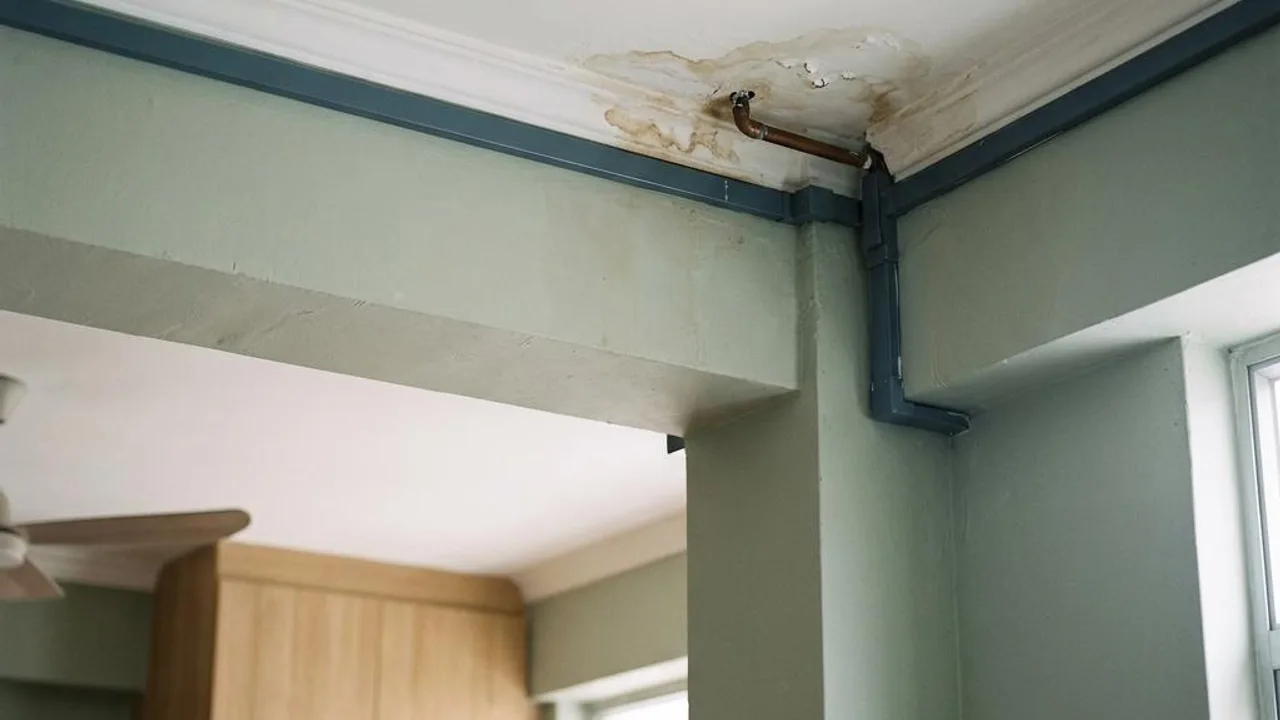
A comprehensive guide to home ceiling inspection.
This article introduces key points for home ceiling inspection, helping owners master methods for observing structural safety, signs of water seepage, and the stability of equipment installation, while providing practical advice for professional follow-up.
Read full article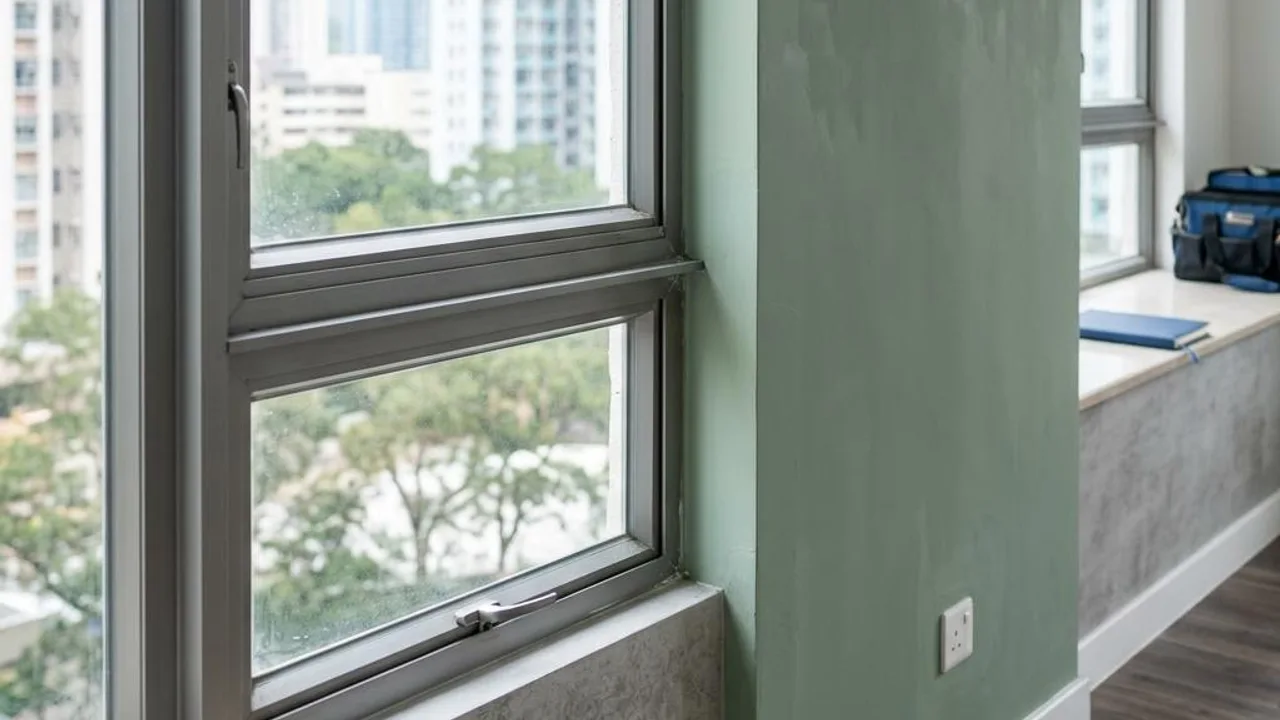
Comparison of property inspection priorities and detailed testing for new versus second-hand properties.
This article analyses differences between new and second-hand property inspections, delving into key inspection areas like structural cracks, seepage, circuits, and illegal alterations, while clarifying points owners should note regarding maintaining residential safety and legal responsibilities.
Read full article
Door and window screw inspection: Key details to ensure home stability.
This article discusses the importance of inspecting door and window screws during property inspection, guiding owners on how to record potential safety hazards through systematic observation and suggesting seeking professional assistance when loose or rusted screws are found, ensuring the structural stability of doors and windows and the safety of the home.
Read full article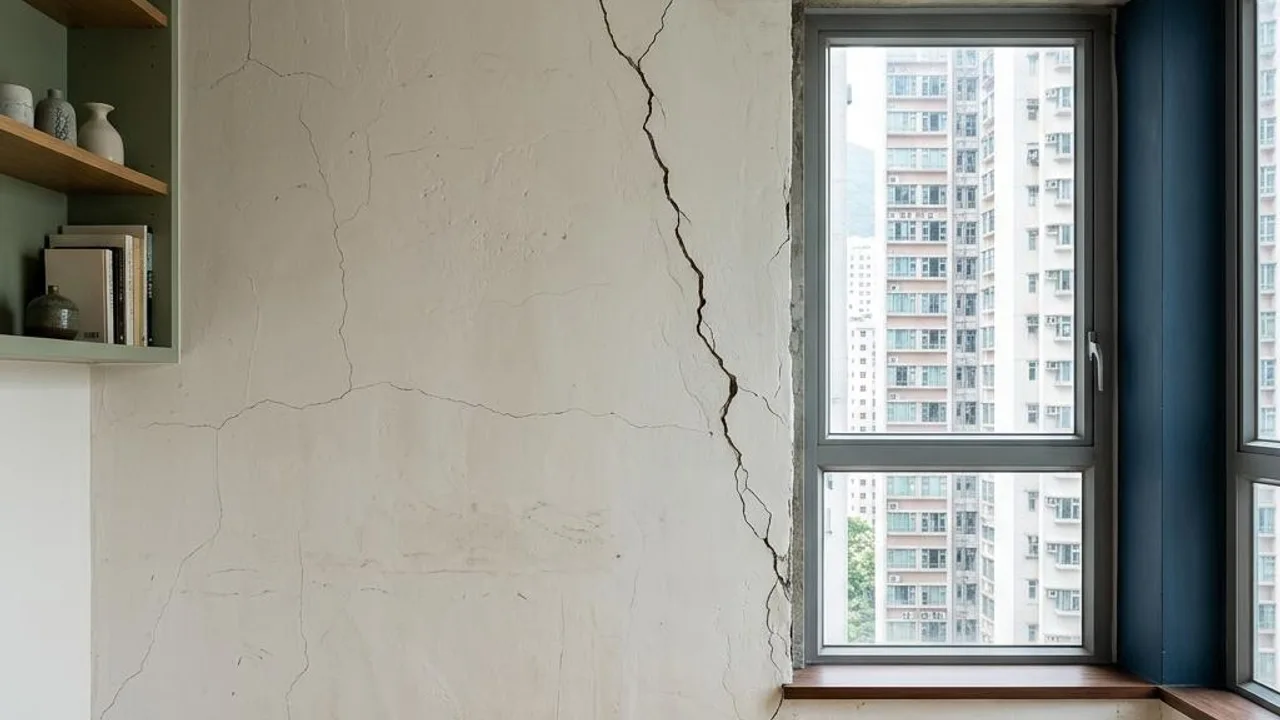
Wall crack handling during property inspection: Assessment methods and effective resolution strategies.
When wall cracks are discovered during a property inspection, causes must be analysed. Through careful observation and recording of crack patterns, distinguish between surface blemishes and structural hazards, and request repairs from qualified personnel within the maintenance period to ensure home safety and integrity.
Read full article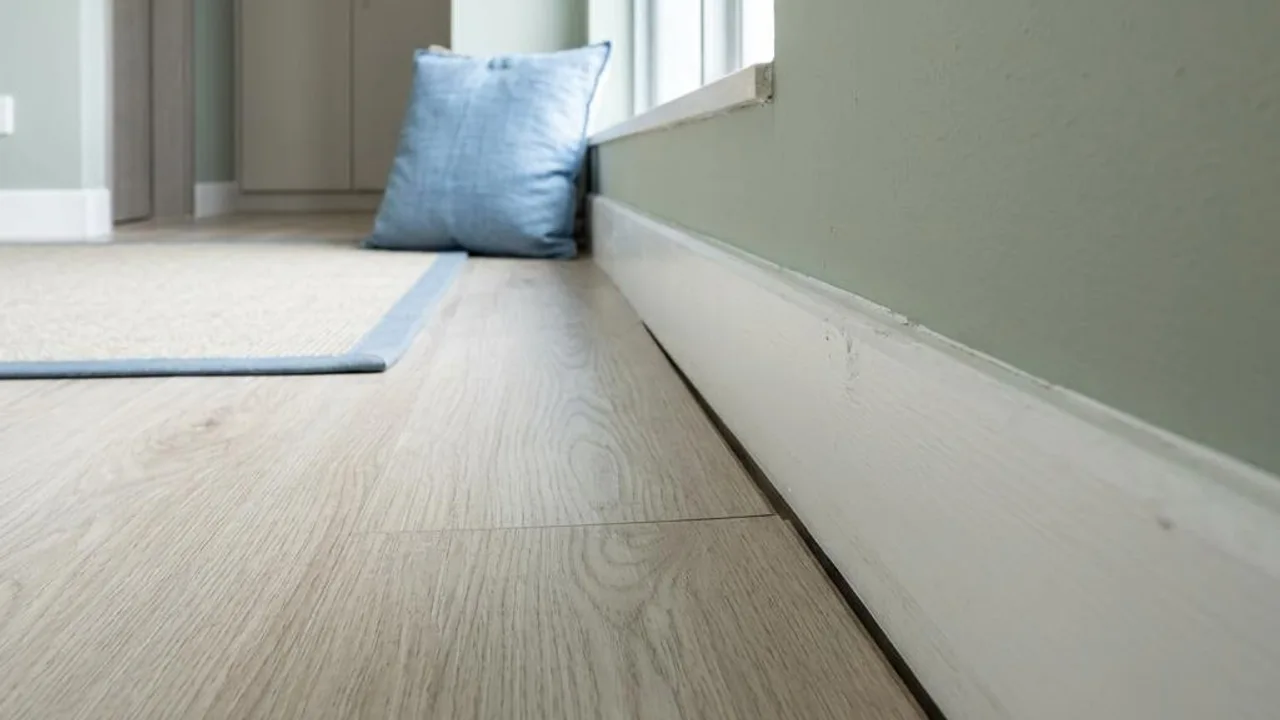
How to inspect and resolve floor unevenness during property inspection?
This article discusses inspection techniques, potential causes, and environmental effects of uneven residential flooring, explaining how owners can assess severity, and providing appropriate repair recommendations and professional consultation methods for different types of damage.
Read full article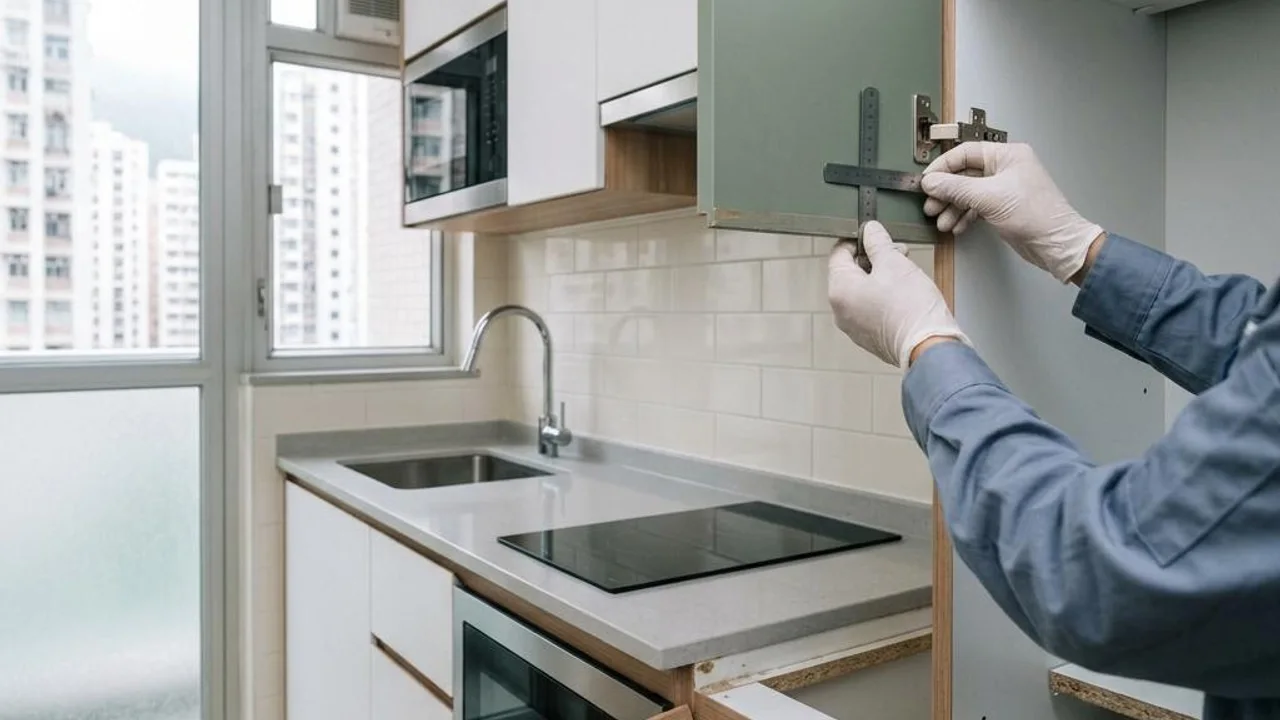
Kitchen inspection details: Key points for cabinet assessment.
As the heart of the kitchen, cabinets must be inspected rigorously for structural stability, smoothness of hardware and hinges, and edge-sealing details. This guide helps owners master inspection points to ensure furniture durability; if structural hazards are encountered, consulting a professional is recommended.
Read full article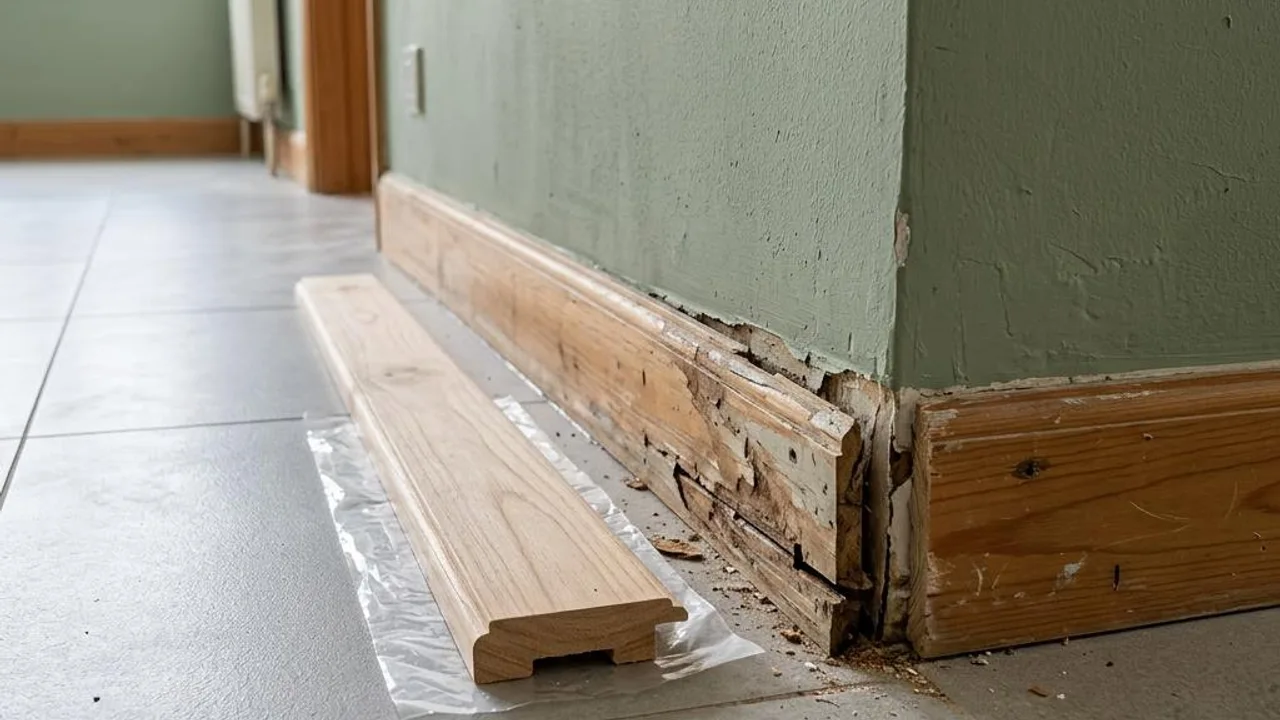
Key steps for property inspection: Skirting board inspection and maintenance guide.
As an important barrier for the home, skirting boards not only provide practical functions like covering gaps and protecting corners, but their installation quality directly affects visual aesthetics. This article compiles key inspection techniques, repair strategies for common damage, and maintenance advice, helping you master this subtle yet critical piece of property inspection knowledge to ensure the base of walls are clean and structurally sound.
Read full article
Property inspection priority: Identify and resolve door and window noise problems.
This article aims to help owners identify the causes of unusual noises from doors and windows in the home. Through property inspection testing methods and professional repair advice, you can learn how to assess sealing structures, mechanical friction, and installation levels, thereby taking the correct maintenance actions to protect residential living quality and safety.
Read full article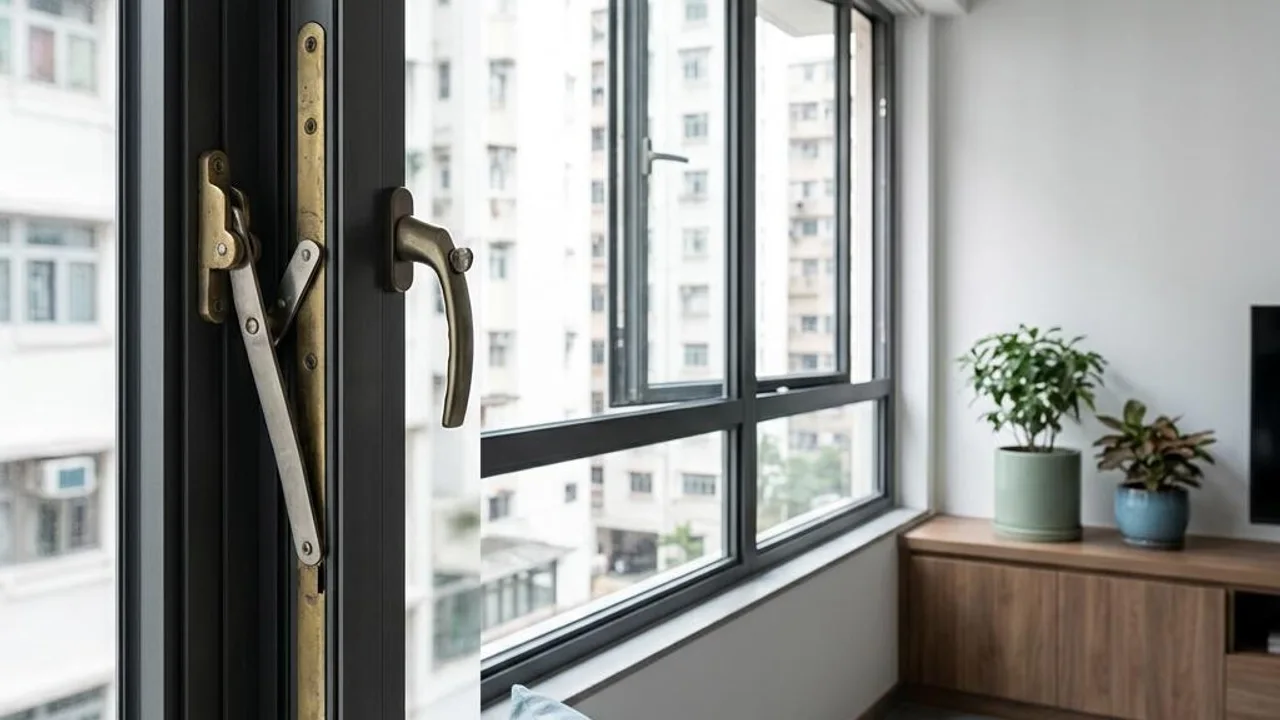
Full guide to window inspection upon handover: Protecting home safety and ventilation efficiency.
This article focuses on core items for residential aluminium window inspection in Hong Kong, covering structural stability, sealing efficiency, and operational flexibility. It instructs owners on how to observe the condition of window frames, glass, and locks, and suggests contacting a registered contractor for a professional check if problems are found to ensure home safety.
Read full article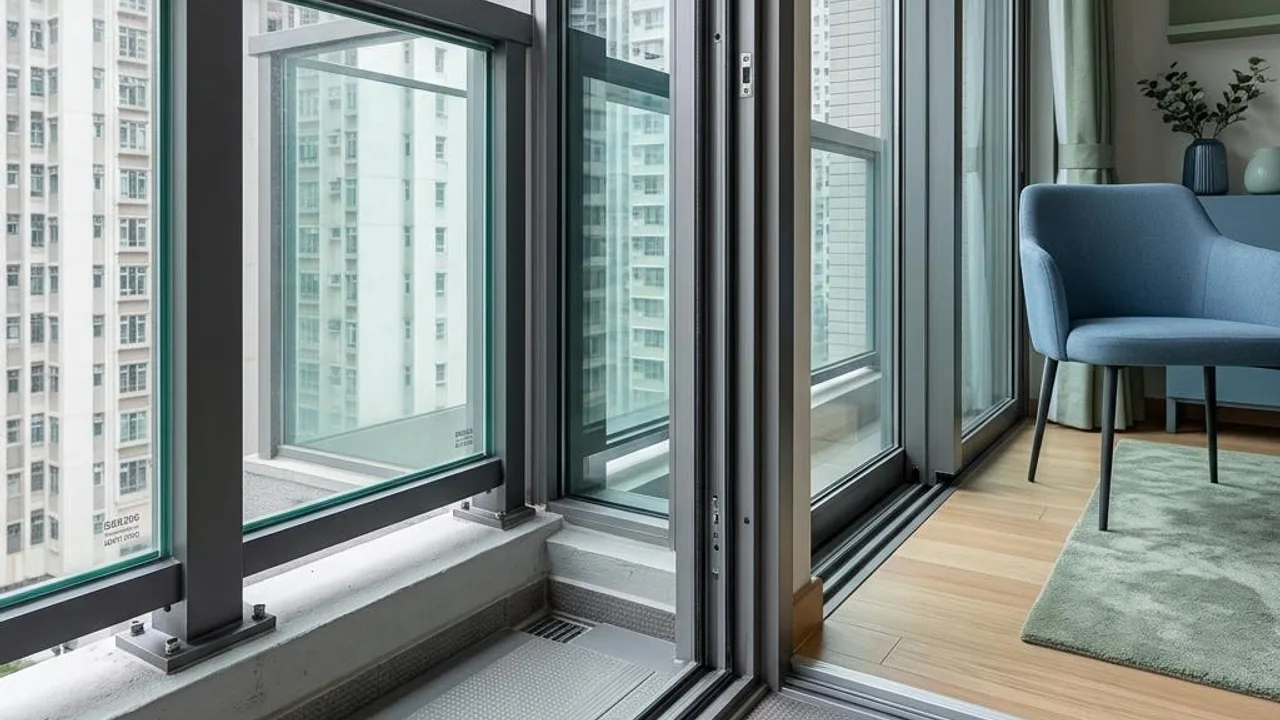
Full guide to balcony inspection: Ensuring structural safety and drainage functionality.
This article focuses on key inspection points for residential balconies, including structural safety, waterproof drainage systems, electrical facility specifications, and daily maintenance, helping owners comprehensively protect the safety and property value of outdoor spaces.
Read full article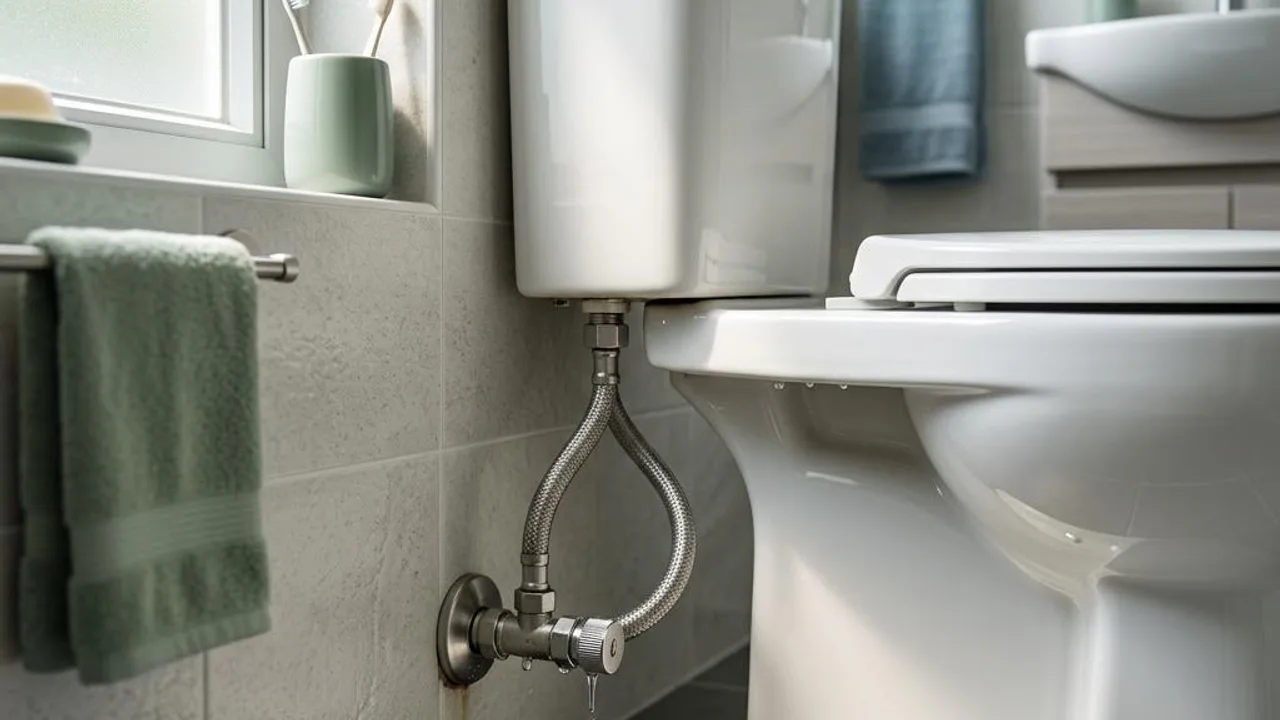
Home inspection guide: Bathroom seepage detection and treatment recommendations.
Bathroom seepage poses a direct threat to building structure and indoor health. This article collates inspection priorities, observation/recording advice, and maintenance strategies, assisting owners in systematically dealing with seepage crises and clarifying the importance of regular maintenance.
Read full article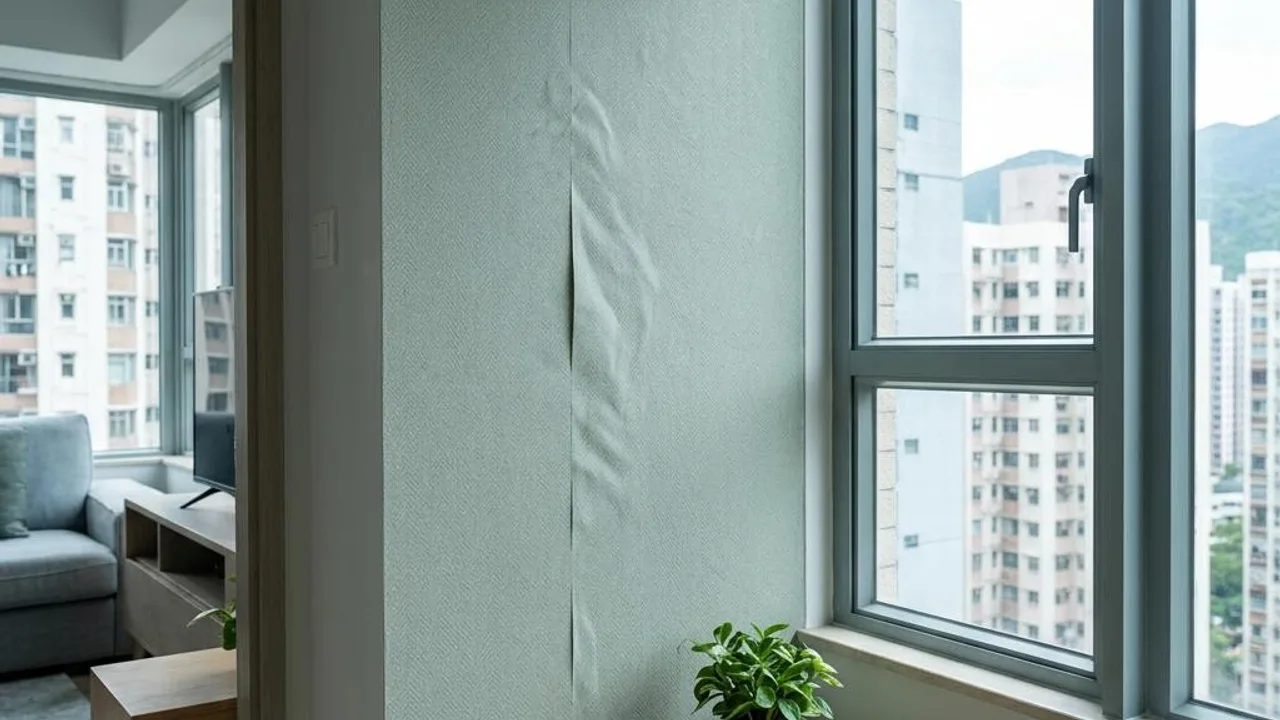
Wallpaper inspection guide: Ensuring aesthetics and construction quality.
This guide aims to instruct owners on how to check wallpaper construction quality upon handover, covering appearance inspection, edge detailing, potential seepage risk assessment, and daily maintenance advice, helping owners ensure the home's decorative aesthetics and identify construction defects early.
Read full article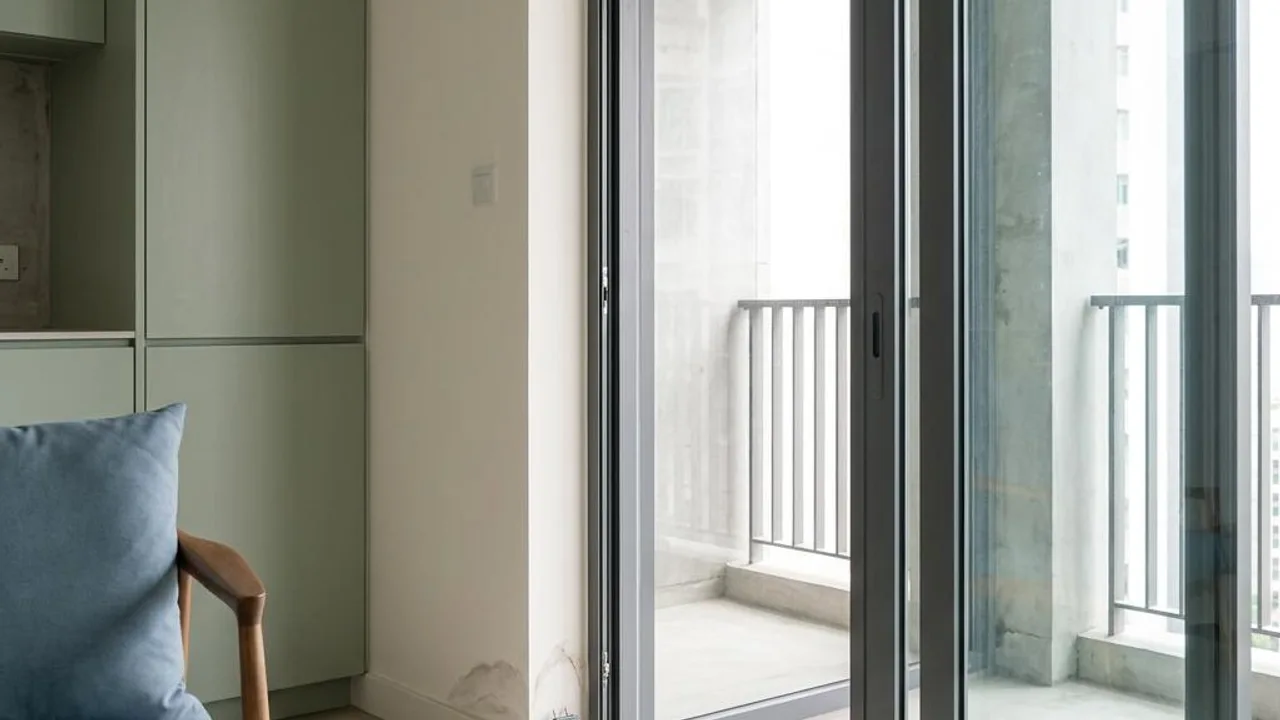
Full property inspection guide: Key points and professional practice for multi-storey unit inspections.
Multi-storey unit property inspection is an important procedure to protect owners' rights. Through systematic inspection of walls, floor tiles, electrical/plumbing, and structural details, we help owners identify construction flaws and request repairs, ensuring home safety and usage quality.
Read full article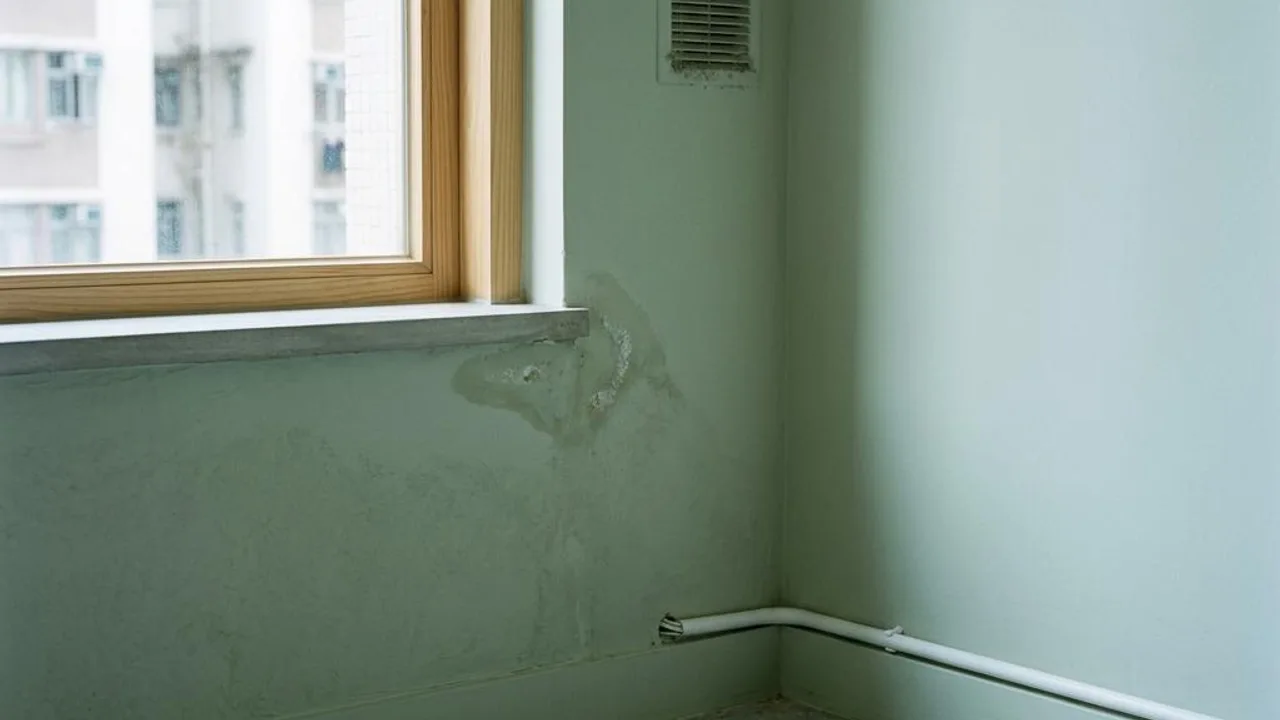
Detailed explanation of inspector qualifications and responsibilities: The core of protecting owners' rights.
This article aims to help Hong Kong owners gain a deep understanding of the professional qualifications of property inspectors, their core scope of duties, and the boundaries of their role in the property inspection process, protecting home-buying rights through a systematic perspective.
Read full article
Comprehensive guide to Buildings Department property inspection standards.
This article aims to provide an in-depth analysis of the Buildings Department’s property inspection standards in Hong Kong, discussing their legal purpose, structural and fire safety technical requirements, and providing owners with daily home safety maintenance advice and explanations of inspection administrative procedures to help ensure the property meets safety standards.
Read full article
Home inspection guide: Washbasin quality and functionality check.
This article aims to instruct on key points for checking washbasins during home inspection, detailing everything from material surfaces and sealing against leaks to drainage functionality, helping homeowners identify installation flaws and learn daily maintenance knowledge to protect long-term home safety.
Read full article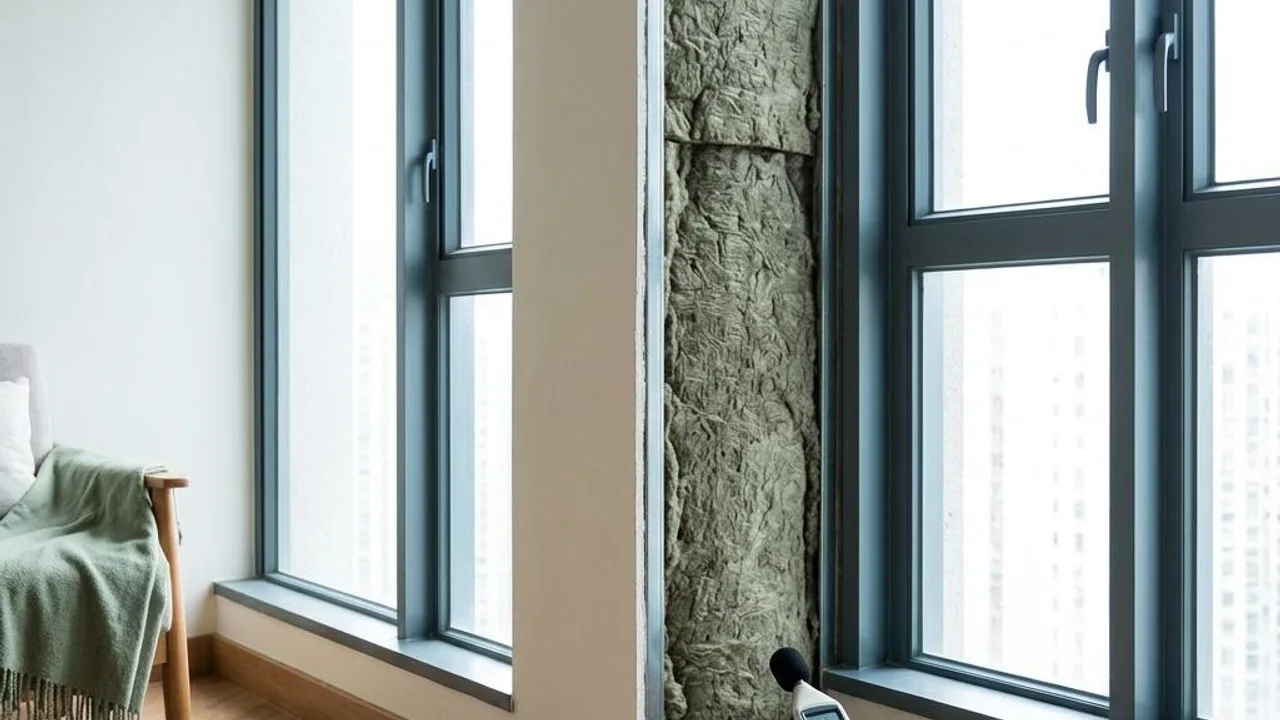
Property inspection: Checking sound insulation effects and assessing a quiet environment.
Home sound insulation performance is directly related to quality of life and privacy. By checking wall structures, door/window seals, and assessing environmental noise, occupants can understand the actual sound insulation status of the unit and take remedial measures in a timely manner to protect domestic peace.
Read full article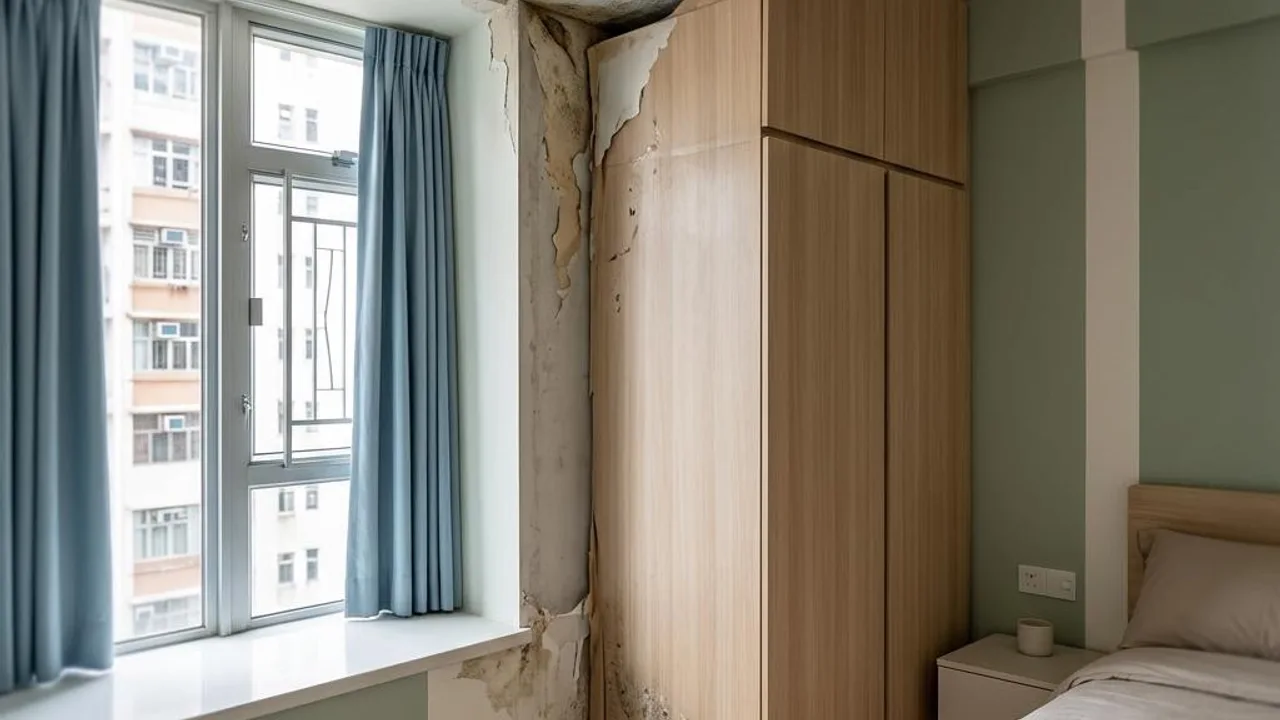
Property inspection procedures and guide to checking common unit hazards.
This guide aims to help owners understand the key procedures and inspection priorities for property handover, providing detailed inspection strategies for everything from structural walls and electrical/plumbing facilities to window safety, ensuring property quality meets expectations and protecting long-term living safety.
Read full article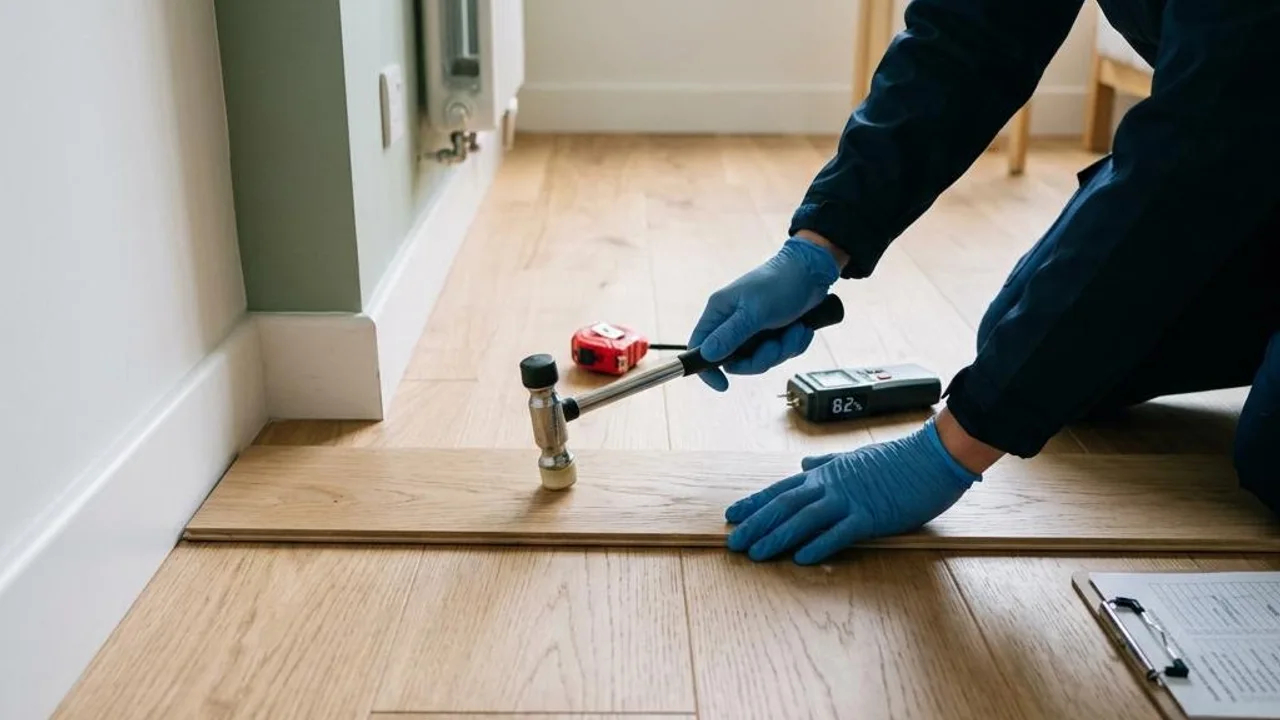
Wood flooring inspection guide: Detailed testing from a professional perspective.
This guide details key points for wood flooring inspection, assisting owners in verifying material quality, installation craftsmanship, and moisture-proofing details, ensuring renovation projects meet quality standards, and protecting indoor air safety and home environment longevity at the source.
Read full article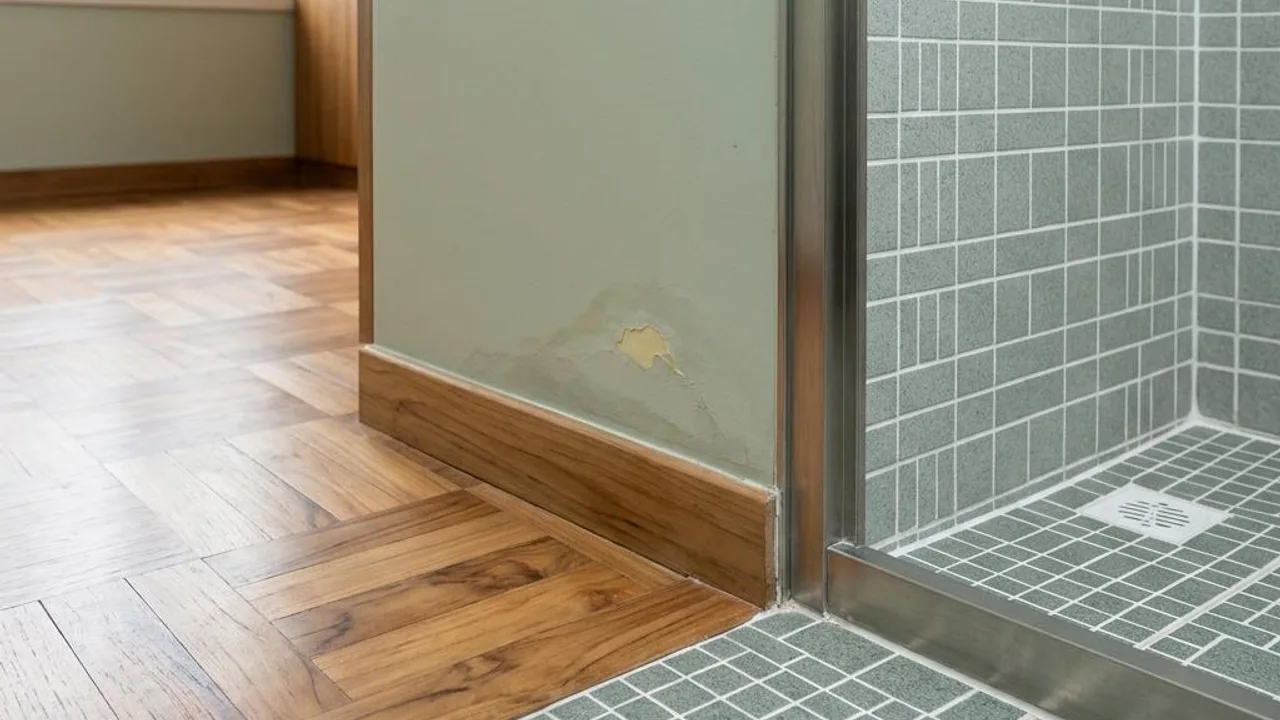
Property inspection seepage risks: Professional inspection process and prevention recommendations.
This guide details key inspection items regarding seepage risk during property inspection, covering kitchen/bathroom, ceiling, and window waterproofing, and provides daily observation and professional consultation advice, helping owners identify hazards and protect living safety.
Read full article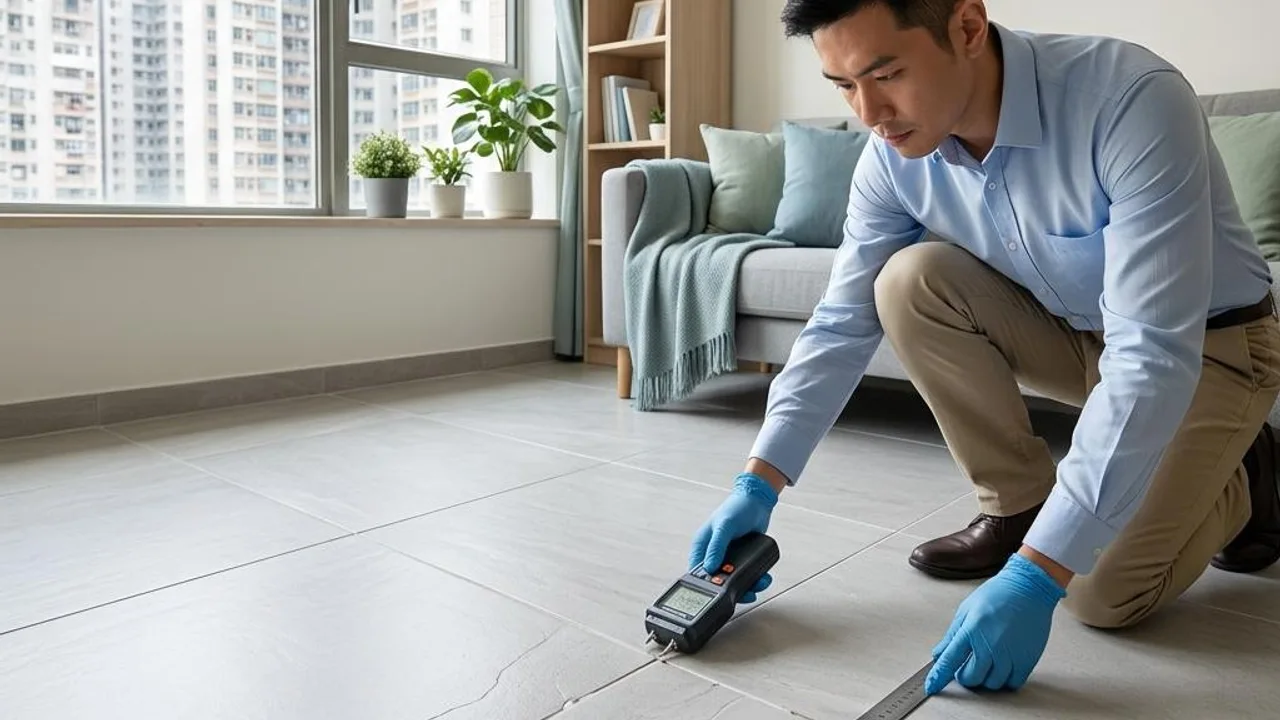
Practical guide to floor tile inspection.
This article explores key procedures for residential floor tile inspection; through visual inspection, tapping, and equipment assistance, we help owners identify common renovation defects like hollow tiles, unevenness, and gaps, ensuring the quality and safety of the home's flooring.
Read full article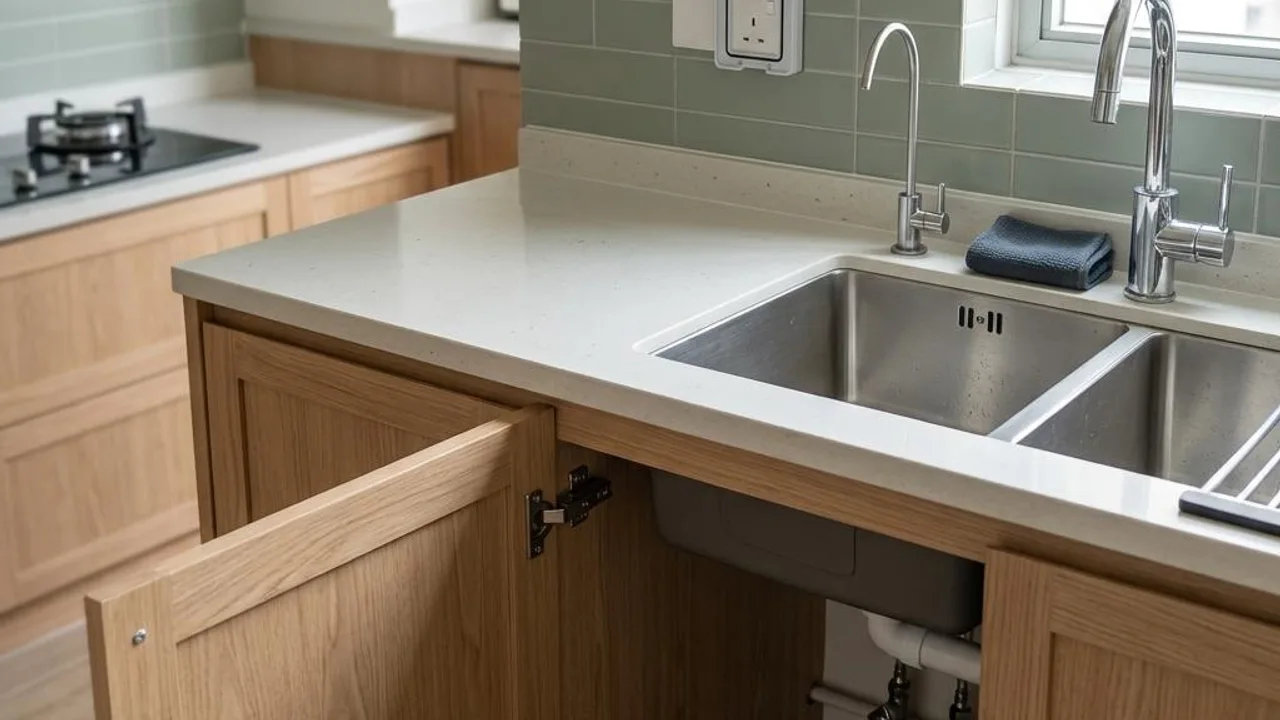
Kitchen inspection key: Safety and facility testing guide.
This article provides owners with a key kitchen inspection guide, focusing on structural integrity, water/electricity/gas system safety, ventilation environment control, and facility functional testing, helping you identify and properly resolve potential renovation hazards.
Read full article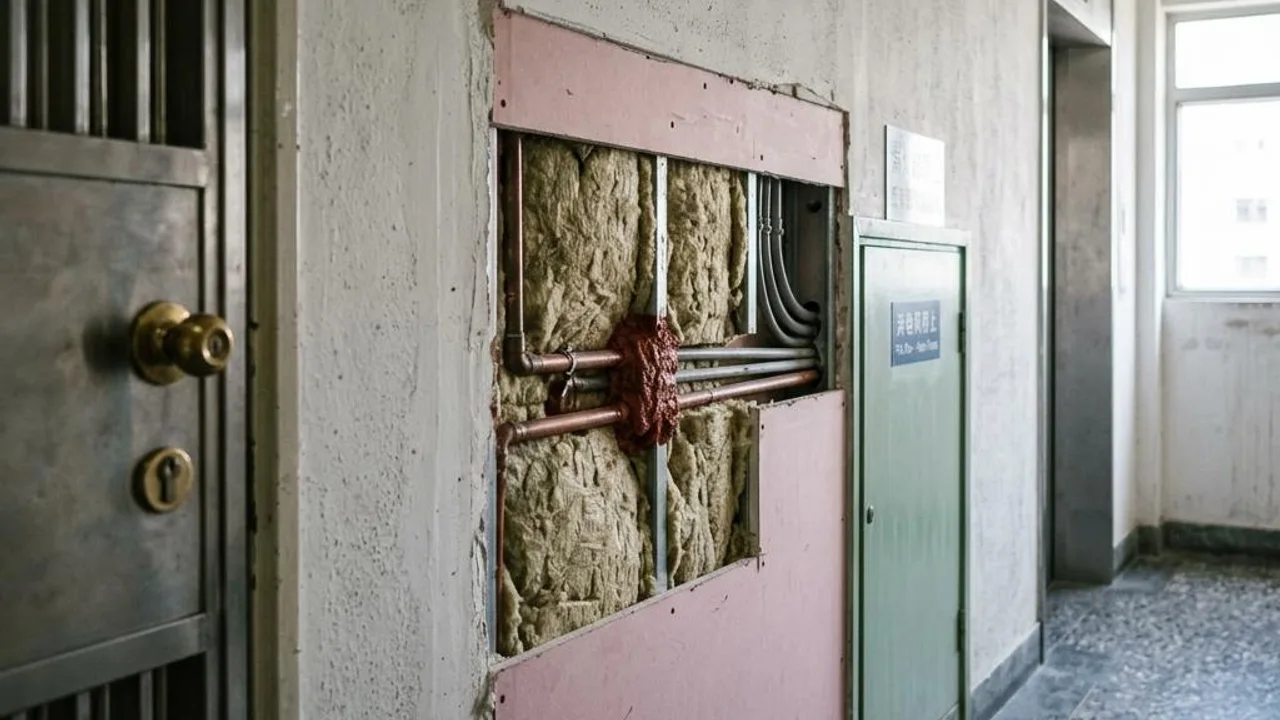
Building fire safety layer: Key building structural safety elements and maintenance guide.
This article introduces the working principles, design regulations, and daily maintenance priorities of building fire safety layers, helping owners identify the importance of fire barriers and learn how to perform inspection and repair through professional channels to protect lives.
Read full article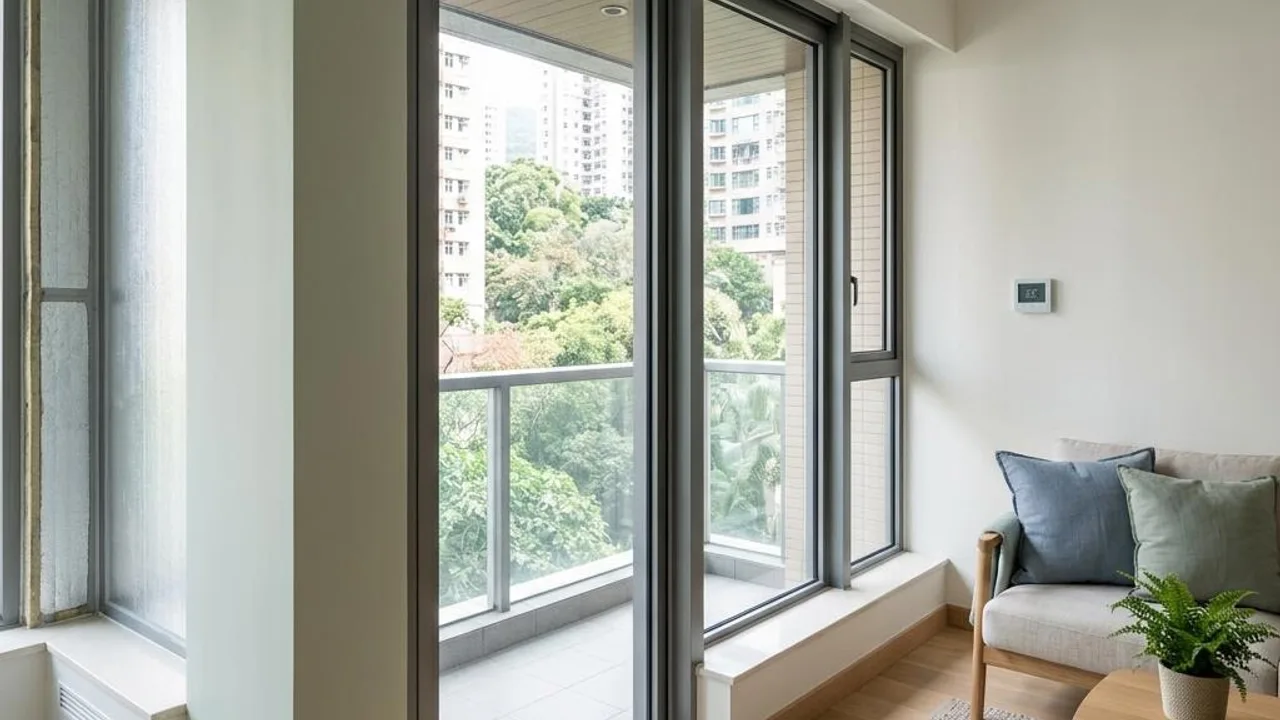
Property inspection and green homes: Environmental energy-saving standards and handover inspection priorities.
This article explores the core of green home property inspection, covering energy efficiency, selection of eco-friendly materials, water resource management, and air quality monitoring. It aims to assist owners in identifying the condition of energy-saving facilities and improving the environmental friendliness and comfort of the home.
Read full article
Entrance inspection: Assessing the first impression of utility and quality.
The entrance is the facade and transition space of a unit. During property inspection, focus should be placed on evaluating floor tiling, wall structure, main door hardware, electrical functions, and storage cabinet details, using systematic inspection to protect living quality and daily usage safety.
Read full article
New property window inspection guide: Professional testing to ensure home safety and performance.
This article explores the focus points for new property window inspection, covering structure, glass, hardware, and opening tests, aiming to help owners identify potential window problems and ensure the safety, waterproofing, and sound insulation performance of the home environment, while protecting owners' rights.
Read full article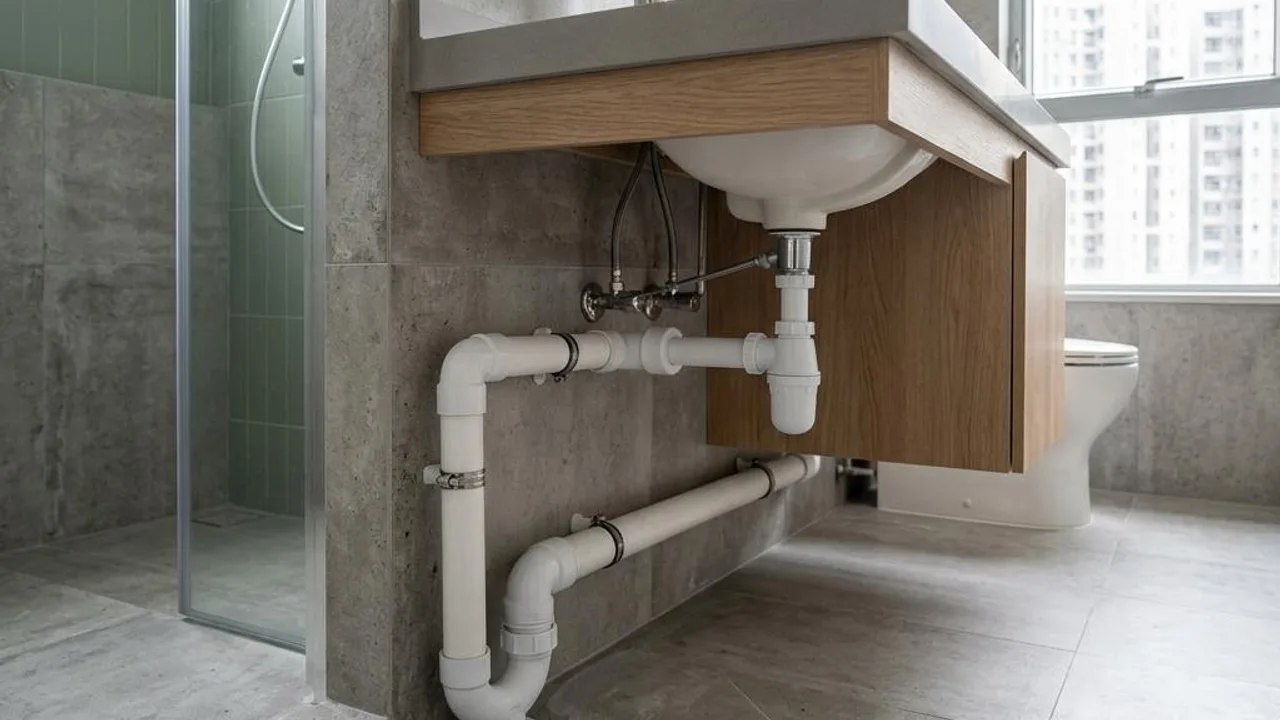
Drainage pipe inspection: Ensuring the new home meets building standards and health environments.
This article focuses on key points, inspection steps, and preventative maintenance advice for residential drainage system inspection, helping owners ensure the new home's drainage facilities are smooth and unobstructed, while effectively preventing seepage and structural hazards, protecting living health and property safety.
Read full article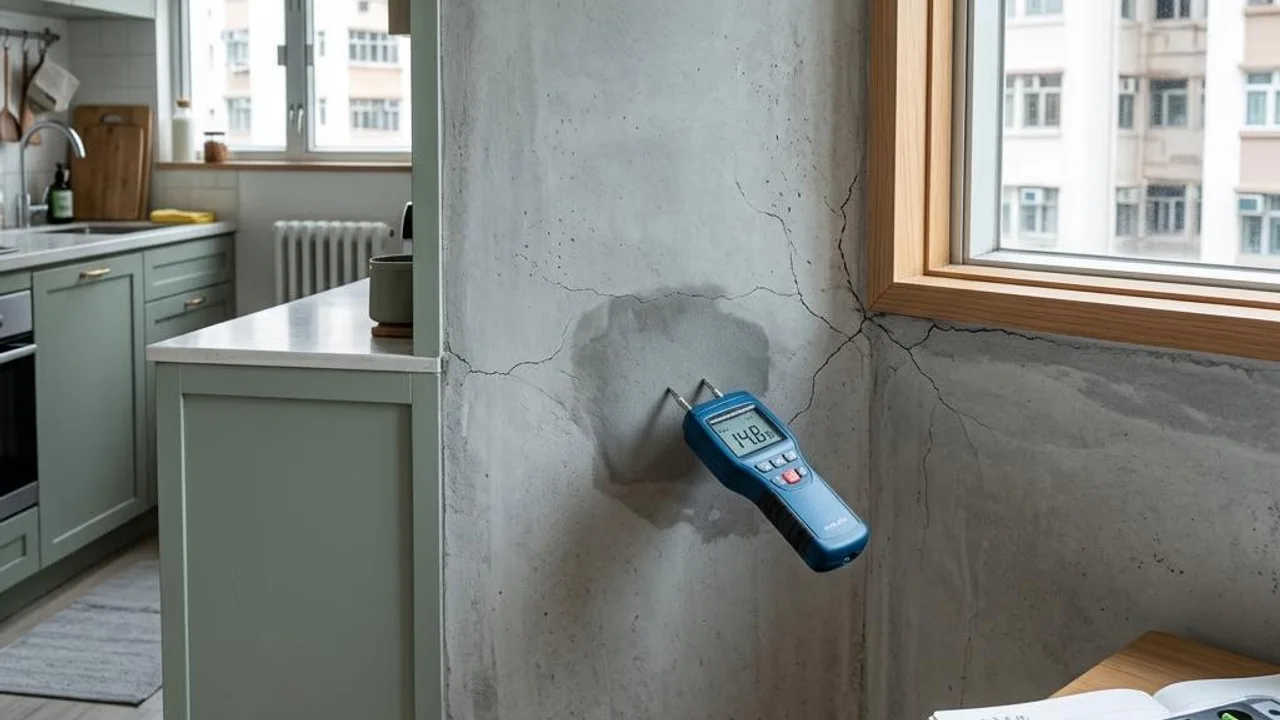
What to Ask Before Booking a Home Inspection: Quote, Access and Report Checklist
Before booking, use consistent property details to confirm fees, inspection limitations, access, utilities and report arrangements. Keep written confirmations and do not assume unspecified work is included.
Read full article
Hollow Tile Inspection Guide for Property Inspection: Structural Quality Assessment
This guide aims to assist Hong Kong homeowners in understanding how to inspect hollow-tiled walls. Through visual inspections and percussion tests, homeowners can identify potential structural and construction issues, and request defect rectification from the contractor in a timely manner, thereby ensuring the durability and safety of the indoor living environment.
Read full article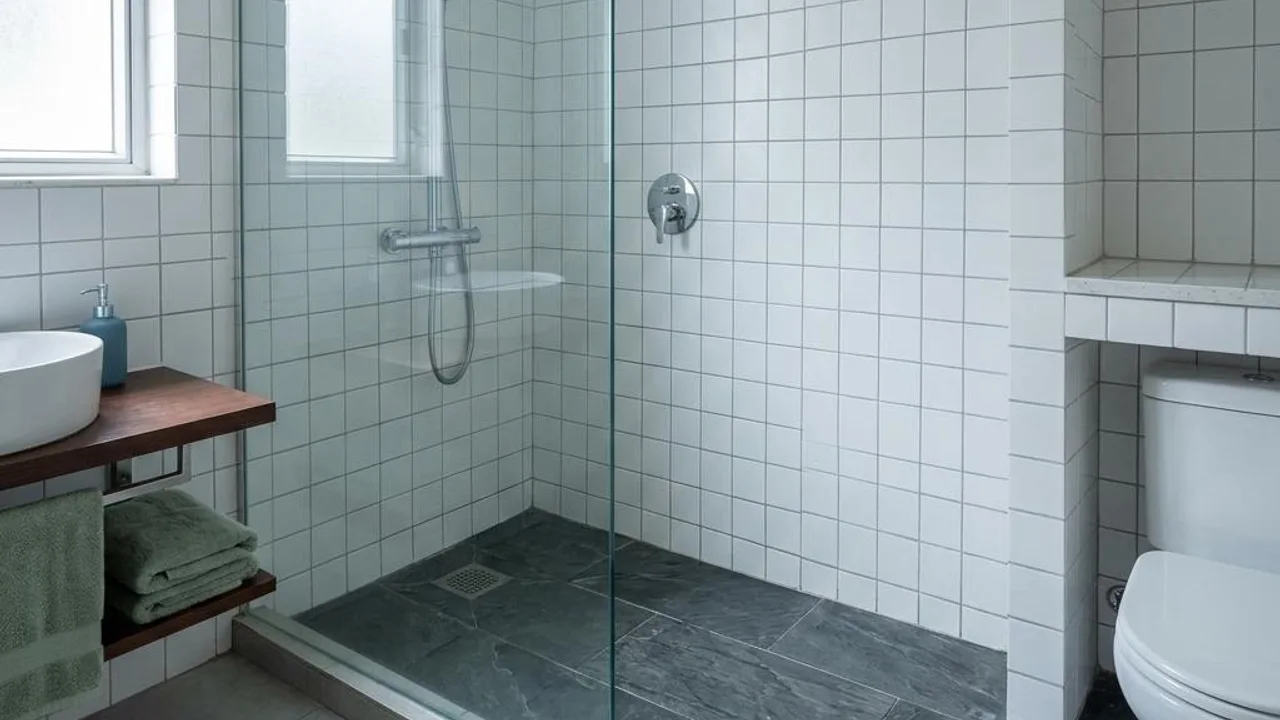
Bathroom Shower Tray Inspection Guide: Key Details and Leak Prevention Checks
The shower tray is the core barrier against leaks in the home. This guide details key inspection points for shower tray appearance, drainage, and installation details, helping homeowners identify common installation flaws to ensure smooth daily drainage, reduce the risk of leakage at the source, and safeguard the quality of living.
Read full article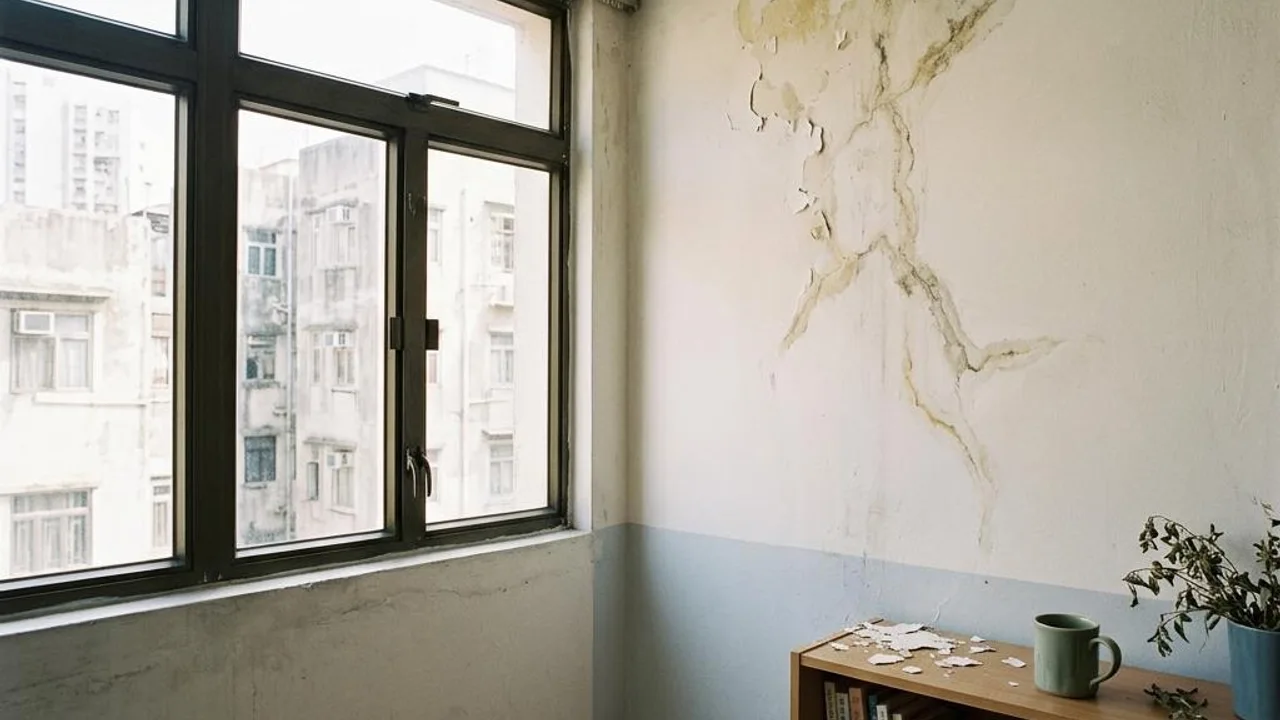
Rooftop Waterproofing Layer Inspection and Maintenance Strategy
This article explores the hazards of failed rooftop waterproofing on building structures and indoor environments. It explains the professional inspection process, maintenance considerations, and keys to hiring contractors for repairs, assisting homeowners in effectively identifying and handling top-floor leakage issues.
Read full article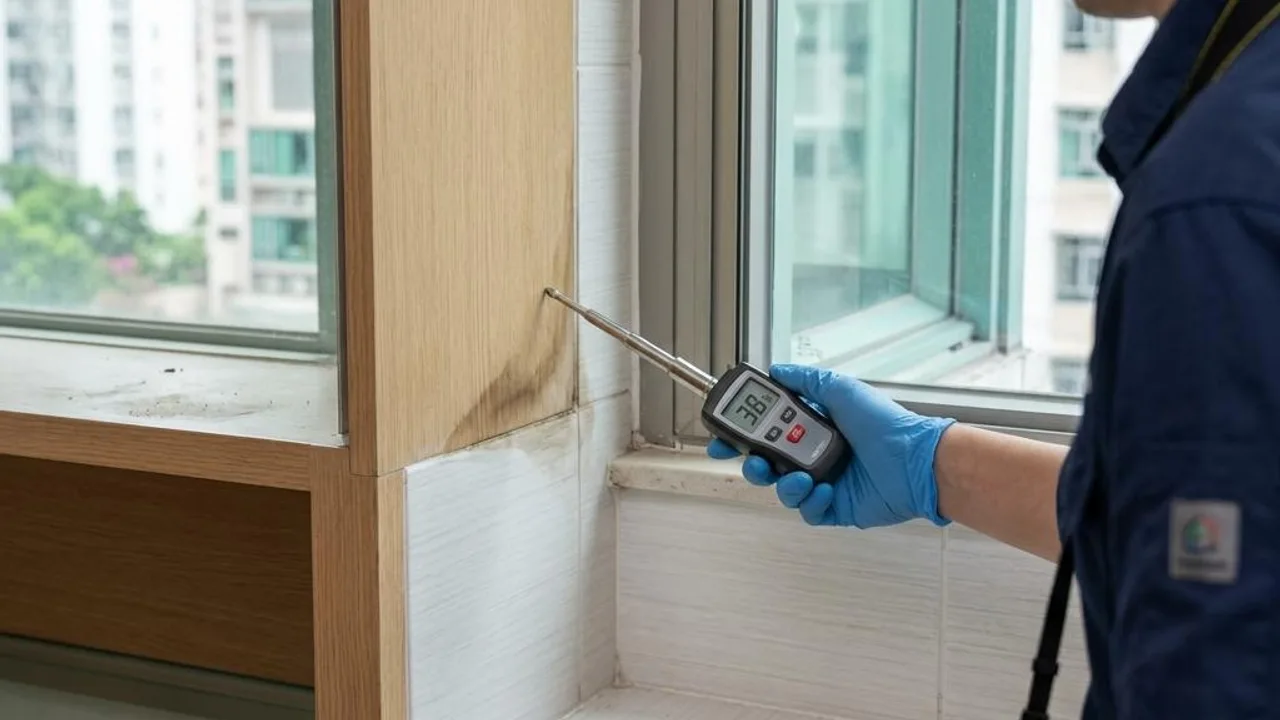
Complete Property Inspection Guide: A Must-Have for Buying and Taking Possession of a Home
This article explains in detail the purpose, process, and core inspection items of property inspection, helping homeowners comprehensively review the property's condition upon handover, identify potential renovation and structural hazards, and ensure the quality of living and long-term asset value.
Read full article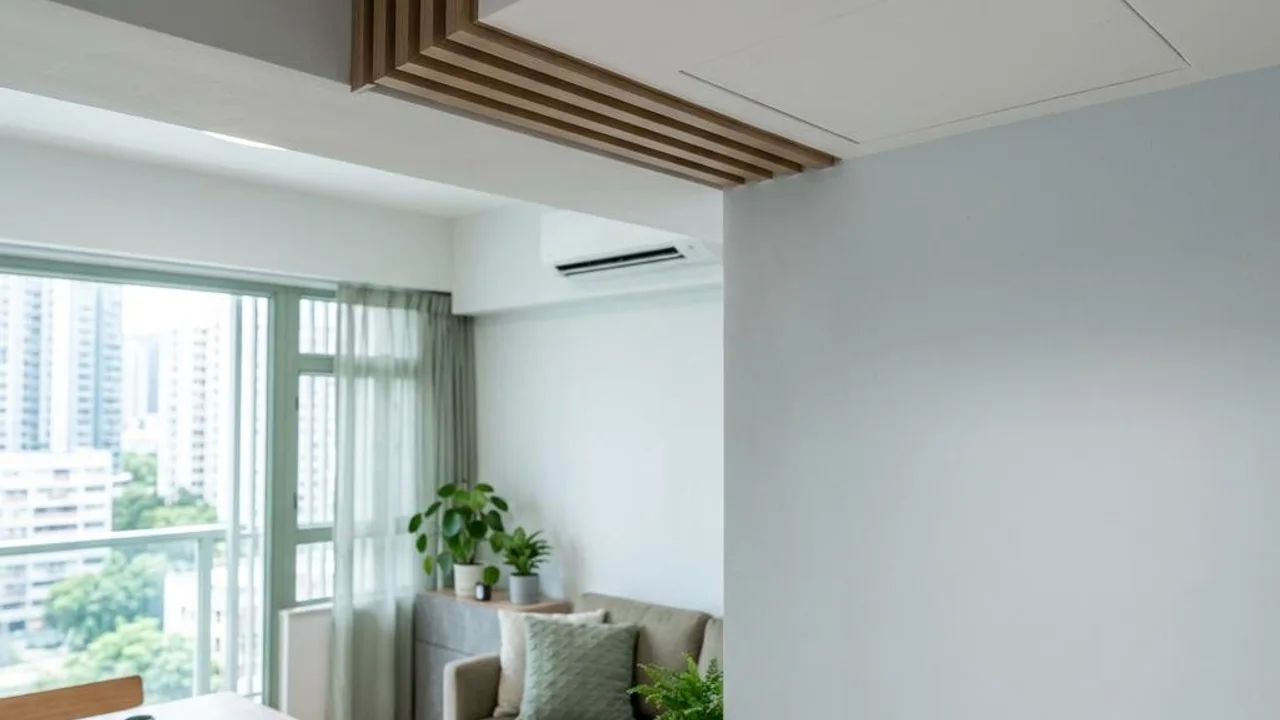
False Ceiling Inspection Strategy: Standards and Considerations
This article focuses on the inspection standards for false ceilings in Hong Kong homes, covering material quality, structural stability, painting details, and inspection of auxiliary facilities. Through professional inspection, homeowners can effectively identify installation flaws to ensure construction quality meets safety and aesthetic needs, maintaining long-term living quality.
Read full article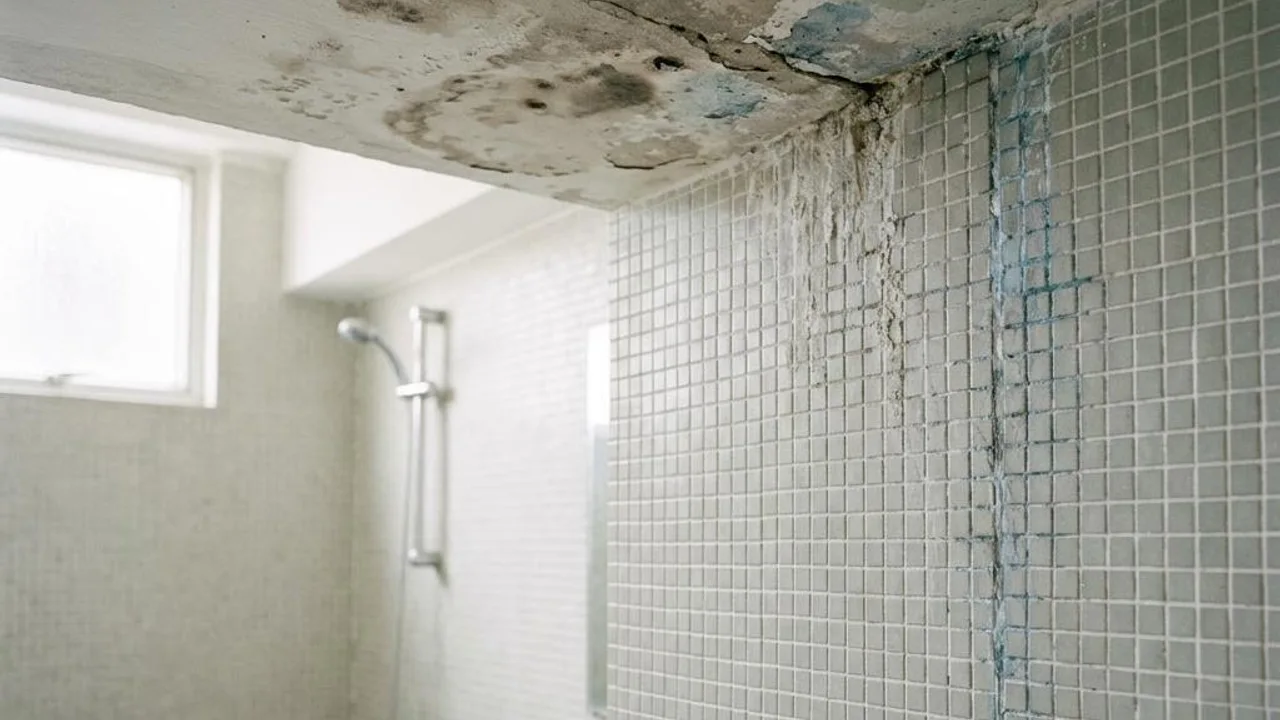
Advice from OPO Inspection: Common Defect Inspection Points for Bathroom Ceilings
Bathroom ceilings are in a chronically damp environment and are prone to paint peeling, mold, or water seepage. This article breaks down the basic structure and common construction flaws of bathroom ceilings for homeowners, explains how to determine problems through observable signs, and teaches you how to correctly seek professional assistance for repairs.
Read full article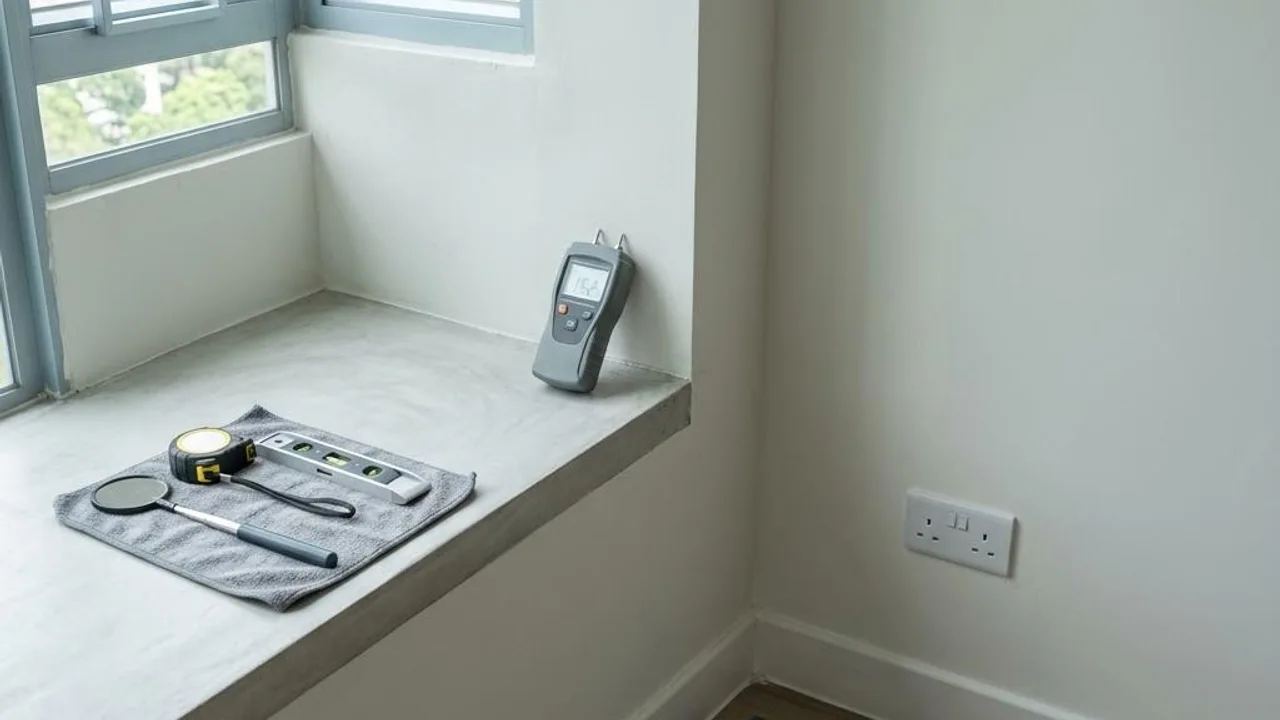
Home Ownership Scheme (HOS) Handover Standards and Complete Inspection Guide
This article introduces HOS handover standards and inspection points, covering the structure, water and electricity, renovation, and the common area inspection process, assisting homeowners in correctly recording defects and following up with the developer through appropriate channels to ensure the property condition meets handover requirements.
Read full article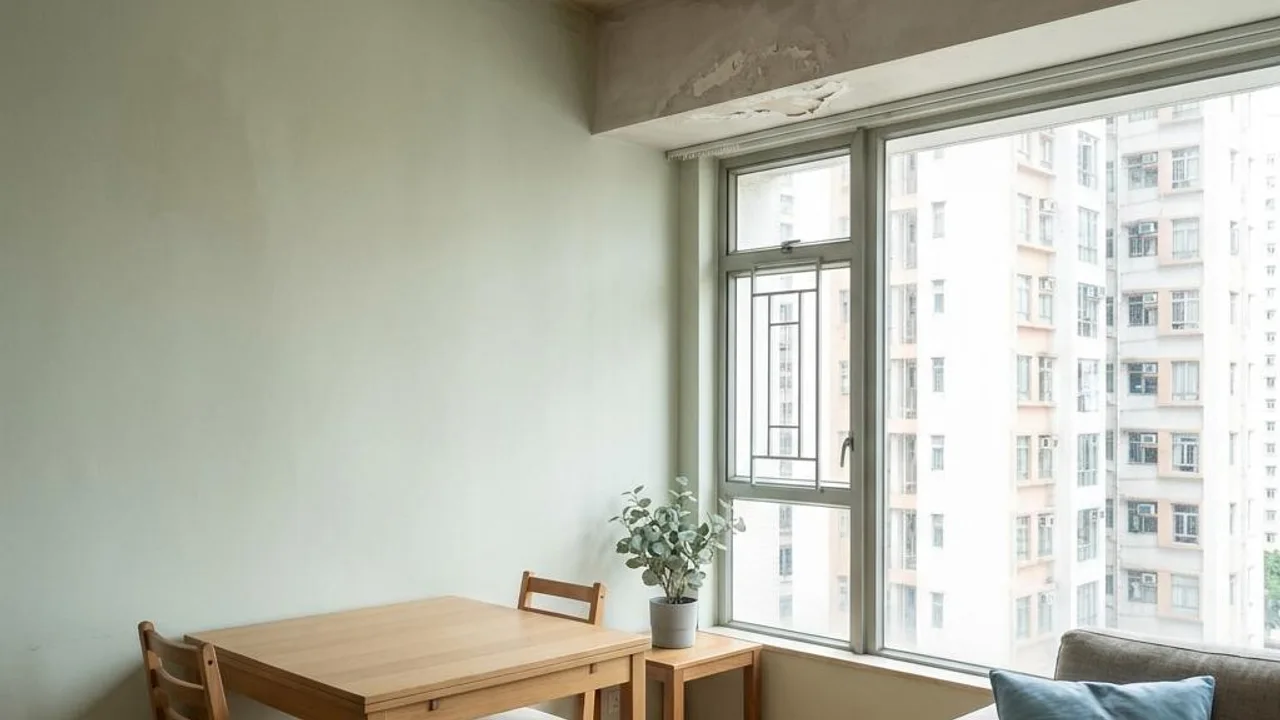
Phoenix Floors (Top Floor): Advantages and Considerations for Buyers
This article introduces the unique definition, core living advantages, and market potential of Hong Kong's 'Phoenix Floors' (top floors). Through detailed analysis of inspection considerations and key points when buying, it assists homeowners in accurately assessing high-rise residential conditions, enhancing living quality and asset value preservation.
Read full article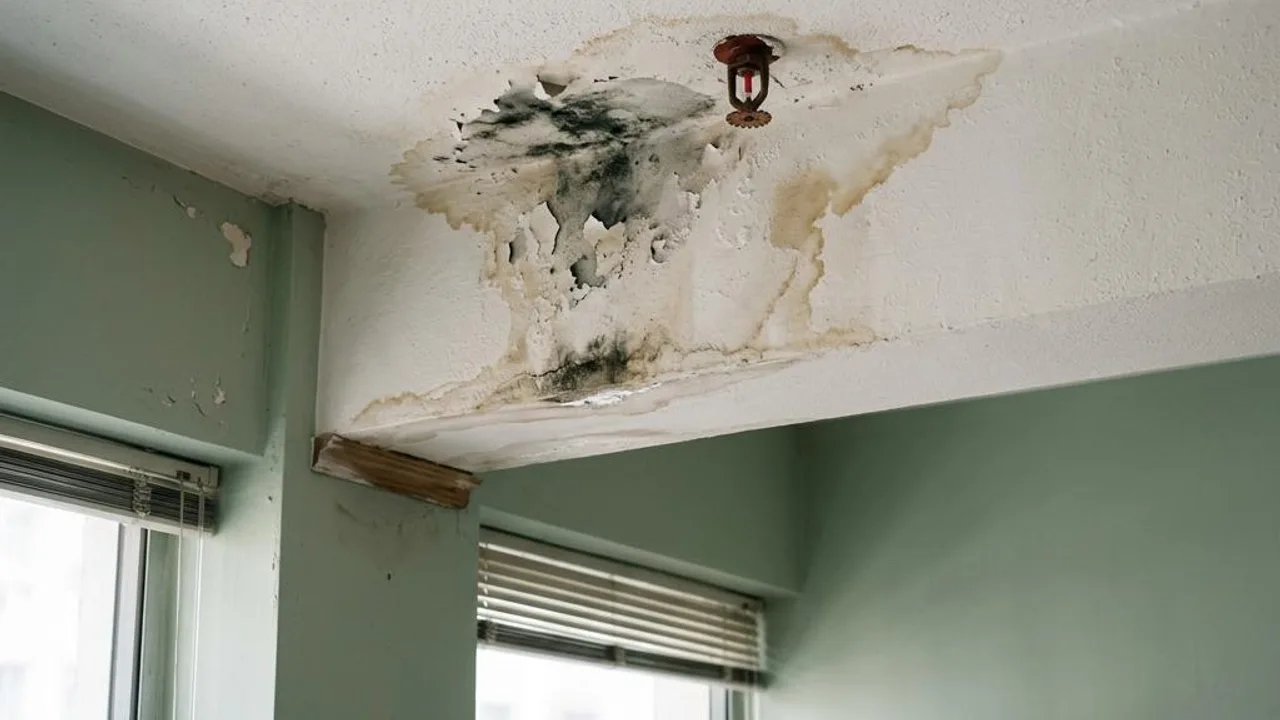
Analysis of Ceiling Leakage Causes and Practical Handling Guidelines
This article explores the common causes of ceiling leakage and inspection methods, providing homeowners with advice on how to observe leakage characteristics, and recommending professional investigation and repairs by qualified professionals to ensure structural safety.
Read full article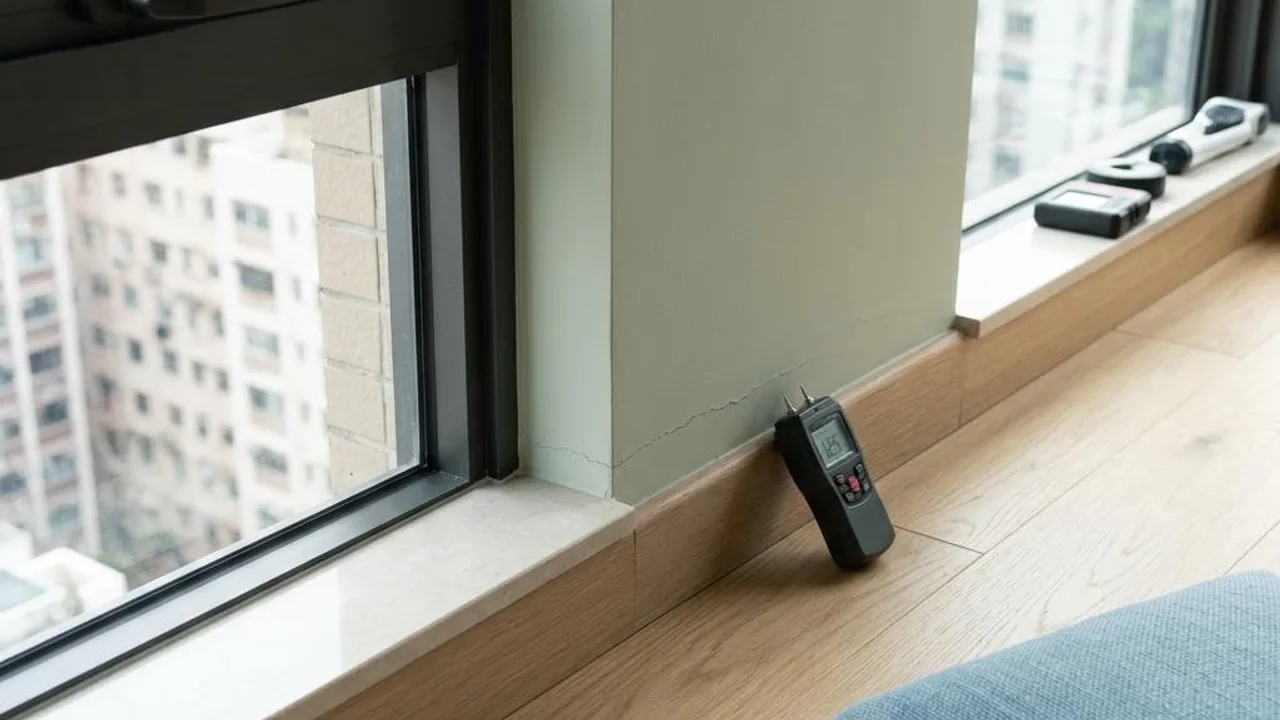
In-depth Guide to the Property Handover and Inspection Process: From Delivery to Confirmation
This article explores the key processes for property handover and inspection in Hong Kong, assisting homeowners in mastering the complete steps from pre-handover preparation, practical inspection points, and documentation signing considerations to the transfer of utilities, ensuring property rights are protected.
Read full article
External Wall Waterproofing Inspection: Professional Property Inspection Standards and Importance Guide
External wall waterproofing inspection is crucial for maintaining structural integrity. By observing window frame joints, wall cracks, and finish conditions, homeowners can detect potential leakage risks early. This article explores professional inspection standards, testing limitations, and daily monitoring methods to help you protect property safety.
Read full article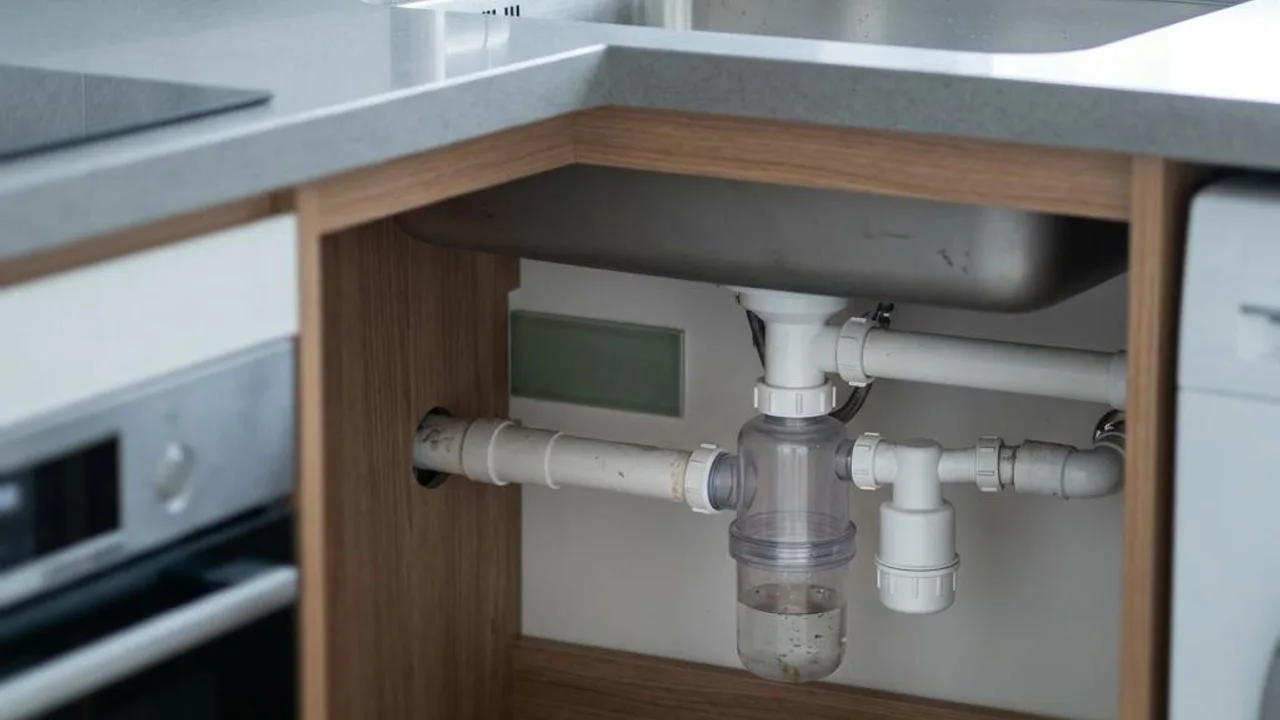
Property Inspection U-Trap: The Key to Safeguarding Home Hygiene
The U-trap is a defensive barrier for home hygiene. Homeowners can preliminarily assess its performance by observing water levels and smells to ensure the drainage system meets specifications and blocks bacteria and odors.
Read full article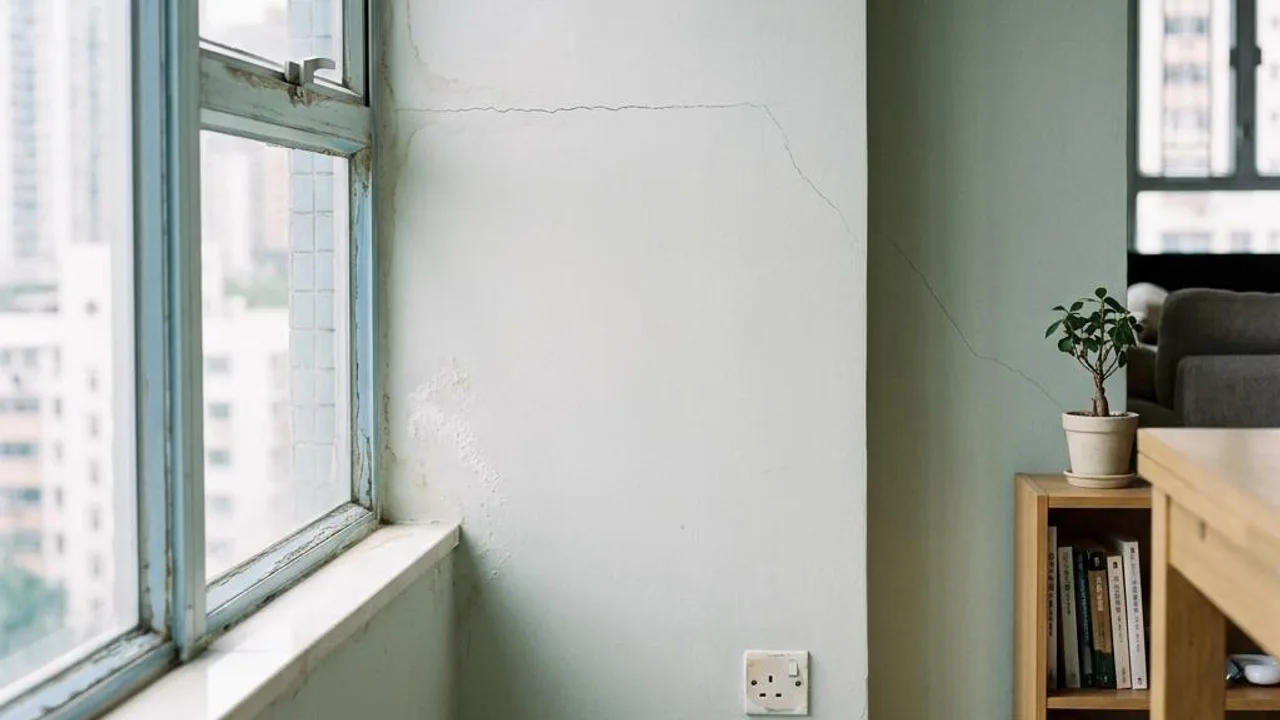
Differences Between New Property and Older Property Inspections and Professional Inspection Guides
This article analyzes the core differences between new property and old property inspections. New properties focus on contractual specifications and construction flaws, while older properties emphasize physical wear and tear and electrical and mechanical life-cycle assessments. Homeowners can make informed decisions on maintenance and repairs by hiring professionals to identify structural, seepage, and electrical hazards.
Read full article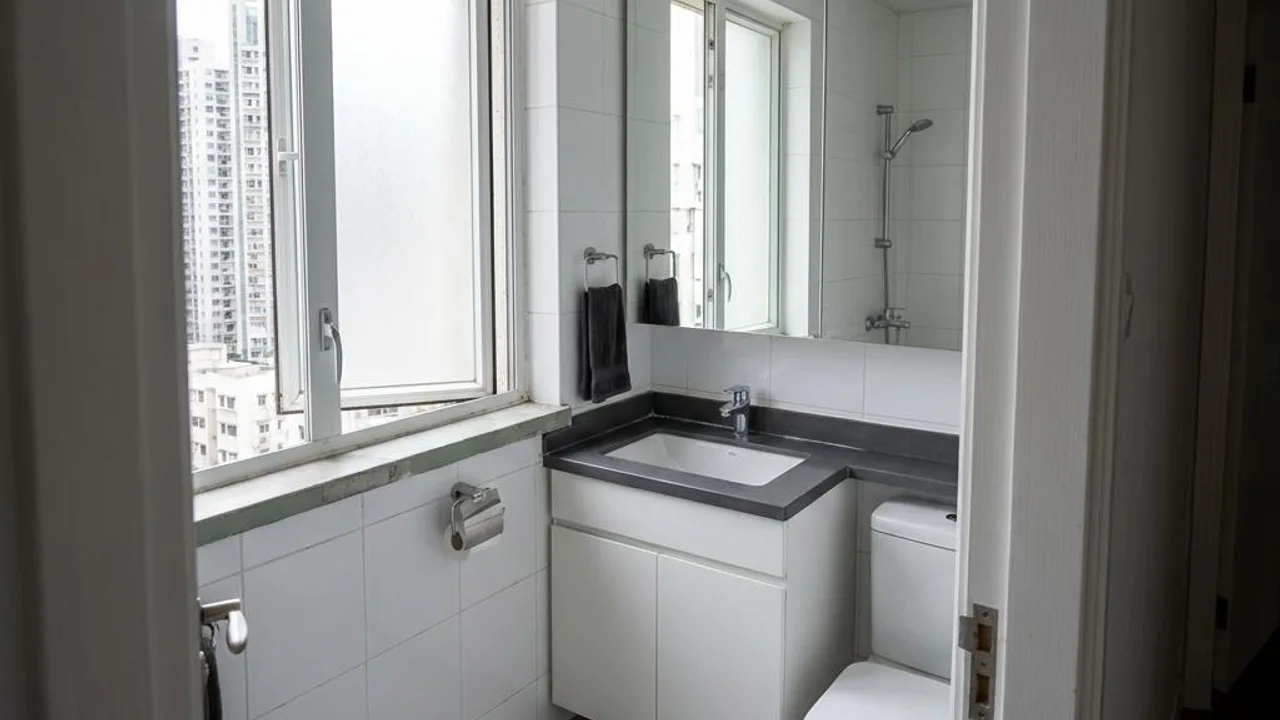
Inspecting Bathrooms: Advantages of Bathrooms with Windows and Detailed Inspection Steps
Bathrooms with windows have the advantage of natural ventilation and lighting, effectively inhibiting mold and humidity. This guide details the inspection points for such bathrooms, from window seals to drainage performance, helping homeowners master key checks to prevent leakage and structural hazards, ensuring a healthy and comfortable living environment.
Read full article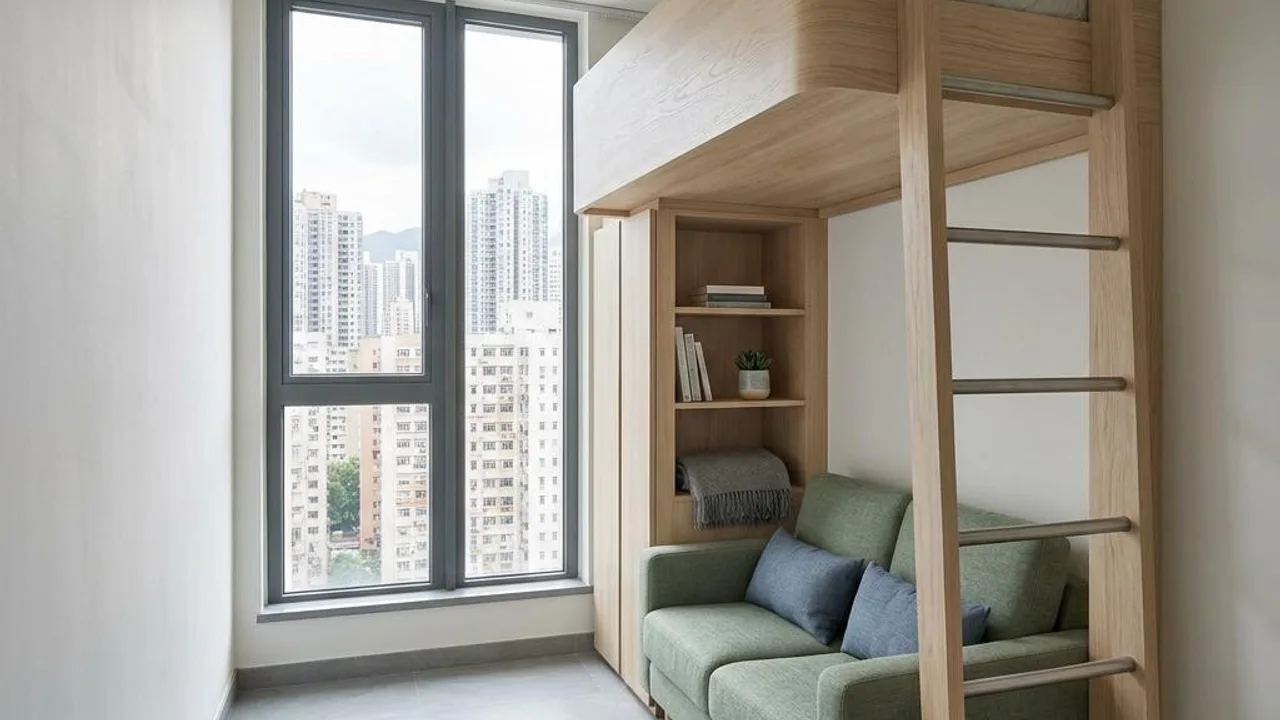
Nano-flat Property Inspection Guide: Spatial Layout and Inspection Focus
This article provides a property inspection guide for nano-flats, focusing on spatial layout planning, renovation quality inspection, and evaluation of public facilities, assisting homeowners in fully understanding the key issues to note during handover to ensure the unit meets living quality and investment value.
Read full article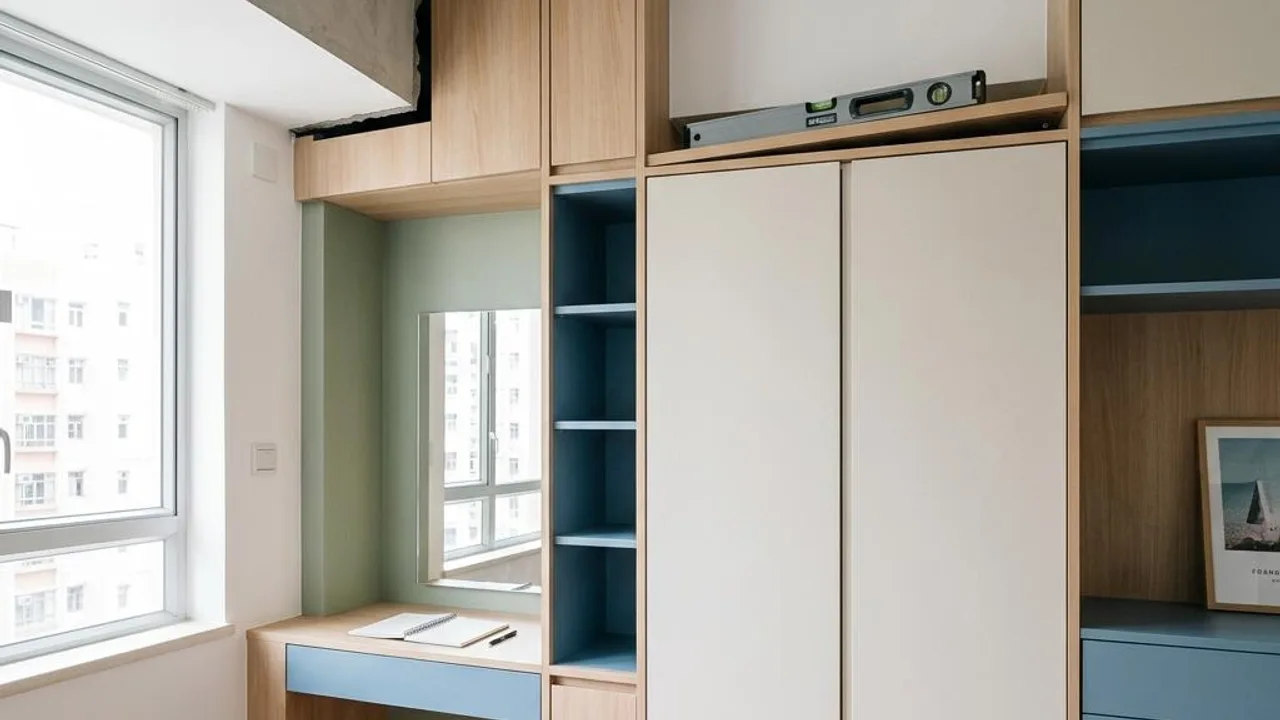
Handling Solutions for Furniture Installation Defects Discovered During Property Inspection
Checking furniture installation during property inspection is key to safeguarding living quality. Homeowners should look out for cabinet structural stability, the smoothness of moving parts, and gap situations. If installation flaws are found, they should be recorded in detail and a professional should be requested to follow up on the repair; do not disassemble them yourself.
Read full article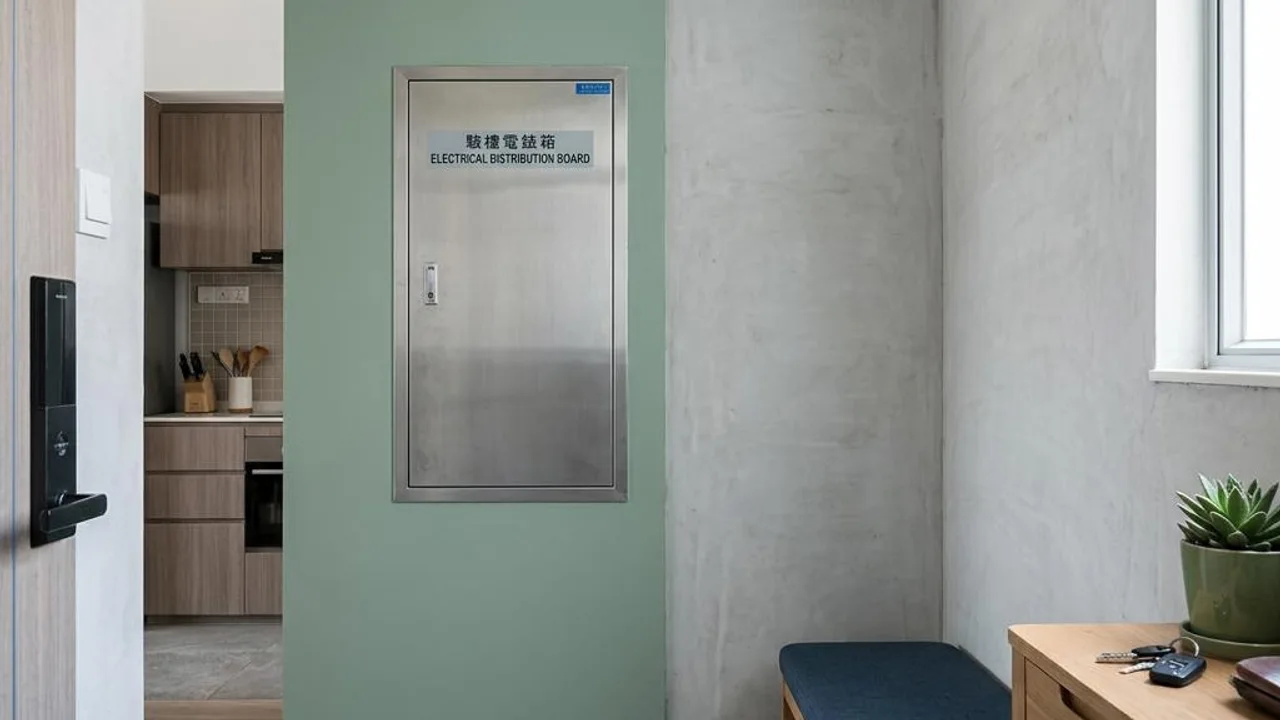
Property Inspection Electric Meter Box Check: Ensuring Home Electrical Safety and Performance
As the hub of home electricity, checking the installation compliance, visual integrity, and the function of internal protection components of the electric meter box is a necessary procedure to ensure electrical safety and prevent electrical fires, and should be strictly evaluated by a professional.
Read full article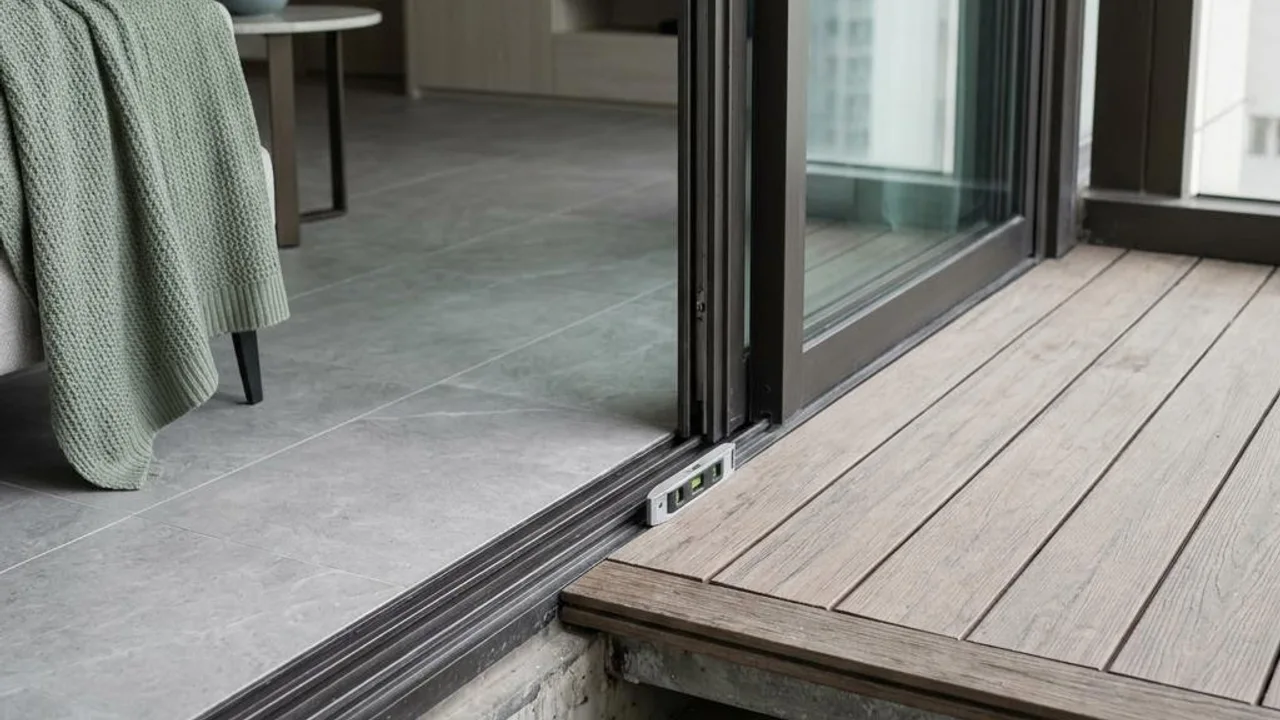
Property Inspection Guide for Special Units: Identifying Unit Advantages and Potential Risks
Special units possess platforms or unique designs. The inspection focus is on the waterproofing performance of balconies and rooftops, the weather resistance of outdoor structures, and the practicality of complex interior layouts to ensure the property's long-term maintenance compliance and safety.
Read full article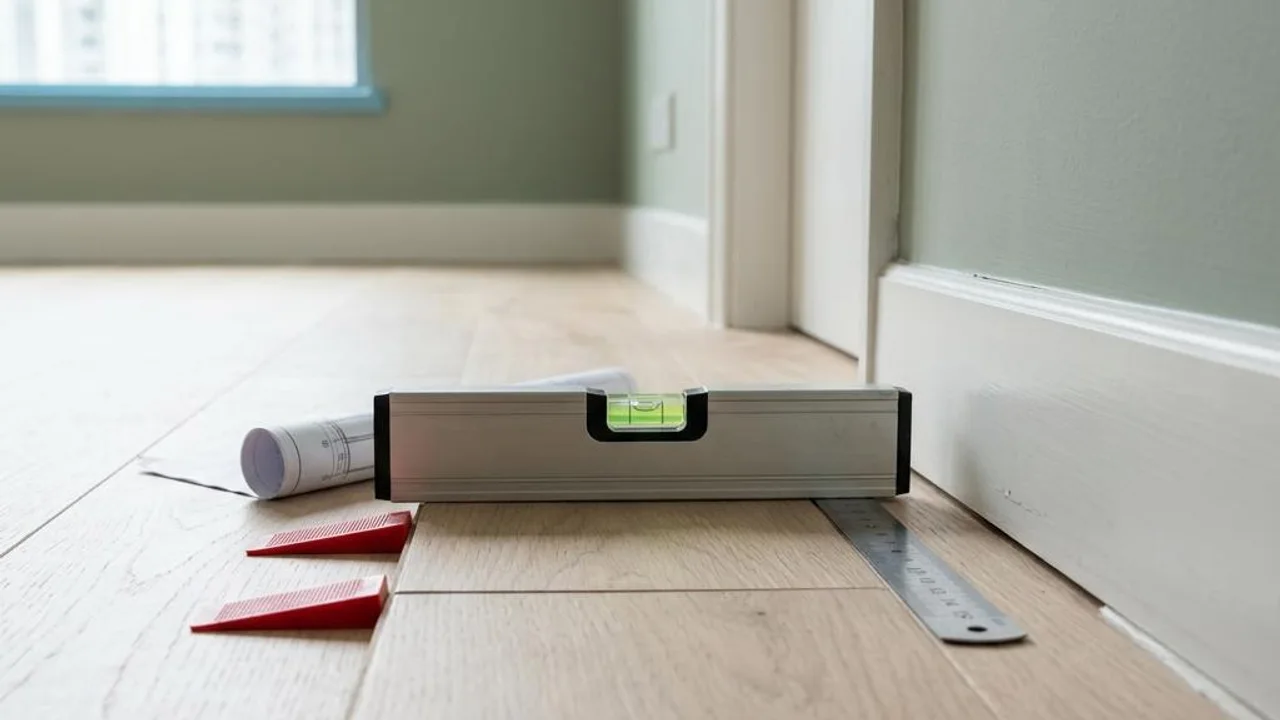
Home Floor Flatness Inspection and Acceptance Guide
This article introduces the definition of home floor flatness, its importance, and the tools and standards used for its inspection. It delves into the potential living risks brought by floor tilting and provides professional repair suggestions and preventive measures, helping homeowners master the core of property inspection to ensure floor construction quality is met, enhancing the comfort and safety of the living environment.
Read full article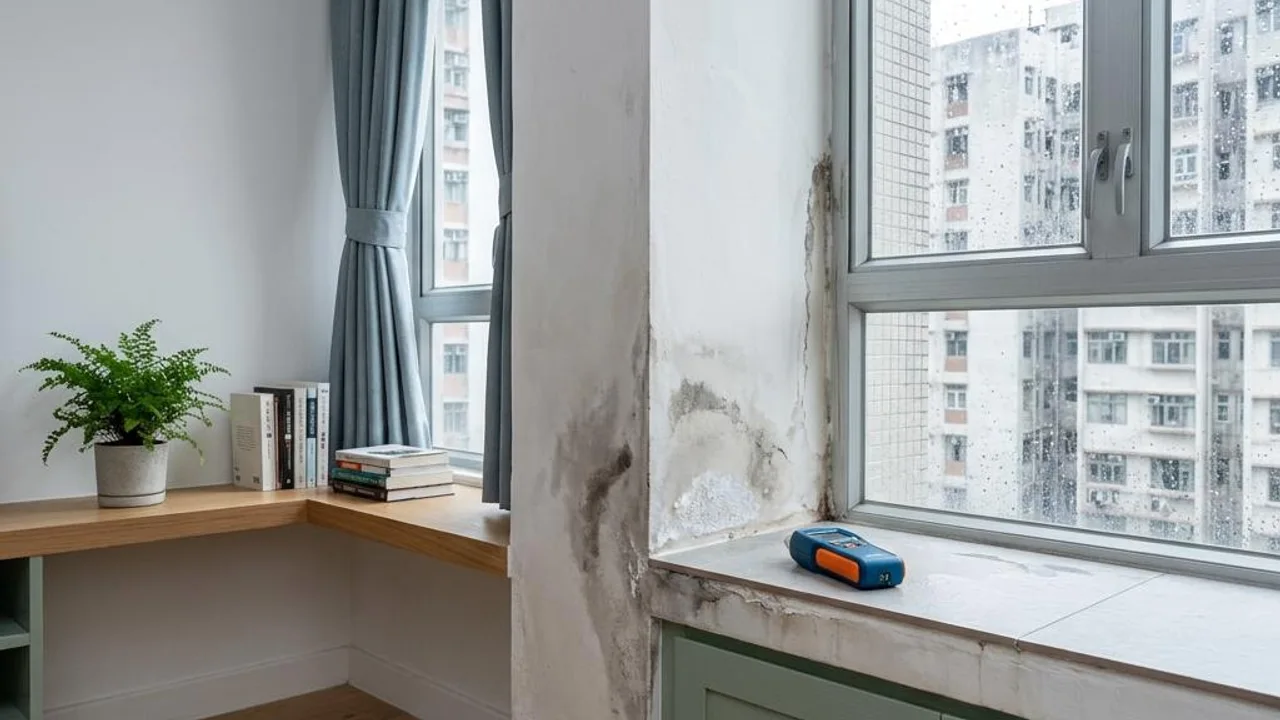
Home External Wall and Waterproofing Acceptance Guide
This article introduces the importance and procedures of water testing for residential external walls, assisting homeowners in understanding how to identify potential water seepage points in window frames and external walls through scientific pressure testing, thereby safeguarding home protection efficiency and living safety.
Read full article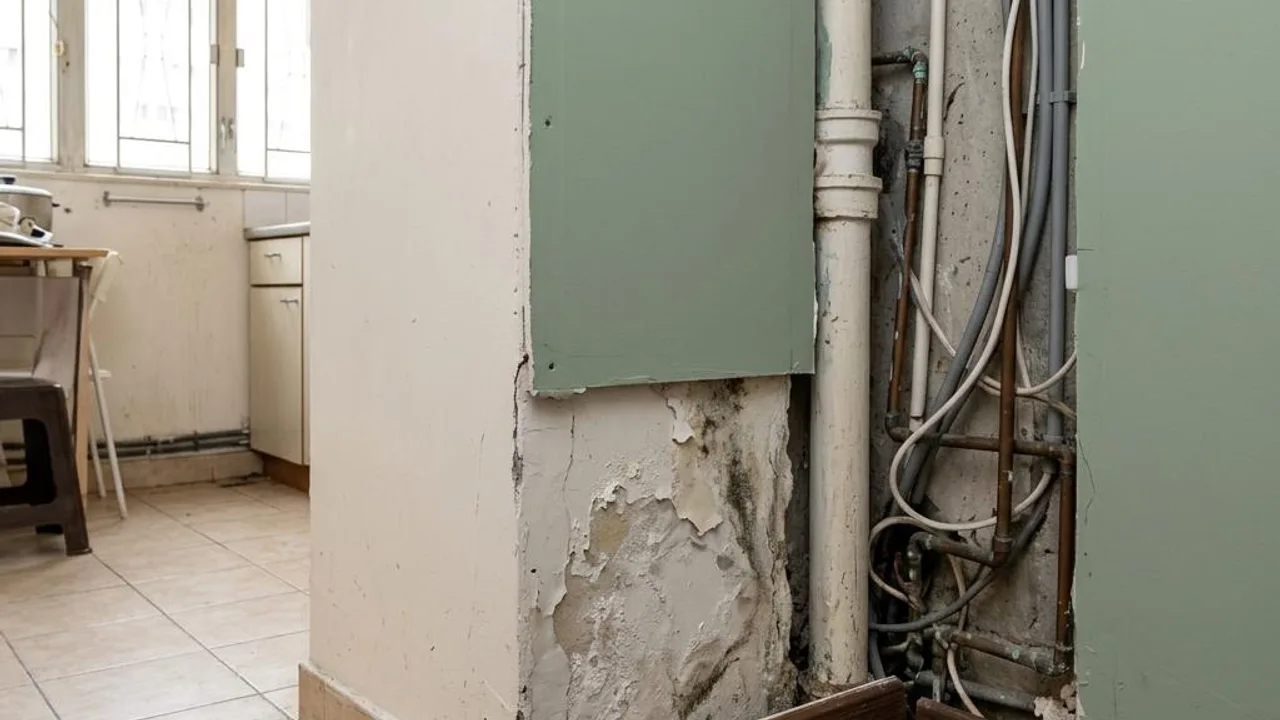
In-depth Analysis: Risks and Challenges of Self-Inspection of Properties
This article provides an in-depth analysis of the professionalism and risks of property inspection, explores the difficulties of homeowners performing their own inspections, and suggests how to protect your property investment and clarify construction defects and property value maintenance through professional third-party property inspection assessments.
Read full article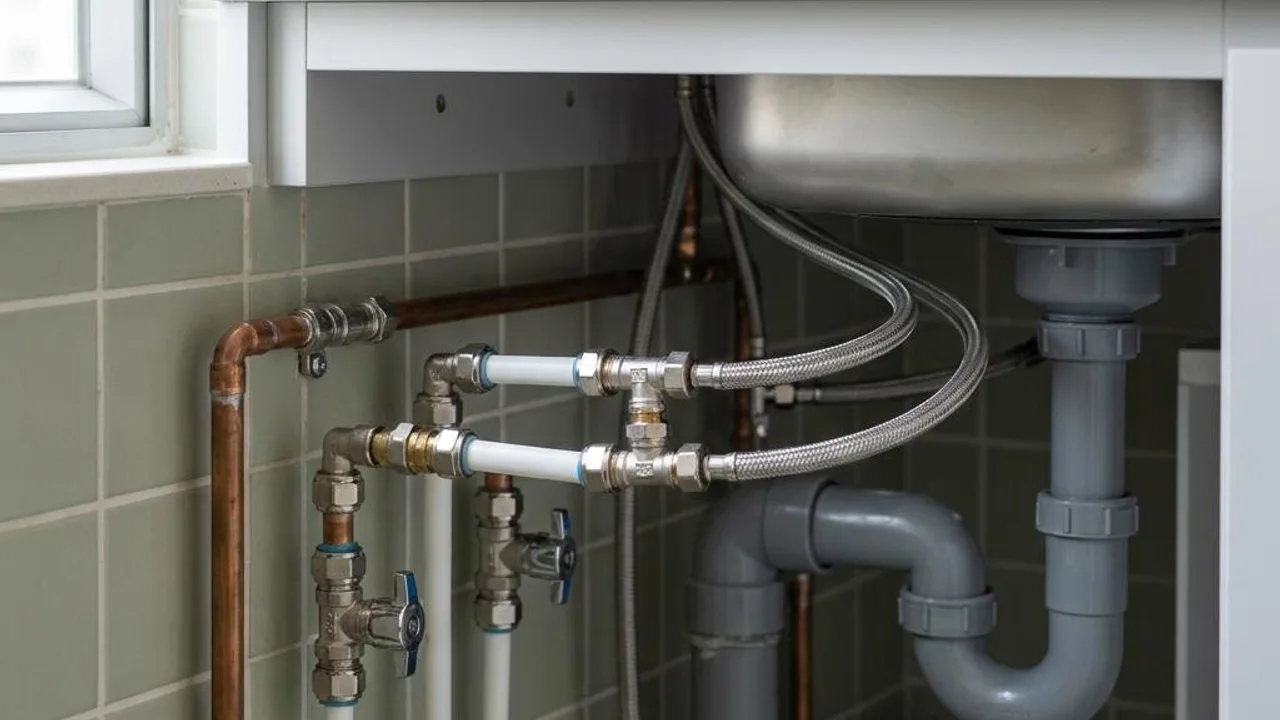
Water Pipe Connection Acceptance: Professional Details and Maintenance Focus
This article aims to help homeowners understand the key inspection points for water pipe connections during property handover, from material structure and inspection processes to common hazards and professional follow-up, ensuring the safety and durability of the home water system, and detecting and handling potential leakage risks early.
Read full article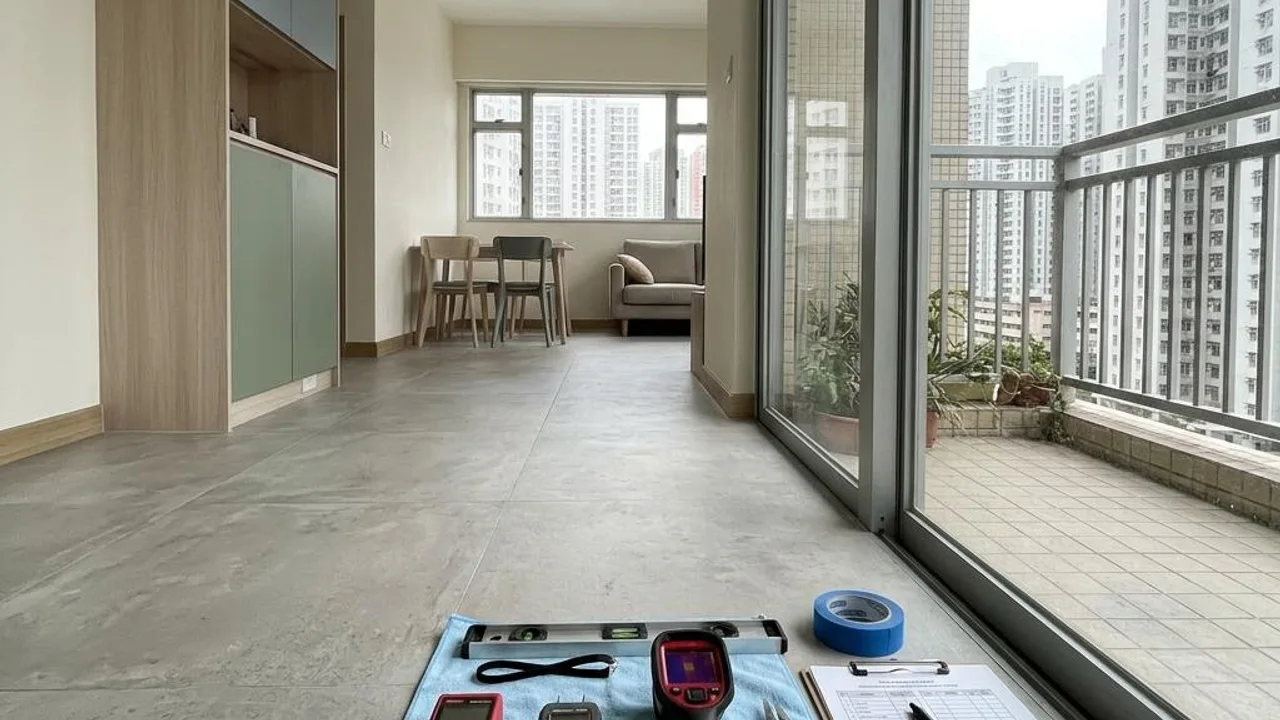
Professional Property Inspection Tool Review: Essential List to Enhance Residential Inspection Quality
This guide details how homeowners can scientifically observe wall moisture, power socket functions, and structural flatness using basic tools like moisture meters, voltage testers, and spirit levels. Through a practical inspection checklist, it assists homeowners in accurately recording abnormal conditions and consulting professionals for in-depth follow-up when necessary, ensuring the smooth progress of property inspection work.
Read full article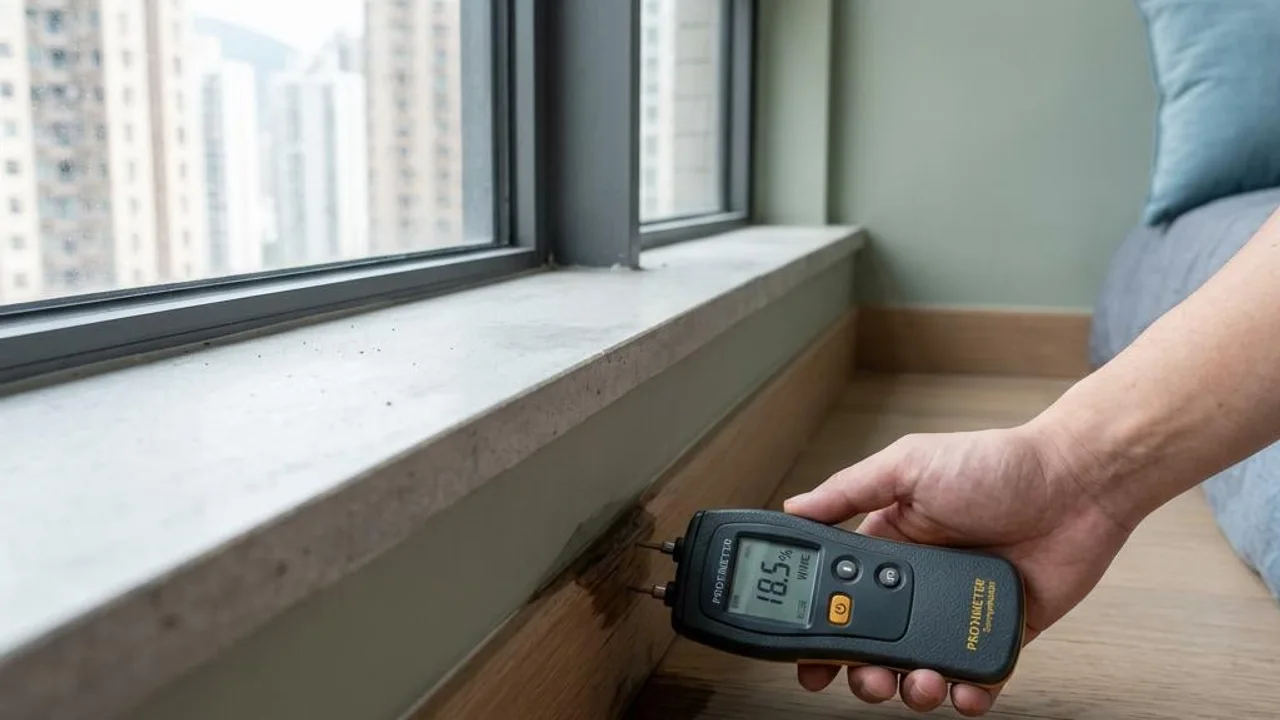
First-hand Property Inspection Professional Guide: Ensuring Property Handover Quality and Safety
This article provides a professional guide for first-hand property inspection, covering structural, water/electrical, and environmental safety testing, assisting homeowners in confirming handover quality and requesting developers to correct deficiencies early, protecting long-term living rights.
Read full article
2024 Property Inspection Strategy: Professional Assessment to Enhance Home Value
Professional property inspection aims to objectively identify renovation flaws and hidden leakage risks through systematic procedures and auxiliary tools. This can ensure the unit meets contract standards, assisting homeowners in urging developers to carry out corrections within the warranty period, protecting the long-term value of the property.
Read full article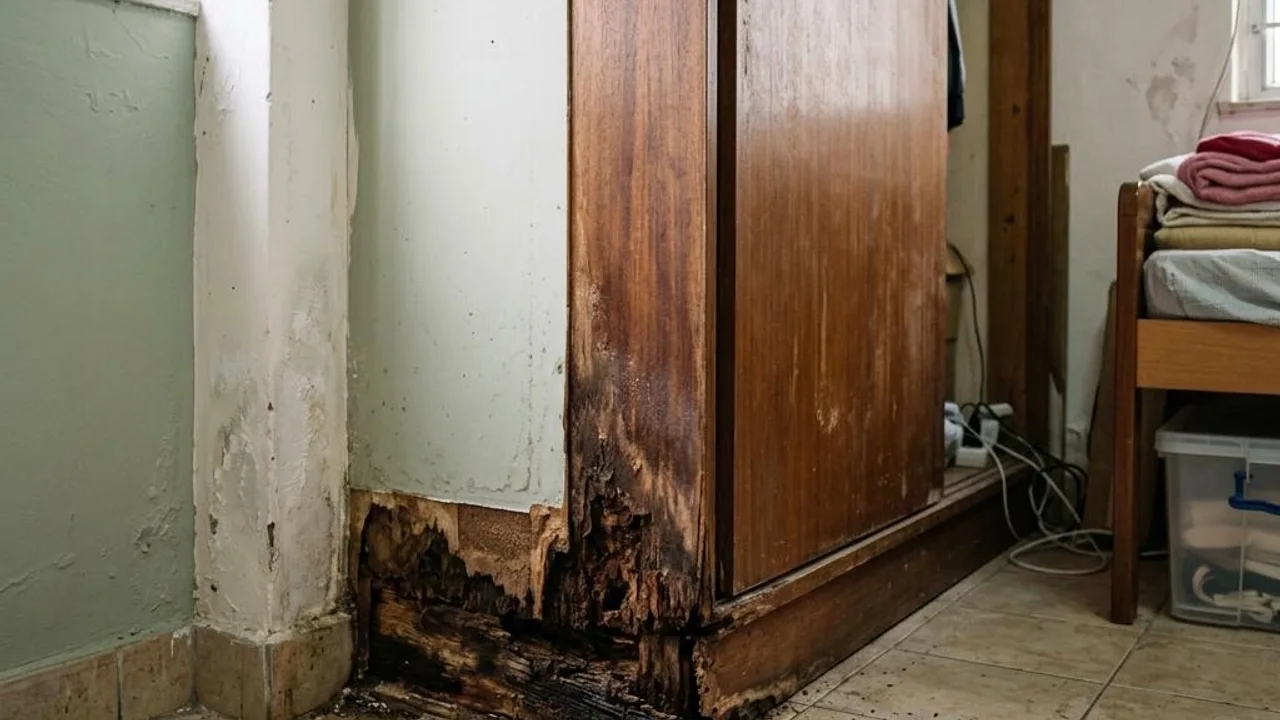
Property Inspection and Home Maintenance: Identifying and Handling Wood Decay Problems
Home wood decay is mainly caused by long-term moisture and fungal growth. Homeowners should detect and handle sources of leakage early through daily observation of humidity and appearance changes combined with professional structural assessments, thereby safeguarding home structural safety and durability.
Read full article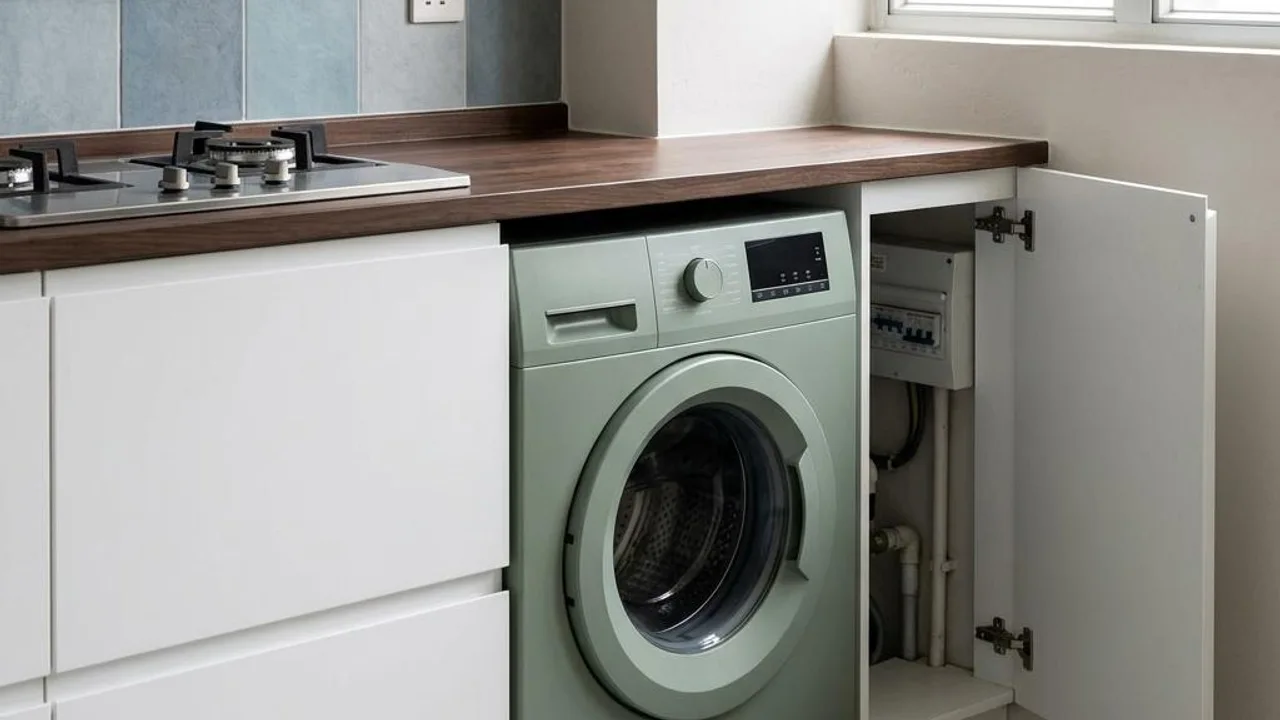
Response Strategies and Inspection Guide for Abnormal Appliance Operation Found During Property Inspection
This article provides homeowners with a practical guide for appliance inspection, covering power-on test procedures, safety operating rules, electrical load considerations, and post-malfunction maintenance suggestions, helping you safeguard home safety and equipment lifespan.
Read full article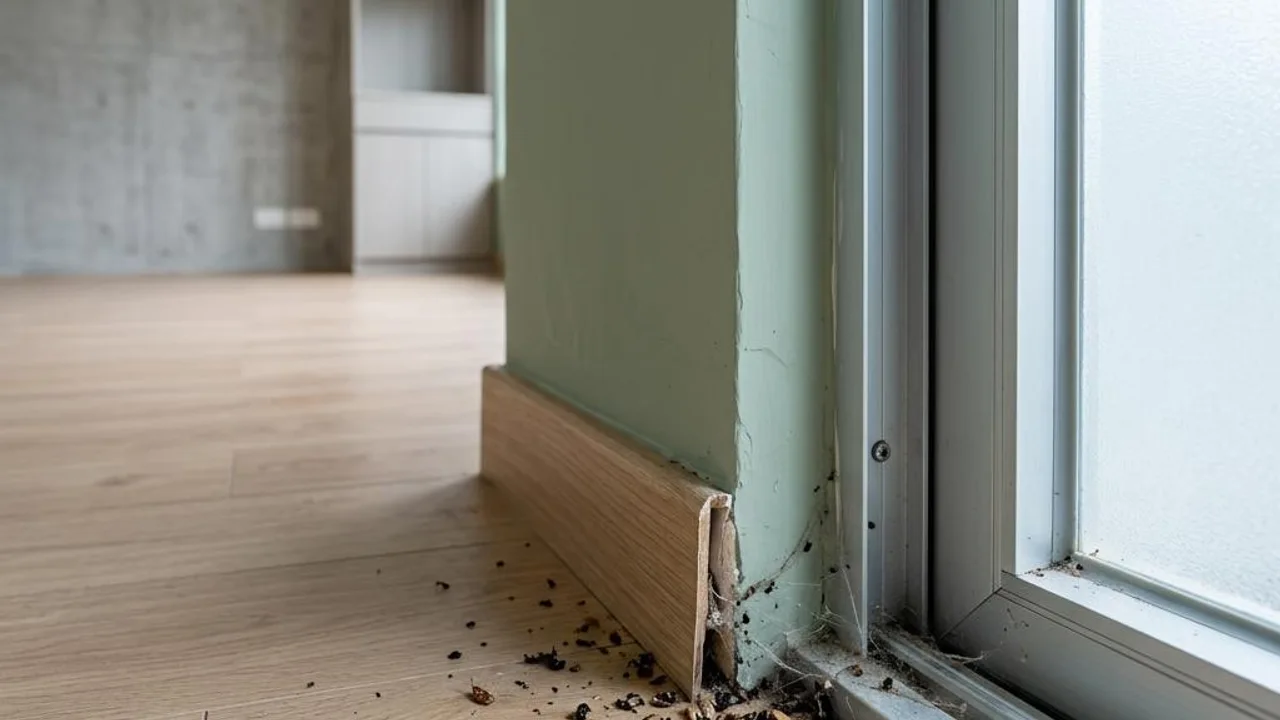
Handling Insects Found During Property Inspection and Environmental Hygiene Advice
Finding insect remains during property inspection is often caused by the unit being vacant or insufficient environmental sealing. This article guides homeowners on how to identify the cause of the problem, arrange for deep cleaning and professional pest control, and reminds them of the importance of long-term environmental maintenance and coordination with the management office to ensure residential hygiene and safety.
Read full article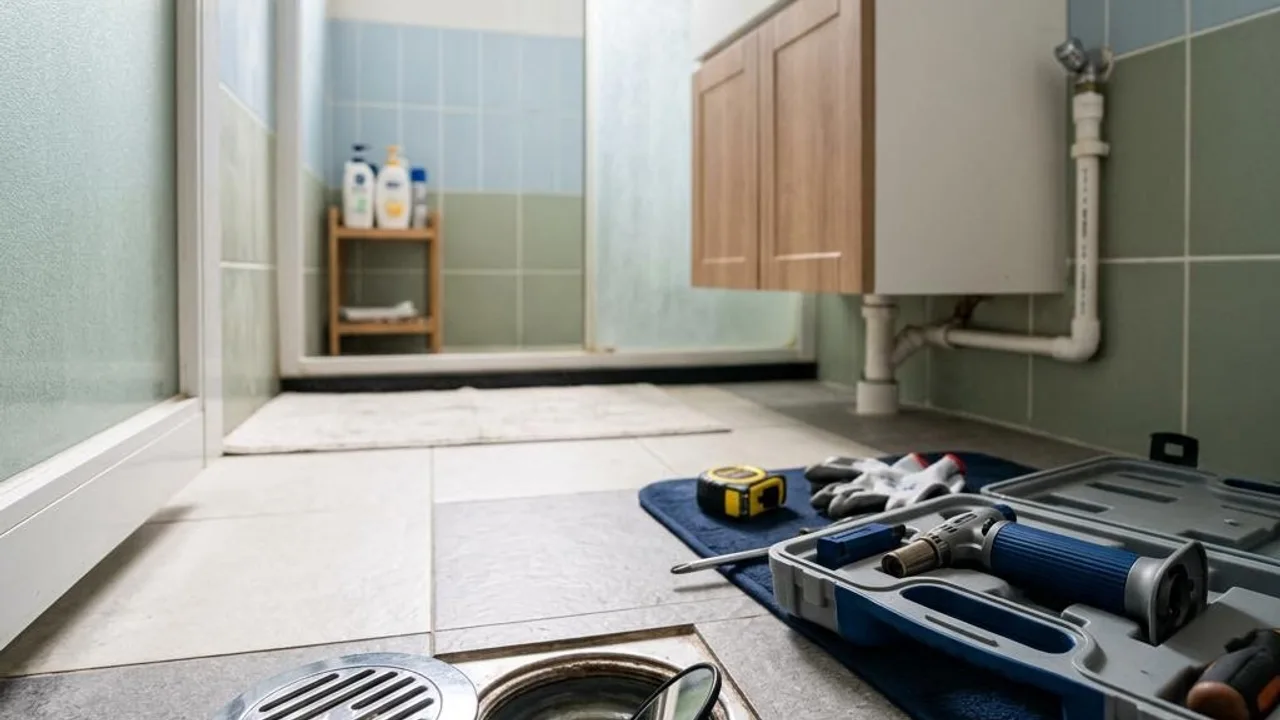
Property Inspection Odor Blocking: Key Home Environment Inspection Points and Practical Advice
This article explores the importance and practice of residential odor-blocking inspection, guiding homeowners in identifying odors from drainage, air tightness defects in doors and windows and walls, and providing scientific handling guidelines to help you establish a healthy and comfortable home air environment.
Read full article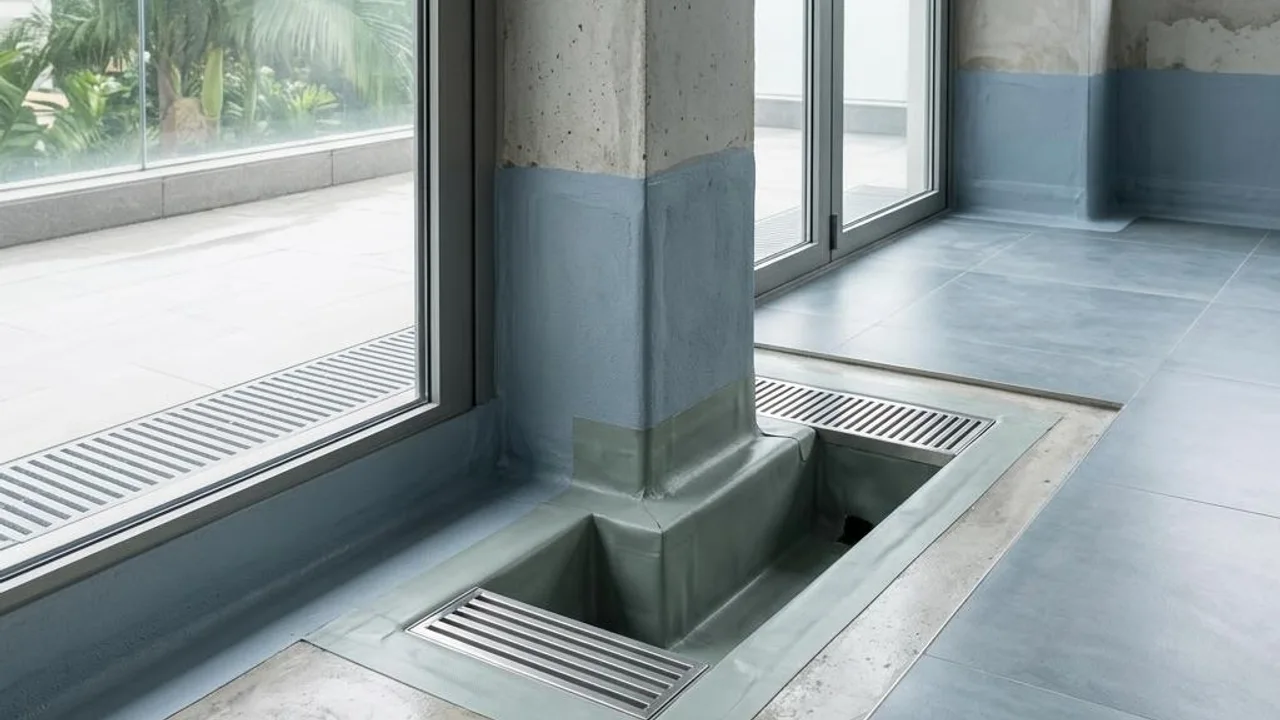
Detached House Leak Prevention Acceptance: Key Inspection Points and Maintenance Strategies
This article explores the keys to leak prevention acceptance for detached houses, covering drainage systems, structural waterproofing, and dampness hazard checks, assisting homeowners in identifying leakage warning signs and adopting scientific maintenance strategies to ensure home safety.
Read full article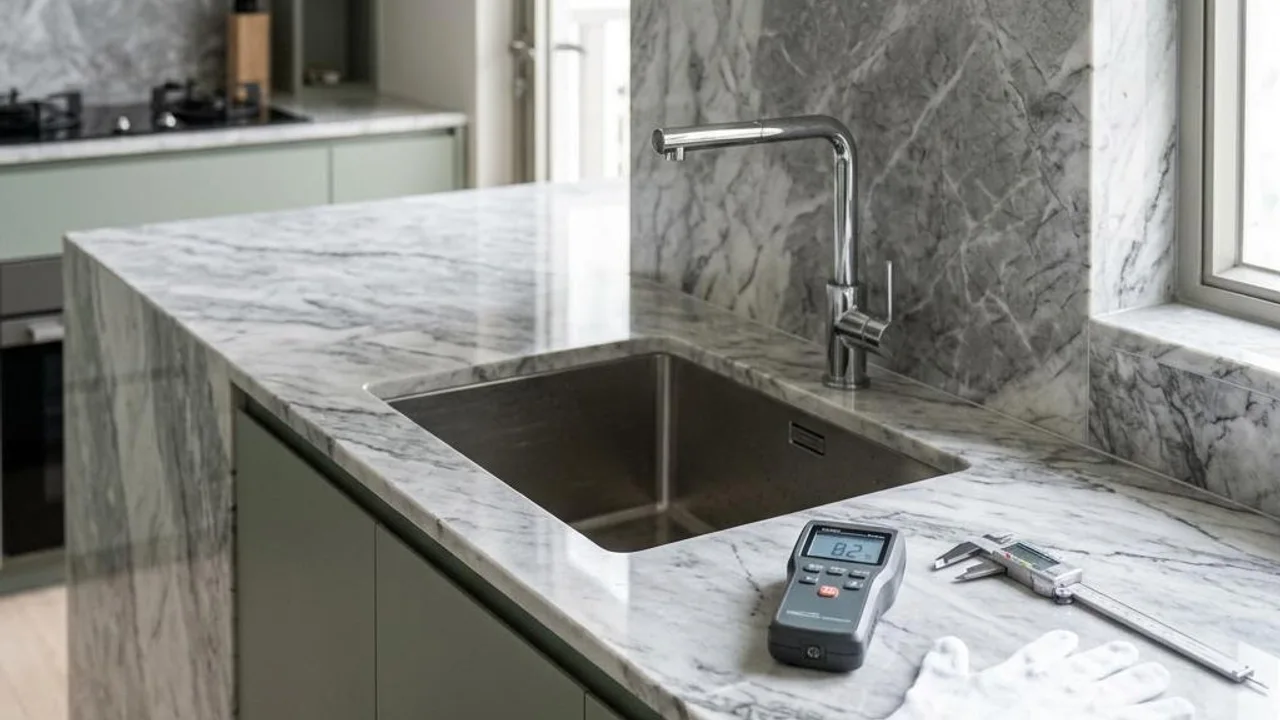
Stone Material Acceptance Essentials: Assessment, Inspection, and Maintenance Guide
This guide details the characteristics of indoor stone materials, inspection focus points, and daily care techniques. By observing texture, using percussion tests, and performing correct maintenance, homeowners can effectively identify stone installation quality and extend the service life of the stone.
Read full article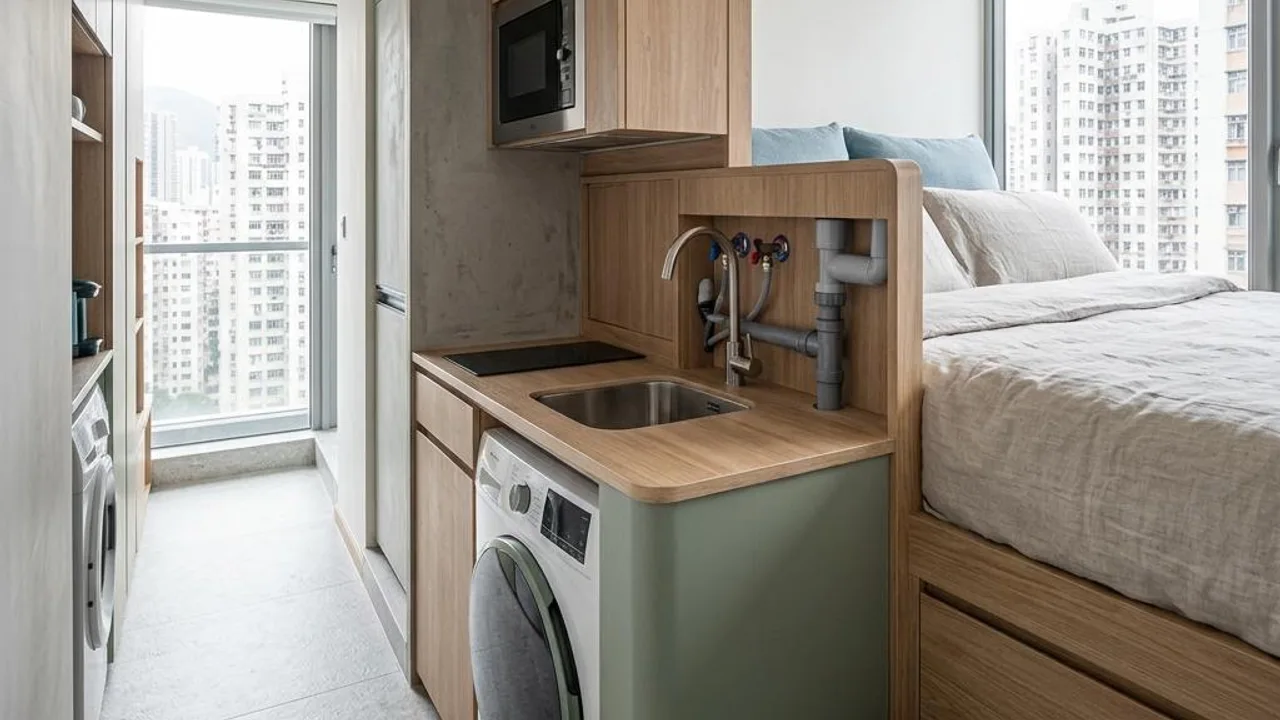
Quality Requirements for Nano-flat and General Residential Acceptance
This article analyzes the commonalities and design differences in quality acceptance between nano-flats and general residential properties, teaching homeowners how to carry out rigorous inspections of structure, facilities, and living support within small spaces.
Read full article
Accepting First-hand Properties: A Must-Read Property Inspection Process and Rights Checklist for Homeowners
This article focuses on the key procedures for first-hand residential property inspection and the protection of homeowners' rights, assisting homeowners in ensuring property handover quality and effectively dealing with potential repair disputes through a systematic inspection process, preparation of tools, and professional assistance advice.
Read full article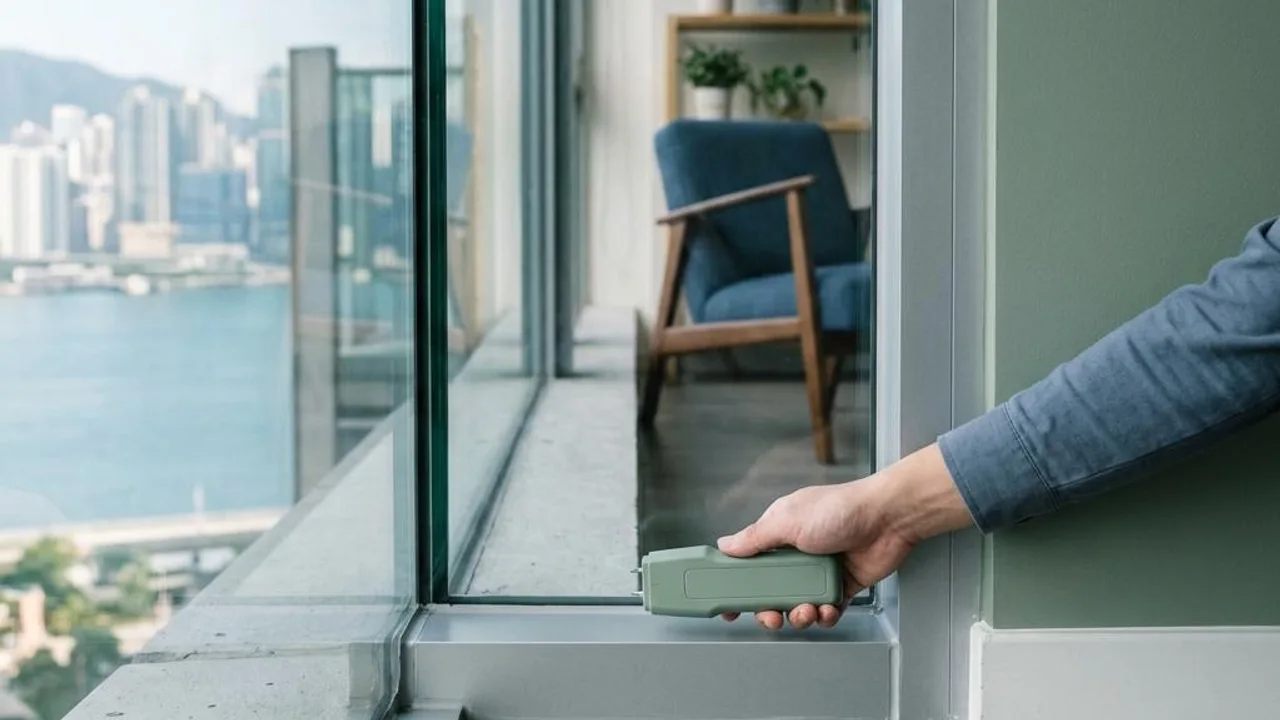
Inspecting Glass Curtain Walls: Structural Safety and Daily Maintenance Practical Guide
This article explores the inspection focus, design considerations, maintenance cycles, and daily care of glass curtain walls, assisting homeowners in mastering practical information for improving building energy efficiency and structural safety, and extending the service life of the property.
Read full article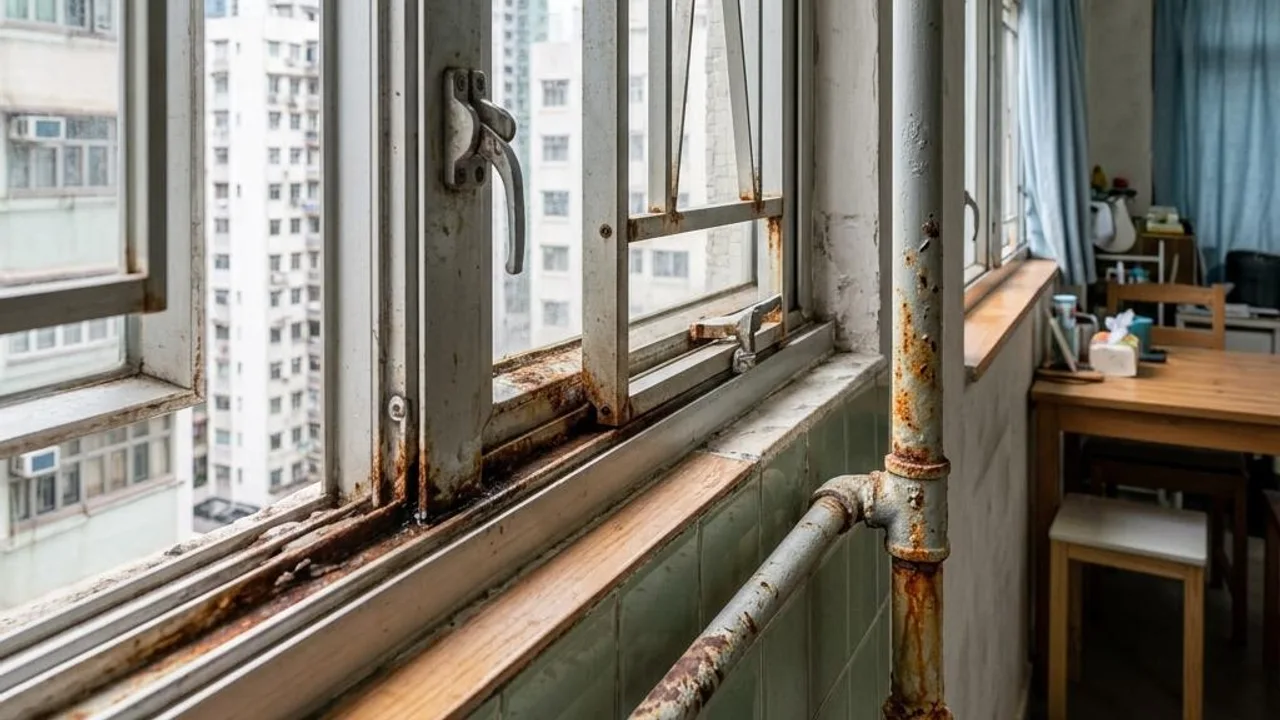
Property Inspection Special: Inspection and Response Strategies for Rusting Metal Components
Rusting of metal components in the home will affect aesthetics and structural safety. Homeowners should regularly observe signs of corrosion and prevent it through humidity control and correct protective coatings. If serious structural corrosion occurs, professional assessment and appropriate repairs should be sought to avoid potential risks due to negligence.
Read full article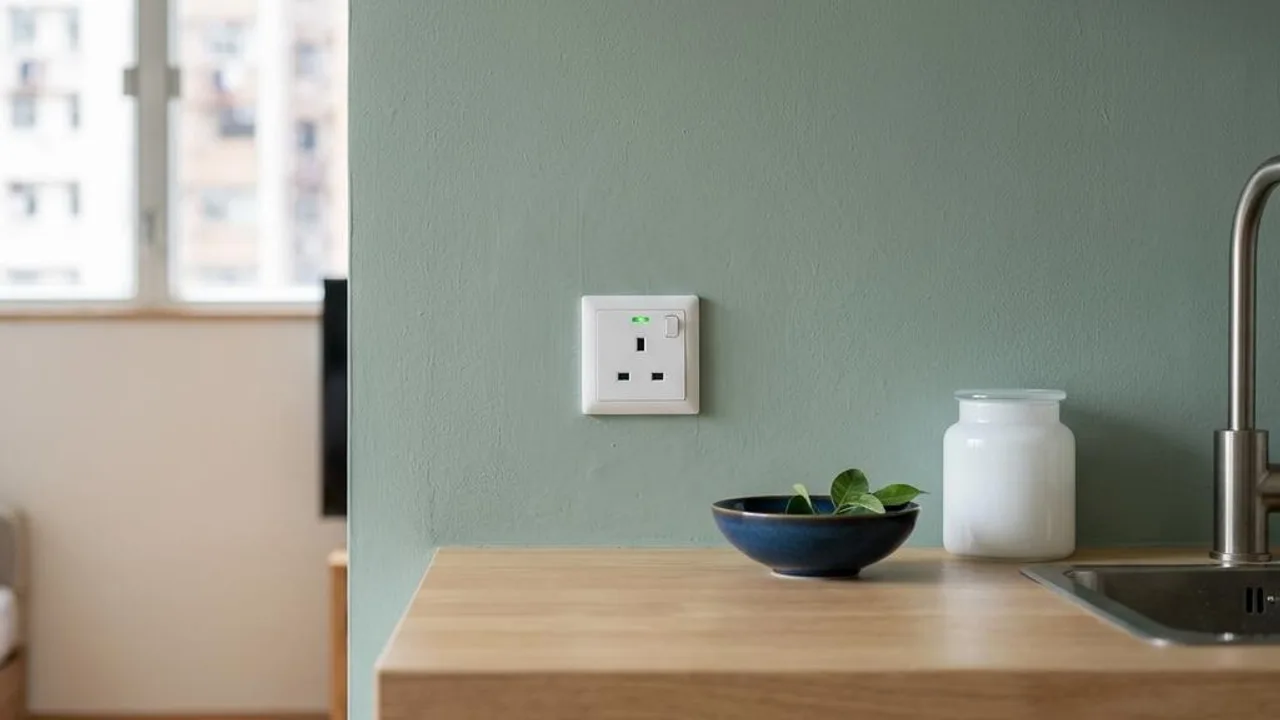
Property Inspection and Home Electrical Safety: A Guide to Ensuring Normal System Operation
This guide details the importance of electrical system inspection during property inspection, identification of common risks, and safety principles. By observing potential hazards and commissioning a registered electrical contractor, homeowners can ensure stable home electricity operation and safeguard living safety.
Read full article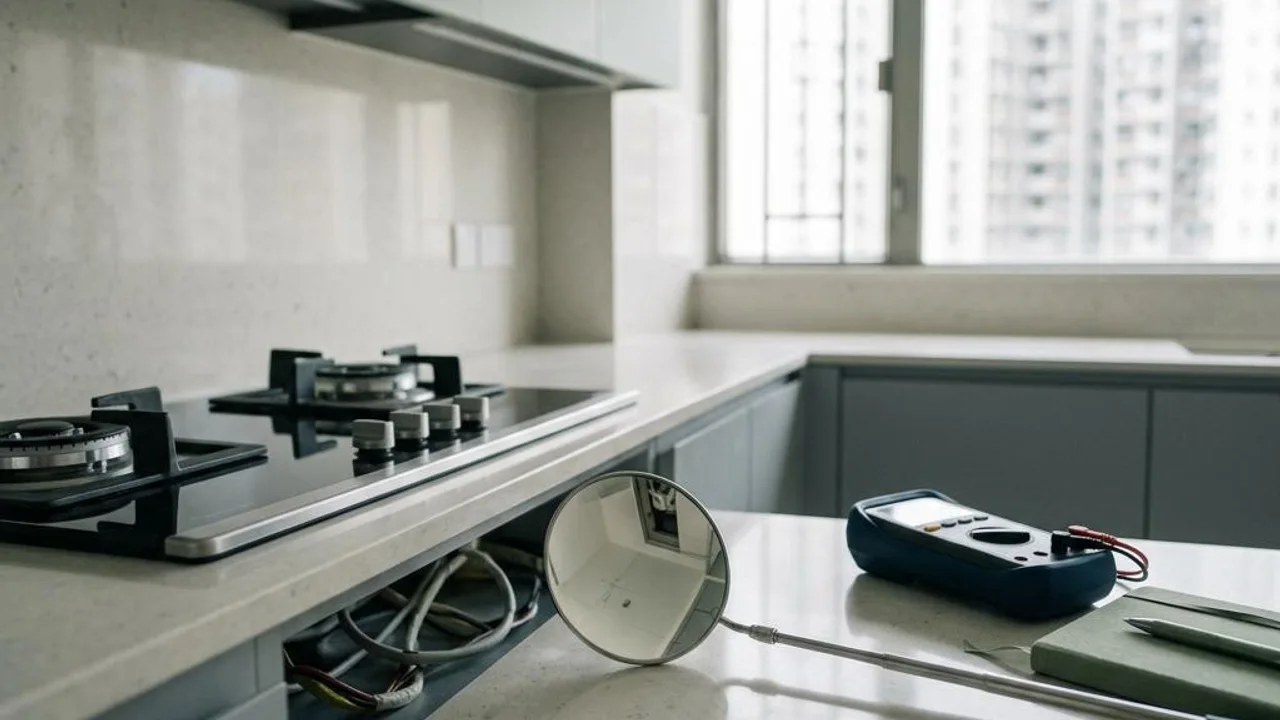
New Property Appliance Acceptance Guide: Key Inspection Procedures and Considerations
This article provides a key guide for new property appliance acceptance, focusing on checklist verification, appearance details, functional operation, and maintenance documentation, helping homeowners build a comprehensive and systematic property inspection procedure.
Read full article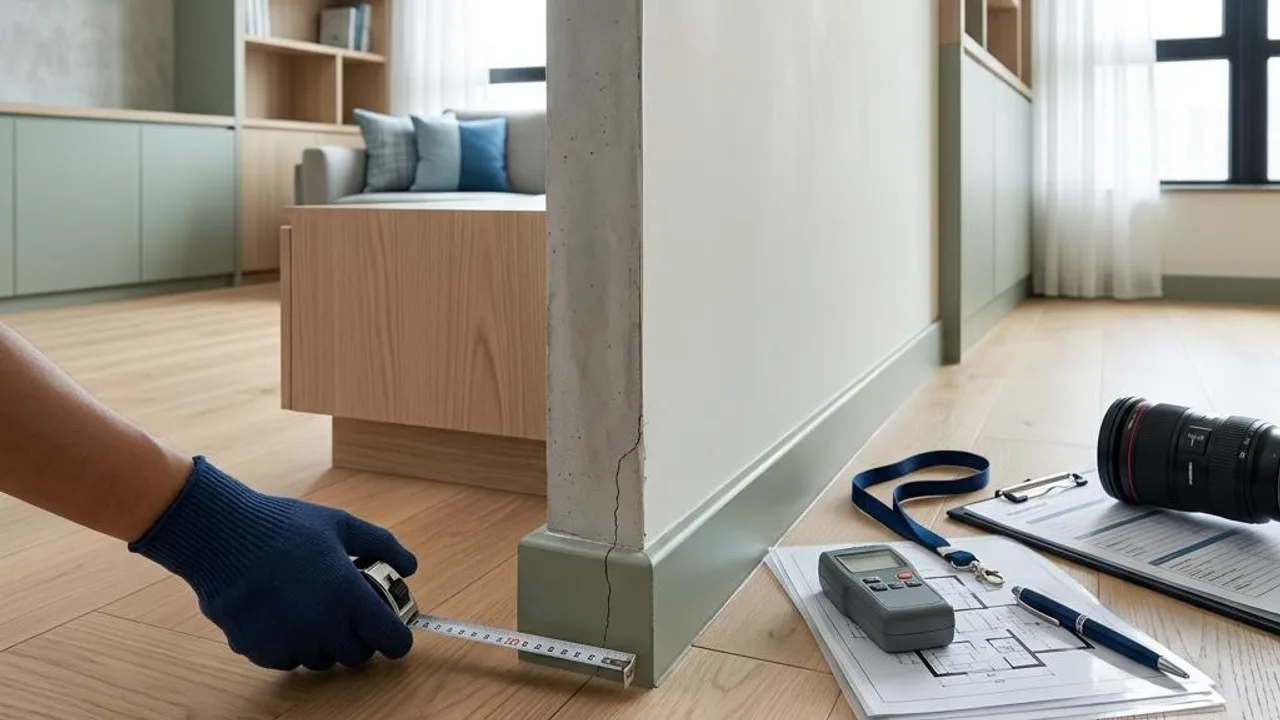
Self-Inspection VS Professional Property Inspector Review: Pros and Cons Analysis and Recommendations
Property inspection is key to ensuring living safety. Homeowners can choose to perform their own inspection or commission professionals based on time costs, technical background, and building complexity, to implement testing and repair guarantees for various engineering defects.
Read full article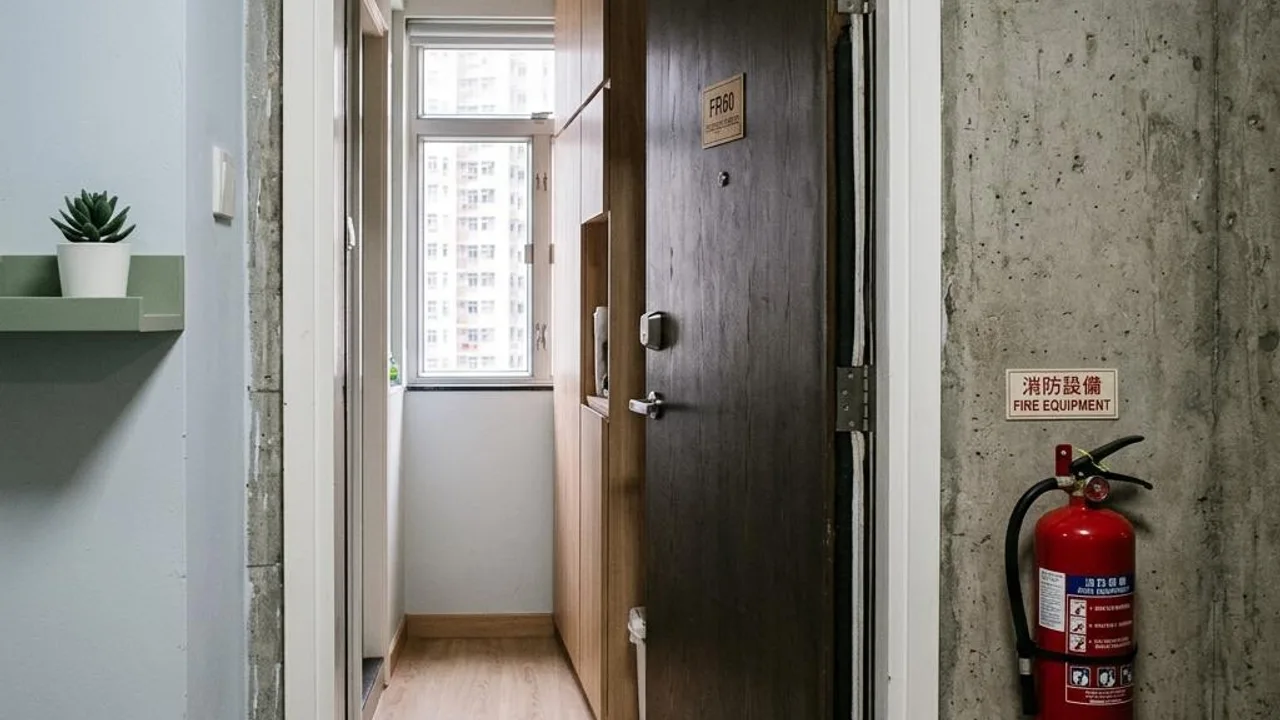
Nano-flat Property Inspection Guide: Spatial Usage and Fire Safety Focus
Nano-flat spaces are small, making property inspection and fire safety crucial. This guide analyzes nano-flat building characteristics, provides property inspection points, fire facility testing methods, and home prevention measures, helping homeowners safeguard living safety.
Read full article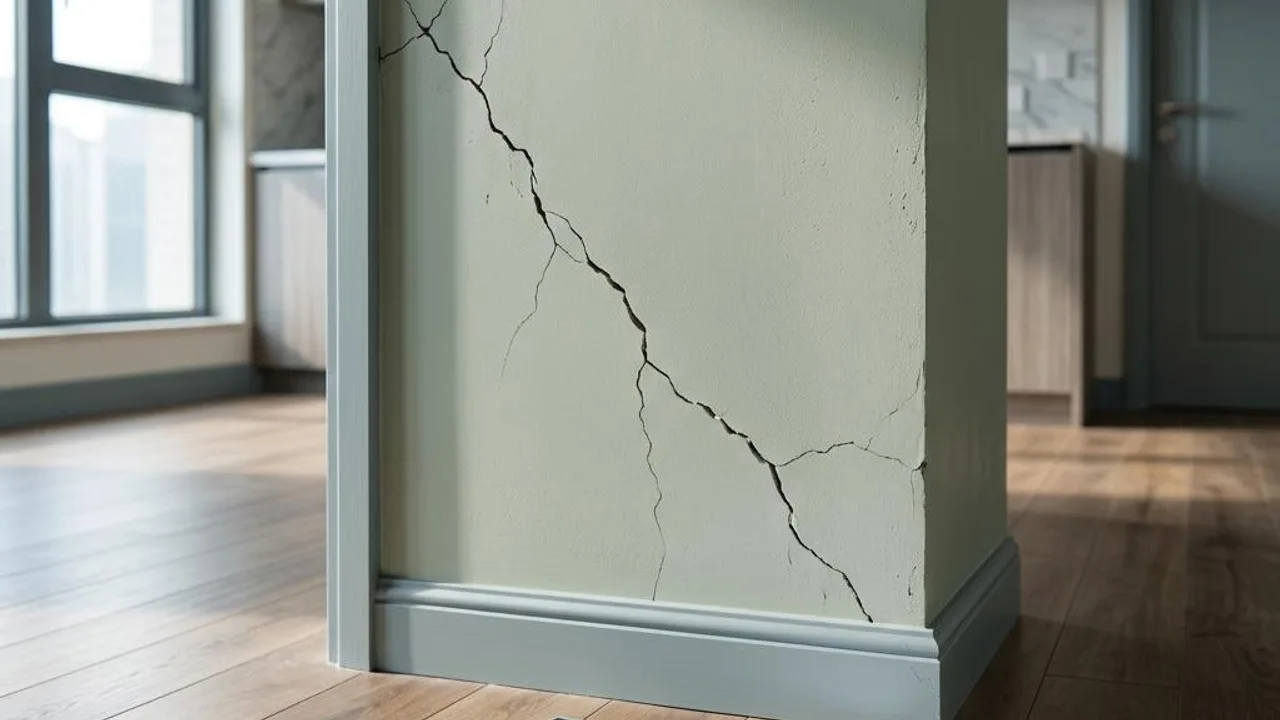
Defect Rectification Period for New Buildings: A Strategy for Protecting Buyer Rights
The defect rectification period following the handover of a new property safeguards the rights of owners. Understanding the scope of terms, key points for recording property inspections, and strategies for submitting maintenance requests can effectively help avoid potential construction defects and ensure long-term living quality.
Read full article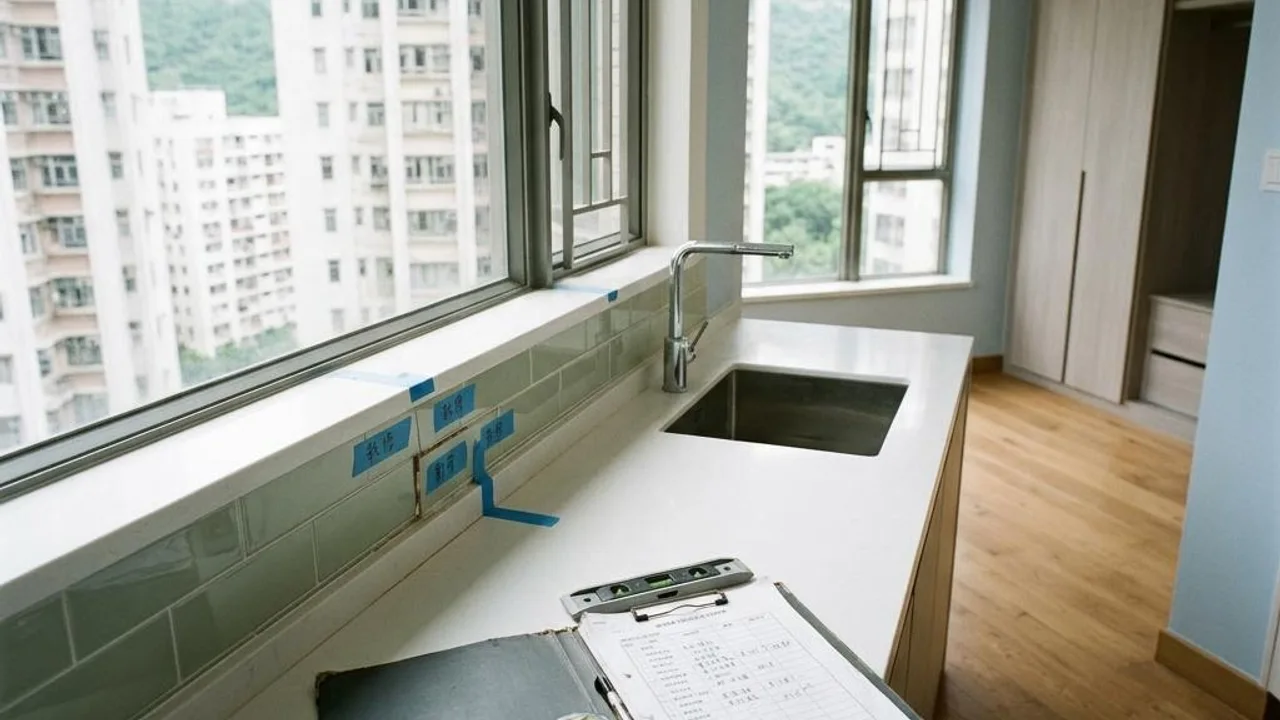
Comprehensive Guide to Developer Defect Rectification After Property Inspection
This guide details the crucial steps for owners during property inspection upon handover, covering inspection points for walls, electrical and plumbing systems, and doors and windows. It assists owners in identifying defects during the rectification process and ensures the unit condition meets contractual specifications through accurate recording and professional communication.
Read full article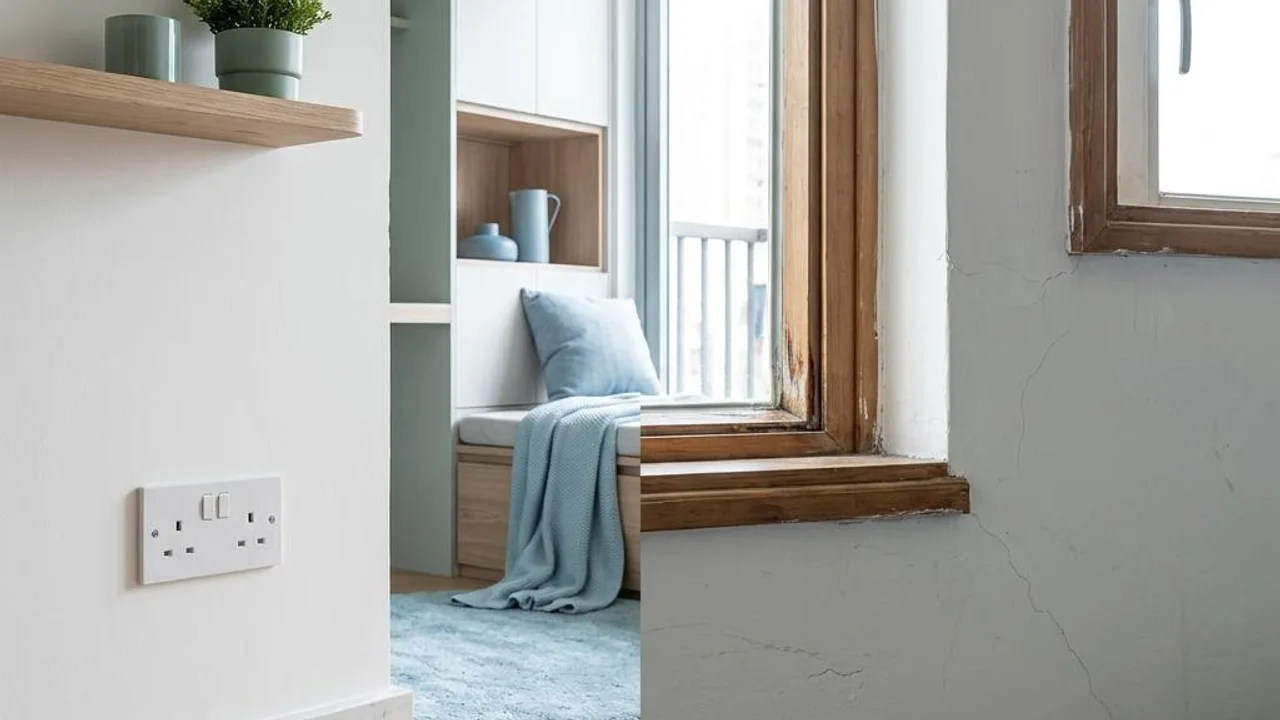
The Complete Guide to Differences in Property Inspections for New vs. Secondary Homes
Property inspections for new homes and secondary homes have different focuses; the former targets the developer's handover commitments and workmanship, while the latter prioritises the lifespan of existing facilities, hidden structures, and risks of water leakage. Owners should cross-reference their contracts upon handover and commission professionals to scrutinise potential safety hazards.
Read full article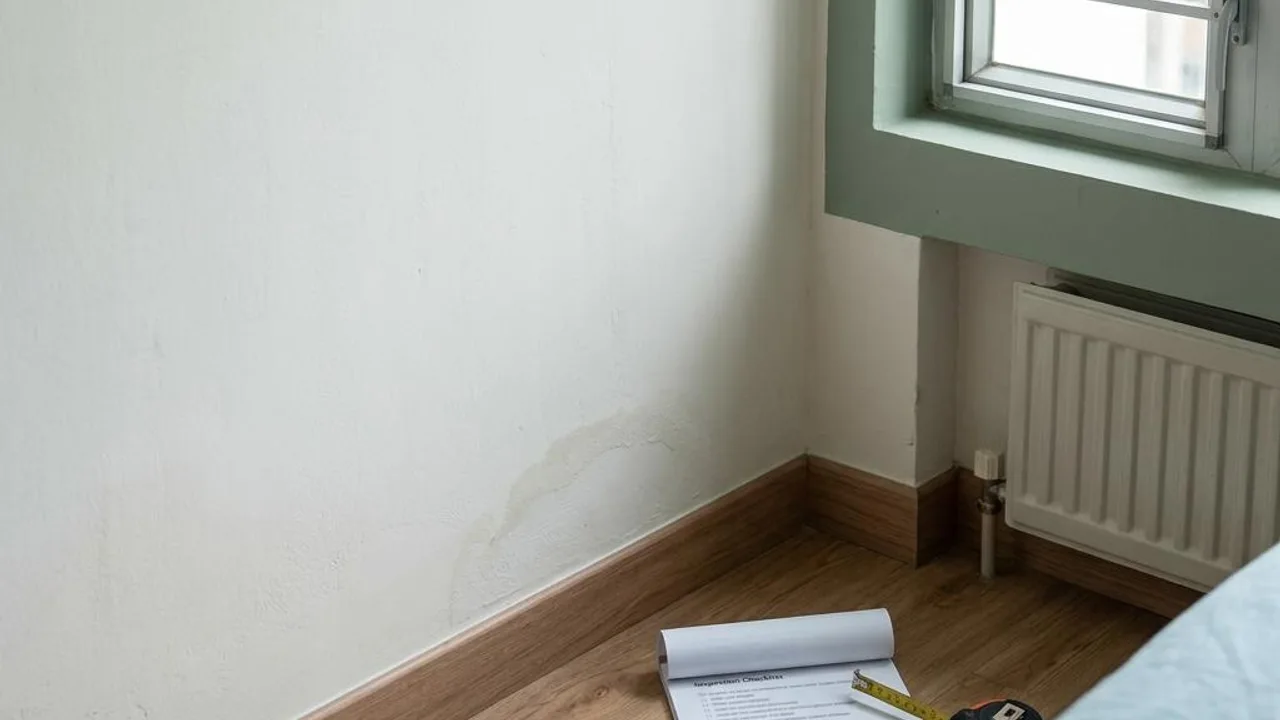
Home Ownership Scheme (HOS) Property Inspection Checklist: Essential Guide for Moving into a New Home
Handover is a significant moment in home ownership. Using a systematic property inspection process to check structural, plumbing, electrical, renovation, and drainage conditions helps owners discover potential issues and safeguard their living quality and safety.
Read full article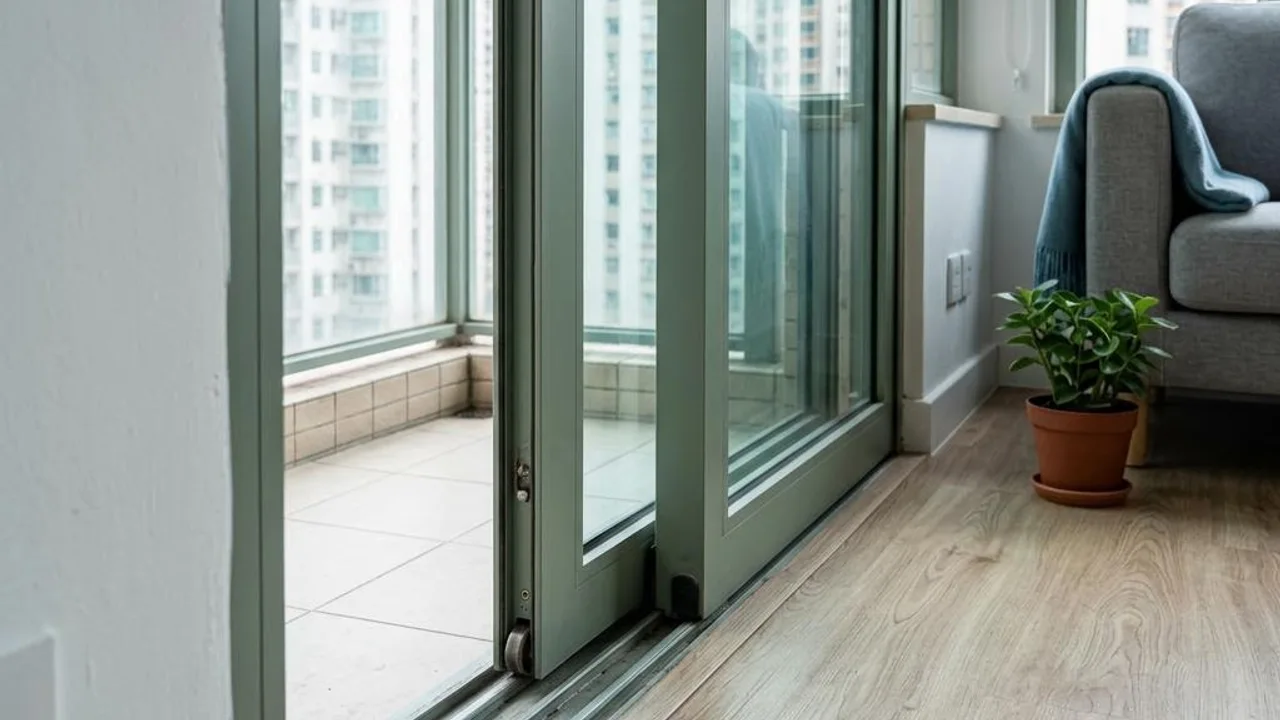
Complete Guide to Inspecting Sliding Doors: Ensuring Safety, Soundproofing, and Water Resistance
This article provides a practical guide for owners on inspecting domestic sliding doors, covering structural checks, rail maintenance, airtightness tests, and safety precautions, helping you identify common issues and safeguard your living quality.
Read full article
Property Inspection Glass Testing: Key Inspection Points for Sunny and Rainy Days
This guide details the key steps for glass testing during property inspections, covering surface flaw observation on sunny days and practical waterproofing performance tests on rainy days, assisting owners in accurately recording window issues to safeguard living quality and rights.
Read full article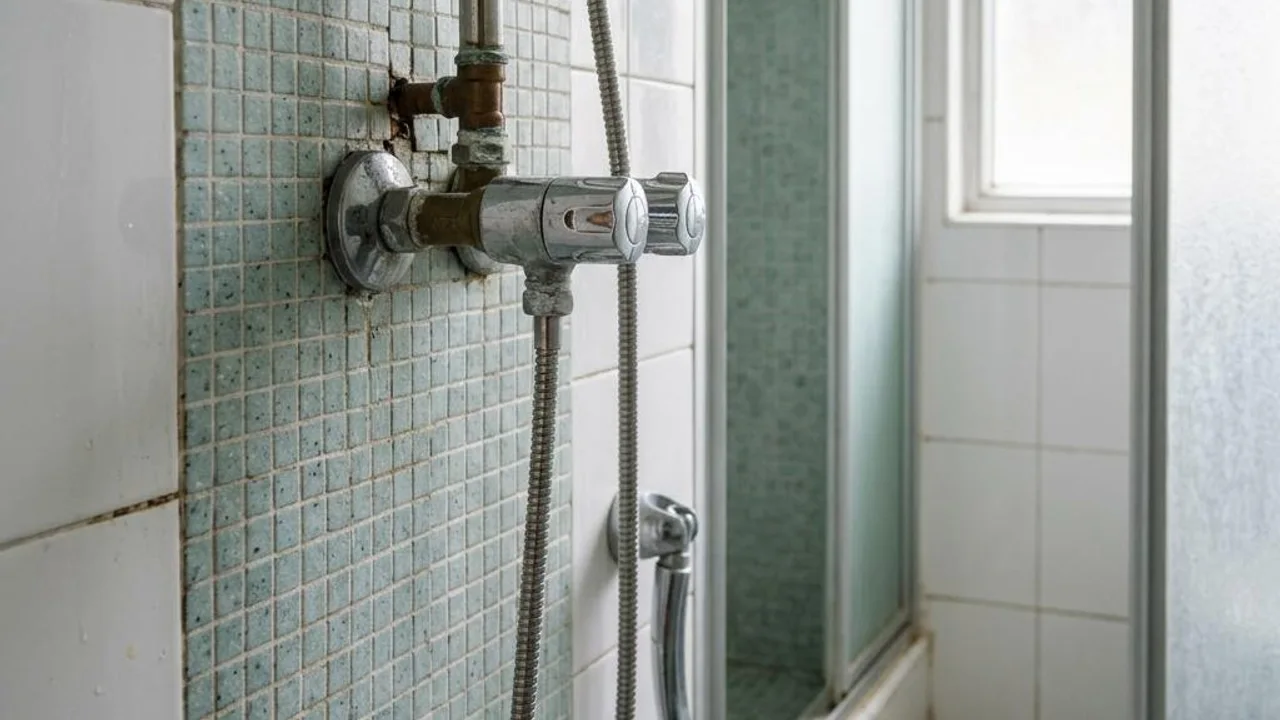
Property Inspection Water Pressure Test Guide: Discovering Hidden Issues in Water Supply Systems
Assessing water pressure is crucial during home property inspections. This article explains the potential risks of excessively high or low water pressure, introduces professional testing procedures and causes, and instructs owners on how to contact qualified professionals to rectify hidden issues in the water supply system to ensure efficient water usage.
Read full article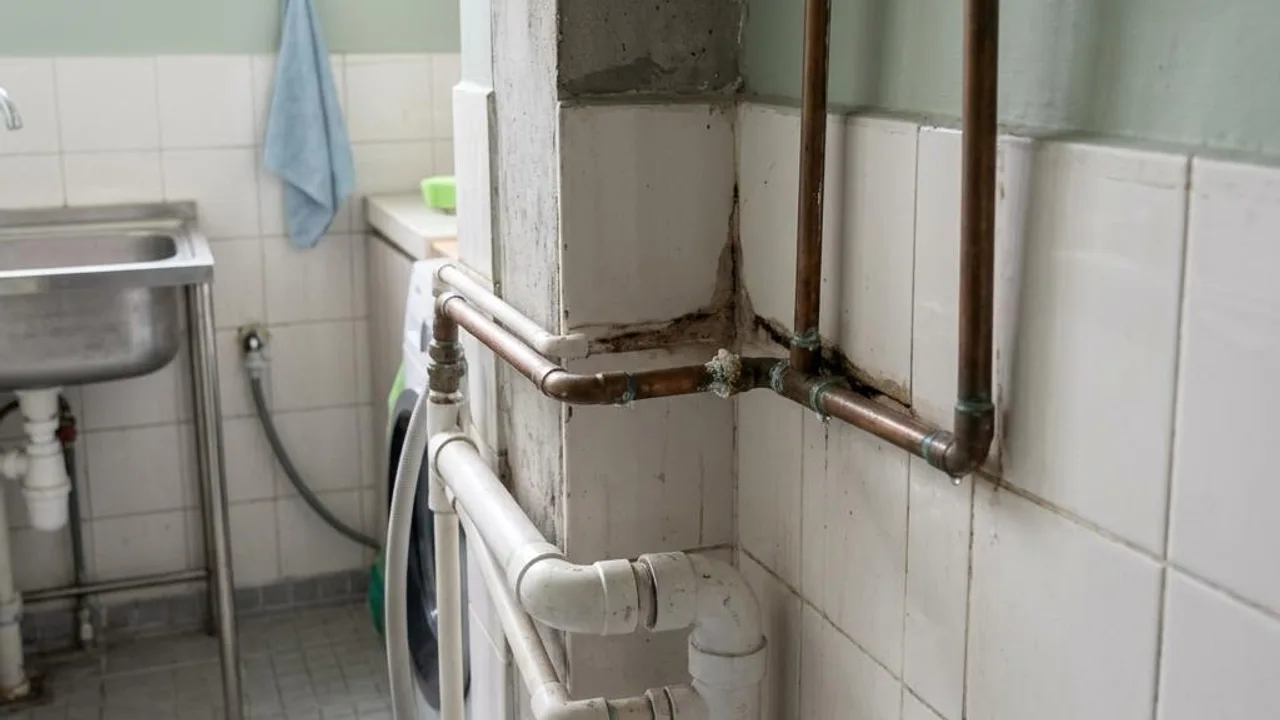
How to Locate Water Leakage Points During Property Inspection: Professional Inspection Guidelines
This guide details the key points for identifying water seepage during property inspections, covering high-risk locations such as rooftops, walls, kitchens, bathrooms, and window frames, and instructs owners on how to use signs of observation and professional equipment to identify potential waterproofing loopholes and seek follow-up action.
Read full article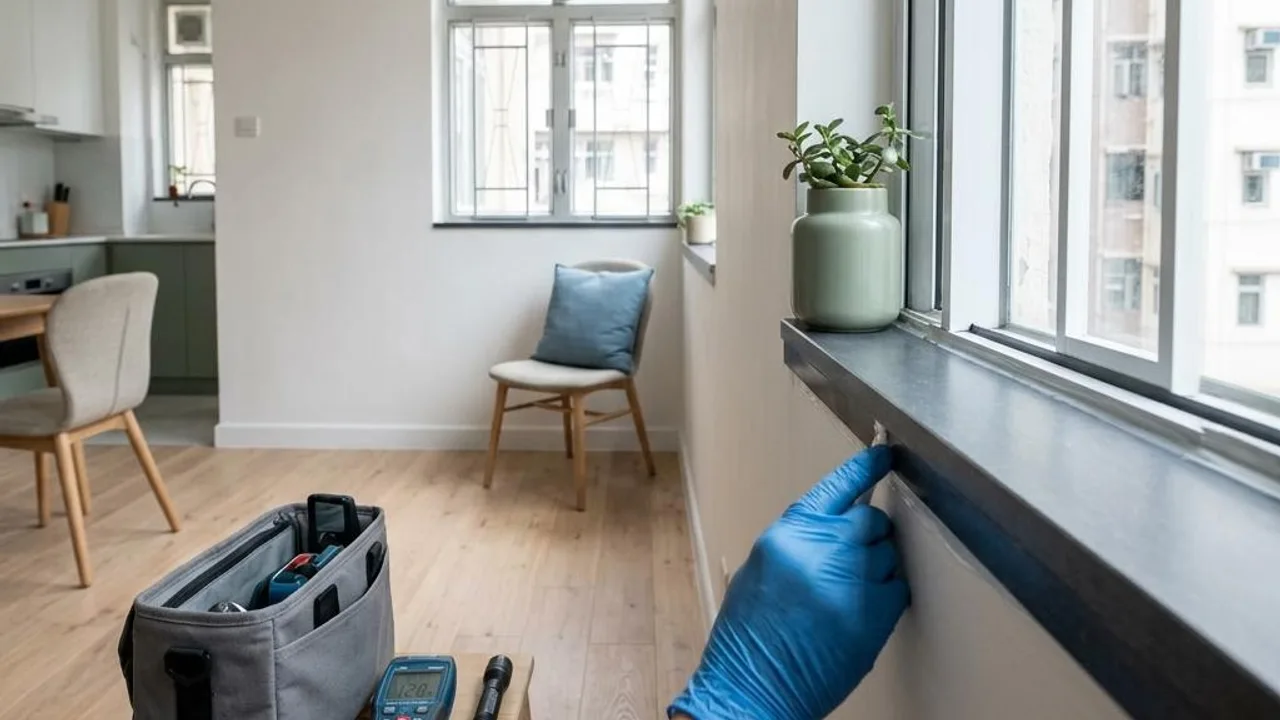
How to Assess the Quality of Property Inspection Services? Professional Selection Indicators Before Handover
Assessing property inspection services requires scrutinising their professional qualifications, inspection processes, and the depth of their reports. Choosing a team with extensive practical experience that can provide objective repair recommendations is key to ensuring property quality, safeguarding residential safety, and properly following up on defects at handover.
Read full article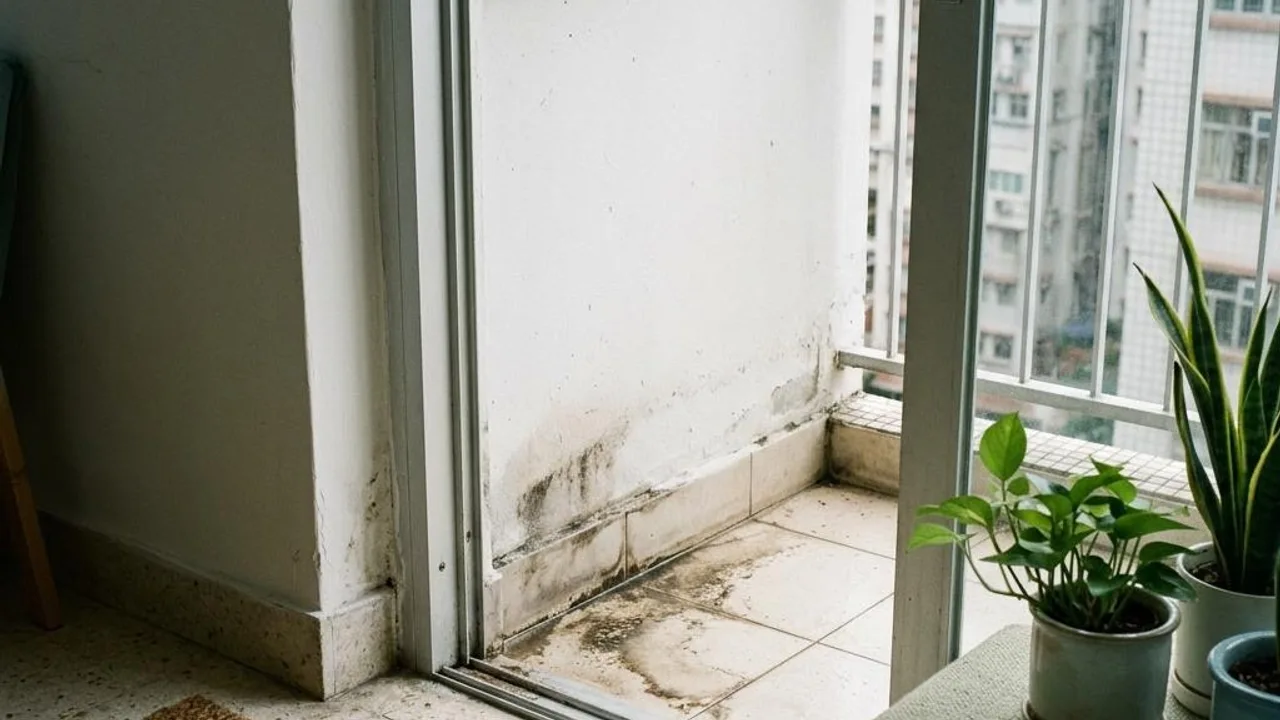
Discovering Balcony Dripping During Property Inspection: Common Causes and Response Strategies
Balcony dripping is a common issue, usually caused by poor drainage slope design, waterproofing layer construction, or failed sealant. Owners need to clarify the cause of leakage through professional observation and appropriate testing, and promptly contact qualified professionals for repairs to protect the structural safety of the home.
Read full article
Deep Dive: Disclaimers in Property Inspection Reports and Homeowner Rights
A thorough interpretation of the legal and technical implications of disclaimers in property inspection reports. We assist homeowners in correctly assessing property conditions, understanding the scope and limitations of non-invasive testing, and learning to use the report as a vital reference blueprint for repair decisions.
Read full article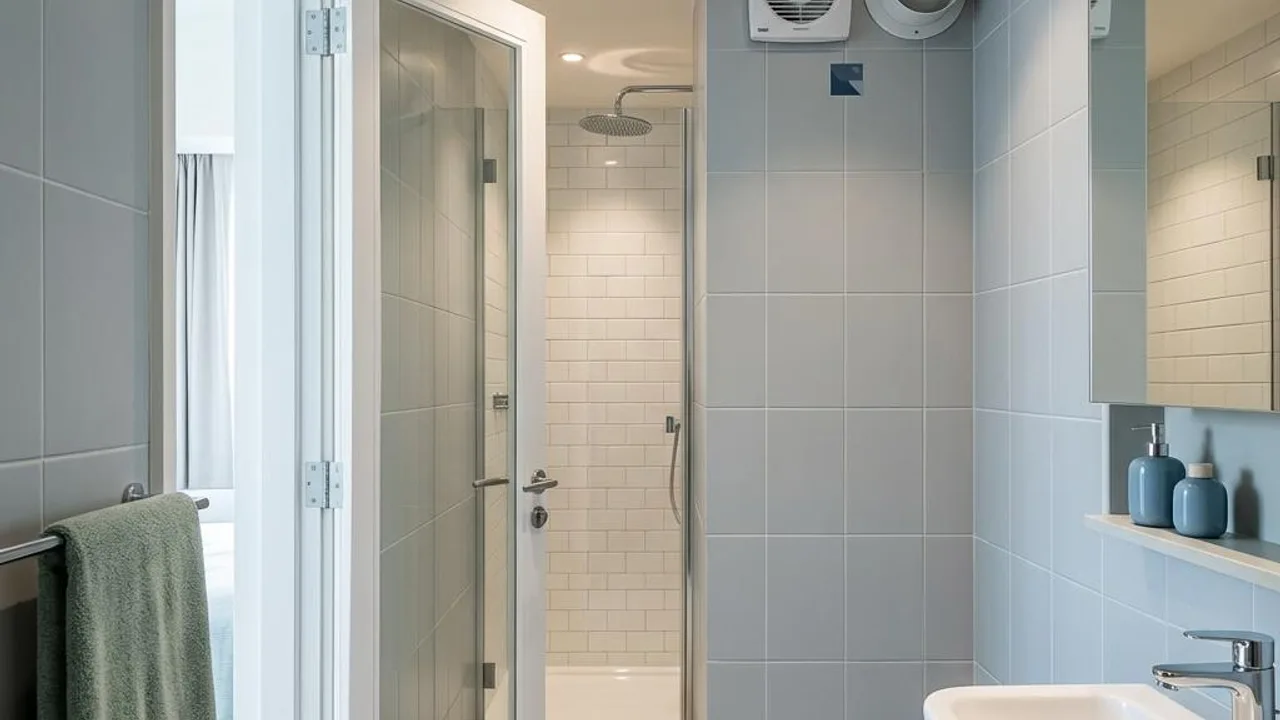
Checklist for 'Dark Bathrooms' (internal bathrooms): Key Inspections for Improving Ventilation and Lighting
Because 'dark bathrooms' lack external windows, exhaust and waterproofing systems are critical. Homeowners need to focus on checking the performance of the extractor fan, the sealing of ceiling pipes, and whether there are any hollow tiles or cracks in the walls. Professional instruments should be used to assess moisture levels to ensure the space remains dry and mold-resistant.
Read full article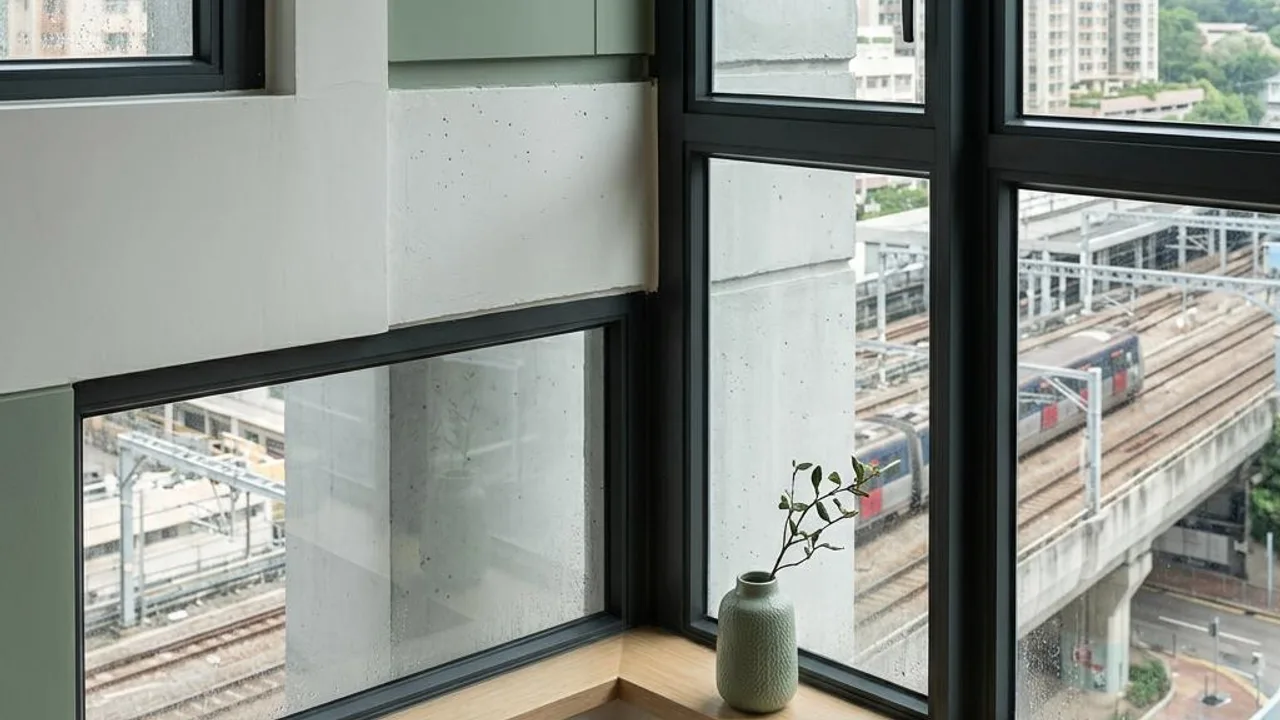
Property Inspection Guide for Railway-Top Developments: Comprehensive Noise Control and Structural Checks
Written specifically for owners of properties located above railway lines, this article breaks down key inspection points for property handover. From building structure vibration resistance and window soundproofing performance to fire safety supporting facilities, we provide a practical inspection guide to help owners identify potential factors and ensure the quality of their living environment.
Read full article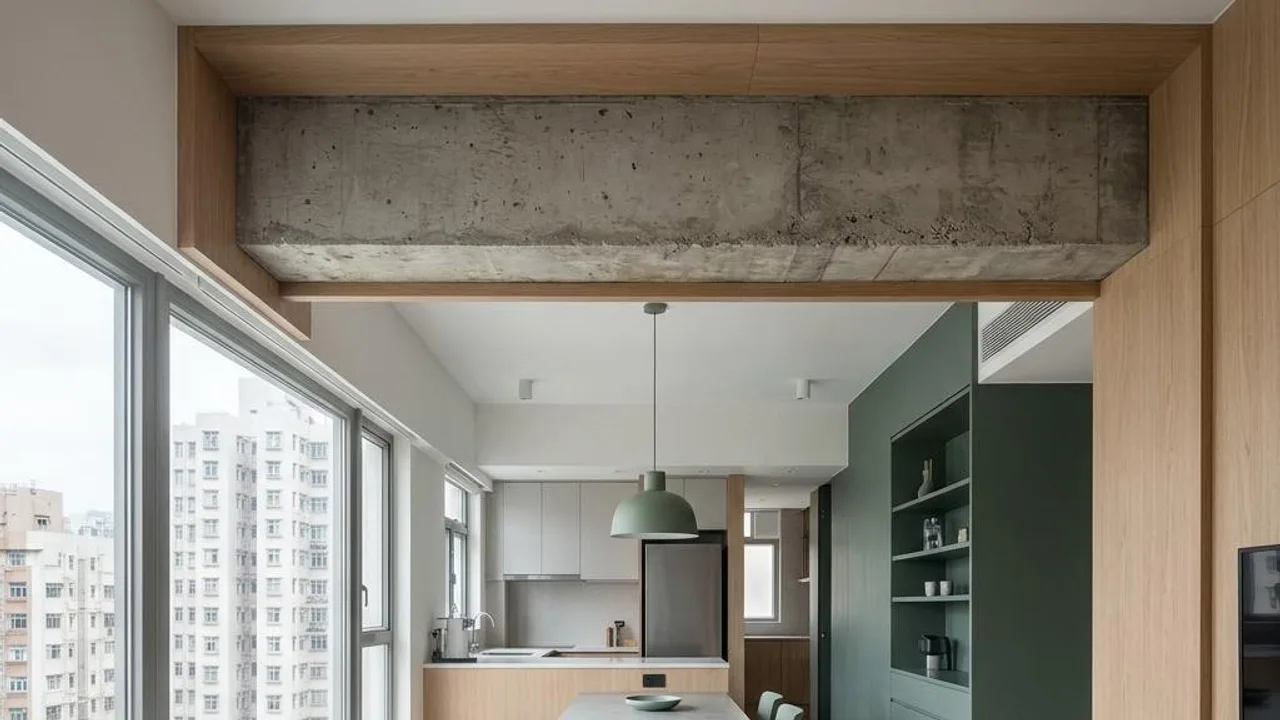
Decorative Beam Inspection Guide: Balancing Structure and Aesthetics
Decorative beams are not only the aesthetic soul of interior design but also concern practical spatial functions and installation stability. This article analyzes the material characteristics of decorative beams, common installation risks, and key observations during inspection, assisting homeowners in accurately assessing the structural state and construction quality of the beams to ensure home safety and quality.
Read full article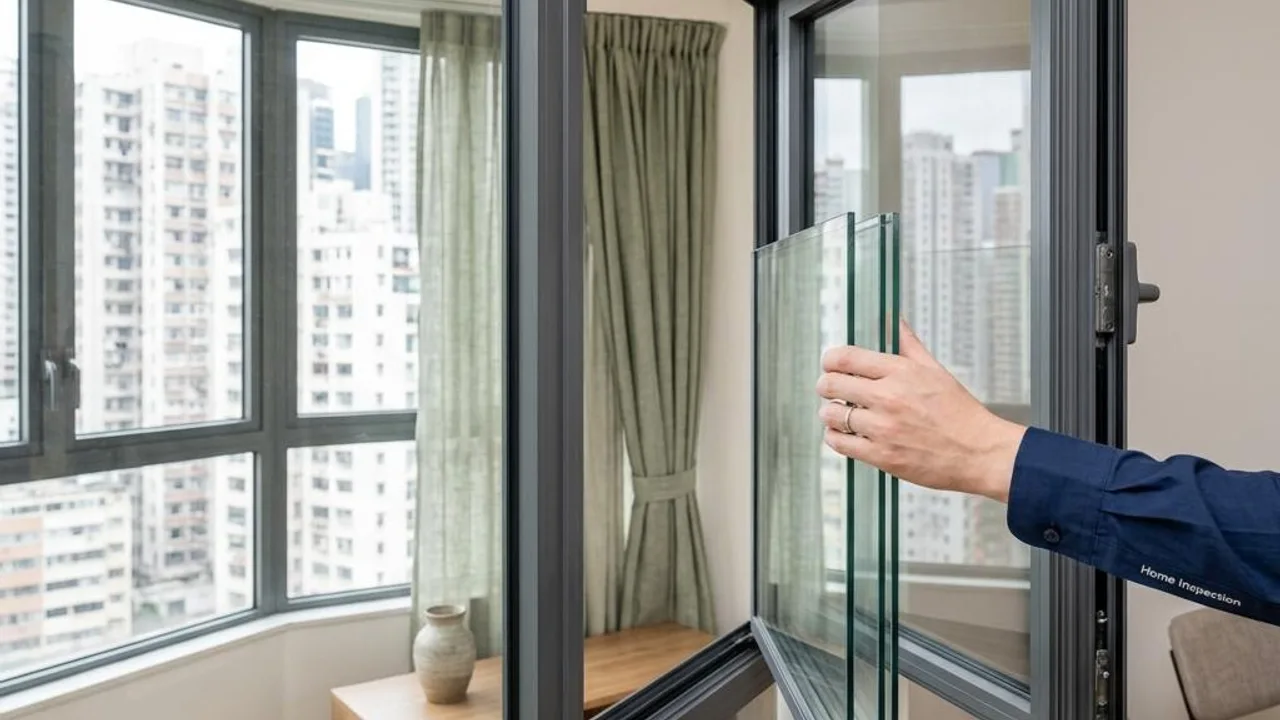
Inspecting Soundproof Glass: The Key to Ensuring a Peaceful Living Space
This article introduces the physical characteristics of soundproof glass, professional inspection requirements, and daily maintenance advice, assisting homeowners in correctly identifying soundproofing loopholes to ensure the residence enjoys a quiet living experience and a comfortable environment.
Read full article
Fire Resistance Inspection Guide for Residential Main Doors and Kitchen Doors
This article explores the fire resistance mechanisms of residential main doors and kitchen doors. We assist homeowners in mastering key points to observe regarding door structure, automatic closing devices, and sealing performance, while providing professional consultation guidance to ensure residential safety.
Read full article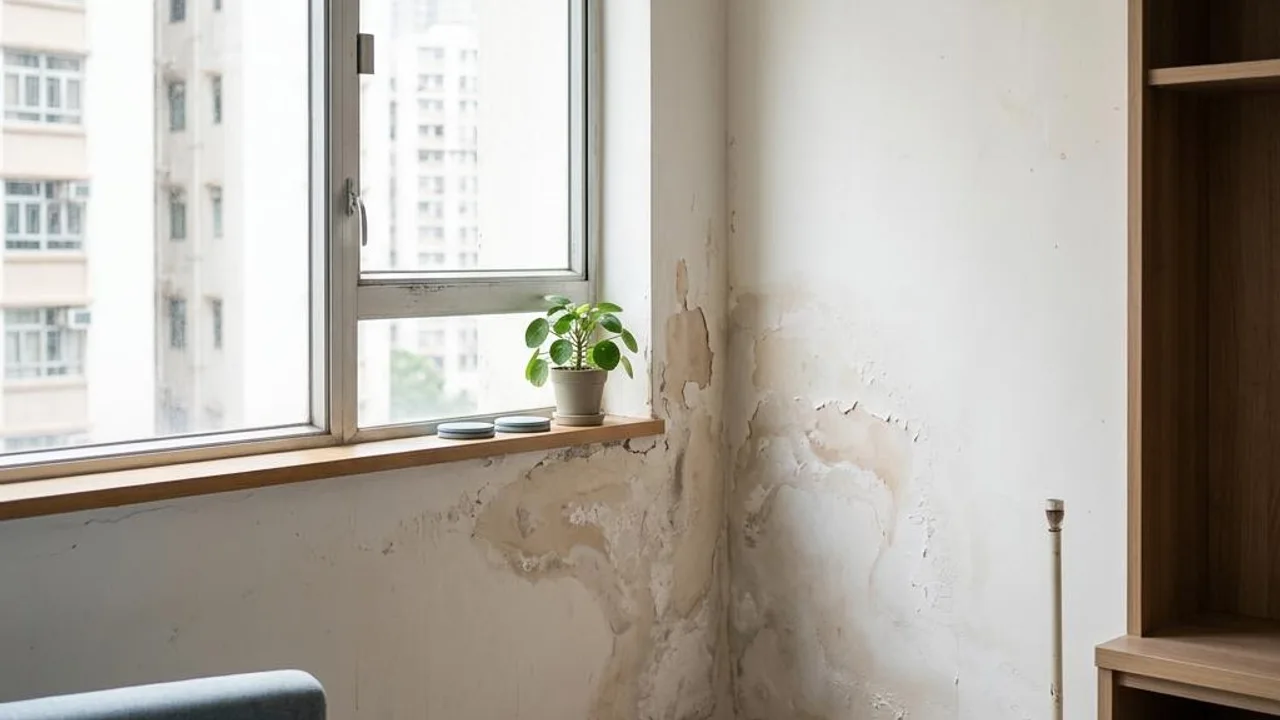
Strategy for Inspecting and Assessing Water Seepage in Residential Walls
This article discusses the causes of residential wall seepage, visual and professional detection methods, and provides coping strategies and maintenance advice for homeowners to help identify seepage issues and take correct follow-up repair measures.
Read full article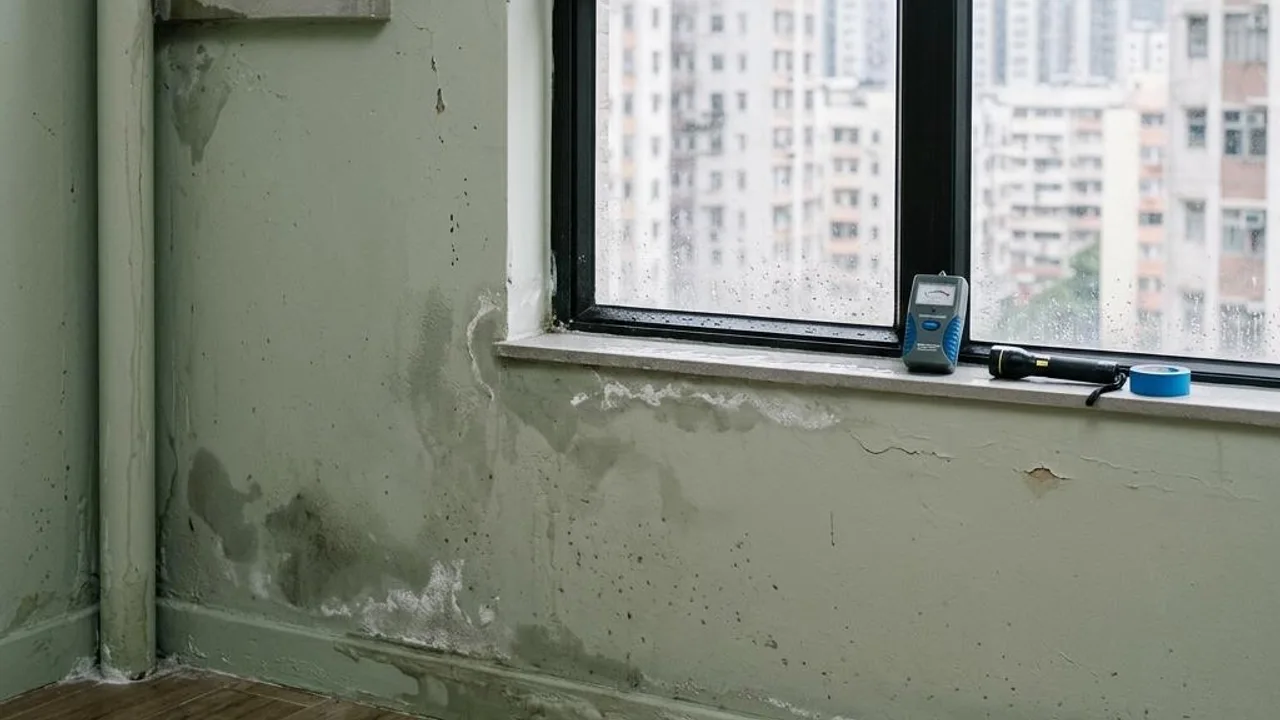
After Extreme Weather: Key Residential Inspection Points Following Black Rainstorms
Following extreme weather, homeowners should inspect residential structures, signs of leakage, and electrical safety. By observing external wall cracks, window edges, and rooftop drainage conditions, and engaging professionals to assess any abnormalities, homeowners can effectively protect their home safety.
Read full article
Property Inspection and Safety Tips for Hillside Detached Houses
The key to inspecting detached houses lies in structural stability and environmental maintenance. Homeowners should objectively inspect the hillside terrain and the condition of external walls, and through assessment by qualified professionals, ensure that the drainage system and foundation structure are functioning normally to maintain residential safety.
Read full article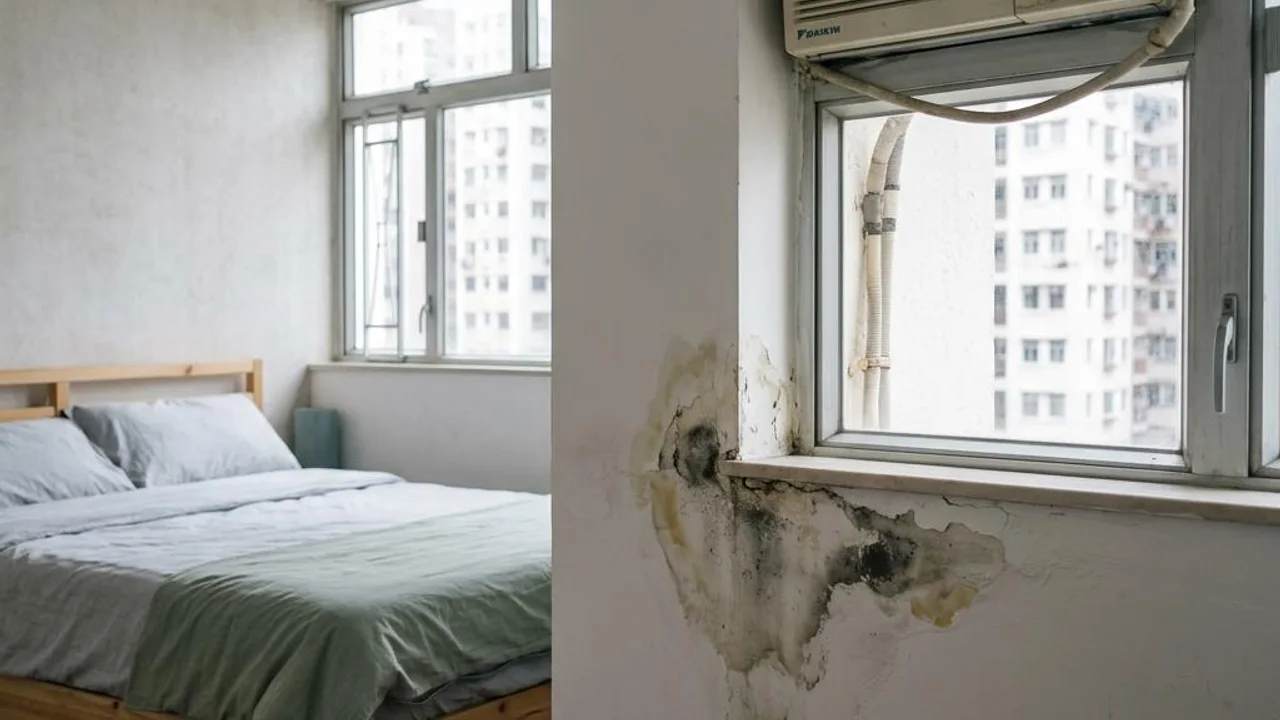
Property Inspection: How to Correctly Identify and Handle Indoor Water Stains
This article focuses on how to handle water stains discovered during a property inspection. It teaches homeowners how to systematically check for signs of various types of leaks and explains what professional follow-up measures should be taken upon discovering water stains to ensure the safety of the home environment.
Read full article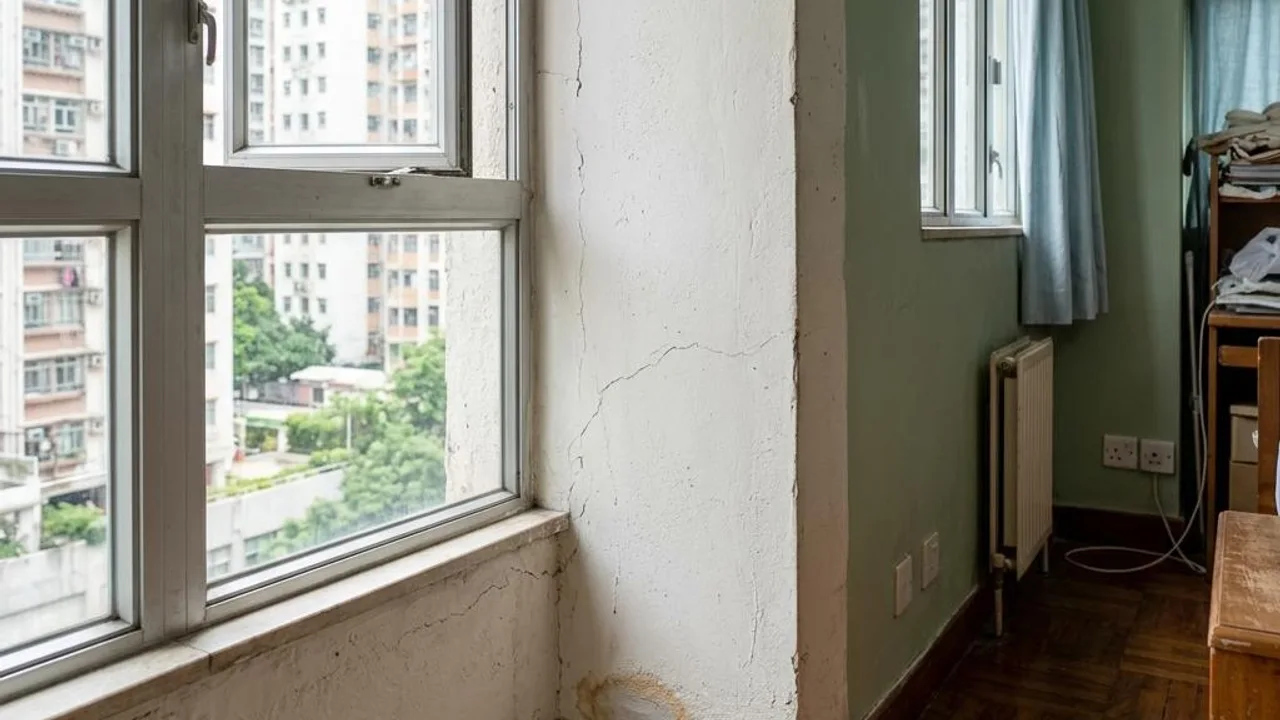
In-Depth Guide to Second-Hand Property Inspection: Essential Testing Procedures to Protect Your Investment
This article aims to help second-hand property buyers understand the true hidden conditions of a property through professional inspection. From structure and water/electrical systems to waterproofing, we help owners avoid high repair risks and provide guidance on how to use test data to plan future home renovation projects.
Read full article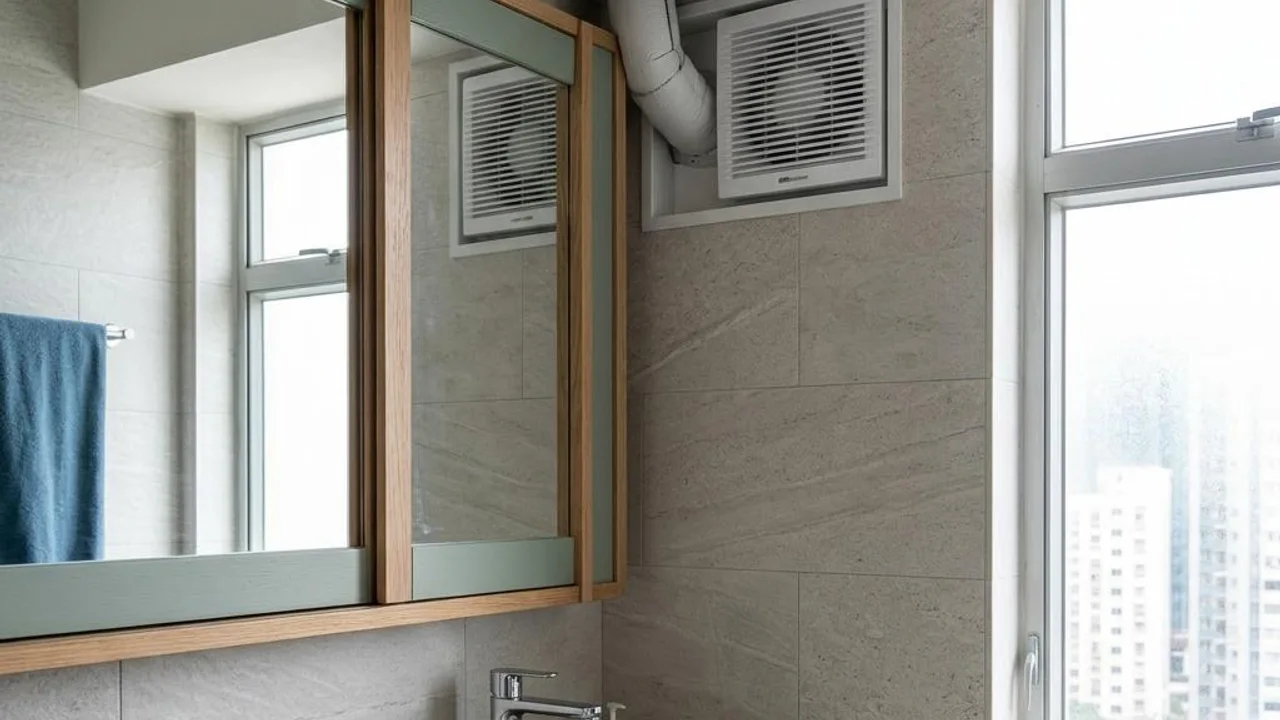
Property Inspection of Exhaust Systems: A Professional Guide to Ensuring Indoor Air Quality
This article aims to help Hong Kong homeowners understand the operation, inspection points, and maintenance suggestions for residential exhaust systems. Through non-invasive observation techniques, we ensure the quality of indoor air circulation and explain when to seek professional technical support to maintain a comfortable and healthy living environment.
Read full article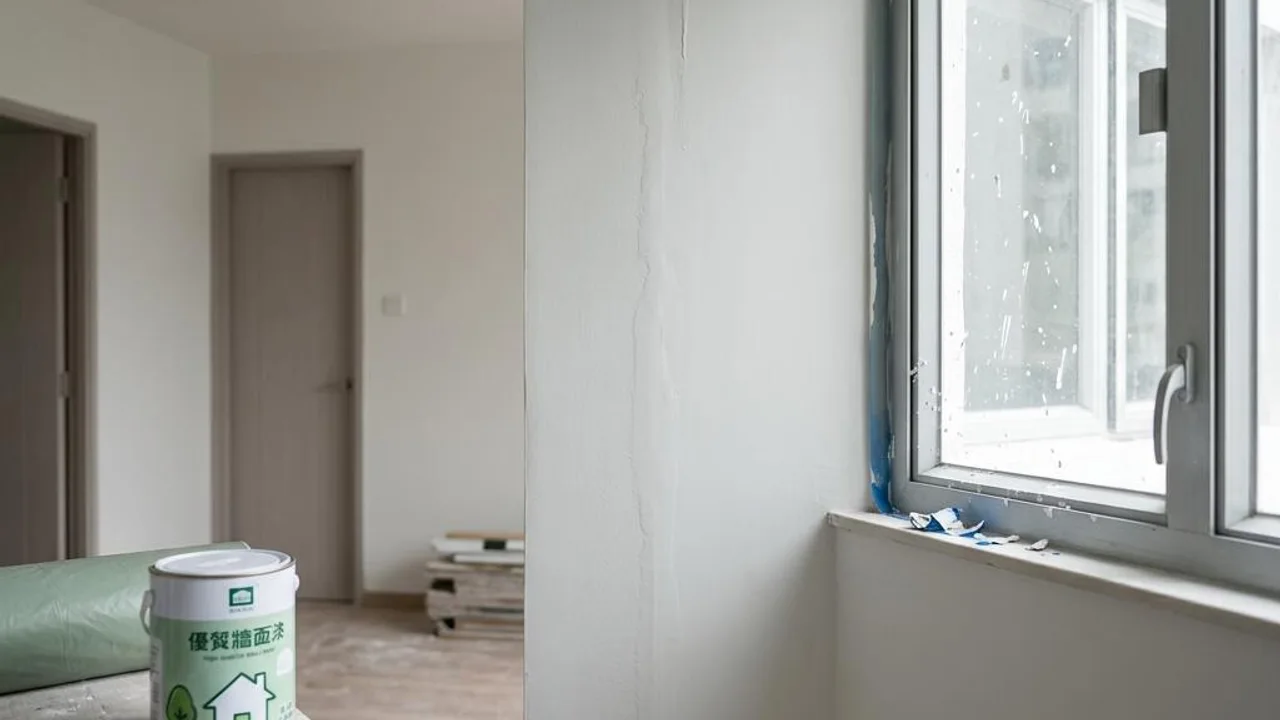
Inspecting Unit Wall Paint: Quality Assessment and Key Checkpoints
This article discusses the key checkpoints for inspecting wall paint upon moving into a new flat, covering the identification of appearance flaws, paint selection for the space, and post-move-in maintenance advice, helping homeowners identify construction quality and protect the long-lasting beauty and health of the home environment.
Read full article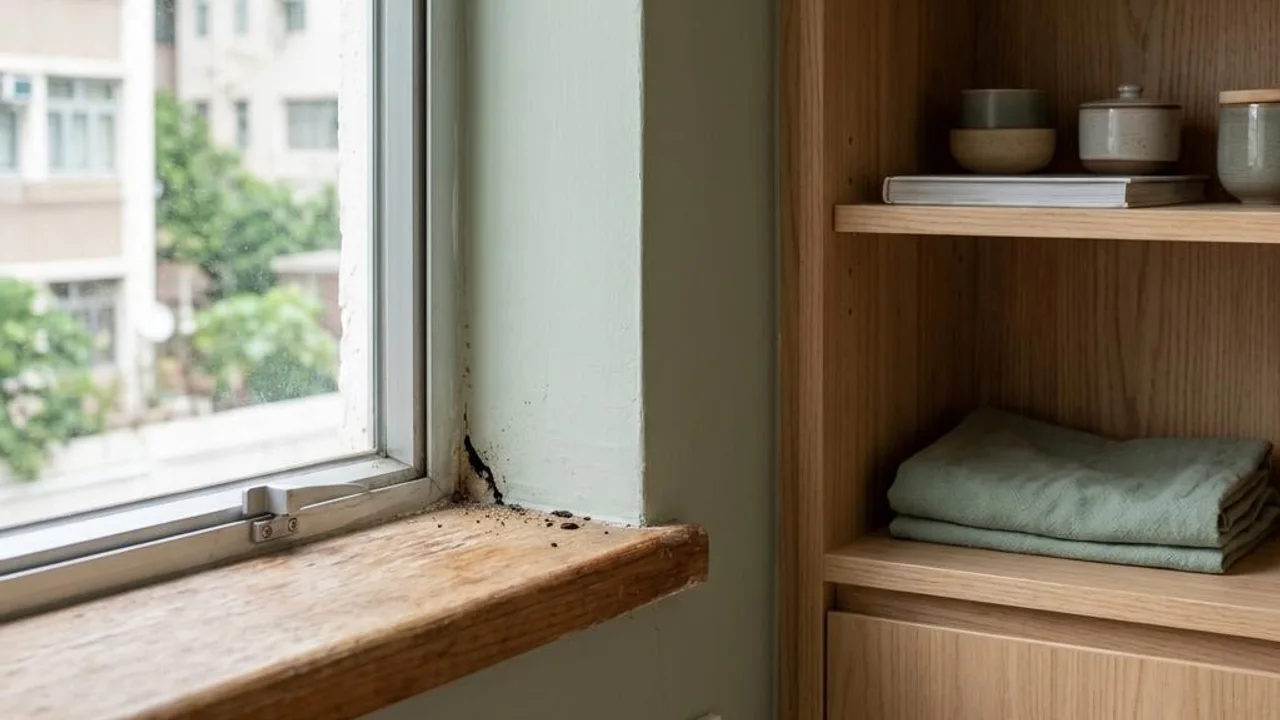
How to Identify Signs of Household Pests During Property Inspection
This article aims to help homeowners identify hidden pest risks during the property inspection process. By checking wooden structures and dark corners, homeowners can discover problems early and take appropriate strategies to improve home hygiene and commission professional pest control to maintain living health and property safety.
Read full article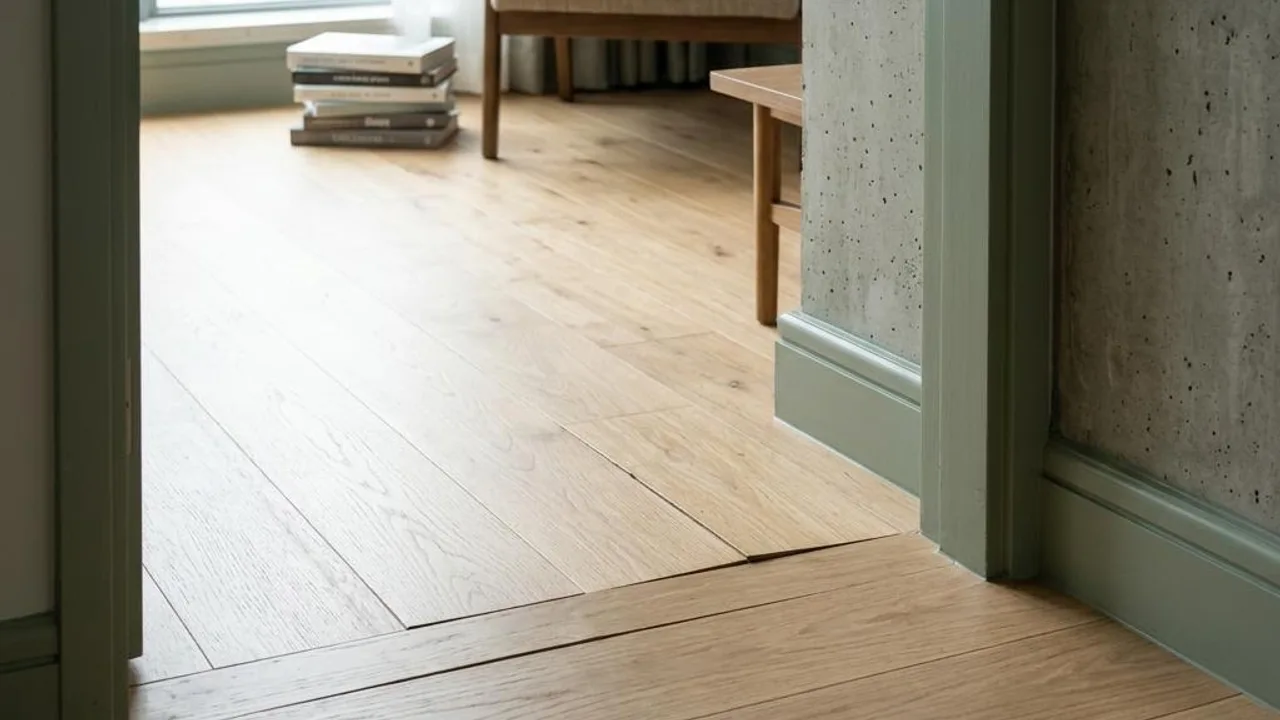
Guide to Checking for Unusual Floor Noises During Property Inspection
Unusual floor noises are commonly caused by uneven construction or hollow tiles. During the property inspection, you should discover these hidden risks through walking tests and tapping, and record any abnormal locations to demand rectification from the contractor, ensuring the quality of the home environment and long-term durability.
Read full article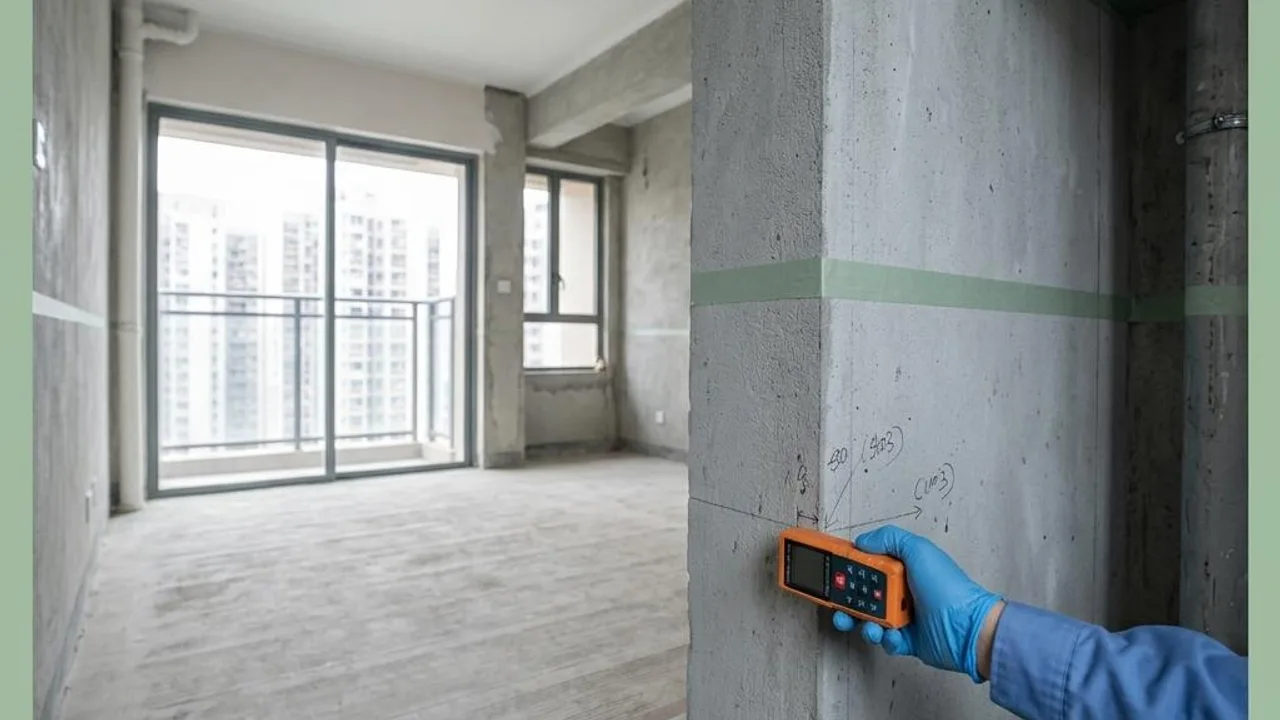
Guide to Inspecting 'Raw' (Unfurnished) Home Ownership Scheme Flats: Key Inspection Items and Professional Advice
This article explores the key inspection items upon taking delivery of a 'raw' HOS flat, covering wall hollows, seepage risks, and electrical safety checks. We assist homeowners in identifying potential construction defects to ensure repair quality before renovation, thereby avoiding the risk of secondary damage after renovation.
Read full article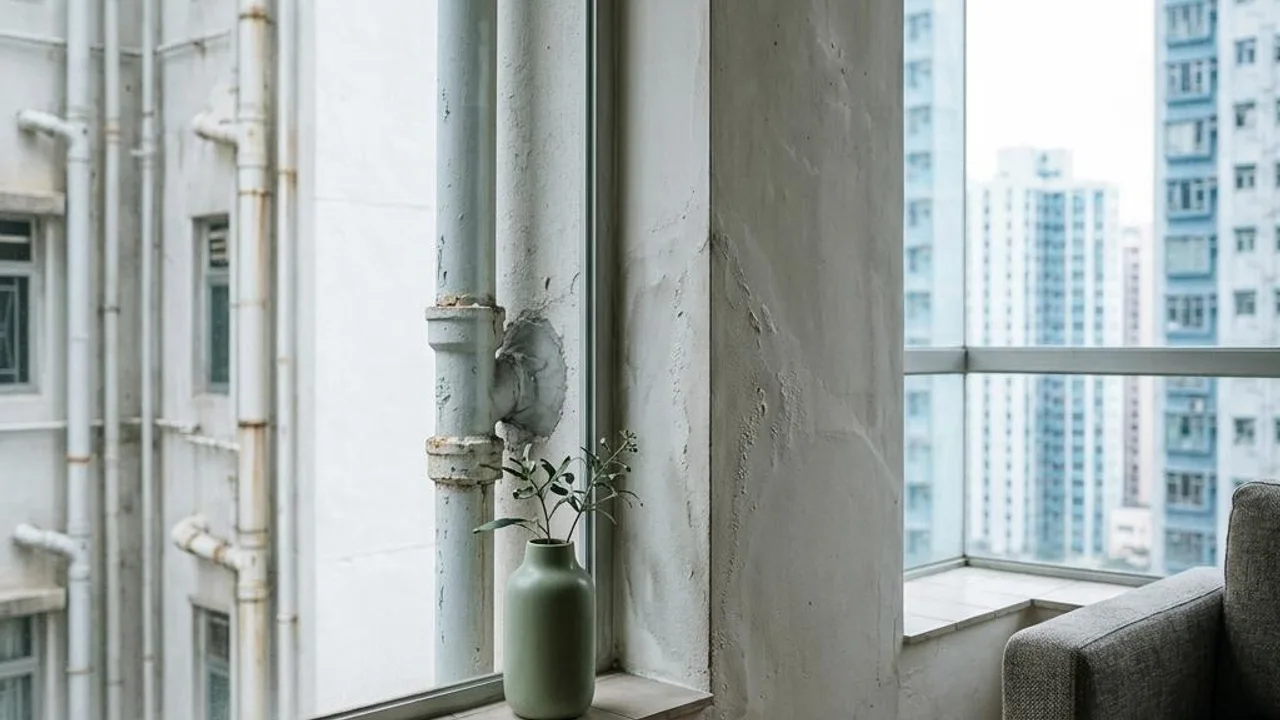
Inspecting External Building Drains: Essential Professional Maintenance and Inspection Points
This guide details the importance of protecting external building drains, assessment indicators, and maintenance responsibilities. It assists homeowners in correctly identifying potential problems with external drains and carrying out legal and compliant maintenance through qualified professionals.
Read full article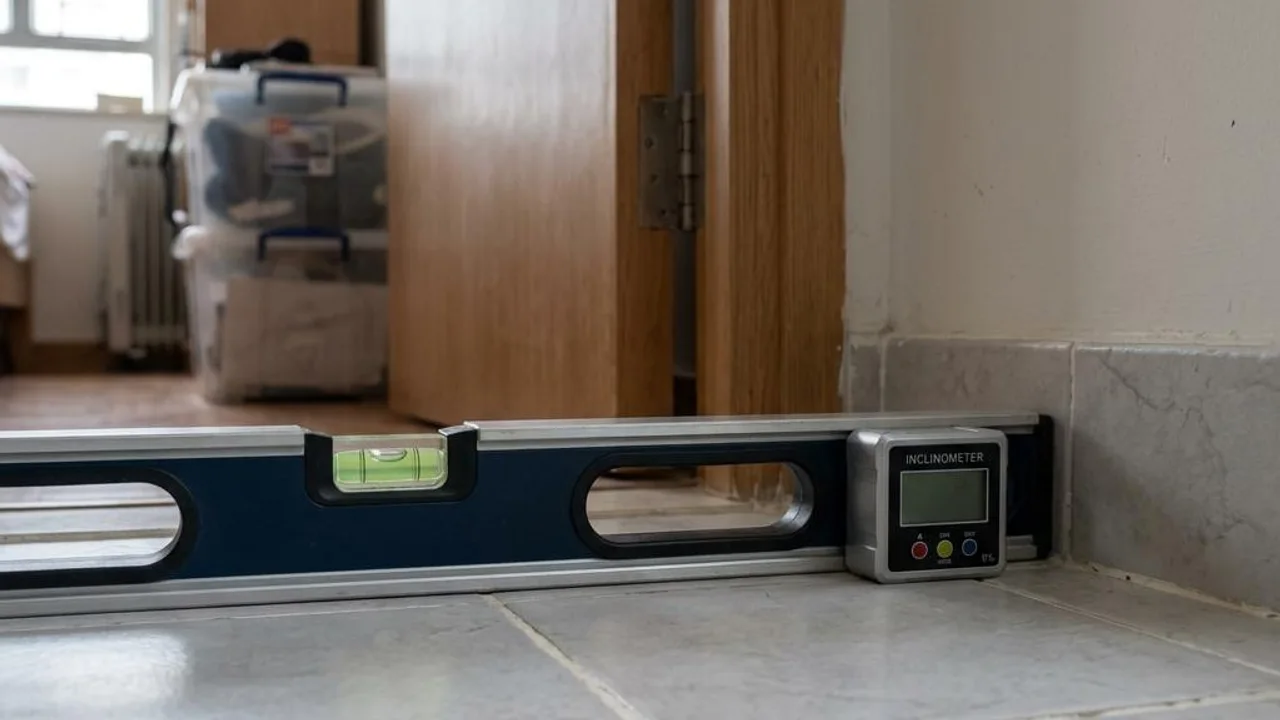
How Property Inspectors Detect Floor Tilting and Recommendations for Handling It
This article discusses the causes of floor tilting during property inspection and professional testing methods. We analyze the differences between structural and renovation-related deviations, and provide homeowners with practical advice and repair procedure guidance for dealing with uneven indoor floors.
Read full article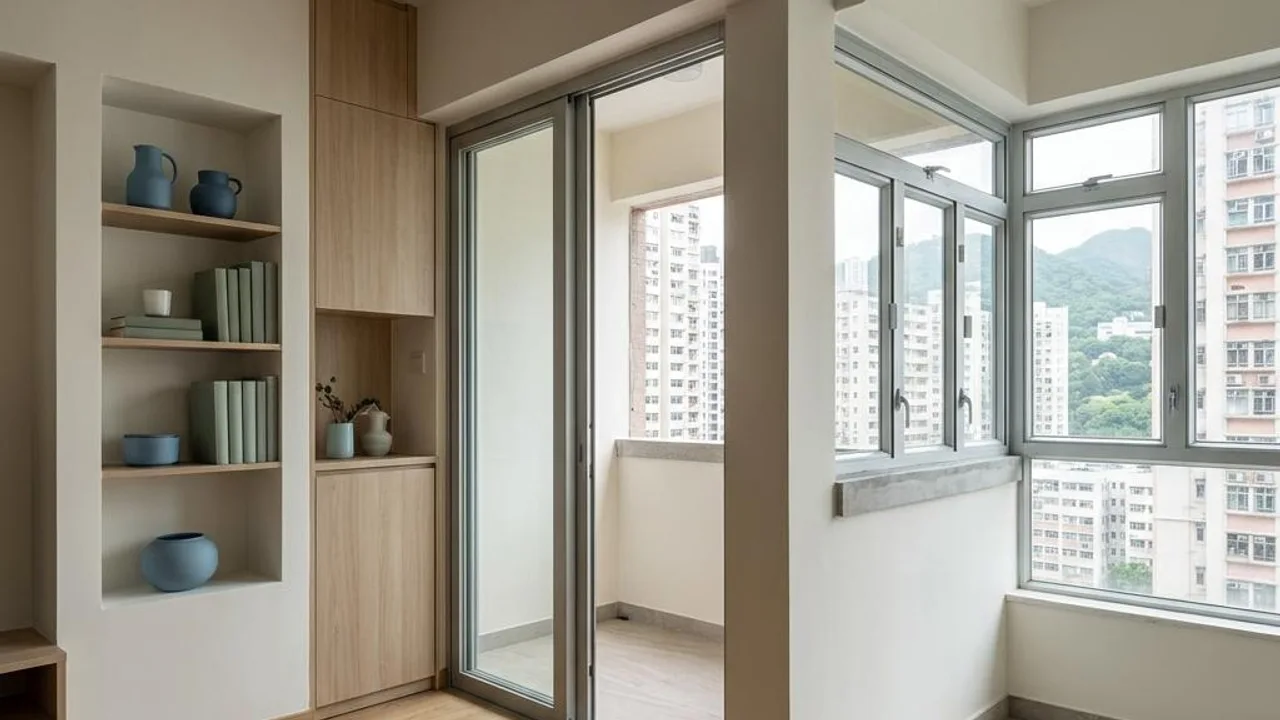
How to Identify and Handle Unauthorized Building Works During Property Inspection
This guide aims to help homeowners identify unauthorized building works within a residence and understand their structural and legal risks. By checking building plans against onsite observations, homeowners can discover illegal facilities early and consult professionals to resolve them, protecting property value and living safety.
Read full article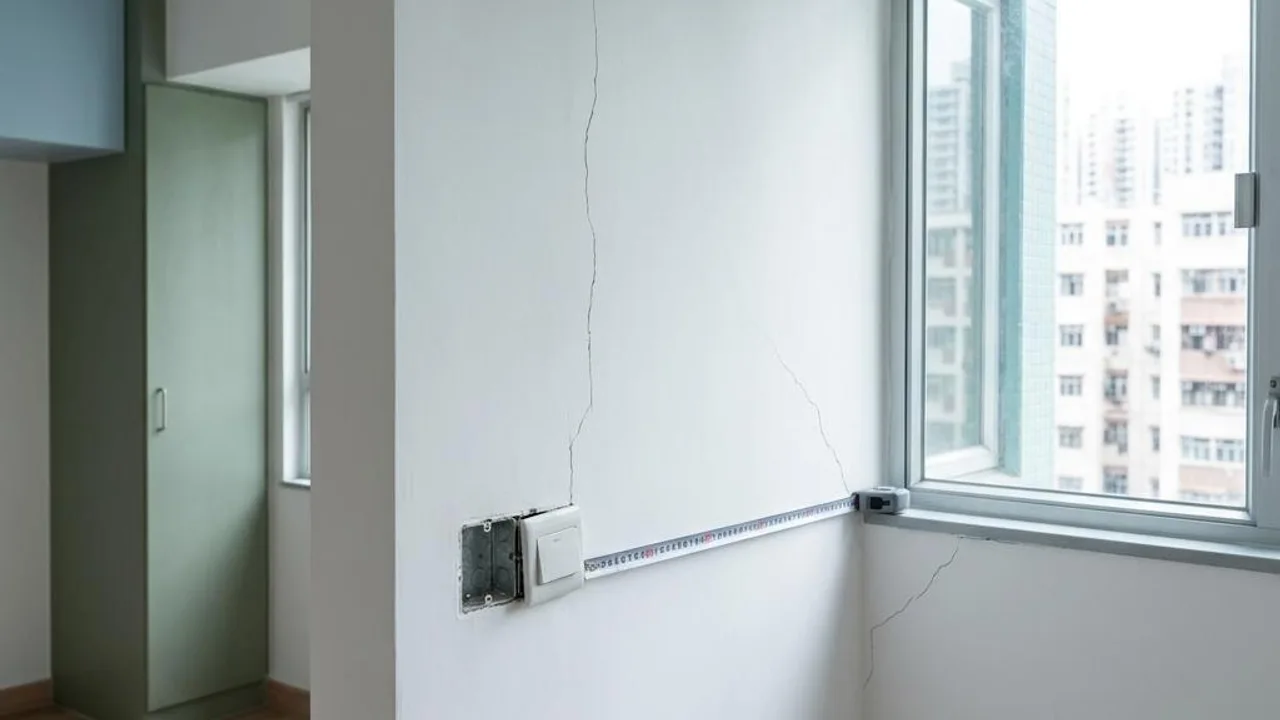
HOS Property Inspection Points: Comprehensive Expert Inspection Checklist
This article integrates key HOS property inspection points, covering structure, water/electrical, and renovation details. By systematically recording wall hollows, seepage suspicions, and equipment performance, homeowners can effectively protect their interests before renovation and ensure living safety and quality.
Read full article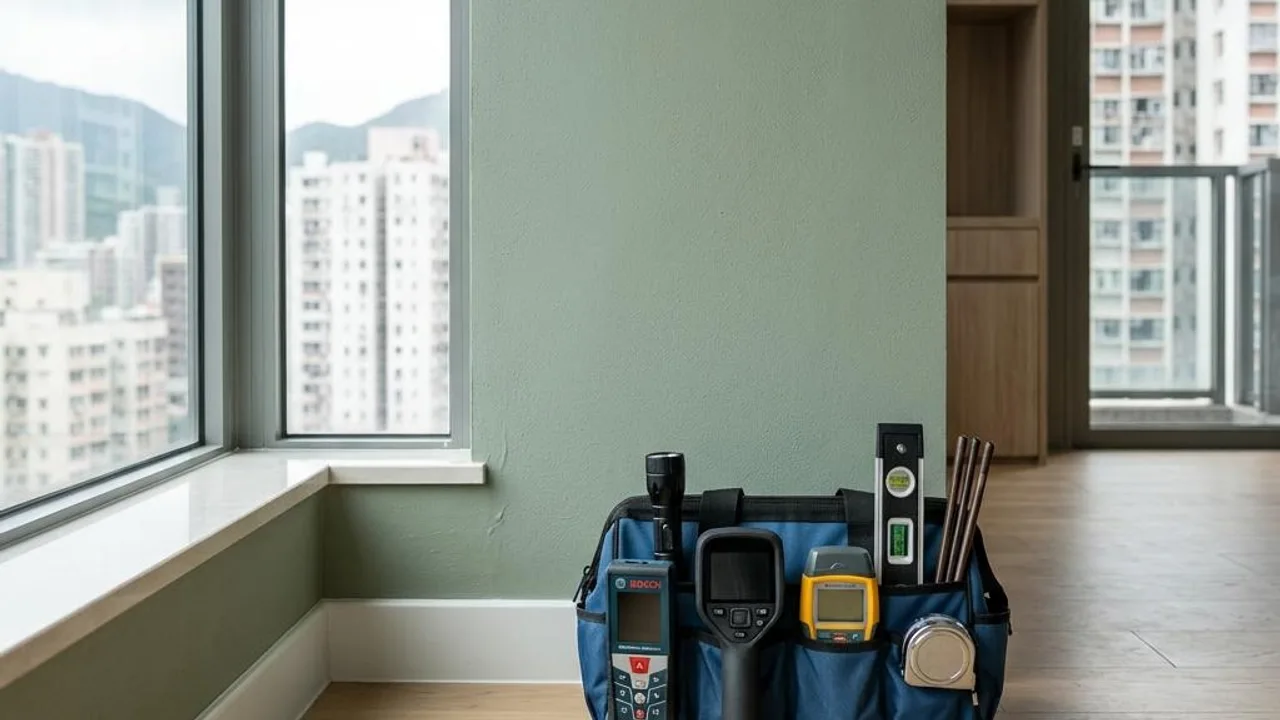
Complete Guide to Inspection Tools: Professional Property Inspection Process and Essential Testing Instruments
This article aims to help homeowners understand the functions of common inspection tools. Through moisture detection, structural measurement, and electrical testing, we systematically identify potential household hazards, protecting living safety and product quality.
Read full article
Residential Property Inspection: Door Frame Inspection Focus and Process Guide
This article introduces the key steps and maintenance suggestions for door frame inspection during residential property inspection. Through visual observation and functional testing, we assist homeowners in identifying installation flaws and seepage risks in door frames, and provide daily maintenance tips to ensure home safety.
Read full article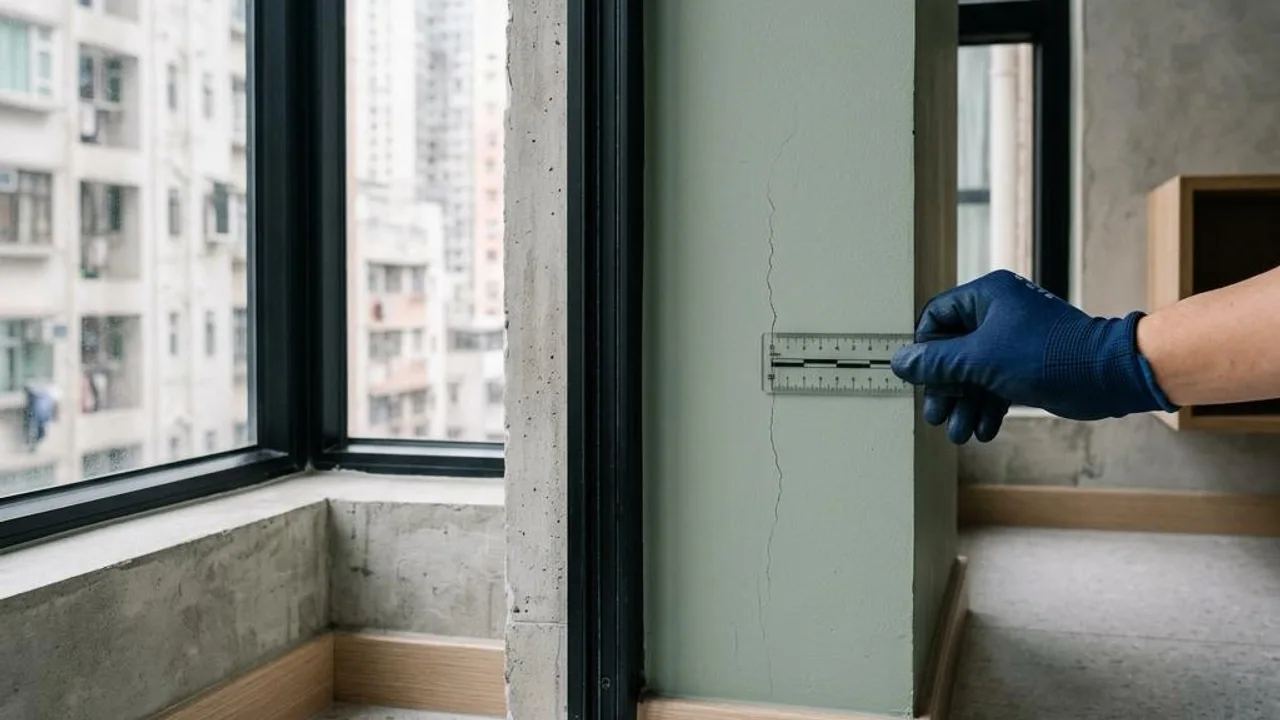
Comprehensive Analysis of Residential Property Inspection Procedures: Detailed Steps for Taking Delivery
This article details the key procedures and inspection points for residential property inspection, assisting homeowners in mastering indoor functional inspection and environmental assessment methods to ensure property quality meets contract specifications and future living safety is guaranteed.
Read full article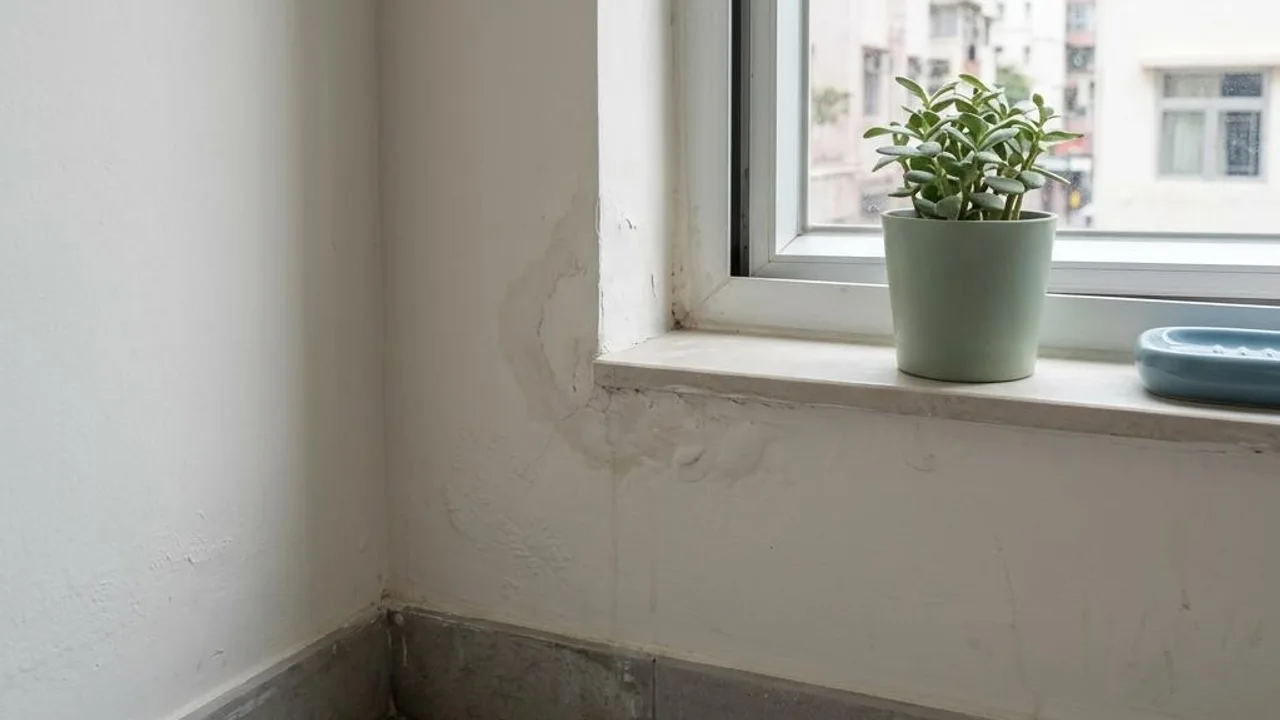
Avoiding Property Inspection Pitfalls: Practical Guide for Preventing Issues in New Developments
This article aims to help owners of new developments master the core focus of property inspection. Through a systematic check of structure, water/electricity, and renovation details, we effectively identify handover flaws and protect property asset rights, assisting homeowners in making accurate assessments and rectification requests at the handover stage.
Read full article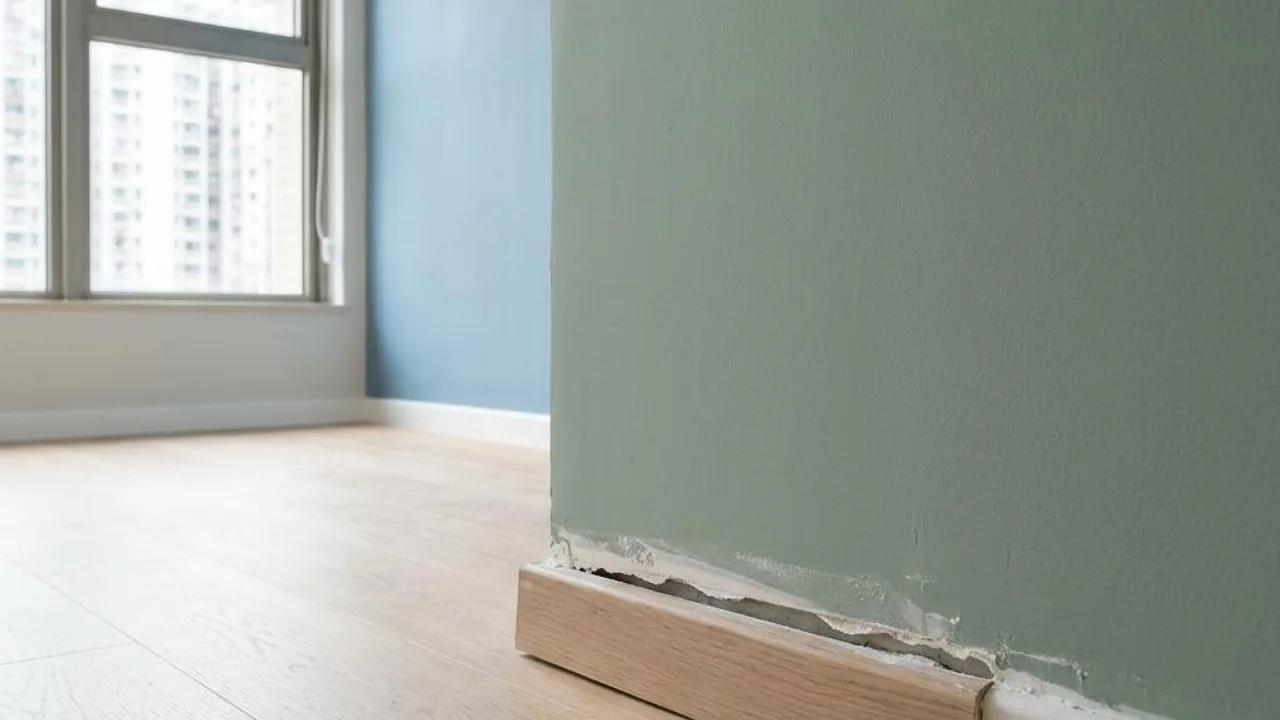
Property Inspection Strategy: New Home Handover Inspection Process and Professional Considerations
This article provides a complete strategy for new home property inspection, covering preliminary planning, structure, water/electrical tests, and defect recording, assisting homeowners in accurately identifying potential problems before handover to ensure living quality and safety.
Read full article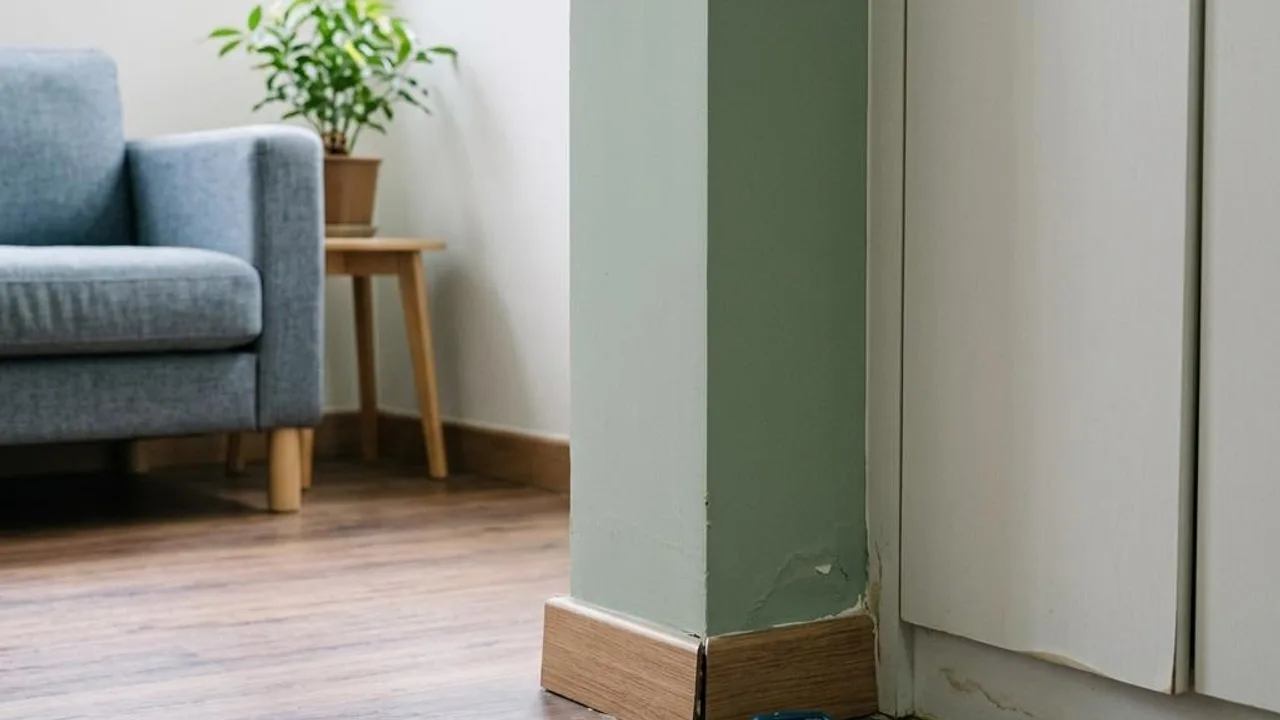
Property Inspection Strategy: Professional Inspection Process After New Home Handover
Before moving into a new home, use professional procedures to inspect indoor and outdoor facilities, observing the condition of walls, water, electricity, and doors/windows. Homeowners must properly record flaws and require follow-up to protect rights within the warranty period, ensuring living quality after moving in.
Read full article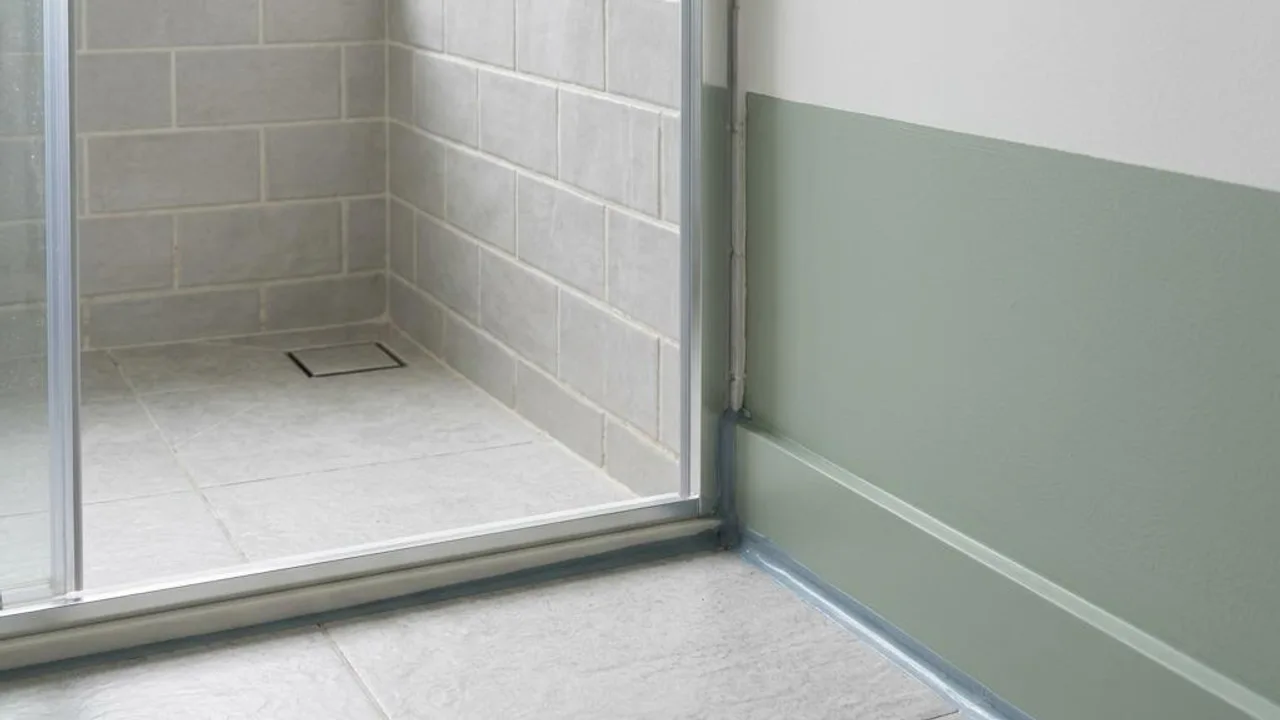
New Home Inspection Process Guide: Key Professional Acceptance Details
This article provides inspection guidance for new home owners, covering structural testing, electrical safety, and indoor environment maintenance points. We teach homeowners how to identify flaws and prevent household risks, helping you move in with peace of mind and protecting assets and living safety.
Read full article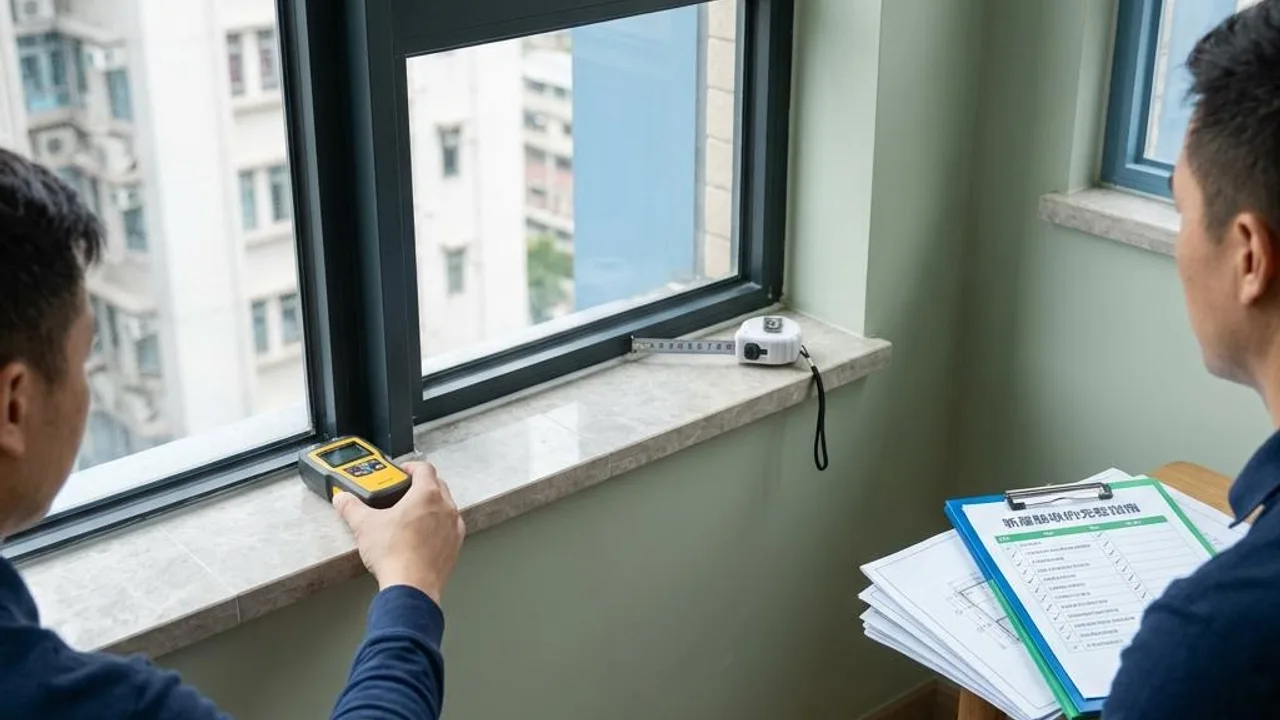
Complete Guide to New Home Acceptance
This article provides a comprehensive guide for new home acceptance, covering preliminary preparation, structural drainage, interior renovation, and water/electrical facility inspection points. We assist homeowners in mastering observation techniques and properly recording problems to protect home safety and rights.
Read full article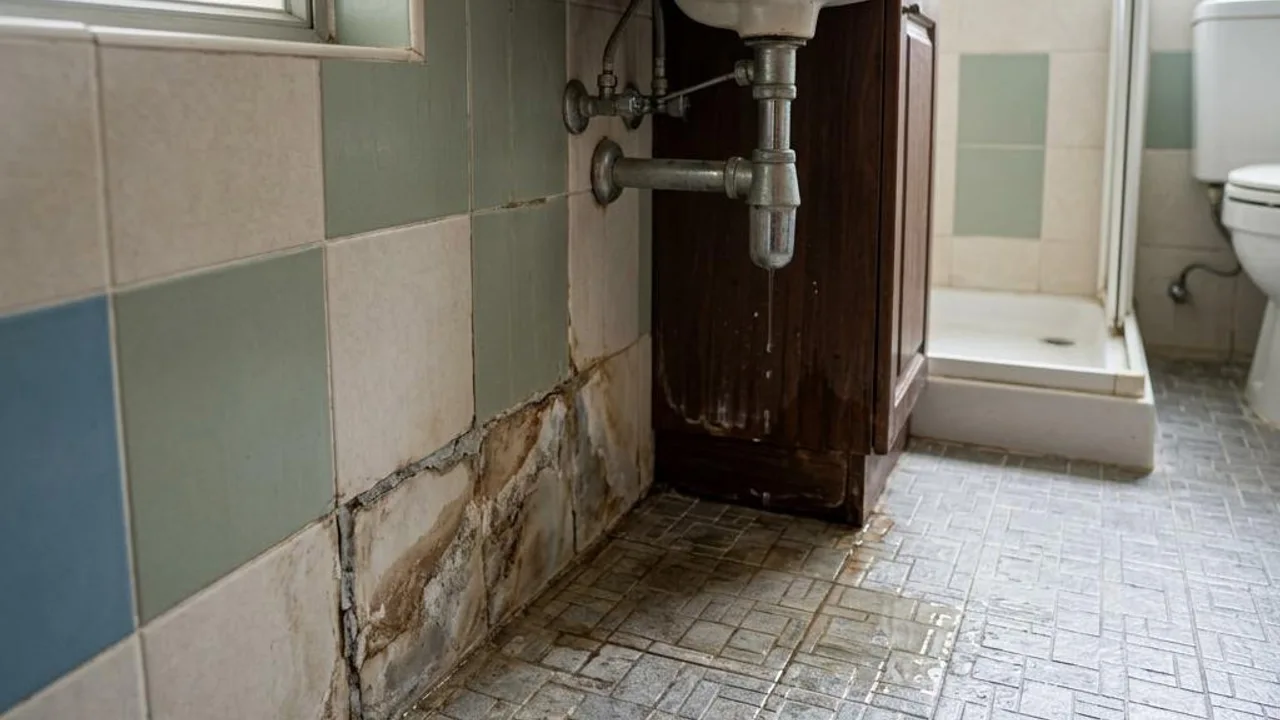
Inspecting Bathrooms: Ensuring Your Residential Quality is Worry-Free
This article focuses on the details of bathroom acceptance in Hong Kong homes, detailing key points for inspecting waterproofing, water/electrical facilities, ventilation environment, and tile laying. We assist homeowners in identifying potential seepage and safety hazards, thereby protecting living quality and facility longevity.
Read full article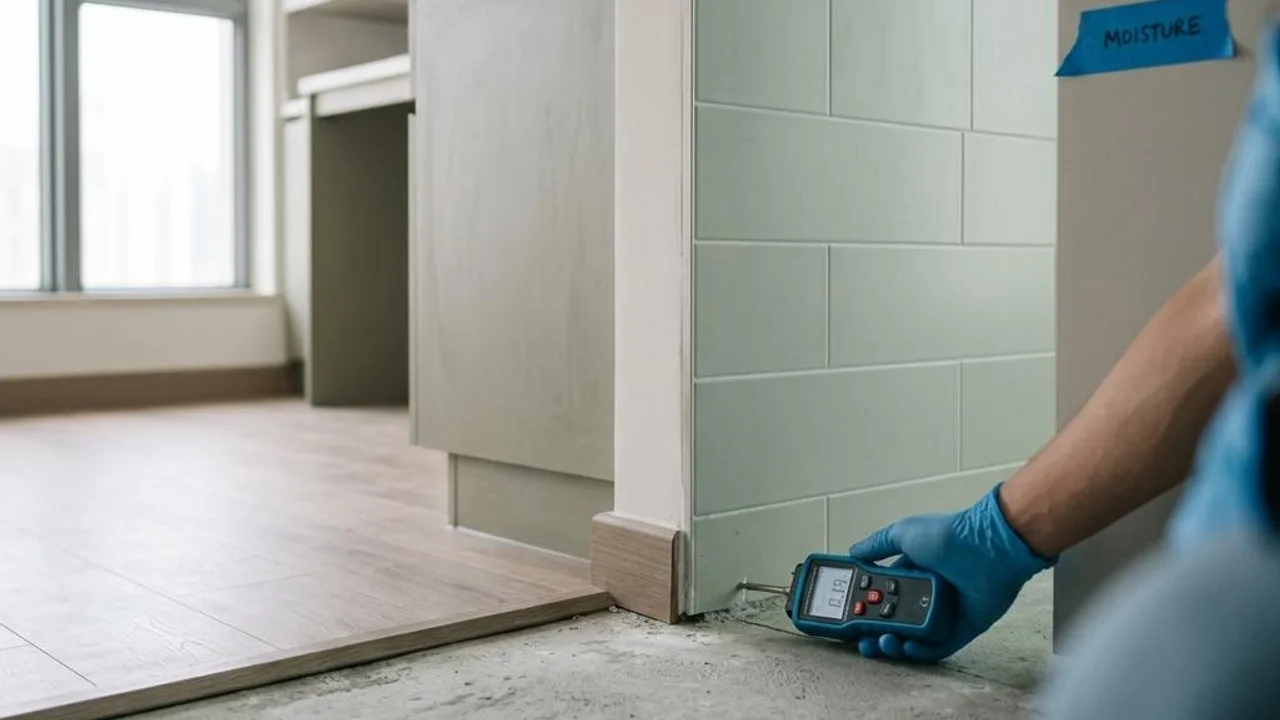
New Property Acceptance Strategy: Professional Inspection Points You Must Master Before Handover
New property acceptance is an important procedure for protecting homeowner rights. Through professional and systematic inspection, homeowners can identify potential hazards in wall structure, water/electrical facilities, and door/window functions, and demand follow-up from the developer before moving in, ensuring the unit meets acceptance standards and residential safety, effectively avoiding unnecessary repair expenses later.
Read full article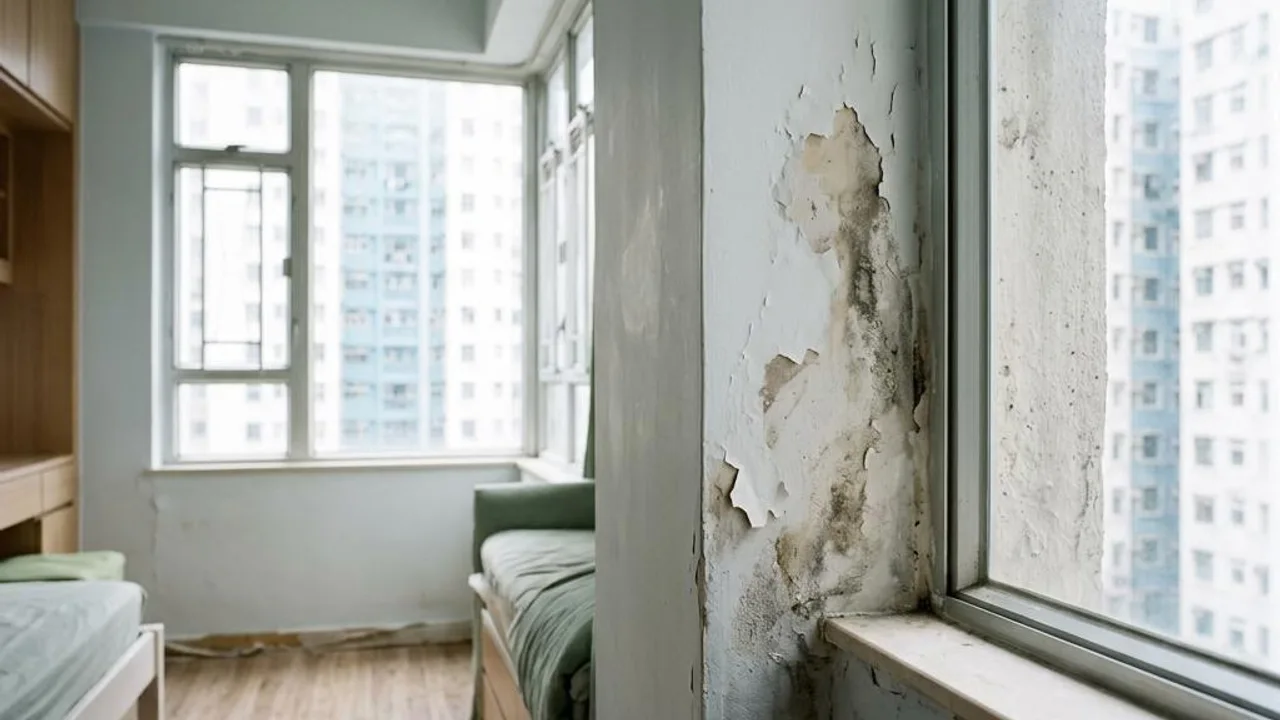
Detailed Property Inspection Checklist: Key Details You Must Check Upon Handover
Accepting a new property is a key link in protecting living quality, covering structural, water/electrical, door/window, and kitchen/bathroom facility inspection details. Through detailed inspection and recording, one can effectively correct quality hazards early, ensuring future living environment is safe, comfortable, and meets contract requirements.
Read full article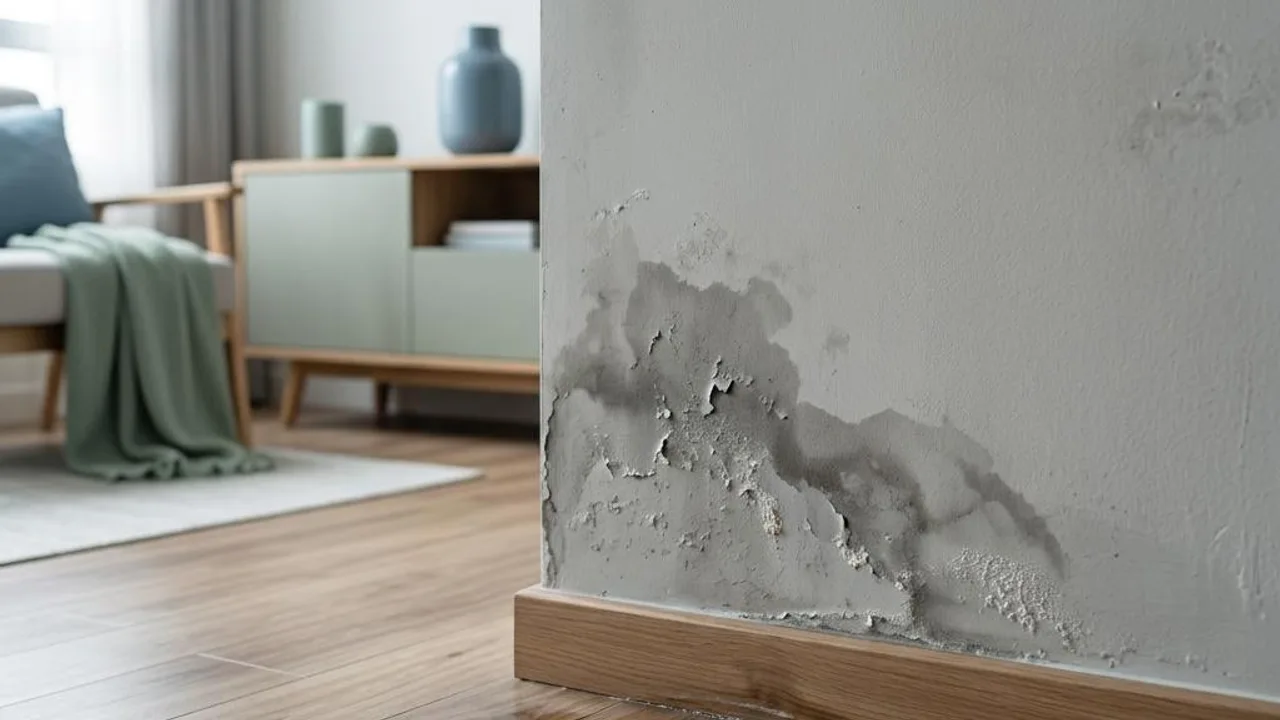
Complete Guide to Inspecting Water Leaks: Protecting the Living Quality of Your New Home
This article explores the key points for leakage inspection during property inspection, from core inspection areas and observation methods to the use of professional instruments. We teach homeowners how to systematically identify moisture hazards, ensuring the safety of the new home structure and the quality of the living environment.
Read full article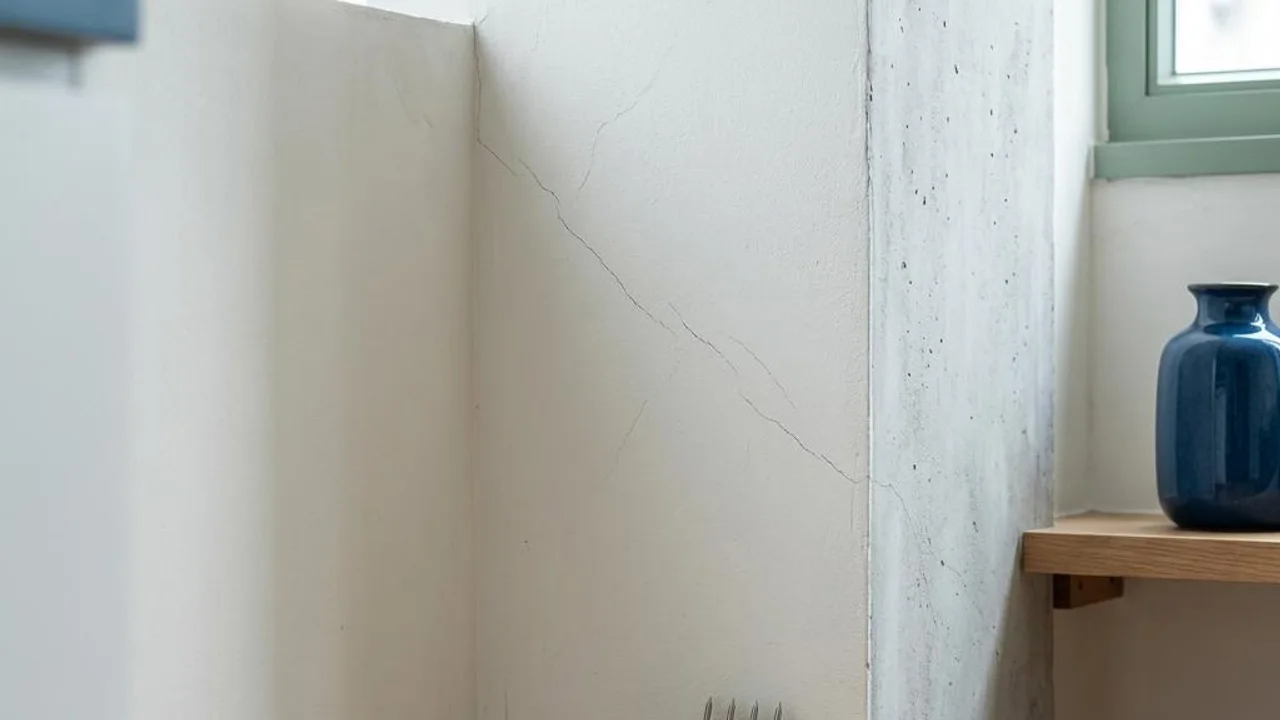
Wall Inspection Guide: Safeguarding Home Structure and Quality
This article explores key points for wall inspection during property inspection, covering flatness, structural cracks, damp/mildew, and construction quality assessment, assisting homeowners in identifying problems and taking appropriate handling procedures to maintain home safety.
Read full article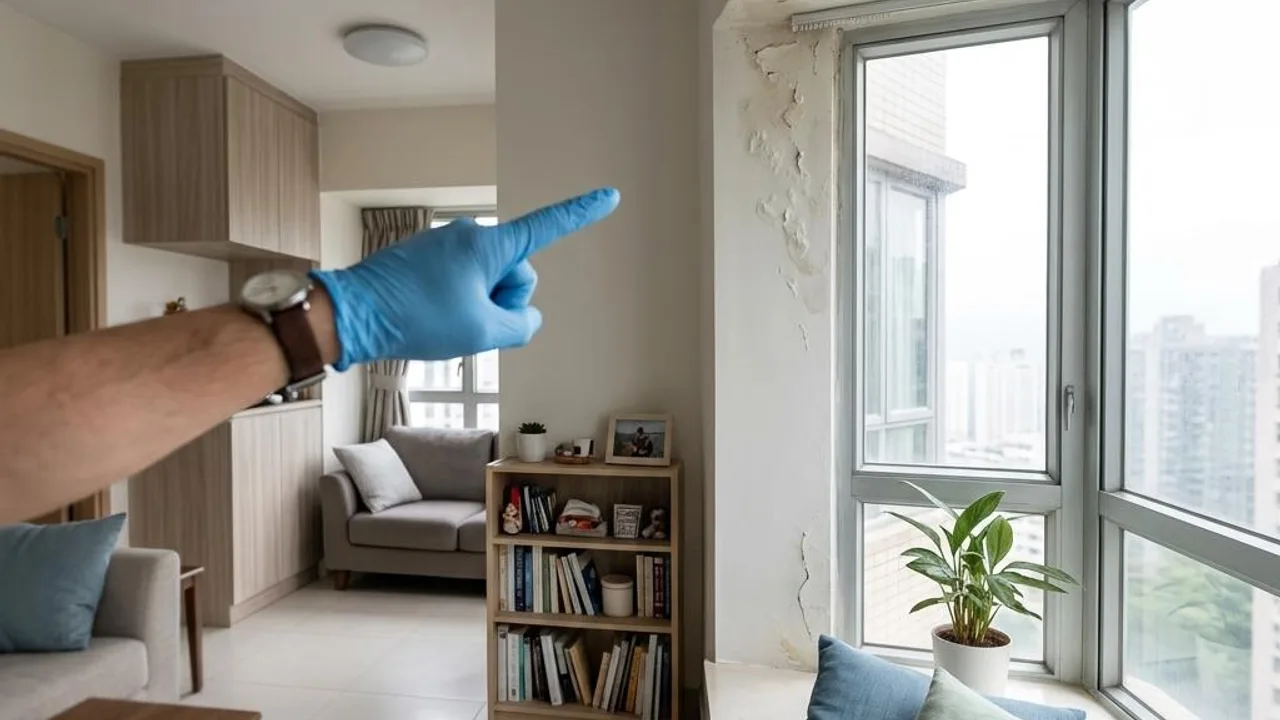
Common Pitfalls in First-Hand Residential Property Inspection and Professional Preventive Strategies
Inspecting first-hand property requires a systematic check of walls, water/electricity, and facilities/equipment to confirm conditions align with the contract. Using professional property inspection to help record construction defects can effectively protect the homeowner's rights upon move-in and avoid subsequent high repair costs.
Read full article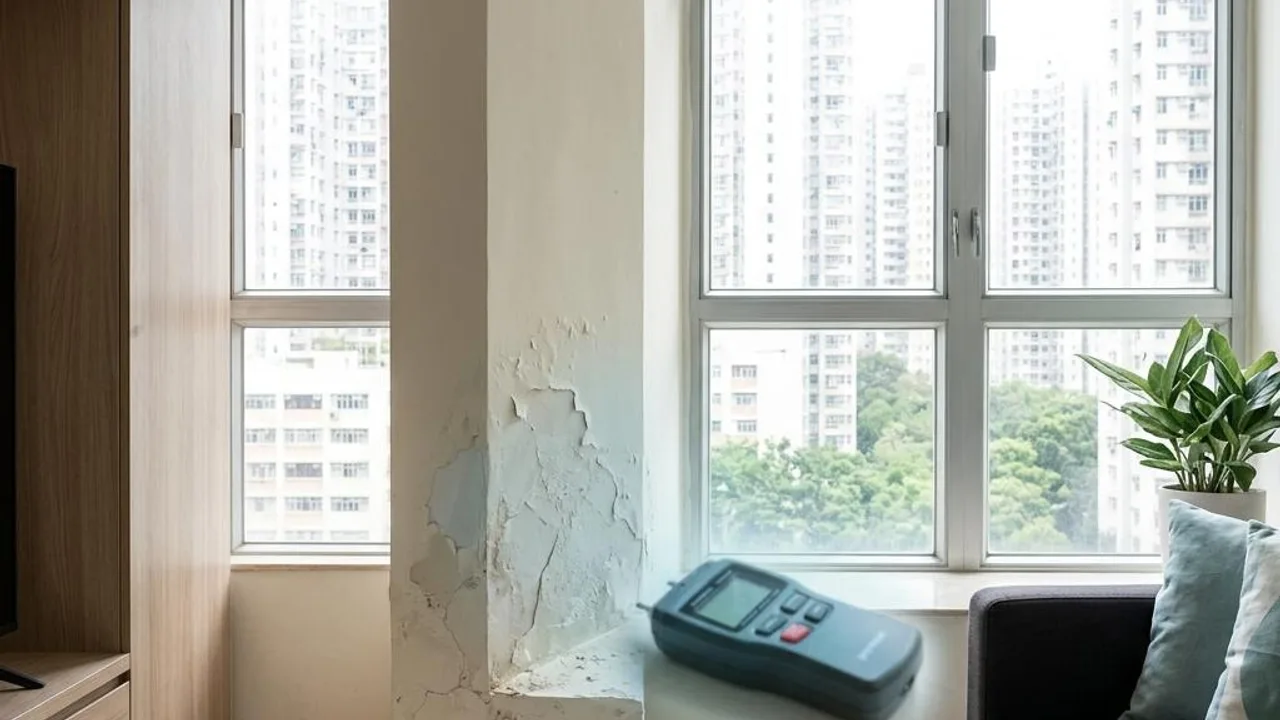
Commercial Property Inspection Service: Professional Testing and Key Scope Guide
Commercial property inspection is a necessary process for assessing building structure, electrical/mechanical systems, and regulatory compliance. Through professional testing, owners can grasp the true state of the property, protect the transparency of leasing and trading, prevent potential operational disruption risks, and ensure asset value.
Read full article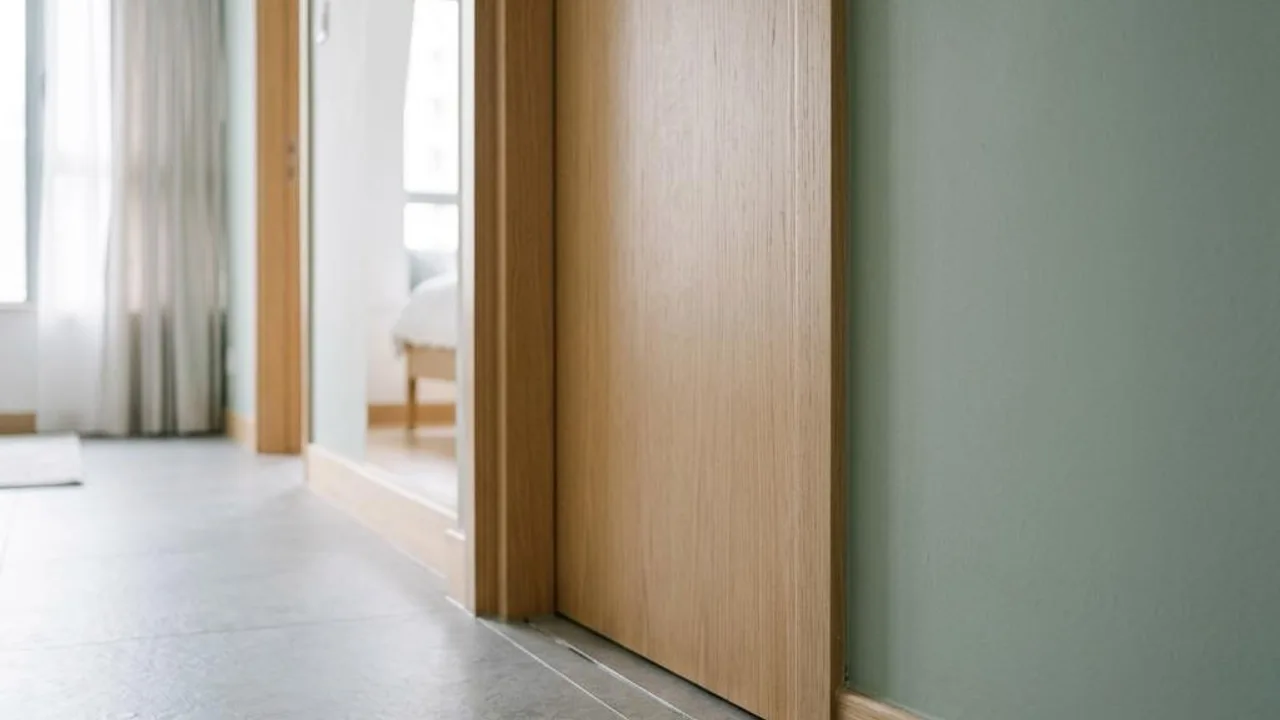
Property Inspection Introductory Guide: Complete Handbook for Beginners
This guide details key property inspection links, covering preparation, structural testing, basic water/electrical assessment, and archiving of legal documents after handover, assisting homeowners in identifying construction flaws and protecting property asset value.
Read full article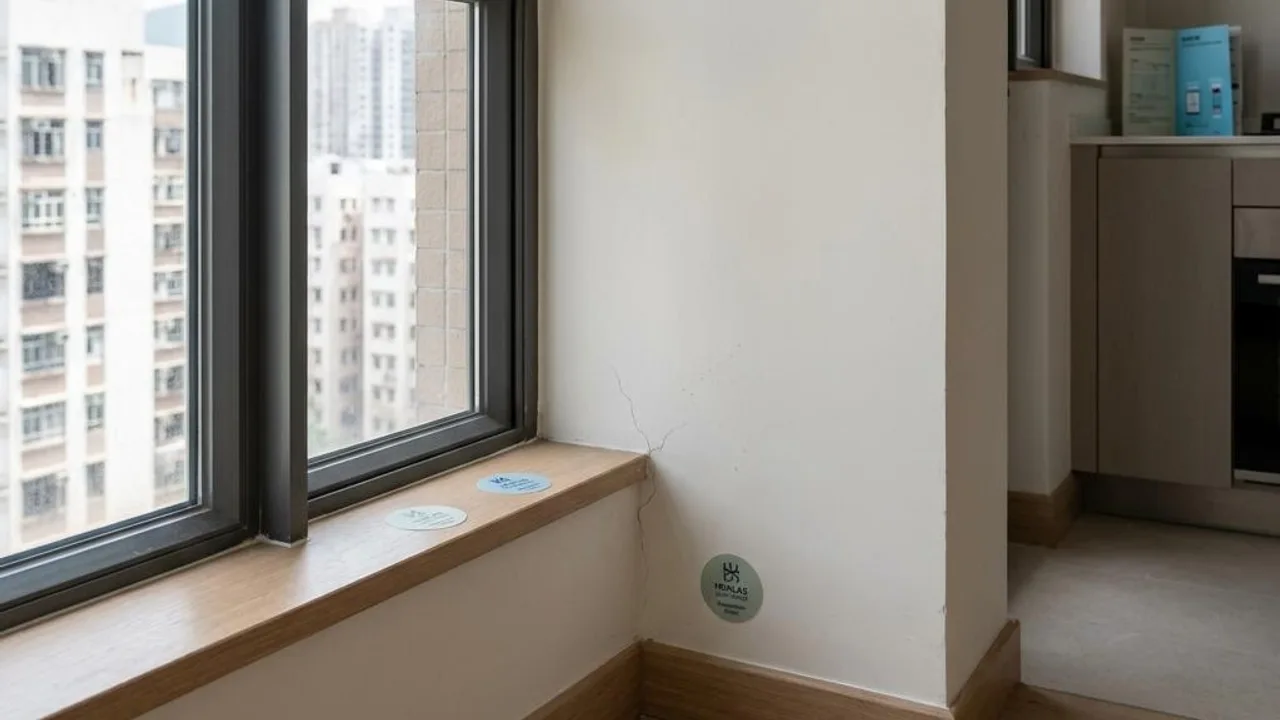
Property Inspection Strategy: Key Steps to Check Before Moving into a New Home
This guide details the key steps for receiving a new home, covering structural and water/electrical facility inspection points and follow-up procedures, assisting homeowners in systematically confirming unit conditions and protecting long-term living quality and rights.
Read full article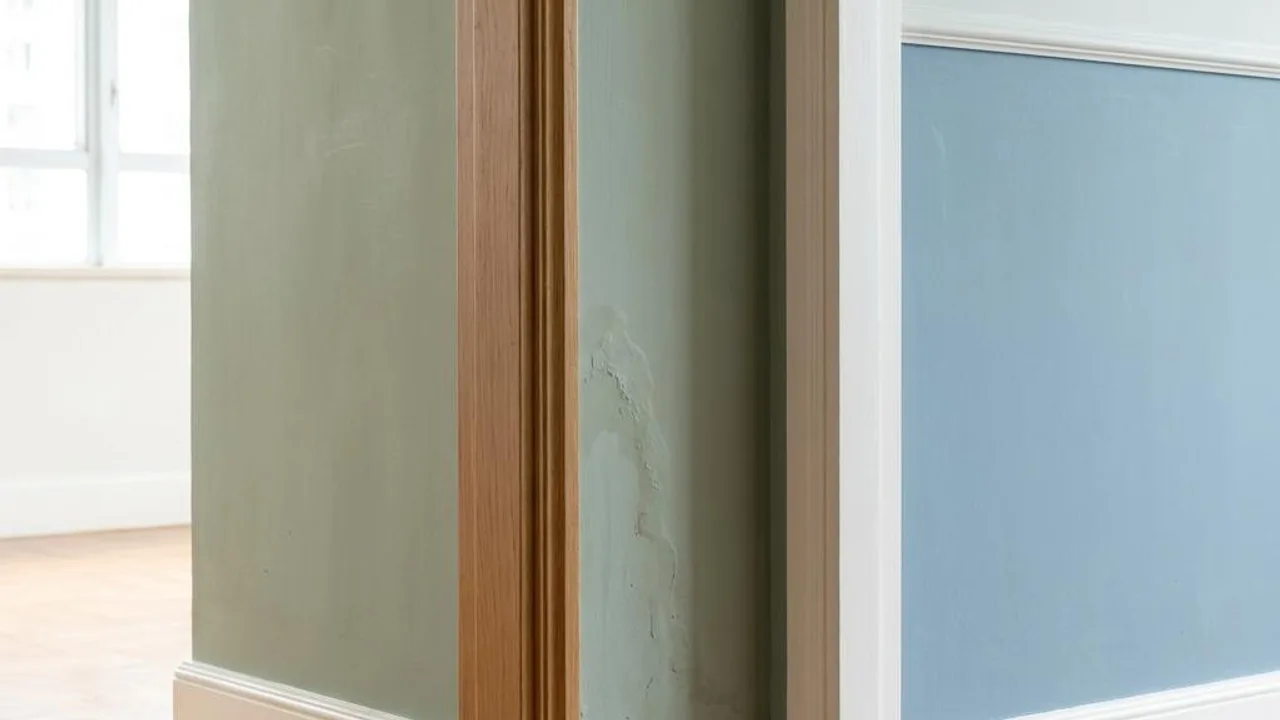
Strategies for Avoiding Buying Problematic Properties: A Detailed Guide
This article provides inspection guidance for Hong Kong homeowners, covering key items for checking structure, water/electricity, doors/windows, and waterproofing. It analyzes how to identify problems through professional assessment and explains repair and communication strategies after inspection.
Read full article
HOS Property Inspection Checklist: How to Ensure Your New Home Meets Expectations
This article provides practical inspection guidance for HOS owners, covering structure, water/electricity, renovation, and comfort checks, helping homeowners systematically identify potential flaws to ensure a smooth handover and protect living quality and safety after moving in.
Read full article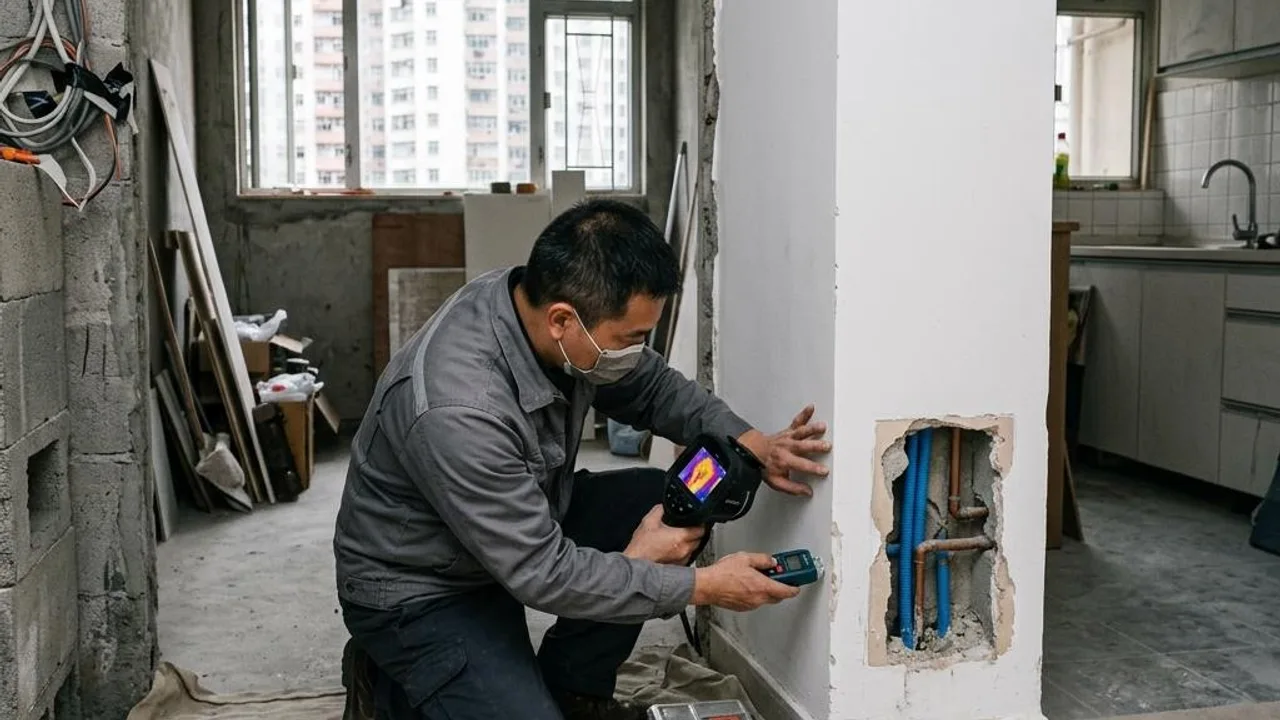
Checking Concealed Works During Property Inspection: The Core of Safeguarding Home Safety
This article introduces the importance of inspecting concealed works in Hong Kong home inspections, covering observation indicators and professional testing methods for water/electrical pipelines, waterproofing layers, and structural systems, assisting homeowners in identifying hidden risks and ensuring the long-term stability and safety of the living environment.
Read full article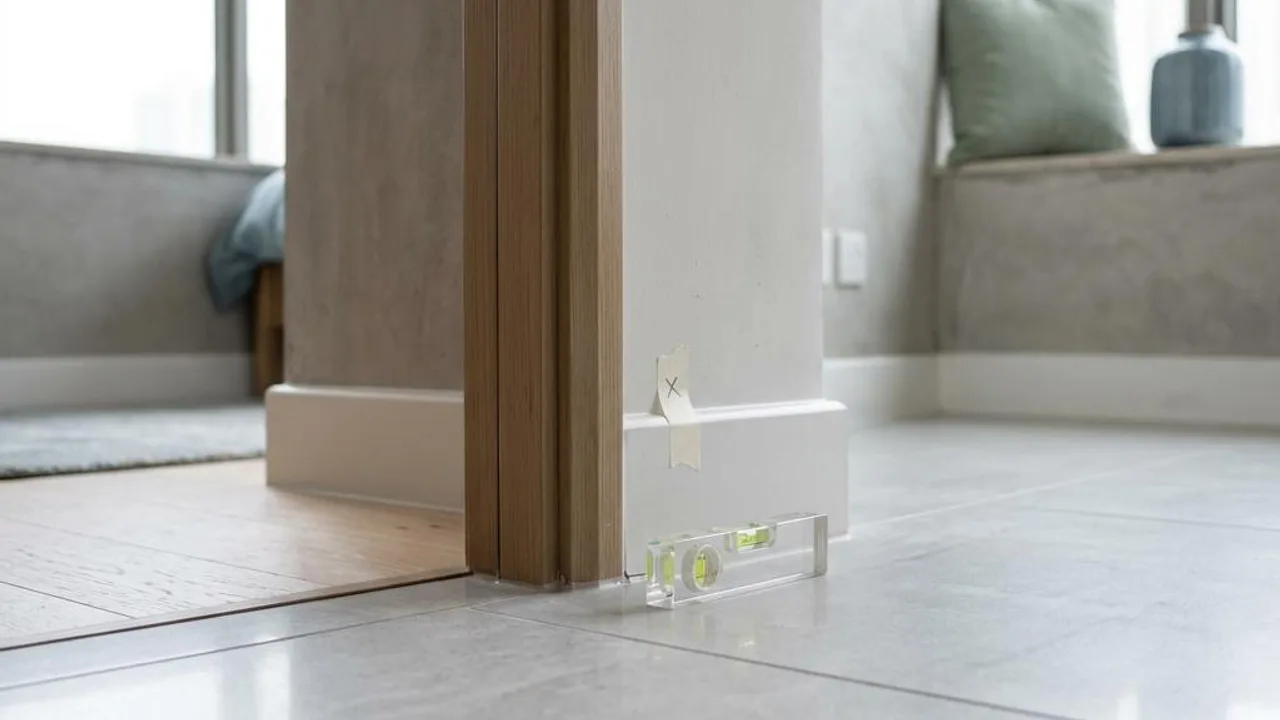
Professional guide to new property inspection: Identifying quality defects comprehensively
This article outlines the core processes and technical requirements for new property inspections, guiding owners through systematic checks to identify finishing and facility defects, protect investment value, and ensure future living safety and comfort.
Read full article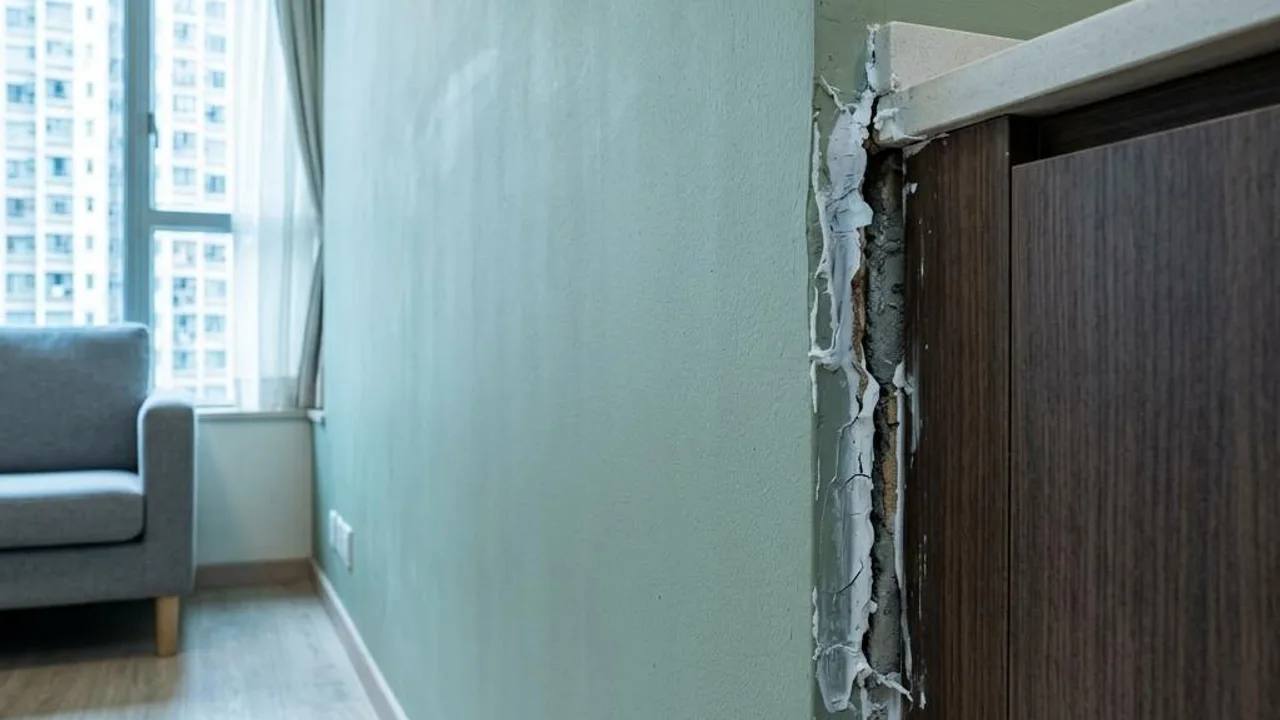
How to identify poor quality finishing during a property inspection
This article aims to help owners master basic property inspection techniques, identify common finishing flaws, and understand when to seek professional assessments to safeguard home safety and enhance finishing quality.
Read full article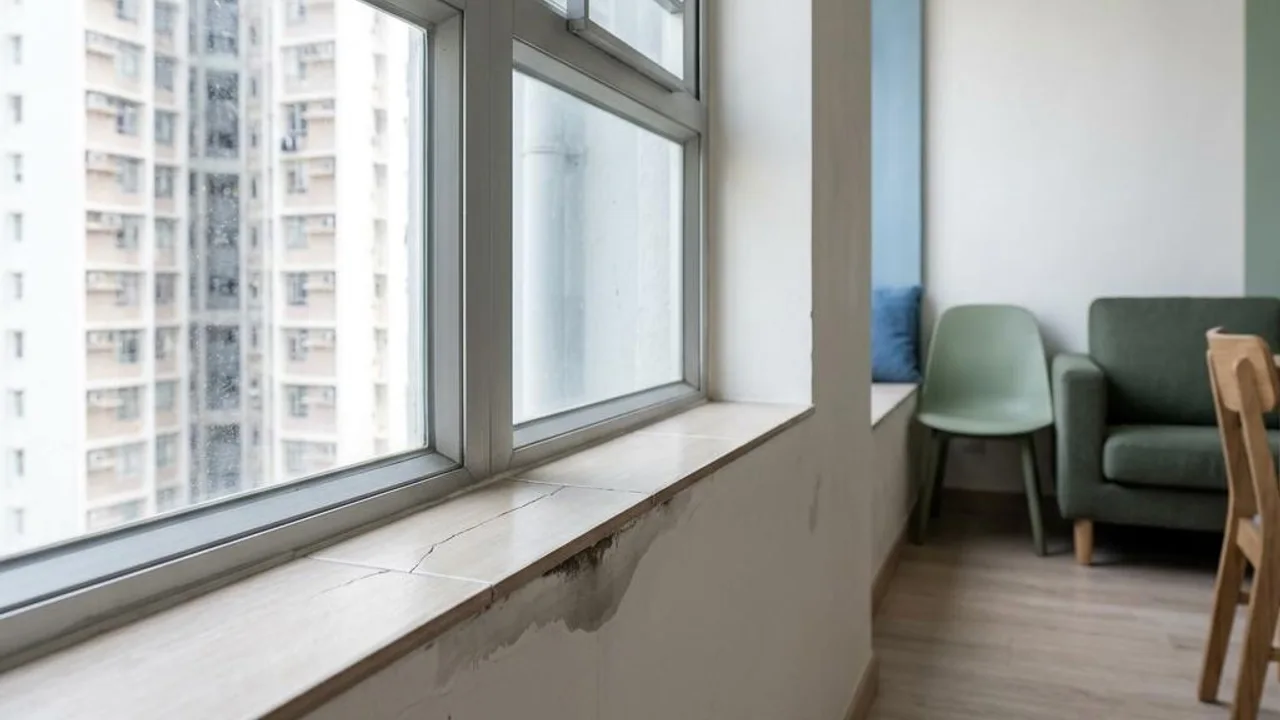
Green Form Subsidised Home Ownership Scheme inspection checklist: A professional guide for homebuyers
This article assists Green Form Subsidised Home Scheme owners in pre-move-in inspections by systematically checking unit structures, plumbing and electrical facilities, and public areas to ensure living safety, while providing practical advice for preparing defect rectification lists and follow-ups.
Read full article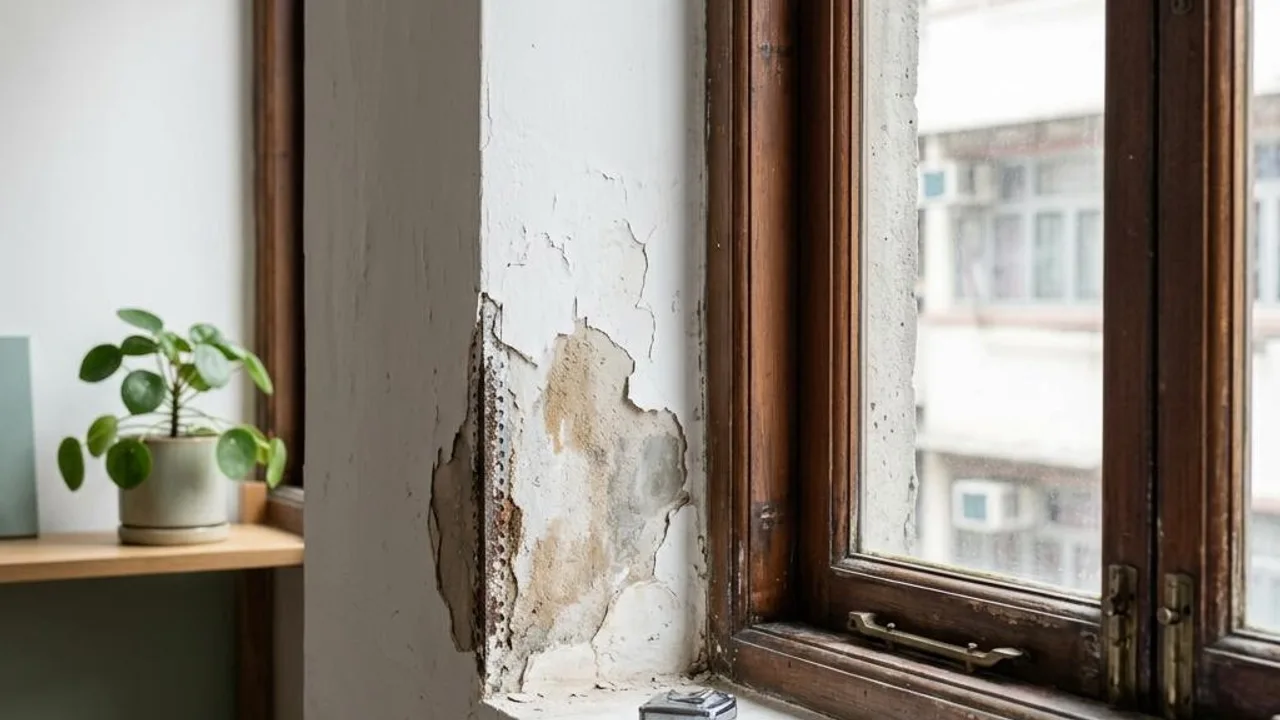
The complete guide to pre-completion inspection for second-hand properties
Conducting a professional property inspection before completing a second-hand home purchase effectively helps owners understand the state of the property's structure and facilities. By observing and evaluating potential flaws objectively, it safeguards living safety and helps budget for future repairs; it is an indispensable defensive step in the property buying process.
Read full article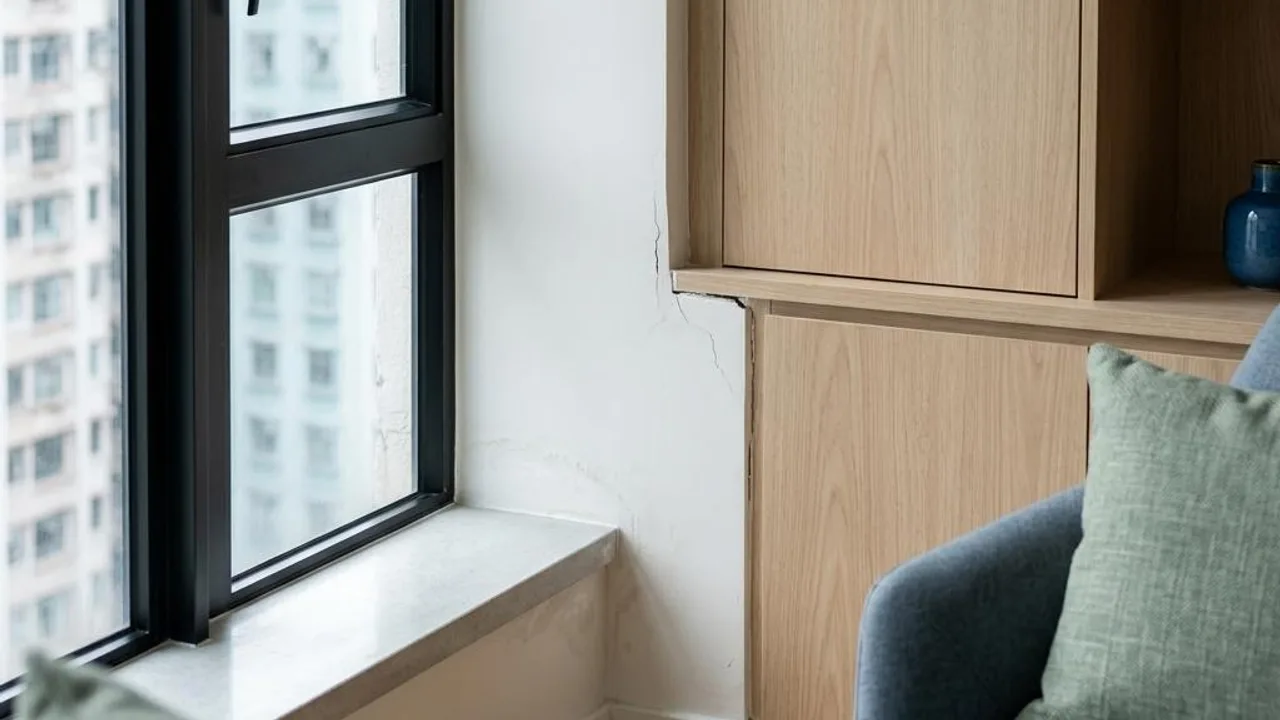
Independent Property Inspection: Why It Matters
Time is limited at handover. An independent inspection can help record issues at visible and accessible locations and organise follow-up items for discussion with the developer. Findings depend on site conditions: an inspection cannot guarantee discovery of every concealed defect and is not statutory safety certification.
Read full article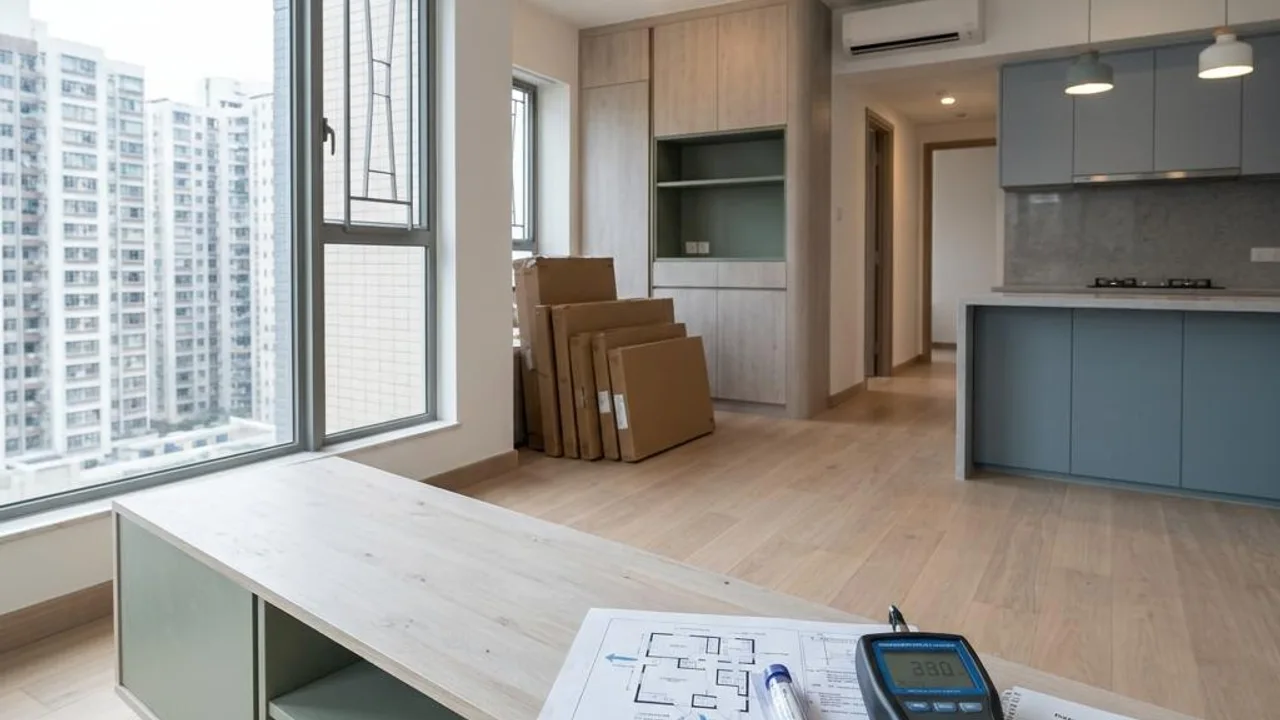
Essential Reading for Moving In: Deconstructing Household Formaldehyde Sources and the Importance of Professional Testing
Formaldehyde in newly renovated homes often originates from boards and coatings. This article deconstructs the causes and emission mechanisms of formaldehyde, provides effective ventilation advice for owners, and offers guidance on how to rationally interpret test data and seek professional consultation to improve indoor air quality after moving in.
Read full article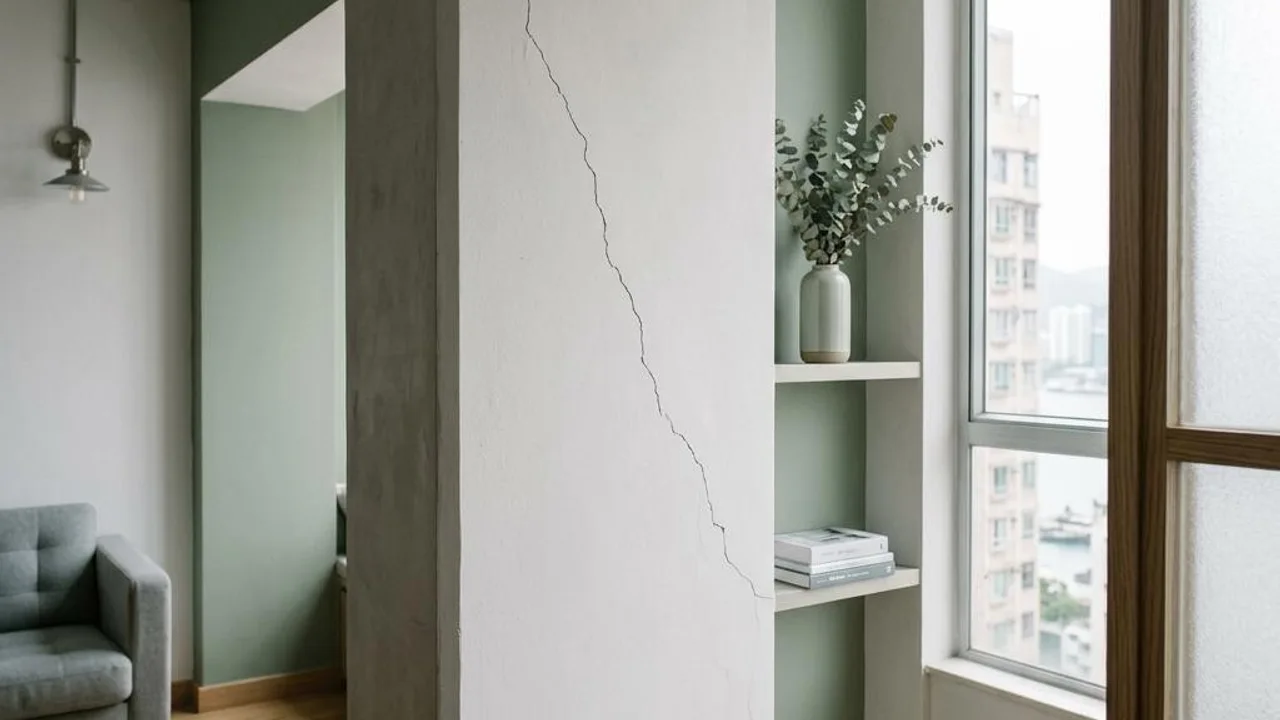
Interpreting a property inspection report: How to effectively categorise issues and communicate with developers
This article guides owners in interpreting property inspection reports, emphasising the categorisation of issues by severity, establishing effective communication mechanisms, and clarifying the division of responsibilities between home safety checks and professional repairs to help owners systematically handle defect rectification.
Read full articleInspection Encyclopedia
Understand the issues from articles, then take a look at your own unit
Explain the locations and current status you have observed to understand which property inspection items can be enquired about.