First-hand property inspection: Defect rectification strategy within the warranty period
First-hand new developments usually enjoy a developer's warranty period of six months to one year after handover. The primary task for the owner after receiving the property is to conduct a thorough property inspection. This period is a critical window to ensure the quality of the property, and any defects found should be immediately organized and submitted in a defect rectification list. If the owner ignores this step, or carries out renovations too early before the developer completes the rectification, if problems arise later, the responsibility is very likely to be blamed on the renovation work, causing all maintenance expenses to be borne by the owner.
Therefore, adhering to the principle of 'rectify defects first, then renovate' is crucial. Once renovation workers enter, involving demolition or alteration works, it will blur the developer's warranty liability. Owners should make good use of their rights during the warranty period, requiring the developer to repair all discovered craftsmanship defects to ensure the property is in perfect condition upon delivery, rather than sacrificing long-term property maintenance protection for the sake of moving in quickly.
- Use the warranty period to inspect the unit
- Must submit a defect rectification list within the time limit
- Adhere to the principle of rectifying defects before renovating
- Avoid responsibility disputes caused by renovations
- Ensure clear attribution of maintenance liability
Hidden costs: Risks of water seepage and hollow tiles
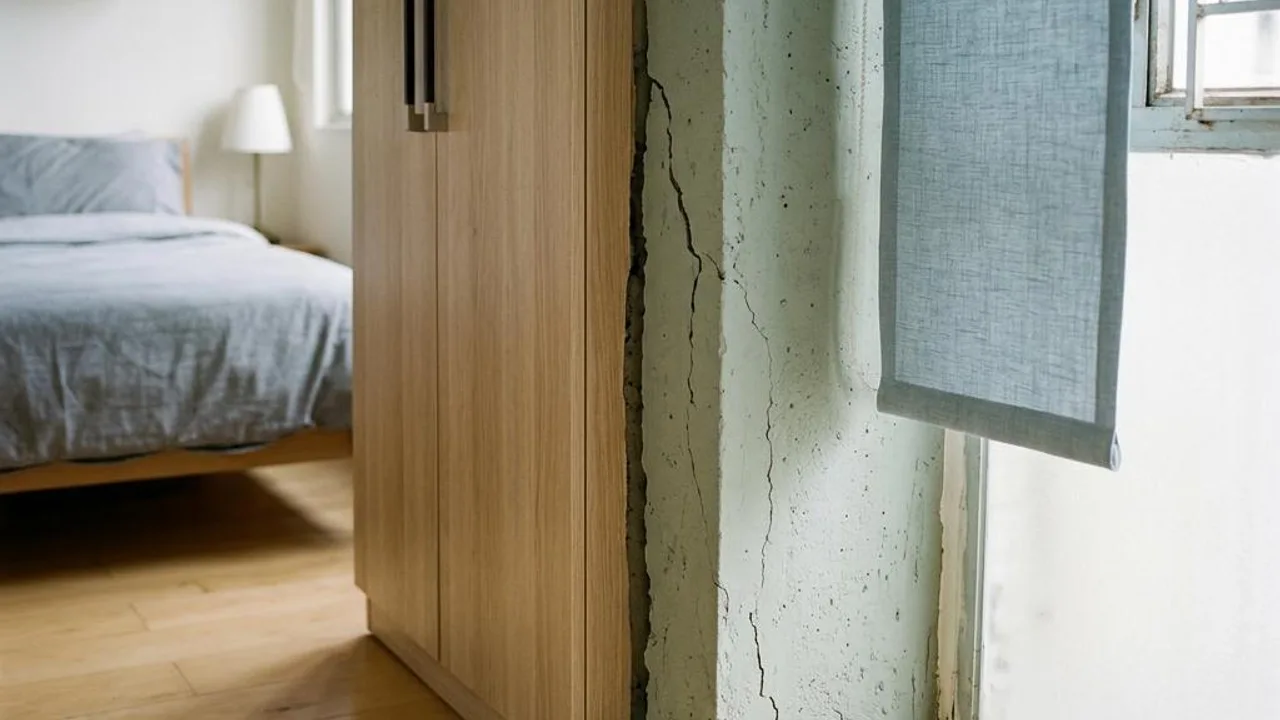
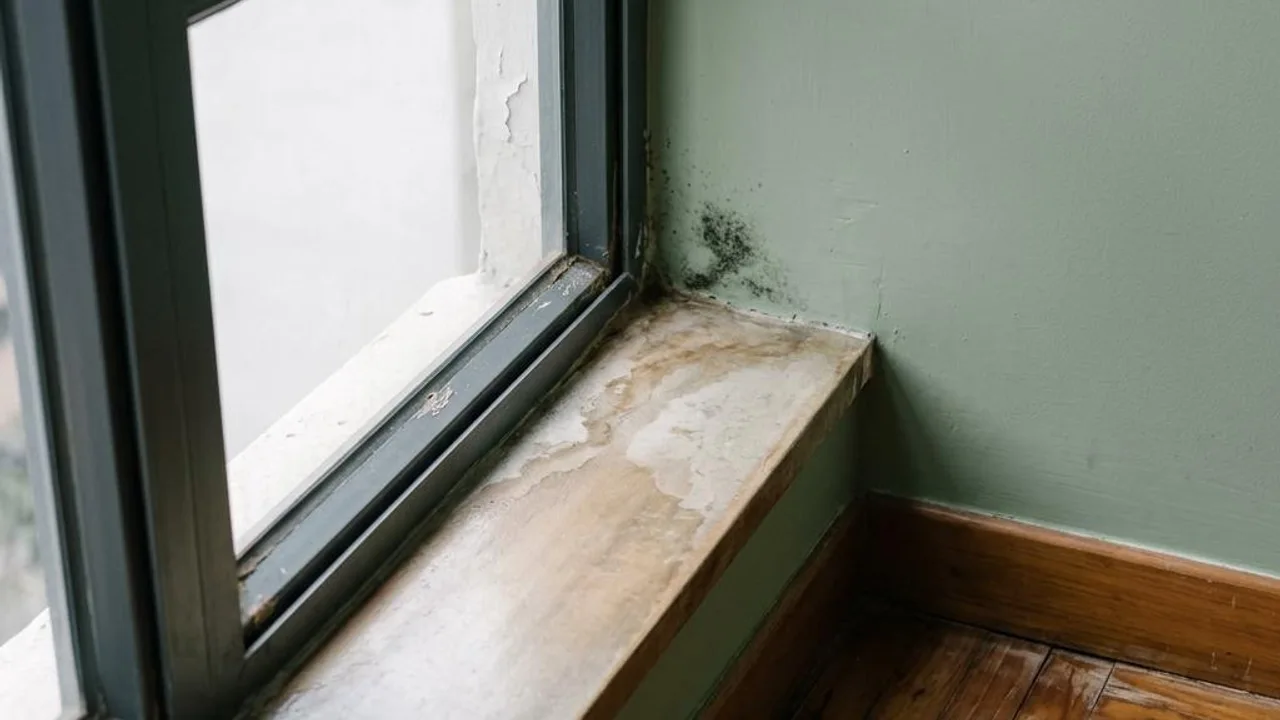
For owners, visible surface scratches are often easy to repair; what truly leads to financial loss is deep-seated structural problems. Among them, the risk of water seepage is the most serious. If there is hidden water seepage in the wall, and cabinets are installed without handling it, after a few months of mold and blackening, all wooden furniture may need to be dismantled and redone, causing huge economic losses. Therefore, the test of window edges and waterproof layers at the property inspection stage cannot be delayed.
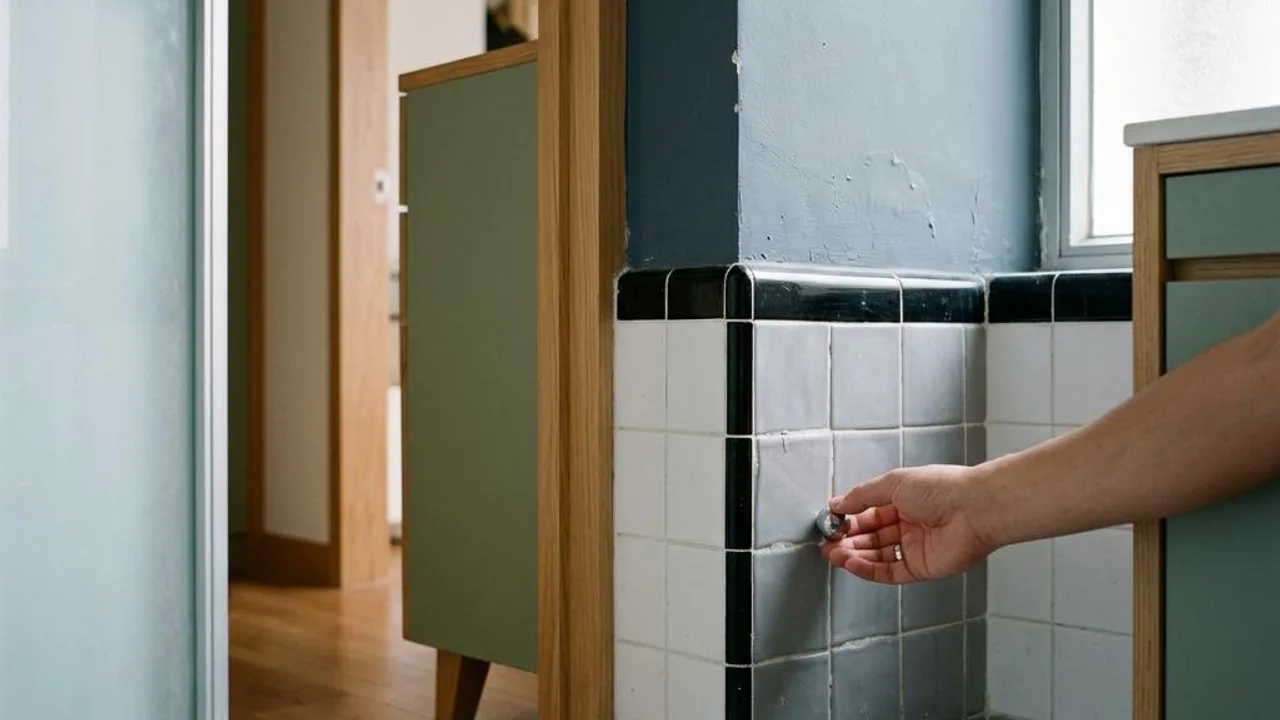
Hollow floor tiles are also a common financial black hole. Large areas of hollow floor tiles may lead to bursting with temperature fluctuations. If this problem is ignored, the cost of replacing floor tiles in the future will be extremely high and may destroy the already completed furniture layout. Owners should use professional instruments or tapping tests during the property inspection to discover these hidden dangers early and require repairs during the developer's warranty period to avoid spending huge sums on remedial works later.
- Window edge water seepage leads to moldy wooden items
- Failure of the waterproof layer brings structural hidden dangers
- Large areas of hollow floor tiles need replacement
- Test the humidity of the floor and walls early
- Prevent damage caused by temperature changes
Second-hand property inspection: Clarifying debts and unauthorized building works
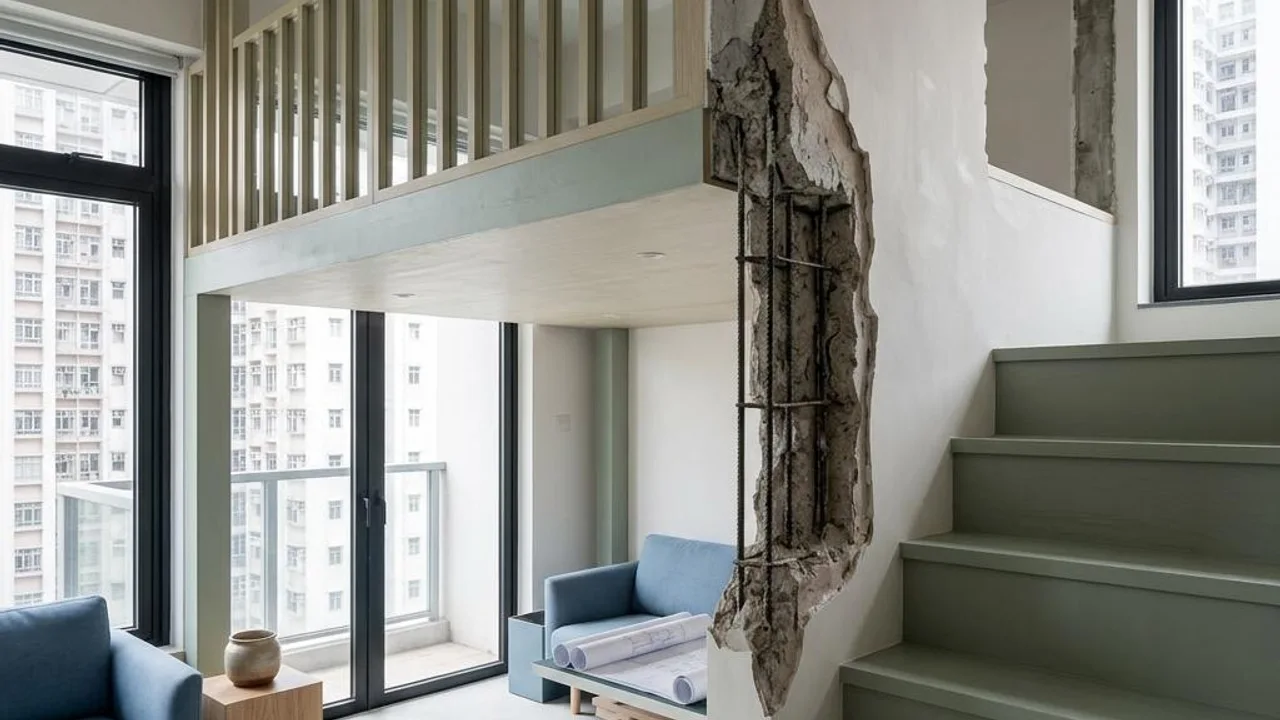
When purchasing a second-hand property, the inspection risk mainly stems from problems left by the previous owner. Before the official handover, it must be ensured that the original owner has fully paid off the water, electricity, and gas bills, management fees, and government rent and rates. There have been cases in the past where owners were chased by the management office for large debts owed by the previous owner after taking over the property. In addition, it is necessary to check whether the property has unauthorized building works, such as illegal demolition of load-bearing walls or enclosing balconies; these problems will directly affect mortgage approval and property transaction risks.
If the Buildings Department has issued a demolition order for the unit, the current owner will face the responsibility for compulsory demolition, generating additional engineering costs, and even affecting the property value. Therefore, when inspecting a second-hand property, in addition to checking the equipment inside the house, it is also necessary to check the land registry or check the architectural drawings to confirm whether the partitions comply with legal requirements. Once a violation is found, one should consult legal advice or clarify responsibility with the original owner as early as possible to avoid suffering unnecessary economic losses.
- Verify all water, electricity, gas, and miscellaneous fees
- Ensure the settlement of outstanding management fees
- Check if there are any unauthorized building works in the unit
- Be aware of whether it involves a demolition order
- Check the land registry to verify the legality of the property partitions
Why is a professional assessment needed?
Property inspection is a professional verification procedure; owners checking by themselves often miss deep-seated problems due to a lack of equipment. Professionals are usually equipped with infrared thermal imagers, endoscopes, and laser levels, which can see through wall structures and accurately judge potential water seepage paths and humidity conditions. These inspections can find hidden potential problems, preventing owners from discovering serious building problems only after moving in, saving tens of thousands of dollars in subsequent maintenance expenses.
In addition to technical advantages, professional property inspection assessments have extremely high reference value. Facing the shilly-shallying of contractors, concrete defect records can become the owner's strongest basis for negotiation. In addition, the inspection can also record the condition of the unit before renovation, providing evidence for possible attribution of responsibility in the future. Hiring appropriate professionals to check can effectively assist owners in risk management.
- Precisely detect hidden structural dangers
- Assist in clarifying responsibilities before and after renovation
- Prevent future high maintenance costs
- Protect the value of multi-million dollar assets
Common property inspection questions Q&A
The following summarizes the questions most frequently raised by owners during the property inspection process, aiming to provide practical and direct answers to help owners handle related matters more systematically during the inspection.
We recommend that owners reserve enough time before the property inspection to ensure that every inspection can be carried out properly.
- Question: Do owners need to participate in the entire property inspection? Answer: It is recommended that owners participate in the entire process as much as possible to understand the situation on-site so as to communicate with the property inspector in real time.
- Question: Does the property inspection service include maintenance? Answer: The property inspection service only reflects the state of the unit at the time of handover and does not guarantee subsequent maintenance results. This service cannot confirm the safety of electricity and gas, the condition of hidden pipes, the thickness of the waterproof layer, or the remaining service life of equipment. If a reinspection is required, please make a separate appointment. Related professional questions should be consulted with qualified professionals. If potential problems are found, it should be recommended to carry out necessary inspections according to the situation, and it should not be promised to cover all hidden details.
- Question: If serious water seepage is found, how should the owner handle it? Answer: The affected area should be recorded and photographed as evidence, and the developer or seller should be requested to appoint qualified persons to carry out the investigation; do not carry out any work by yourself to destroy the affected wall.
FAQs
Do owners need to participate in the entire property inspection?
It is recommended that owners participate in the entire process as much as possible to understand the situation on-site so as to communicate with the property inspector in real time.
Does the property inspection service provide maintenance?
The property inspection service only observes and records the surface condition of the unit at the time of delivery. This service cannot certify the building structure, electrical systems, gas pipes, the thickness of hidden waterproof layers, the remaining service life, or the effectiveness of past repairs. Thermal imaging scans only reflect surface temperature differences and cannot be directly regarded as a conclusion about the source of leakage or hidden structural problems. Statutory inspections involving building windows are independent procedures that must be executed by qualified persons registered with the Buildings Department and are not part of the scope of daily property inspection services. If there are questions in professional fields (such as electrical systems, structural safety, or pressure tests), please consult a registered engineer or relevant recognized professionals. Owners should not dismantle electrical devices, adjust water pressure valves, or enter high-risk locations such as external walls or roofs by themselves. The property inspection report does not contain any repair quality guarantee. If a reinspection is needed, please make a separate appointment.
If serious water seepage is found, how should the owner handle it?
The affected area should be recorded and photographed as evidence, and the developer or seller should be requested to appoint qualified persons to carry out the investigation; do not carry out any work by yourself to destroy the affected wall.