
Inspection Services
Old Property Inspection
Older properties commonly suffer from loose plaster, aging window frames, and pipe issues. We provide detailed records of visible and accessible areas, giving you and your renovation contractor a common reference point.
Key Inspection Areas
Plastering and ceilings
Check for hollow tiles, cracks by tapping; identify and record potential spalling risks.
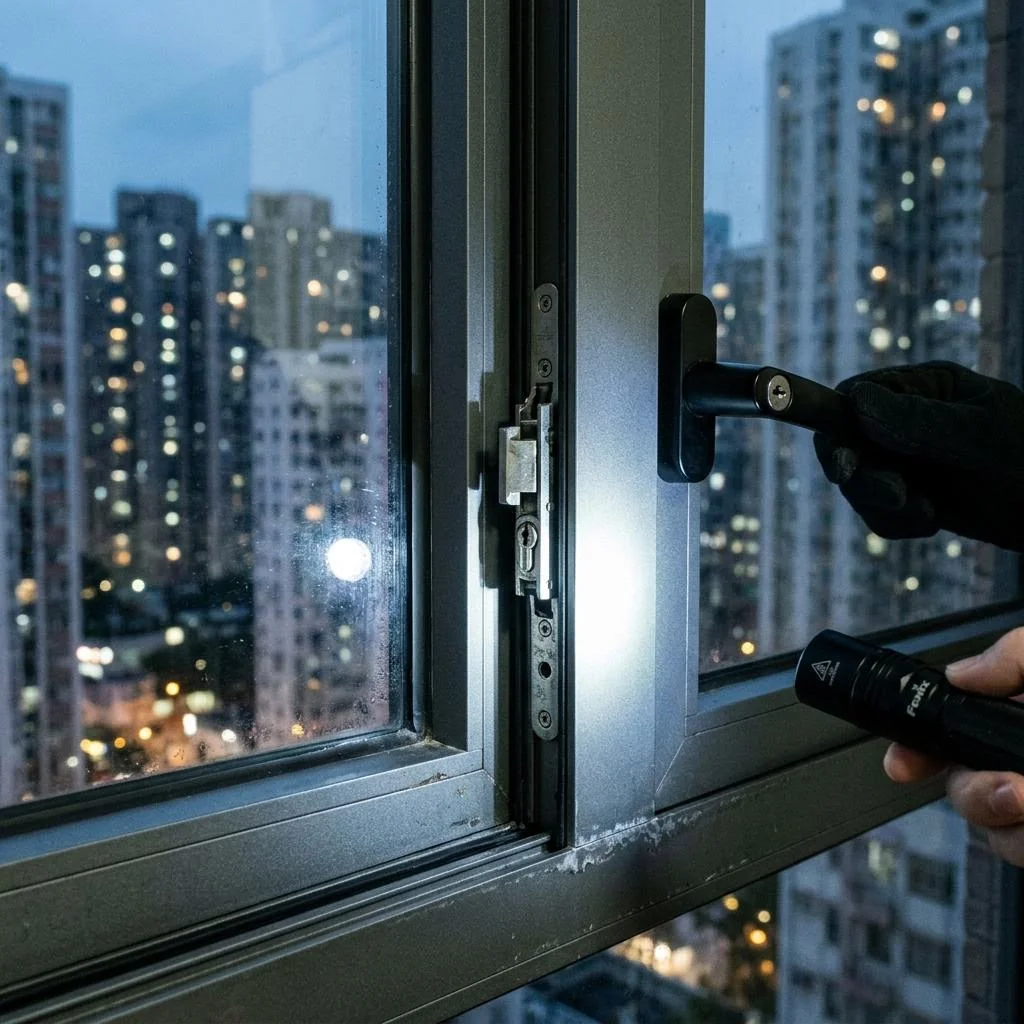
Window frames and aluminium windows
Window frame corrosion, loose hinges, malfunctioning window locks.
Electrical installations
Socket and switch status; advice on areas requiring follow-up by a Registered Electrical Worker.
Pipes and drainage
Water pressure, drainage, and visible signs of pipe leakage.
Suitable for
- Owners purchasing older units.
- Those intending to understand current conditions before major renovations.
- Elderly households wishing to check details for living safety.
Important Information
- · We only check visible and accessible items; this is not a statutory structural inspection or mandatory building inspection.
- · For issues involving building structure or common areas, please consult the Owners' Corporation or a Registered Professional.
Property inspection items and limitations.Service Process
When to schedule
Older property inspection focuses on visible ageing and usage conditions of units in older buildings. You may enquire before renovation planning or moving in. 'Second-hand property' refers to transaction status, while 'older property' refers to age and maintenance background; they can overlap. Choose inspection priorities based on the unit's actual condition rather than just the service title.
Preparation before booking
- Residential estate, saleable area, approximate building age, and current occupancy status.
- Exact locations of existing water stains, plaster spalling, or window frame/pipe issues.
- Known modifications, maintenance records, and management office notices, relevant parts can be provided for inspection.
- Access and safe contact areas; if there is a risk of loosening or falling, stay away and inform the responsible party first.
How to handle common situations
Cracks, spalling, or signs of ageing.
Note the location and visible condition first. General unit inspections do not provide structural safety assessments; if there is a suspected structural issue or immediate danger, it should be handled by the appropriate professionals.
Problems may involve common pipes.
Separate observations inside the unit from questions about common areas; enquire with the management office or the Owners' Corporation regarding responsibilities and inspection arrangements. Do not treat an indoor inspection as a full building inspection.
Wishing to retain part of the old renovation.
List the windows, flooring, and equipment intended to be kept first; check visible appearance and basic operation. Hidden connections, service life, and refurbishment costs cannot be determined solely by appearance.
Common questions before booking
What is the difference between older property inspection and Mandatory Building Inspection?
This service is a non-destructive inspection of visible and accessible items within the unit. It is not a Mandatory Building Inspection, Mandatory Window Inspection, or statutory structural inspection, and it cannot replace relevant statutory procedures.
Will it check the exterior walls or the whole building?
General unit appointments will not be extended to the entire building or high-level exterior wall inspections. Locations that can be observed safely and issues suspected to involve common areas will be clarified according to the scope of the day.
Can you see the condition inside if blocked by old renovations?
We will not dismantle walls, cabinets, or perform destructive inspections. Hidden areas that are blocked will be treated according to limitations; it is not possible to infer the entire internal condition from visible locations.
Old Property Inspection
The building is older; which locations should I pay attention to first?
Provide building age and known problems to understand the scope and limitations of a general inspection.