Review of cabinet functionality and storage design.
Cabinets are not only the core of kitchen storage space, but their configuration directly relates to the efficiency of cooking flows. A well-designed cabinet needs reasonable internal partitioning to enable the sorted storage of various kitchenware and ingredients. During the initial inspection, owners should primarily observe whether the overall storage plan meets daily usage habits and ensure the consistency of the cabinet appearance with the kitchen decoration style.
In addition to functionality, the stability of the cabinet structure is the cornerstone of long-term use. During the inspection process, note whether the cabinets exhibit any leaning or unstable installation. If cabinets show clear wobbling or uneven joints early in the installation, it will create hazards for subsequent service life and safety, making the initial overall visual inspection crucial.
- Check whether the overall storage space layout of the cabinets is reasonable.
- Evaluate the match between appearance design and kitchen environment style.
- Confirm whether the internal partitioning plan fits the cooking flow.
- Observe whether the cabinet installation is level and without wobbling.
Inspection of cabinet door panels and structural details.
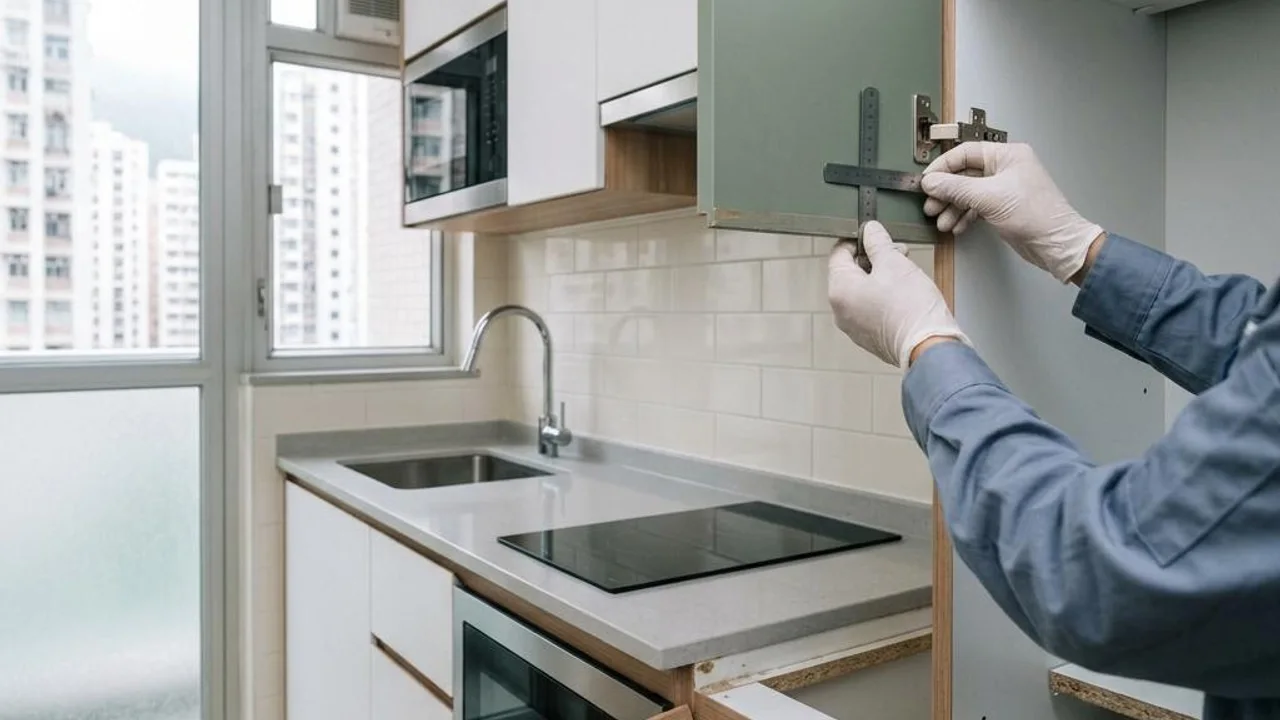
The opening and closing performance of door panels is an important indicator for evaluating cabinet quality. When checking, repeatedly open and close all cabinet doors to ensure no collision or friction occurs between the door panel and the cabinet frame, and that the closure is tight. If door panels pop open automatically or sag, it usually implies a deviation in installation position or poor hinge adjustment, which should be recorded and requested for adjustment.
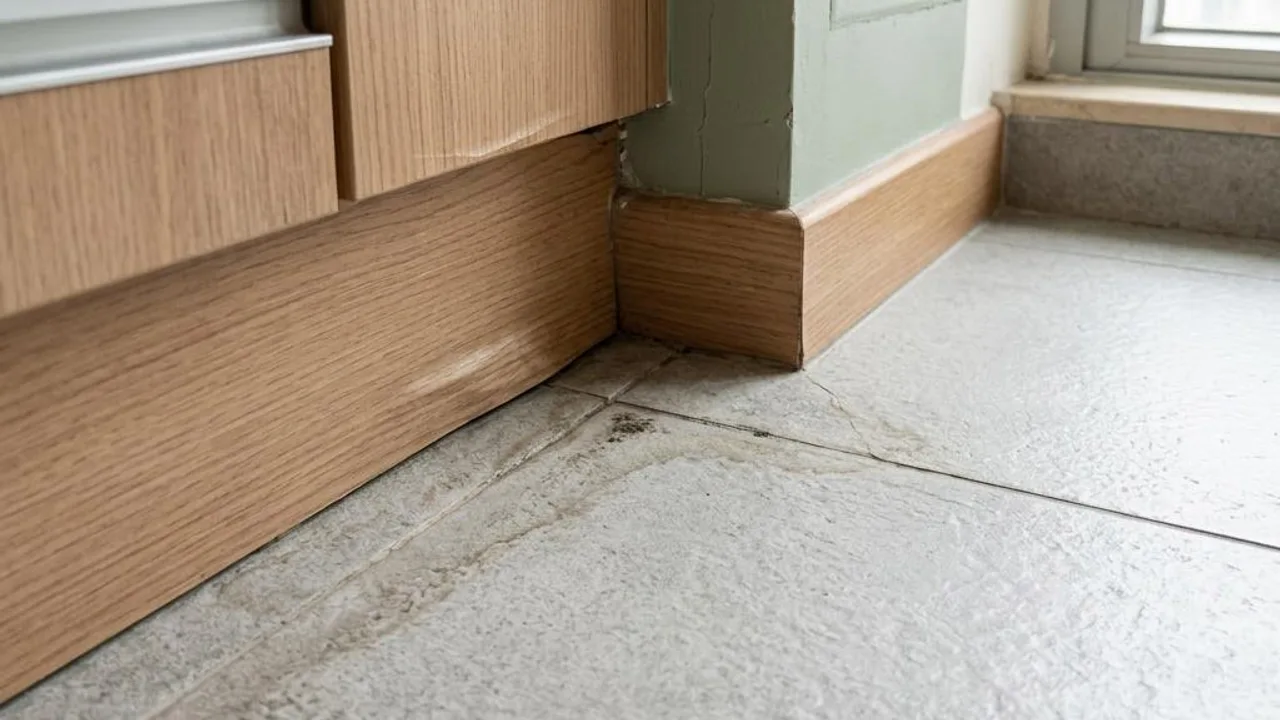
Regarding cabinet body panels, focus must be placed on the surface edge-banding craftsmanship. The kitchen environment has high humidity; if the board edges are not tightly sealed or are damaged, moisture easily infiltrates the core, leading to swelling and deformation. Simultaneously, check whether internal shelves are supported firmly to avoid the risk of shelf displacement or collapse when storing heavy items.
- Test if all door panels open and close smoothly without friction.
- Check if door gap spacing is symmetrical when closed.
- Observe if the board edge-banding is complete without damage.
- Verify whether the internal shelf structure is firm and reliable.
Performance testing of hardware accessories.
Hardware accessories are the most easily worn components in cabinets. It is recommended to test drawer slides one by one, ensuring the sliding process is smooth without abnormal sounds; if the slides have soft-close functions, confirm whether the closing motion is smooth, without any sticking or abnormal rebounds. The durability of hardware directly affects the daily operational experience; if metallic parts show traces of corrosion, pay special attention and report it.
Besides drawers, the secure installation of wall cabinets cannot be ignored. Wall cabinets usually store many utensils and have very high requirements for the stability of wall mounting. Owners can observe whether the expansion screws at the connection between the wall cabinet and the wall are tightened, and ensure the unit shows no downward leaning or tendency to separate from the wall to maintain a safe kitchen usage environment.
- Confirm if hinges have smooth soft-close functionality.
- Check drawer slides for drag or abnormal sounds.
- Verify whether the surfaces of various hardware accessories show corrosion.
- Confirm the installation stability of wall cabinets connected to the wall.
Practical inspection tools and methods.
During the cabinet inspection process, using appropriate tools can improve accuracy. It is recommended to carry a small flashlight to check deep into dark cabinet corners for traces of seepage, cracks, or mould growth. If you doubt the installation flatness, use a simple spirit level to measure the cabinet body. Photographing recorded defects can provide clear and concrete evidence for follow-up communication with the relevant personnel.
If structural abnormalities or installation issues that cannot be assessed independently are discovered during the inspection, do not attempt to adjust them forcefully; commission personnel with professional technical backgrounds to conduct in-depth inspections. Professionals can use instruments to identify material defects or installation deviations invisible to the naked eye, ensuring all cabinet components reach expected safe usage requirements.
- Use a flashlight to detect blind spots inside the cabinet.
- Use a spirit level to check installation flatness.
- Photograph and record specific structural defects discovered.
- Consult professionals to assess problems that are difficult to handle.
Cabinet environmental care and daily maintenance.
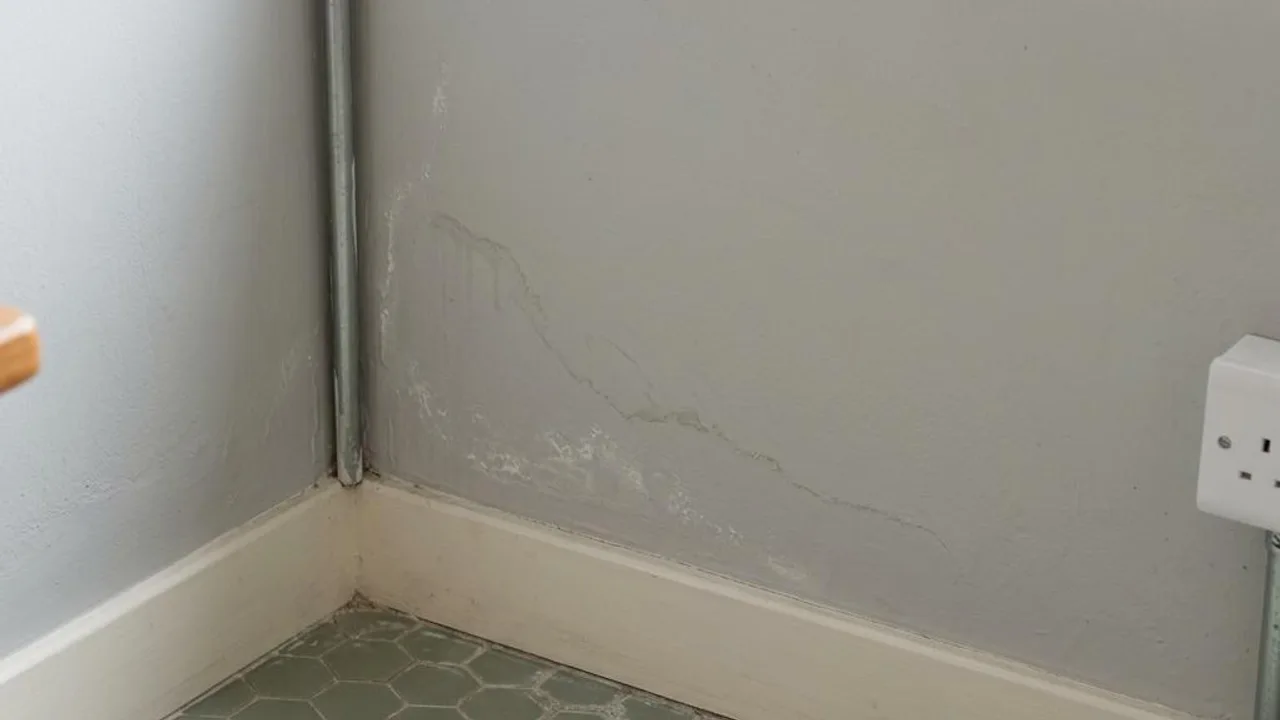
The kitchen is in a high-temperature and high-humidity environment for long periods, making daily cabinet maintenance equally important. To reduce the risk of dampness, wipe away accumulated water on the countertop and door surfaces promptly after use. When checking the cabinet under the sink, if long-term dampness or mould is found, investigate whether hidden pipe seepage exists and deal with it in time to protect the cabinet panels.
For active accessories, such as pull-out baskets or rotating trays, it is recommended to clean dust from the tracks regularly to prevent debris from affecting sliding performance. Moderate daily cleaning and inspection can effectively extend the lifespan of cabinet hardware components. If any damage affecting daily use is discovered, record it and invite qualified personnel to conduct maintenance, ensuring the kitchen environment operates normally.
- Keep cabinet surfaces dry to avoid dampness.
- Regularly clean accumulated dust in drawer tracks.
- Monitor whether there are signs of seepage at the bottom of the sink.
- Deal with accessory malfunctions affecting opening/closing in a timely manner.
FAQs
When checking cabinets, slight colour differences in door panels are found; is this a normal phenomenon?
Colour differences in door panels might involve production batches or material characteristics. During inspection, if the colour difference significantly affects aesthetics, record the location and check with the relevant person in charge to confirm whether it meets design standards or material supply requirements.
If a wall cabinet appears to have a slight downward lean, can the owner attempt to reinforce it themselves?
It is recommended not to dismantle or attempt to reinforce it yourself. Wall cabinets involve wall weight-bearing and installation craft; if it feels structurally unstable, record the leaning condition of that location in detail and require a qualified professional to assess and handle it.
Cabinet hinges make abnormal sounds when opening/closing; does this mean the hardware is damaged?
Abnormal sounds when opening/closing might stem from insufficient hinge lubrication or slight displacement in installation position. During inspection, first observe whether the hardware surface has corrosion or loose screws; if abnormal sounds persist after ruling out the above, it is recommended to record it and request professionals to adjust or replace it.