Memory challenges in the 'Property Viewing Marathon' and how to deal with them
In Hong Kong's dense real estate market, buying a property often requires multiple on-site viewings. Many buyers visit several units in a short time; at first they are full of energy, but as the itinerary progresses, the brain's ability to process property prices, layouts, and details decreases significantly, leading to memory confusion. Information overload can easily cause buyers to misattribute the pros and cons of different units, or even ignore the unit's actual condition due to the agent's sales pitch.
Systematic recording is not just for supplementing memory, but for maintaining calm, rational judgement in property-buying decisions. Buyers should finish organising within an hour after viewing, converting immediate feelings into quantitative indicators. By establishing a clear personal scoring system, fuzzy intuition is converted into comparable data, thereby effectively increasing the efficiency of filtering high-quality units.
- Short-term memory is prone to deviations when processing high-pressure information.
- Failure to record systematically leads to an inability to precisely compare data across units.
- Emotional interference can easily mask the potential defects of a property.
- After viewing, notes should be organised as soon as possible to ensure information accuracy.
Establishing a 'gold' recording framework and observation focus
Effective property viewing notes need to be structured; it is recommended that buyers establish a fixed checklist in their mobile notes app. Unit details should be divided into five major dimensions: sense of space, lighting and ventilation, view and noise, internal renovation wear-and-tear, and the level of maintenance of the building's public facilities. This classification method ensures that evaluation standards remain consistent across different viewing sessions, avoiding incomplete records due to shifting focus.
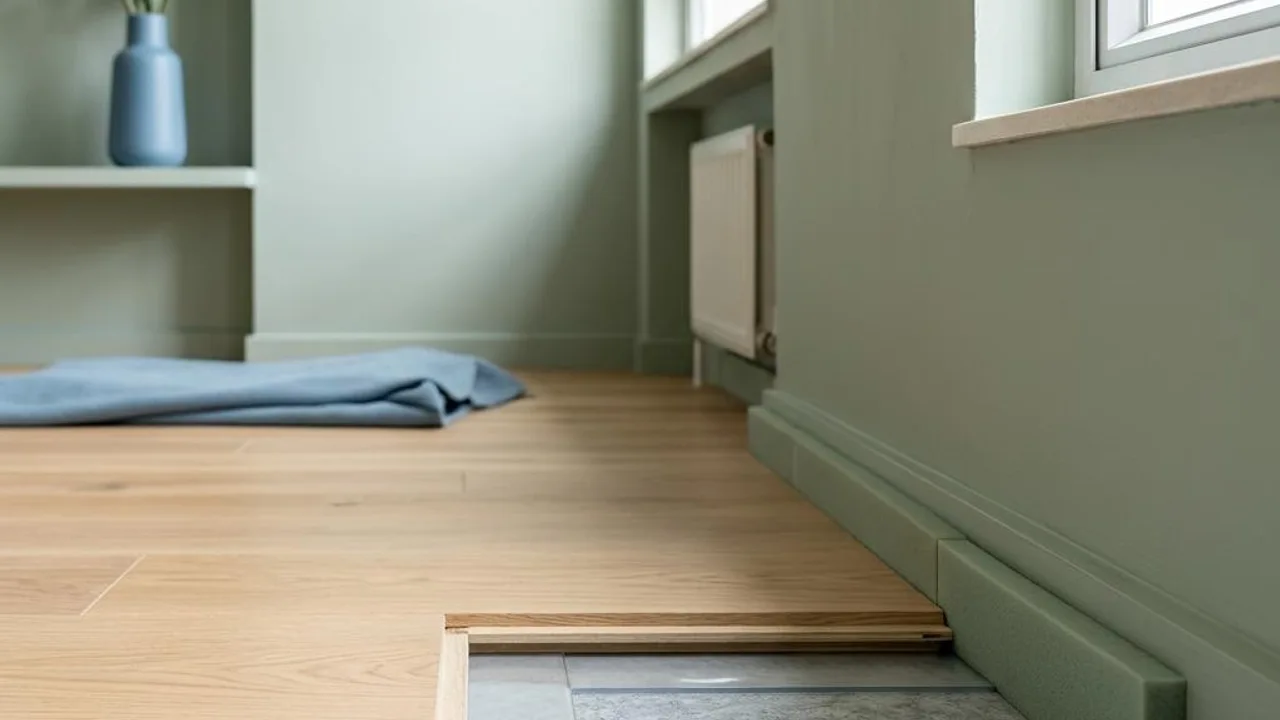
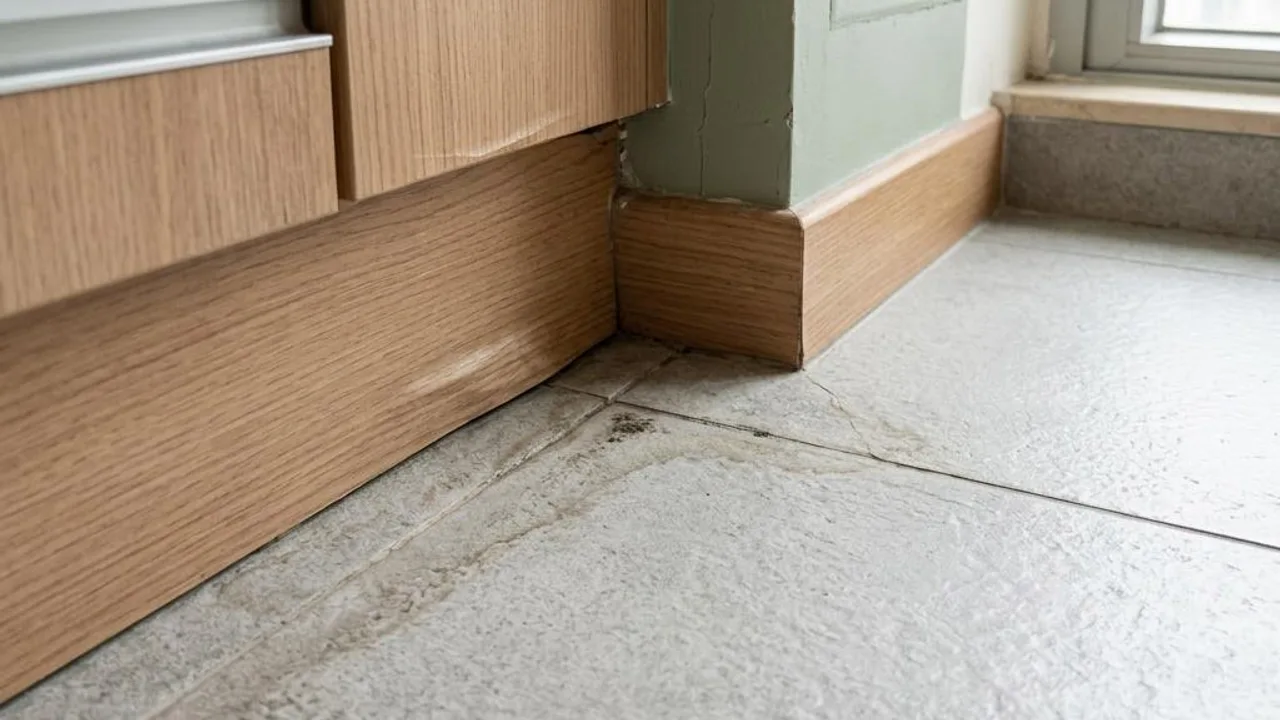
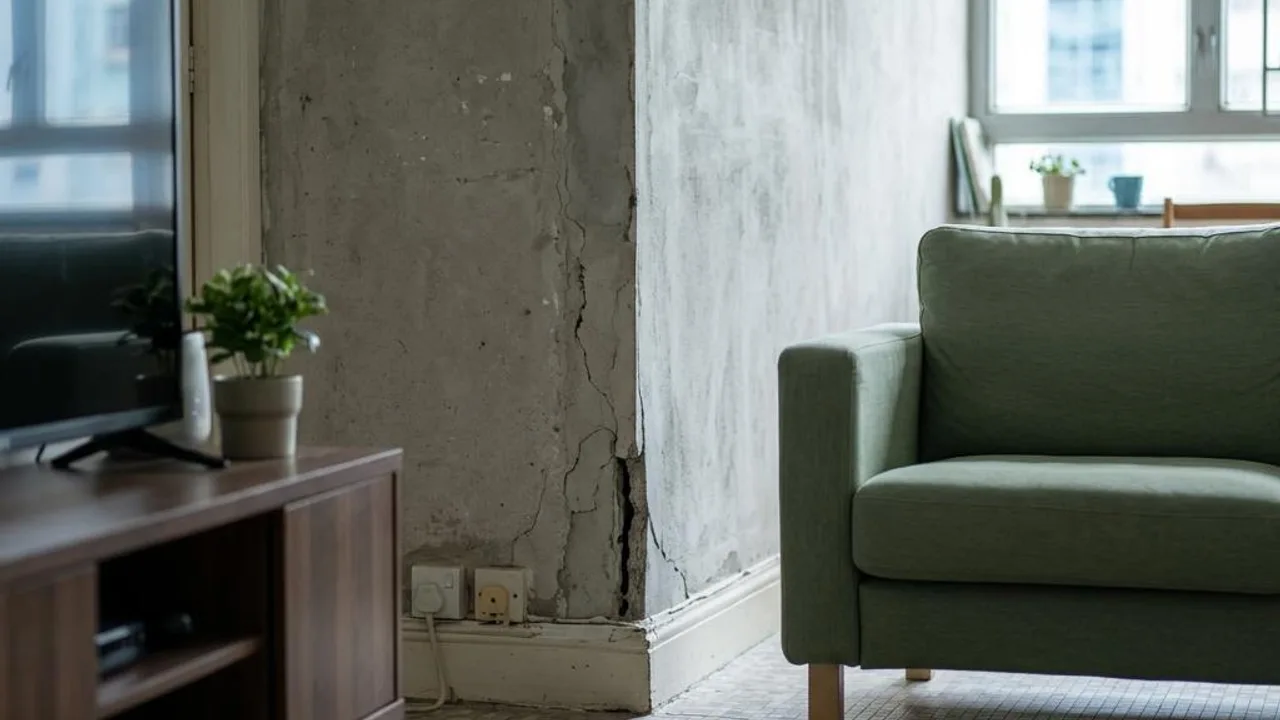
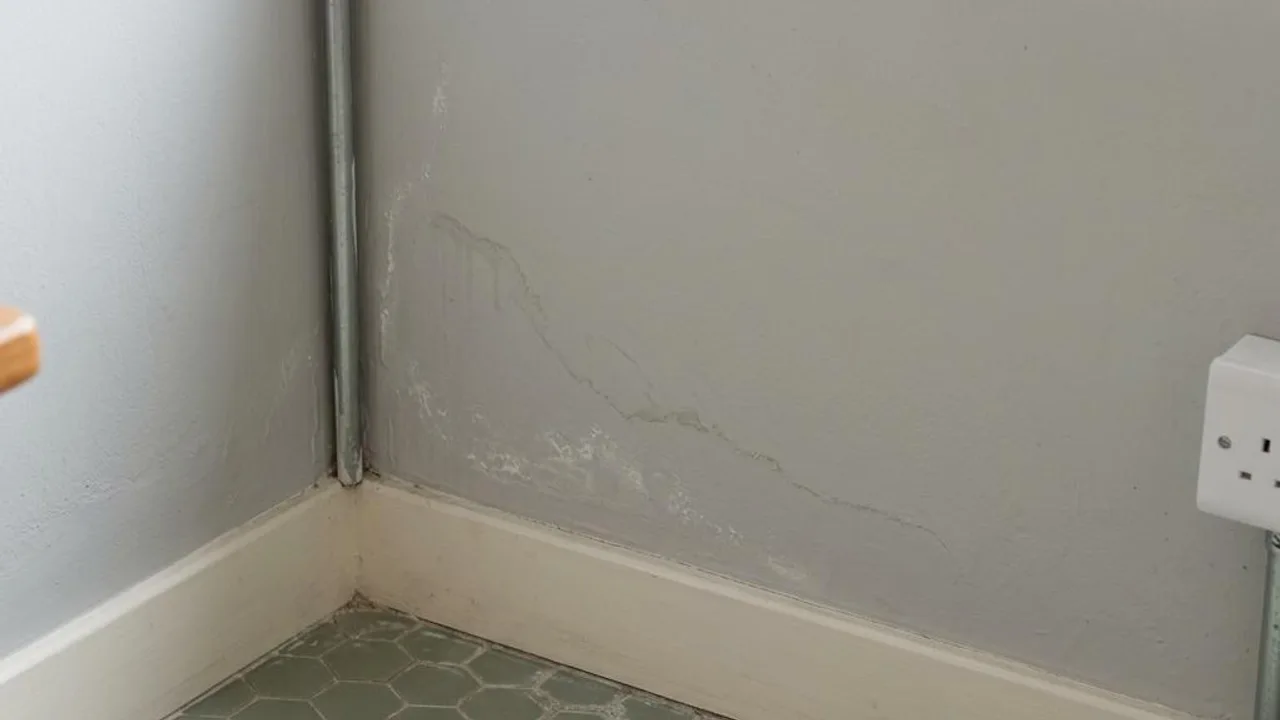
The focus of recording should not be limited to highlights; on the contrary, focus on pain points. Whether it is water seepage marks in wall corners, water stains by windows, or the speed of kitchen drainage, these details are often key indicators of future maintenance costs. During observation, note whether the walls are flat and if there are signs of ageing or cracking in the sealant between window frames and walls; these are fundamental surface defects that owners can safely observe and record.
- Sense of space: Measure the ease of furniture placement and hallway width.
- Ventilation and lighting: Assessment of natural light and air circulation.
- Wear and tear observation: Inspection of the integrity of wall corners, ceilings, and window frames.
- Environmental assessment: Recording noise interference from nearby refuse rooms and lifts.
Using comparison tables to filter out 'lemon' properties
Integrating scattered notes into a table is a key step in decision-making. By aligning data from different units, the gap between good deals and potential traps becomes clear, helping to avoid being misled by cosmetic renovations. Buyers can design a simple scoring sheet to rate each unit, clarifying which ones are worth further research.
During comparisons, focus on hard indicators such as efficiency ratios, management fees, and obvious wear and tear items. If a unit frequently relies on artificial lighting or has a distinct damp smell, be wary of underlying maintenance issues, even if the price is low. Through elimination, buyers can more clearly lock in the most valuable property targets.
- Create a comparison table to quantify the value-for-money of different units.
- Identify key wear and tear issues such as water stains on walls or failure of window frame seals.
- Screen for units with square layouts and no obvious structural issues.
- Evaluate the impact of long-term maintenance costs on property value.
The boundary between DIY observation and professional property inspection
Personal notes made during property viewings are preliminary screenings that help buyers filter out obviously unsuitable units. However, there are limitations to naked-eye observation. Many potential issues, such as hidden water pipe leaks, hollow tiles inside walls, electrical load capacity, or dampness in floor structures, cannot be detected without professional equipment. Such inspections require personnel with relevant professional knowledge to ensure a safe process and provide results with reference value.
When major property assets are involved, surface inspection alone is insufficient to protect your interests. Before officially signing, commissioning a professional OPO Inspection team to use infrared thermography and spirit levels can deeply screen for flaws invisible to the naked eye, avoiding expensive hidden hazards discovered after moving in. Through a professional perspective, buyers can more accurately understand the actual handover condition of the unit, enabling a more realistic renovation budget assessment.
- Owner observation can screen for obvious appearance and layout flaws.
- Professional property inspection can detect hidden pipes and electrical load conditions.
- Professional equipment can detect potential structural issues inside walls.
- You should avoid performing any form of maintenance testing yourself.
Interpreting inspection reports and follow-up advice
Upon receiving the professional property inspection report, owners should not just focus on the number of issues but discuss the causes of these defects in detail with the inspectors. For issues such as water seepage or aging electrical installations, ask professionals for recommended follow-up measures. This not only helps owners assess the priority of renovation items but also clarifies which problems fall under the developer's maintenance scope and which the owner must bear themselves.
When communicating with professionals, ask them to explain the specific meaning of the test results. For example, if the report indicates abnormal wall moisture, owners can ask about the potential causes and the possibility of further development. Through rational dialogue, buyers can transform the property inspection report into an effective action list, making full preparations for the future repair and maintenance of the unit.
- Discuss the causes and potential impact of defects with property inspection personnel.
- Clarify the attribution of repair responsibilities and maintenance priorities.
- Convert the report into specific renovation budgets and maintenance plans.
- Consult qualified technicians regarding electrical and plumbing systems.
FAQs
If I find water stains on the wall during a viewing, can I judge the severity myself?
Owners should record the location and extent of the water stains and observe whether there is peeling paint or mold in the surroundings. However, the causes of water stains can involve complex factors like the source of seepage or aging waterproofing layers, making it difficult to judge severity based on appearance alone. It is recommended to record these observations and consult professional OPO Inspection personnel for in-depth instrument testing.
What is the reference value of personal viewing notes for subsequent professional property inspections?
Personal notes can reflect your priorities for living needs, such as lighting, noise, and space distribution. Providing this information to professional OPO Inspection personnel allows them to pay more attention to the areas you are specifically concerned about during the inspection, thereby improving the targeting and efficiency of the inspection work.
What is the specific role of infrared thermal imaging technology in property inspection?
Infrared thermal imaging equipment can detect temperature differences on object surfaces. In property inspections, it is mainly used to assist in identifying areas of potential dampness inside walls or ceilings. This technology helps professionals find potential water seepage points that are difficult for the naked eye to see, allowing for further verification of the nature of the problem and providing targeted maintenance recommendations.