Five-minute golden rule for property viewing: Living room wall and structural observation
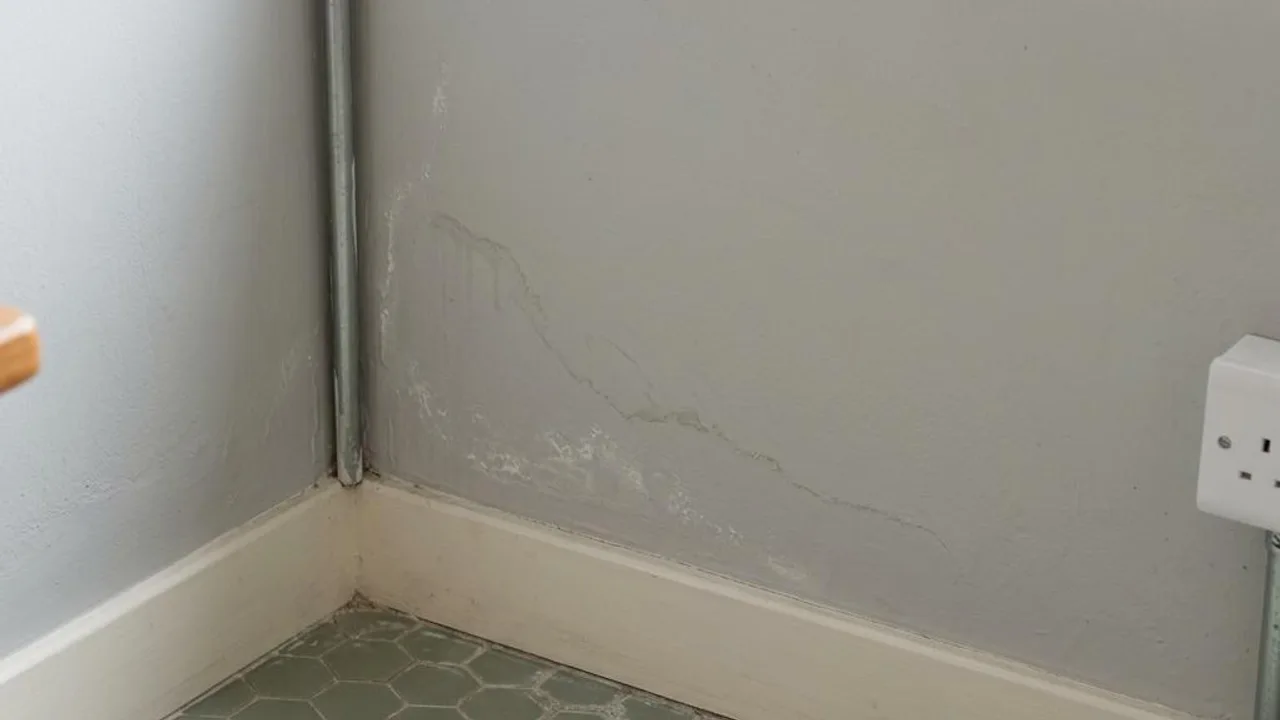
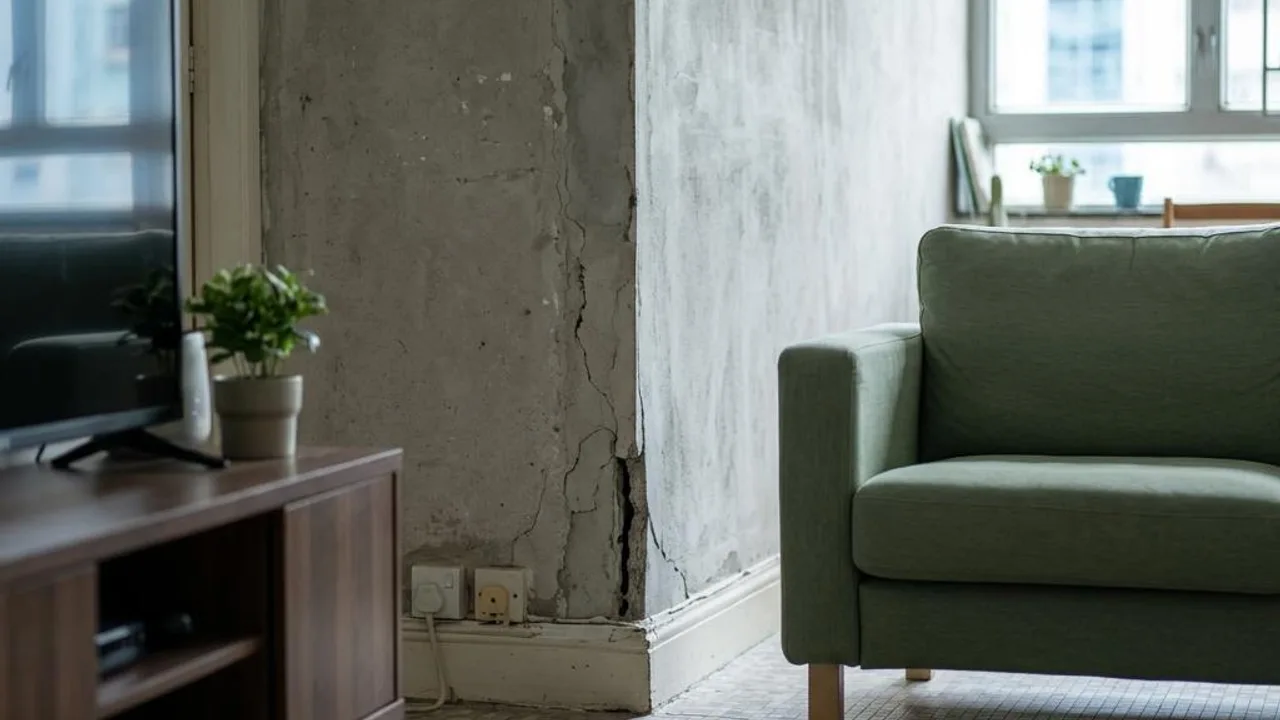
When facing tight property viewing time, buyers must not be misled by the brightness of the indoor renovation. As the unit's frontage, the living room is often the focus of the owner's renovation beautification, such as using exquisite wallpaper or new paint to cover up defects. However, true structural hidden dangers are often hidden in the details, such as mould on the wall near the skirting boards, blistering paint, or vertical cracks at the wall corners; these are typical signs of long-term dampness or structural settlement.
When observing the unit, be sure to observe the verticality and squareness of the walls and windows in the living room. If you find that the unit is 'three-pointed and eight-angled' (oddly shaped), it not only affects space layout but may also reflect limitations in the original architectural design. Turning your attention from the gorgeous renovation to the wall-floor junction and skirting boards allows you to gain insight into the true health condition of the living room even within a few minutes, avoiding being deceived by superficial staging.
- Whether there is mould or discolouration at the edges of the skirting boards
- Whether there is local blistering or peeling of the painted walls
- Whether there are unnatural vertical cracks at the wall corners
- Whether the angles between walls and window frames are too skewed
Wet area inspection: Potential water leakage crisis in kitchens and bathrooms
Kitchens and toilets are regarded as the unit's wet areas and are also high-risk areas for hidden water seepage. Even if the owner has renovated the kitchen cabinets and washbasins, if the internal pipes are aged or the waterproof layer has failed, leakage problems may still occur after moving in. During the short property viewing period, although a comprehensive water pressure test cannot be performed, you can screen for risks through your senses; checking for residual musty odours or water stains in the sink and the cabinet underneath is the most direct way to determine signs of water seepage.
Please observe whether the sink drainage is smooth and note if there is any backflow. Toilet waterproofing performance is extremely critical; check whether the wood at the bottom of the door frame has swollen due to dampness, or if there are signs of water seepage in the shower area or floor. Such observations are limited to surface conditions and cannot determine the waterproof performance of hidden layers or structural safety. If you find suspected leakage, please consult a professional property inspector for a detailed inspection.
- Whether there are signs of musty odours or rot at the bottom of the kitchen sink
- Whether the wood at the bottom of the toilet door frame is damp and deformed
- Observe whether the drainage of the washbasin and kitchen sink is smooth
- Whether the waterproof sealant at the shower area has cracks or is peeling
Key points for waterproof inspection of window sills and corner positions
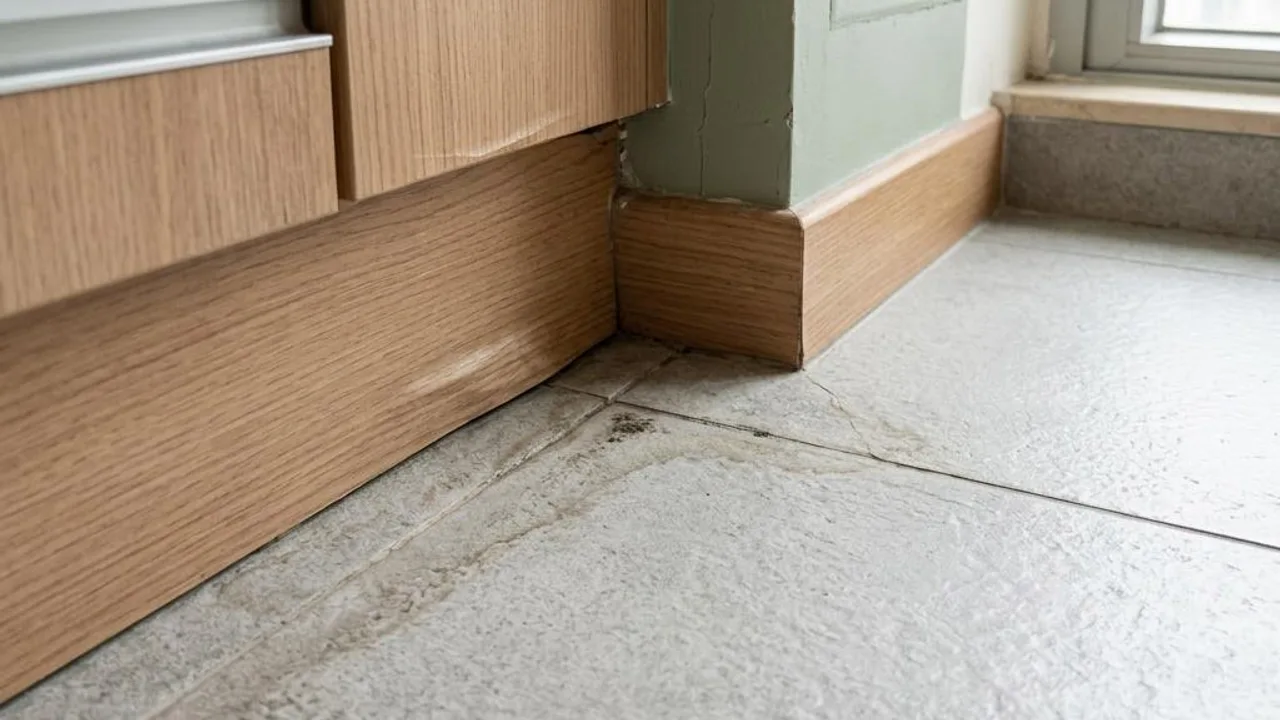
The window sill and the area around the window frame are the main pathways for rainwater intrusion. If the waterproof layer fails, water can easily seep near the window during typhoons or heavy rain. When observing, pay attention to whether the glass sealant of the window frame has aged or cracked, as this is usually the main cause of leakage. If you find colour differences between new and old paint on the wall near the window, it is recommended to be especially vigilant about whether the owner performed local touch-up painting to cover up long-term water stains; this kind of 'beautifying' work is often a warning sign of hidden risks.
Observation of load-bearing wall corners should also not be overlooked. If there are abnormal cracks at the corners of load-bearing walls, or if there are hollow echoes when tapped, it may reflect potential stress changes at the structural level. Combining the integrity of the window sill with the wall corner structure can help you further filter out units with higher risks, avoiding the purchase of properties that require high maintenance costs.
- Whether the window frame glass sealant has aged or detached
- Whether there is a colour difference between new and old paint on the window sill wall edge
- Whether there are diagonal cracks at the corners of load-bearing walls
- Whether there are water marks or mould under the window sill stone
Limitations of naked-eye observation and home-buying safety concepts
Through the quick observation techniques mentioned above, you can initially screen out problematic properties within a limited time; this falls within the scope of personal self-testing. Self-observation can effectively help you filter out obvious flaws at the initial stage of buying a property, avoiding wasted time. However, this is limited to surface inspection; for deep wall conditions, pipe leaks hidden in the floor or walls, or the load-bearing capacity of electrical installations and other core issues, it is impossible to fully detect them with the naked eye alone.
When involved in asset transactions amounting to millions or even tens of millions, over-relying on personal observation carries great risk. Professional property inspection teams possess precision equipment that can accurately assess building structural safety and hidden defects. Before finalising a purchase decision, seeking qualified professionals to conduct a comprehensive inspection is not only a safeguard for personal assets but also ensures the safety and comfort of future living.
- The naked eye can only perform initial visual screening
- Cannot detect leaks in hidden pipes inside walls
- Unable to assess the power load capacity of the distribution board
- Unable to accurately measure the extent of hollow tiles on walls
Appointing professionals: Conducting scientific testing
When you have shortlisted your ideal property and are ready to sign the provisional sale and purchase agreement, it is a wise choice to entrust the gatekeeping responsibility to qualified professional inspectors from OPO Inspection. Our professionals are well-versed in common defects found in various types of residential developments and can use specialised equipment to examine the structural integrity of a unit from different dimensions, including assessing risks associated with concealed pipes or electrical installations.
The value of appointing a professional team lies in obtaining a scientific assessment rather than a mere one-off observation. Through a professional property inspection, buyers can gain a more comprehensive understanding of the property's condition, which serves as a meaningful reference for subsequent price negotiations or maintenance arrangements. If structural issues are discovered, you should consult an engineer in the relevant field and avoid carrying out any structural alterations yourself.
- Hire licensed personnel to assess structural hazards
- Use instruments to identify concealed water seepage within walls
- Conduct a comprehensive inspection of electrical and drainage installations
- Ensure inspection results serve as a reference for price negotiation
FAQs
If I notice obvious colour differences in the paint while viewing a flat, does this mean the unit has water leakage?
Discolouration in paint may be signs of repairs, but it does not necessarily prove water leakage. Owners might also cause such discrepancies during renovation works. We recommend documenting the observed colour differences and, when formally appointing an OPO Inspection professional, requesting a focused check on whether there are signs of water seepage in that area.
Can I try tapping the walls myself to test for hollow spots?
When owners conduct their own observations, they may note signs of detachment, but visual inspection and simple tapping cannot accurately assess the degree of hollowness or structural condition. If you suspect structural problems, leave it to OPO Inspection professionals with specialised tools to perform a scientific appraisal.
If I find that the silicone sealant on the shower cubicle is cracked while viewing a flat, should I ask the owner to fix it?
Cracked or aged silicone sealant in a shower cubicle is a common aging issue, but it may also be related to water leakage risks. Buyers can factor this into their price negotiations; we recommend that before finalising the purchase, you have a professional from OPO Inspection conduct a detailed inspection of the area to confirm if there are any hidden deep-seated leakage issues.