Scope of Handover Standards for Housing Authority Home Ownership Scheme (HOS) flats
The Housing Authority’s handover standards for new HOS flats primarily follow a core standard of 'functionality and basic safety', ensuring the unit has structural integrity, basic waterproofing, and that all plumbing and electrical facilities are operating normally upon handover. The handover state is typically 'bare shell', including standard aluminium windows, kitchen and bathroom drainage systems, and electrical connection points. For minor flaws that are purely aesthetic and do not affect functionality or safety, such as slight unevenness in paintwork or minor scratches, the Housing Authority's repair standards are relatively lenient.
When taking possession, owners should make good use of the 'Defect Reporting Form' provided by the Housing Authority for registration. According to regulations, if functional defects or safety hazards are discovered, a defect rectification list must be submitted within the specified period after handover (usually 7 to 14 days). The Housing Authority will arrange for contractors to repair these functional issues and provide a one-year maintenance period for the unit, safeguarding the owner's basic usage rights during the initial period after moving in.
- Maintenance of Structural and External Wall Safety
- Window Opening Function and Latch Security
- Kitchen and Bathroom Water Supply and Drainage System Testing
- Electrical Installations and Switchboard Operation
- Integrity of Basic Waterproofing Coatings
Key Acceptance Points for Aluminium Windows and Waterproofing Works
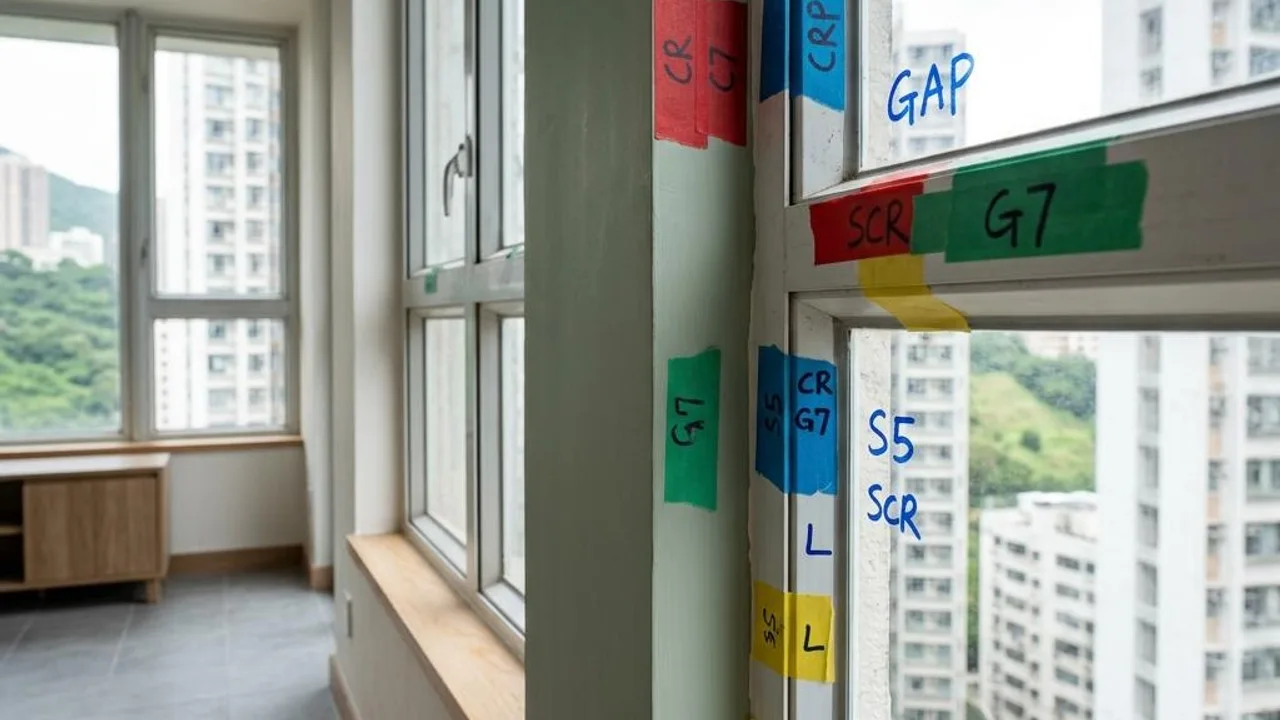
Aluminium windows are the most critical item in a new property inspection, as window frame water leakage problems, if discovered after renovation, are extremely costly and difficult to handle. During the inspection, focus on whether the window hinges open and close smoothly, whether the locks can be tightly secured, and whether the rubber seals are peeling or damaged. Professional property inspection typically involves observing window frame joints for signs of water seepage and checking the glass for deep scratches or cracks that affect visibility.
Please note that for minor aluminium frame surface flaws or hairline scratches visible only under specific lighting, the Housing Authority usually will not arrange to replace the entire window. However, any window issues involving leakage risks or an inability to close properly fall under the scope requiring repair. It is recommended that owners check after heavy rain and properly record any signs of leakage to ensure that maintenance details are accurately reflected on the report form.
- Check whether the window latch can be fully tightened
- Test if window hinges are rusted or loose
- Observe if the window frame rubber seals are aged or peeling
- Record signs of water leakage at the joints between the window frame and the wall
- Assess if the glass surface has deep scratches or cracks
Plumbing, Electrical Systems, and Pipe Functional Checks
Plumbing and electrical works are concealed items and must undergo comprehensive functional testing before renovation construction begins. During the inspection, water storage tests should be carried out to ensure the kitchen and bathroom floors drain smoothly, and watch out for any pipe blockages. During the construction process, cement debris is often left in the pipes; if not discovered in time, it easily causes blockages during future use. At the same time, check if the water tap pressure is stable and ensure there is no leakage at the connection points.
For electricity, test the power status of all switchboards to check for tripped breakers or incorrect phase wiring. Please note that the Housing Department only guarantees that electrical facilities meet basic operational needs and cannot guarantee long-term performance or the state of concealed wiring. If an owner has personal preferences or upgrade requirements regarding the number of sockets, their positions, or the style of sanitary ware, they should engage a registered electrical contractor to conduct an assessment and modification at their own expense after handover. Any non-original electrical modifications must be handled by professionals in accordance with regulations, and appropriate certification must be obtained to comply with relevant codes.
- Perform water storage and drainage tests on kitchen/bathroom floors and bathtubs
- Check for water tap pressure and leakage at pipe connections
- Test the electrical conductivity of all indoor lights and sockets
- Watch for any water stagnation in kitchen and bathroom drainage pipes
- Test switchboard phases and verify if switches function normally
Tile Hollow Sound and Wall Surface Restoration
Kitchen and bathroom areas in new HOS flats are usually tiled, while bedrooms and living rooms often have cement screed floors. During the inspection, use a tapping rod to lightly tap the four corners and the centre of the tiles to check for severe 'hollow' (drum) phenomena. The industry generally lists large-area hollowness (e.g., a single tile having 20% to 30% or more hollow area) as a defect requiring re-tiling. Additionally, observe whether tiles have cracks or obvious chipped corners; these are issues that affect safety and waterproofing efficiency.
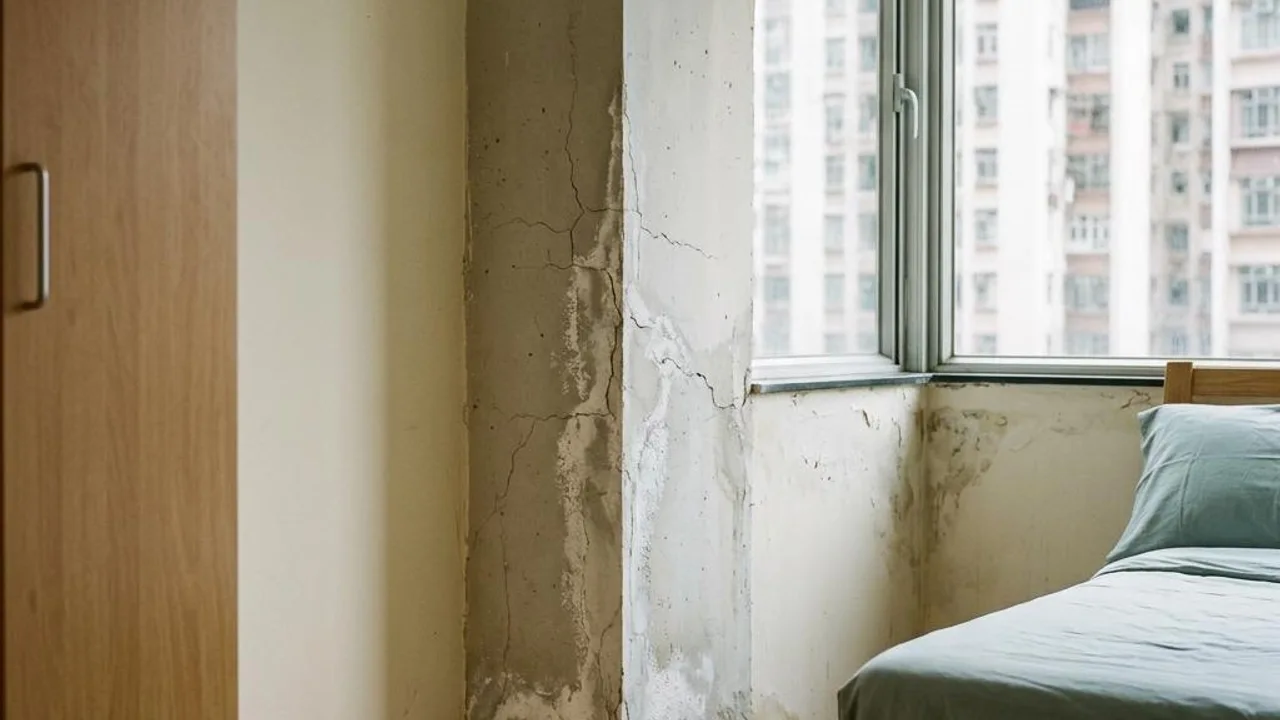
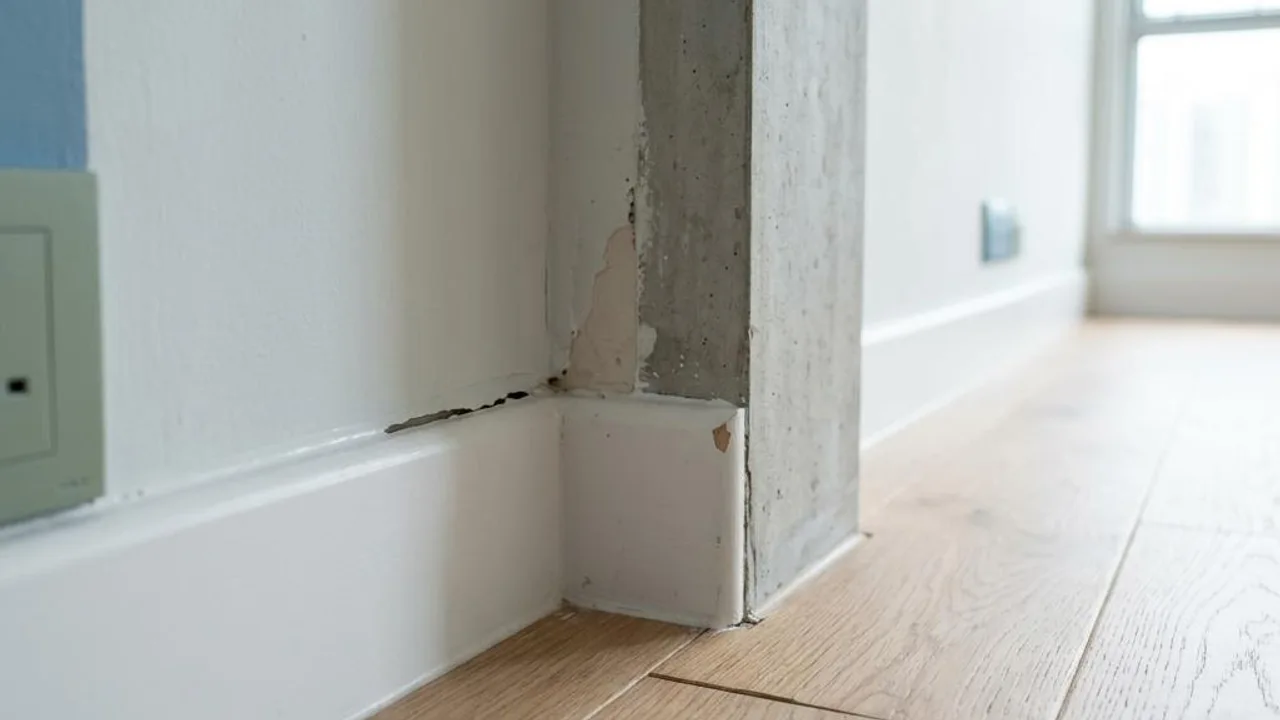
For wall emulsion paint, if there is large-scale peeling, mould, or deep cracks, owners should request repairs. However, for minor brush marks, dust, or slight unevenness, the Housing Authority will usually only perform local touch-ups, which often result in obvious colour differences. If an owner has strict renovation requirements for wall flatness, it is generally recommended to leave such items to their own renovation project, achieving an ideal effect through re-scraping and re-plastering the walls.
- Use an inspection rod to test for hollow spots in kitchen and bathroom tiles
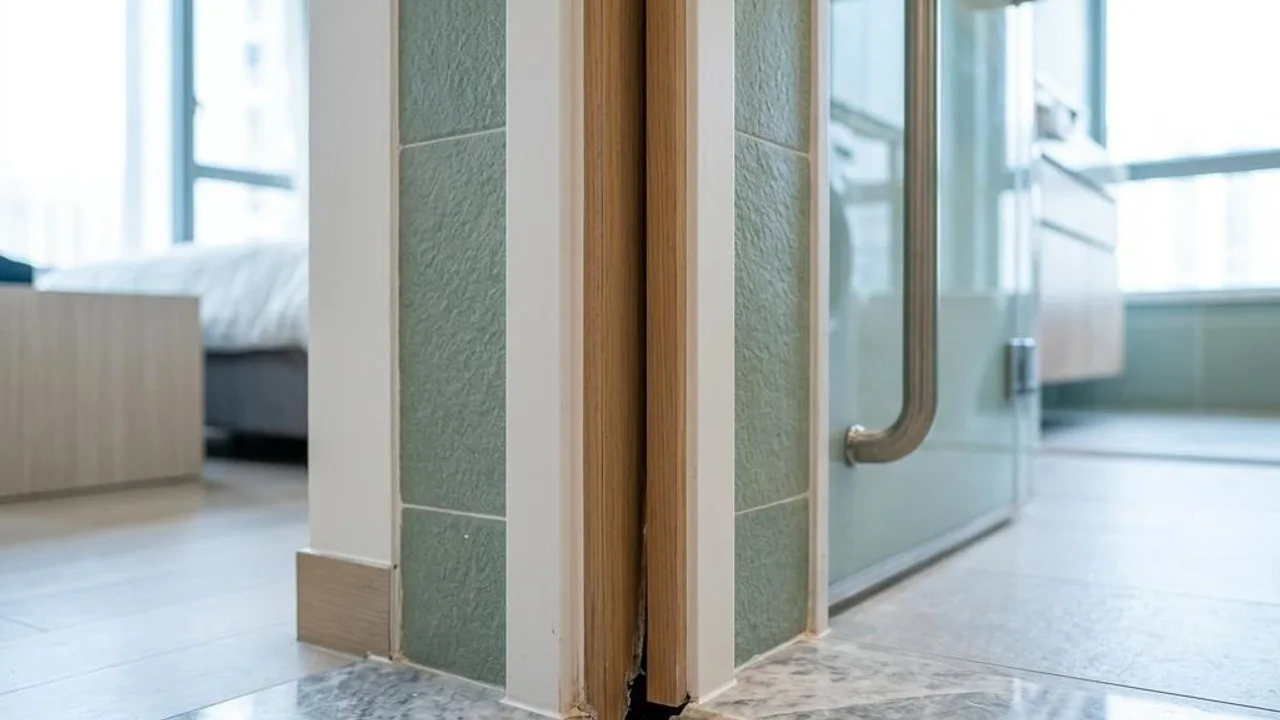
- Record locations with chipped tile corners or obvious cracks
- Check if walls have structural cracks or mould
- Assess emulsion paint peeling and surface flatness
- Confirm if the living room cement screed has large-scale sanding (dusting)
Defect Rectification Process and Golden Recommendations upon Handover
It is recommended to complete the handover process within the 'golden 7 to 14 days' after receiving the keys. The primary task is to carefully inspect the structure and functional defects of the entire flat and clearly record all findings on the defect report form. After submitting the form to the estate maintenance office, the owner needs to arrange a time with the contractor for an on-site check. This step is extremely critical; the owner must be present, or appoint a property inspector to attend, to ensure the workers clearly understand every issue that needs to be addressed.
Contractor repairs usually take 14 to 21 working days. After the works are finished, owners must perform a second reinspection. It is particularly important not to rush into signing the completion confirmation form before verifying that all key defects have been properly resolved. Furthermore, if the owner starts demolition or tiling work before the inspection, the Housing Authority may refuse to perform maintenance on the grounds that the defects were caused by subsequent renovation; therefore, be sure to complete official defect rectification before starting work.
- Collect keys and obtain the defect reporting form
- Complete a detailed self-inspection or appoint a professional inspection within two weeks
- Submit the record form to the maintenance office and schedule an on-site check
- Supervise the contractor to complete repairs within the scheduled timeframe
- Perform a post-repair reinspection to confirm all defects have been addressed
The Practicality and Value of Professional Property Inspection
Many owners choose to inspect the property themselves due to budget considerations, but the naked eye is often unable to detect core items such as hidden wall water seepage hazards, electrical wiring specification issues, or window frame airtightness. Professional property inspection teams are equipped with infrared thermal imaging cameras, pipe endoscopes, and tapping rods, which can conduct precise diagnoses on these potential structural hazards. Objective inspection reports can digitise and standardise defects, which helps in efficient communication with the Housing Authority's maintenance office.
Furthermore, professional inspectors can clearly distinguish which items are the Housing Authority's responsibility and which belong to the renovation contractor, thereby avoiding communication loss caused by misreporting defects. This not only maximises the protection of the owner's rights during the maintenance period but also reduces liability disputes caused by the overlap of handover defects and future renovation works. For owners who value residential safety and quality, professional inspection is an important line of defence against 'buying a lemon'.
- Use an infrared thermal imaging camera to detect hidden water seepage
- Check pipe conditions through a pipe endoscope
- Provide professional inspection reports with reference value
- Accurately define defect attribution and the necessity of repairs
- Assist in effective follow-up on progress with the maintenance office
FAQs
When will the property inspection report be sent to the owner?
Electronic inspection reports provided by the company are usually sent the next working day after the inspection and do not include photos taken on-site. If owners have a need, it is recommended to take photos themselves during the inspection process for personal records.
Does the service include a free follow-up reinspection after defects are found?
Reinspection is an independent professional service and is not a free item included in the initial inspection fee. If owners require a reinspection after works are completed, they need to book and arrange it separately.
What should be done if water dripping is found at the pipe joints during the inspection?
First, record and photograph the leakage location, document this issue in writing on the defect report form, and submit it to the estate maintenance office to request that the contractor investigate and repair it. Do not attempt to dismantle or repair it yourself; wait for professionals to follow up.