
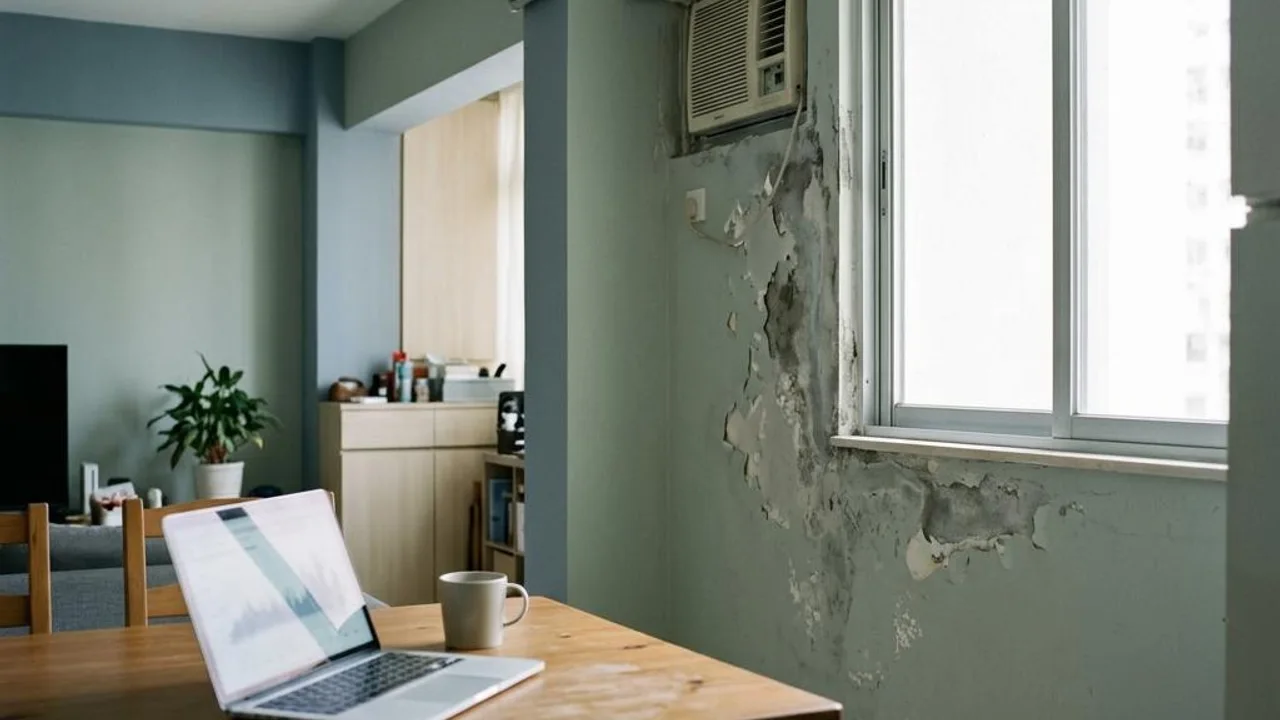
Start with locations and items that could not be inspected
Match the report's rooms, locations and descriptions to the unit, then separate observed defects, inaccessible items and unresolved questions. A report does not mean repairs are complete or that the developer or contractor has acknowledged receipt. OPO issues the report on the next working day without photos; owners can store their own photos separately by item number.
Correctly reading and understanding the property inspection report.
Upon receiving the electronic inspection report, owners should first verify the basic unit information and inspection date. The report reflects surface conditions observed within accessible areas at the time of inspection and does not guarantee structural, electrical, gas safety, or full compliance with building regulations, nor does it imply all hidden problems have been identified. Infrared thermography only shows surface temperature differences and does not constitute definitive evidence of leak causes or structural defects. The report does not include statutory mandatory window inspection or building inspection services; if professional legal or technical issues are involved, consult an Authorized Person or professional engineer. For safety, do not dismantle appliances, adjust water pressure devices, or perform dangerous high-altitude operations yourself.
If major defects are found, keep the report and arrange for professional follow-up.
If there is any unclear description in the report, owners can inquire with the inspection personnel about that item. Understanding the report does not mean generalizing all problems; one should distinguish between surface flaws in the visible range and deeper operational limitations. Be sure to note the inspection limitations mentioned in the report to avoid unnecessary repair requests due to misunderstandings.
- Verify unit details and report date.
- Understand the inspection scope and report limitations.
- Seek professional answers regarding unclear items.
- Distinguish between problems in visible and non-visible ranges.
Organizing the defect report list and following up on progress.
Please treat the original electronic report as a valuable primary document and make proper backups; modifying the original file is strictly prohibited. Owners should create a separate, independent defect rectification list based on the report, clearly categorizing pending reports, accepted items, and items awaiting reinspection. When compiling the list, clearly mark the location of the problem and its original report number to facilitate subsequent coordination with the developer.
When submitting the report to the developer, be sure to comply with their specified submission channels and deadlines, and retain all submission records and reply receipts. The inspection report is intended to help owners record the unit's condition; submission does not guarantee the developer will fix all items immediately, and owners need to communicate and follow up on repair progress. This procedure does not include professional surveying or legal guarantees; relevant repair liabilities are handled between the developer and owner based on the sales contract agreement.
- Save backups of the original electronic report.
- Compile an independent defect rectification tracking list.
- Submit reports within stipulated deadlines and retain proof.
- Establish a complete communication history log.
Essential communication and confirmation before reinspection.
Do not schedule a reinspection based solely on the developer's verbal promise that 'everything is finished.' Request a detailed repair progress update from the developer, distinguishing between 'repaired,' 'pending construction,' and 'untreated' items. Confirm that all repaired positions are ready for acceptance; if construction is still ongoing, adjust the reinspection date to avoid compromised inspection efficiency due to a restricted site environment.
When confirming repair progress with the developer, it is recommended to refer to the original report numbers one by one. For areas involving professional equipment operation or requiring special entry permission, coordinate with the management office in advance. Ensure that the area around the repairs on the day of reinspection is properly cleared and free from obstructions, and allow sufficient access time to ensure a smooth inspection process.
- Confirm the specific repair progress of each item.
- Master the exact locations of problems awaiting reinspection.
- Reserve sufficient access time and permission.
- Ensure the site is cleared and line-of-sight is unobstructed.
Ensuring unit facility operation and access preparation.
On the day of reinspection, water and electrical facilities in the unit must be functioning normally for necessary functional verification. If the area awaiting reinspection is blocked by large furniture or construction debris, it will directly affect inspection efficiency; owners should arrange to move obstacles in advance. Do not attempt to dismantle decorations yourself or conduct dangerous tests involving electricity or gas; related safety verification should be left to professionals.
Preparation for entry also includes verifying the contact person's identity and confirming if the scope of this reinspection is the same as the last one. If new problems are discovered during reinspection, communicate with the inspector in advance to clarify whether the new items are included in the scope of this service. Maintaining good site management is key to ensuring reinspection quality; owners should also ensure entry permission has been properly approved.
- Ensure electricity and water supply are functioning normally.
- Clear items blocking walls or windows.
- Confirm on-site contact person and access permission.
- Verify the consistency of the reinspection scope with the previous one.
Confirming reinspection scope, time slots, and additional charges.
Reinspection service is a follow-up service independent of the initial property inspection and is not automatically provided for free. When booking, owners must clearly provide the original inspection report number and specify the list of problem locations needing reinspection. This allows professionals to prepare in advance, increasing efficiency on the day of reinspection.
Regarding fees and booking arrangements, please follow the service agreement at the time. Service scope is usually limited to items from the original report. If you wish to add new problems discovered outside the scope during reinspection, please inform the responsible agency when booking to clarify the service content and ensure proper arrangement of professionals.
Reinspection is calculated at HK$2.5 per square foot of saleable area, with a minimum charge of HK$1,000; the fee will be the higher of the amount calculated by area or the minimum charge.
- Prepare the original inspection report number in advance.
- Clarify reinspection scope and new items.
- Confirm service fees and booking time slots.
- Provide specific problem locations needing reinspection.
Post-reinspection handling and checklist updates.
After reinspection is complete, owners should record results item-by-item against the original list and note specific dates. Records should include which problems were addressed, which did not meet standards, and reasons for failure to inspect. Distinguish between 'completed' notifications from the developer and the 'actual acceptance result' after reinspection; there is often a gap between them. Retaining authentic reinspection records is vital for negotiating future repairs with the developer.
For problems remaining after reinspection or new defects appearing in the meantime, owners need to follow the established procedure to submit a list for follow-up. Inspection results only reflect observations on the day of inspection and cannot guarantee future equipment operation or entirely prevent future faults. Patience is required during the defect rectification process; good recording habits are an important means of protecting owner rights. If structural, hidden seepage, or E&M facility safety assessments are involved, these should be conducted by qualified professionals and not rely on general visual inspection reports.
- Record reinspection results item-by-item and update dates.
- Reorganize failed items and submit for follow-up.
- Retain on-site actual inspection records.
- Distinguish between verbal notifications and actual acceptance results.
Turn the report into a trackable defect list
Submit through the required channel, keep the receipt date and reply, and track acceptance, pending work, pending checks and unresolved defects. Map any developer numbering to the report rather than rewriting it. Notify the responsible party promptly about immediate hazards or ongoing leaks instead of waiting for routine processing. Confirm reinspection scope, timing and charges separately.
FAQs
The electronic inspection report does not have photos; how should I record problem locations?
Although the electronic report does not include photos, owners can take photos themselves on the day of inspection, matching these photos with the problem numbers and location descriptions in the report to compile a personalized defect rectification list for easier subsequent verification.
The developer has notified me that repairs are done; is the reinspection service free?
Reinspection service is an independent professional service and is not a free add-on to the initial property inspection. Details depend on the service agreement you signed with the relevant agency.
What should I do if problems still exist after reinspection for items listed in the report?
If problems remain after reinspection, owners should reorganize the results along with the reinspection record and submit them through the channels specified by the developer. It is also recommended to maintain active follow-up communication with the developer.