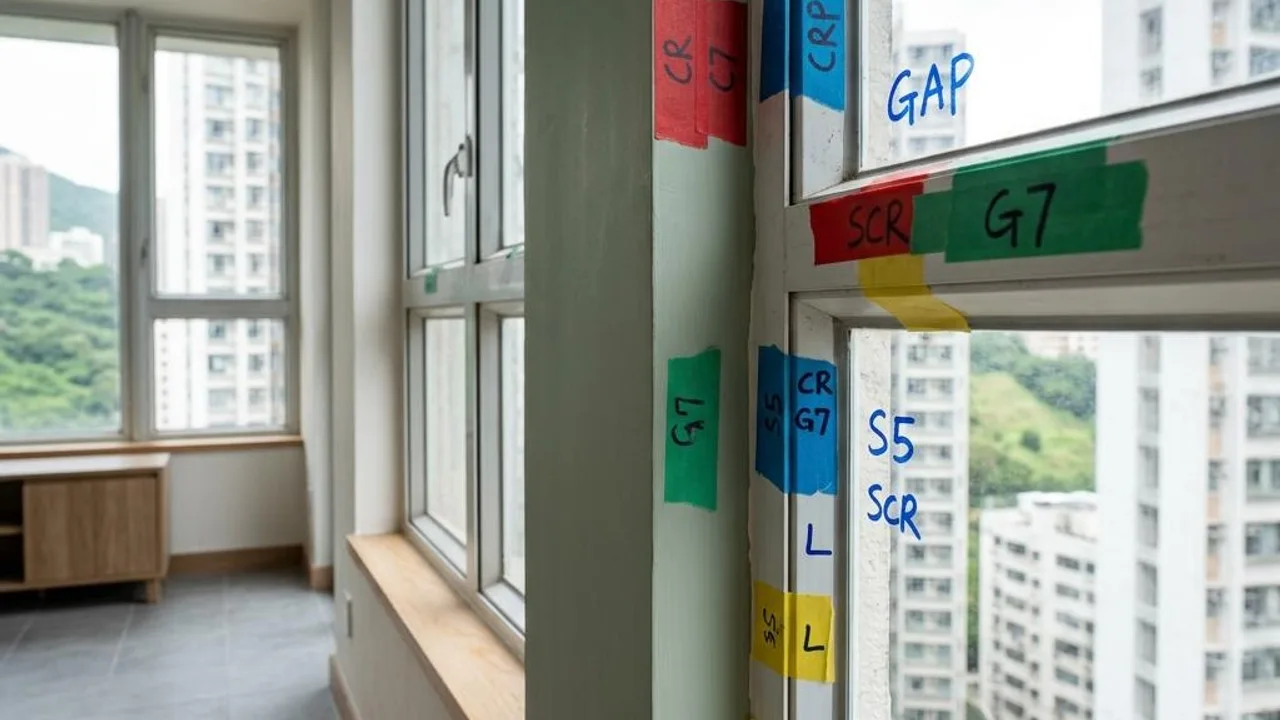
Deconstructing the developer's defect rectification delay phenomenon.
When moving into a new building, peak handover periods often lead to a severe shortage of contractor manpower, which in turn triggers construction delays. Some developers may adopt stalling tactics, attempting to drag the repair work past the defect liability period stipulated in the contract, causing owners to lose maintenance protection.
If owners choose to wait blindly, they are highly likely to miss the golden opportunity for follow-up repairs, leading to minor problems evolving into difficult-to-cure structural hazards. Actively understanding the construction party's delay patterns is the first step in safeguarding the delivery quality of your own unit.
- Severe shortage of contractor manpower during peak handover periods leads to construction delays.
- Using stalling tactics in an attempt to drag the project past the defect liability period.
- Blindly waiting will result in missing the golden opportunity for follow-up repairs.
Unravelling common loopholes in failed reinspection.
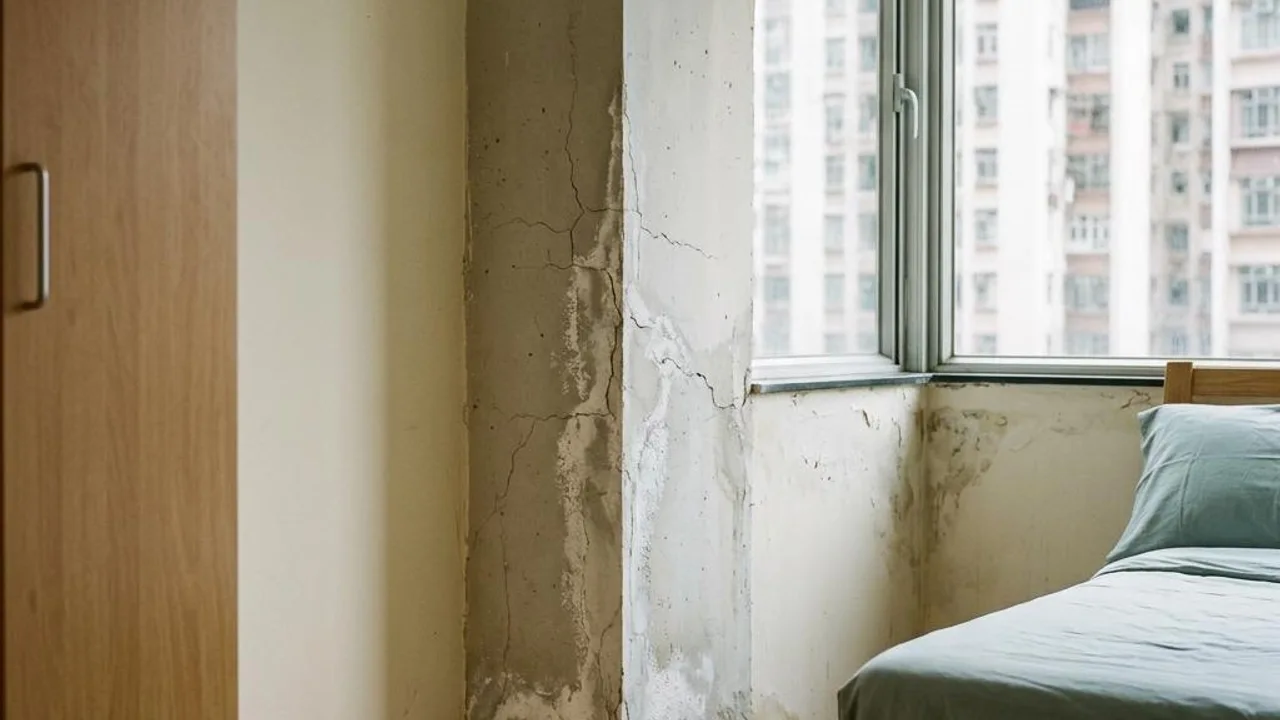
Failed reinspection usually reflects the perfunctory attitude of the construction party, commonly known as 'doing the bare minimum'. Common situations include treating wall hollowing only with glue injection instead of re-paving, or merely applying glass glue to seal external wall water seepage without truly dealing with the root cause of the leakage. Such superficial handling often leads to a recurrence in a short period of time.
Faced with a developer's excuses that the issue falls within industry-allowed tolerances, owners must remain rational. For wall hollowing, you can request that they provide professional instrument measurement data and insist on repair standards; for water seepage, you should request an on-site water spraying test on a sunny day, refusing sloppy sealing treatments, and seeking to resolve the water entry point from the source.
- Wall and floor tile hollowing should require comprehensive re-paving, refuse simple glue injection.
- Window frame water seepage must find the real water entry point, do not rely solely on glass glue sealing.
- Paint flaws should be color-matched and repaired under natural light to avoid severe color difference.
- Refuse to accept any shoddy rectification work and retain evidence.
Mastering the lead in written communication.
When verbal complaints fail, establishing a formal written record is crucial. The contents of every communication with the developer, agreed-upon deadlines, and construction details should be sent via email and saved. This electronic documentation will be the core evidence to protect the owner's rights if legal action or a complaint to regulatory bodies is necessary in the future.
During communication, clearly itemise outstanding defects, attach on-site photos taken by the owner, include the property inspection report number, and explicitly cite the contract terms regarding the Defect Liability Period. Refuse to accept any verbal promises; all rectification arrangements must be documented in writing.
- Confirm key points and deadlines of conversations via email after every discussion.
- Attach on-site photos of unrectified issues and the property inspection report number.
- Cite the contract's Defect Liability Period terms when requesting follow-up.
- Reject verbal promises; all arrangements must be documented in writing.
Preventing secondary damage caused by construction.
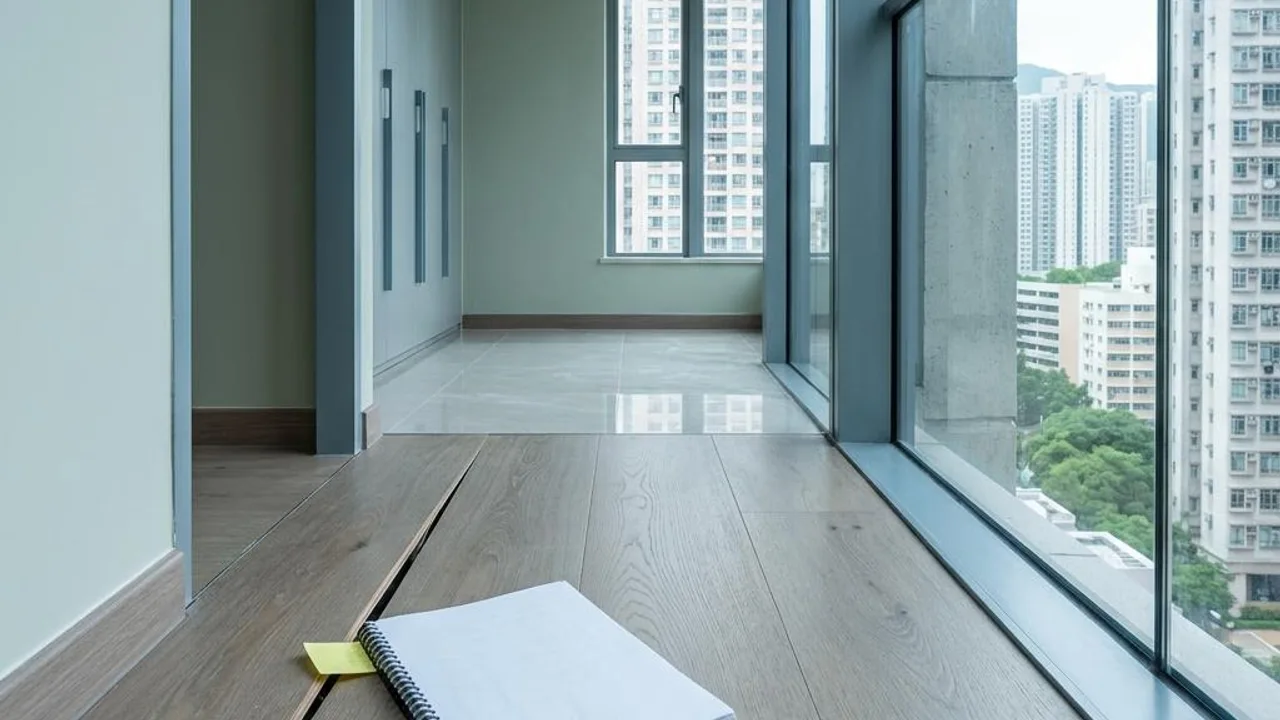
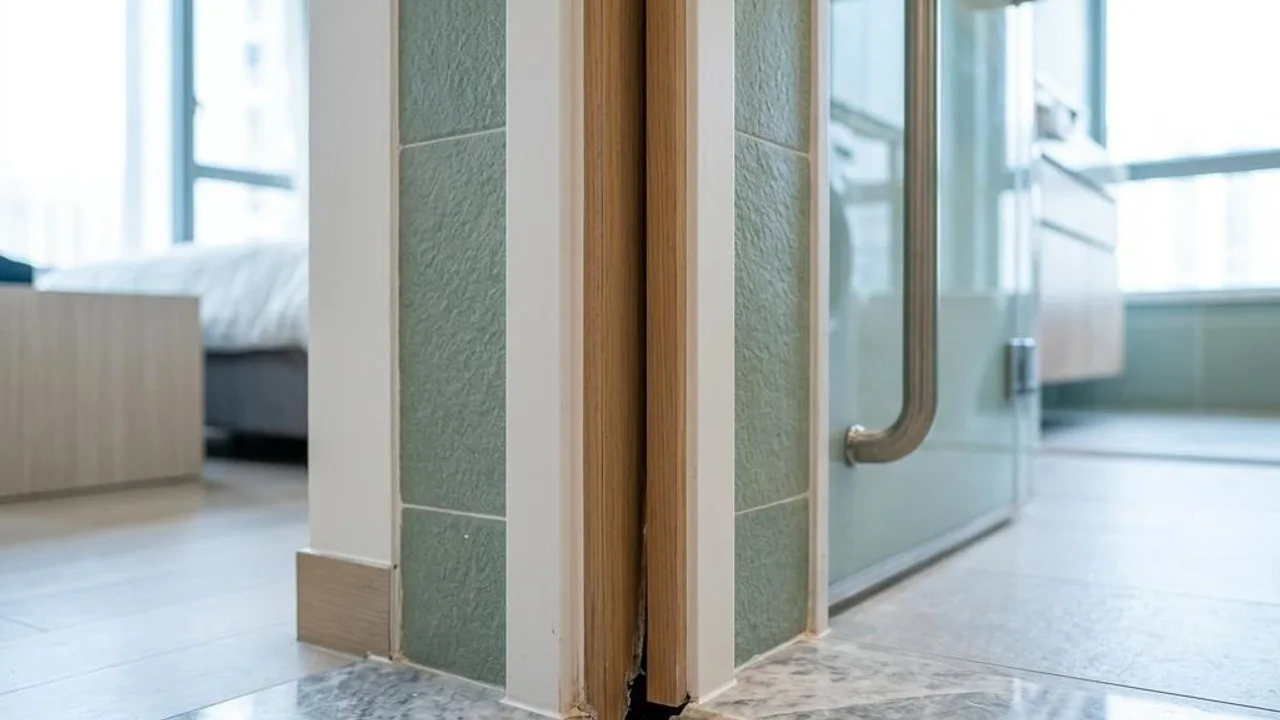
During the defect rectification process, 'collateral damage' can easily occur if there is a lack of effective supervision. For instance, workers might accidentally bump or scratch installed wooden flooring during wall repairs, or construction dust might stain window sills. These new damages are often harder to deal with than the original defects, so owners must ensure protective measures are in place.
Before contractors enter the site, clearly request that protective coverings be laid for surrounding furniture and flooring. If circumstances permit, it is essential to arrange for a friend, family member, or trusted person to supervise the site. During the reinspection phase, besides checking the original items, also inspect the surrounding area to ensure no additional human-caused damage has occurred, and include these in the list for restoration.
- Request the installation of protection for surrounding areas such as flooring and door frames before work commences.
- Send personnel to supervise the construction process to prevent accidental damage.
- Conduct a comprehensive inspection of the site during reinspection for any new collateral damage.
- Record damages caused by construction together and request rectification.
The value of professional consultation and service mechanisms.
The property handover process involves complex technical knowledge and legal procedures, which general owners find difficult to handle alone. When rectification progress remains deadlocked for a long time, or targets are not met after multiple reinspections, seeking assistance from a professional property inspection team can save significant energy and time, helping owners secure their rights.
Note that OPO Inspection generally provides the electronic property inspection report on the next working day after completion, and the report does not include photos. If owners require photos for record-keeping, it is recommended to take them personally during the inspection. Additionally, reinspection is an independent service and is not automatically provided for free; owners should arrange this in advance and confirm the relevant scope of service.
- Assist in drafting a follow-up reinspection report with professional justification.
- Provide professional advice regarding structural safety and repair technology.
- Analyse contract terms and key communication points with maintenance parties on your behalf.
- Assist in resolving complex defects that have remained unresolved for a long time.
FAQs
If the developer refuses to address the hollow tile issue I raised, how should I proceed?
Owners should request the developer to provide a standard written response for the item, reiterate the request via email, point out the specific hollow tile locations, cite the professional report, explicitly express refusal of 'resin injection' remedies, and demand re-tiling in accordance with contract terms.
I discovered new scratches on the floor after repairs; how should I pursue a claim?
On the day of reinspection, the owner should immediately request the site supervisor to inspect it together, record the new damage with photos, and submit a report via email to the developer, including this damage in the list of works required for restoration.
If I am dissatisfied with the report results or have questions after the property inspection, will the company provide a free reinspection?
Reinspection is an independent service and is not part of the initial property inspection service; therefore, automatic free reinspection is not provided. If necessary, owners should schedule a suitable time with the property inspection team for a follow-up check.