Visual misconceptions behind Nordic-style decorations
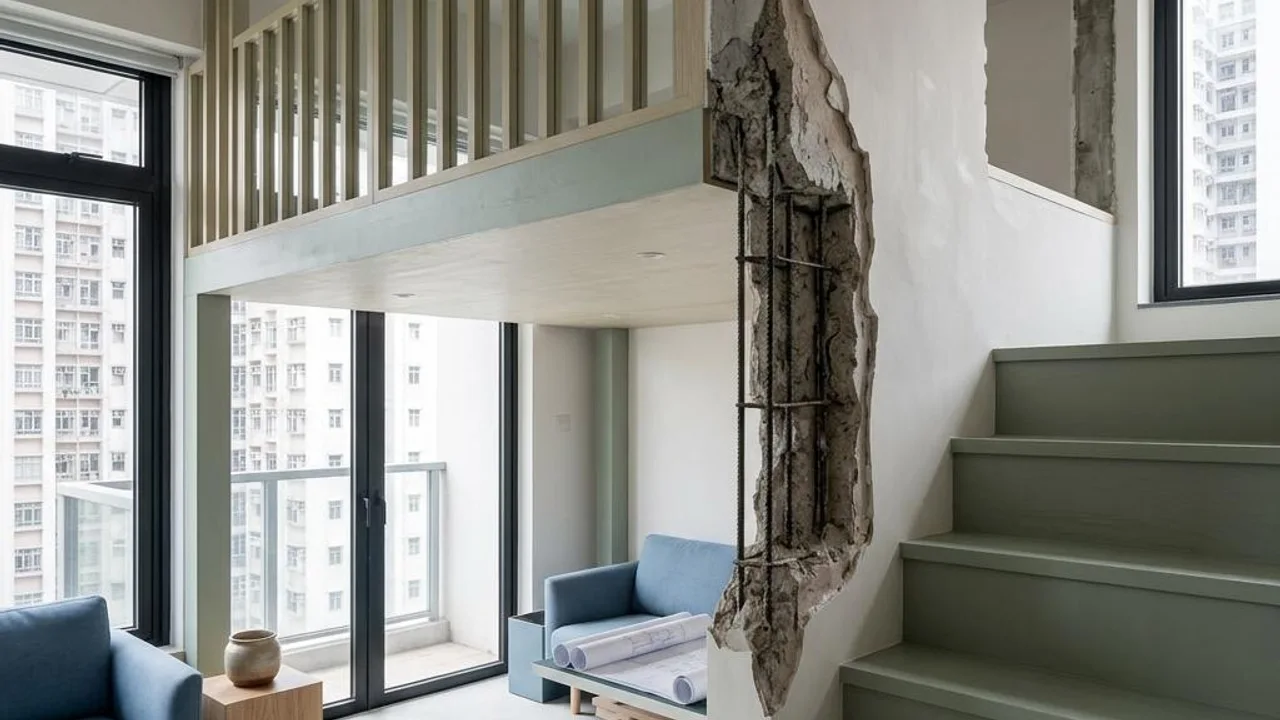
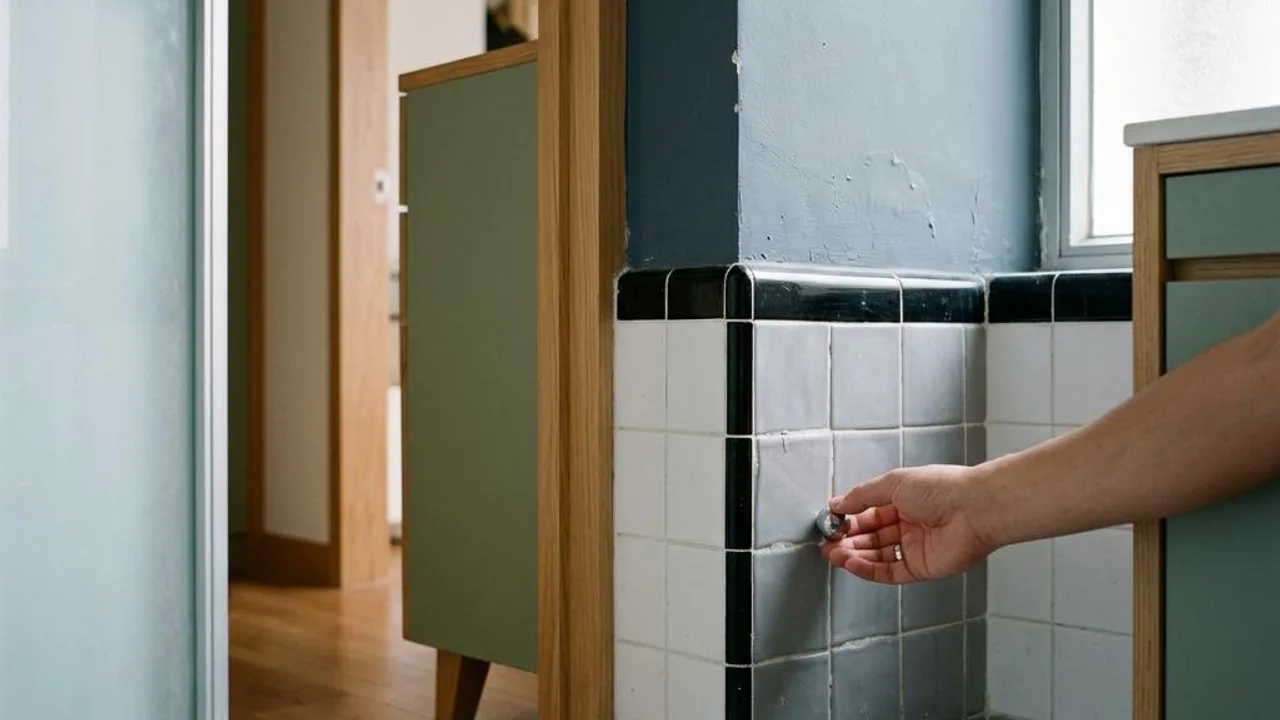
With Hong Kong property prices high, buyers are often easily attracted by a unit's exquisite interior design. When an agent takes you to visit a unit that has been whitewashed, fitted with feature wallpaper, or installed with Nordic-style built-in cabinets, the soft spotlights and tidy layout will dominate your first impression, leading you to overlook the original state of the unit's structure. This 'ready-to-move-in' illusion often acts as a smokescreen to cover up old building issues.
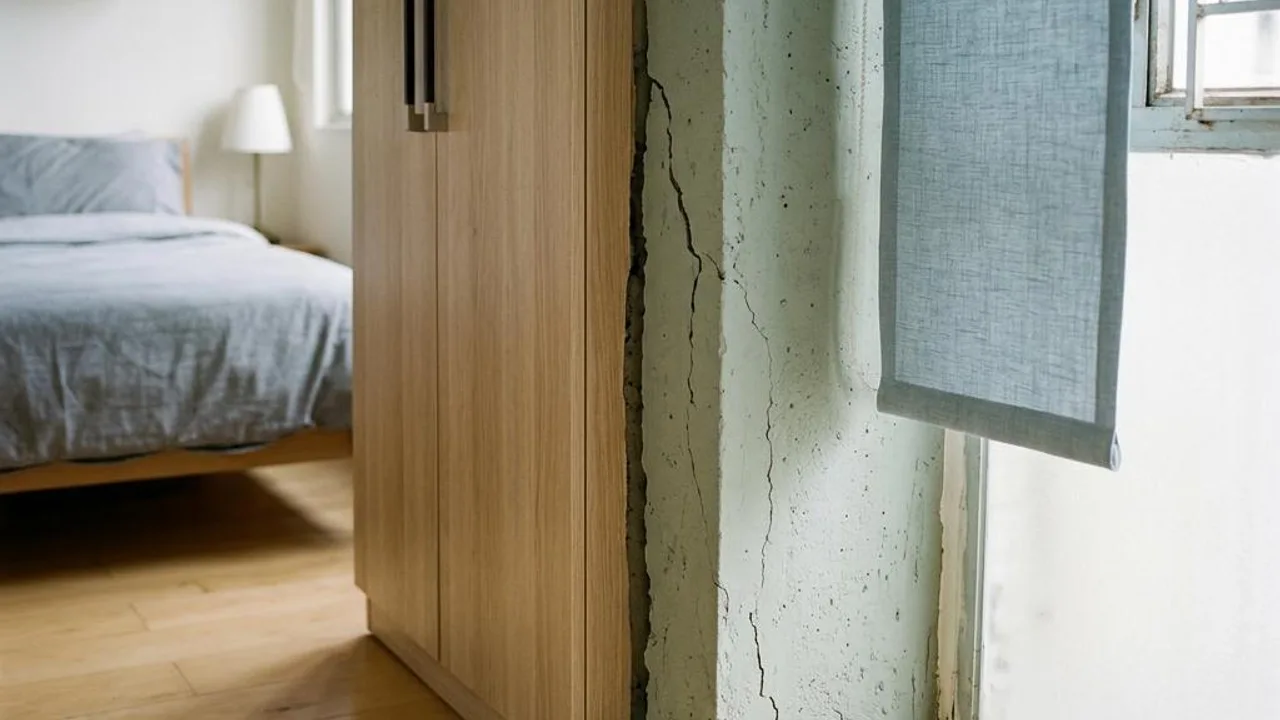
Many owners, in order to increase transaction appeal, use tall cabinets and wood veneer panels to cover large areas of the walls. These renovation materials not only create a sense of luxury but also perfectly hide wall cracks, window sill seepage marks, or peeling wall plaster. If buyers are blindly captivated during the viewing and only realize the hidden dangers after removing furniture post-transaction, subsequent repair costs often severely exceed the budget.
- Feature wallpaper masking wall cracks
- Large built-in cabinets blocking external wall mold
- Floor decorations hiding uneven flooring
- Soft lighting reducing the perception of details
The relationship between built-in furniture and concealed structures
Hong Kong unit space is generally narrow, making built-in wardrobes and platform beds mainstream renovation solutions, but these woodworks attached to walls are often gathering points for moisture and structural defects. Because the cabinet bodies are long-term in close contact with load-bearing or external walls, ventilation is extremely poor; once micro-seepage occurs on the external wall, the wall easily becomes moldy or the plaster delaminates. At the viewing stage, the naked eye simply cannot probe the actual conditions behind these heavy woodworks.
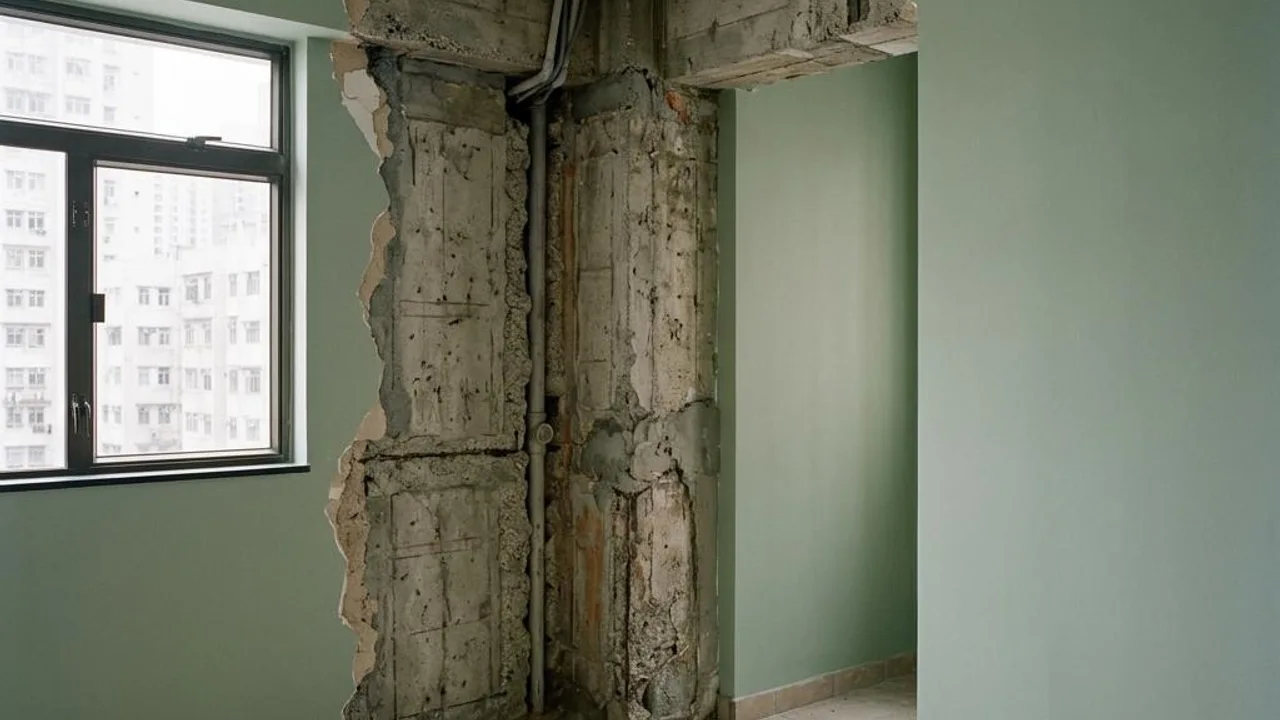
Furthermore, if renovation workers use inferior construction methods, nailing wood boards directly onto damp walls will further accelerate structural deterioration. Once the contract is signed and these concealed structural defects are discovered, dismantling the entire house's built-in furniture will involve huge engineering costs. Therefore, when facing corners blocked by large woodwork, buyers must remain highly alert and not ignore potential structural risks for the sake of aesthetics.
- Poor air circulation behind cabinets easily triggers mold
- Dampness in walls leads to plaster peeling
- Heavy furniture increases inspection difficulty
- Dismantling concealed works involves high costs and requires careful evaluation. Such assessments only reflect conditions within the observation scope and cannot provide guarantees for structure, electricity, gas safety, regulatory compliance, concealed pipes, waterproofing layer thickness, remaining service life, or repair results. Thermal imaging technology only shows surface temperature distribution and cannot be considered direct evidence of water leakage causes or concealed structures. Do not treat any tools as an absolute means of revealing concealed defects, nor should they provide any repair guarantees. Projects involving statutory window inspections must be carried out by qualified persons registered with the Buildings Department, which is an independent procedure and not part of a general inspection. Professional scope issues should be referred to relevant qualified professionals; do not imply ability to confirm all safety conditions. Do not encourage owners to perform electrical testing themselves, dismantle accessories, adjust water pressure valves, climb onto roofs, or perform high-altitude external wall inspections. It is recommended to retain relevant inspection reports and follow-up records; any observation conclusions are conditional and should not be viewed as final assessments.
The gap between novice observations and professional property inspection
Novice buyers often evaluate units based on intuition and visual impressions, but there is a significant gap between this and actual physical acceptance. Systematic professional property inspection is not just about looking at surfaces but involves scientific data testing of the structure, walls, and flooring, which is a process that non-professionals cannot complete in a short time. Understanding the difference between the two helps you make the right property purchase decision at critical moments.
Professional property inspectors will use instruments to detect concealed wall surfaces and hollow drum conditions, which is a level of precision the naked eye cannot reach. Compared to general buyers who can only look at the exterior, professional assessment can precisely measure floor tolerances and the original conditions of usable space, helping you clarify whether the unit possesses the expected quality of living, thereby enabling rational bargaining and avoiding renovation disasters after moving in.
- Professional equipment scans for hollow drums and structural hidden dangers
- Precise measurement of floor level gaps and space specifications
- Provide objective data to assist in rational bargaining
- Prevent frequent repair expenses after purchase
The boundary between safety observation and professional work
Many buyers bring flashlights or wall-tapping sticks to inspect themselves; this can observe details to a certain extent, but you must clarify safety boundaries. Things you can do include opening cabinet doors to check for ventilation, using your touch to feel if there are signs of dampness on the wall, and asking about the age of the renovation. However, avoid forcibly moving or dismantling large furniture outside the owner's sight to avoid property damage that could cause disputes.
When you need to detect whether there are large-scale hollow drums on walls, water seepage hazards, or need scientific data to determine the safety of wall structures, the participation of professional OPO Inspection personnel is indispensable. Professional technical services ensure that the inspection process is safe and non-destructive and can provide buyers with an evaluation report with reference value, which is an important part of safeguarding property rights.
- Open cabinet doors to check ventilation and for any moldy smell
- Observe if there are signs of paint blistering near windows
- Inquire about renovation age and property floor plans
- Do not dismantle or move large-scale decorations without permission
How professional teams safeguard your property purchase
To ensure buyers can deeply understand the true state of a unit, the professional OPO Inspection team will perform systematic checks on the structure and walls. We will search for structural details that may be hidden under gorgeous decorations through observation and instrument testing, helping owners have a clearer financial budget for the unit's true repair expenses before signing the formal sales contract.
In Hong Kong, experienced OPO Inspection personnel are well aware of common water seepage and structural problems in various housing estates. We do not make subjective judgments but record the detected phenomena truthfully, helping buyers communicate or bargain with sellers using objective data, reducing living troubles caused by renovation blind spots in the future.
- Targeted screening of wall and structural blind spots
- Assist buyers in assessing repair expenses
- Professional personnel possess experience with Hong Kong residential properties
FAQs
If I find slightly curling wallpaper edges during a viewing, does it mean there is severe water seepage inside the wall?
Wallpaper curling can be caused by various factors, such as thermal expansion and contraction, dampness, or poor quality of wall plastering. Buyers can observe whether there are water stains, moldy smells, or paint blistering in the vicinity. If the situation is suspected to be water seepage, you should consult professionals to use tools such as infrared thermal imaging cameras for in-depth screening.
Built-in cabinets have been covering the walls for a long time; can I forcibly remove the cabinet doors to look during the viewing?
Never dismantle or move others' built-in furniture without authorization. Besides potentially triggering disputes, if property damage is caused by forced operations, the buyer will have to bear the responsibility for compensation. It is recommended to observe the ventilation inside the cabinet and ask the agent or owner about the renovation age, and if necessary, request that the owner allow for a professional inspection to be arranged before the formal transaction.
Why can professional property inspectors detect structural hidden dangers that I cannot see?
Professional property inspectors use scientific instruments such as rangefinders, hollow-drum tapping tools, and moisture meters to precisely capture peeling, hollow drums, and humidity differences in concealed parts of the wall without damaging the decoration. These data points can transform subjective naked-eye observations into quantifiable reference information, helping you assess structural safety risks.