
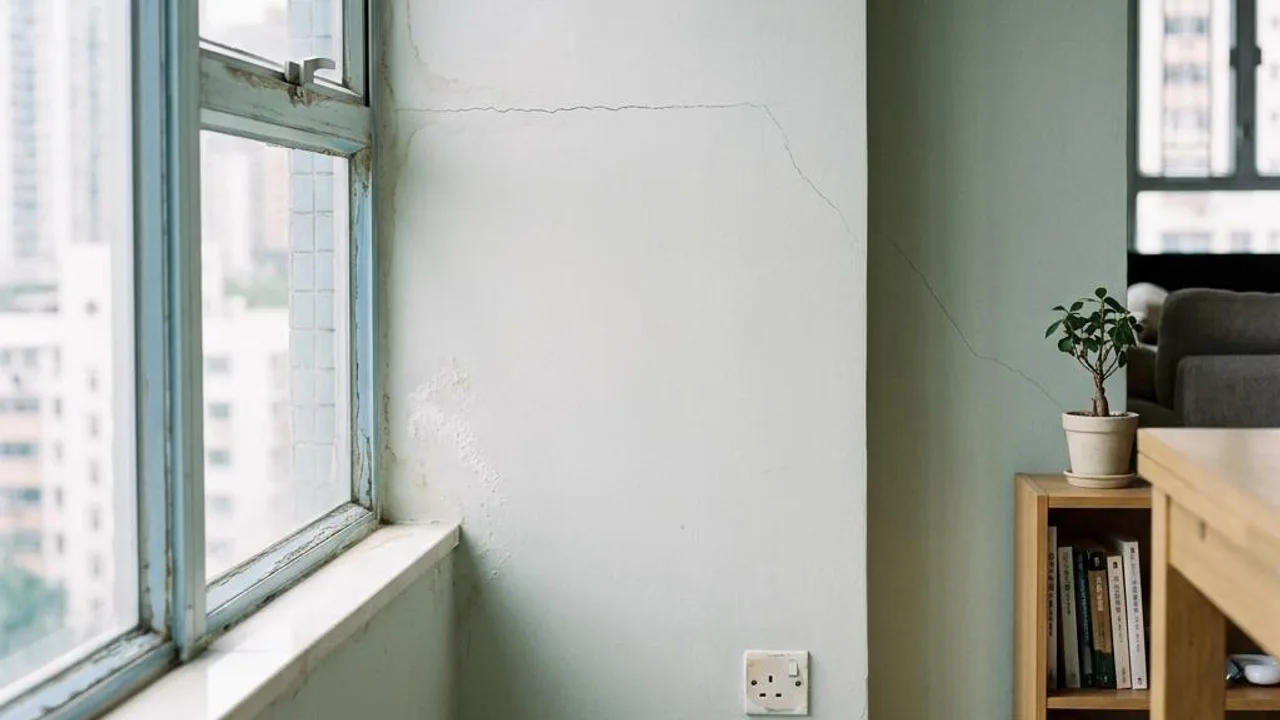
Key focus areas for new property inspection
The main task of a new property inspection is to ensure that the developer's delivery quality meets the specifications and standards in the sales contract. The inspection process is usually carried out immediately after handover, with a focus on assessing whether building components are intact and whether all facilities are operating correctly, ensuring the developer has fulfilled their commitment to delivery quality.
The property inspector will conduct a detailed examination of the unit's structure, finishes, and electrical and mechanical equipment. Common issues in new developments include hollow plastering, floor tile flatness, smooth operation of doors and windows, and the operation of appliances. Buyers should carefully check against the delivery specifications to ensure every detail matches expectations.
- Structural integrity review: Inspect walls and ceilings for cracks or signs of water seepage
- Finishing quality comparison: Verify the consistency of tiles, paint, and wood finishes against contractual specifications
- Electrical and mechanical testing: Comprehensively test the operation of air conditioning, electrical appliances, and power points
- Equipment installation status: Confirm that windows and door locks are tightly installed and functioning correctly
Evaluation priorities for old building inspection
Unlike new property inspections, the core of an old building inspection is evaluating the current status of the property and estimating future repair liabilities. The inspector will pay particular attention to wear and tear caused by the building's age, including the lifespan of hidden pipes, structural aging, and potential water seepage and mould problems.
For old buildings, understanding the maintenance history of the property is vital. By comprehensively checking the water supply and drainage systems and electrical load capacity, buyers can more clearly assess the renovation work required before moving in, allowing for an accurate estimate of the overall renovation and maintenance budget.
- Structural inspection: Observe whether walls in old buildings have aging cracks or signs of seepage
- System functionality check: Assess whether water supply and drainage systems and electrical installations meet safety standards
- Environmental problem assessment: Detect signs of mould or pest infestations in hidden areas
- Maintenance record tracking: Assess the history of major repairs and potential future maintenance costs
Analysis of the differences between new and old building inspections
There are distinct differences in the core logic of the two types of inspection. New building inspections focus on verifying specifications and finding construction defects to ensure the developer meets commitments based on clear contract benchmarks. Old building inspections focus on identifying physical wear and tear and evaluating the remaining service life of equipment.
In terms of timing, new property inspections are usually carried out as soon as possible after handover to facilitate repairs by the developer, whereas old building inspections are usually done around the time of signing the contract as key evidence for buyers to understand the actual condition of the property and decide whether to negotiate price. The professional criteria for both differ, and the inspector will adjust the inspection weighting based on the property attributes.
- Acceptance standards: New properties use contractual specifications; old buildings focus on current conditions and maintenance assessments
- Inspection timing: New properties are mostly done during the handover period; it is recommended to complete old building inspections before signing the contract
- Professional weighting: Old building inspection relies more on environmental and remaining service life assessments of mechanical and electrical systems
Execution techniques for professional property inspection
Regardless of the type of building purchased, hiring a professional inspector can effectively reduce handover risks. The professional inspection process is systematic and can identify hidden defects easily overlooked by owners during self-inspection, such as electrical connection issues or hidden leaks, protecting the basic safety and quality of the living environment.
Buyers should also remain actively observant during a professional property inspection, focusing on their own perceptions and needs regarding the space. If defects are found during the inspection, ensure they are recorded immediately with photographs for backup to facilitate subsequent negotiations or requests for repair with the developer or landlord.
- Seek assistance from a registered property inspection expert to obtain an impartial and objective assessment report.
- Check internal facilities of the unit item-by-item against the handover checklist.
- Immediately mark and photograph any discovered issues to retain concrete evidence.
- Communicate with professionals regarding subsequent rectification procedures based on inspection recommendations.
Advice for owners on observation and maintenance
Owners should remain alert to changes in the unit during daily life. If unexplained water stains appear on walls, record their size and location, and consider consulting a qualified person for further water seepage testing to avoid internal structural damage caused by improper handling.
Regarding the electrical system, if switches heat up or lights flicker abnormally, owners should stop using the affected equipment and ask a licensed electrician to check for aging wiring or load issues. Maintaining all maintenance records will assist in future property valuations or resales.
- Record the location and extent of changes in water seepage.
- Observe the operational stability of electrical facilities.
- Properly store all property maintenance receipts.
FAQs
How should defects discovered during a new property inspection be handled?
Owners should immediately photograph and record details of defects and compile a list. In accordance with the terms of the sale and purchase agreement, notify the developer or their authorized agent in writing to arrange for repairs, and ensure that follow-ups are completed within the maintenance period.
Why is it recommended to conduct a property inspection for old buildings before signing the contract?
Old buildings involve more potential aging and hidden risks. A pre-contract inspection allows buyers to grasp the true condition of the property, estimate renovation budgets, and bargain with the seller or reconsider the purchase decision based on the inspection results.
Can professional property inspection guarantee that all risks of water seepage are completely eliminated?
Professional inspectors use testing equipment to assess the current situation, which helps improve the accuracy of risk detection; however, the causes of water seepage are complex, and some concealed works can only be detected under specific environmental conditions. Inspection services cannot guarantee the elimination of all future risks or hidden structural issues. Thermal imaging technology only shows surface temperature distribution and cannot serve as absolute proof of the cause of seepage or the condition of hidden structures, nor can it guarantee the discovery of all hidden defects. Relevant reports only reflect the surface condition at the time of testing and do not have legal validity for certifying structural, electrical, gas safety, or residual maintenance life. If the Mandatory Window Inspection Scheme is involved, a qualified person registered with the Buildings Department must be engaged to perform statutory inspections; this is an independent statutory procedure. It is recommended that issues involving professional techniques be handled by relevant qualified professionals; property owners should not attempt to dismantle electrical installations, adjust water pressure valves, or climb to heights for inspections themselves.


