
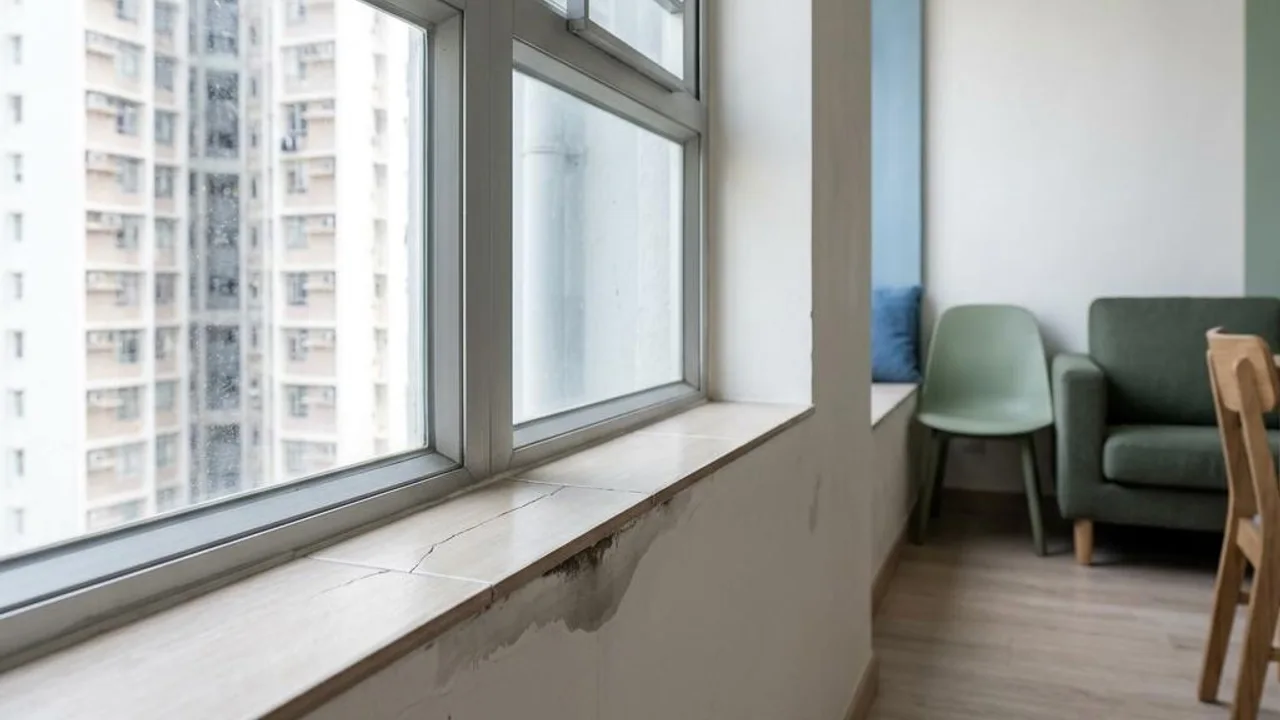
GSH fundamental structure assessment.
Although GSH properties are regulated by the Housing Department, fundamental inspections are still required upon handover. Homeowners should focus on checking for unusual wall cracks, the flatness of the floor, and whether there are any water marks from leaks or seepage on the ceiling.
When performing a structural inspection, pay special attention to the junctions between the kitchen and bathroom, as these areas usually involve waterproofing layers. If you discover blistering paint or mould on the walls, record them immediately, as this may indicate waterproofing flaws or potential seepage.
- Check all walls in the unit for obvious cracks or plastering hollowness.
- Confirm the floor flatness and the condition of tile joints.
- Observe if there are any seepage or water stains on the ceiling.
- Check if the window sill sealing is handled properly.
Water and electrical system safety inspection.
The stability of the electrical supply system directly affects living safety. Homeowners should test if all wall sockets are powered and observe if the switches in the distribution board are clearly labeled. Remember, high-power appliances should have independent power sources; do not overly rely on extension leads.
Regarding water supply, check if all taps are smooth to operate and if the drainage is rapid. Pay special attention to the drainage in the kitchen floor and bathtub to avoid serious clogging after moving in, which could cause unnecessary domestic damage.
- Test the power status of every electrical socket.
- Check if the lighting equipment operates stably without flickering.
- Test the water flow and pressure stability of taps.
- Confirm that the kitchen and bathroom drainage channels are unobstructed.
Renovation and ancillary facilities check.
GSH units usually come with basic renovations. During property inspection, you should confirm the uniformity of the paint coating, whether wooden cabinets such as kitchen cabinets and wardrobes are aligned, whether there are unusual noises when opening and closing, and if hardware accessories are secure and free of rust.
Windows are the most critical aspect of home maintenance. Check that window frame joints are properly sealed with silicone; ensuring a tight seal when closed not only prevents water seepage but also provides sound insulation and windproofing. If windows are difficult to open, point this out immediately.
- Check all walls throughout the property for unpainted areas or colour discrepancies.
- Test cabinet door locks and hinges to ensure they open and close smoothly.
- Check that window hardware and accessories are operating correctly.
- Cross-check the property's fixtures and equipment against the provided list.
Estate public facilities and safety inspection.
An owner's inspection should not be limited to the unit itself. Common areas such as corridors, elevators, and fire safety facilities are also part of the property inspection. Check corridor floor tiles for cracks, ensure fire safety equipment is in place, and listen for any abnormal noises during elevator operation.
The maintenance status of common facilities in Green Form Subsidised Home Ownership Scheme (GSH) projects reflects the building management standards of the estate. During the property inspection, owners can observe the level of cleanliness and security facilities to ensure these amenities are functioning properly, laying a foundation for a future living environment.
- Observe whether public passages and staircases are clean and safe.
- Note the location of fire safety facilities such as fire extinguishers and alarm sounders.
- Test the elevator for abnormal vibrations during operation.
- Confirm that lighting in the lobby and corridors is working correctly.
Follow-up and Safeguards After Inspection
After completing the property inspection, compile all discovered issues into a document, recording every detail thoroughly to facilitate communication with the management office. A clear record of issues helps improve the efficiency and accuracy of subsequent defect rectification.
If there are complex structural issues or concerns regarding water seepage within the unit, it is recommended to proactively contact the property management department to arrange an on-site inspection by professionals to clarify the root cause of the problem and implement repair responsibilities.
- Organise and submit a complete list of records regarding defective issues.
- Agree on a follow-up deadline with the property management office or engineering team.
- Keep property inspection records for future maintenance reference.
- Consult a professional building surveyor when necessary.
FAQs
How should an owner handle suspected water seepage marks on walls discovered during the property inspection?
Owners should immediately mark the affected area and take photos as a record. Do not attempt to dismantle the wall for testing yourself; contact the property management office immediately and request that they arrange for professional personnel to inspect the waterproofing layer and verify the cause of the seepage.
What should be paid attention to regarding the drainage system of GSH units during the property inspection?
Focus on observing whether floor drainage is smooth and free of standing water, while also checking for signs of leakage at drainage pipe connection points. When testing drainage speed, ensure the water flow is unobstructed and observe whether pipe junctions are sealed.
If abnormal electrical circuit operation is found within the unit, can the owner check it themselves?
Do not perform any actions involving wiring connections or dismantling the fuse box. Owners should check whether the sockets are powered; if the power supply is unstable, please contact the property management office to arrange for qualified electrical engineering personnel to conduct a professional inspection and repair.


