
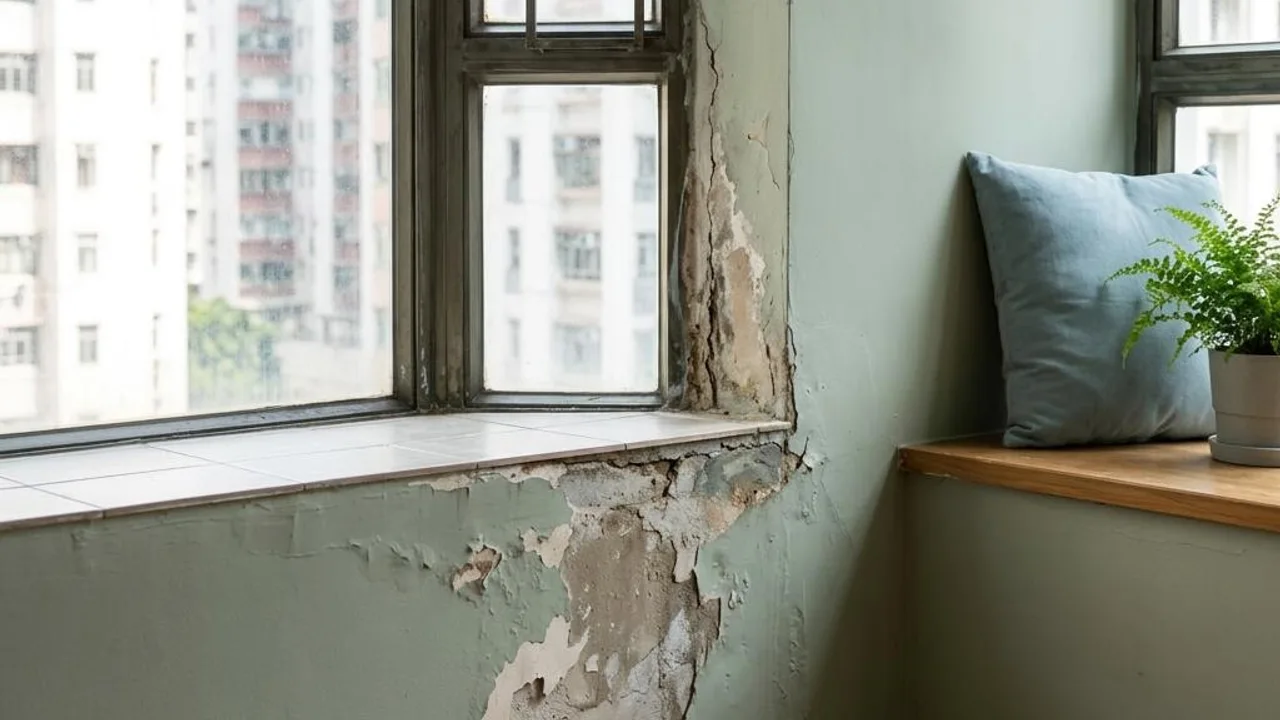
The deep value of property inspection
Property inspection is not just a visual review of new or second-hand homes, but an all-round assessment of the property's value and safety. Many hidden building problems, such as wall cracks, water pipe leaks, or circuit defects in hidden places, are difficult for ordinary owners to detect by vision alone.
By uncovering these problems early through professional property inspection, buyers can negotiate repair matters with the seller with more confidence. This rigorous testing procedure aims to ensure that buyers will not face additional economic burdens and psychological distress due to immediate repairs after handover.
- Uncover structural and decoration defects early
- Safeguard the legal rights of buyers in the contract
- Avoid high maintenance costs after property delivery
- As a reference for future property value assessment
Uncover potential building hazards
Properties may leave behind various hazards before handover due to rushed work or poor construction. For example, improper treatment of the window sill waterproofing layer may lead to serious leakage during the rainy season, and hidden interior circuits may have overheating risks due to installation not meeting standards.
A professional property inspection team will use professional tools to conduct a comprehensive coverage test. These meticulous observations can concretise potential hazards into maintenance items, allowing problems to be solved before they develop into major accidents, safeguarding your living safety.
- Check for traces of water seepage on walls and ceilings
- Verify whether electrical facilities meet basic safety requirements
- Check whether floor tiles and finishes have hollows
- Observe window opening and closing and waterproof performance
Safeguard legal and contractual rights
Possessing a professional and impartial report can provide key physical basis when disputes occur. This is not only a record of the property inventory, but also a key link to ensure that both the buyer and seller perform their contractual responsibilities, avoiding property damage caused by hidden defects.
When problems are discovered, the buyer should record the specific location in detail and take clear photos, using these as evidence to require the seller or developer to follow up, ensuring that all repair work has a basis and complies with contract terms.
- Establish a record of the state of the property at the time of delivery
- As a legal basis for communication with developers
- Require the seller to bear the repair responsibilities stipulated in the contract
- Avoid pressure for claims arising from hidden defects later
Asset value and investment decisions
From the perspective of asset investment, property inspection is a necessary investment to reduce risks. Finding major structural problems can seriously affect the resale potential of the property. Through property inspection, buyers can make more accurate judgments and estimates of the return on investment.
For owners intending to hold for the long term, ensuring the infrastructure of the property is in a healthy state means a lower maintenance budget in the future. This is a key strategy for protecting capital appreciation, ensuring that what you have purchased is a truly high-quality asset rather than high-risk housing that is difficult to sell in the future.
- Scientifically assess the long-term maintenance potential of the property
- Assist buyers in formulating reasonable repair budgets
- Identify functional defects that affect resale value
- Protect housing capital from hidden damage
Obtain professional improvement plans
Property inspection not only points out problems but also provides professional repair advice. A professional team can assist owners in interpreting complex building problems and suggest priorities based on actual conditions, such as dealing with water seepage problems first, and then carrying out finishing work for decoration.
Through professional opinions, owners can effectively connect with decoration contractors, avoiding ineffective repairs caused by information asymmetry. This ensures that all problems are systematically cured, rather than temporary patching measures that treat the symptoms but not the root cause.
- Professionally interpret the risks of various engineering defects
- Assist in drafting scientific repair priorities
- Avoid unnecessary decoration disputes and waste
- Ensure that repair works comply with professional advice requirements
FAQs
If hollow wall tiles or plaster are discovered during a property inspection, does this imply a structural problem with the building?
Hollow sounds usually indicate a separation between the surface mortar and the underlying wall structure, often caused by improper construction techniques. This does not necessarily involve structural safety, but it is recommended to consult a qualified professional to assess the extent of the impact and determine if repairs are needed to prevent future spalling.
If suspected water seepage is found during a property inspection, how should the owner handle it?
The owner should properly document photographs of the suspected seepage location and the surrounding conditions. Do not chisel open the wall yourself; request a professional to assist with the inspection, observe if there are persistent damp marks, and require the seller to conduct investigations and repairs according to the contract.
Why is a professional property inspection still necessary for new properties?
Even with brand-new properties, construction defects due to rushing, material installation issues, or poor facility functionality can exist. A professional property inspection can help owners clarify issues before signing property handover documents, ensuring the unit state meets handover standards.


