The critical role of wallpaper in an interior environment.
Wallpaper is not merely a home decoration material but the very soul that shapes the atmosphere of an interior space. Through texture, colour, and pattern, it can make a space feel comfortable and full of personality. However, wallpaper requires extremely high installation standards; improper fitting not only affects the visual appeal but also impacts its lifespan. For owners moving into a new home, the state of the wallpaper is also an important indicator for assessing the dryness of the walls.
During a property inspection, checking the wallpaper is often easily overlooked, but poor workmanship can indeed cause joints to split and even mask issues like dampness in the walls. Therefore, when taking possession of the property, owners should include wallpaper on their priority inspection checklist, using rigorous procedures to ensure that the construction quality provided by the developer meets expectations, thereby avoiding the hassle of frequent repairs after moving in.
- The effect of wallpaper texture on enhancing home space
- Construction quality directly affects the aesthetics and durability of wallpaper
- The condition of the wallpaper is a key indicator for evaluating wall dryness
- Inspect early to clarify the developer's construction responsibilities
Professional inspection process for wallpaper handover.
When inspecting wallpaper, the first step is to perform a careful visual check. It is recommended to observe the wallpaper surface under bright light from different angles to see if there is any obvious colour difference, stains, or printing flaws. High-quality wallpaper should feature clear patterns and uniform colours, strictly meeting the specifications required at the time of purchase. This is a fundamental step to ensure the aesthetic appeal of the interior design.
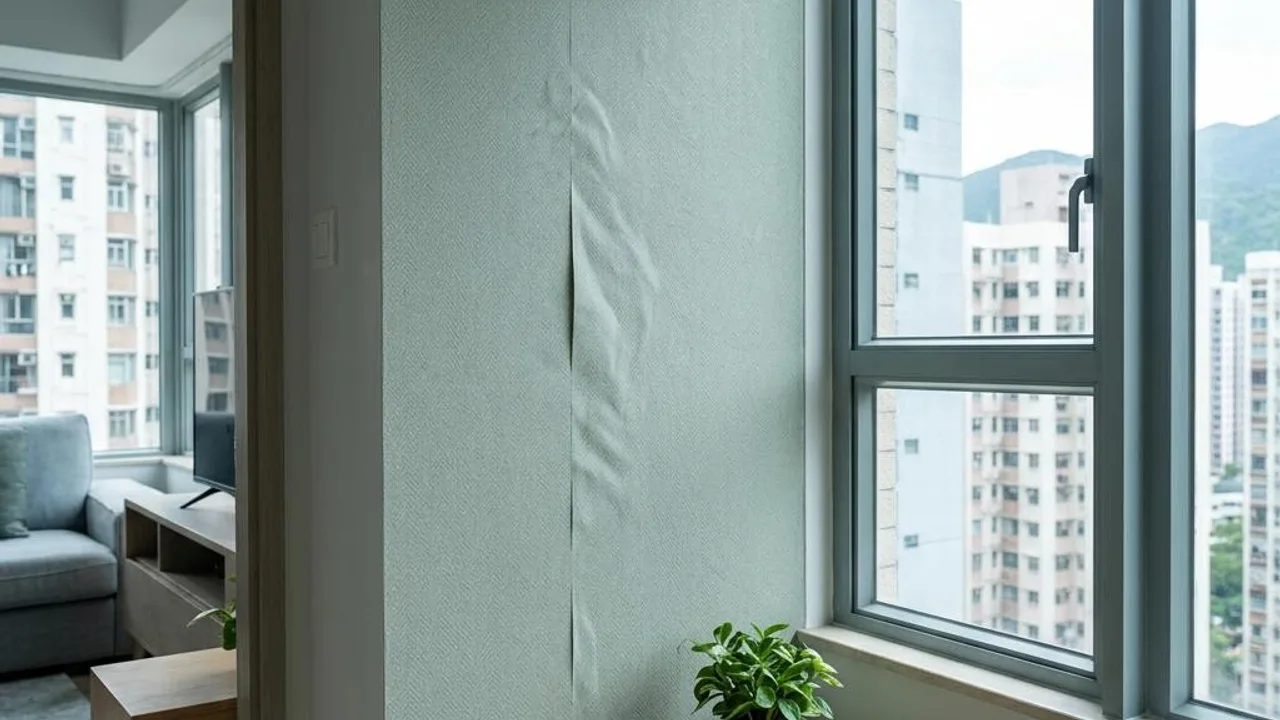
Beyond surface colour, installation details also dictate the overall quality. Owners need to carefully inspect whether every joint is tightly aligned and check for any excessive overlap or visible gaps. Furthermore, the wallpaper surface should be flat and well-adhered; if air bubbles form on the wall or creases appear due to poor adhesion, these are construction defects and should be reported to the responsible party for rectification.
- Check if the wallpaper patterns are continuous and aligned
- Confirm that the wallpaper surface has no significant colour differences or staining defects
- Ensure that the joints are flat and free of obvious gaps
- Check that the adhesion at the corners and edges is secure
Potential defects and points to note.
Apart from visual issues, the condition of the wall behind the wallpaper is also worth noting. If you discover local bulges or signs of mould, it may suggest moisture within the wall or pipe leakage. Such situations cannot be dismissed simply as poor wallpaper installation; you must require a professional to further detect whether there is a source of leakage in the structural layer, and under no circumstances should you perform destructive testing or make blind judgements yourself.
Additionally, the finishing at corner joints and detail points is the key to judging the craftsman's attention to detail. Quality finishing should be neat and sharp, with no excess adhesive stains or peeling edges. Once such defects are found, the owner should take detailed photos and record the locations to report to the project manager, ensuring that the wallpaper can maintain its beauty and integrity for a long time and avoiding maintenance difficulties later on.
- Look out for signs of dampness or mould spots behind the wallpaper
- Check if the corner finishing is neat and not peeling
- Ensure there are no residual construction adhesive stains
- Assess whether local defects involve seepage within the wall
Daily maintenance and care tips for wallpaper
Daily maintenance after wallpaper installation is vital for extending its aesthetic life and durability. The maintenance method depends largely on the material type of the wallpaper. For most wallpapers, avoid using overly wet cloths for wiping to prevent moisture from seeping into the joints, which could damage the adhesive layer or cause the wallpaper to deform. It is recommended to use a dry cloth or a soft brush for dusting.
Once minor stains are found on the wallpaper surface, gently clean them using the designated mild detergent recommended by the manufacturer. Avoid scrubbing with excessive force to prevent surface wear. Additionally, regularly inspecting the condition of the wallpaper's edges is very important; if minor peeling is found, it should be addressed early to prevent the damage from spreading. Maintaining appropriate indoor temperature and humidity levels effectively prevents premature ageing or cracking of the wallpaper.
- Regularly use a dry cloth or soft brush to remove dust and dirt
- Choose appropriate cleaning methods based on material instructions
- Avoid exposing wallpaper to extremely high humidity environments
- Address peeling edges in a timely manner to prevent the damage from spreading
Quality assurance strategies for wallpaper installation
To ensure that wallpaper installation reaches a professional standard, owners should possess basic inspection criteria during their property inspection. The wallpaper should not show obvious visual asymmetry, nor should it have bumps and unevenness due to poor surface preparation. Systematically recording defects effectively protects the owner's rights upon move-in, leading to a more ideal living environment.
If you have concerns about the construction quality of the wallpaper, it is recommended that owners focus on objective records and submit a written report to the relevant property department. When communicating with qualified personnel, explicitly point out the phenomena observed, such as the specific locations of joint gaps or abnormal pattern shifts, to allow professionals to make an objective assessment. Do not attempt to dismantle the wallpaper yourself for troubleshooting.
- Create a checklist of construction defects for follow-up
- Confirm the consistency between the wallpaper installation and the interior design style
- Establish good communication channels for feedback to the developer
- Continuously monitor the impact of environmental humidity on the wallpaper
Common FAQs regarding wallpaper inspection
During the property inspection, owners often have various questions regarding the quality requirements and repair responsibilities for wallpaper. We have specially collated the following three key questions to help you communicate more confidently with the developer when taking possession and to clearly understand the importance of checking various details and the basics of subsequent maintenance, thereby safeguarding your residential rights.
By conducting the verification from a professional and objective perspective, owners can more comprehensively confirm whether the wallpaper has reached delivery standards. Please remember that the purpose of property inspection is to protect the long-term living environment of the owner; any issue involving construction aesthetics and durability should receive proper attention and follow-up before moving in.
- Question: Is cracking in the wallpaper joints a serious problem? Answer: This is usually a construction process defect and the developer should be requested to rectify it. If accompanied by dampness in the wall, further investigation into the cause of structural leakage is required.
- Question: There are minor air bubbles on the wallpaper surface; can I prick them with a needle myself? Answer: It is not recommended to handle this yourself to avoid damaging the wallpaper surface or leaving marks; you should notify the management office to arrange for professional repairs.
- Question: How can I distinguish between wallpaper mould and wall oil stains? Answer: Mould is usually accompanied by moisture or a musty smell and the spots tend to expand, whereas oil stains are mostly seen in specific locations and have no odour. If in doubt, you should have a professional test the wall moisture level.
FAQs
Is cracking in the wallpaper joints a serious problem?
This is usually a construction process defect and the developer should be requested to rectify it. If accompanied by dampness in the wall, further investigation into the cause of structural leakage is required.
There are minor air bubbles on the wallpaper surface; can I prick them with a needle myself?
It is not recommended to handle this yourself to avoid damaging the wallpaper surface or leaving marks; you should notify the management office to arrange for professional repairs.
How can I distinguish between wallpaper mould and wall oil stains?
Mould is usually accompanied by moisture or a musty smell and the spots tend to expand, whereas oil stains are mostly seen in specific locations and have no odour. If in doubt, you should have a professional test the wall moisture level.