Planning and preparation before receiving the property
Receiving a property is not just about collecting keys; it is a procedure that includes rigorous inspection and rights confirmation. After the developer notifies you of the handover, owners should thoroughly read the purchase agreement regarding delivery deadlines, inspection checklists, and various warranty clauses. Ensuring you understand the rights and obligations you should enjoy during the inspection stage is the first step in safeguarding the integrity of your asset.
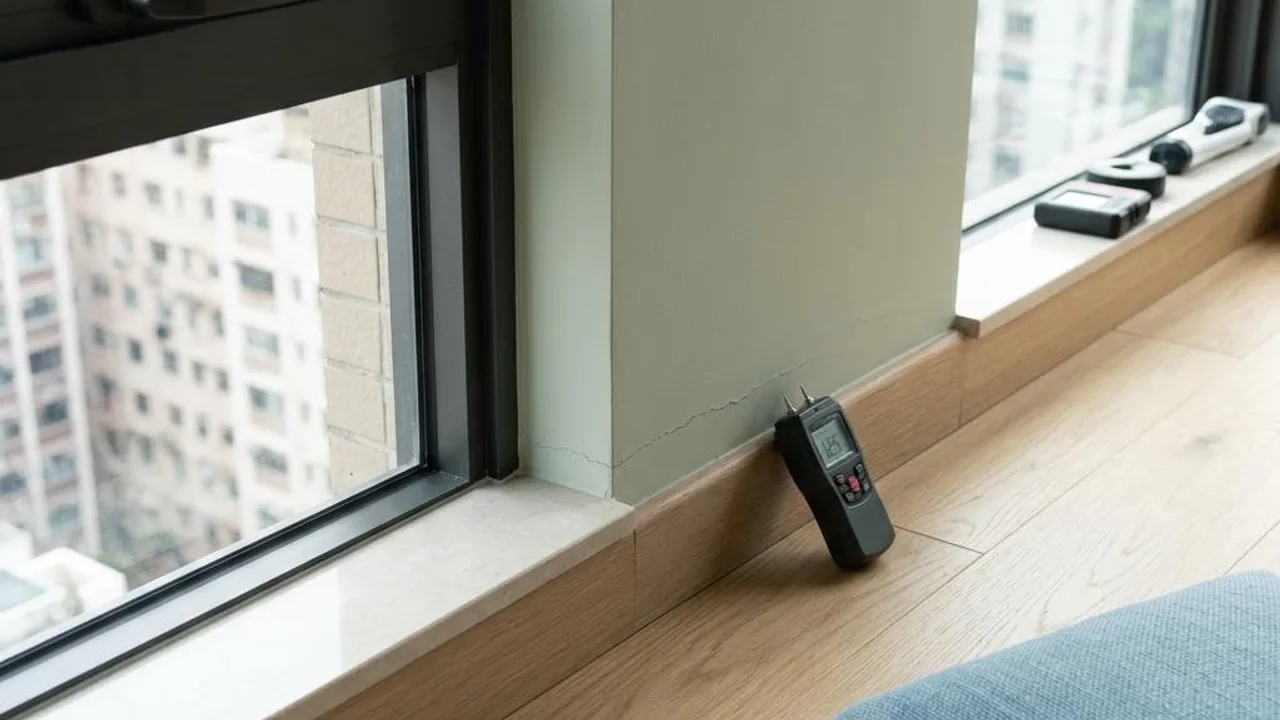
Before conducting the formal inspection, owners may consider consulting a qualified property inspector. Professionals can use their experience to assist owners in identifying subtle defects that may have been left during the construction process, ensuring the actual state of the property meets the promises made in the original contract, thereby reducing repair disputes caused by information asymmetry.
- Verify details of delivery clauses in the purchase agreement
- Prepare a detailed inspection checklist
- Consult professionals to understand the scope of maintenance rights
- Confirm the handover deadline and the start date of the warranty period
Practical details of property inspection
When a property is ready for delivery, the owner needs to perform a comprehensive on-site inspection. Key inspection areas should include wall paint, floor tile installation, the smoothness of window operation, and all electrical and water facilities. If obvious defects are found, they must be recorded in detail on the handover checklist and confirmed with relevant personnel on a follow-up schedule to ensure problems are handled properly.
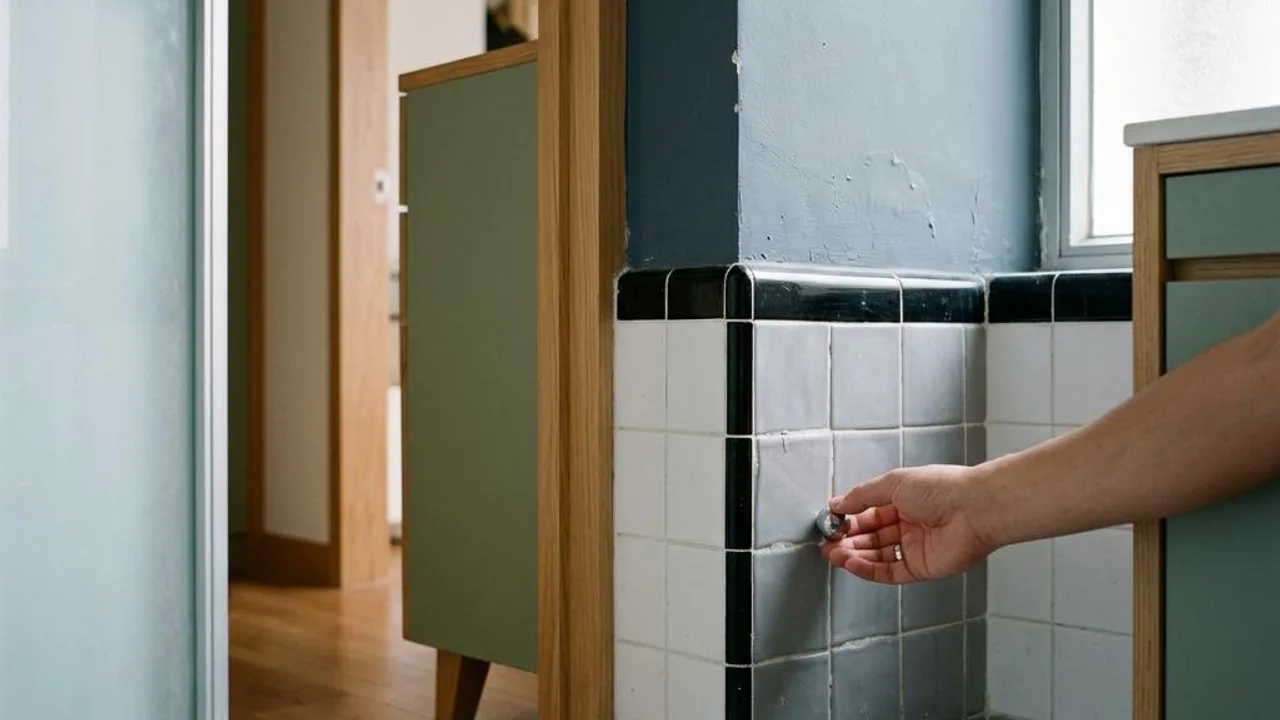
In addition to basic visual inspection, the safety of water and electrical systems cannot be ignored. For example, test whether sockets have power and if drainage outlets are clear. If hidden signs of water leakage or electrical device abnormalities are found, they should be recorded immediately and a qualified person should be requested to assist with the inspection; do not perform any form of self-disassembly or unauthorized alterations.
- Perform a detailed inspection of the condition of walls, floors, and ceilings
- Test the sealing and opening/closing operation of windows
- Check electrical sockets and basic water/drainage functions
- Implement all defect recording and request repairs
Signing of important documents and clauses
Signing confirmation documents after a correct inspection is part of the formal property handover. Common documents include the Property Handover Confirmation and Management Agreement. Signing the confirmation means the owner formally accepts the current state of the house and begins the warranty period, so be sure to sign only after you are satisfied with all items, to avoid waiving rights to future maintenance claims.
The Property Management Agreement regulates future living rules and fee responsibilities. Owners should read all terms in detail, including usage restrictions on public facilities, management fee calculation methods, etc., to ensure a full understanding of future resident responsibilities and avoid unnecessary management disputes or non-compliance risks due to cognitive differences.
- Verify the information on the Property Handover Confirmation is correct
- Read the service scope and fees in the management agreement in detail
- Keep copies of all signed documents
- Clarify the legal significance of the warranty period start date
Steps after a successful handover
After signing all documents and collecting keys, the property is formally transferred. The first priority is to transfer public utility services such as water, electricity, and gas, ensuring these accounts are changed to the owner's name. Completing these trivial but critical tasks can pave the way for future life, avoiding service interruptions caused by account issues.
If you plan to perform renovation work after receiving the property, be sure to apply to the management office in advance and obtain approval. During the renovation process, you must strictly follow all property regulations and take care not to affect the normal life of other units. Properly handling handover details allows you to start renovation work and move in smoothly on a lawful and compliant basis.
- Handle the transfer of water, electricity, and gas accounts
- Apply to the property management office for renovation permits
- Check that the quantity of all keys is complete
- Organize and keep handover inspection records
Responding to problems discovered during property inspection
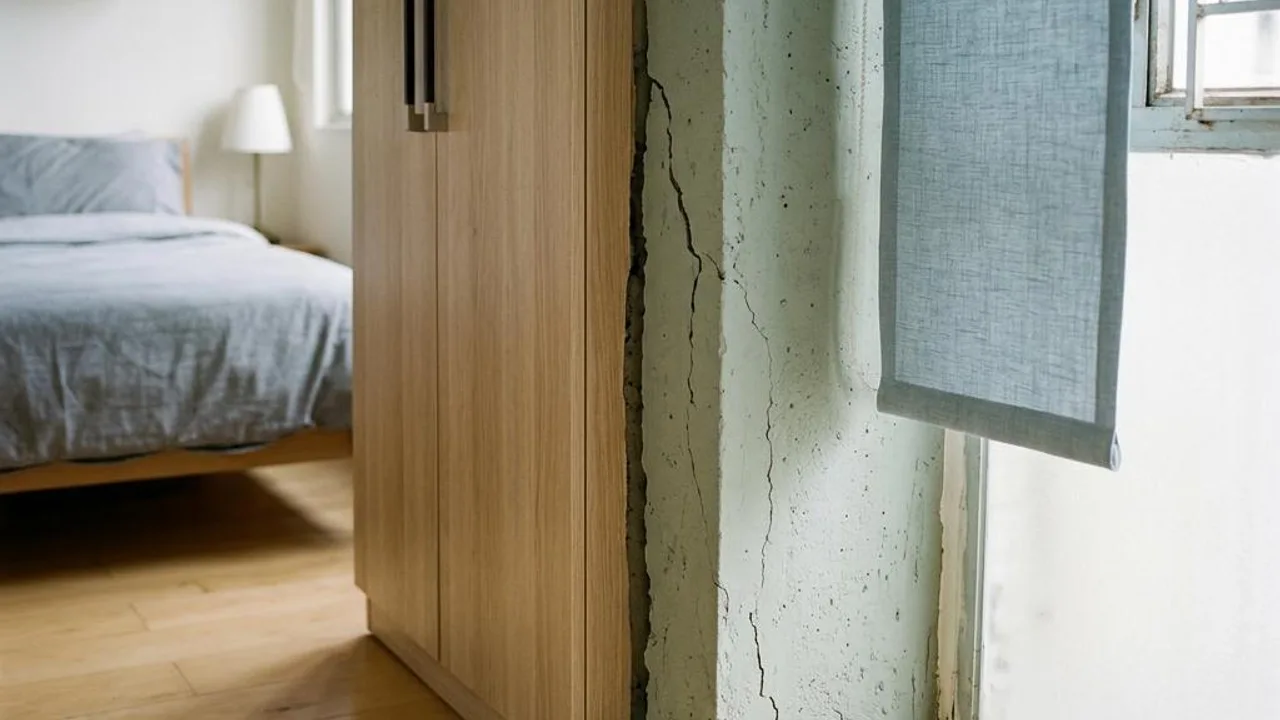
During property inspection, owners should keep objective records. If you observe cracks in the walls or traces of seepage, keep a record in the form of photographs and require the developer to send qualified personnel to perform an evaluation. Owners do not need to rush to judge the cause; simply express the observations accurately to the relevant person in charge and request a written reply.
Regarding concerns about electrical or gas equipment, owners should request personnel with professional qualifications to perform inspections rather than touching them themselves. The owner's role is to identify and notify; entrusting professional testing tasks to suitable professionals is the most effective way to ensure property safety and ownership of responsibility.
- Photograph and record all discovered defects
- Submit a written application to the management office or developer
- Request qualified persons to evaluate repair suggestions
- Follow up on repair progress and reinspection dates
FAQs
I discovered cracks in the walls during property inspection; how should I handle this?
Owners should photograph the location of the cracks and mark them in detail on the inspection checklist, then formally notify the developer or relevant inspection personnel. It is recommended to request qualified personnel to perform an evaluation to determine if the cracks are construction defects or structural issues, and keep the records safely to serve as the basis for subsequent repair requests.
Can I refuse to sign before signing the handover documents?
If there is a significant difference between the property condition and the contract terms or if there are serious repair defects, the owner has the right to postpone signing the handover documents. It is recommended to communicate with the developer before signing and reach a written consensus on repairs for the missing items to protect your own rights from loss.
When should the procedure for transferring water, electricity, and gas accounts be handled?
The transfer of water, electricity, and gas accounts should be handled as soon as possible after formally collecting keys and completing handover procedures. Owners need to prepare identification documents, proof of property delivery, and relevant water/electricity meter reading records, and go to each utility agency to process the transfer, ensuring billing costs are accurately under your name.