
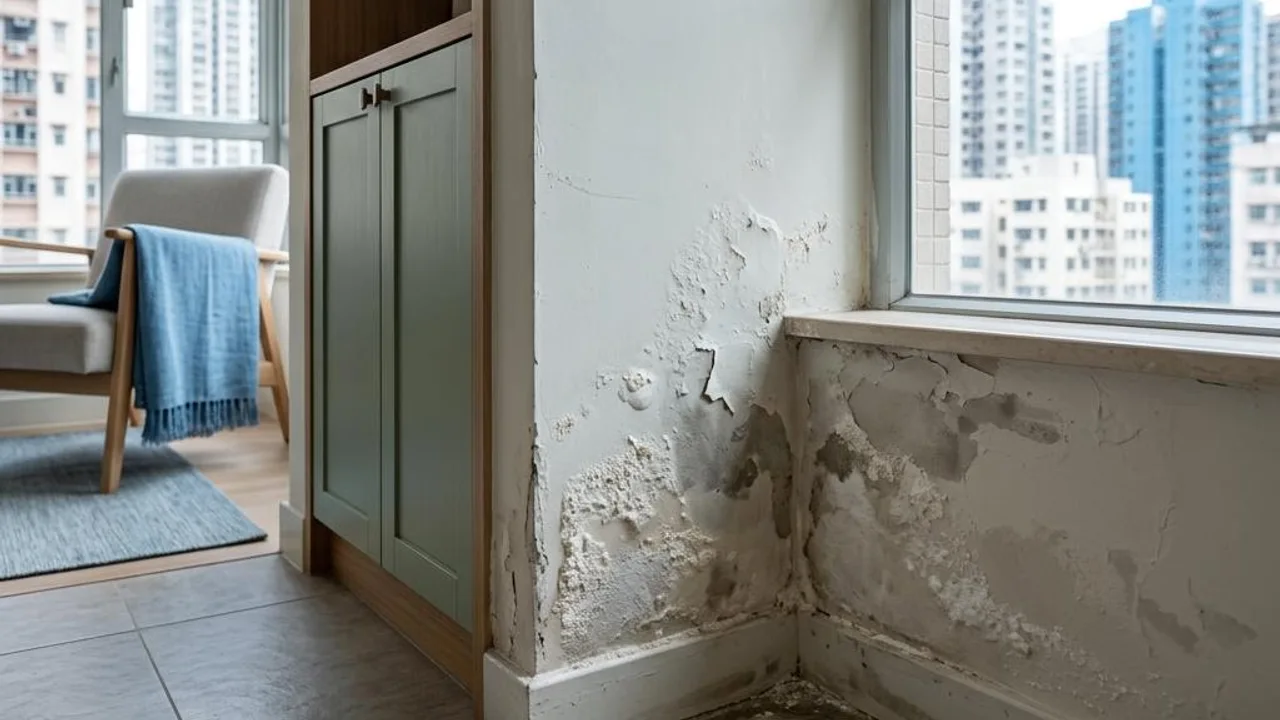
Comprehensive inspection of unit property quality.
The core value of property inspection services lies in providing buyers with an objective assessment of housing quality. During the property transaction process, it is often difficult for buyers to discover actual wear and tear on walls, floors, or hidden installations through preliminary viewing.
Professional property inspectors use professional perspectives and tools to conduct detailed inspections of unit structures, electrical facilities, and water supply and drainage systems, ensuring that the unit meets basic living safety standards and building quality requirements at the time of handover.
- Comprehensive inspection of the unit's electrical system condition.
- Evaluate the operation of pipes and water supply facilities.
- Inspect the condition of floors, walls, and the exterior of the structure.
- Identify whether there are signs of water seepage or mould.
Sellers should proactively manage transaction risks.
For sellers, arranging a professional property inspection before listing the property is an effective strategy to reduce transaction risks. Through pre-inspection, sellers can identify and handle existing facility damage problems in the property early, avoiding disputes that may arise due to acceptance issues in the later stages of the transaction.
This not only reduces friction during the transaction process but also demonstrates the seller's sincerity, helping to build trust between buyers and sellers and ensuring that property transactions can be successfully concluded.
- Reduce disputes between buyers and sellers after property handover.
- Build buyer trust to facilitate a smooth closing.
- Address potential hazards in advance to increase property value.
- Improve transparency records in the closing process.
Enhance property market transparency.
Information asymmetry in the property market often leads to transaction obstacles. Professional property inspection can objectively reveal the actual condition of unit facilities and provide concrete reference data for buyers.
Through professional and detailed inspection procedures, buyers can more clearly grasp the property situation, thereby increasing the stability and confidence of both parties in the negotiation and decision-making process.
- Objectively reveal the actual condition of unit facilities.
- Provide professional data for buyer decision-making.
- Reduce information asymmetry in market transactions.
- Enhance the stability of discussions between buyers and sellers.
Clarify property condition and loan applications.
The structural condition of a property may affect bank valuations or approvals; property inspection can assist buyers in understanding the actual status of their property assets. If there are major structural hazards, banks may be more cautious during risk assessment.
Conducting an inspection before applying for a loan allows buyers to anticipate potential obstacles and communicate with sellers or banks in advance, ensuring that overall property financial planning is not affected by sudden property conditions.
- Assist buyers in understanding property asset value.
- Serve as a reference for banks to conduct risk assessment.
- Reduce loan risks affected by property conditions.
- Ensure that the fund application process is smoother.
The importance of professional team inspection.
Choosing the right property inspection team is the key to ensuring service quality. The team must possess extensive building and electrical/mechanical knowledge and be able to formulate precise inspection strategies for different property types.
Whether it is a new property handover or a second-hand building inspection, systematic inspection procedures ensure that key facilities are not overlooked and provide owners with substantial reference guidelines for subsequent repairs or maintenance.
- The team possesses solid building electrical and mechanical knowledge.
- Carry out tailored inspections according to property categories.
- Systematic procedures ensure no items are missed during inspection.
- Provide professional reference guidelines for subsequent handling.
FAQs
When should buyers arrange a professional property inspection?
It is recommended that buyers reserve enough time to arrange for a property inspection before signing the formal sales and purchase agreement or before the handover procedure begins, so as to discover problems in time and discuss follow-up arrangements with the seller.
If signs of water seepage are found in the unit, how should the owner handle it?
If owners discover water stains or mould on walls or ceilings, they should first take photos to record the location themselves and seek professionals to perform non-destructive instrument testing. Do not attempt to dismantle the wall; repairs should be carried out according to professional assessment recommendations.
Does professional property inspection guarantee that the property structure is completely safe?
Professional property inspection aims to provide an objective on-site condition assessment and professional observations. Property inspection services are not a structural safety certification and cannot replace statutory building structural inspections. If there are concerns about structural safety, a professional authorised person should be hired for a detailed survey.


