Long-term vacant water supply systems and water seal crises
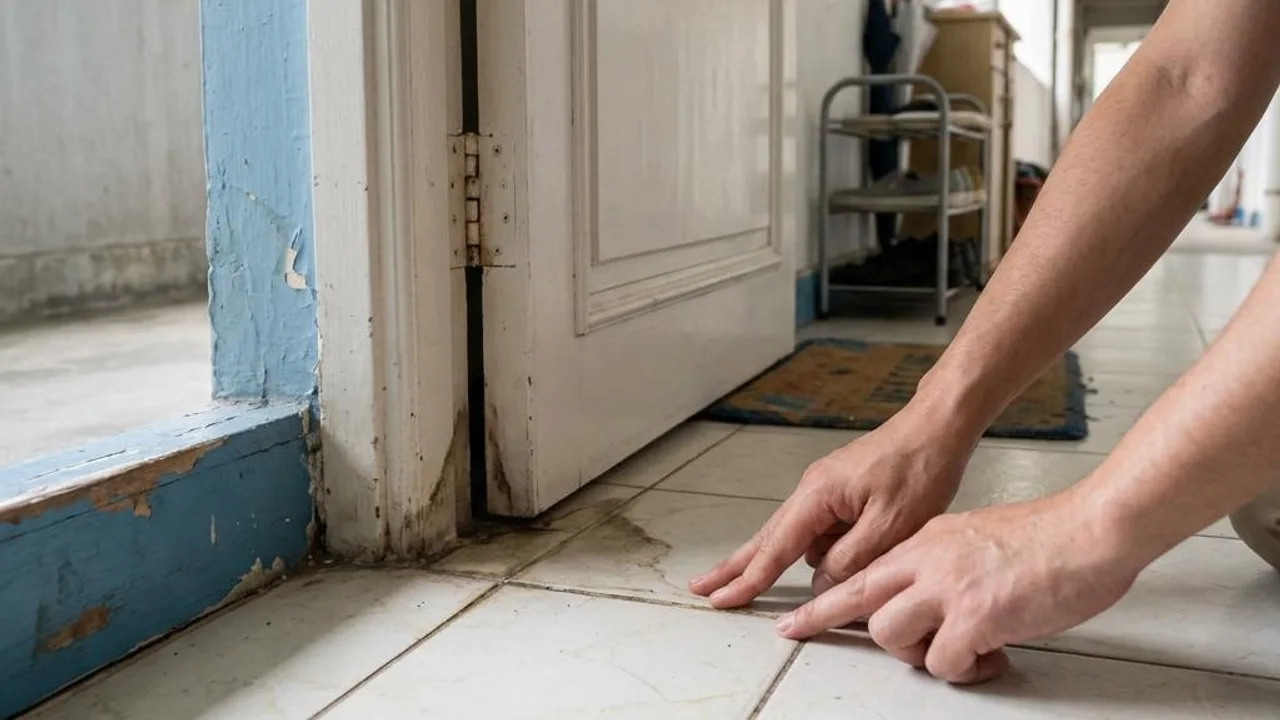
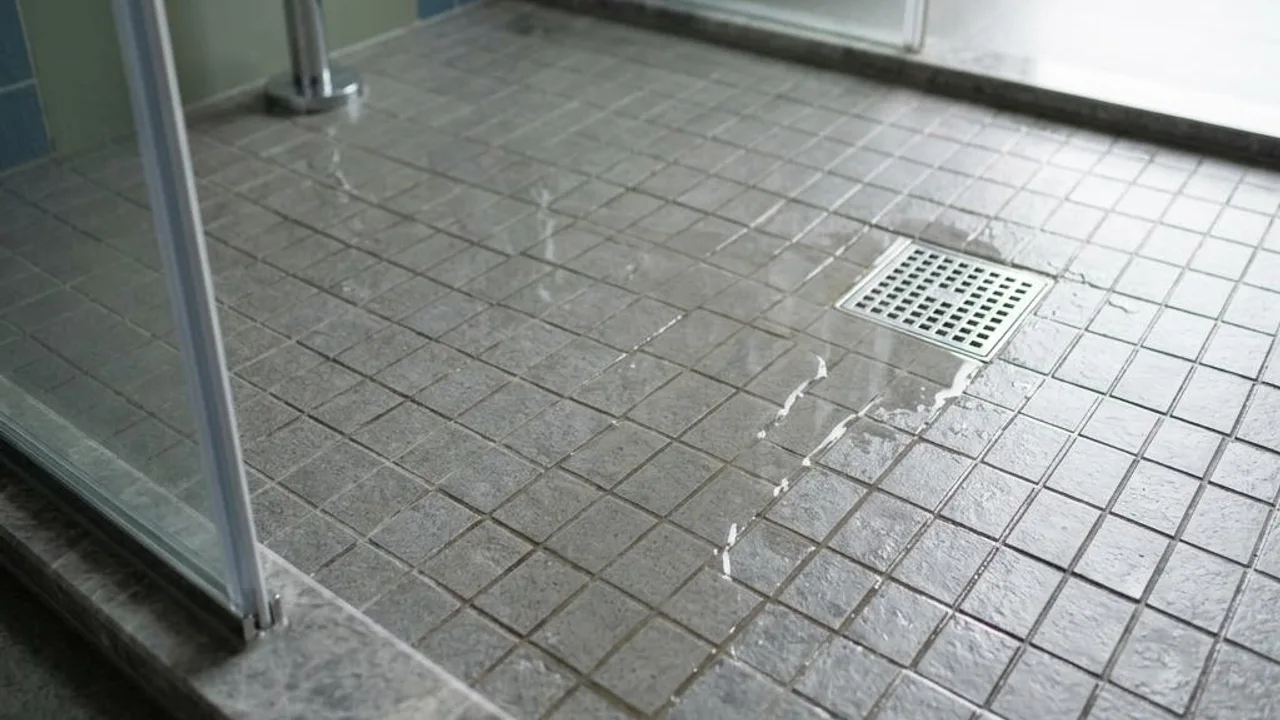
Mortgagee properties often go through a long period of vacancy during the resale process. During this time, the water traps (u-bends) in the kitchen and bathroom floor drains gradually dry out due to lack of flow, causing the water seal to fail, allowing bacteria and gases from the building's main drainage system to enter the premises, leading to persistent odours.
In addition, under long-term disuse, metal parts and connecting rubber rings on faucets and hidden water pipes tend to harden due to lack of lubrication; once the water supply is restored, hidden leak points easily occur. When conducting a property inspection, owners should note whether there are odours at drainage points and check all pipe joints for dry cracks.
- Verify if all drain water traps have sufficient water
- Check if faucet controls are flexible and free of corrosion
- Observe if there are water stains or signs of leakage at pipe joint locations
- Evaluate the wear and tear of old pipes to decide whether replacement is required
Waterproofing layers and thermal expansion/contraction cracks in outdoor spaces of special units
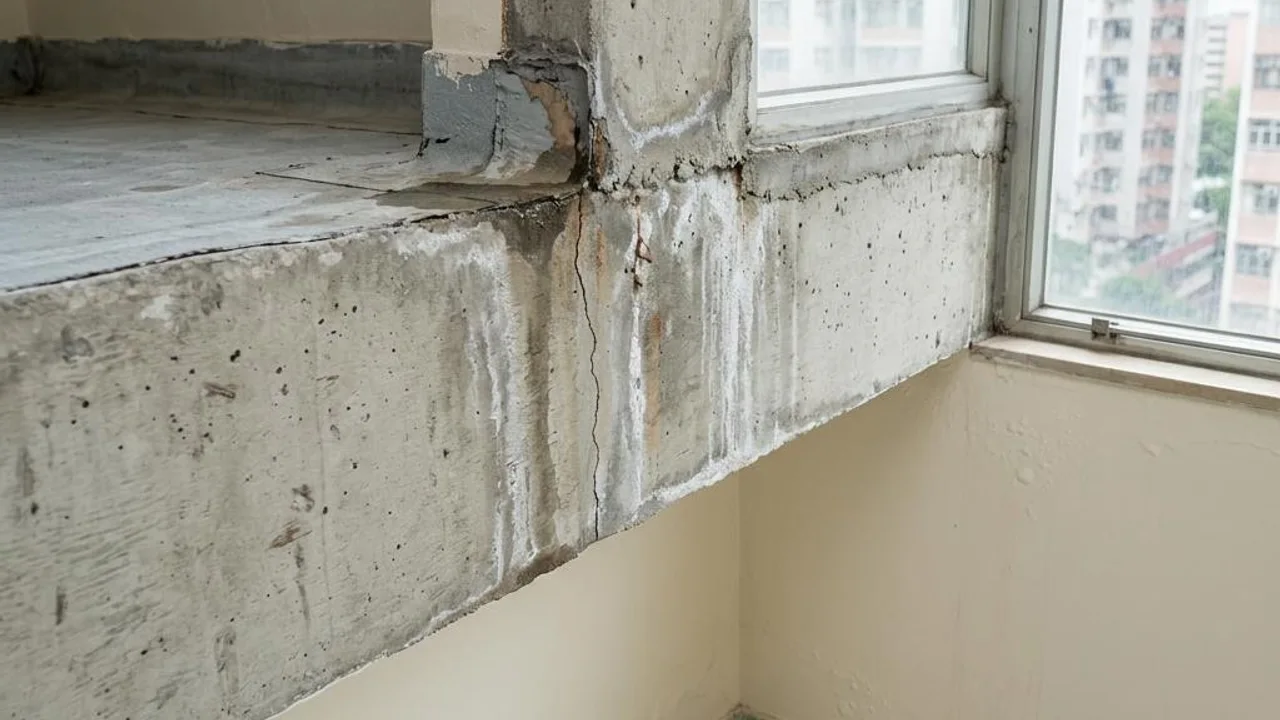
Balconies, utility platforms, or rooftops of special units are long exposed to strong sunlight and wind and rain. The junctions between waterproofing layers, parapet walls, and external walls often show hardening, brittleness, or even peeling due to ultraviolet irradiation and the thermal expansion and contraction effect caused by temperature differences.
If rainwater seeps into the floor slab through tiny cracks, it will erode indoor wall bases through capillary action, causing paint to bulge or mould. Owners should objectively evaluate the integrity of outdoor plastering and waterproofing materials, especially the sealing condition at the junction of walls and floors.
- Inspect if there are obvious cracks in the balcony or rooftop floor
- Pay attention to whether there is debonding at the junction of the waterproofing layer and the external wall
- Check if there are water stains or chalking on indoor wall bases near the balcony
- Evaluate the ageing level of the external wall and parapet wall waterproofing coatings
Non-original structural alterations and hidden blind spots
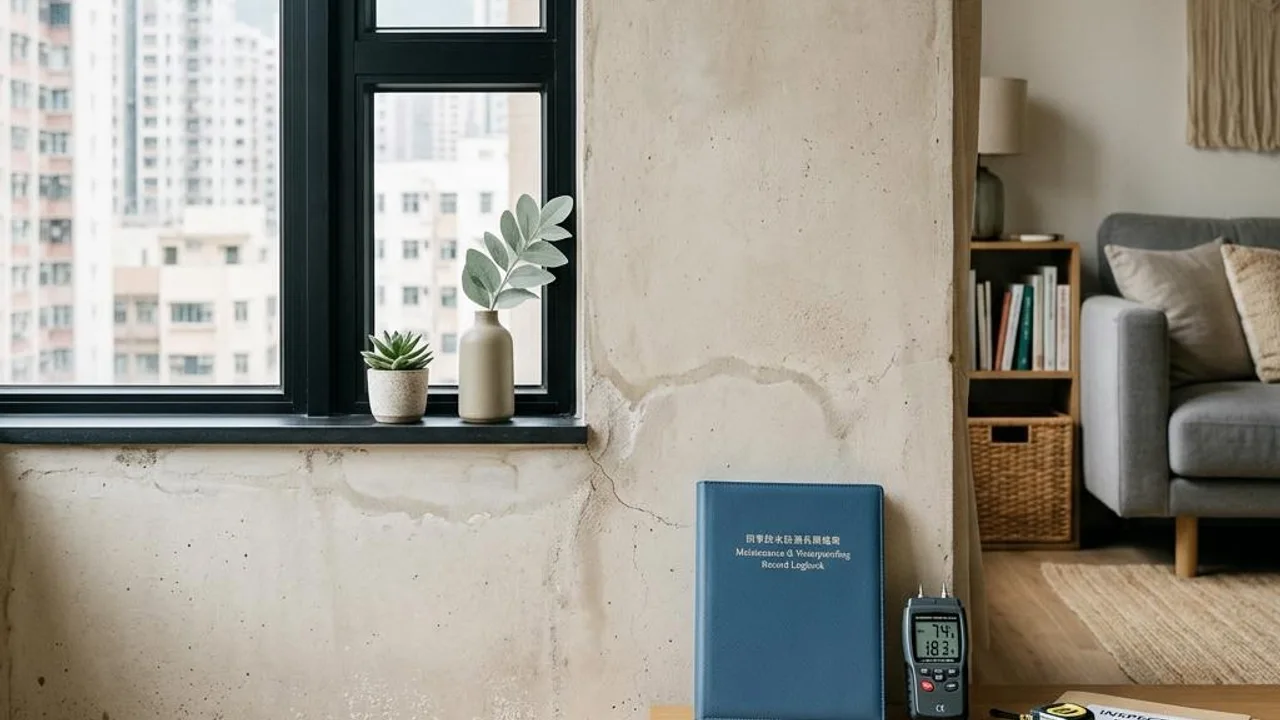
Many previous owners of special units have made partition alterations, such as extending the balcony or altering the structure surrounding load-bearing walls. These non-original works often leave physical stress cracks at wall junctions where new and old materials alternate; relying solely on the naked eye to observe the paint surface is often difficult to detect hidden dangers.
Owners should compare with the official floor plans during inspection, focusing on whether there are irregular diagonal cracks or hollow sounds in the walls. Remember not to rely on surface finishes, but to make a preliminary judgement on the condition of the structure under years of stress through methods such as tapping tests.
- Check if the on-site partitions are consistent with the official building floor plans
- Check if there are irregular diagonal cracks in the walls
- Test if there is any hollow phenomenon in the plastering by tapping the walls
- Note if there are gaps at the connection points of non-original walls
Long-term planning of repair cost-effectiveness
Facing the potential wear and tear of mortgagee properties or special units, owners need to balance the economic benefits of short-term repairs versus full refurbishment. If slight water seepage traces are ignored and renovations are carried out forcibly, the rework costs will be extremely high if hidden pipe fractures or waterproofing failures are discovered later.
A reasonable property inspection assessment helps in formulating a forward-looking renovation budget, prioritising waterproofing repairs and pipe replacements, and avoiding long-term time and capital consumption caused by scaffolding and wall demolition after moving in.
- Prioritise hidden waterproofing layer repairs
- Calculate the engineering costs reserved for replacing aged pipes
- Evaluate the priority of defect rectification before large-scale renovation
- Avoid later structural damage caused by ignoring small seepages
The role and value of a professional team
Although the owner's observations are of reference value, the hidden structure and complex water and electrical layouts of buildings often require rich practical experience and professional tools to make accurate determinations. A professional property inspection team can provide a systematic risk assessment to reduce uncertainty in the early stages of renovation.
If structural concerns are discovered during the property inspection, one should seek a qualified professional for assessment; do not perform modifications involving structures or high-risk electrical systems yourself. The professional report can serve as an objective basis for the owner to liaise with engineering contractors.
- Obtain an objective property structural assessment report
- Utilise professional testing equipment to confirm the source of seepage
- Refer to the professional team's specific suggestions for defect rectification works
- Reduce renovation delays caused by hidden structural issues
FAQs
Does an odour at the drainage point of a mortgagee property mean the pipe is definitely broken?
Not necessarily. Odour at a drainage point is usually caused by long-term lack of flow leading to the drying out of the water trap, resulting in loss of the air-seal function. It is suggested to first try pouring in a suitable amount of clean water and observing if the odour is eliminated. If the odour persists or cracks are found at the joints, a professional should be asked to inspect.
If tiny cracks are found on the walls of a special unit, is structural reinforcement required?
The causes of cracks are diverse; thermal expansion and contraction or ageing of plastering can also produce cracks. If the cracks are regular or only in the surface finish, the risk is lower; however, if irregular diagonal cracks are found or the cracks continue to widen, a registered structural engineer should be consulted for an assessment.
How should I handle hidden water leakage risks within the property before carrying out renovations?
Before renovation, a thorough seepage test should be conducted, including water supply pipe pressure testing and drainage pipe video inspection, to confirm the condition of hidden pipes. If ageing or damage is found, priority should be given to replacing the damaged parts and performing appropriate waterproofing layer repairs; do not rely solely on surface renovations to cover up problems.