Why establish a waterproofing and damp-proofing file for your home?
Waterproofing work is a hidden key to property maintenance, and many owners often miss the developer's one-year structural maintenance period by neglecting this aspect. Hong Kong has a humid and rainy climate; building structures can develop tiny cracks due to thermal expansion and contraction. Establishing a long-term waterproofing file can assist owners in tracking property conditions and preventing water seepage risks early.
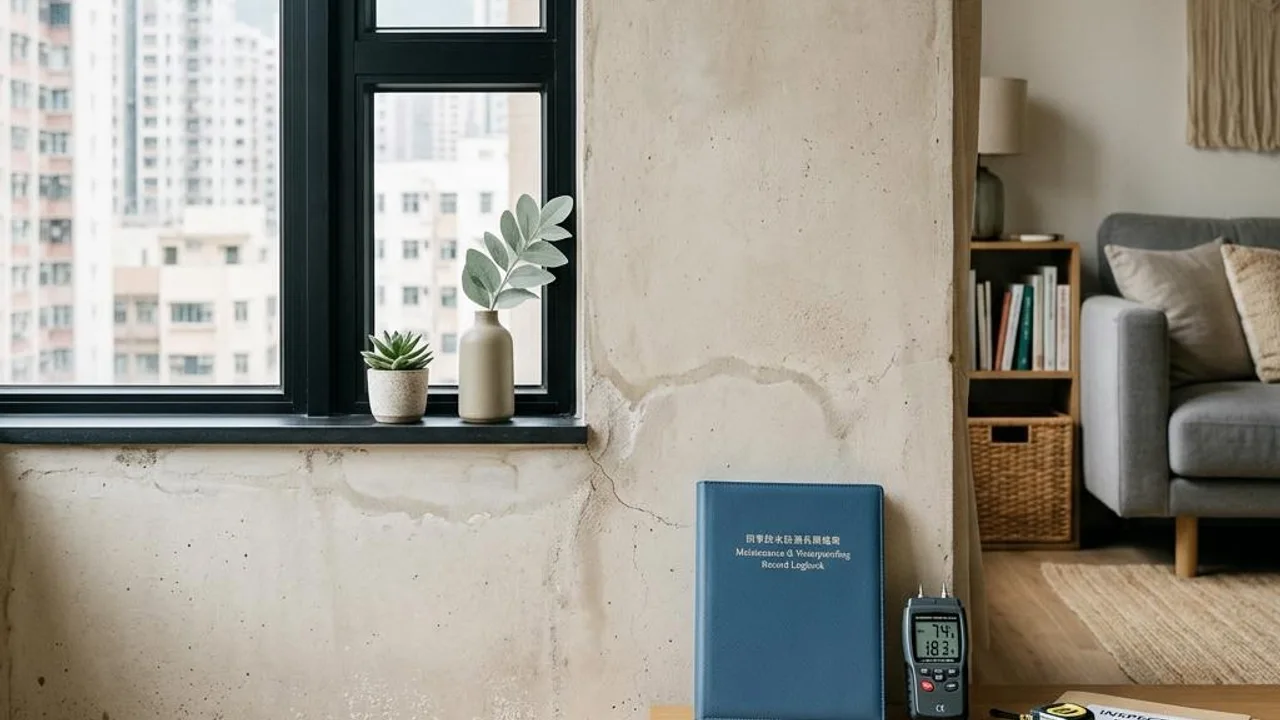
A complete home file should record the conditions of walls, window sills, and floor slabs in detail. Through seasonal comparison records, owners can easily detect whether a problem is worsening—for instance, recurring black spots or signs of seepage in corners—which is critically important for subsequent maintenance claims or repair works.
- Tracking problems: record minor changes each season to prevent issues from expanding.
- Protecting rights: capture defects within the one-year maintenance period to safeguard the owner's right to file claims.
- Improving health: effectively control humidity to reduce the growth of mould and dust mites on walls.
- Data analysis: combine with hygrometer records to assess the damp-proofing load of the indoor environment.
Seasonal damp-proofing management strategies and scheduling advice.
Damp-proofing management needs to align with climatic characteristics. In spring (March to May), the focus is on damp-proofing during the 'Return of the Moist' (Hui Nan Tian) season; owners should record dehumidifier performance and whether there are condensation beads on window sills. In summer (June to August), which is typhoon and rainy season, one should check after severe weather whether window frames and terrace drainage are clear to assess the possibility of water seepage.
Autumn (September to November) is dry with little rain, making it the golden period for inspecting wall cracks and updating bathroom silicone sealant. In winter (December to February), focus should be on wood maintenance: check whether wood flooring or wooden furniture shows shrinkage gaps due to dry weather, and clean the dehumidifier filter to ensure the equipment functions effectively in the coming spring.
- Spring: monitor relative humidity and record indoor moisture return and corner conditions.
- Summer: after typhoons, check for water seepage at terrace slopes and around window frames.
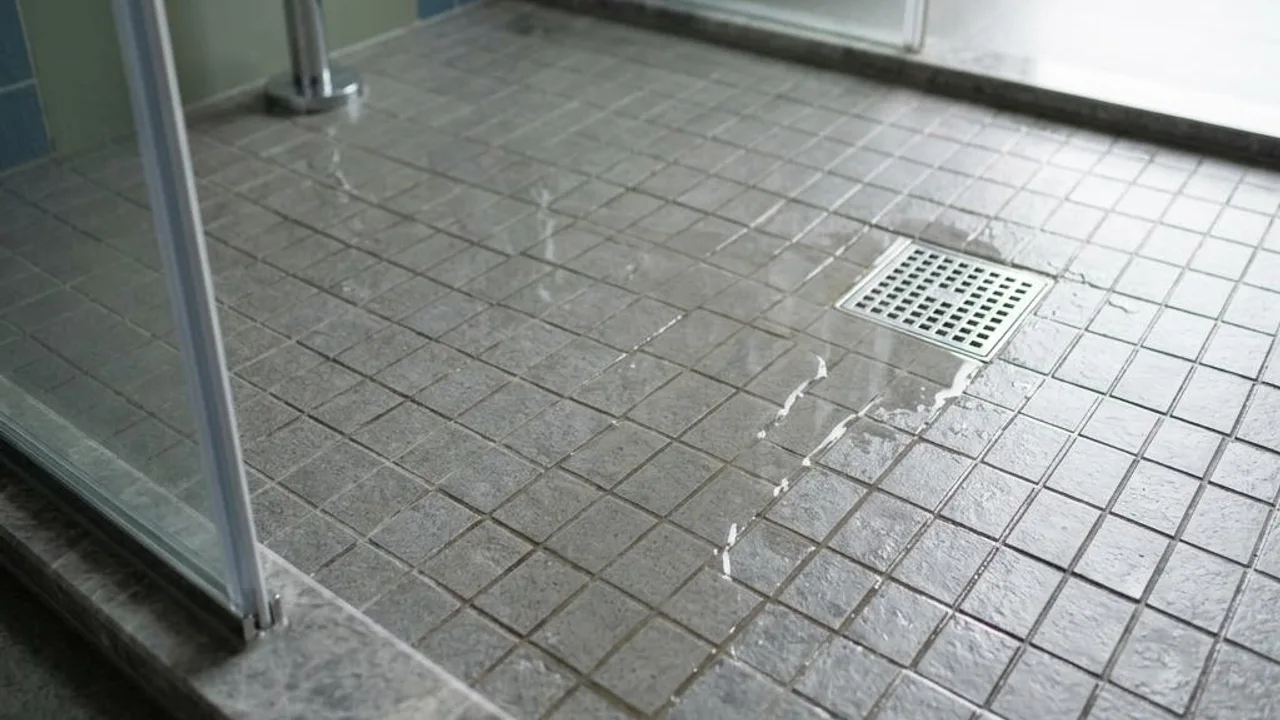
- Autumn: use dry weather to repair micro-cracks and replace anti-mould bathroom silicone sealant.
- Winter: replenish oil for wooden furniture and clean the dehumidifier filter.
Recording steps for physical and digital formats.
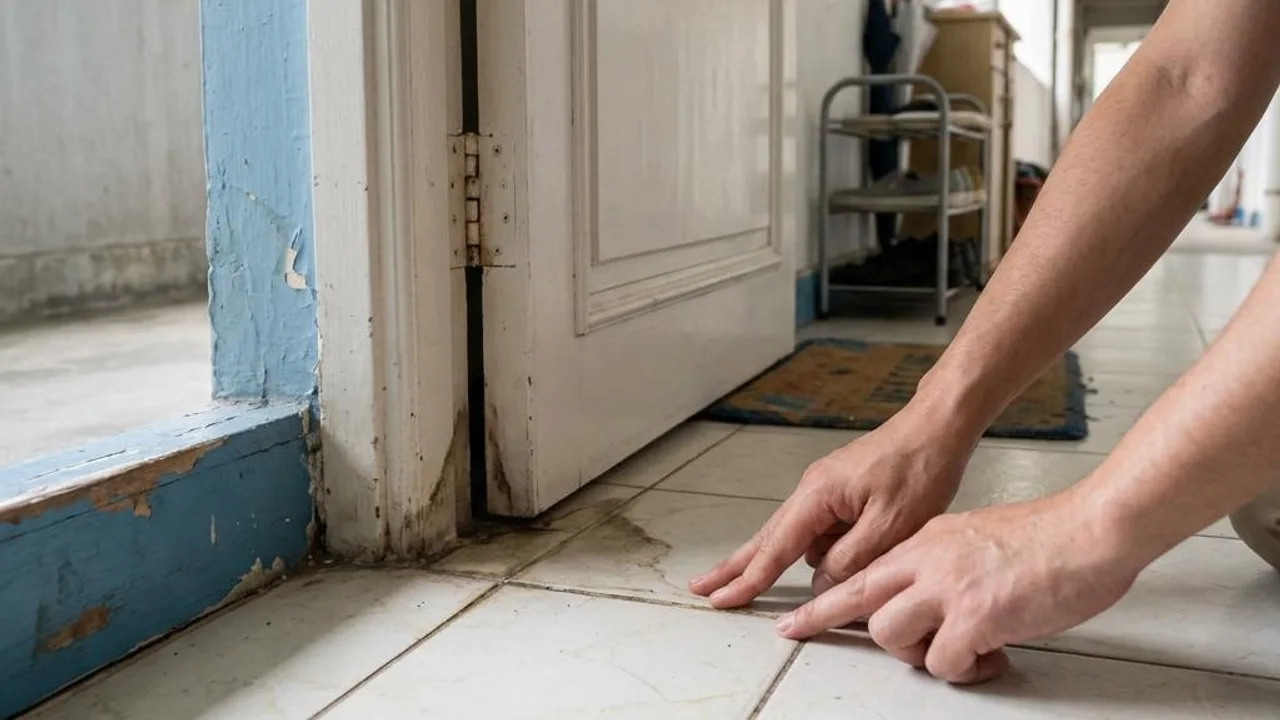
Establishing a damp-proofing file requires no professional background. It is recommended that owners start from the first day of moving in, using a mobile phone to carry out comprehensive archiving of the entire unit. Key locations such as the kitchen, bathroom, window sills, and walls connected to the external facade should be photographed, with dates and specific locations clearly marked for future comparison and analysis.
In addition to image records, placing a hygrometer is also quite important. Ideal indoor environmental humidity should be maintained between 55% and 60%. It is recommended that owners organise all renovation contracts, maintenance receipts, and important appliance instruction manuals into a unified file, which can effectively assist with subsequent property maintenance and repair work.
- Photograph archiving: record high-risk areas comprehensively, with clear date and location markers.
- Data recording: place a hygrometer and develop the habit of recording extreme weather data.
- Document integration: centralise maintenance receipts, contracts, and engineering records for easy reference.
- Baseline comparison: use the wall conditions at the time of moving in as a baseline to assess future changes.
Identifying danger warnings in the damp-proofing file.
The file is not just a record, but also a warning. When you discover that a certain wall corner repeatedly shows damp black spots every rainy season, this is likely a sign of failure in the external wall waterproofing or seepage from hidden pipes within the wall. Such problems cannot be eradicated by simply opening windows for ventilation; in-depth structural inspection must be considered.
Furthermore, if the silicone sealant at the edges of window frames shows continuous ageing and mould, or if water vapour continues to seep in after frequent replacements, it may indicate deformation of the window frame structure or issues with the building's external wall waterproofing structure. If these subtle signs are correctly recorded, they can assist the engineering team in quickly locking down the cause, significantly shortening repair time.
- Fixed wet spots: damp spots appearing repeatedly in spring, predicting failure of the waterproofing layer.
- Recurring mould: mould on window edges appearing in the short term, possibly involving window frame deformation.
- Wall cracks: wall cracks that expand or move with the season, requiring professional assessment.
- Odour warning: musty smells can serve as an alert for indoor dampness or potential mould growth.
The correct timing to seek professional inspection.
While a self-created damp-proofing file is helpful for daily observation, issues such as leakage from hidden pipes inside walls, micro-cracks in external walls, or damage to the waterproofing layer caused by structural settlement are difficult to judge without professional instruments. When moisture problems in the damp-proofing file show a worsening trend and personal maintenance is ineffective, one should transfer the case to a professional property inspection team early.
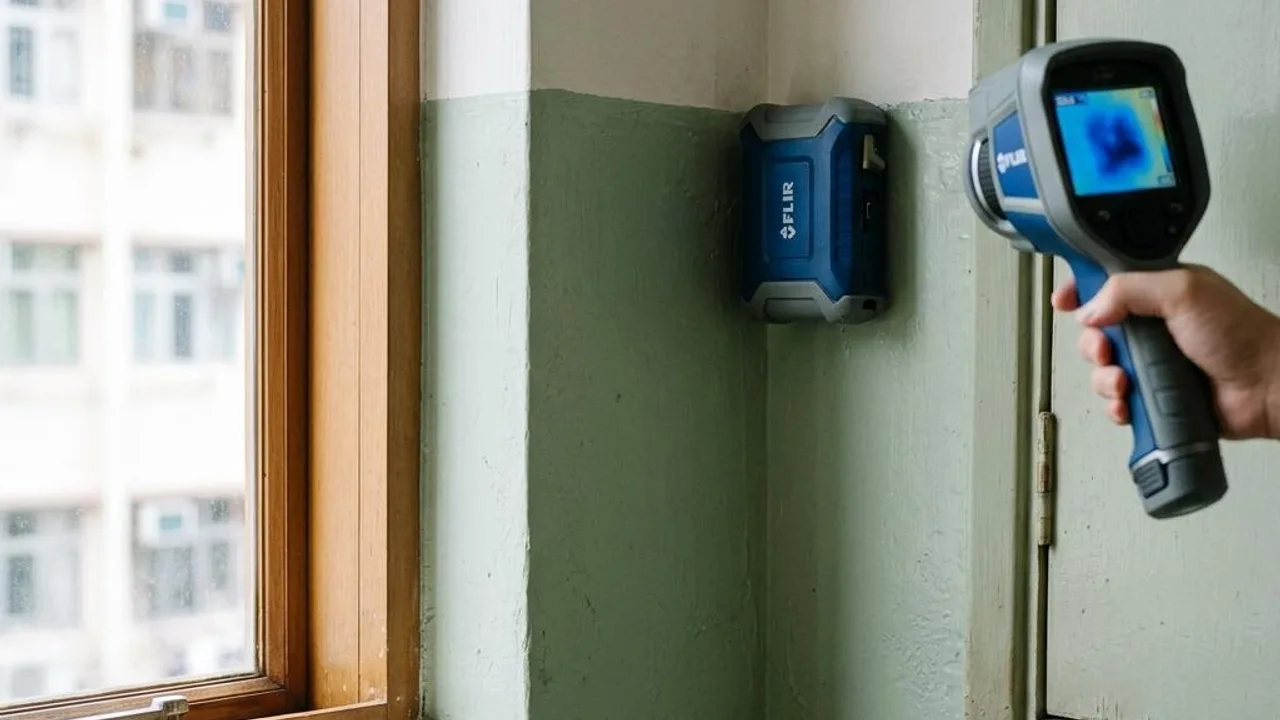
Professional teams can provide objective and in-depth analysis reports through infrared thermal imaging scans and structural inspections. Owners should actively provide previous damp-proofing file records; this helps the team shorten the investigation scope, provide more accurate protection and remedial measures for the property, and ensure a safe living environment.
- Professional inspection: hidden pipes and concealed leakage issues that cannot be judged by the naked eye.
- Data assistance: professional teams can combine owner records to improve troubleshooting speed.
- Safety strategy: when problems repeatedly worsen, do not delay; seek assistance.
- Regular maintenance: consult professional advice and conduct targeted preventative measures.
FAQs
If a wall repeatedly appears damp, does it definitely mean the waterproofing layer is damaged?
Repeatedly appearing damp spots usually indicate vulnerabilities in waterproofing and damp-proofing functions; it is recommended that owners first record their specific locations and time of occurrence and submit them to a professional for inspection to confirm whether it is an external wall seepage or hidden pipe leakage issue.
How can owners assist professional teams in finding the cause of water seepage more efficiently?
Owners providing detailed seasonal damp-proofing records, past maintenance receipts, and photos of past changes can assist professionals in shortening the investigation scope through data comparison, thereby improving detection accuracy.
Does mould around window frames definitely mean the window frames must be replaced?
Mould on window frames does not necessarily involve replacing the window frames; it may be related to ageing silicone sealant, deformation of the window frame structure, or external wall waterproofing issues. It is recommended to first record the mould condition and consult a professional to check the sealing and the root cause.