Understanding the threat of hidden mould
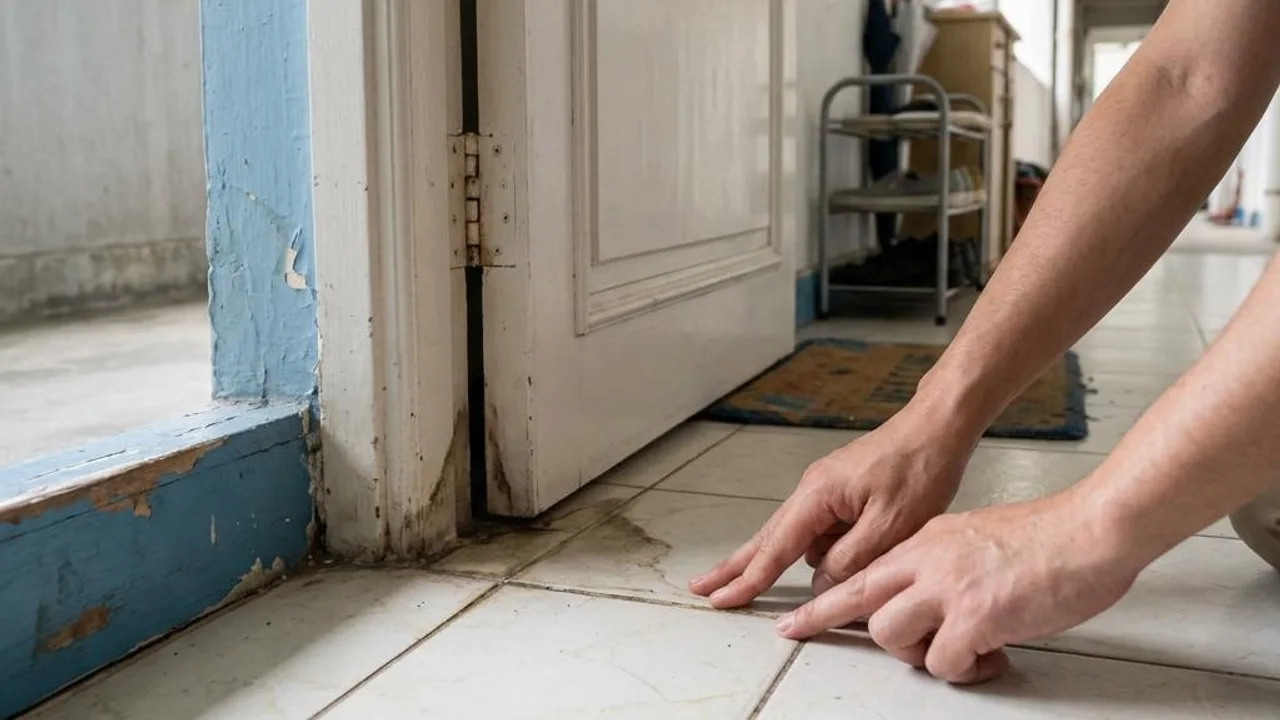
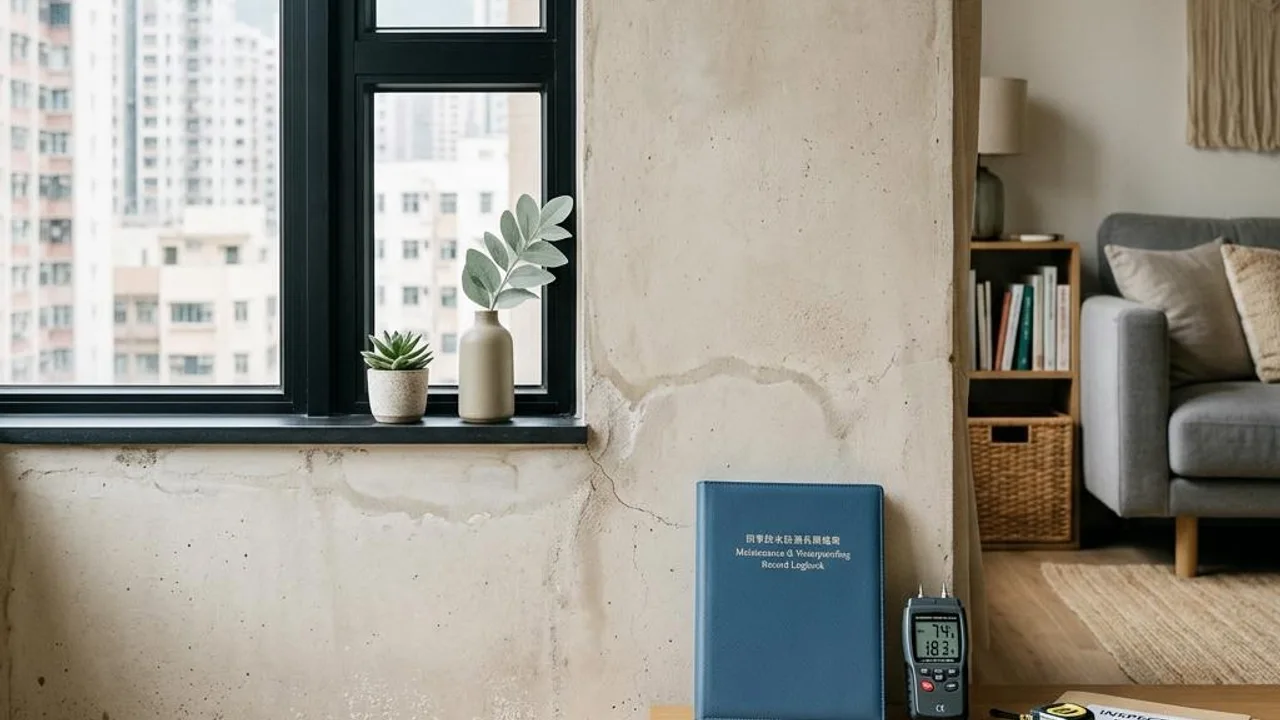
Many older flats are redecorated before being put up for rent, looking clean and tidy on the surface. However, this 'cosmetic' approach often only masks problems temporarily and fails to resolve the hidden dangers of damp and mould within the walls. When the environment lacks long-term ventilation, mould hidden behind wallpaper or paint will continue to grow.
Long-term exposure to an environment with mould spores may affect health, especially for those with a history of allergies or respiratory sensitivities. Furthermore, discovering water seepage in walls after moving in often leads to disputes between tenants and landlords over maintenance liabilities, and may even affect the refund of the security deposit.
- Surface cleanliness may hide traces of water seepage
- Mould spores affect indoor respiratory health
- Mould found after moving in easily triggers disputes over maintenance responsibility
The operating principle of infrared thermography
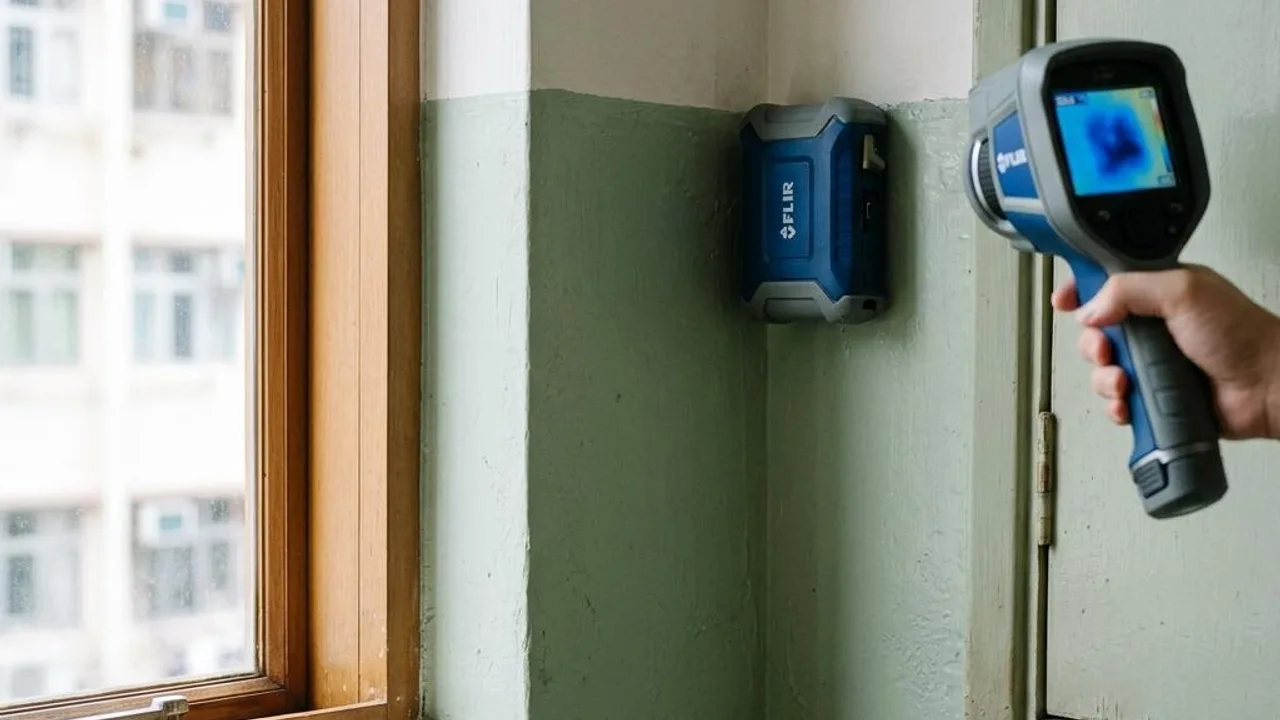
An infrared thermal camera is a non-destructive inspection tool that works by detecting temperature distribution on the surface of an object. The evaporation process of water absorbs thermal energy, causing damp walls to have a lower temperature than surrounding dry walls; this temperature difference is presented as color variations on the infrared screen.
This method allows the observer to quickly locate the source of dampness inside the wall without needing to chisel or damage the structure. When viewing a property, this helps tenants proactively identify hidden seepage issues and avoid mistakenly renting a unit with a history of chronic leaks.
- Water evaporation effect creates temperature differences
- Non-destructive inspection protects the landlord's property
- Blue areas of wall dampness displayed within seconds
High-risk household areas requiring priority investigation
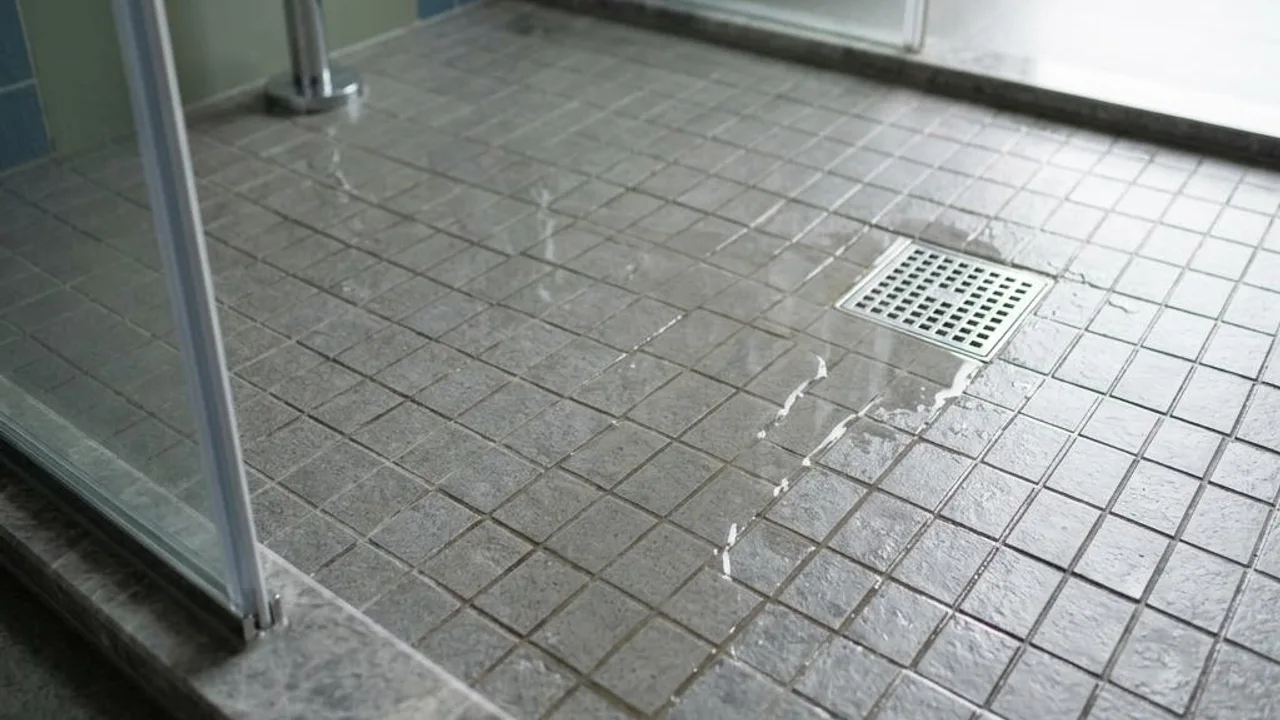
When conducting a viewing inspection, pay special attention to areas with frequent water contact. Bathroom areas are the most critical; if the shower area's waterproof layer fails, moisture can easily permeate into adjacent bedrooms or corridor walls, causing mould spots or bubbling on the wall surface.
In addition, window frames and air conditioner installation sites are common leakage points. Gaps in window sills are prone to seepage after typhoons, and if an air conditioner's drainage pipe is clogged or the insulation layer is aged, accumulated water will seep into the wall over time, causing deep-seated mould problems.
- Bathroom shower walls and adjacent partition walls
- Window frame edges and waterproof sealant structures
- Air conditioner drainage pipes and insulation condition
- Inside the cabinet under the kitchen sink
Leasing strategies for managing water seepage and mould
If suspected seepage or mould is found during inspection, take photos immediately for record. It is recommended to clearly communicate the situation to the landlord or agent before signing the lease, and confirm the scope of maintenance responsibility. If the seepage is structural, the landlord should bear the obligation for repairs.
If problems are found but the landlord is willing to deal with them, you can negotiate a rent-free period for repair works. The tenancy agreement should clearly state that if severe mould caused by pre-existing seepage is discovered after moving in, the landlord is responsible for arranging repairs to protect the tenant's rights.
- Take photos to document suspicious points and consult the landlord
- Specify maintenance responsibilities for seepage in the lease
- Negotiate reasonable time for anti-mould repairs
Importance of Professional Property Inspection
Personal tools like infrared cameras can be used for preliminary checks, but when facing complex inter-unit seepage or hidden structural water sources, professional inspection equipment and experience are essential. Professionals can accurately locate the root cause of leaks, avoiding wasted costs from blind repairs.
If the issue involves complex estate piping systems or affects the interests of multiple units, it is recommended to seek the assistance of a professional property inspection team. An objective report can provide an effective reference for both parties, facilitating a thorough resolution of the issue under fair and transparent conditions.
- Accurately locate deep or hidden seepage
- Provide objective professional assessment advice
- Assist in handling inter-unit seepage concerns
FAQs
If a tenant notices slight colour differences on walls while viewing a property, does it necessarily mean there is seepage inside the wall?
Colour difference does not directly prove there is seepage; it may be caused by previous repairs or ageing paint. Tenants can observe if there is blistering, powdering, or mould spots in the area, and use an infrared thermal camera to check for temperature anomalies; if necessary, hire a professional.
If the landlord claims that wall mould is only caused by the previous tenant's lack of ventilation, how should the tenant respond?
The tenant should request a preliminary inspection to rule out long-term hidden dangers such as structural water leaks or seepage through window frame gaps. If the inspection shows normal humidity inside the wall and the issue is only surface-level mould, request the landlord to thoroughly clean and repaint with anti-mould coating before handover, and keep relevant conversation records.
How should a tenant handle maintenance issues if continuous seepage leading to mould is only discovered after moving in?
If continuous seepage is found, take photos of the damaged area immediately and notify the landlord in writing; avoid dismantling the wall for repairs yourself. The tenant can request the landlord to appoint professional personnel to investigate the source of the seepage and negotiate repair timing based on lease terms; if the impact is severe during this period, discuss potential temporary relocation or rent reduction arrangements.