The hidden dangers of window frame leakage.
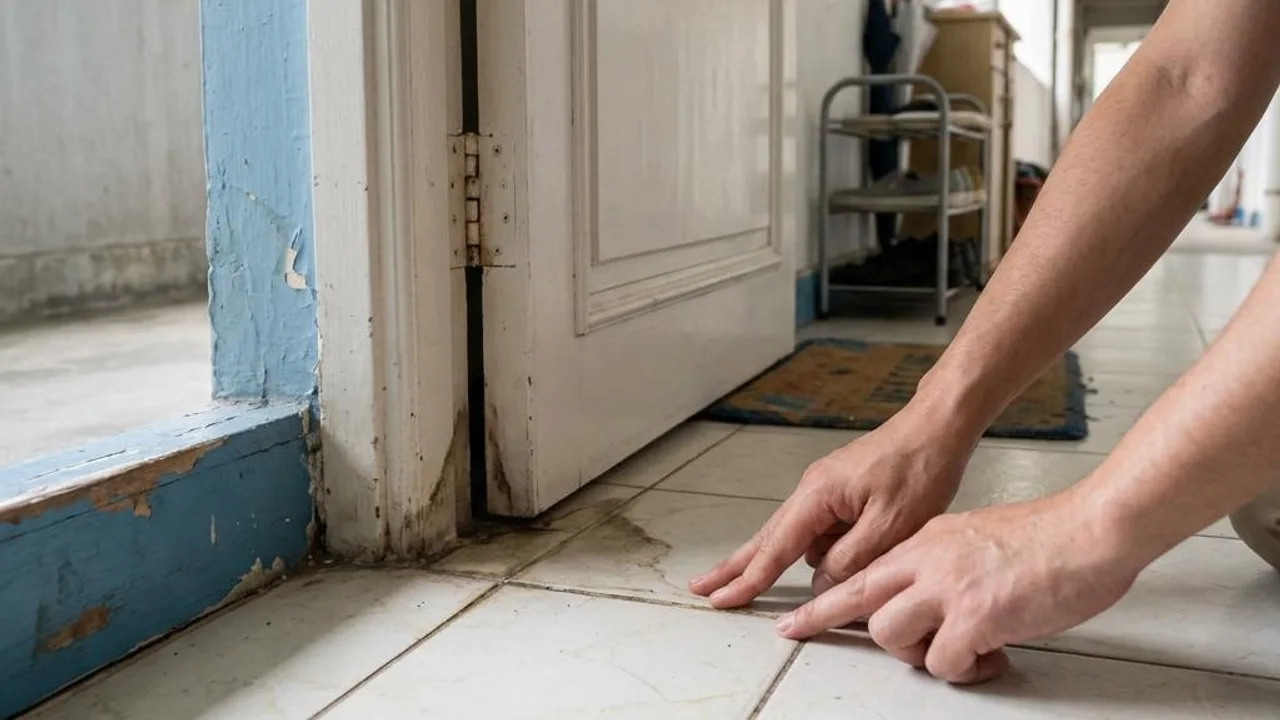
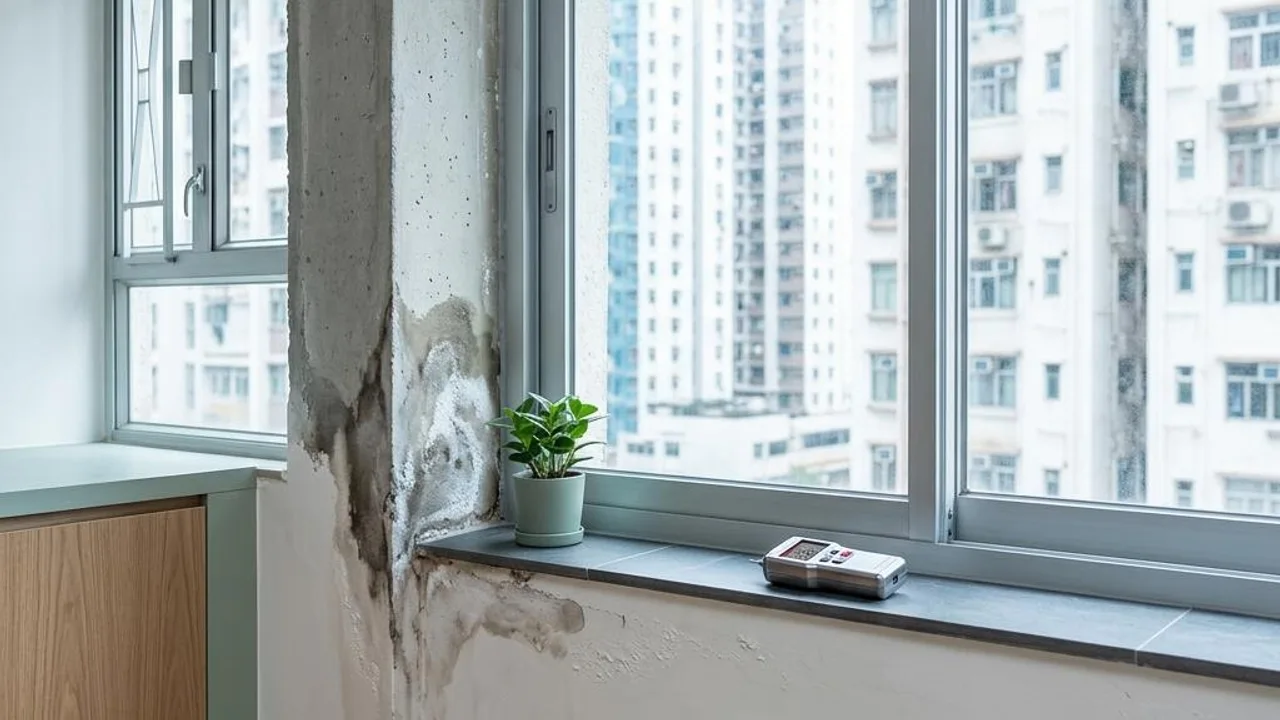
Hong Kong experiences frequent rain and typhoons, making the airtightness of window frames and exterior walls the first line of defense against seepage. Many owners focus too much on interior design aesthetics during renovation while ignoring window frame joint structures. Window frame seepage is usually hidden and difficult to detect during light rain; by the time wall paint bubbles, wallpaper discolors, or wood deforms, the leakage has already caused deep damage to the renovation.
If this long-term latent moisture is not resolved early, it will severely ruin new, exquisite renovations, forcing owners to dismantle finishes after moving in, resulting in a waste of both time and money. Therefore, making window frame anti-seepage inspection a necessary pre-renovation process is the key defense for ensuring long-term home aesthetics and functionality.
- Rainwater infiltration into walls causing damage to paint and wallpaper.
- Moisture retention leading to deformation of custom wood furniture.
- Micro-cracks in window frames are highly concealed.
- Discovering leaks after moving in will result in massive repair costs.
Early remediation and liability clarification.
Before interior renovation begins, conducting a window spray test can help clarify leakage conditions. For new flat owners, this allows for requesting the developer to inspect exterior waterproofing sealant and screw positions during the defect rectification period. For second-hand flat owners, this helps assess leakage risks before renovation to plan relevant repairs. General inspection services only record visible conditions and cannot guarantee structural strength, waterproofing layer thickness, or airtightness, nor can they replace the mandatory window inspection scheme. If signs of seepage are found, it is recommended to hire professionals for instrumental testing. Do not dismantle window frames or perform high-altitude operations yourself for safety.
Proactive anti-seepage inspection not only avoids the painful experience of living while undergoing repairs but also increases the durability of the property structure. Seizing this golden period to eradicate potential leakage problems before they happen is a necessary measure for every smart owner to protect asset value.
- Use the defect rectification period to clarify the developer's responsibility. This inspection is limited to visual observation and does not involve structural, electrical, gas safety certifications, hidden pipe inspection, or waterproofing thickness measurement. Thermal imaging only shows surface temperature differences and is not absolute proof of moisture seepage causes or hidden structural damage; detection tools cannot guarantee the discovery of all hidden defects. The Mandatory Window Inspection Scheme is an independent legal procedure that must be executed by Building Authority registered qualified persons and is not part of this service. Do not dismantle electrical devices, touch power equipment, adjust water pressure valves without permission, or perform high-altitude work yourself. If structural or professional technical issues are involved, please entrust relevant professionals for assessment.
- Thorough inspection before renovation ensures a solid foundation for renovation.
- Avoiding disturbance to life caused by repairs after moving in.
- Eradicating leakage at the source to extend structural lifespan.
Improving home hygiene levels.
Beyond protecting renovated property, solving window frame leakage early is equally important for family health. Walls eroded by moisture over time become the perfect breeding ground for mold and dust mites. These invisible allergens float in the air and easily trigger respiratory discomfort for family members, and also pose potential risks to the skin health of the elderly and young children. Keeping the environment dry is a basic requirement for a healthy home.
Through strict anti-seepage inspection, ensuring windows have excellent wind and rain resistance can effectively isolate outdoor moisture and maintain indoor hygiene. This protection mechanism, starting from building details, can build a truly healthy, mold-free home for the family, qualitatively improving the quality of life.
- Reducing mold growth caused by damp walls.
- Protecting the respiratory and skin health of family members.
- Maintaining dry and hygienic indoor air quality.
- Eliminating potential environmental allergens.
Seeking a professional inspection team.
Facing complex window frame leakage problems, simple visual inspection or DIY spray testing often fails to accurately lock the source. Seeking assistance from an experienced and qualified OPO Inspection team provides scientific assurance for test results. The team is equipped with non-destructive instruments, such as infrared thermal imaging and high-sensitivity microwave moisture meters, which can accurately track moisture paths without damaging wall finishes.
The expert team can assist owners in clarifying the causes of seepage and provide inspection reports with reference value. Backed by professional technology, repair works can address the root cause, avoiding unnecessary repetitive works. Choosing professional assistance is the safest path for owners to protect their property and avoid the trouble of leaks.
- Using non-destructive instruments to locate leakage sources.
- Visualizing damp areas through infrared imagery.
- Precise diagnosis of leakage causes to facilitate targeted treatment.
- Providing professional and objective data reports.
Daily observation and follow-up advice.
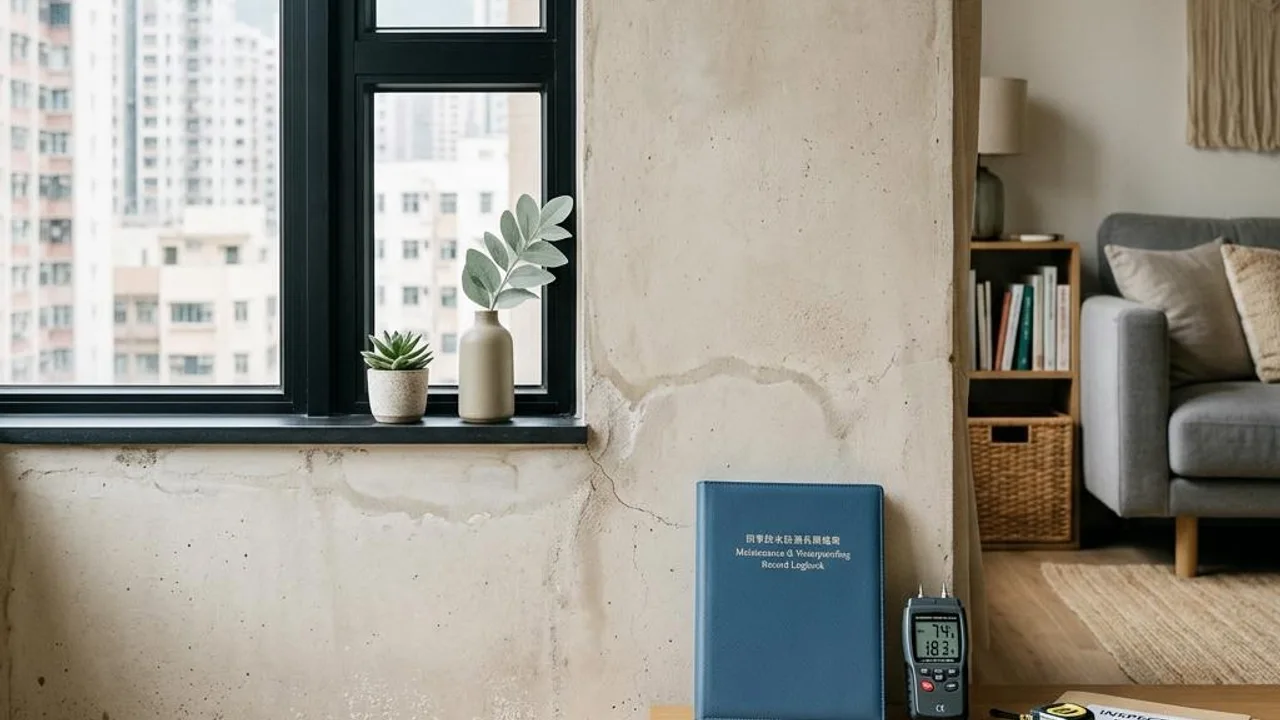
After rainy days, owners can proactively inspect wall corners near windows, windowsill bottoms, and window frame joints to observe any paint discoloration, bubbling, or damp marks. If such signs are found, immediately use a camera or phone to take photos and record the time and rainfall situation to provide as foundational clues for tracing leakage paths to the management office or qualified building inspectors.
Do not remove window frames or conduct any sealing works yourself to avoid damaging the original sealant or causing more serious leakage problems. Contact professionals qualified in waterproofing repairs and request a comprehensive inspection and assessment. Through professional diagnosis, owners can clearly understand the cause of leakage, thereby formulating appropriate repair plans and preventing the problem from worsening due to incorrect repair methods.
- Regularly observe the status of walls at window frame edges after rain.
- Record leakage locations and take photos to preserve evidence.
- Commission qualified professionals for assessment.
- Avoid DIY repairs without professional advice.
FAQs
Why is window frame anti-seepage inspection crucial before moving in?
Inspections before moving in can detect hidden leaks early and clarify developer defect rectification responsibilities before renovation begins, avoiding extra time and economic losses caused by needing to dismantle fine finishes for repairs later.
What advantages does infrared thermal imaging inspection have when looking for leaks?
Infrared thermal imaging technology can non-destructively visualize temperature differences inside walls, assisting professionals in accurately locating damp areas, thereby effectively tracking leakage paths and avoiding unnecessary destructive testing.
If signs of window frame water leakage are found at home, how should the owner take action?
Owners should first record observed details and take photos for evidence, do not dismantle windows yourself, and should contact professionals with relevant waterproofing qualifications to formulate a targeted maintenance plan based on inspection data.