Deconstructing means used to cover up flaws on secondary property walls.
Many second-hand property listings boast brand-new renovations, but these 'move-in ready' aesthetics often serve as traps to conceal defects. A common shortcut in poor-quality renovations is using paint to cover up existing wall issues like damp or surface powdering, effectively 'whitewashing' the problems. After moving in, trapped moisture can cause the walls to blister, peel, or even develop yellow water stains within a few months.
Another deceptive technique involves using large wood veneers or wall panels to enclose the wall surface directly. This 'brute-force boxing' is common on feature walls or behind bed headboards, making it difficult for buyers to observe the actual condition of the wall structure during viewings. Only when mould spreads due to seepage and the panels are removed does the buyer discover that the wall is severely damaged, leading to unexpected repair costs.
- Rapid painting method that omits substrate scraping and moisture-proof primer
- Using wood veneers to cover seepage-affected walls
- Using wallpaper or wall fabric to cover up cracks
- Using body filler to patch structural cracks
Common flaws hidden behind beautiful renovations.
When a property is dressed up in a fancy makeover, buyers struggle to detect underlying damage to the walls with the naked eye. Common issues like hidden seepage, caused by failed exterior waterproofing or minor cracks in concealed pipes, result in moisture accumulating within the concrete layer over time. This not only leads to latex paint blistering, but in severe cases, it causes the plaster to delaminate and mould to thrive.
Poor quality of plastering is another common issue. If the old substrate was not thoroughly scraped away during renovation, the bond between the old and new plaster will be extremely weak. When humidity changes—such as during the spring 'Return of the Moist' season—the entire wall may develop a network of spider-web cracks or even peel off in sheets. These problems are initially masked but will directly threaten the living environment over time.
- Delamination of plaster and mouldy odours caused by hidden seepage
- Sheet-like peeling caused by poor adhesion between new and old substrates
- Diagonal cracks in walls caused by structural settlement
- Long-term dampness and discolouration at wall corners
Field identification priorities for water seepage and wall mold.
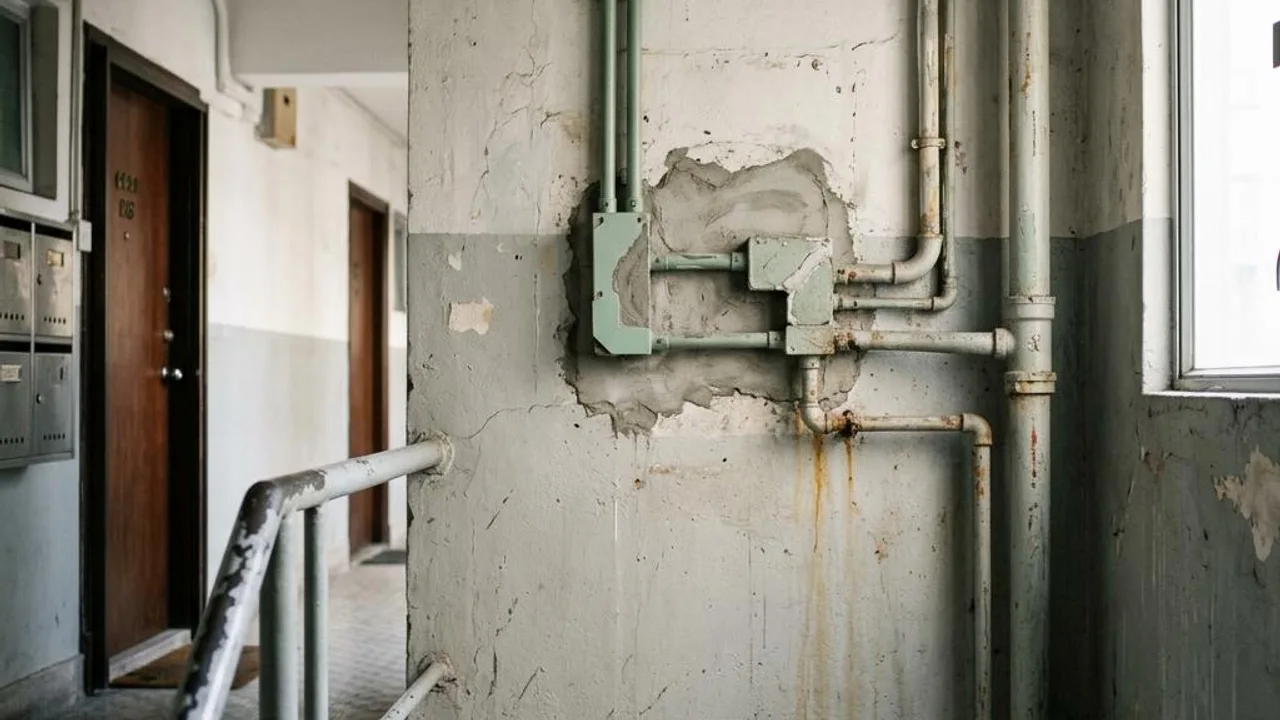
Commonly known as 'wall cancer' (spalling), this is primarily caused by long-term water infiltration into the structural layer, frequently seen on partition walls near exterior walls or bathrooms. If an owner merely scrapes off the surface paint and touches up the colour, this treatment fails to address the root cause of the moisture, allowing it to continue damaging the wall's structure from within.
During an inspection, if the walls show large areas of blistering, loose plaster, or feel cold and damp to the touch, you should be on high alert. While we do not recommend relying solely on smells or symptoms to draw conclusions, these phenomena serve as necessary clues for further investigation, and you should check for signs of issues with the exterior walls and water supply pipes.
- Check if there is blistering or peeling beneath the window sill
- Check for water stain marks above the skirting board
- Touch the wall to feel if it is abnormally damp or cold
- Check the walls for irregular mould spots
Structural crack and plastering quality assessment.
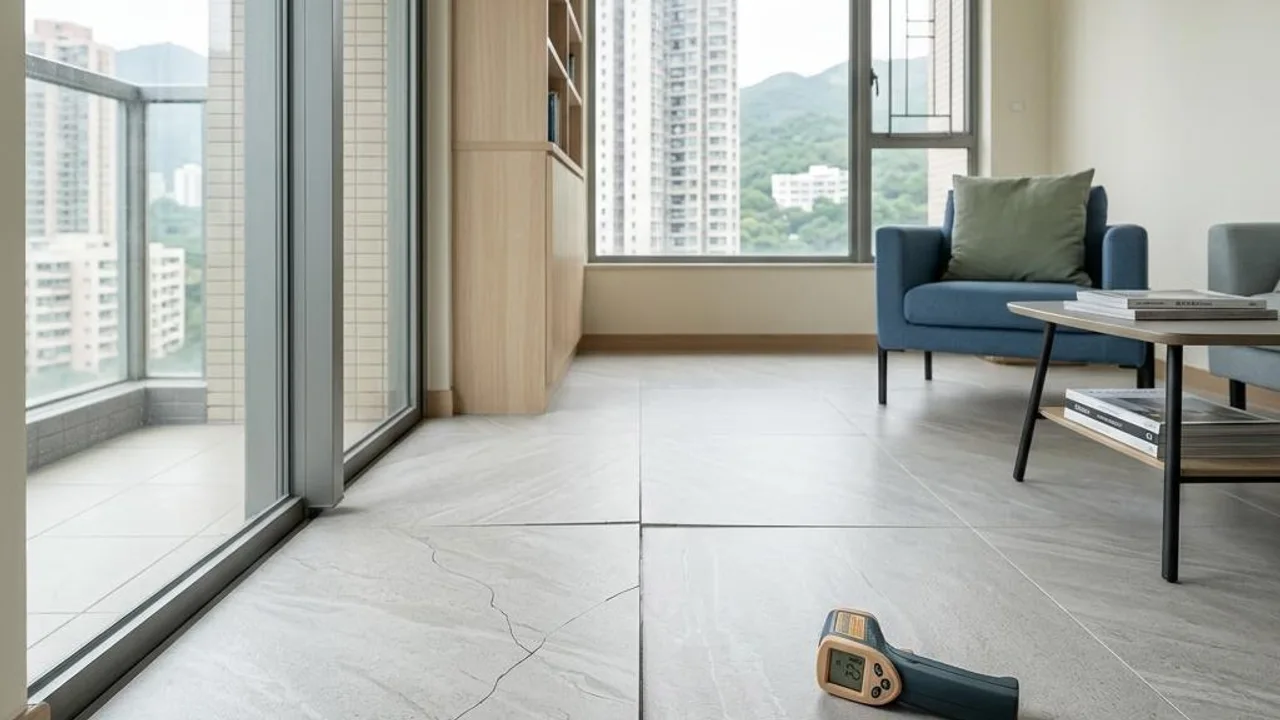
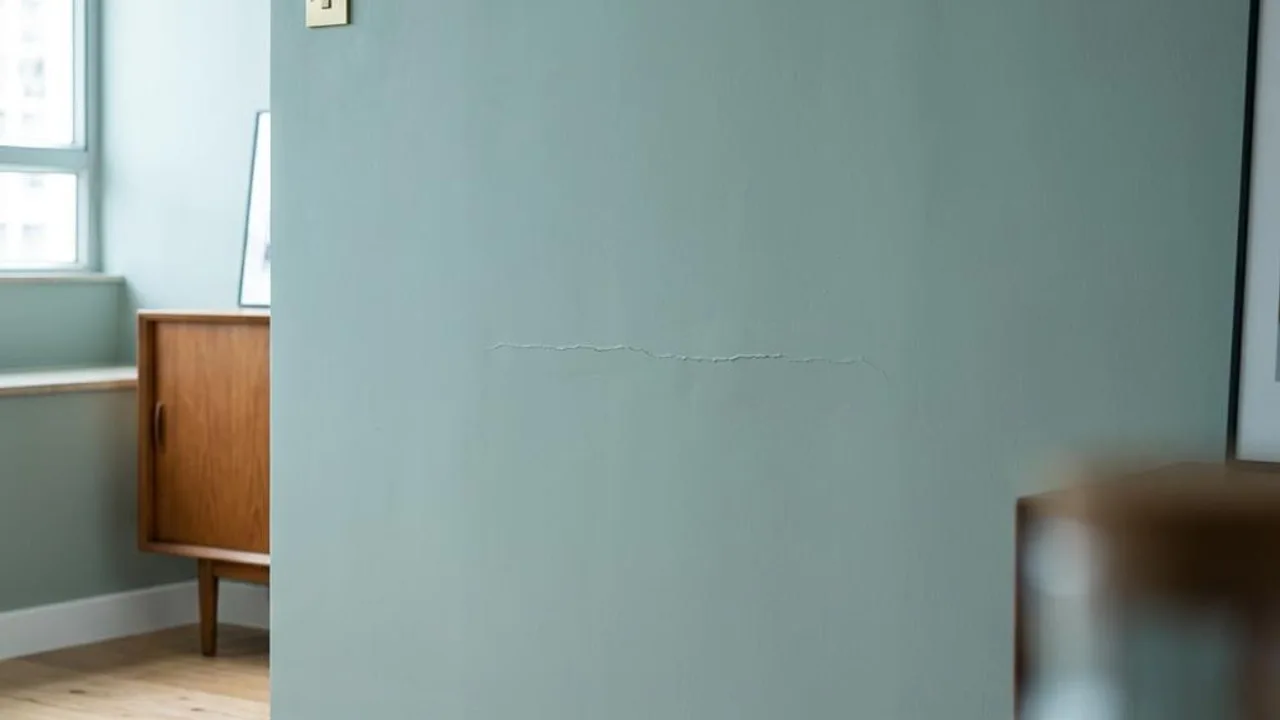
Structural cracks usually appear diagonal, which reflects the load-bearing condition of the building. Poorly executed renovations often use only silicone sealant to fill cracks before painting; this method is prone to re-breaking when the building undergoes even minor settlement. Since this is no longer just a simple paint defect and may involve building structural safety, you must have it verified by a professional.
The flatness of the plaster reflects the craftsmanship. Using side-lighting, if you notice wavy lines or patches on the wall, it indicates poor flatness. If there is extensive hollow sounding, it means the plaster has separated from the concrete wall, and professional repair is essential to prevent injury from falling debris.
- Use a high-intensity light to check the flatness of the wall
- Tap the wall to check for hollow sounds in the plaster
- Observe whether long, thin cracks reappear
- Distinguish whether the crack is in the decorative layer or the structural layer
Keys to self-protection in property inspection and professional follow-up.
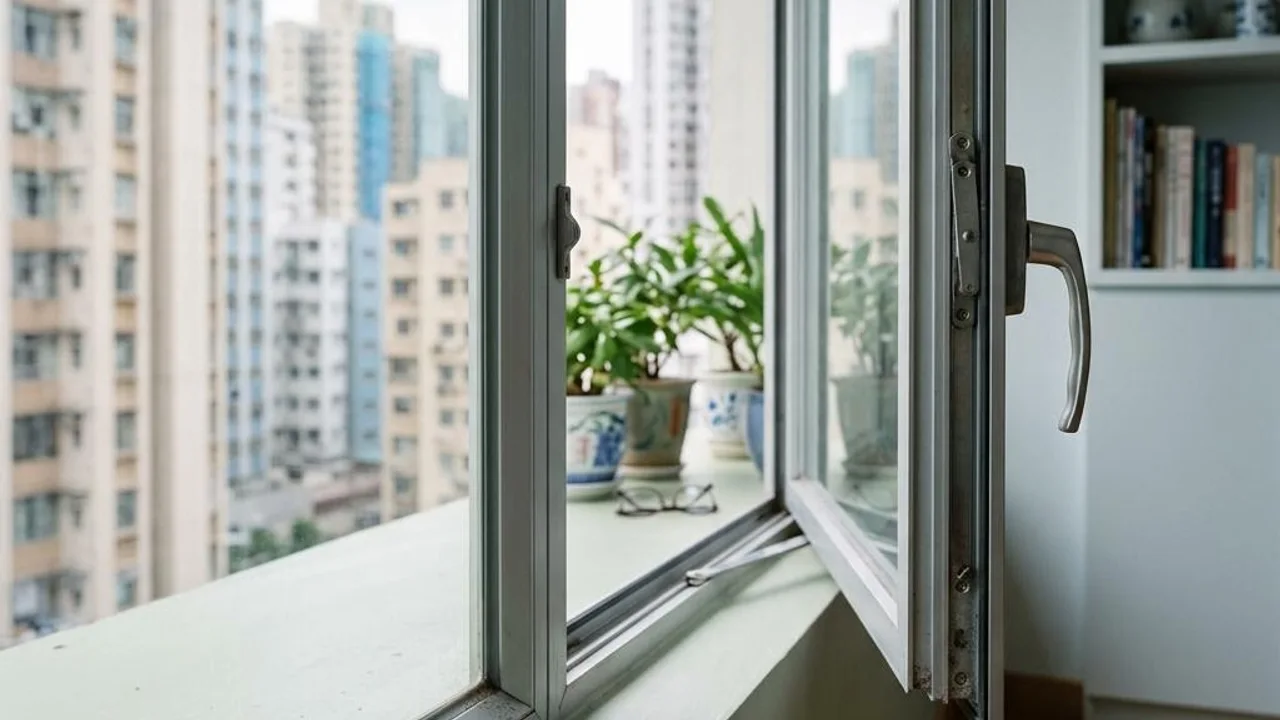
During a property viewing, buyers can carry a tapping hammer for preliminary testing. If you find inconsistent tapping sounds, you should clearly ask the agent if there is any history of seepage. We recommend paying close attention to window frame edges, skirting boards, and wall corners, as these locations are often the first warning points for failed waterproofing.
If you suspect wall seepage, it is difficult to diagnose by visual inspection alone. Seepage might stem from exterior wall cracks, minor pipe leaks, or condensation issues. Buyers should engage a professional OPO Inspection team to use specialised equipment for a scientific assessment and use the report as evidence for price negotiation or repair requests.
- Carry your own tapping hammer for a preliminary percussion test
- Focus on checking the seal at the edges of doors and windows
- Observe if there is any deformation or odour at the internal wall corners
- Ask if there is any relevant warranty for the previous owner's renovation
FAQs
How can one initially identify wall hollowness during a viewing?
Buyers can carry their own tapping hammer and perform a light tap test on the wall surface. If the tapping sound is dull or has a distinct hollow resonance, it means the plaster has separated from the underlying concrete; such areas are extremely prone to peeling once they become damp.
Does the presence of diagonal cracks in the wall imply structural danger?
Diagonal cracks usually reflect the stress condition of the building. If the cracks continue to widen or reappear after being filled, we advise seeking a professional property inspector to conduct a structural risk assessment; do not simply attempt to cover them up with silicone sealant yourself.
If I suspect that a second-hand property I have bought has seepage, how should I follow up?
You should avoid dismantling walls or conducting non-professional treatments yourself. Buyers should contact the property management office to confirm if it is a common structural problem of the building and commission a professional team to use instruments to detect the source of the seepage, obtaining an objective report to plan a repair scheme.