
The Role and Function of Hollow Bricks in Interior Construction
As a common material for interior partitions in residential properties, the core advantage of hollow bricks lies in their light weight, which can effectively reduce the load pressure on the building's structure—a crucial factor for modern high-rise buildings. In addition, the hollow structure inside the brick provides a certain degree of thermal insulation and soundproofing, which helps to improve living comfort and privacy.
However, the physical performance and durability of hollow bricks depend heavily on their production process and construction quality. During a property inspection, an owner's examination of hollow bricks is not merely about surface aesthetics, but rather an assessment of whether the wall has sufficient physical strength to prevent issues that may arise from long-term use, such as wall cracking, finish hollows, or attenuation of soundproofing effects.
- Reduce the structural load pressure on building floor slabs
- Use internal voids to improve sound insulation performance
- Improve indoor thermal insulation performance
- As a lightweight interior partition wall option
Key Points for Checking the Visual Quality of Hollow Bricks
When performing a visual inspection, owners should carefully observe the flatness of the wall and the distribution of the brick joints. First, confirm whether the edges of the bricks are regular and whether there are abnormal cracks or excessive pores on the surface. If the brick exhibits structurally rough edges or deep indentations, this usually reflects that the quality control during the production process has not reached the expected standard, which may cause difficulty in finishing during subsequent renovation.
In addition to the bricks themselves, the mortar filling of the brick joints is also a focus for observation. Qualified construction should ensure that the brick joints are uniform and the mortar is filled tightly, with no obvious gaps or openings. If peeling mortar or uneven filling is observed, it may affect the overall structural connectivity of the entire wall. It is recommended to record this and report it to relevant professionals for assessment.
- Check if the brick shape is regular and flat
- Observe the surface for cracks or pore defects
- Inspect whether the mortar filling between brick joints is uniform and tight
- Assess the overall verticality and smoothness of the wall
Methods for Assessing Density via Tapping Tests
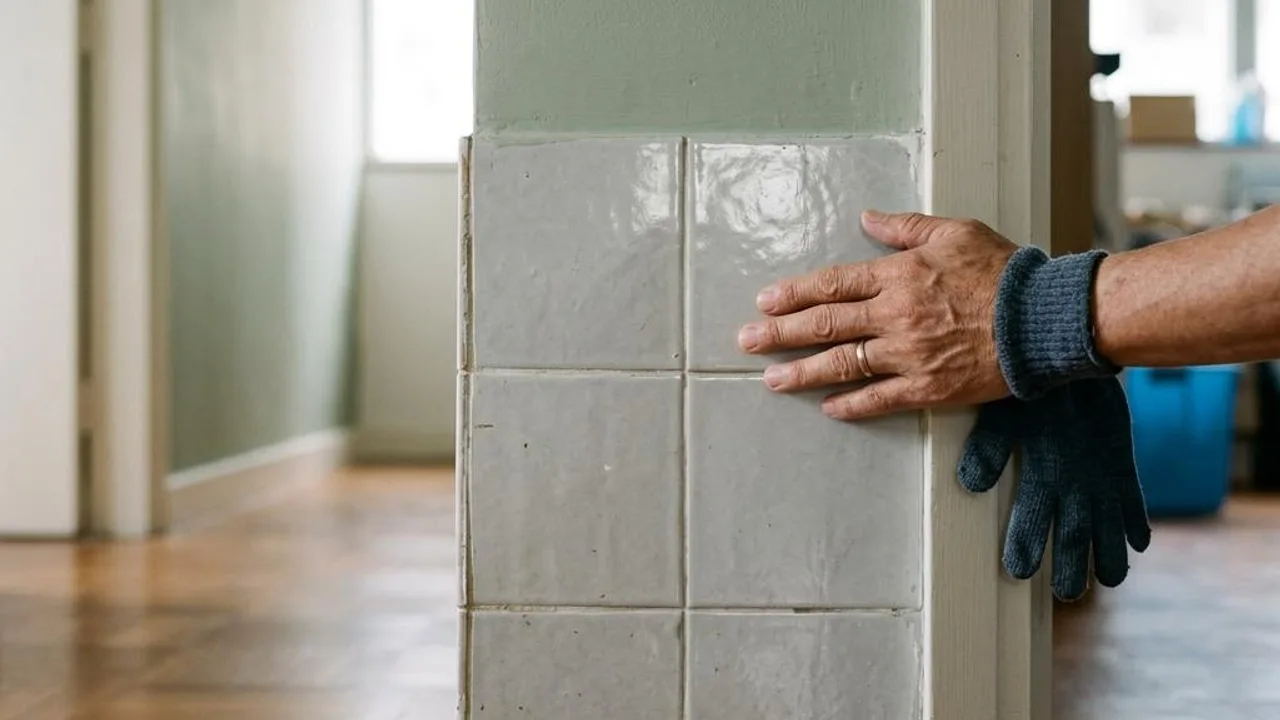
The tapping test is a practical method to assess the internal density of hollow bricks. Owners can use a lightweight tool to gently tap the brick surface; a healthy hollow brick wall should emit a crisp and solid response. This response indicates that the connection between the bricks and the mortar is good, and the internal structure of the bricks is complete, with no obvious signs of looseness or voids.
Conversely, if a dull sound is heard when tapping, or if the wall feels significantly vibratory, it may suggest that there are structural voids, poor mortar connections, or 'hollow' (debonded) phenomena inside the bricks. These types of issues may lead to a risk of the finish falling off due to temperature changes or long-term pressure; it is recommended that owners record these locations in detail and seek professional advice.
- Use tapping tools to determine internal density
- Identify potential structural defects corresponding to dull sounds
- Distinguish between normal wall resonance and abnormal hollow (debonding) sounds
- Mark abnormal areas to facilitate subsequent follow-up
Common Structural Defects and Counter-strategies
Wall cracks are often a common problem that troubles owners, and they are usually related to the quality of the bricks or improper mortar solidification during construction. Once cracks are found on the wall, owners should first record their length, direction, and location, and observe whether they extend with environmental changes. Do not ignore any small cracks, as they may evolve into more serious structural cracks over time.
If a 'hollow' feeling is discovered when tapping, it means there is a gap between the finish and the brick body, which increases the risk of the finish falling off or water seepage in the wall. Especially in walls near bathrooms or windows, if water stains or signs of dampness are also found, you should immediately require a professional contractor to conduct an inspection and repair to ensure the long-term stability of the wall structure.
- Record the length and specific distribution location of cracks
- Identify and mark areas where the wall is hollow
- Monitor water seepage marks and signs of dampness on the wall
- Require a qualified contractor to conduct technical inspections and repairs
Professional Assessment Process During Property Inspection
Acceptance of hollow brick walls involves a meticulous observation and assessment process. Professional teams usually use auxiliary tools to carry out a comprehensive inspection of the wall, paying attention not only to surface conditions but also assessing the firmness of the connections between wall components. This systematic process aims to ensure that interior partitions meet construction quality requirements and reduce the maintenance burden on owners in the future.
During property inspection, owners should actively cooperate with relevant professional personnel by providing background information about the unit's location or any irregularities they have previously discovered. Through scientific acceptance methods, not only can defects caused by construction negligence be discovered early, but the owner's rights within the contract period can also be protected, ensuring that the overall quality of the property meets the required standards.
- All-round inspection of the wall structure by professionals
- Carry out systematic acceptance based on the characteristics of hollow bricks
- Record acceptance results for owners to file for follow-up
- Assess whether the construction quality of the wall meets the standards
FAQs
What does a hollow sound mean when tapping a wall?
This phenomenon usually indicates that there is a gap between the brick and the surface finish or the mortar behind it, which may lead to the risk of the finish cracking or falling off in the future. It is recommended to mark the area and request that the contractor conduct an inspection and assessment.
How should I handle cracks discovered in a wall?
Owners should first record the location and length of the cracks and continuously observe whether there is a tendency for them to expand. If the cracks are deep and long, you should require the contractor to investigate whether they are structural defects and arrange for repairs after a professional assessment.
What matters should I pay attention to if a hollow brick wall is damp?
You should pay attention to whether there is discolouration, mould growth, or powder falling off the wall surface, and check nearby water supply points. Dampness may affect the strength of the mortar; it is recommended that a professional perform testing to identify the root cause of the water seepage and carry out restoration.


