Quickly locating problems from the report summary
Faced with inspection reports that are dozens of pages long, owners should prioritize checking the summary list on the first or last page of the report. Professional reports usually grade items by severity, such as urgent, requires follow-up, or minor, to help you quickly clarify the order of defect rectification.
Through such intuitive summaries or grading tables, owners can immediately lock onto key items involving water leaks, electrical safety, etc. Establishing correct expectations and concepts of priority is a key step to ensuring the completion of the handover procedure within limited time.
- Prioritize checking the grading list on the summary page
- Prioritize urgent items involving safety and water leaks
- Shorten reading time through colours and classification
Focusing on key works: water, electricity, windows
When reading, attention should be paid to areas with the highest repair costs or the most far-reaching impact. For example, drainage tests in kitchens and bathrooms, water penetration tests on window frames and external walls, and the grounding safety of 13A sockets; if there are defects in these hidden items, remedial works later will be extremely cumbersome.
Compared to superficial defects like wall paint, the data records of the aforementioned system works are more important. When checking, please prioritize comparing the inspection data for these parts in the report to ensure that water and electricity facilities meet basic safety requirements.
- Testing whether the drainage system is smooth
- Checking electrical installation grounding data
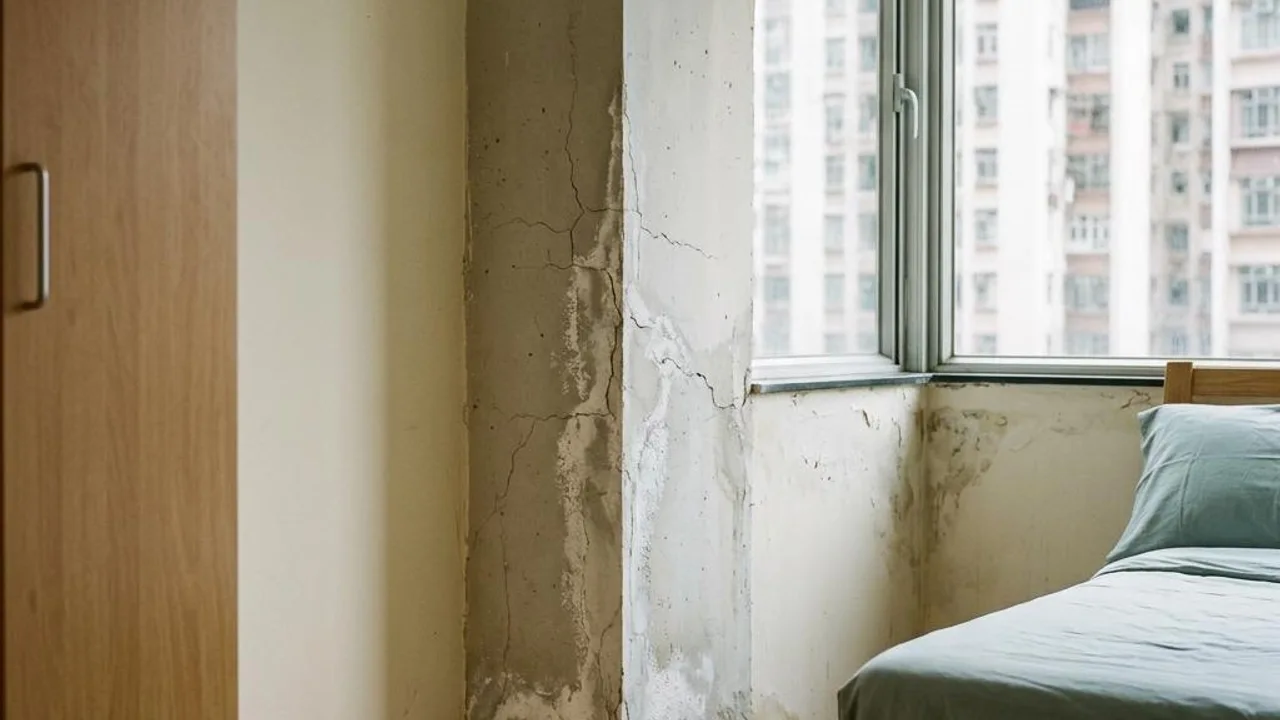
- Checking window frame sealing and water seepage marks
Cross-referencing defects with floor plans and photos
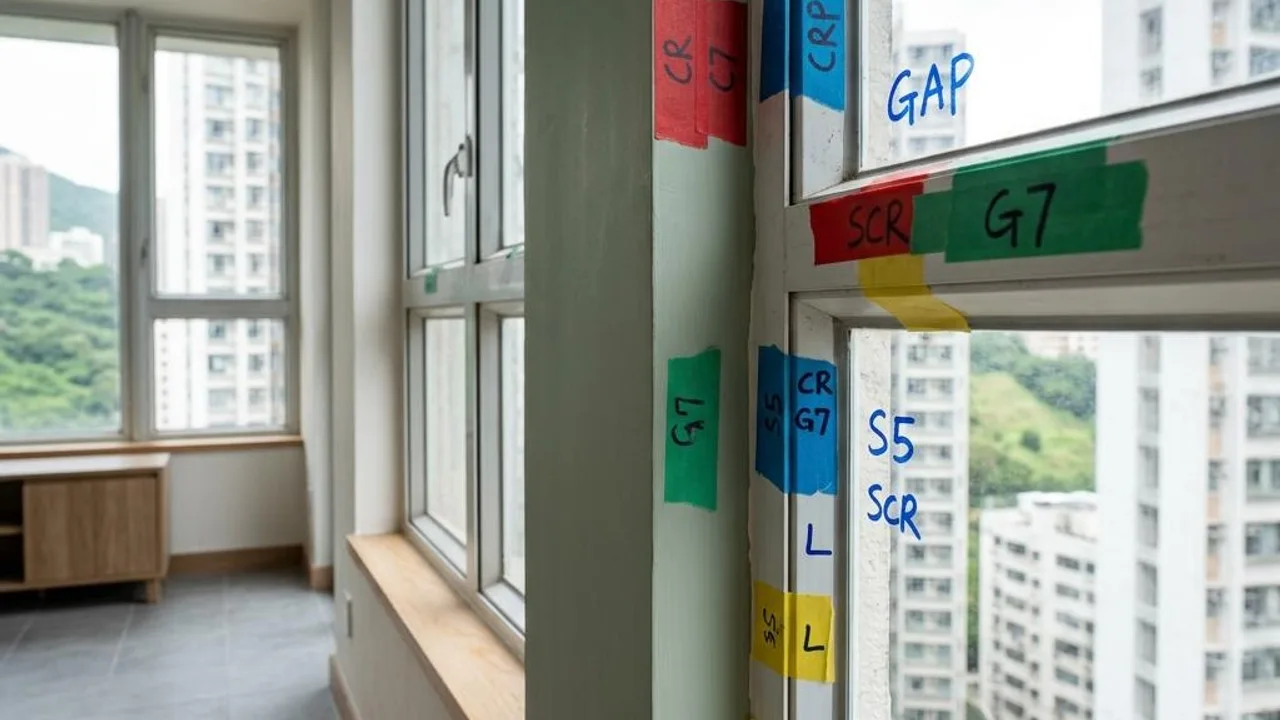
To pinpoint defects accurately, owners should combine the report's visual cues with the unit's floor plans. The report usually marks problem areas with labels or arrows; through these photos, owners can quickly map defects to specific locations such as bedrooms, living rooms, or kitchens.
This spatial positioning method maximizes the efficiency of communication with contractors. When an owner points out the specific location of a problem rather than providing a vague description, the contractor can prepare rectification tools faster, significantly reducing communication gaps and time loss.
- Combining floor plans for spatial positioning
- Cross-referencing specific defect markers on photos
- Clearly recording problem locations to facilitate communication
Distinguishing between renovation defects and structural problems
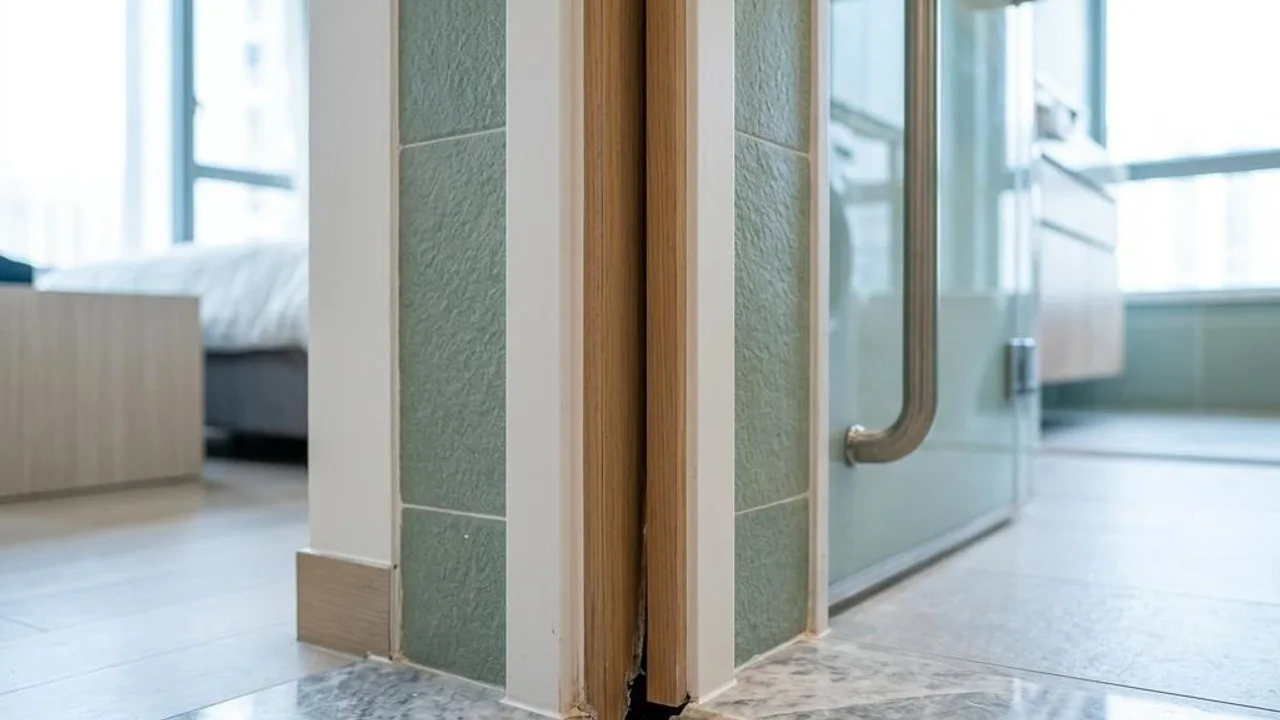
When reading quickly, owners can learn to distinguish the importance of vocabulary. Surface paint pinholes, hollow tiles, etc., fall within the scope of renovation craftsmanship and are usually easier to deal with. Conversely, water seepage, penetrating cracks, or faulty electrical wiring are potential risks that must be taken seriously.
Regarding the latter, owners must require professional contractors to conduct in-depth inspections rather than just superficial repairs. Classifying the severity of words in the report can help owners be more flexible in time management, focusing their energy on structural and functional maintenance.
- Identifying structural problems and renovation defects
- Focusing on vocabulary descriptions involving safety
- Distinguishing between items that can be simplified and those requiring in-depth rectification
Utilizing electronic tools to improve reading efficiency
Modern electronic property inspection reports should be utilized well, especially the search function in PDF format. When processing a report, owners can enter keywords such as water leak, window, electricity, or crack to jump to the relevant entry without needing to read page by page from the beginning.
This jump-style reading is very suitable for busy working-class owners, who can quickly extract core pain points during meeting intervals or commuting time. Making good use of technology can compress long reports into specific action lists, improving handover efficiency.
- Using Ctrl+F to quickly retrieve keywords
- Using digital documents for item filtering
- Completing key checks in a short period of time
FAQs
Do electronic versions of property inspection reports always include photos?
Not all electronic inspection reports come with photos. If a report does not include photos, the owner can take and categorize records themselves during the property inspection process for future follow-up.
Is the follow-up reinspection free after finding defects upon receiving the report?
Reinspection services are usually considered an independent service rather than an automatic free item after property inspection; this depends specifically on the terms of the property inspection service for that instance.
When are property inspection reports usually sent to the owner?
Generally speaking, electronic inspection reports are usually sent to the owner on the next working day after the inspection.