
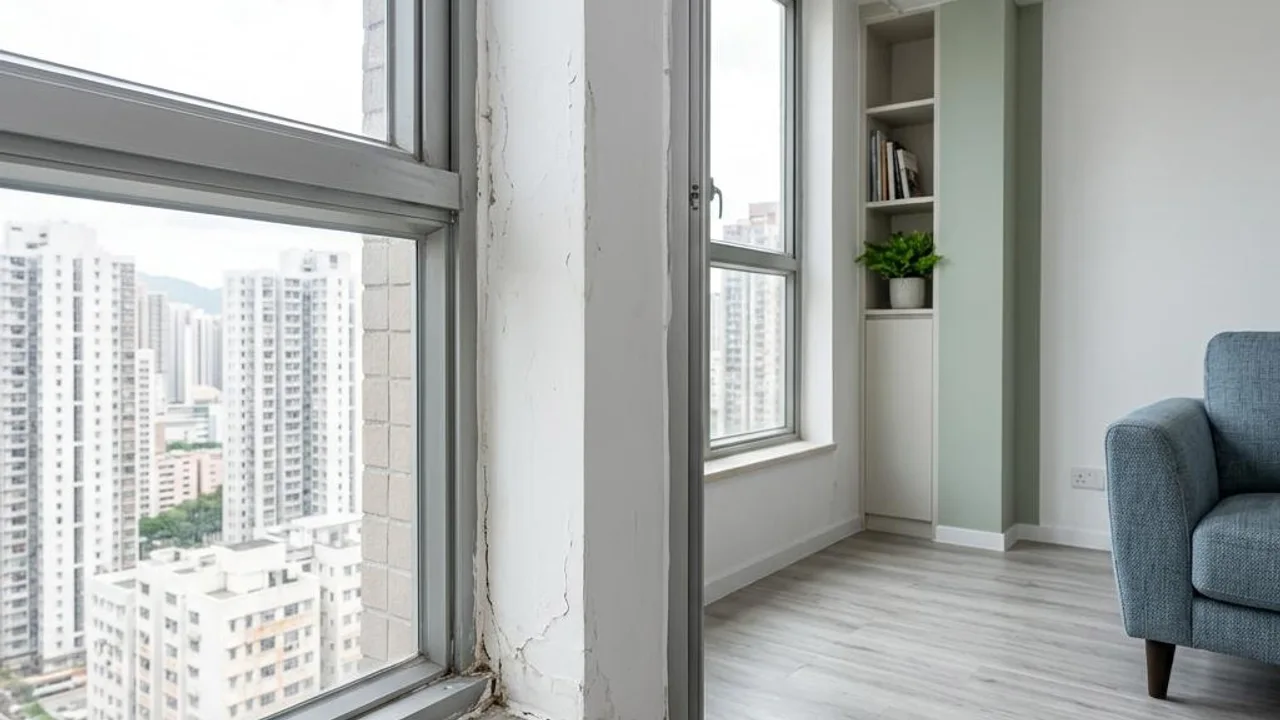
Importance and expectations of property handover inspections.
Home ownership is an important investment for Hong Kong citizens. When a new property is completed and handed over, the construction quality of the residence directly affects the future living experience. Through systematic acceptance procedures, owners can identify construction craftsmanship flaws early and ensure that the developer fulfills its repair responsibilities.
Professional property inspection is not just to confirm the handover status of the unit, but is the key to protecting the long-term interests of owners. Faced with intensive construction processes, appropriate professional testing can effectively filter out potential hazards, avoiding high repair costs after the property is occupied.
- Establish basic construction quality standards for the unit.
- Protect the consumer rights of owners when taking handover of the property.
- Locate concealed plumbing or structural defects early.
- Provide objective technical data for repair works.
Plumbing craftsmanship and drainage system inspection.
Slow drainage and water seepage are common hazards in new buildings. If bathroom floor drains or kitchen sinks are mixed with soil and debris during construction, it can easily lead to poor drainage. During property inspection, the flow efficiency of all drainage points must be checked to ensure rapid water flow, and the functionality of all water seals must be checked to ensure they are normal.
Concealed leakage usually occurs at window sills, external walls, and bathroom waterproof layers. Professional testing requires continuous water flow tests on kitchen and bathroom pipes, combined with moisture meters to check the wall moisture content. If the wall moisture content is abnormal, it may suggest that the waterproofing has failed, requiring further investigation by professionals.
- Kitchen and bathroom drainage speed test.
- Washbasin and floor drain drainage system flow inspection.
- Wall seepage and moisture content distribution records.
- Window sill and external wall waterproofing effectiveness test.
Structural substrate and finishing material screening.
The structural integrity of the wall is the core of safety. A so-called hollow wall is the phenomenon where the cement mortar leveling layer separates from the building wall; if left untreated, it easily leads to wall cracking and surface finish shedding later. During inspection, a full-house tapping test should be performed to locate potential hollow positions.
The visual craftsmanship of floor and wall finishes is equally important. Color difference flaws are relatively common in stone or wooden flooring, reflecting the precision of material sorting. Through realistic tapping inspections and detailed re-examinations, it can ensure that the home substrate is dense, safe, and complies with renovation craftsmanship standards.
- Full-house wall tapping hollow inspection.
- Floor installation level and tightness assessment.
- Finishing material color and texture consistency check.
- Structural safety confirmation of substrate joints.
Door and window hardware and craftsmanship detail acceptance.
Common handover defects are found in subtle places, such as loose door hinges, paint drips, or missing parts. If door hinges are not tightly installed, long-term use will lead to door leaf sagging, causing poor opening and closing or scratching the floor. Paint peeling off the wall will also directly affect the interior appearance and the lifespan of the finish.
What is most easily overlooked are missing screws at aluminium window hardware, handles, or cabinet joints, which will lay the hidden danger of structural looseness. All hardware and aluminium window switching functions must be included in the acceptance checklist, and functional tests should be conducted by professional personnel to urge the contractor to carry out necessary fine-tuning.
- Check whether all door hinges open and close smoothly.
- Verify the installation status of hardware screws.
- Inspect the quality of paint application on walls and ceilings.
- Test the function of aluminium window locks and sealing strips.
Professional property inspection technology and instrument application.
Property inspection involves multiple fields such as building materials science, plumbing engineering, and structures. Owners cannot accurately judge hidden voids inside walls, leakage paths, and the stability of aluminium window hardware with the naked eye alone. Professional teams will use scientific instruments to conduct an all-round assessment without damaging the interior decor.
Commonly used instruments include infrared thermal imaging analyzers, used to assist in discovering hidden water seepage; microwave moisture detectors to check wall humidity; and high-precision level measuring instruments to check floor flatness. Through quantitative data support, it can assist owners in putting forward targeted repair requirements to developers.
- Industrial-grade infrared thermal imaging analysis.
- Microwave moisture detector testing.
- Telescopic hollow hammer inspection of walls.
- High-precision level measuring instrument floor testing.
FAQs
If hollow walls are found, how should the owner deal with them?
The owner should mark the affected area and record it with photos. Subsequently, submit the property inspection report to the developer, requesting them to send personnel to assess the repair plan, such as performing grouting treatment or re-laying the surface layer, ensuring that the finish is tightly combined with the structural substrate.
If slow drainage is found during property inspection, does it mean the pipe is clogged?
Slow drainage may be caused by mud, sand, construction waste, or installation flaws left during the construction period. Owners can record the drainage test results and require the developer to perform professional drain cleaning or inspect the drainage pipe system to restore normal drainage functions.
How to judge if there are signs of water seepage around the window?
Observe if there are water stains, mould, or paint peeling on the walls around the window sill. Professionals will use moisture detectors to check the wall moisture content, and through continuous observation of the window frame sealing situation, judge whether the developer needs to carry out waterproofing repair work.


