
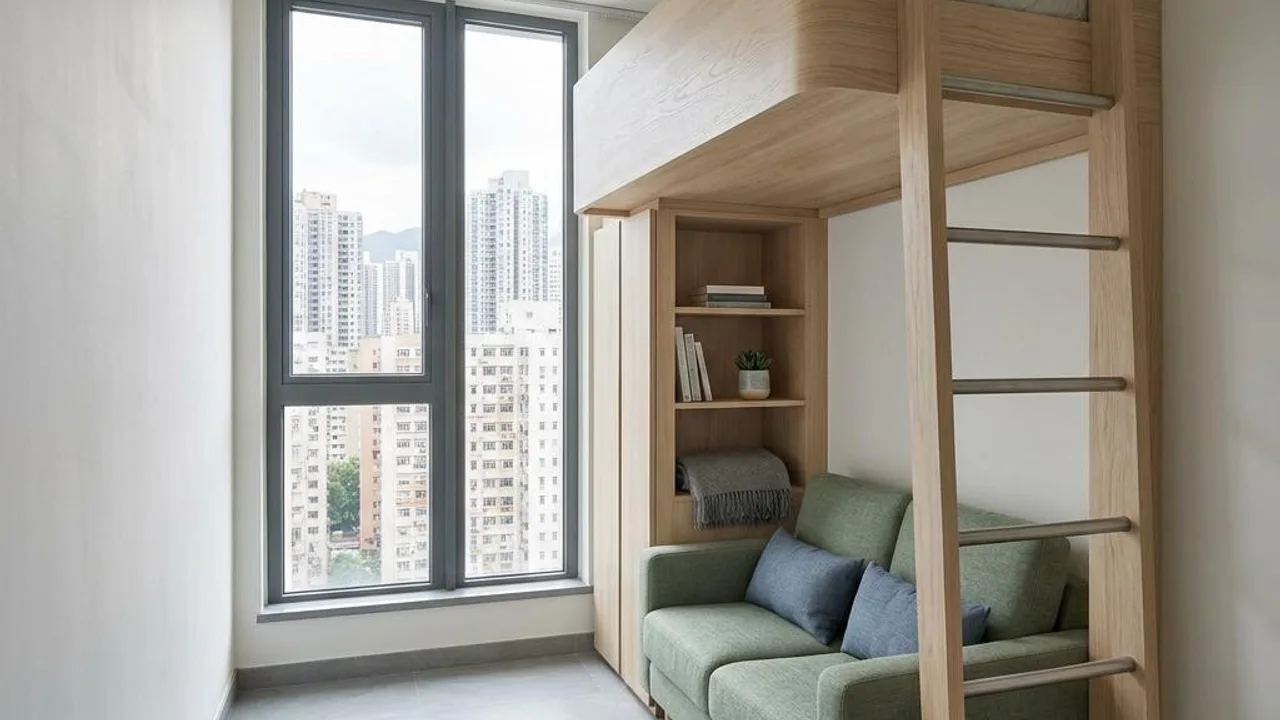
Deconstructing nano-flat living space
Nano-flats usually refer to residential units with a floor area of less than 200 square feet. The design core of such properties is to maximize utility within limited physical space through flexible layouts, and they are highly favoured by single individuals and small families. Due to space constraints, the planning of every detail directly affects the daily living experience.
During the property inspection process, one must not only focus on basic building standards but also assess whether the design conforms to practical living logic. Although nano-flats are small, the demand for storage space is even higher. Observing whether the indoor layout can provide sufficient functional living space is a key link in assessing the investment value of the unit.
- Assessing whether the indoor circulation is smooth
- Checking the rationality of storage space design
- Confirming the ventilation conditions of each functional area within the unit
- Verifying the exhaust facilities of open-plan kitchens
Inspection of indoor renovation quality
Although the unit area is small, the property inspector's standards for building quality will not be lowered. Checking the construction quality of walls, floors, and ceilings is a basic procedure, especially at joint areas and trim finishes, which often reflect the level of meticulousness in construction craftsmanship, ensuring there are no obvious hollows, cracks, or surface defects.
Mechanical and electrical facilities within the unit are also priority items. This includes the operation status of lighting switches, socket panels, water supply pipes, and drainage systems, all of which should undergo rigorous testing. Ensure all built-in appliances and plumbing fixtures are installed properly and operating normally to avoid extra maintenance troubles caused by basic facility failure after taking possession.
- Checking whether walls and ceilings have surface hollows
- Testing the opening and closing tightness of all doors and windows
- Verifying whether electrical socket power supply is normal
- Checking for traces of leakage in drainage pipes
Public facilities and environment assessment
The private space in nano-flats is relatively narrow, so the reliance of residents on public space is significantly increased. During the property inspection process, it is recommended to also inspect the clubhouse facilities, gym, laundry room, etc., provided by the property; the maintenance condition of these facilities is directly related to the overall property value.
The service level of the property management company is also a part that cannot be ignored. From cleaning and hygiene, security monitoring to the response speed for daily maintenance, these should all be included in the assessment scope. Good management can effectively solve the deficiencies in living amenities of small units and maintain a good community living environment.
- Inspecting the cleanliness of public resting areas
- Reviewing the operating regulations of the property management
- Assessing the maintenance condition of facilities like the gym
- Understanding how the building security system operates
Observation techniques during property inspection
Owners should take the initiative to perform basic observations when taking possession, such as turning on all taps to check if drainage is smooth, and noting whether there are water stains around the drainage points. If signs of continuous leakage are found, they should be recorded immediately, and professional assistance should be sought for testing; do not dismantle the structure yourself.
For electrical systems, owners can check if socket panels are installed securely and use electronic equipment to test the power supply response. If any abnormal operation is found, it must be reported to the developer or the professional property inspector to ensure relevant defects are properly followed up.
- Recording all observed surface and facility defects
- Checking whether the window opening and closing process is smooth and unobstructed
- Confirming whether all door locks and hardware accessories are in good condition
- Recording the instruction manuals for kitchen and bathroom facilities
Steps to handle when problems are found
When problems are found during property inspection, they should first be listed in detail in writing, and clear photos should be taken as proof. You should verify the problem list on-site with the developer's representative to ensure that every defect has been correctly recorded, so that subsequent repair work can be arranged.
If defects involving hidden works are found, such as leaking water pipes or structural cracks, it is recommended to commission qualified professionals for assessment. Professionals can provide inspection advice and assist owners in judging repair requirements; however, general property inspection does not guarantee the ability to detect all hidden structures, pipe conditions, or structural safety. Specific issues should be consulted with experts in the relevant field.
- Organising a written problem list for the developer
- Retaining all records and correspondence related to the property inspection
- Regularly following up on the progress and results of the repair work
- Confirming all repair items have reached basic living standards
FAQs
When conducting a property inspection for a nano-apartment, which specific details regarding the drainage system should be checked?
Check that the washbasins in the kitchen and bathroom, shower areas, and floor drains are clear. Observe connection points for signs of water stains or leakage, and ensure there are no abnormal noises or vibrations when the plumbing is in operation.
If hollow tiles or plaster are found on the walls of a nano-apartment, is immediate action required?
Hollow wall plaster may lead to the finish peeling off. Owners should record the location in detail and inform the developer to carry out repairs. The method of repair should be determined by a professional, which usually involves knocking off the loose material, followed by re-plastering and repainting.
If poor maintenance of communal facilities is discovered during a property inspection, how can the owner report it?
Owners should contact the property management company to report the observed condition of the facilities in writing and request that the management office provide a maintenance plan to ensure the communal environment is kept to an appropriate standard of maintenance.


