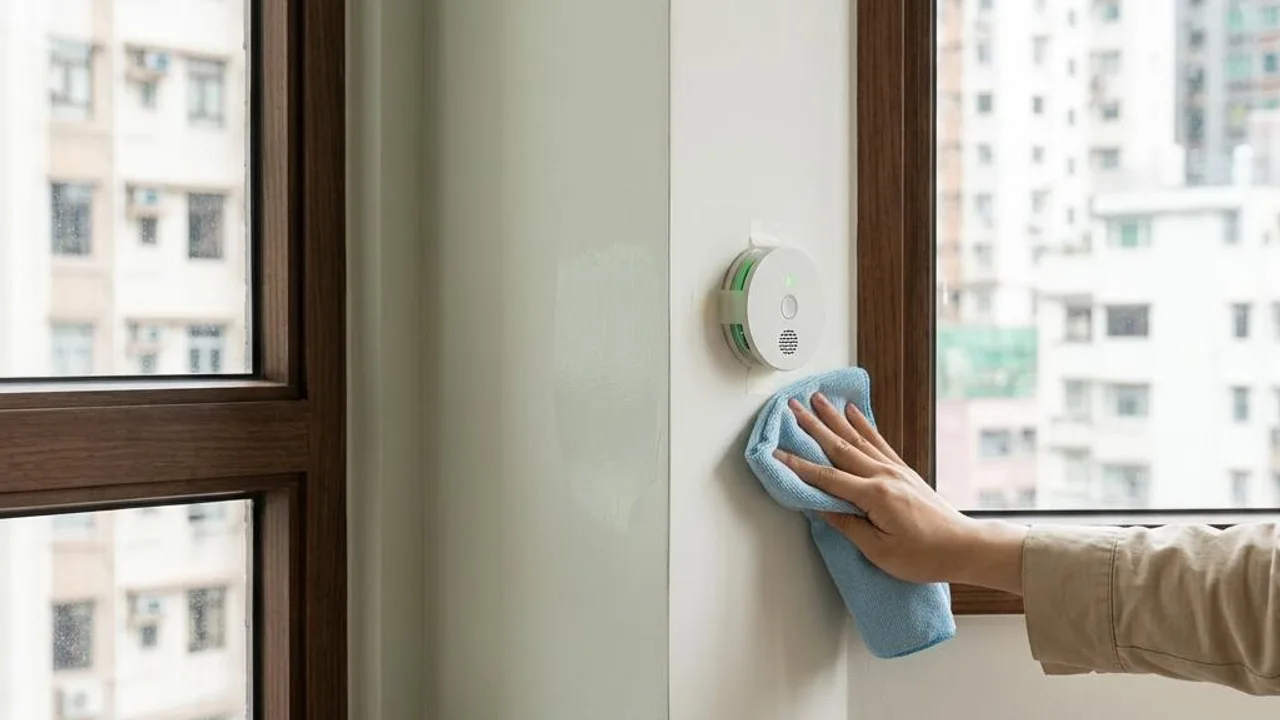
Understanding the importance of residential ventilation
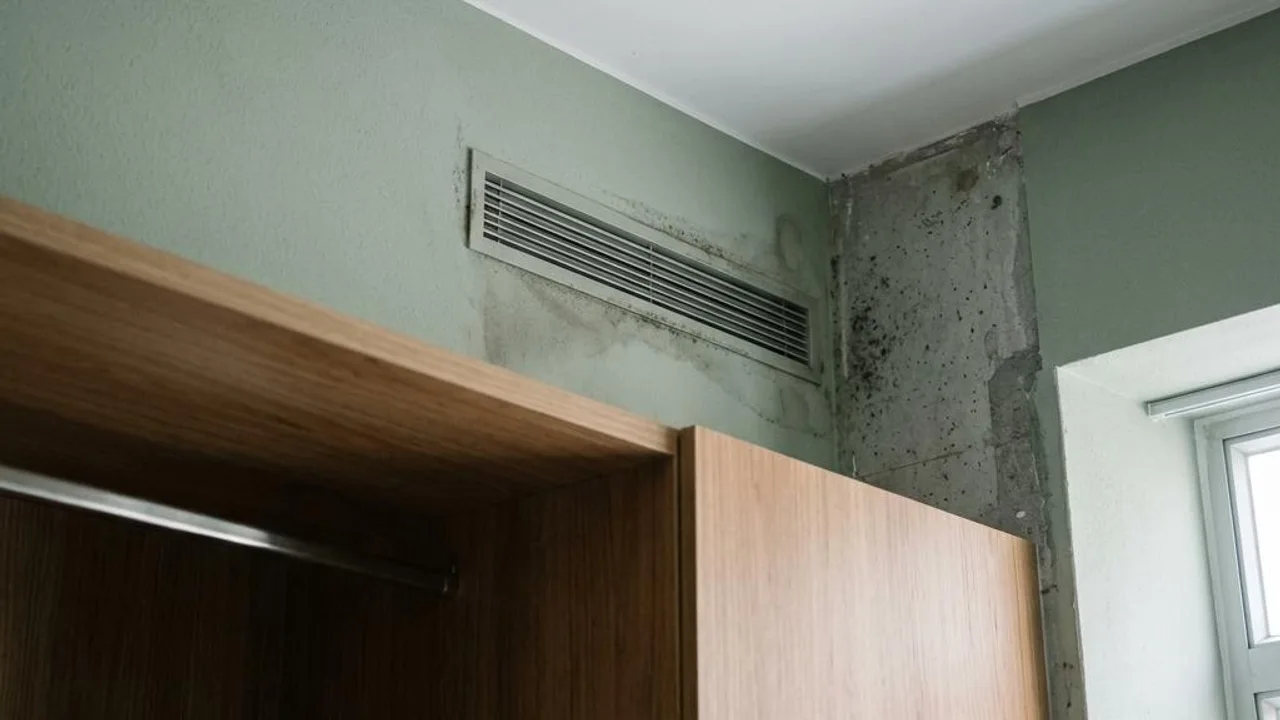
A residential ventilation system is an important barrier to maintaining fresh indoor air and eliminating moisture and pollutants. In the humid climate of Hong Kong, a good ventilation system can effectively reduce indoor humidity and prevent mold from growing on window frames or walls. If indoor air remains stagnant, it will not only decrease living comfort but may also damage indoor renovation materials due to excessive humidity; therefore, regular inspection is a necessary task for every owner.
It is worth noting that a residential ventilation system is fundamentally different from a mechanical air conditioning system in offices. Residential ventilation mainly relies on natural convection from opening windows and the operation of exhaust fans. Owners should regularly observe whether there are peculiar smells or musty odors; if such conditions appear, they should be treated as signals that the indoor environment needs maintenance. Please note that simple air odors are not medical diagnoses, but they are indeed prompts that ventilation efficiency may have issues.
- Ventilation systems can effectively control indoor humidity below 70%
- Preventing mold and odors caused by poor ventilation
- Residential ventilation mainly relies on natural convection and exhaust devices
- Changes in smell are important signals reflecting air quality
Checking ventilation openings and exhaust equipment
Ventilation openings are the core of gas exchange; their surroundings should be ensured to be clean and unobstructed. Owners can check whether the window opening mechanisms are functioning normally and whether the grilles of exhaust fans (such as in bathrooms or kitchens) are covered with accumulated dust or grease. If ventilation openings are blocked by heavy objects or covered by dust, it will directly affect the entry and exit of airflow, and in severe cases, even lead to the room being in a state of long-term oxygen deficiency or high humidity.
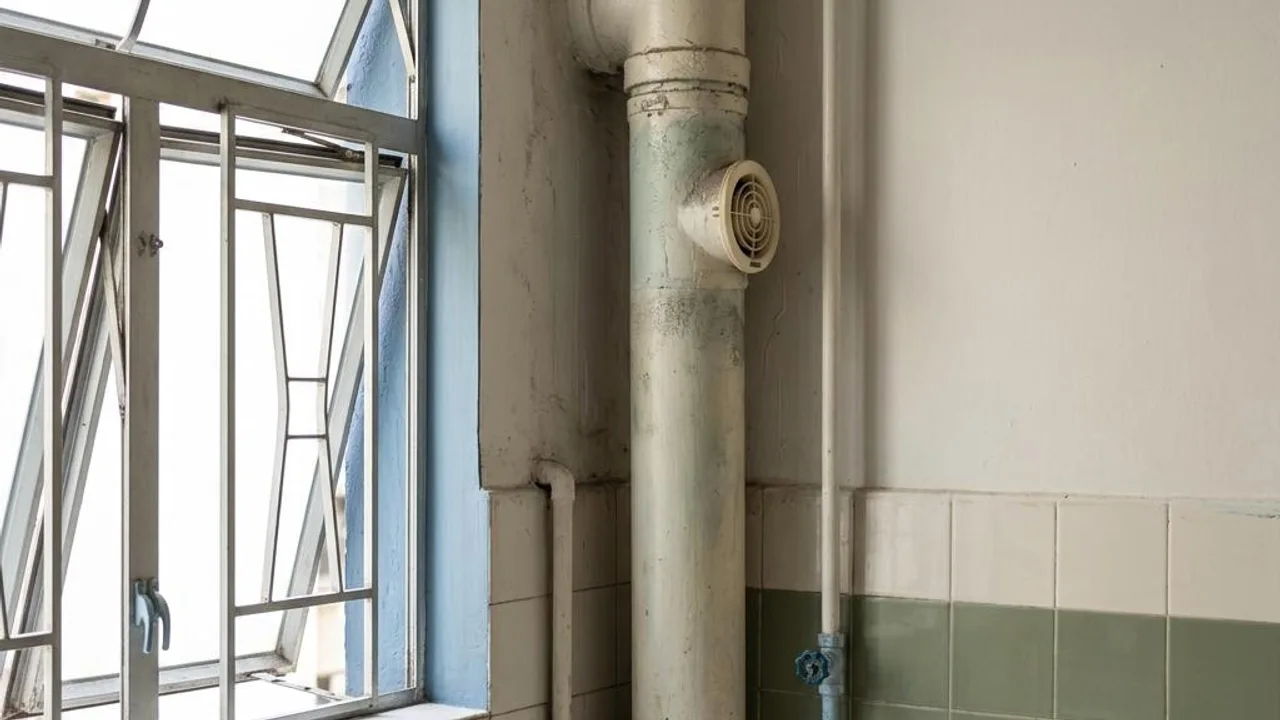
For concealed ventilation facilities, check whether their connecting pipes are damaged. Grilles must be kept intact to prevent foreign objects from entering. If you notice abnormal noise or vibration when the ventilation opening is operating, it may indicate that the internal bearings of the exhaust fan are aging; it is recommended to find professional maintenance personnel to check. Do not pile sundries near ventilation openings to ensure the airflow path remains unobstructed.
- Remove obstacles around ventilation openings
- Regularly clean dust and grease from exhaust fan grilles
- Check the mechanical opening and closing operation of ventilation windows
- Ensure clear channels for indoor-outdoor air convection
Testing home air circulation performance
To test the ventilation performance within a unit, owners can perform simple observations. The most common method is to observe the sensation of natural wind flowing between windows and the interior, or to use the airflow tracing method to observe whether air can circulate smoothly. When air convection is smooth, the indoor space does not easily produce a feeling of repression, and odors generated in the kitchen or bathroom can be quickly discharged. If air movement is sluggish, then check whether there are dead spots in the indoor space planning.
If poor air movement is discovered during inspection, try opening multiple windows first to create a cross-draft. If the problem remains severe, it may involve the unit's architectural design or blocked exhaust paths. Here we emphasize avoiding the use of so-called "odor diagnostic" testing instruments found in the market, because there is no single standard for measuring residential air quality; the key lies in ensuring that the basic physical functions of ventilation facilities remain normal.
- Check if there are "dead spots" with poor ventilation in the room
- Use natural cross-drafts to test the air convection effect
- Confirm whether kitchen and bathroom exhaust fans can effectively discharge odors
- Avoid relying on air quality measuring instruments that lack legal certification
Key points for checking air conditioning and heating equipment
Modern home ventilation is often combined with air conditioning equipment. Checking air conditioning filters is the simplest step to improve ventilation performance; thick dust accumulation will hinder cold air flow and breed microorganisms. Owners should clean filters regularly according to the equipment manual. In addition, check the air conditioner's running sound; if metallic grinding sounds or excessive vibration occur, arrange for a professional inspection immediately. Correct use of air conditioning can coordinate with the ventilation system to regulate environmental temperature.
For equipment such as electric heaters, pay attention to whether they occupy an independent socket rather than connecting to a power strip. When using electric heaters, ensure there are no flammable materials nearby to avoid heat accumulation caused by poor ventilation. Good air conditioning and ventilation coordination can not only improve quality of life but also reduce energy consumption and extend the service life of electrical equipment. Please ensure that all large fixed electrical appliances are installed by a registered electrical contractor.
- Regularly clean air conditioner filters to ensure air circulation
- Check if the air conditioner has abnormal sounds or abnormal vibrations
- Large household appliances should use independent sockets; do not share power strips
- Ensure the environment around electric heaters is ventilated and free of flammable materials
Regular maintenance and the role of professional teams
Maintenance of the ventilation system is a long-term project. It is recommended to arrange a comprehensive system inspection once a year, including cleaning of exhaust ducts and functional testing of ventilation units. For ventilation fan failures or pipe blockages that you cannot handle yourself, hiring a professional maintenance team is a very sound choice. They possess the appropriate instruments to assist with inspections, ensuring the system's operation meets home safety standards.
- Perform an annual comprehensive system inspection and duct cleaning
- Hire professional repairs for hardware failures that are difficult to handle
- Electrical alterations must be handled by a registered electrical contractor
- Request and retain relevant repair supporting documents
FAQs
If you experience prolonged stuffiness in the home, how should you troubleshoot the cause?
Homeowners should first check whether the filters and grilles of all exhaust fans (such as in bathrooms and kitchens) are clogged with excessive dust, and confirm that windows are opening and closing properly to facilitate air circulation. If stuffiness persists after ruling out the above, it is recommended to hire a professional to check for blocked ventilation ducts or mechanical fan failure.
If a metallic grinding noise occurs while the exhaust fan is running, should I repair it myself?
Self-repair is not recommended. Exhaust fans involve electrical operation and internal mechanical components; strange noises usually indicate bearing wear or hardware degradation. To ensure electrical safety, you should hire a registered electrical contractor or professional repair technician to conduct testing and replace parts.
Can I use off-the-shelf air quality monitors to verify if a ventilation system is safe?
No. There is no unified legislative standard for residential ventilation air quality, and simple commercial instruments cannot serve as professional safety certification. Inspections should focus on fundamental physical states such as whether ventilation facilities are operating normally, whether ducts are unobstructed, and whether there is any mold or odor accumulation indoors.