Visual blind spots during daytime property viewing.
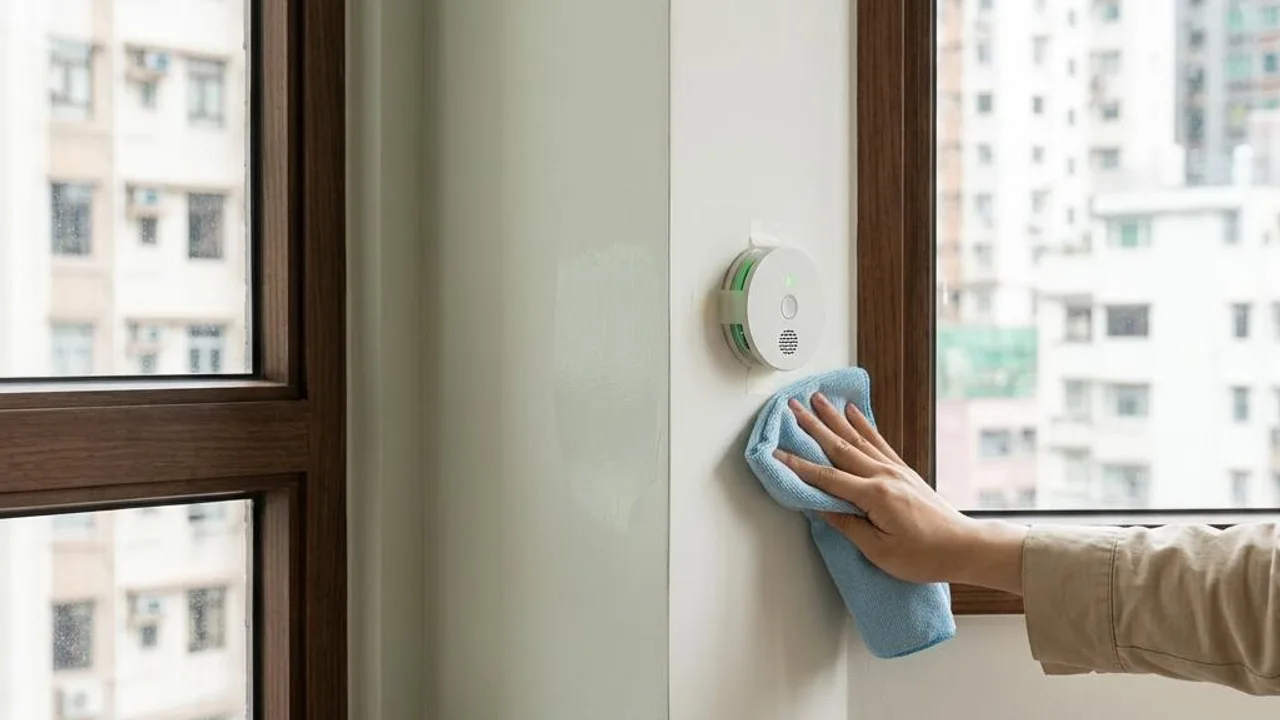
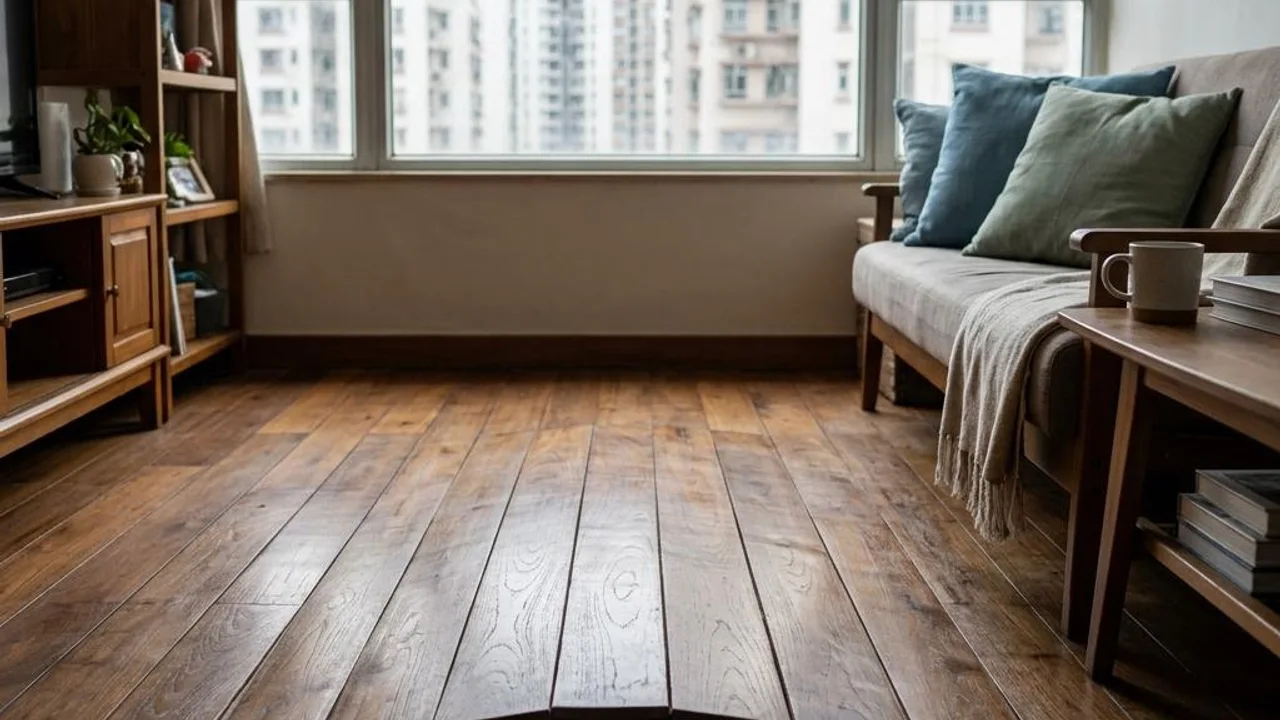
In Hong Kong, many buyers like to view properties on sunny days to enjoy a bright and open environment. However, intense sunlight often has a masking effect; when light shines through windows into the interior, it creates an illusion of a clean and bright space, which can easily conceal lighting defects or wall flaws. In this excessively illuminated environment, it is difficult for buyers to judge the true lighting capability of the unit.
This kind of daylight filter will lead buyers to underestimate the actual brightness of the unit on cloudy days or at dusk. Once you move into your new home, as soon as the sunlight weakens, you will find the interior appears exceptionally dim, or even requires indoor lighting to be on all day. In addition, the noisy daytime environment makes it difficult to assess the soundproofing quality of the unit; therefore, relying solely on daytime viewing often fails to provide a comprehensive grasp of the living experience of the home.
- Sunlight reflection hides subtle flaws on walls and corners.
- Daytime traffic and human noise mask the true soundproofing level of the unit.
- The brightness created by strong light causes buyers to ignore the limitations of window placement on lighting.
Evening viewing: A key timing for examining lighting and ventilation.
The light at sunset and dusk is softer and is the golden time to assess indoor lighting. As the sunlight slants and gradually weakens, lighting blind spots inside the unit will have nowhere to hide. If the window design is unreasonable or blocked by surrounding buildings, the interior will quickly fall into darkness at this time. At this point, you can observe whether the depths of the living room, corridors, and bathrooms require long-term reliance on artificial lighting.
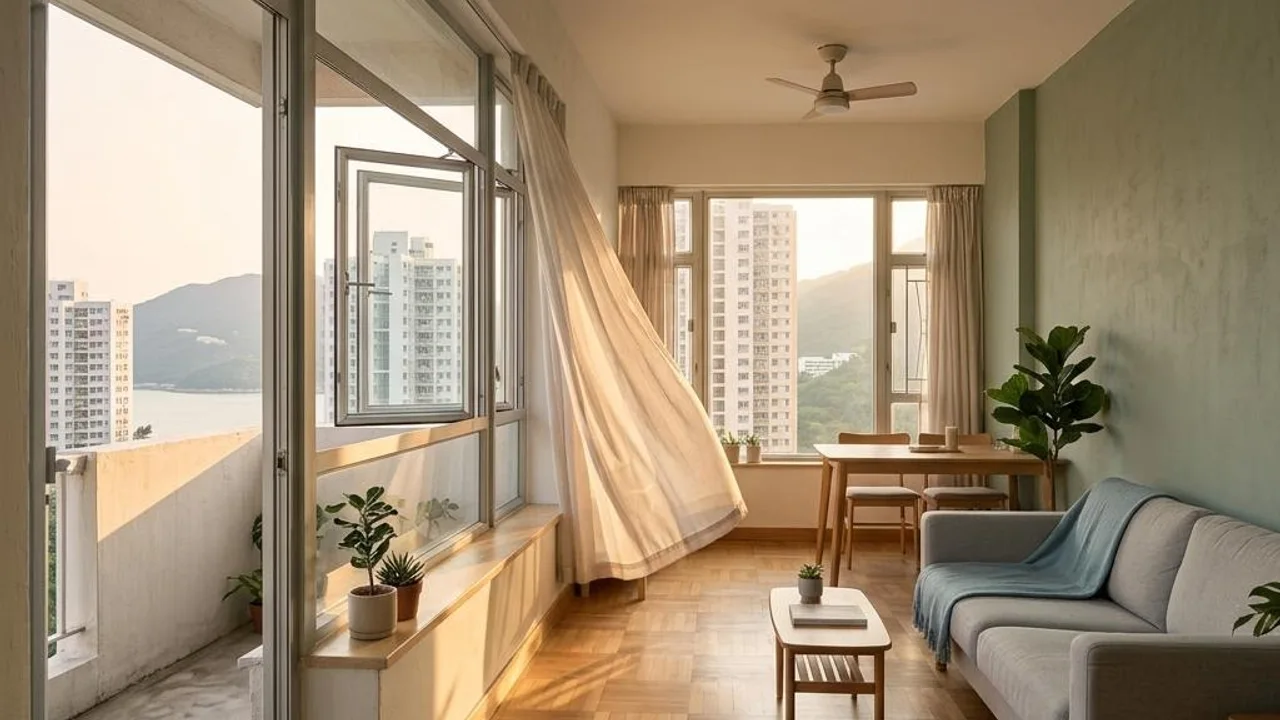
In addition, the dusk period is usually accompanied by changes in temperature, which is the best time to verify indoor ventilation efficiency. Feel whether there is natural air flow through the windows and confirm whether the unit can form effective air convection rather than being in a stagnant state for long periods. Through this low-light environment, you can more objectively judge the comfort of the unit in daily living.
- Easily identify insufficient lighting problems in living rooms and corridors.
- Observe air flow conditions to judge if there are hidden dangers of air stagnation.
- Test whether the interior is prone to stuffiness during periods of temperature change.
Practical skills: Inspection steps in low-light environments.
When viewing a property at dusk, it is recommended to adopt a systematic inspection method. First, after entering the unit, please turn off the indoor lights, stand at the entrance door, and observe towards the depths of the unit to feel the range that natural light can extend. If the sofa area or dining room appears significantly dim, it means that the lighting configuration or window size of the unit may not have reached comfortable requirements.
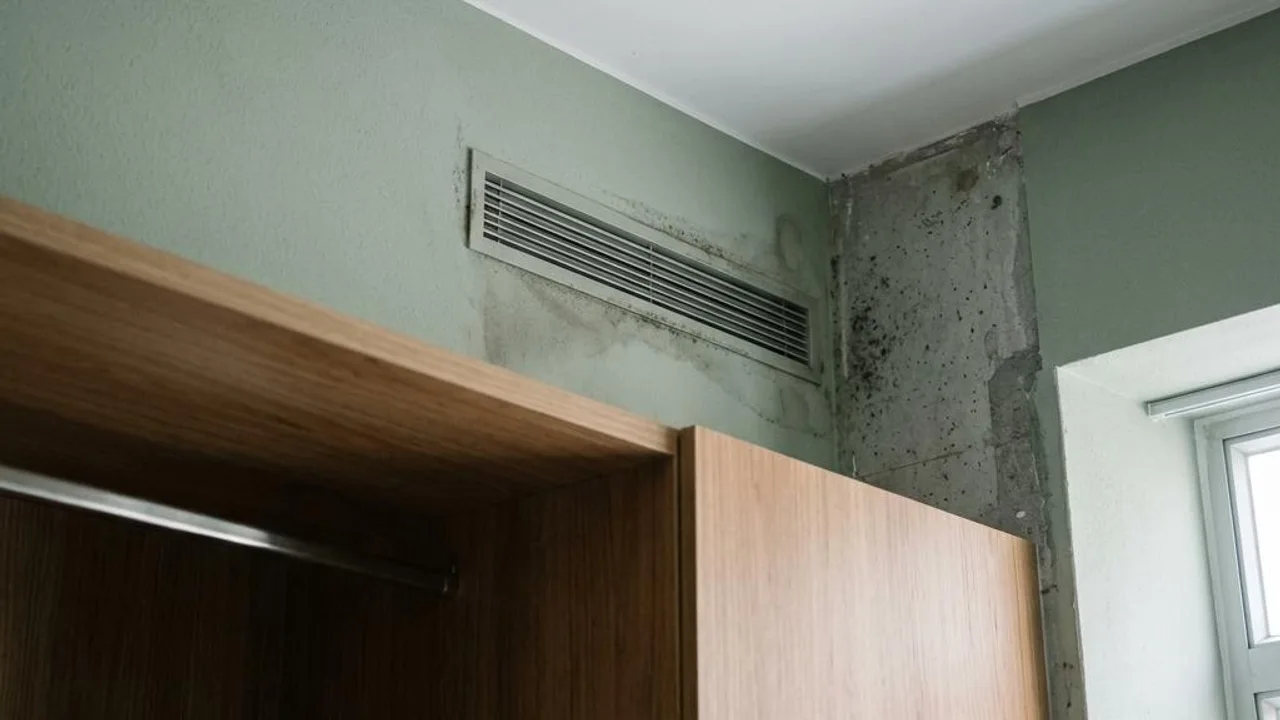
Next, please observe the airflow around the window frames, you can even use a tissue or your palm to feel the wind speed. Ensure that there is smooth cross-ventilation to avoid future issues where odours cannot dissipate. Finally, you can use a torch to shine obliquely at the wall surface to detect whether there are any unevenness, signs of dampness, or slight mould under dim light; these hidden defects are often difficult to detect under strong light.
- After turning off the lights, observe the decay distance of natural light to assess the depth of daylighting.
- Check the airflow around the windows to confirm the effectiveness of the indoor ventilation system.
- Shine a torch obliquely at the wall surface to look for signs of dampness or construction flaws.
Comparison of sunset and daytime viewing.
To help buyers assess more systematically, we have organised the differences in viewing dimensions between daytime and dusk. Although daytime viewing is visually bright, it often lacks reference value due to sunlight reflection; whereas the dusk period can directly show the unit's true appearance when natural light is insufficient, which is a key step in safeguarding residential quality.
Once you have mastered these key observation points, you can conduct a more meaningful inspection starting from the three core dimensions of daylighting, ventilation, and flaws. This not only helps you avoid purchasing units with insufficient daylighting but also allows you to discover many ventilation hazards that are easily overlooked by the naked eye before completing the transaction, thereby enabling more accurate decision-making.
- Daylighting aspect: Dusk can expose deep dead corners, whereas daytime is full of optical interference.
- Ventilation aspect: Dusk can truthfully reflect the efficiency of air movement under temperature differences.
- Flaws aspect: Dim light can more clearly show wall flatness and signs of dampness.
Advice for further investigation.
If suspected abnormalities are found during the above observations, such as unexplained colour differences on the wall or strong odours, buyers should consider hiring relevant professionals to perform a detailed inspection. Regarding structural hazards or potential leaks, you should consult a registered surveyor or a professional inspection agency to request a targeted investigation.
For ventilation concerns, if you find that air remains stagnant for a long period during dusk, you can enquire with the estate management office about the building's ventilation system maintenance records, or ask the owner to provide the unit's alteration history to confirm if there have been any unauthorised removals of ventilation windows or renovation works that affect air circulation.
- Consult a professional surveyor to identify structural defects.
- Enquire with the management office about building ventilation maintenance information.
- Verify the unit's renovation records to confirm any window alterations.
FAQs
If you can only view the property during the day, how can you simulate dusk lighting?
It is suggested that after entering the property during the day, try drawing the curtains halfway, or turn off the lights in certain areas. By blocking some natural light, you can roughly infer the brightness of that area during a cloudy day or at dusk. At the same time, observe the distance to buildings outside the window to judge the degree of obstruction.
What other environmental characteristics can be observed when viewing a property at dusk?
Dusk is usually a busy time for the community; you will hear the operation sounds of exhaust fumes from nearby eateries, traffic noise, and the living habits of neighbours. This is very important for assessing the quietness of the unit and air quality, especially regarding the impact of kitchen ventilation and cooking fumes.
How can one simply determine if indoor ventilation is up to standard?
Open the front door and the living room windows (ensuring safety) to feel if cross-ventilation, known as a 'breeze through', has formed. If the indoor air feels stuffy or the airflow is weak, then this flat type may have inherent limitations, which warrants further investigation.