Basic DIY Property Inspection Tool Kit
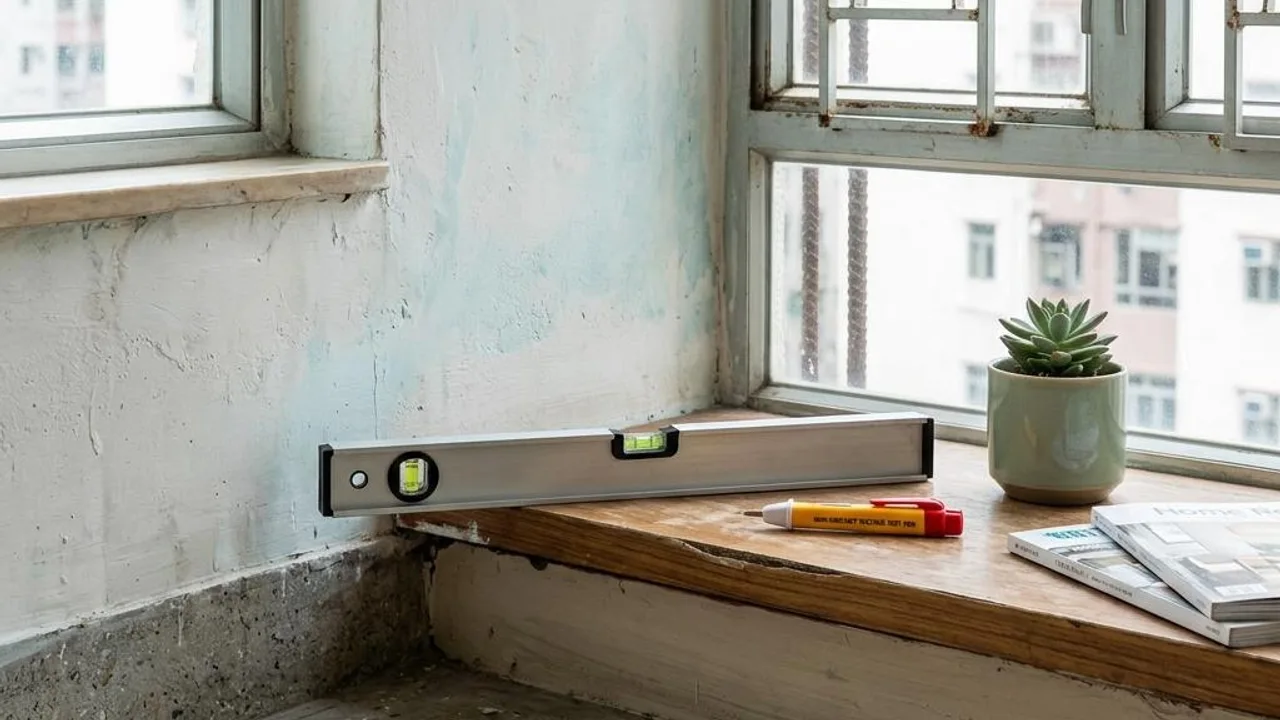
A set of basic and practical property inspection tools can help owners improve their awareness of construction quality. The core recommended list includes: a magnetic 3-bubble spirit level, a non-contact voltage tester, a BS 1363 socket tester, a telescopic hollow tapping rod, and a steel tape measure. These tools are easily available at local hardware stores and are intuitive to operate.
Before the official inspection, it is recommended that owners familiarize themselves with the purpose and operational specifications of each tool. Mastering these basic tools not only helps owners conduct self-checks more efficiently during the inspection but also avoids missing obvious quality defects during construction, acting as a safeguard for the home environment.
- Magnetic 3-bubble spirit level: Check the levelness and verticality of door frames, tabletops, and floors.
- Non-contact voltage tester: Safely checks for induction around switch frames and hidden wiring within walls.
- BS 1363 socket tester: Quickly checks socket polarity and earthing safety.
- Telescopic tapping rod: Checks the quality of tiles and wall surfaces through sound feedback.
Using a spirit level to check verticality and levelness
A spirit level is the key benchmark for measuring workmanship. When in use, the bubble must sit precisely in the centre of the two black lines to indicate a level surface. Before use, always calibrate it on a flat surface: measure the same spot by rotating the tool 180 degrees. If the bubble position remains the same, the tool is accurate, ensuring the measured data is reliable.
In practice, the vertical vial is mainly used to detect vertical deviations in door frames and wall corners, while the middle vial measures the level of floors, cabinets, and kitchen countertops. The bubble should remain still during inspection; if it shifts significantly, it may lead to problems such as unstable furniture, cabinet doors opening or closing on their own, or poor drainage on countertops.
- Perform a self-calibration on a flat surface by rotating the tool 180 degrees before measuring.
- Check the impact of door frame verticality on hinge lifespan and the smoothness of door operation.
- Observe any bubble shift on cabinets or countertops to judge long-term installation stability.
Practical inspection techniques for key areas
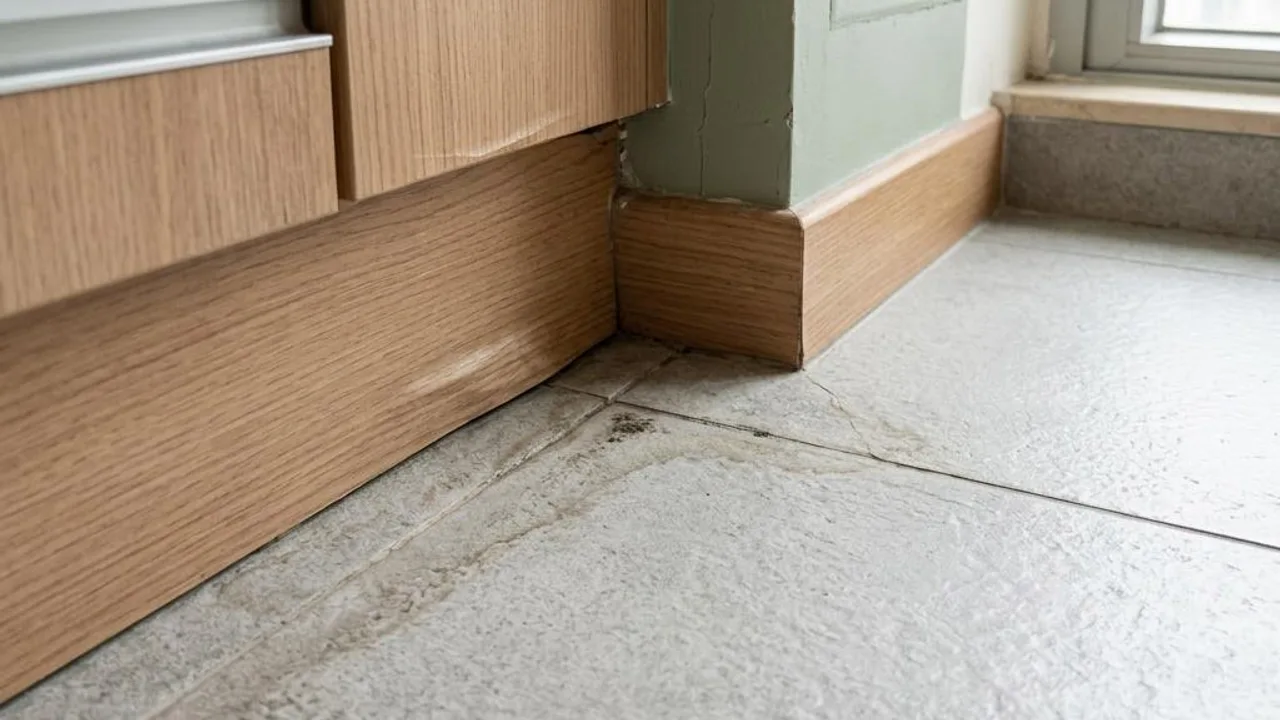
Beyond mastering the spirit level, it is vital to know how to perform targeted checks on key household areas. For instance, kitchen and bathroom countertops should ideally have a slight outward slope to facilitate drainage; if they slope towards the wall, long-term water accumulation will lead to mould in base cabinets, affecting hygiene and furniture lifespan.
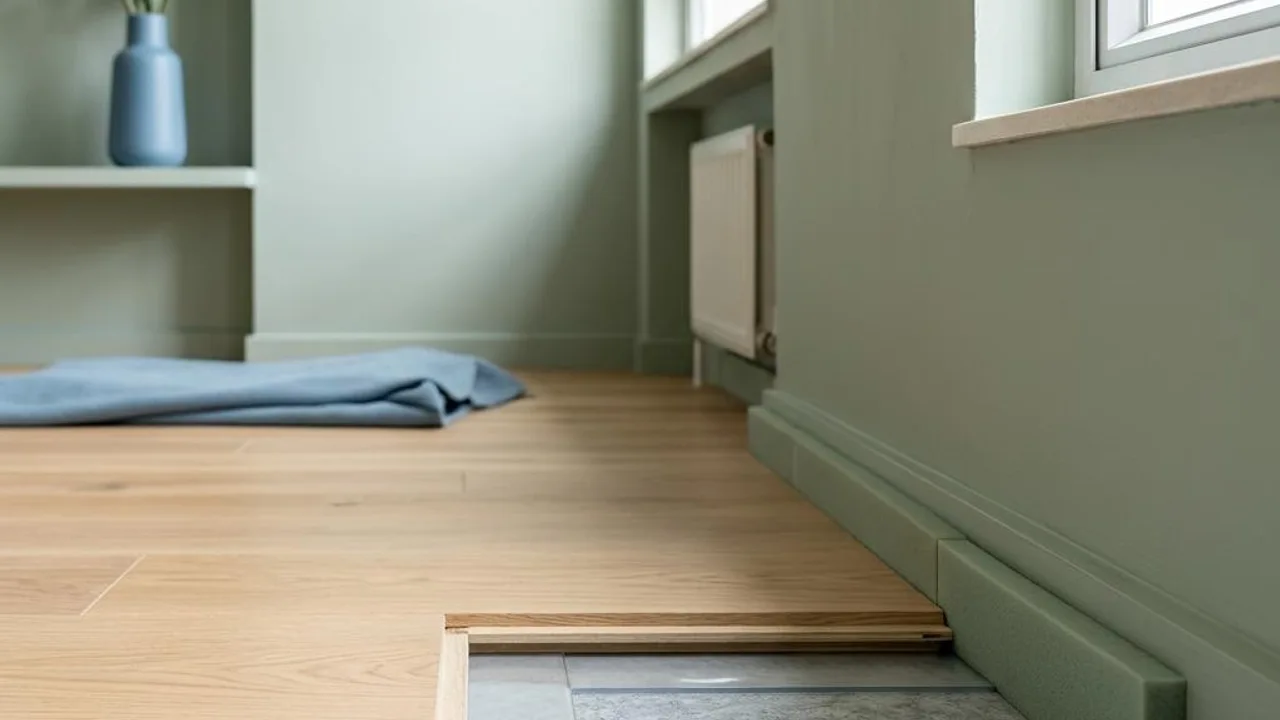
The inspection of window sill stones should also not be overlooked; they should avoid sloping inwards, otherwise, rainwater may leak into the interior during heavy rain, increasing maintenance difficulties. Additionally, using a spirit level against the floor to observe any light gaps can reveal whether there are undulations in the floor, which is critical for the flatness of subsequent wooden flooring installation or cabinet placement.
- Ensure the kitchen countertop slopes outwards to prevent water accumulation that could cause cabinets to go mouldy.
- Check the slope direction of window sill stones to reduce the risk of rainwater leaking into the home during rainy days.
- Place the tool against the floor to check levelness and ensure future installation stability.
Home electrical safety and wiring inspection
Electrical inspection must prioritize safety. For DIY property inspection, use a non-contact induction voltage tester; these tools can detect current and issue warnings without direct contact with exposed wires. Before drilling into walls to hang pictures, scanning along the wall can effectively reduce the risk of drilling through hidden wires and prevent potential short circuits.
Owners must possess basic knowledge of safe appliance use; for example, using extension leads in damp environments is prohibited, and high-power appliances (such as air conditioners and dehumidifiers) must use fixed sockets to avoid electrical hazards caused by overloading. All improper installations involving fixed electrical installations should be recorded and referred to qualified personnel for reassessment.
- Use a non-contact voltage tester to check for induction around walls and sockets.
- Scan drilling paths to avoid hidden wiring layouts inside walls.
- Avoid using extension leads for high-power appliances to prevent electrical circuit overload.
Circuit safety and residual current protection mechanisms
A BS 1363 socket tester is the most convenient tool for checking the entire house's power supply. After plugging the tester into a socket, the indicator lights show whether the live, neutral, and earth wires are connected correctly. If it indicates a missing earth, it means the equipment cannot trigger protective RCDs during a leakage, posing a serious safety hazard that must be addressed.
Some testers feature an RCD leakage test button, which can trip the home's residual current device to verify if the protection mechanism is functioning normally. If the tester shows live/neutral reversal, equipment might remain energized even when switched off. During property inspection, each socket in the house should be checked to ensure all electrical installations meet basic safety standards.
- Check the indicator light chart to confirm whether wiring polarity is correct.
- Investigate 'Missing Earth' conditions to ensure electrical leakage can trigger protection immediately.
- Use the test button on the socket tester to confirm that the RCD function is effective.
Professional intervention and problem troubleshooting
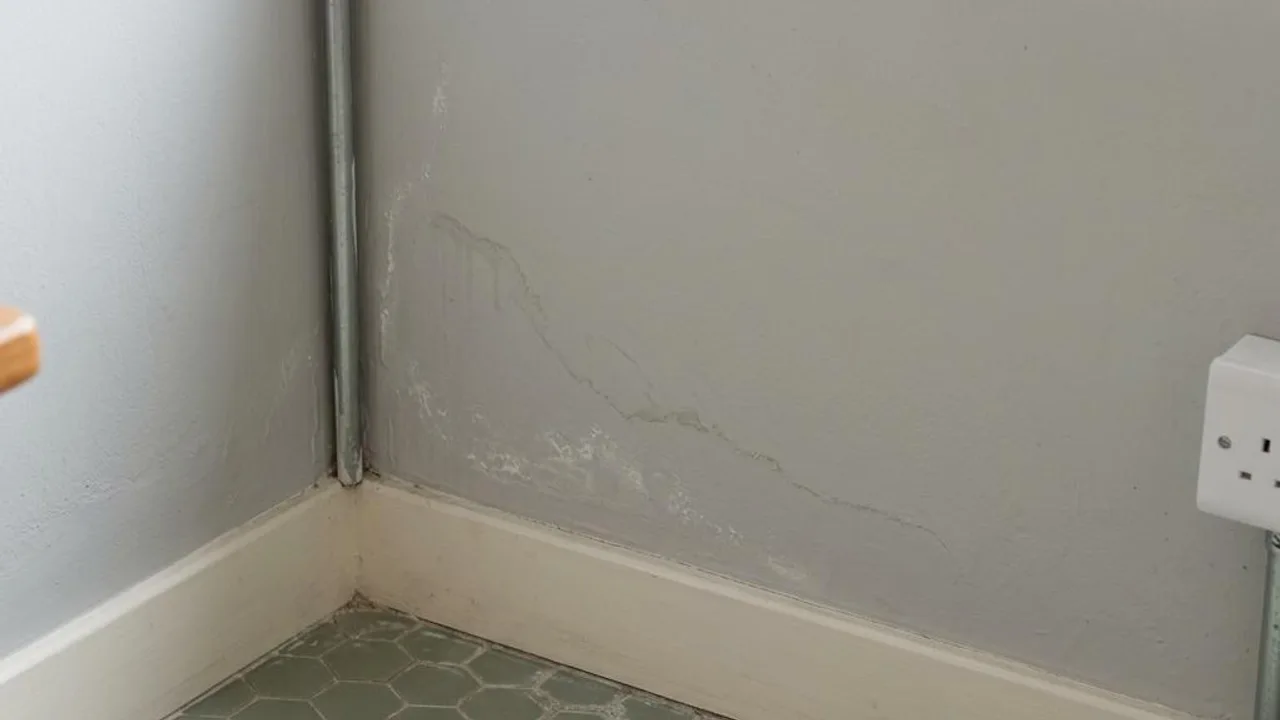
When DIY inspections uncover issues that cannot be handled, such as suspected deep water leakage, unidentified structural hazards, or serious electrical wiring abnormalities, stop self-operation immediately. Professional teams can use precise instruments like infrared cameras and pipe endoscopes to scientifically locate hidden defects.
If non-compliant electrical installations or electrified walls are discovered, you must hire a registered electrical contractor and require them to issue a WR1 certificate upon completion of rectification. For matters involving statutory repairs or major structural disputes, a professional assessment report can serve as vital support for the owner to safeguard their interests and ensure scientific and effective home repair planning.
- Deep water leakage or hidden structural hazards require an experienced team to investigate.
- Electrical system faults must be professionally rectified by a registered electrical contractor.
- Obtain professional repair certification to ensure long-term living safety and quality.
FAQs
How should I handle a situation where a wall socket is found to have no earth wire during property inspection?
A missing earth wire is a serious electrical safety hazard; it prevents protection mechanisms from triggering during an electrical leakage, which can easily lead to electrocution. Once such a problem is found, stop using the affected socket immediately and hire a qualified registered electrical contractor to perform a detailed inspection and repair to ensure electrical safety meets standards.
If I discover a slope on the kitchen countertop using a spirit level, does it necessarily mean the workmanship is poor?
Whether a slope indicates poor workmanship depends on the intended purpose. For instance, if a kitchen countertop has a moderate outward slope, it facilitates drainage and reduces water accumulation; however, if the slope direction is wrong (sloping towards the wall) or the deviation is too large, it may lead to long-term ponding or even mould in the base cabinets. It is recommended to record the specific deviation and have a professional assess whether it exceeds functional requirements.
If a spirit level reveals a vertical deviation in the wall, can the owner repair it themselves?
Wall verticality deviations involve plastering structures and construction techniques, which fall under professional trade work. Owners should record the deviation values and locations during the property inspection and pass them to the renovation project manager or relevant contractor to investigate the cause. Owners are advised not to carry out any wall repairs or modifications themselves to avoid structural damage or increased future maintenance costs.