Hidden wall hazards under a gorgeous appearance.
In the Hong Kong second-hand property market, buyers are easily attracted by the neat and nice decoration of a unit, believing that new paint or wallpaper means the unit is well-maintained. However, this shiny appearance is sometimes a cover-up project to mask long-term water seepage, concrete spalling, or structural cracks. If a professional inspection is not conducted before the transaction, and the owner finds problems after moving in, they often have to bear huge repair expenses.
Professional property inspection experience shows that second-hand renovations that overly emphasize 'move-in ready' should raise a buyer's suspicion. Some investors or sellers will hastily repair before selling, such as applying putty powder or adding wallpaper, to temporarily hide wall defects. These concealed constructions may reveal the true hidden hazards a few months later, following seasonal humidity changes or temperature fluctuations.
- New paint masking old water seepage traces and odors.
- Wallpaper blocking deep cracks and wall hollowness.
- Partial renovation may lead to color differences and uneven flatness.
- Rapid renovation often fails to deal with the root cause of water seepage.
Identifying wall repairs and water seepage crises.
To dismantle the truth behind the gorgeous appearance, buyers need to observe the minute details of the walls. If the newly brushed latex paint has uneven shades or shows bubbles and bumps, it might be a color difference in physical properties between the partially treated area and the surrounding wall surface. If the whole house is covered with thick wallpaper, you need to pay special attention, as this is a common method for covering hollowness, cracks, and severe wall seepage.
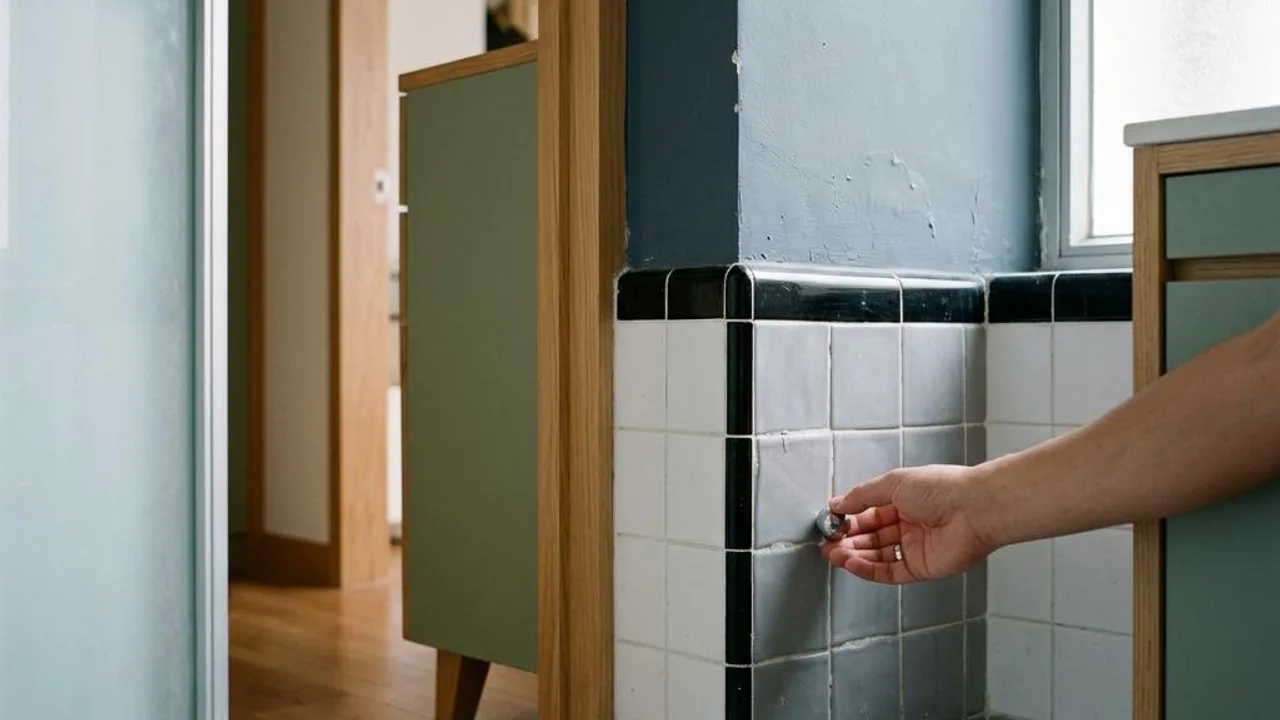
During observation, focus on the area near the skirting boards; if there is a faint damp odor or minute water stains, even if the surface looks dry, it indicates that the moisture at the bottom of the wall is severely accumulated. If the wall surface feels abnormally soft or shows indentations, especially in areas outside the bathroom and around the window sill, it often means that there is already deep-seated moisture or that the plaster is separated from the wall, requiring further confirmation of whether it originates from external seepage.
- Observe paint gloss differences to judge if there are partial defect rectifications.
- Olfactory check to see if there is any mold or damp musty smell at the corners of the walls.
- Touch the walls to sense if the structure feels soft or has a hollow sensation.
- Side lighting check to see if there are wavy patterns on the wall surface caused by repairs.
Screening for hollowness and plaster peeling.
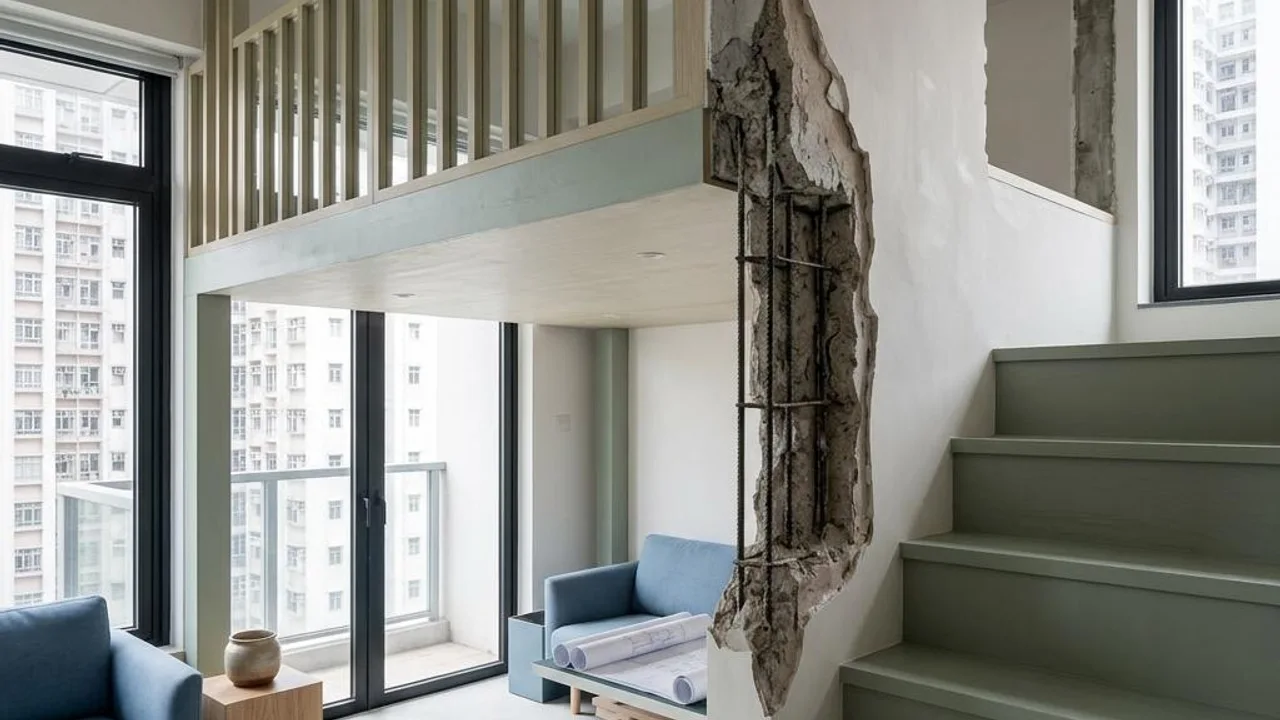
Wall hollowness is the separation of the plaster layer from the concrete body, which is extremely common in second-hand properties. It is difficult to judge by the naked eye alone, because after applying white paint to the surface, it looks extremely flat and shiny. These hidden hazards will eventually peel off completely over time due to thermal expansion and contraction caused by climate change, forming potential residential risks and extra project expenses.
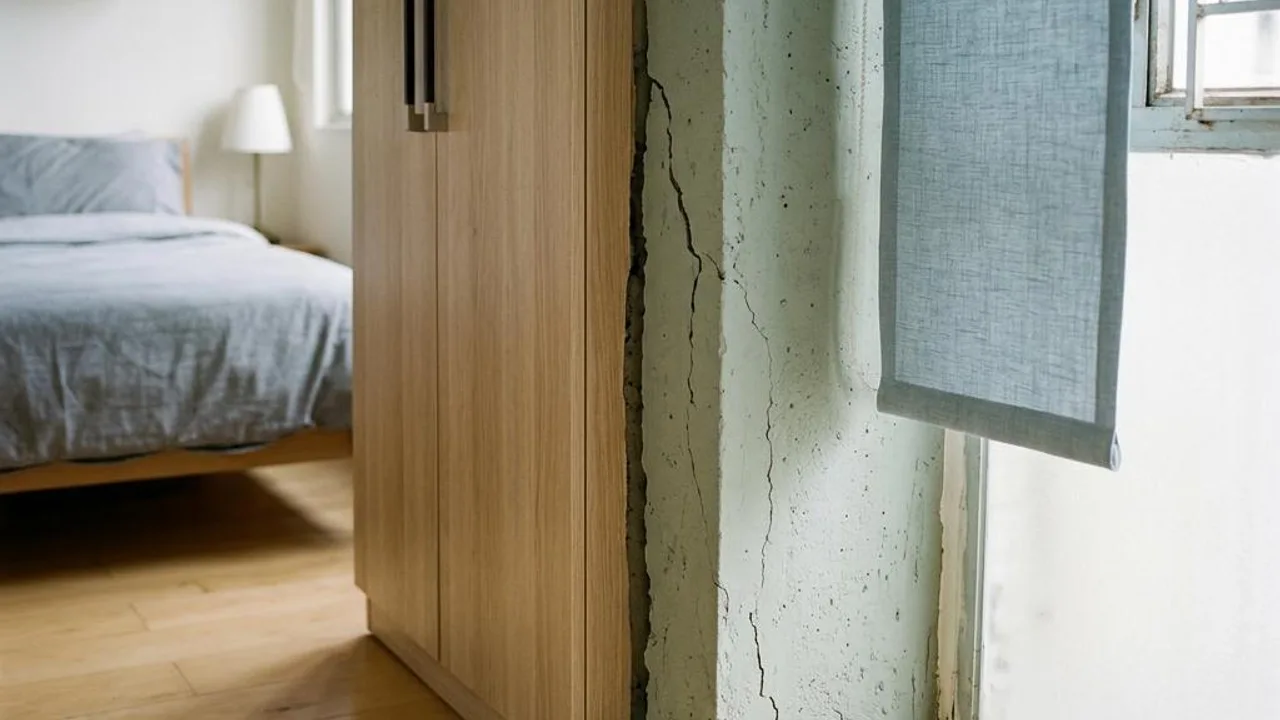
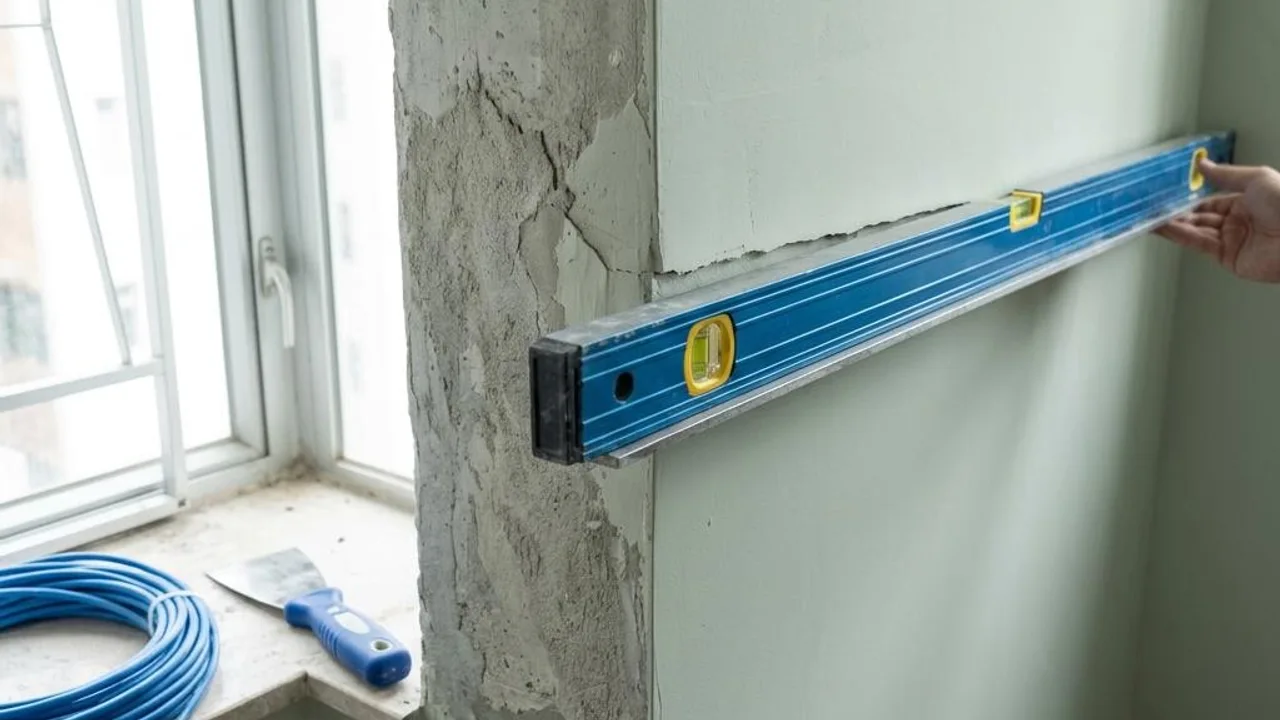
During professional inspection, windowsills and main wall corners are usually checked. Many seemingly beautiful windowsills are actually suffering from internal steel bar rusting and expansion due to long-term water seepage, which in turn forces the plaster layer to separate from the wall surface. To protect their own interests, buyers should not only focus on whether the walls are square, but must recognize that wall corners decorated with thick putty powder may have cracking risks, and ensure that the inspection report can reflect the true quality of the walls.
- Separation of the plaster layer from the wall causes hollowness and carries a risk of peeling off in large patches.
- Steel bar rusting and swelling causes cracking of windowsills and wall corners.
- Excessively thick putty powder hides wall deformation and tilt problems.
- Scientific screening tools are more accurate than naked-eye observation.
Preliminary observation and technical judgment.
Owners can perform basic safety observations during the property viewing stage. Buyers can bring their own small flashlight or strong light, and irradiate the wall with side lighting to find unevenness, cracks, or color differences caused by touch-up paint. At the same time, if the on-site situation permits, you can also gently test the wall to distinguish if there is a hollow sound; this falls within the scope of a feasible safe preliminary screening.
However, for deep-seated water seepage, wall moisture distribution, and steel bar corrosion hidden inside the wall, owners should understand that this is already a professional technical scope. Ordinary tapping tools cannot detect hidden moisture and must rely on professional instruments such as infrared thermal imaging cameras and radar moisture meters for non-destructive testing. If abnormal data is found, buyers need to consider hiring qualified professionals for in-depth assessment to avoid entering the market blindly.
- Use strong side lighting to find minute cracks that are difficult to notice with the naked eye.
- Use a hollowness hammer for preliminary wall tapping inspection.
- Infrared thermal imaging camera detects hidden water seepage disease sources.
- Radar moisture meter measures moisture levels inside the wall.
Practical observation and follow-up.
When taking possession of the property, owners can observe whether there is mold, paint peeling, or wall deformation at the wall corners. When recording, you should note the affected locations in detail and use photos as reference to facilitate subsequent follow-up with the seller or renovation personnel.
Be aware that water seepage on walls is usually seasonal; observing water stains at the base of the wall and checking for musty odours are essential procedures. If abnormal water stains or bubbling on the wall are found, do not attempt to patch them using waterproof materials yourself; it is recommended to consult a registered professional to assess the root cause.
- Clearly document the locations of discovered issues and take photographs for reference.
- Regularly monitor the wall for any cracks that are continuously spreading.
- Record any mildew or water marks around windowsills and ceilings.
- If necessary, hire a registered contractor to perform structural repairs.
FAQs
When buying a second-hand property, does newly painted wall surface signify good quality?
Not necessarily. Newly applied paint may mask old water seepage marks, cracks, or hollow spots. It is recommended for buyers to use a high-intensity light at an angle against the wall surface during a viewing, and to check the wall base for musty odours to prevent hidden hazards concealed by a fresh appearance from affecting future repair costs.
If hollow sounds are heard on the wall, does this signify that the wall structure is in serious danger?
Hollow sounds on a wall usually indicate that the plastering layer has separated from the concrete base, commonly known as 'hollow tiles' or 'hollow spots', which is very common in second-hand properties. While this does not necessarily mean there is an immediate risk of structural collapse, it will affect the flatness of the wall in the long term and could lead to partial or whole-piece detachment. It is recommended to have a qualified professional assess the actual severity and avoid blind DIY repairs.
Why can visual inspection not completely replace professional equipment testing?
Visual inspection can only observe defects on the surface of the wall. Professional equipment, such as infrared thermal imaging cameras and radar moisture meters, can reveal hidden moisture and steel reinforcement corrosion within the wall structure—problems invisible to the naked eye. For potential deep-seated water seepage and structural issues, one should rely on qualified individuals equipped with professional apparatus for assessment.