
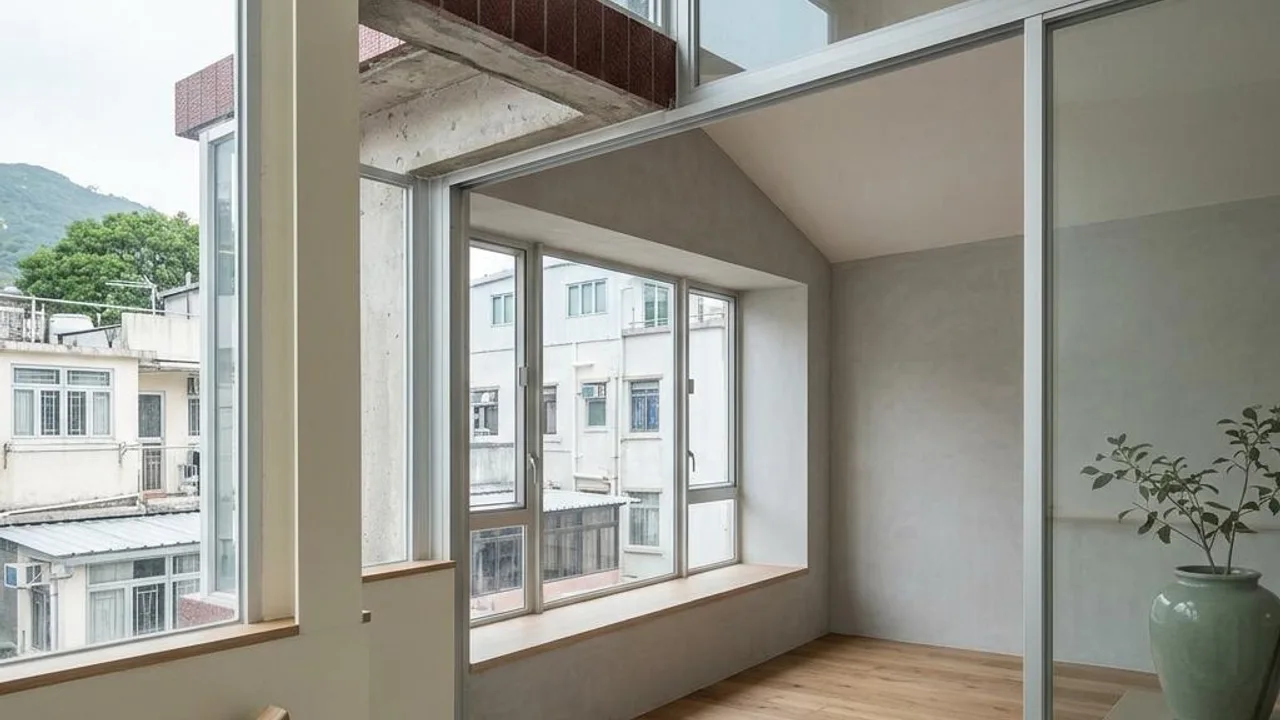
Understand the common forms of village house unauthorised building works
In Hong Kong, due to their unique architectural history and development patterns, village houses often have various types of additions, commonly known as unauthorised building works. Common situations include unauthorised rooftop structures, enclosure of balconies, external wall extensions, or the addition of extra structural facilities on the ground floor. These unapproved works may involve violations of the Buildings Ordinance and constitute unknown variables for the overall structural balance and safety of the village house.
As a professional inspector, when conducting inspections, these locations will be examined systematically, focusing on how they connect to the original building structure. If an owner can clearly grasp the actual configuration of the property, it has significant meaning for clarifying property liability, assessing risks and planning long-term property compliance management, and can also provide a more reliable basis for judgment during the home-buying process.
- Identify common forms such as rooftop houses, balcony enclosures and external wall extensions
- Check the structural connection integrity between the added parts and the original building
- Assess the potential impact of informal additions on the overall building load
- Confirm whether the current situation shows significant deviation from the original approved building plans
The role of professional assessment in dealing with unauthorised building works
Through a comprehensive inspection, owners can obtain a detailed property condition record. This record details the material condition and connection methods of various added facilities, assisting owners in accurately understanding the state of the property at the moment of inspection, thereby making appropriate maintenance plans.
The core of professional assessment lies in providing objective information to assist owners in reasonable compliance management and risk assessment of their property. Through visualised and logical inspection methods, hidden risk points become more transparent.
- Conduct professional visual assessment for added structures
- Inspect whether there is structural deformation and cracks in the added facilities
- Analyse the condition of the drainage and ventilation systems at the location of the additions
- Provide an objective property status report to assist owners in planning
Considerations for structural safety and property compliance
When assessing village house unauthorised building works, structural safety is always the primary concern. Professional assessments will pay special attention to the load-bearing condition of the added parts, for example, whether adding overly heavy decorative items or facilities on the rooftop or balcony puts pressure on the original floor slab. In addition, if modifications to the drainage system are handled improperly, they can easily cause long-term seepage issues, which not only causes damage to the indoor environment but can even have a long-term impact on the structural components on the floor below.
It must be clarified that visual assessment aims to record the current physical condition and provide objective data for owner reference, rather than replacing the statutory structural safety inspection conducted by a registered professional engineer.
- Focus on monitoring whether the added structure shows obvious signs of structural overload
- Assess the waterproofing performance and potential seepage risks after drainage pipe modification
- Ensure observation results can provide a reference for necessary future remedial works
- Clearly distinguish the boundary between professional inspection and statutory engineer testing
The importance of long-term maintenance planning
Inspection results for unauthorised building works are not just a property list for buying and selling, but are also fundamental documents for establishing a long-term maintenance plan. For village houses with added facilities, owners must regularly check the condition of these facilities, especially to check whether there is any loosening, corrosion or water-logging at each connection point. Timely maintenance can extend the life of the facilities and prevent safety hazards caused by long-term lack of management.
Good maintenance work should include regular cleaning and structural inspection of the added facilities. If any abnormalities are found, such as deepening cracks or signs of unexplained water seepage, owners should seek professional advice as soon as possible. This proactive maintenance strategy can not only maintain the living comfort of the property but also improve the overall health condition of the property, reducing maintenance pressure and expenses caused by sudden failures.
- Formulate a targeted annual structural and waterproofing maintenance plan
- Strengthen the frequency of routine inspections of connection points for added facilities
- Prevent facility deterioration and safety risks caused by neglect of maintenance
- Improve overall living comfort through daily careful maintenance
Recommendations for appointing professional teams
When looking for village house inspection services, choosing professionals who are familiar with Hong Kong village house structures and the situation of unauthorised building works is crucial. An experienced team can use precise methods to conduct a detailed inspection and can accurately interpret the information obtained from the inspection, explaining the results in a clear report.
Before hiring a professional, please be sure to provide the basic structural information of the property and your specific concerns, so that the property inspector can prepare the service more specifically, ensuring the inspection report can serve as a concrete basis for subsequent property management.
- Prioritise choosing a professional team with experience in village house inspection
- Provide detailed property background and main concerns to optimise services
- Obtain a clear inspection report as a basis for future maintenance
- Understand potential structural risks and treatment suggestions through professional consultation
FAQs
Can an inspection report prove that the village house unauthorised building structure is absolutely safe?
No. A professional property inspection report only reflects visual conditions during the inspection period, recording the materials, connection methods, and observable signs of damage for existing unauthorized additions. Professionals cannot verify structural safety or compliance based solely on visual inspection; any assessments involving legal matters or structural integrity must be performed by a Registered Professional Engineer.
How can homeowners observe the risks of unauthorized building works in village houses in their daily lives?
Homeowners can regularly observe whether the connection points of additions have loosened or rusted, and if there are signs of cracks deepening in walls or floors. Additionally, keep an eye on whether terrace or rooftop drainage outlets are blocked by debris; if you notice unexplained water stains or signs of seepage, you should take photos for records and seek professional advice as soon as possible. Do not attempt to dismantle or alter the structure yourself.
If unexplained seepage is discovered in a village house, does it necessarily mean that the unauthorized addition is the source?
Not necessarily. The causes of seepage are complex and could stem from the aging of the original building's waterproofing layer, rusted drainage pipes, failure of waterproof joints in the added sections, or issues with the roof drainage system. Homeowners should record observed seepage and seek an on-site inspection by professionals to analyze potential causes, in order to formulate an appropriate repair plan.


