
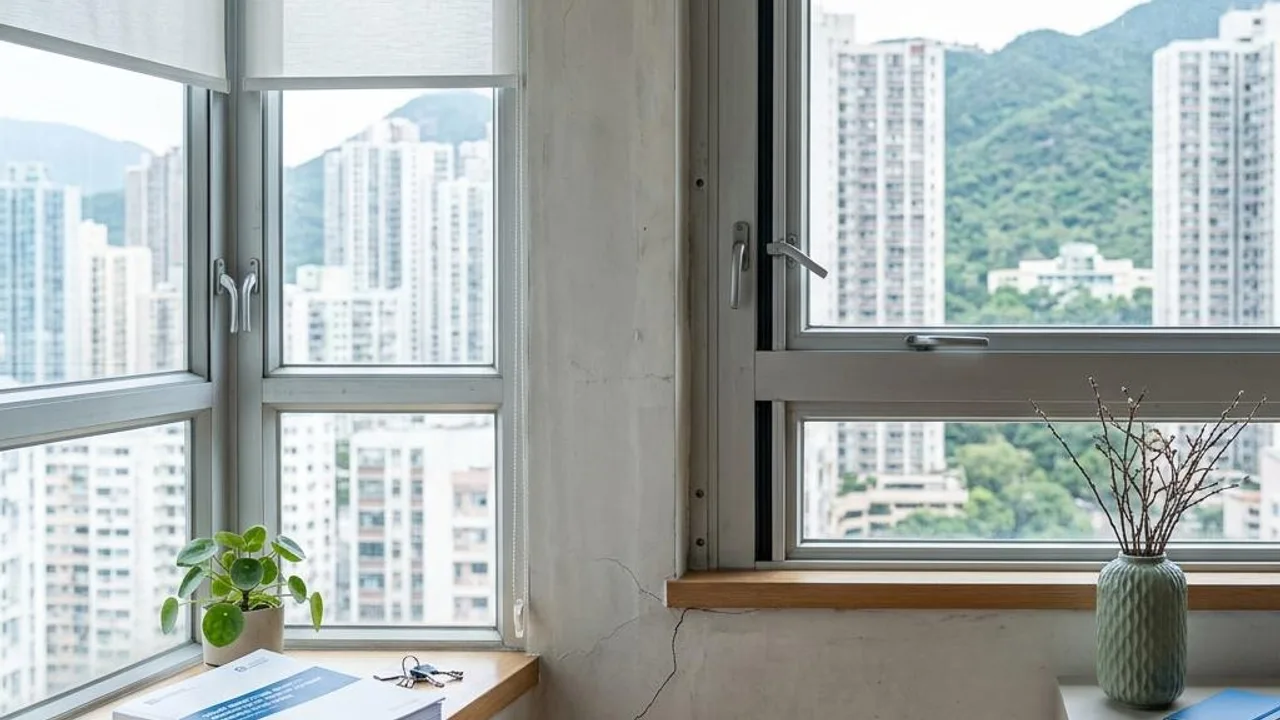
Understand the obligations of the Mandatory Window Inspection Scheme.
According to the Buildings Department of Hong Kong, owners of private buildings aged 10 years or older must appoint a qualified person to carry out a prescribed inspection upon receiving a statutory notice. This scheme aims to manage window ageing mandatorily, ensuring window components such as hinges, screws, and glass remain intact to prevent risks of objects falling from height.
As the property holder, the owner is responsible for ensuring the structural safety of aluminium windows. The Mandatory Window Inspection Scheme is a statutory requirement, intended to reduce the risk of falling windows through inspections by qualified persons. If damage is found after inspection, repair works must be carried out by a qualified person prescribed by the Buildings Department, with relevant documents submitted. This inspection procedure does not guarantee the overall safety of the building; owners should regularly check the condition of aluminium windows themselves, and seek assistance from professional engineers as soon as possible if any components are found to be loose or rusted.
- Ensuring the safety of aluminium window structures and components
- Fulfilling the owner's statutory maintenance responsibilities
- Early detection of window ageing defects
Core scope of comprehensive property inspection services.
Compared to the Mandatory Window Inspection Scheme which focuses on windows, comprehensive property inspection services aim to assess the overall physical state of a property, covering floor flatness, wall plastering, drainage pipework, and electrical installations. Professional inspection equipment can assist in observing surface conditions, but it cannot guarantee the safety of structural, electrical, or gas systems, or hidden works, nor can it predict remaining service life or the effectiveness of repairs. Thermal imaging only displays surface temperature differences and is not conclusive evidence of moisture or leaks. Mandatory window inspection is an independent statutory procedure that must be performed by a registered person under the Buildings Department and is outside the scope of our services.
Professional matters should be consulted with qualified persons; do not dismantle electrical installations, touch water pressure valves, or climb external walls yourself. Property inspection records are for reference only and cannot be used as safety certifications.
The core of a comprehensive property inspection lies in preventative maintenance. A professional team can identify hazards such as traces of water seepage, leaks at pipe joints, or unstable operation of electrical appliances. The report will document the actual condition of the unit, allowing owners to take appropriate action before moving in or renovating to ensure long-term comfort in the home environment.
- Inspection of overall structure and surface details
- Verification of the safety of indoor electrical installations
- Functional testing of water supply and drainage systems
- Investigation of potential leaks and ageing hazards
Synergy between window inspection and comprehensive property inspection
The two are not contradictory but are complementary maintenance mechanisms. The Mandatory Window Inspection Scheme provides specific legal protection for aluminium windows, while a building survey checks the surrounding environment of the windows, such as the leak-proof condition of window sills and the state of sealing strips. By combining both, owners can ensure the condition of window components while paying attention to leakage hazards, thereby maintaining the property's daily upkeep. Please note that a building survey cannot replace the statutory inspection under the Mandatory Window Inspection Scheme; relevant statutory matters must be carried out by a qualified person registered with the Buildings Department.
Through general non-destructive property inspection, owners can observe signs of window ageing early, such as mould on surrounding walls or dampness on floors; such observations are not equivalent to the statutory Mandatory Window Inspection procedure. Mandatory window inspection must be carried out by a qualified person registered with the Buildings Department. An integrated inspection can serve as a reference for daily maintenance to help owners identify potential issues, but inspection tools cannot guarantee the discovery of hidden structural defects or confirm the safety of electrical, gas, and structural elements, nor can they assess remaining service life. Owners should avoid conducting electrical tests or working at heights themselves; for matters involving professional safety, be sure to consult relevant qualified professionals.
- Window inspection is responsible for structural compliance
- Property inspection is responsible for overall environmental details
- Preventing subsequent damage caused by window leaks
- Increasing the safety coefficient of property living
In-depth inspection and leak prevention for window systems
Aluminium window leakage is often a common problem plaguing residents. In addition to checking hardware like hinges, professional property inspection services focus on the waterproofing condition of the joints between the window frame and the wall. At the appropriate time, evaluating the condition of sealing materials through professionals can effectively prevent leakage risks during the rainy season.
It is important to note that indoor environmental safety indicators are affected by ventilation, and the smooth opening/closing and sealing performance of windows are closely related to indoor humidity control. Keeping windows in good condition promotes indoor air circulation and reduces the opportunity for mould growth, which is an indispensable part of modern home safety maintenance.
- Evaluating the waterproof performance of window frames and walls
- Checking for ageing and sealing of rubber gaskets
- Assisting in preventing leakage risks during the rainy season
- Promoting effective indoor air ventilation
How to establish a systematic home maintenance plan
Owners should treat the Mandatory Window Inspection notice as an opportunity for maintenance and simultaneously conduct a comprehensive property inspection. It is recommended to establish a systematic checklist to periodically record the condition of surface electrical installations, drainage pipes, and wall conditions in the home. Such home inspections are non-destructive in nature and cannot guarantee the safety of structural, electrical, or gas systems, nor can they confirm the condition of hidden pipes, the thickness of waterproofing layers, remaining life, or repair effectiveness. Thermal imaging technology only displays surface temperature distribution and cannot be considered absolute evidence of the cause of moisture leakage or hidden structural issues.
Please do not conduct electrical tests, dismantle installations, adjust water pressure valves, or climb roofs or external wall windows yourself. Regarding the Mandatory Window Inspection Scheme, applicable properties must appoint a qualified person registered with the Buildings Department; this is not within the scope of our website's general inspection services. If professional safety issues are involved, please consult relevant qualified experts.
If the property is older, it is recommended to conduct a preliminary observation of non-structural facilities annually. If you find scorching or strange odours in electrical installations, or continuous signs of water seepage on walls, please entrust a registered professional to follow up immediately. Combining compliance inspections with proactive maintenance is the best strategy to ensure the long-term safety of the property.
- Regular inspection of electrical safety
- Paying attention to environmental clues such as mouldy smells
- Establishing a daily property maintenance checklist
- Proactively engaging qualified professionals
FAQs
If window leaks are found during a window inspection, how should it be handled?
The owner should require a qualified person to identify the cause of the leak. If it is due to aluminium window structure or ageing waterproof rubber gaskets, a registered contractor must be engaged to carry out prescribed repairs to ensure that the sealing performance after repair meets safety requirements.
After completing the mandatory window inspection, is a comprehensive property inspection still needed?
The mandatory window inspection only covers aluminium window components and must be performed by a qualified person registered with the Buildings Department. General property inspection services focus on the condition of electricity, drainage, and wall structure within the unit, but are not a certification of structural or electrical safety, nor can they detect hidden pipes, the thickness of waterproof layers, or remaining service life. Thermal imagers only display surface temperature distribution and cannot determine the cause of water seepage or hidden structural problems. No property inspection tool can guarantee the revelation of all hidden defects. For matters involving statutory regulation or professional technology, you should seek the assistance of qualified professionals and never perform electrical tests, dismantle installations, adjust pressure valves, or perform dangerous operations on roofs or external windows yourself. Property inspection services are intended to provide observation records, not safety guarantees.
What leakage signals can owners observe in their daily life?
Owners can observe whether there is paint peeling, mould stains, or water marks on the walls around windows, and can also pay attention to whether water seeps in at the junction between the window frame and the wall during rainy days. If such phenomena are found, consult a professional early to assess the source of the leak.


