Key principles and bargaining power in decoration handover.
When decoration works are drawing to an end, owners often overlook the final inspection because they are eager to move in. However, once the full balance is paid to the decoration company, owners lose their most important bargaining power regarding defect rectification. If there are defects in the works and the payment has been cleared, it easily leads to low efficiency in subsequent correction work, or even delays or loss of contact.
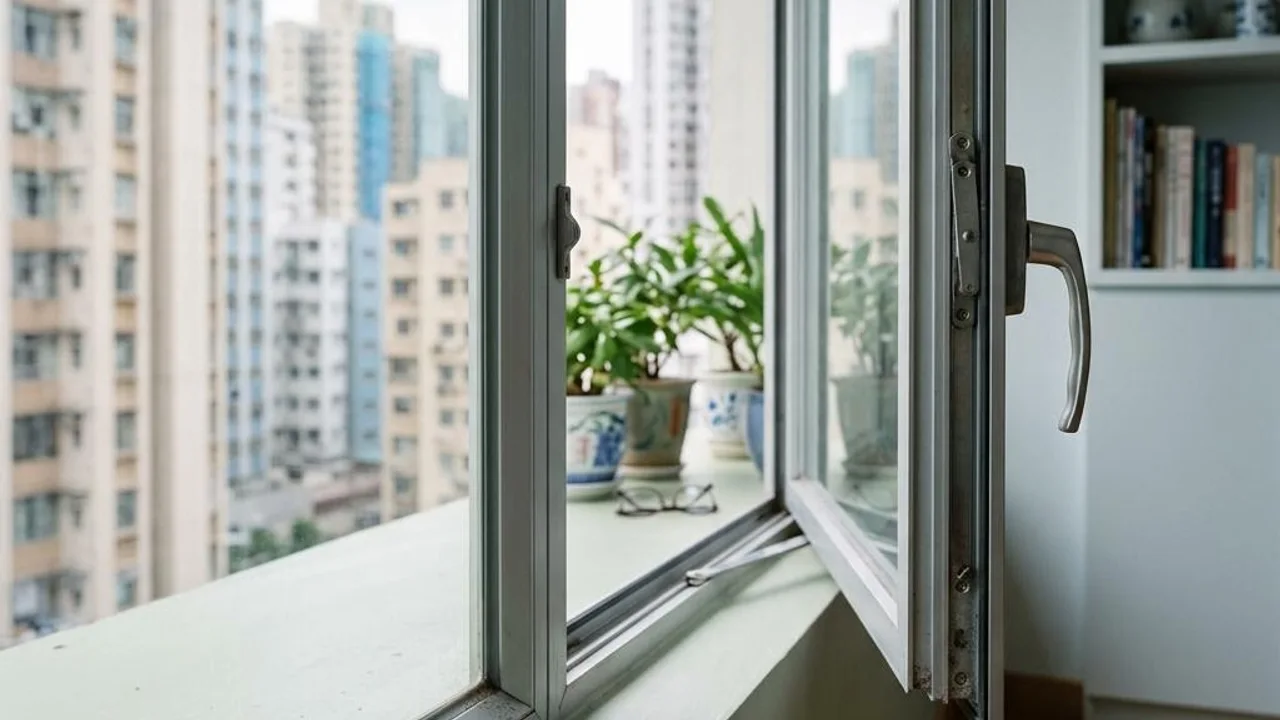
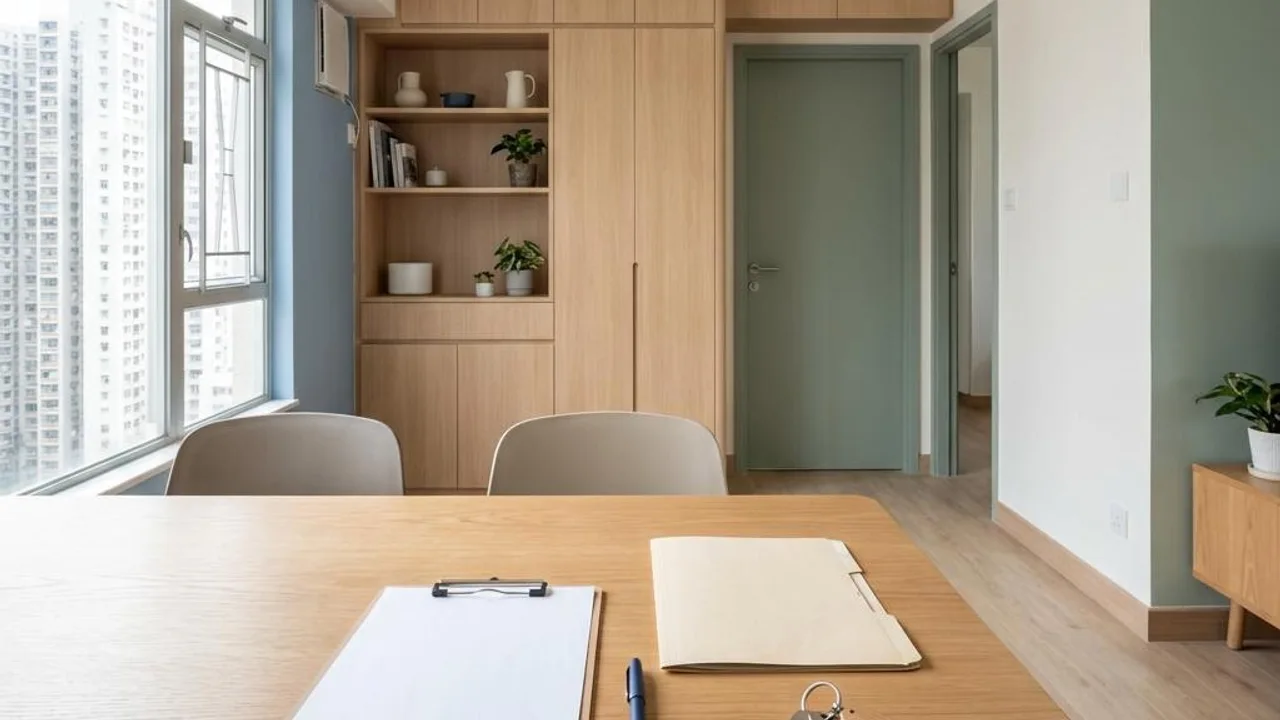
The correct approach should be to stick to the 'inspect first, pay later' procedure. Before confirming that all defect rectification items have been corrected to the inspection standard, you should absolutely not pay the final installment of the engineering fee. A detailed written inspection checklist can assist in checking the status of the works, but standard home inspections cannot guarantee structure, electricity, or gas safety, nor do they cover hidden works, thickness of waterproof layers, remaining service life, or the effectiveness of repairs. Inspection tools are for reference only and cannot be used as absolute proof to reveal all hidden problems. Regarding window inspection and other professional areas, you should entrust relevant statutory qualified personnel to conduct them, as these do not fall under the scope of daily home inspections.
Please do not perform electrical tests, disassemble devices, adjust water pressure valves, or conduct high-altitude inspections yourself; it is recommended to consult qualified professionals regarding specific concerns.
- Refuse all verbal promises of inspection and insist on a written checklist.
- Retain the final installment of the engineering fee until all defect rectification items are completed.
- Record every defect in detail and take photos for backup as evidence.
- Request the person in charge to sign the inspection checklist to confirm responsibility.
Functionality of water and electrical facilities and power supply stability testing.
Home water and electricity are the core foundation, and their operational safety must be tested in practice. When performing the inspection, owners can use a circuit tester to check each socket in the house one by one to confirm whether there is normal power supply and no open circuit. If you find loose sockets or poor contact, you should record it immediately and request relevant personnel to follow up on repairs to ensure the safety of future electrical appliance operation.
Regarding water inspection, it is recommended to turn all taps in the house to the maximum and focus on observing the smoothness of the drain pipes. When performing a shower simulation in the bathroom, in addition to testing the drainage speed, you also need to note whether the connection points of the washbasin and shower enclosure pipes are dry. If you find damp patches around them, you should consult a professional for further inspection of potential seepage problems.
- Use a circuit tester to check the power status of all sockets in the house.
- Turn on taps simultaneously to test drainage performance and check for backflow.
- Carefully inspect whether the connection points of taps and pipes are dry and leak-free.
- Test the floor's waterproofing performance and drainage speed through prolonged water sprinkling.
Check of wall and ceramic tile craftsmanship details.
Wall paint and tiling quality directly affect the home's aesthetics. In a dimly lit environment, owners can use a high-intensity flashlight and shine it parallel to the wall surface. This will clearly show whether the wall plastering is smooth and reveal wavy patterns, bumps, or paint defects that are difficult to see under normal light sources.
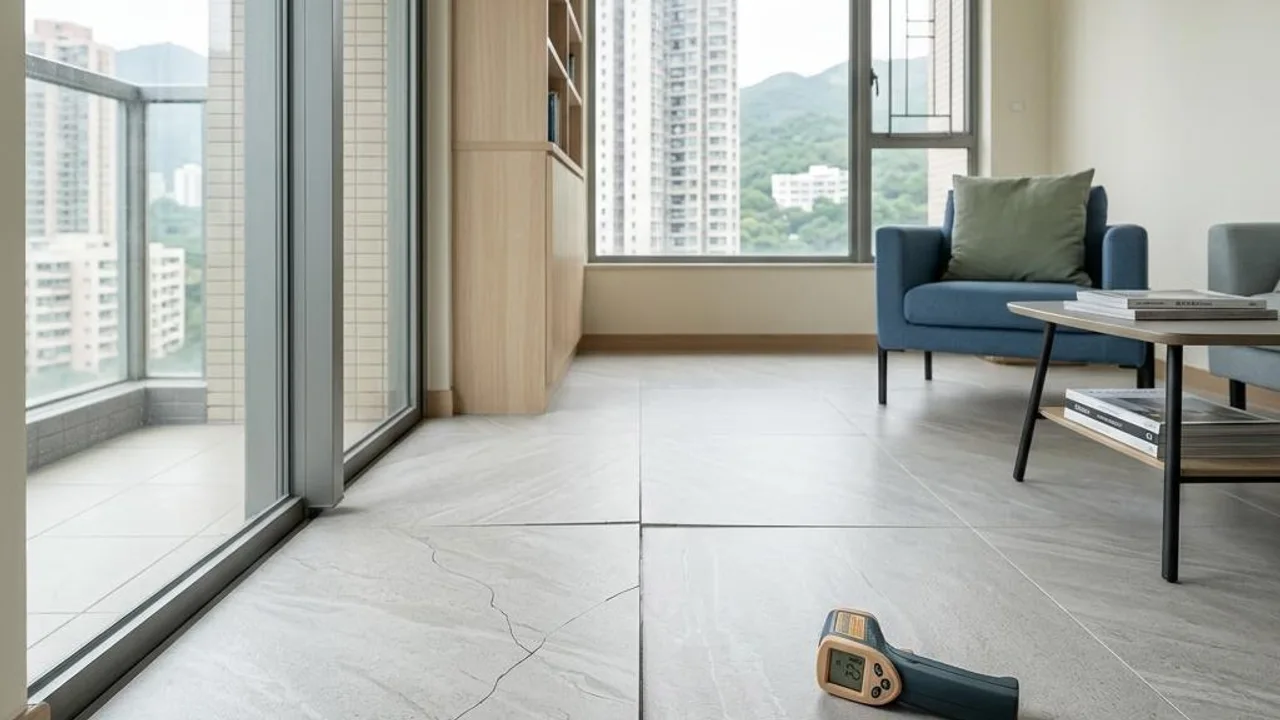
Regarding tiling works, hollow spots are a common problem. Prepare an inspection rod or a coin to tap the tiles lightly; if you hear a hollow sound, it means the cement mortar under the tile is unevenly distributed, which may cause cracks or peeling under long-term thermal expansion and contraction. Once hollow spots are found, mark the location with a sticker and request that the area be redone to avoid future safety hazards.
- Use the high-intensity side-lighting method to inspect the flatness of wall plastering.
- Check whether tiles have hollow spots by tapping.
- Verify whether the tile grout width is uniform and if the grouting material is even.
- Mark all locations where defects are found so that construction personnel can refer to them.
Durability assessment of carpentry furniture and hardware accessories.
The key to inspecting custom-made furniture lies in details and durability. Owners should perform frequent opening and closing tests, operate all cabinet doors and drawers repeatedly to ensure that the soft-close hinges are smooth and noiseless, and the hardware accessories are installed securely. If there are situations like crooked doors or doors that spring open automatically, it indicates that the hinge adjustment or installation is not in place and needs to be adjusted in time.
In addition to surface workmanship, you also need to check the inner layers of the furniture. Check the edges of shelves, the bottom, and dark corners to confirm that there are no wood splinters left or rough areas that have not been edge-banded. Poor edge banding not only affects aesthetics but may also lead to mold concerns after becoming damp. If you find missing edge banding, you should ask the contractor to complete it to seal the wood core.
- Test opening and closing cabinet doors ten times to ensure hardware parts are operating smoothly.
- Check if the connection between the cabinet body and the wall is tight without gaps.
- Touch the furniture edges to ensure there are no wood splinters and the edge banding is perfect.
- Confirm that the shelf load-bearing supports are installed firmly and are level.
Necessity of checking hidden works and professional assistance.
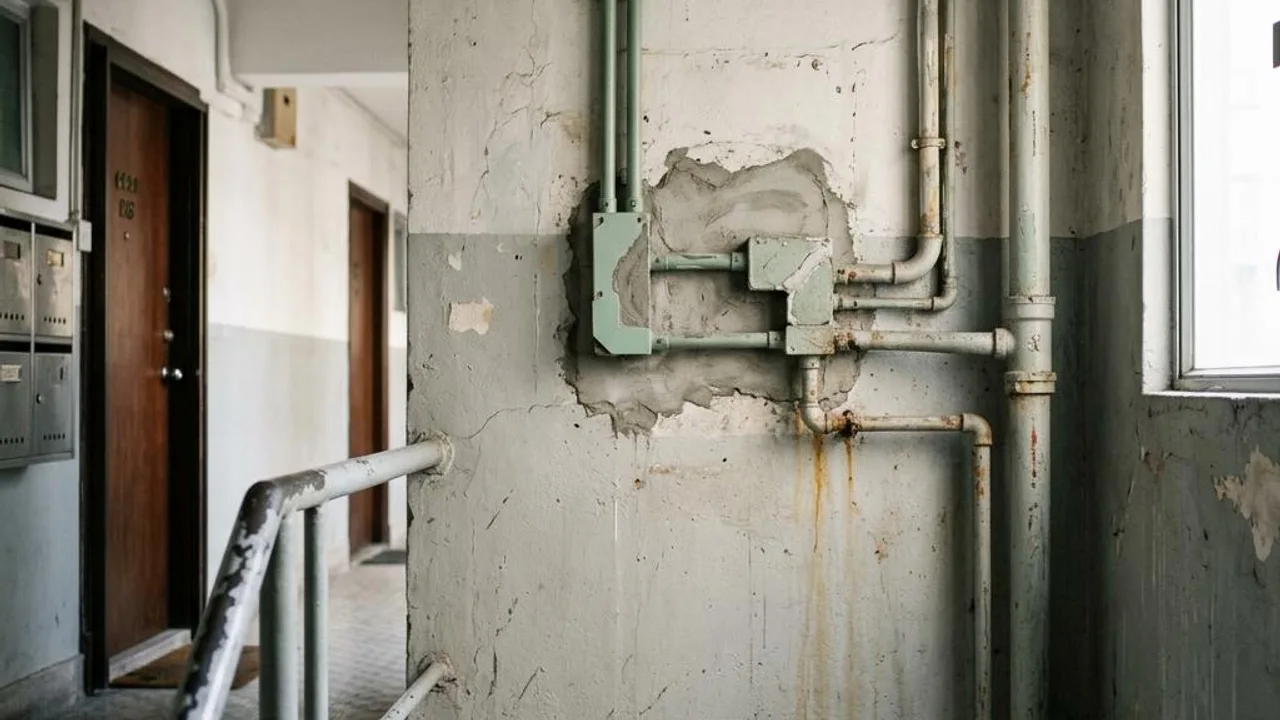
Although owners can perform surface inspections, it is difficult to evaluate potential risks with the naked eye regarding hidden works such as in-wall pipes, electrical load distribution, and structure. If there are seepage risks in hidden locations, repairs are more complex after moving in and may involve the risk of communication with neighbors; it is suggested that owners evaluate whether they need to seek professional assistance based on the actual situation.
If owners have concerns about the inspection results, they should seek professionals with an engineering background to conduct an inspection. They can use tools such as thermal imaging cameras to identify signs of seepage inside the walls or cold bridge effects and provide assessment suggestions with engineering evidence. This helps owners communicate effectively with the decoration company to solve existing problems.
- Use a thermal imaging camera to detect signs of seepage inside the walls.
- Seek professionals to check the safety of in-wall pipes.
- Obtain an inspection report with engineering justification as a basis for bargaining.
- Conduct in-depth assessments for structural or electromechanical risks that cannot be seen by the naked eye.
FAQs
If I find that floor tiles have hollow spots, how should I handle it?
When you find hollow spots, you should first mark the affected locations with stickers to avoid omissions during repairs. It is recommended to contact the person in charge of the decoration and show them the marked locations, requesting them to explain the treatment plan, which usually involves removing the tiles in that area and re-laying them with cement mortar to ensure long-term usage safety.
Does an abnormal socket operation during inspection mean that the entire house's electrical circuit has problems?
A single socket problem does not necessarily mean the overall electrical circuit system has failed, but it indicates that the circuit has installation flaws or connection problems. It is recommended to record the specific location and ask a qualified electrician to conduct an inspection to confirm whether it is a loose wire or a connection error, and require a re-test after repairs to confirm that the function is restored to normal.
Can owners proactively perform waterproofing tests in the middle of decoration works?
It is recommended to observe during the water ponding test stage. Owners can ask the decoration party to conduct a continuous water accumulation test on the bathroom and kitchen floors to observe whether the waterproof layer has seepage and whether there is seepage downstream. Please do not perform destructive flood tests; you should observe and record safely and inform the person in charge.