
Master the actual state of the property
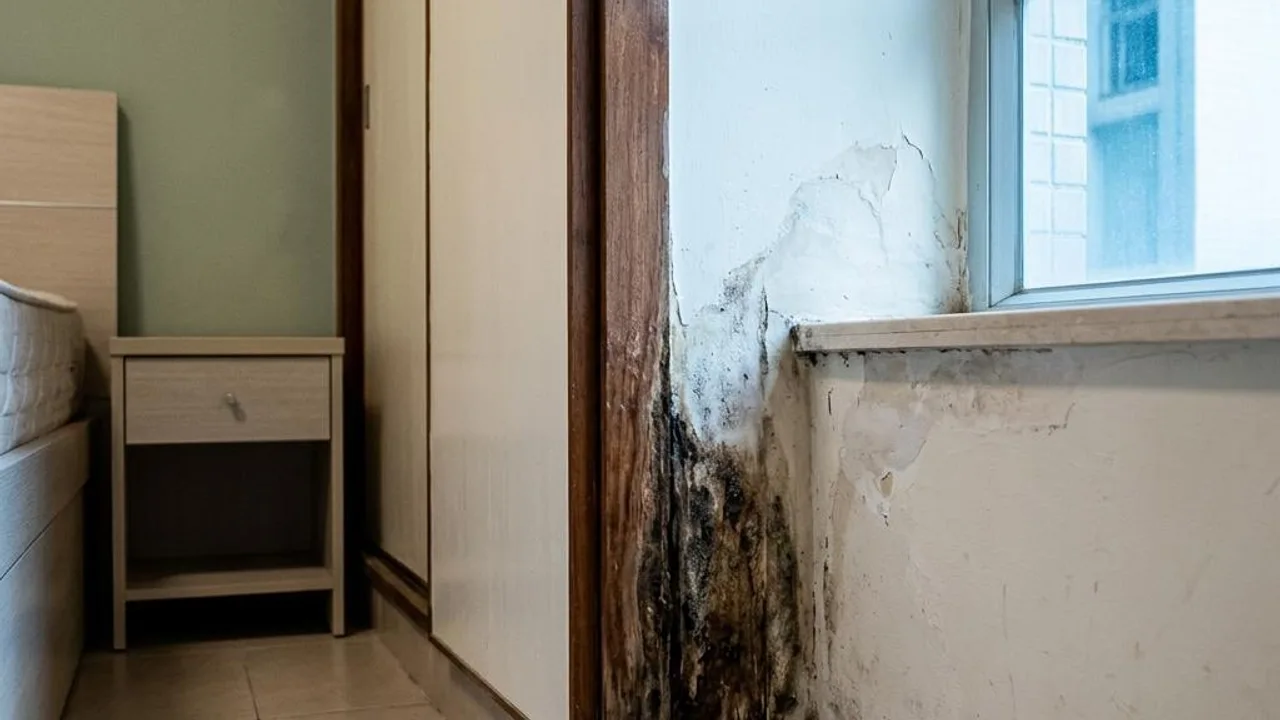
The primary value of property inspection is to provide buyers with an objective status analysis of the property. Whether it is a new development or a second-hand residence, there are often hidden defects within the unit that are difficult to spot with the naked eye, such as concealed pipe leaks, ageing electrical systems, or structural cracks in the walls. Through an on-site inspection by professionals, buyers can obtain a detailed survey report after the property is handed over or before the transaction is completed, helping to clarify whether the property meets standards.
The property inspection process involves checking key components of the property so that owners do not have to discover problems only after moving in. This proactive inspection model can effectively bring potential living hazards to light in advance, allowing occupants to arrange appropriate repairs or rectifications immediately upon discovery, thereby significantly reducing various sudden troubles and inconveniences caused by equipment failure in daily life.
- Identify hidden pipe leakage situations
- Check the safety of electrical facilities and installations
- Confirm the structural state of walls and flooring
- Assess the operation of various basic indoor amenities
Prevent heavy financial burdens
Many owners rashly accept the property without a detailed inspection, only to discover serious maintenance problems months later, forcing them to pay expensive repair costs. OPO Inspection services can help buyers uncover these hidden hazards at critical moments, allowing buyers the opportunity to negotiate related repair responsibilities with the seller during the transaction process, or request an adjustment to the transaction price, keeping repair costs within a reasonable range.
Through professional pre-assessment, owners can accurately estimate long-term maintenance and replacement costs. This not only safeguards the consensus between buyers and sellers regarding property quality but also ensures that every cent of the buyer's investment is worth it, avoiding the need to face unexpected major maintenance expenses at the beginning of home ownership.
- Reduce unexpected repair expenses after handover
- Provide a basis for negotiation to adjust the transaction price
- Safeguard the consensus between buyers and sellers on property quality
- Estimate long-term maintenance and replacement costs
Safeguard the safety of the living environment
Living safety is one of the core objectives of property inspection. During the inspection process, professionals will focus on electrical and fire hazards in the unit. For example, checking the use of extension leads, observing whether electrical plugs have scorch marks, and confirming whether electrical installations comply with safety codes. Such meticulous inspection can effectively prevent short-circuit risks caused by circuit overload or improper installation, ensuring that the family's daily life is conducted under safety protection.
In addition to electrical safety, property inspection also keeps an eye on the appearance of windows. For private buildings aged 10 years or older, the property inspection process helps remind owners of their obligations under the Mandatory Window Inspection Scheme. Visual inspection is not a structural safety appraisal or a mandatory window inspection that meets legal requirements, but it can observe whether window frames have rust, deformation, or poor operation. If such conditions are found, owners should contact a qualified person appointed by the Buildings Department for formal inspection and repair to reduce window safety hazards.
- Check electrical installations and socket safety status
- Observe the operation and wear of windows and window frames
- Identify potential risks of leakage and mould growth
- Confirm fire escape routes and basic fire safety facilities
Increase the overall asset value
Through professional property inspection and repairs based on recommendations, one can effectively improve the overall quality and market rating of the property. A well-maintained residence with clear inspection records can not only significantly improve the comfort of daily living but also demonstrate higher competitiveness in future rental or sales markets, allowing the value of the property itself to be best maintained and enhanced.
When a property has detailed inspection records and comprehensive maintenance files, this is significantly helpful for a buyer's confidence in entering the market. Such documents can prove the owner's investment in property maintenance, ensure that the unit continuously meets living needs and standards, and thus stand out among similar properties, embodying the true potential of the asset.
- Enhance the property's appeal in the second-hand market
- Establish a comprehensive health file for property maintenance
- Ensure the continuous meeting of living needs and standards
- Increase buyers' confidence and desire to enter the market
The inspection role of a professional team
Property inspection is a professional job that requires an experienced team to use instruments and techniques to assess the unit's condition. As property inspection cannot guarantee building structure, electricity, or gas safety, and cannot verify concealed pipes, waterproof layer thickness, equipment remaining life, and maintenance effectiveness, the property inspection report only reflects the objective condition within the visible range. Thermal imaging cameras only show surface temperature distribution and cannot serve as definitive proof of moisture or causes of leakage, nor can they reveal hidden structures. The statutory Mandatory Window Inspection Scheme is an independent procedure that must be executed by a qualified person registered with the Buildings Department and does not fall under the scope of routine property inspection services.
If you have questions about professional fields, you should consult relevant practitioners. Owners must not perform electrical tests, disassemble fixed installations, adjust water pressure valves, or climb onto roofs or external wall windows themselves. It is recommended to properly store inspection records and related follow-up documents for future verification.
During the process, professionals will conduct multi-dimensional assessments of electrical, mechanical, and building systems, and provide targeted repair and maintenance recommendations. Such objective information disclosure allows owners to have a better basis for executing repair plans, ensuring that every improvement measure addresses substantive problems rather than being repaired blindly.
- Professionals check electrical, mechanical, and building systems
- Use professional instruments for multi-dimensional assessment
- Provide impartial and objective detailed inspection reports
- Provide targeted repair and maintenance recommendations
FAQs
If cracks are found on the wall during property inspection, does it mean there is a structural problem?
Wall cracks do not directly imply structural problems. Cracks may be caused by the shrinkage of the paint layer, ageing of the plaster, or the impact of thermal expansion and contraction on the wall. Owners should take photos to record the location and condition of the cracks and enquire with registered engineering personnel or professional building inspectors, who will conduct a professional assessment based on the width, depth, and direction of the cracks.
If suspected leakage is found on the ceiling during property inspection, how should I handle it?
If signs of leakage such as water stains or peeling paint are found on the ceiling, the owner should keep a detailed record of the observation date, scope, and humidity status. Since the source of the leakage may come from the unit above or public pipes, the owner can entrust a licensed professional to conduct a detailed detection and contact the relevant units through the management office to coordinate the investigation and subsequent repair responsibilities.
When trading second-hand properties, can the property inspection report be used as a basis for mandatory price reduction?
A property inspection report is a document reflecting the true state of the property. Buyers can refer to the repair requirements listed in the report as a basis for discussing transaction terms or repair responsibilities with the seller. Whether to reduce the price depends on the agreement between the two parties in the sales and purchase agreement. It is recommended to consult a real estate agent or legal opinion before signing the contract to clarify the terms of the property delivery state.


