Receiving a property should not rely on luck
Purchasing property involves a huge investment and is the hard-earned money of many Hong Kong families accumulated over years. Although developers mostly have a certain reputation, the construction process is complex, involving countless processes and manual labour, so minor defects are inevitable. Treating the handover as a process of relying on luck is irrational; only through scientific testing can asset value be safeguarded.
The significance of professional property inspection lies in preventing potential hidden dangers, rather than just nitpicking small flaws. Through detailed process checks, owners can grasp the true condition of the unit before moving in, ensuring that all electrical, drainage, and structural equipment are operating normally, and realising the vision of living and working in peace and contentment.
- Assets require huge investment and unit quality must be protected
- Avoid subsequent maintenance risks caused by construction defects
- Clarify the actual condition of the property through scientific means
Digging deep into hidden problems
The quality of a unit is often hidden in details that are hard for the naked eye to detect. Professional property inspection does not just focus on wall paint or appearance; it places greater emphasis on testing the building structure and various basic functions. From tapping to detect hollow tiles, checking window frame sealing strips, to the smoothness of kitchen and bathroom drainage, every aspect directly affects living comfort.
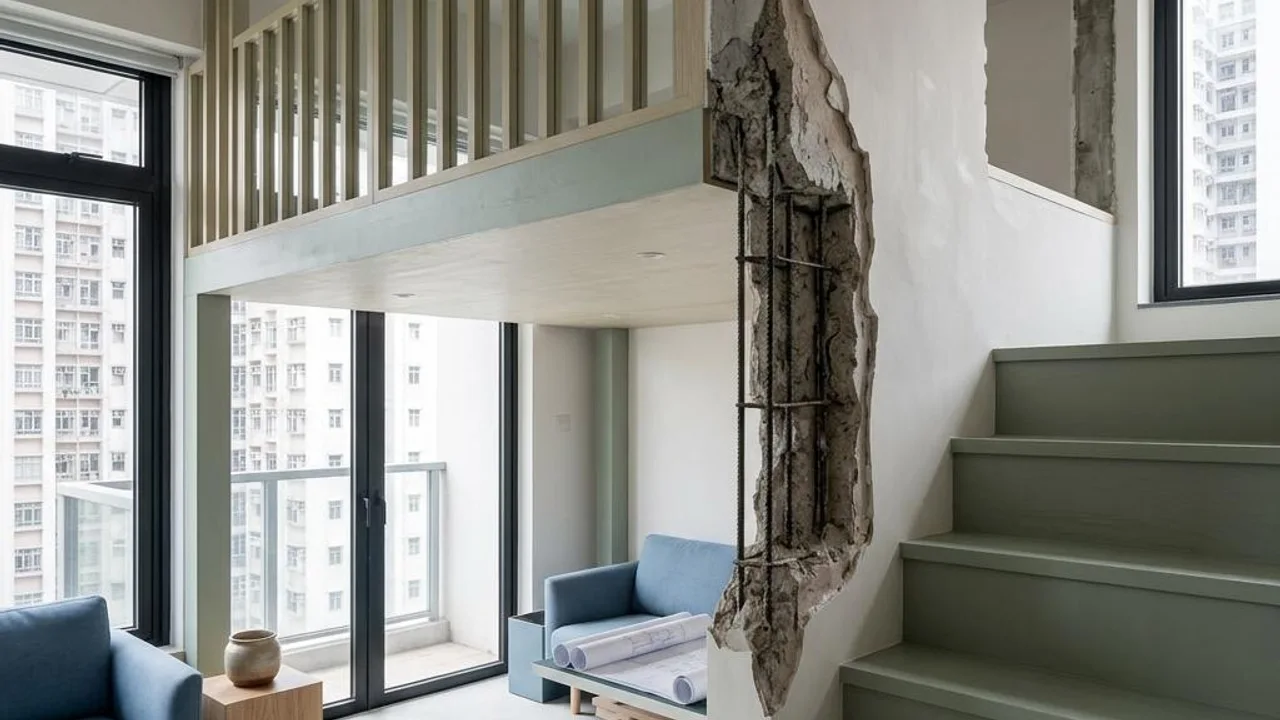
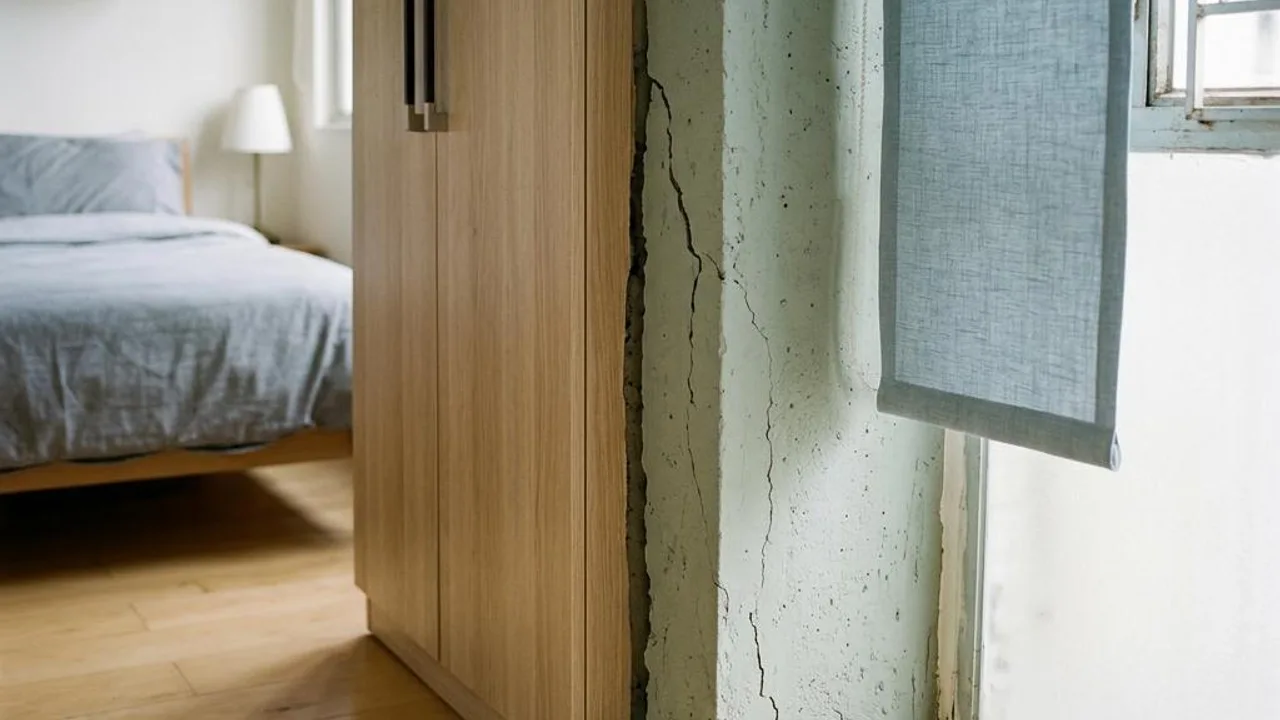
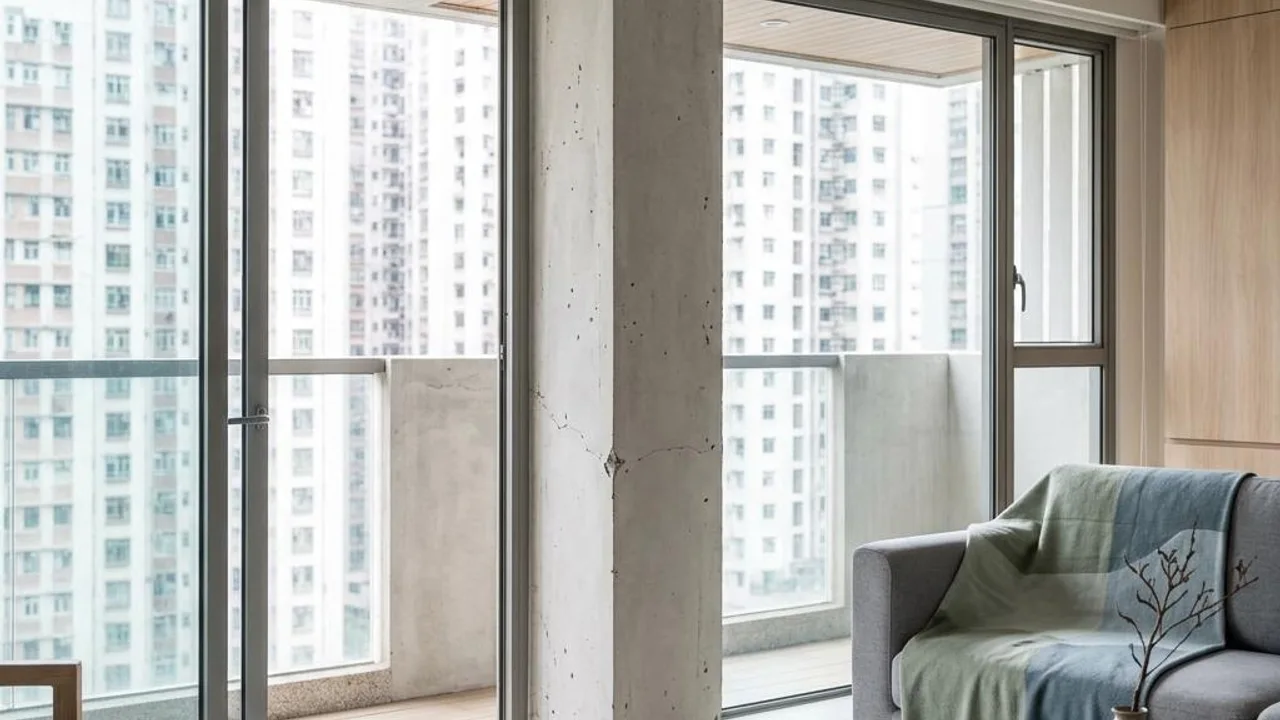
Through professional testing, owners can discover micro-cracks in wall structures or hidden waterproofing layer issues. If these problems are not properly handled at the beginning of occupation, they can trigger later water leakage and maintenance expenses at any time. A comprehensive physical check-up ensures that property basic facilities meet safety and residential standards.
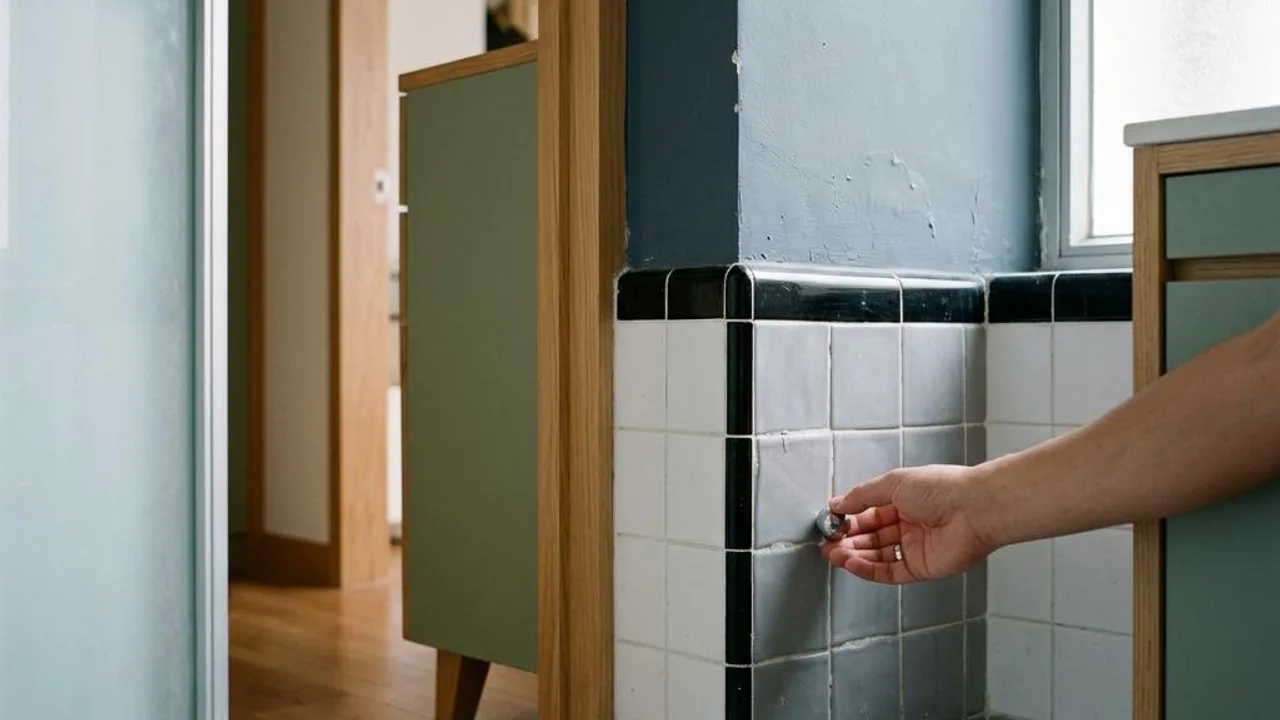
- Tapping test for hollows in walls and floors
- Check window frame and balcony waterproofing sealing
- Test the performance of kitchen and bathroom drainage systems
Clarifying defect rectification responsibilities and processes
The purpose of discovering problems at handover is to clarify the situation and establish a bridge of communication. Owners of new buildings usually enjoy a defect rectification warranty period from the developer; a list that is well-substantiated and logically organised helps to push contractors to carry out repairs. Please note that inspection services are intended to provide an observation of the existing state; they cannot certify structural, electrical, or gas safety, and cannot guarantee hidden pipeline or waterproofing layer thickness, remaining service life, or repair results. Thermal imaging technology only displays surface temperature distribution and cannot be used as the final conclusion for the cause of water leakage or hidden structural issues. Related testing tools cannot guarantee the revelation of all hidden defects.
If the Mandatory Window Inspection Scheme is involved, it must be the responsibility of a Buildings Department Authorised Person, which is an independent statutory procedure. In case of professional technical problems, they should be referred to qualified persons for handling. In addition, it is strongly recommended that owners do not perform electrical tests, disassemble components, adjust water pressure valves, or climb roofs or external wall windows themselves, for the sake of safety.
When problems are recorded on file with quantitative data and objective locations, building contractors can more accurately locate the scope of repair, improve the efficiency of defect rectification, avoid disputes arising from blurred lines of responsibility, and promote consensus throughout the entire handover process in a rational atmosphere.
- Establish a defect rectification list with professional justification
- Assist contractors in accurately targeting and repairing defects
- Clarify the boundary of responsibilities during the warranty period
The application value of professional equipment
Modern building technology changes with each passing day; facing various new building materials and hidden layouts, general buyers often lack corresponding tools. Professional property inspection teams are equipped with infrared thermal imaging cameras, high-definition endoscopes, and professional water testing equipment, which can conduct a comprehensive physical examination from a neutral perspective.
Choosing a reputable professional team can save owners the time cost of exploring on their own. The data and technical suggestions contained in the professional report have extremely high reference value for evaluating the property's future maintenance needs and space for asset appreciation.
- Infrared thermal imaging camera for detecting leakage risks
- Endoscope for inspecting the interior condition of pipes
- Neutral professional report with technical value
Execution details of property inspection services
The property inspection process needs to be arranged in the early stage of property delivery so that the list can be submitted to the developer within the warranty period. It is suggested that owners reserve enough time and sign for the property only after all inspection items are completed.
The inspection process should cover water, electricity, and structural safety. If suspected structural cracks or serious power supply abnormalities are found, the developer should be requested to arrange for engineering personnel to verify them; do not change the on-site status without authorisation.
- Report provision time: Next working day
- Provide expedited booking service, subject to availability
FAQs
If hollows are found in the wall during property inspection, does this mean the wall is about to peel off?
Drumminess (hollow spots) refers to a separation between tiles or plaster and the underlying substrate. While it does not mean they will peel off immediately, such defects may worsen over time due to temperature fluctuations. It is recommended to document these during property handover and request rectification by the developer.
How should an owner handle a suspected water leak?
Owners should leave the site in its original condition and take photos or videos to document the extent of the leak. You should immediately notify the developer's customer service department and submit a formal record, requesting that they appoint qualified personnel to inspect the premises and confirm the source.
Why should I not dismantle bathroom pipes myself for inspection?
Dismantling pipes yourself requires professional plumbing knowledge. Improper operation may cause pipe joints to loosen or seals to be damaged, resulting in serious leaks and potentially affecting warranty terms. This should be handled by professionals.