
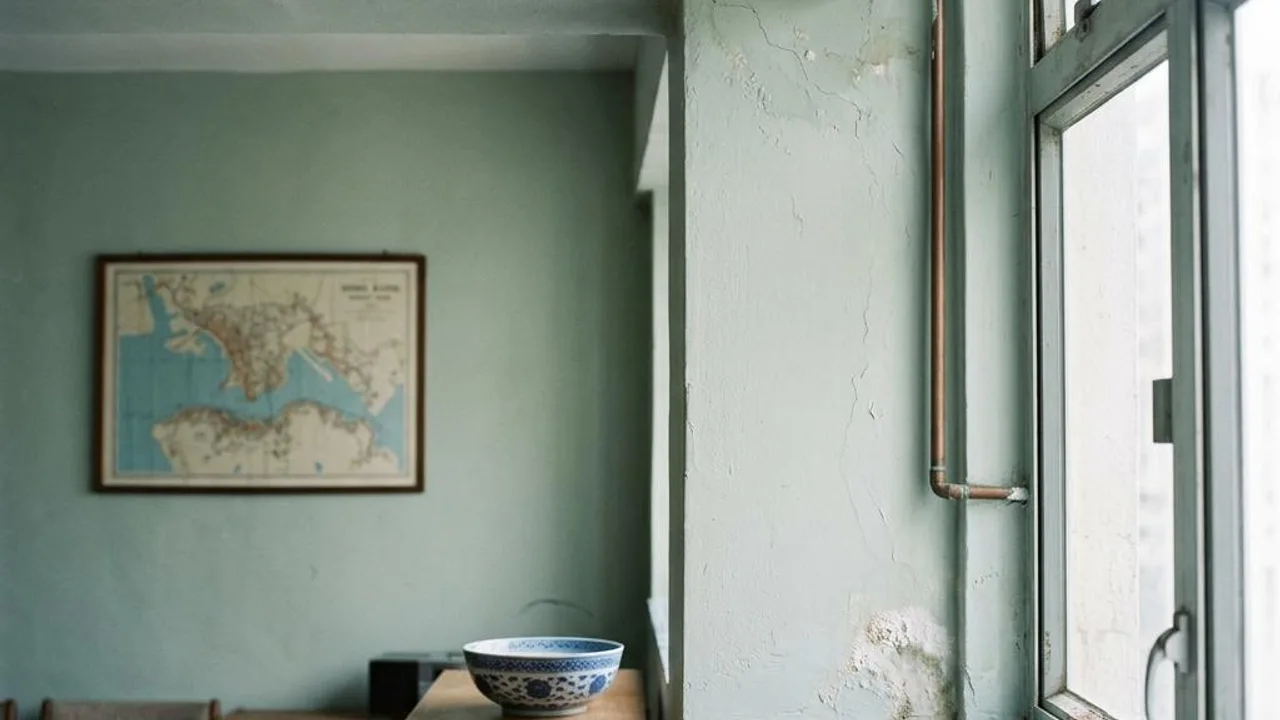
The core value of regular inspection.
Building inspection is not only performed during handover; regular inspection is a key measure for maintaining property value and structural safety. Through systematic checking, owners can identify cracks, leakage, or aging electrical equipment early, controlling damage at the initial stage and avoiding it from developing into expensive major repair works.
Good maintenance records can effectively enhance the resale value of a property. Homebuyers are usually more inclined to choose units with sound inspection reports and maintenance records. Therefore, treating inspection as part of an investment is not only for current living comfort but also to safeguard future asset value.
- Early detection of structural problems.
- Extending the lifespan of building facilities.
- Increasing the market transaction value of the property.
- Reducing unexpected repair expenses.
Establishing a scientific inspection schedule.
Inspection frequency should be flexibly adjusted based on building age, usage intensity, and environmental factors. For new units, it is recommended to conduct a comprehensive property inspection in the first year after move-in to clarify developer liability. For properties over five years old, it is recommended to arrange a professional inspection every two years to address wear and tear from daily use early.
If the property is located in a humid environment or long-term exposed to strong winds, the inspection cycle should be appropriately shortened, especially for windows and waterproofing layers, to prevent severe weather from triggering leaks. Owners should formulate an annual inspection plan based on the actual health condition of the property rather than blindly following a uniform cycle.
- Newly completed units: Comprehensive property inspection in the first year.
- Middle-aged buildings: Recommended once every two years.
- Humid or older areas: Recommended annual inspection.
- Abnormal conditions: Book a professional inspection at any time.
Overview of key inspection items.
A professional building inspection should cover five core areas: building structure, electrical systems, water supply and drainage systems, air conditioning equipment, and fire safety facilities. The structural inspection focuses on observing whether there are obvious cracks, tilts, or abnormal structural deformations in load-bearing walls or columns; this is the most basic indicator for maintaining home safety.
Electrical and plumbing systems are parts of frequent daily use and are prone to hidden wear and tear. During inspection, focus on the power supply status of sockets, reasons for MCB trips, and whether there is leakage or insufficient water pressure in the water supply system, ensuring a stable home electricity and water supply environment and eliminating the risk of electrical overloading.
- Inspection of structural cracks and wall deformation.
- Functional testing of electrical sockets and main switches.
- Monitoring of water supply and drainage pipe leakage.
- Operation of fire safety facilities and ventilation systems.
The necessity of seeking a professional inspection team.
Although owners can perform basic daily observations, professional inspection teams should be hired when precision equipment or structural safety is involved. Professionals possess experience and detection equipment, can assess the current status of the property more precisely, and provide objective inspection reports as a guide for subsequent repairs.
Although professional services involve costs, from the perspective of long-term asset protection, this is an investment with a very high return. Experts can not only root out problems invisible to the naked eye but also provide feasible suggestions for repair and construction based on the report, allowing owners to take fewer wrong turns and avoid unnecessary waste of resources.
- Using professional testing equipment to diagnose hidden hazards.
- Providing objective data and professional reports.
- Planning precise repair priorities.
- Safeguarding the long-term safety of the investment.
The long-term significance of building inspection.
The frequency and quality of building inspections directly affect the owner's quality of life for decades to come. Regular reviews are not just for compliance or safety, but are part of establishing good living habits. An effective plan allows a property to maintain good stability and living value after the test of time.
Through professional assistance, owners can shift from passive repairs to proactive prevention, reducing the stress caused by unexpected situations. It is hoped that the above suggestions provide you with clear guidance, allowing your home to remain in its best condition and creating a safe, stable, and lasting living space for your family.
- Shifting from repair to preventive maintenance.
- Improving the comfort of the living environment.
- Reducing the risk of sudden breakdowns.
- Achieving lasting asset appreciation.
FAQs
What preparations can owners make before a professional property inspection?
Owners can first carry out basic daily observations, record the locations of cracks, water tap leak points, or abnormal electrical operation at home, and organize the floor plan and maintenance records of the unit so that they can explain the problem more precisely when professionals arrive.
Even if the exterior of the unit is in good condition, is it necessary to carry out regular inspections?
It is absolutely necessary. Many structural damages, pipe aging, or electrical hazards cannot be observed by the naked eye in the initial stages. Regular inspections aim to discover these hidden losses through professional equipment, control problems in the initial stage, and prevent them from developing into serious living problems later.
If window leakage is found, how should the owner handle it?
If window leakage is found, the owner should first record the leakage location and the weather conditions at the time, and avoid self-sealing without professional assessment. Contact a qualified professional inspector or engineering staff as soon as possible for inspection, confirm the cause of the leakage, and obtain appropriate repair advice.


