Basic principles of residential acoustic soundproofing.
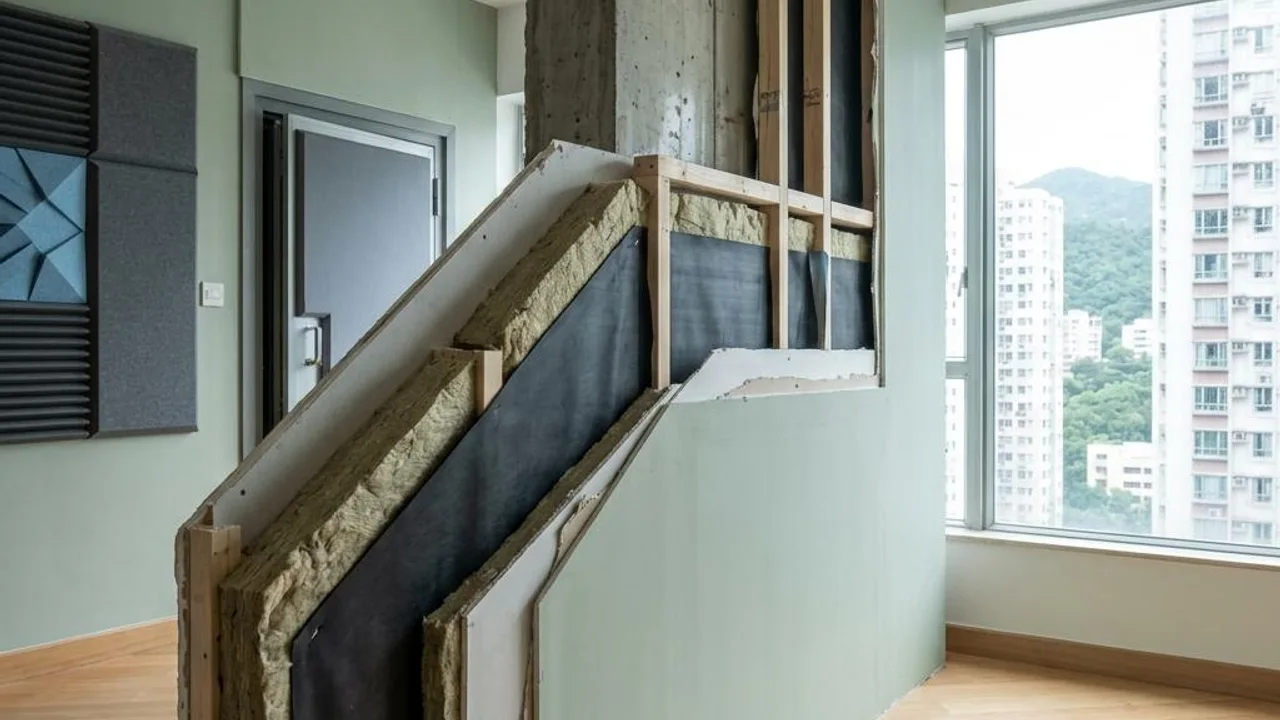
Most residential buildings in Hong Kong are constructed of reinforced concrete, with walls positioned closely together, resulting in strong sound transmission. To establish a recording studio within a residence, a 'room-within-a-room' design must be adopted to interrupt structural and airborne sound transmission. Soundproofing engineering is not merely about pasting sound-absorbing materials; it involves stacking materials such as plasterboard, soundproof felt, and mineral wool to form a composite wall with alternating mass and elasticity.
During the planning phase, designers must consider the space's quietness requirements and physical structural limitations. The operating principle of a soundproofing system lies in reducing the energy of sound vibrations. Through air layers between multiple wall layers and rubber vibration-damping pads, rigid connections between wall surfaces are isolated. If construction is improper, even the smallest rigid bridge will lead to a significant decline in acoustic performance.
- Use high-density soundproof felt as the core of the soundproofing layer.
- Light steel framing must be equipped with professional rubber vibration-damping pads.
- Ensure that an air layer of sufficient thickness is left inside the wall structure.
- Avoid direct contact between the soundproof structure and the original main wall.
Deconstruction of wall structures and vibration reduction techniques.
The hidden works of recording studio walls are key inspection items. The focus of professional inspection is on the vibration reduction treatment between the frame and the original wall; an effective soundproof wall must interrupt rigid transmission paths and use the correct combination of material layers to meet physical vibration reduction performance. If appropriate vibration-damping pads are missing, the wall structure may result in sound vibration transmission. This inspection is limited to observing surface construction quality and cannot verify specific construction details of internal hidden layers, the actual performance of materials, or numerical soundproofing strength. If you need to ensure compliance with specific soundproofing standards, it is recommended to commission a professional acoustic consultant to perform on-site field testing.
During the construction process, special attention should be paid to the filling distribution inside the walls. Sound-absorbing mineral wool must be filled evenly within the light steel frames, and there should be no obvious gaps. Furthermore, the inspection process needs to verify the material specifications in the construction records to ensure the density and thickness of the soundproof boards used are sufficient to block the anticipated low, medium, and high-frequency sounds.
- Confirm that there are vibration isolation nodes between the frame and the main wall.
- Check whether the mineral wool filling is laid evenly.
- Verify whether the multi-layer wall possesses the expected soundproofing quality.
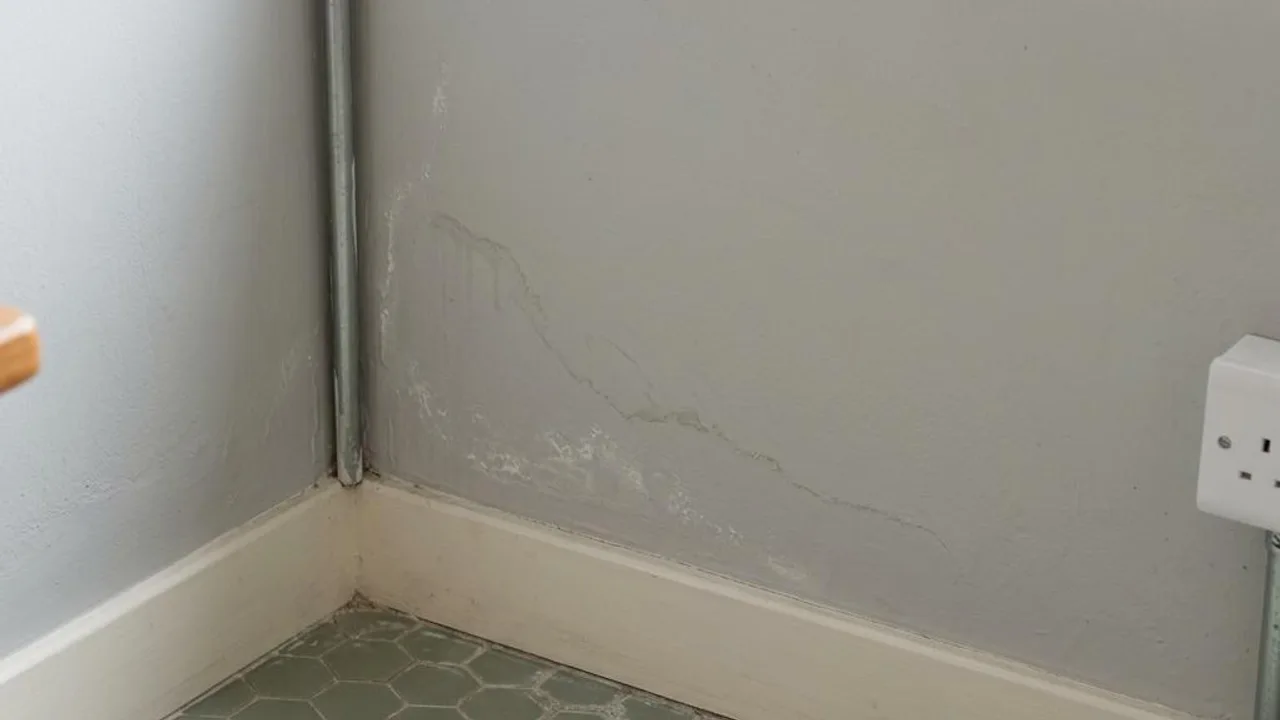
- In residential recording studio soundproof wall engineering, it is necessary to verify the configuration of hidden electrical conduits within the walls. Please note that general home inspection services cannot provide guarantees regarding the compliance of hidden works, structural safety, or specific installation details of electrical conduits. It is recommended to leave technical issues involving building regulations, electrical safety, and structural load-bearing capacity to professionally qualified engineers or registered contractors for assessment. Do not dismantle electrical devices or perform electrical circuit tests yourself.
Airtightness engineering and gap sealing.
Acoustic soundproofing has a golden rule: gaps are the source of sound leakage. Even if the wall's soundproofing performance is excellent, once there are small cracks at socket openings, electrical conduit entries, or wall corner joints, sound will leak out through air transmission. Therefore, the top priority for completion acceptance is precise airtightness checking.
Construction personnel must use professional high-elasticity acoustic sealant in all connection areas for multi-layer filling. In particular, the areas behind skirting boards and the joints between ceilings and walls are the most easily overlooked hidden gaps. Professional acceptance will include a comprehensive re-inspection of these key nodes to ensure the space's airtightness reaches a recording-studio grade standard.
- Reinforce all wall corner joints with sealant.
- Fill electrical conduit entry and exit points with anti-vibration sealant.
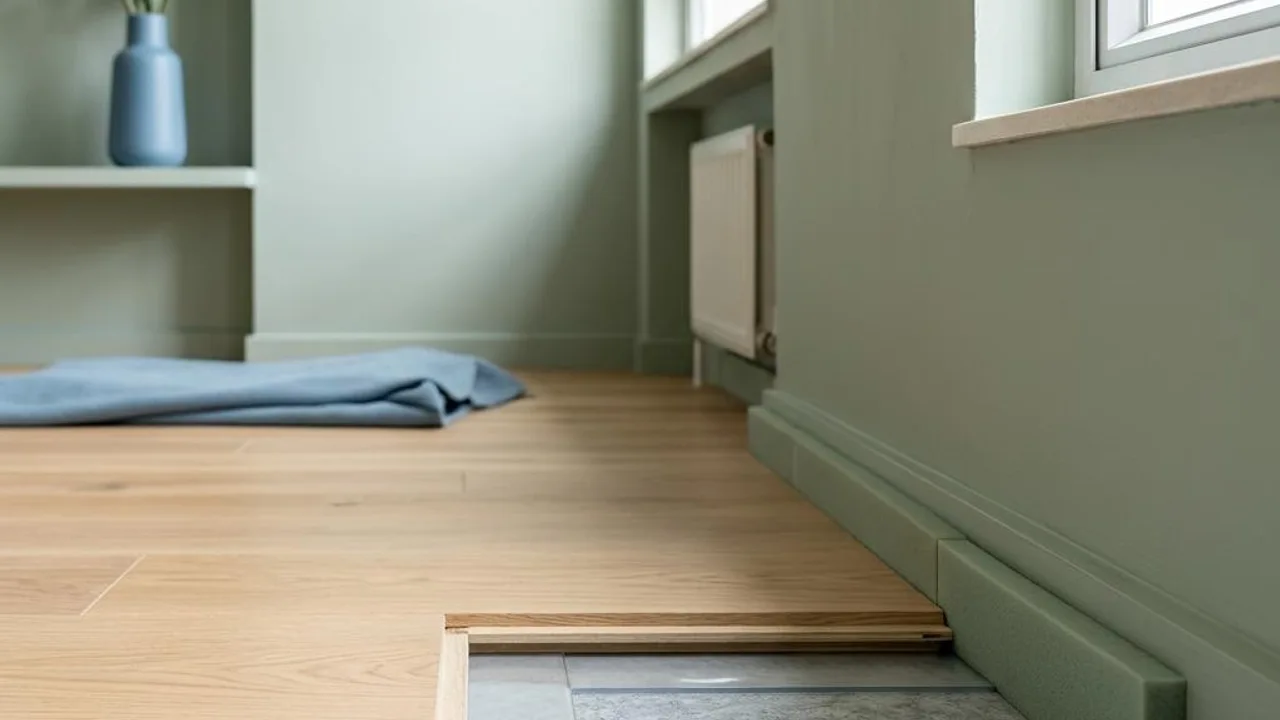
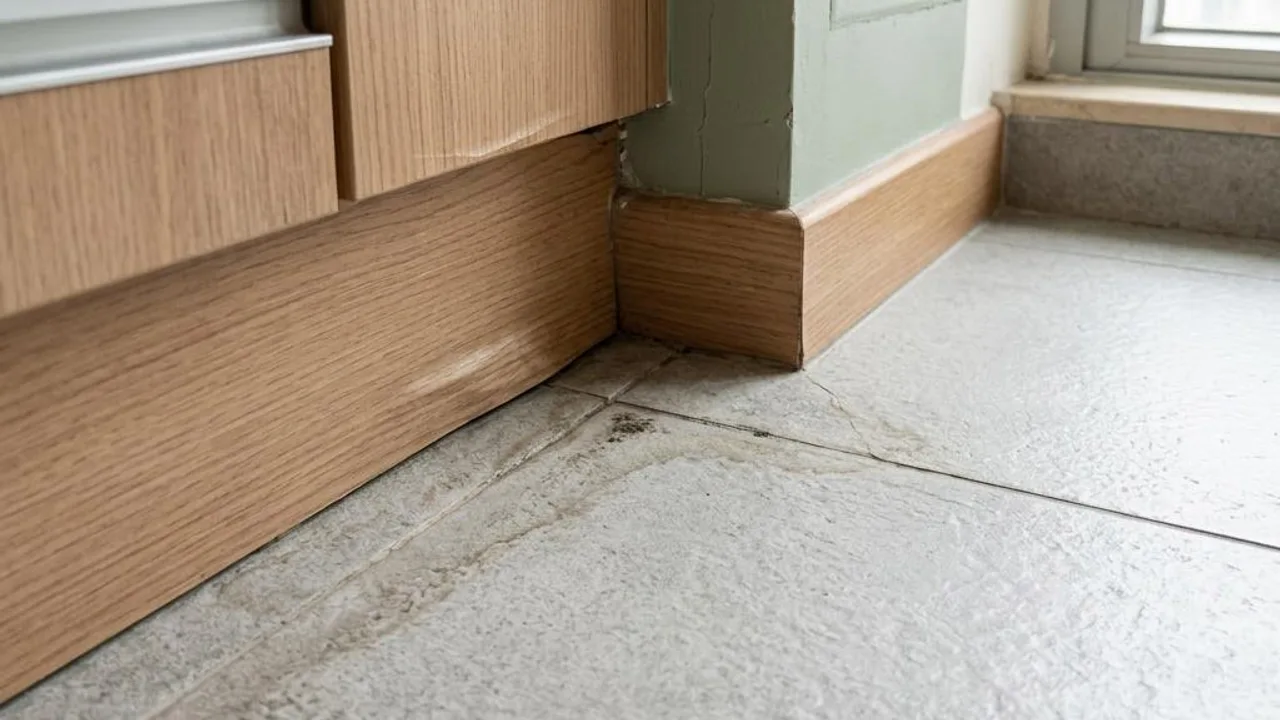
- Inspect and seal hidden areas behind skirting boards.
- Inspect door and window rubber seals and sealing structures.
Quantitative testing of soundproofing performance.
After completion, it is difficult to define engineering quality based purely on subjective hearing, so verification through scientific testing is required. The test process is usually conducted before the furniture is moved in. By placing a standard pink noise source indoors and setting up high-sensitivity sound level meters in the living room, bedrooms, and upstairs/downstairs levels, the actual blocking performance of the soundproof wall at different frequencies is quantified.
This type of stress test not only verifies whether the construction meets the standards but also helps owners understand the acoustic characteristics of the space. Data analysis helps to eliminate sound leakage risks during the construction process, ensuring that future recording or mixing work will not cause disturbances to other occupants. This procedure is a key step in transforming a renovation project into a professional recording studio.
- Use standard pink noise for sound pressure testing.
- Measure sound transmission data to neighbouring rooms at multiple points.
- Analyse low-frequency resonance and frequency blocking curves.
- Establish a professional acoustic inspection data report.
Intervention of professional teams and key points for inspection.
Residential recording studio construction involves complex architectural acoustics and physical analysis, which cannot be handled by general home renovation routines. Due to the issue of rigid bridges, it is difficult to detect subtle construction flaws without precise instruments like real-time frequency analysers. Therefore, seeking a professional team with an accredited background to perform property inspection and acoustic testing can effectively reduce risks.
Professional inspection services provide objective, quantified data reports to assist owners in correcting every acoustic detail. The scope of professional acceptance includes assessment of wall soundproofing strength, investigation of hidden sound leakage points, and structural resonance detection, providing owners with the most reliable sound protection recommendations without damaging the walls.
- Use industrial-grade sound level meters to evaluate soundproofing strength.
- Use frequency analysers to locate structural flaws.
- Provide detailed data reports and remedial recommendations.
- Professional personnel inspect electrical and wall safety.
FAQs
How can it be determined if a residential recording studio has structural sound transmission issues?
Owners can observe whether there are rigid connections at wall joints or, through professionals using frequency analysers, evaluate the wall's response to low-frequency vibrations; if vibration can be clearly heard in neighbouring rooms, it may indicate performance limitations in the vibration reduction structure. The above observations are for reference only and cannot replace professional engineering inspections or guarantee soundproofing effects; related questions on structure and soundproofing performance should be entrusted to registered engineers or acoustic consultants for assessment.
Which details are most easily overlooked during an airtightness check?
The most common are hidden gaps, such as the space behind skirting boards, electrical conduit entry/exit points, and the junctions between ceilings and walls. If not sealed with professional acoustic sealant, airborne sound transmission will cause a significant decline in overall soundproofing performance.
Why must a pink noise sound pressure test be conducted after completion?
Subjective hearing is prone to error; pink noise testing can objectively quantify the wall's ability to block different frequencies, ensuring data reaches the preset soundproofing level and thereby preventing sound disturbance to neighbours during future recording processes.