
The value and necessity of new property inspections
Buying a new home is a major life event. Conducting a comprehensive property inspection at handover is not only a necessary step for verifying the handover state, but also lays a good foundation for future living quality. Even if the developer has provided an inspection, owners should still perform a meticulous check from the user's perspective to avoid trivial problems like water leaks, circuit faults, or finish damage after moving in.
Professional property inspection can identify many subtle defects that are difficult for the naked eye to detect. Finding them before payment and requesting the developer to fix them can significantly reduce future repair burdens and time costs. For owners, this is not just financial protection, but also a sense of peace of mind and responsibility for living in comfort.
- Identify omissions in construction or decoration defects
- Avoid extra repair costs due to hidden hazards after moving in
- Request the developer to carry out proper repairs before handover
- Ensure interior facility operation status meets expectations
Inspection preparation tools and preliminary planning
To do a job well, one must first sharpen their tools. Before going for a property inspection, it is recommended to carry standard yet practical inspection tools, such as a spirit level, measuring tape, flashlight, and a notebook for recording. These tools can help you perform an initial check on whether the floor is level, the walls are vertical, and if there are hidden gaps along window frames.
Besides tools, preparing relevant documents is equally important. These include the property floor plan, the sales contract, and the list of facilities provided by the developer. Organizing these documents and carrying them with you allows for a more methodical comparison during the inspection, ensuring no details are missed.
- Self-prepared basic inspection tools: tape measure, flashlight, and spirit level
- Verify the facility and decoration list provided by the developer
- Prepare the property floor plan to confirm the layout of facilities
- Carry a notebook to record all discovered defect items
Structural integrity and interior finish inspection
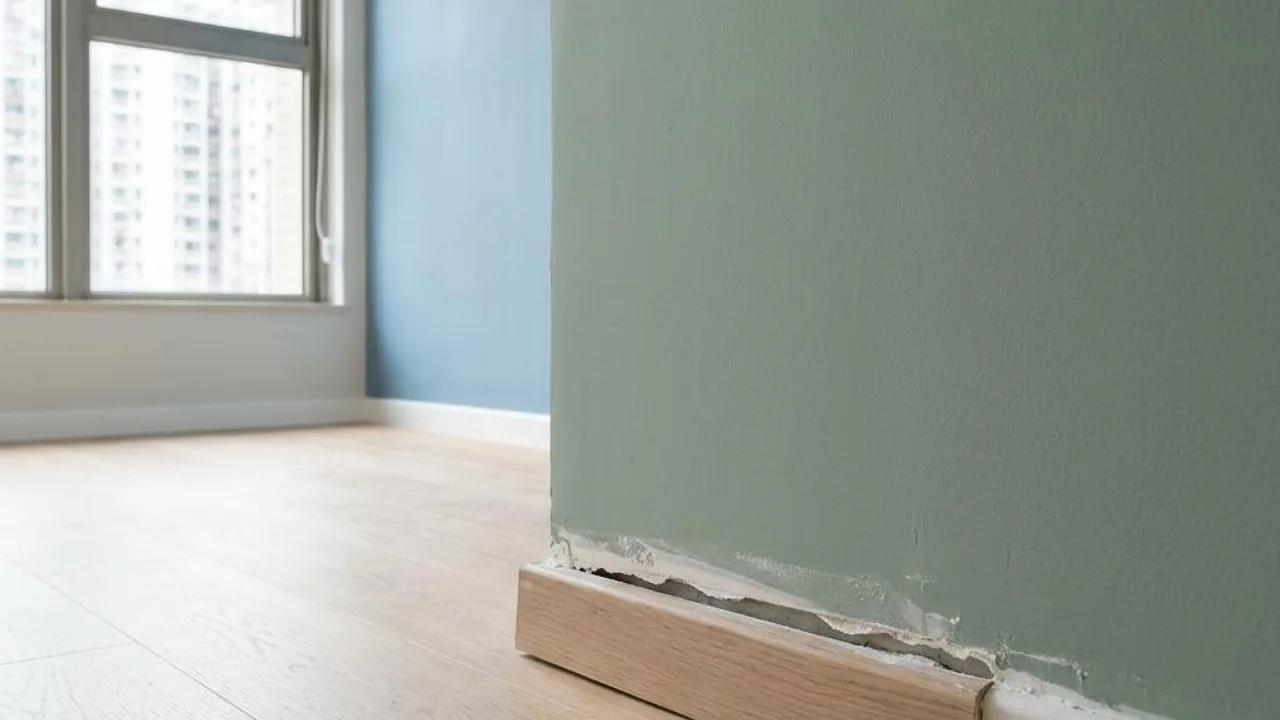
Structural integrity is the core of safe living. During a property inspection, one should carefully check for cracks in ceilings and walls, distinguishing between normal expansion/contraction and structural cracks. Look out for whether the floor is tilted or makes obvious sounds when walking, and check the walls for water stains; these marks are often signs of leakage.
In terms of interiors, paint surfaces should be even, without run marks or bubbles. Opening and closing of doors and window frames must be smooth, with good sealing when closed and no obvious gaps. Furthermore, the stability of cabinets and door hardware should not be ignored, ensuring every detail meets handover standards.
- Carefully check walls and ceilings for abnormal water seepage marks
- Test the smoothness of door and window operations and edge sealing conditions
- Observe if the floor is level and free of hollow sounds
- Verify the surfaces and edge finishing details of all carpentry cabinets
Home water and electrical system safety inspection
Water and electrical systems are the lifeblood of home operations. In the water supply system, one must test if the pressure of all faucets is stable and confirm that hot and cold water supplies are normal. Simultaneously, observe the drainage systems in the kitchen, bathroom, and balcony to ensure water drains smoothly without pooling, and confirm that the floor drain slopes are correct.
Electrical system testing should prioritise checking whether circuits and switches are operating normally. Please remember that users should avoid making unauthorized modifications to fixed electrical installations. If sockets fail to provide power or the fuse box makes strange noises during testing, record it immediately and request the developer to conduct professional repairs to avoid electricity usage risks.
- Comprehensive testing of hot and cold water pressure and flow smoothness
- Confirm all drain points are clear with no hidden leakage risks
- Test the power supply stability of the circuit and the operation of the residual current device
- Check that all lighting and electrical device functions are normal
Post-inspection follow-up and repair communication
When an owner finds defects during a property inspection, they should compile all details into a list, noting specific locations and the severity of the defects. When communicating with the developer or their appointed contractor, ensure all repair requests are made in writing to avoid later disputes caused by verbal promises.
For professional technical issues, such as those involving hidden pipe leaks or complex electrical safety hazards, you should request the developer in writing to hire qualified professionals to verify and repair them. Owners should confirm that the repair items have been completed and then conduct an on-site inspection again to ensure the problem has been thoroughly resolved.
- Categorise and record missing items and mark their locations
- Submit the list of repair requirements in writing
- Request a secondary inspection after repairs are completed
- Ensure all repair craftsmanship meets building regulation requirements
FAQs
Does finding wall cracks during a property inspection mean there is a structural problem?
Wall cracks may be caused by the expansion and contraction of the surface paint or plaster, but they can also be caused by water seepage or structural shifting. It is recommended that owners record the length and location of the cracks and request the developer to provide a professional assessment; if water seepage marks are found, these must be prioritised for handling.
During a self-conducted property inspection, can I open sockets to check the electrical wiring connections?
No. Owners should avoid any work involving the disassembly of fixed electrical installations. If there is a suspected issue with the circuit, request a technician with a professional license to carry out an inspection; operating it yourself poses electrocution and safety risks.
What should I do if the developer refuses to repair the items in the property inspection report?
Owners should ensure the property inspection report is detailed and refer to the handover standard clauses in the contract when negotiating in writing. If the issue involves serious safety hazards or violations of building regulations, you may suggest the developer arrange for an independent third-party professional inspection for verification.


