Plumbing and Electrical Piping Configuration and Safety Inspection
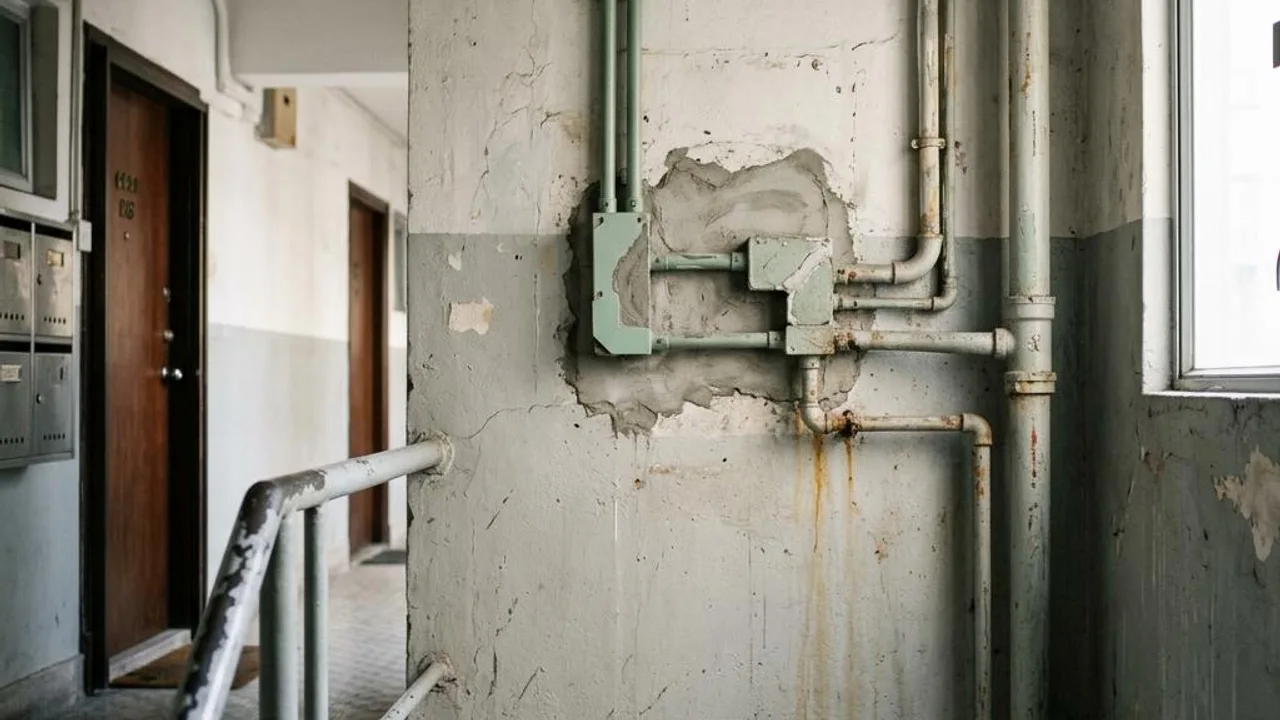
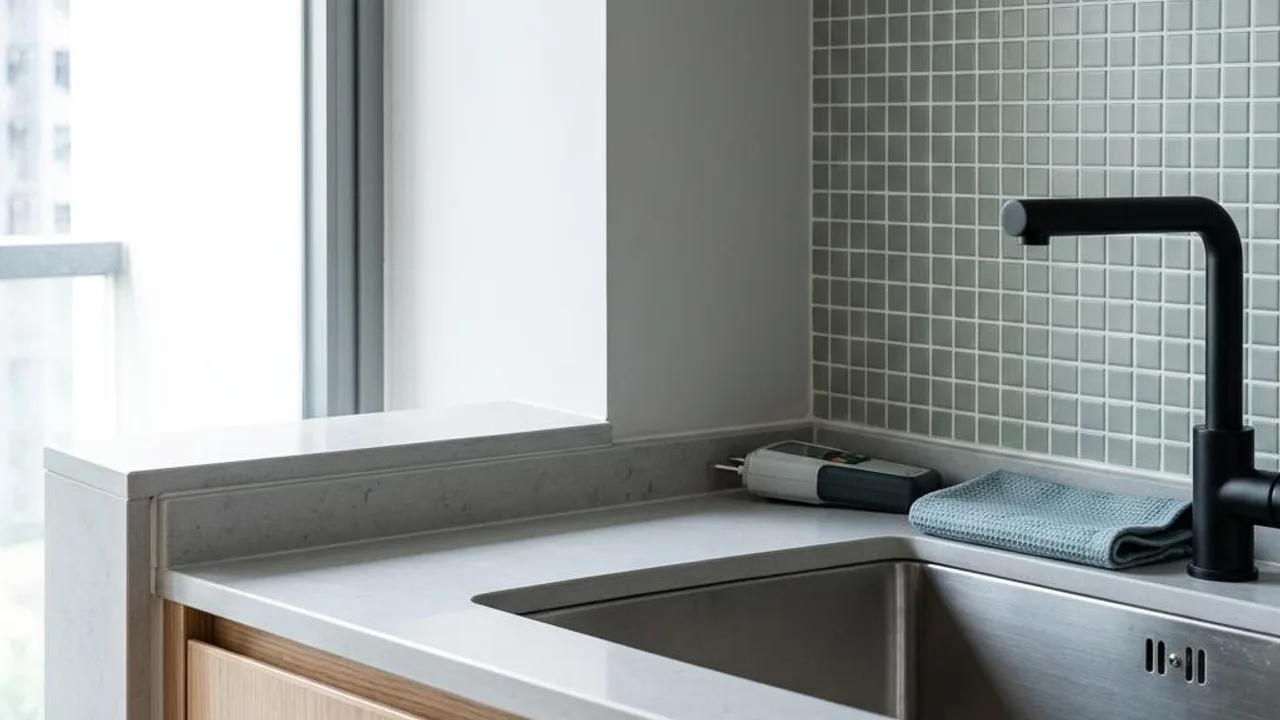
Plumbing and electrical works are considered concealed works in a home; if design or construction is improper, repairs may require chiselling into walls or floors, resulting in extremely high costs. During inspection, owners should check if taps flow smoothly, and confirm that drainage is normal and free from blockages. It is recommended to use lighting tools to examine the drainage pipe joints beneath kitchen and washbasin sinks, paying attention to any water marks or signs of dampness. Such inspections are limited to surface observation and cannot guarantee the structural integrity of concealed pipes or the thickness of waterproofing layers; it is recommended to consult a professional for testing if suspicious conditions are discovered.
Electrical system testing focuses on ensuring power stability and the effectiveness of protective devices. Test all wall sockets to confirm power supply status, check if wiring markings in the distribution board are clear, and ensure the Residual Current Circuit Breaker (RCCB) trips correctly under simulated conditions. It should be noted that for fixed appliances not connected via sockets, such as electric water heaters or ceiling lights, such electrical work must be performed by a Registered Electrical Contractor (REC), who should provide a Work Completion Certificate (WR1).
- Turn on all taps to check water pressure and drainage performance
- Check pipe joints under kitchen and bathroom sinks
- Test power supply status of all wall sockets
- Confirm that the distribution board's residual current circuit breaker is working correctly
- Verify if electrical installations have a registered contractor's certificate
Inspection of Wall Masonry and Painting Craftsmanship
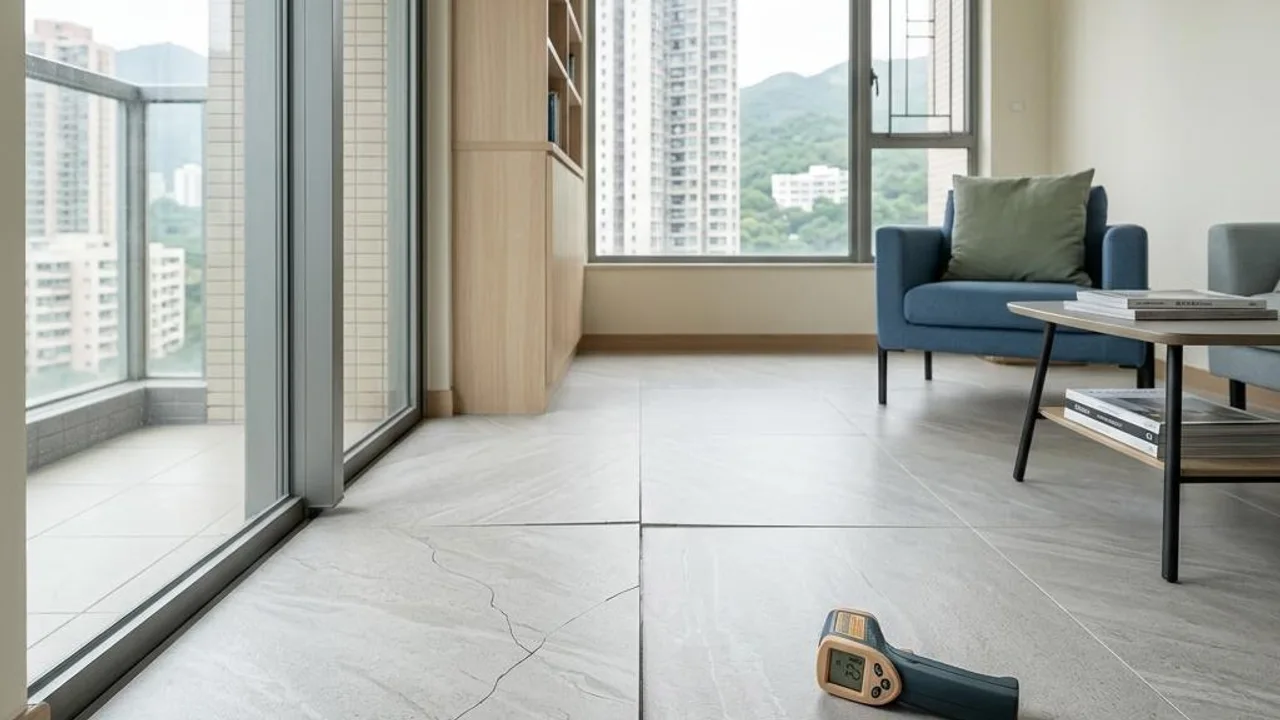
The construction quality of walls and floor tiles determines the aesthetic and durability of a home's space. When inspecting floor tiles, it is recommended to use a professional hollow-tapping hammer to gently tap the tile surface, especially in water-usage areas such as kitchens and bathrooms; pay close attention to hollow sounds to prevent tiles from detaching in the future due to thermal expansion and contraction, which could even cause home accidents.
For wall paint, one should observe under sufficient lighting whether the paint surface is smooth and uniform, noting any blistering, cracks, or colour discrepancies. At the same time, the finishing work at ceiling and corner joints must be examined in detail. High-quality finishing not only enhances aesthetics but also prevents premature paint cracking caused by poor edging, affecting long-term maintenance and home cleanliness.
- Use a hollow-tapping hammer to check for hollow wall and floor tiles
- Observe if the paint finish is smooth, uniform, and free from blistering
- Check walls for cracks or construction colour discrepancies
- Note the finishing work at ceiling and corner joints
Aluminium Window Waterproofing and Safety Inspection Procedures
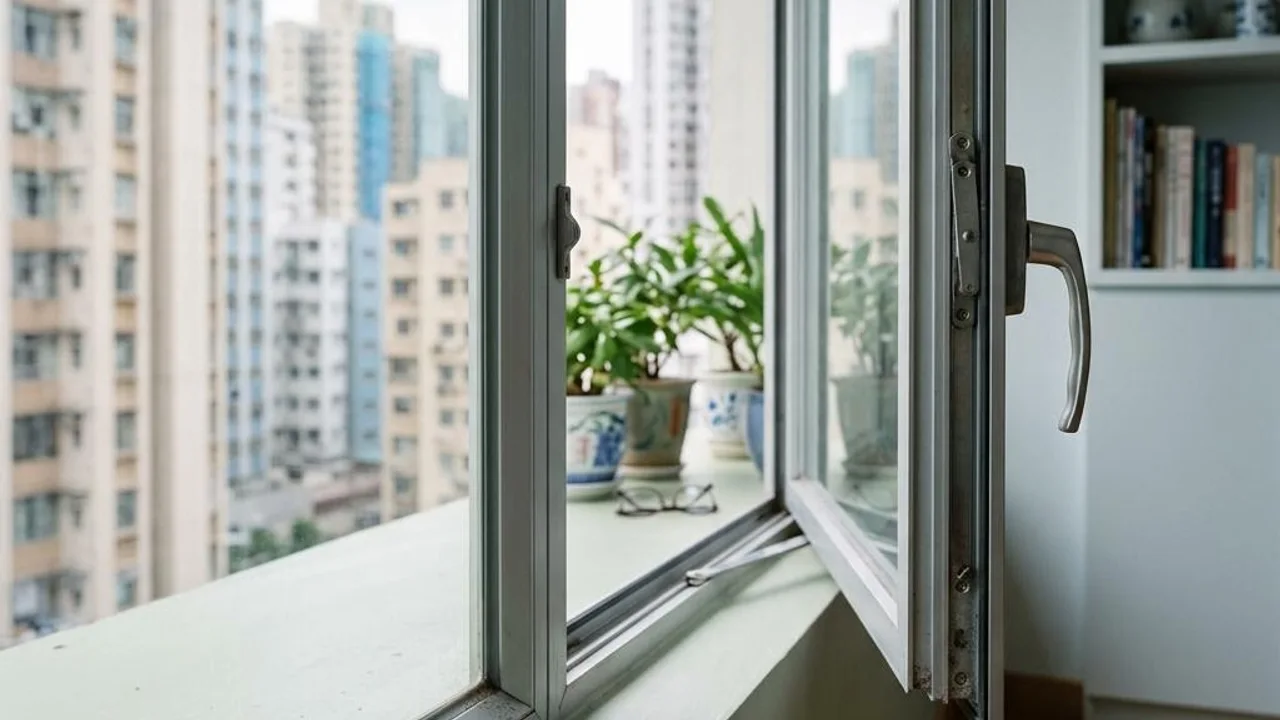
Hong Kong's climate is variable, with typhoons and heavy rain often testing external windows, making the waterproofing and airtightness of aluminium windows a core indicator of property inspection. During inspection, the glass sealant around the window frames should be examined in detail to ensure it is full, smooth, and shows no signs of aging or detachment, so as to prevent rainwater from seeping into the room through gaps and causing wall mould.
In addition to sealing, functional testing of windows is essential. Open and close the window sashes repeatedly to ensure hinges move smoothly without abnormal noise, and check that locking mechanisms fit tightly without any looseness or failure to lock securely. Furthermore, it is crucial to check for water stains at the joints of window sill stone, as these details are often precursors to concealed leaks and should be followed up as soon as possible.
- Check if aluminium window glass sealant application is uniform
- Confirm the smoothness of aluminium window operation and the tightness of locking mechanisms
- Check if the joint between the window frame and the external wall is sealed tightly
- Inspect window sill stone for any signs of water seepage
Custom Furniture and Hardware Functionality Testing
The precision of custom furniture directly affects indoor circulation and daily living experience. During inspection, a spirit level should be used to measure the horizontal and vertical state of large cabinet units to ensure structural stability. It is especially necessary to check the alignment of cabinet doors and drawers; door panels must be uniform in height, and gaps must be of even width to prevent cabinet deformation or difficulty in opening due to improper installation.
The durability of hardware is another key point; drawer runners and cabinet door hinges should be operated repeatedly to confirm that the sliding process is smooth, with no abnormal noise or obstruction. Ensure that when a drawer is pulled out fully, it does not affect movement paths within the room or collide with surrounding facilities. If hardware is found to be unstable, it should be reported immediately, and the decoration team should be requested to adjust or replace it.
- Use a spirit level to check the vertical and horizontal alignment of cabinets
- Ensure cabinet door gaps are even and operation is smooth
- Test drawer runners and hinges for any abnormal noise
- Check consistency in cabinet door panel heights
- Confirm that drawers do not obstruct movement paths when opened
Application of Professional Inspection Techniques
Although homeowners can carry out preliminary observations, issues involving precision structures, concealed pipe leaks, or complex electrical configurations cannot be diagnosed by the naked eye alone. Professional inspection tools such as infrared thermal imaging cameras and microwave moisture meters can provide scientific assessments without damaging the decoration.
For suspected leaks or structural issues, it is recommended that homeowners organise the phenomena observed on-site, such as water stain locations or wall conditions, and consult a qualified building inspection professional for follow-up to obtain an accurate technical assessment report, which serves as a basis for negotiating repair responsibilities with the decoration party.
- Use scientific equipment to detect concealed leaks
- Organise a list of abnormal on-site phenomena
- Hire a qualified person for professional assessment
FAQs
If a hollow sound is detected in floor tiles during inspection, does this represent a serious construction flaw?
Hollow sounds indicate a gap between the tile and the base layer. If the area is large, there is a higher risk of tile detachment over time due to seasonal temperature changes or humidity. It is recommended to record the location and request the decoration team to evaluate, rather than removing them yourself.
When performing a self-inspection, how should signs of window frame water seepage be handled?
If water stains are found on the window sill stone, do not attempt to fill them with materials yourself. Instead, record the relevant locations and arrange for a qualified person to inspect the external wall sealant as soon as possible to clarify the cause of the seepage.
Why does uneven cabinet door height affect future use?
Uneven cabinet door heights not only affect aesthetics but also indicate improper hinge adjustment or uneven installation structure. Long-term use may cause friction between the door panel and the cabinet body, or even lead to uneven stress on hinges, causing damage.