
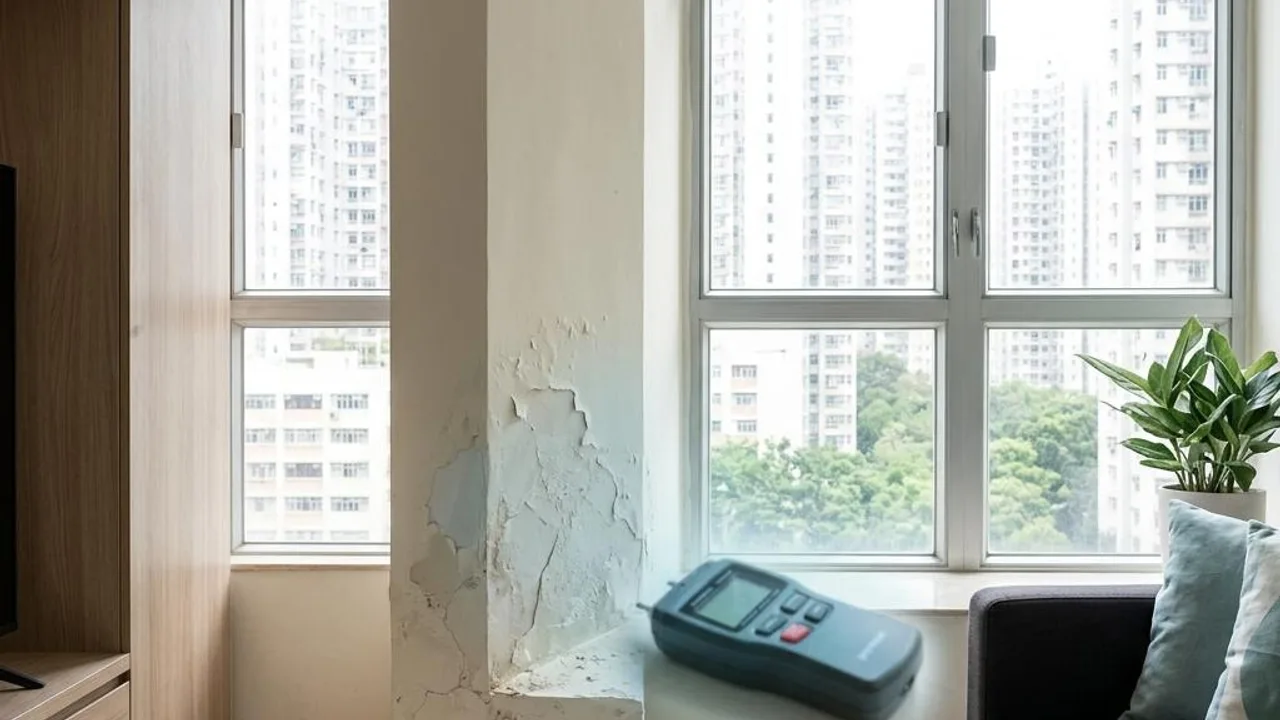
The Necessity and Value of Commercial Property Inspection
Commercial buildings involve large areas and complex facilities. Conducting professional property inspection services not only assesses the building's potential repair needs but is also an important link in risk management. For corporate tenants and investors, understanding the true status of the property before signing a sale or lease agreement can effectively avoid operational disruption risks caused by insufficient electrical load, abnormal air conditioning operation, or waterproof structural issues.
Professional property inspection provides an objective status report, offering transaction transparency for both parties and thereby protecting the interests of buyers and tenants. For sellers, properties that have undergone professional inspection and recorded repair status are usually more competitive in the market. We recommend incorporating professional property inspection into the planning when transferring commercial properties to protect asset value and ensure the smooth commencement of business.
- Assess the Safety and Structural Risks of Commercial Properties
- Enhance Transparency in Leasing and Trading Processes
- Provide Owners with Property Maintenance and Repair Suggestions
- Prevent Operational Interruptions Caused by Facility Failures
Main Scope of Commercial Property Testing
Professional property inspection services cover building structures and various infrastructure; commercial properties require focusing on structural integrity. The building inspector will assess the stability of the foundation, columns, beams, and floor slabs to ensure the property meets the durability requirements for commercial use. While visual inspection cannot replace professional structural calculations, careful professionals can identify obvious cracks, structural deformations, or signs of settlement early.
In a commercial environment, the operation of mechanical and electrical systems is the core of operations. The testing scope includes electrical distribution systems, water supply and drainage pipelines, and large commercial air conditioning systems. We ensure electrical device load balancing, that water pipes have no leaks, and check if air conditioning cooling efficiency meets standards. Any hidden dangers in mechanical and electrical aspects could lead to expensive shutdowns for repairs, making systematic testing crucial.
- Check Building Structural Integrity and Surface Condition
- Verify Electrical Distribution Systems and Load Status
- Test Commercial Water Supply and Drainage Pipe System Performance
- Assess Air Conditioning and Heating Equipment Operation Status
Regulatory Compliance and Indoor Quality Testing
Commercial buildings must strictly comply with local building regulations and fire safety ordinances. A vital part of the inspection service is checking the regulatory compliance of facilities, including the placement of emergency exits, the layout of fire sprinkler systems, and fire-resistant partitions in public spaces. Ensuring that the building meets these stringent regulations is a legal obligation that must be fulfilled by owners and tenants, and can also avoid significant expenses resulting from being ordered to repair due to non-compliance in the future.
Furthermore, indoor quality assessment of modern office spaces should not be underestimated. This covers air quality, natural light distribution, and noise disturbance testing. Although indoor air quality measurement standards are mostly applicable to large public places, in an office environment, we can provide tenants with advice on high-quality office environments by checking air conditioning ventilation performance and signs of mold growth. Maintaining appropriate ventilation and humidity control is an effective strategy for preventing problems.
- Verify if building facilities comply with fire safety ordinances
- Check the layout of emergency exits and fire safety devices
- Assess the performance and humidity of indoor ventilation systems
- Examine environmental noise sources and light source distribution conditions
How to Conduct On-site Observation and Communication
As an owner, you can start with daily observations, noting if there are recurring signs of dampness in the space or unusual sounds from air conditioning operation, and take photos of these locations as backup, so that you can point out areas needing key inspection more clearly during the property inspection. Proactively observing and preparing relevant records can help inspection personnel execute testing work more efficiently and ensure potential problems receive attention.
When you discover suspected damage or functional abnormalities, please remain rational and record the situation. Do not attempt to dismantle electrical appliances or perform high-altitude inspections yourself; the discovered situation should be handed over to personnel with relevant qualifications for assessment. Through the inspection content provided by professionals, you can ask for expert opinions regarding system operation and request additional inspections or confirmation of repair suggestions for specific concerns.
- Regularly check walls and ceilings for signs of leakage
- Observe electrical load and socket operational reactions
- Maintain space ventilation and observe for mold conditions
- Discuss observed abnormalities with professional building inspectors
Follow-up on Inspection Reports and Repair Coordination
Following your property inspection, you will receive a detailed professional report recording every finding identified. Please keep this document safe, as it serves as vital evidence for communication and repair requests with the developer or landlord. Should any issues be uncovered during the inspection, we recommend contacting the responsible party promptly to arrange for defect rectification. We can also provide follow-up advice for owners after the repairs have been made to ensure the quality of the improvements.
To ensure issues are resolved fundamentally, please provide the property inspection report as a reference when engaging professional repair teams, and confirm whether the repair plan specifically addresses the root cause of the problem. For large-scale repair works, you may consult the professional inspection team regarding the reintegration procedure to confirm that the functionality of the relevant facilities has been restored to the expected standard upon completion.
- Keep the report as evidence for defect rectification
- Owners are advised to prepare their own photos of the site
- Coordinate with the responsible party to handle issues early
- If a reinspection is required, please contact a professional to confirm
FAQs
Can a commercial property inspection identify all potential structural risks at once?
Professional property inspection aims to identify obvious structural defects and electrical/mechanical abnormalities through visual inspection and system testing, but it cannot replace in-depth structural engineering calculations. If deep-seated structural safety concerns are suspected, the property inspector will advise engaging a Registered Structural Engineer for a specialist assessment.
If the property inspection report identifies electrical system issues, does it mean the property is unsuitable for renting?
The discovery of electrical issues does not mean the property is unsuitable for renting; rather, it is a reminder that you must request the responsible party to carry out repairs before signing the contract. Based on the specific findings in the report, you can require the landlord to resolve issues such as insufficient load or hidden wiring hazards before handing over the premises, ensuring the safety of your office operations.
How can I ensure that repair works have thoroughly resolved the issues after receiving the property inspection report?
Once the responsible party has completed the defect rectification, we recommend that you ask them to provide repair records or an acceptance certificate. If the situation is complex, you may consider engaging a professional property inspector for a reinspection, re-evaluating the specific issues originally found to confirm that the improvements meet expectations.


