Architectural characteristics of village houses and Tong Lau
Village houses and Tong Lau are unique in the Hong Kong property market; the former are typically low-rise buildings in the New Territories, while the latter are mainly multi-storey structures in older districts. Because their construction era and design logic differ significantly from modern private housing estates, understanding their potential risks before handover or purchase is crucial.
Such properties often involve more exposed spaces, such as rooftops, balconies, or independent exterior walls. The property inspection process must focus on observing structural load-bearing performance, the long-term impact of the surrounding environment on the building itself, and whether the drainage system design is sufficient to cope with the local climate.
- Independent structural inspection for village houses
- Assessment of multi-storey public spaces in Tong Lau
- The impact of external wall deterioration on interior spaces
Key points for structural safety observation
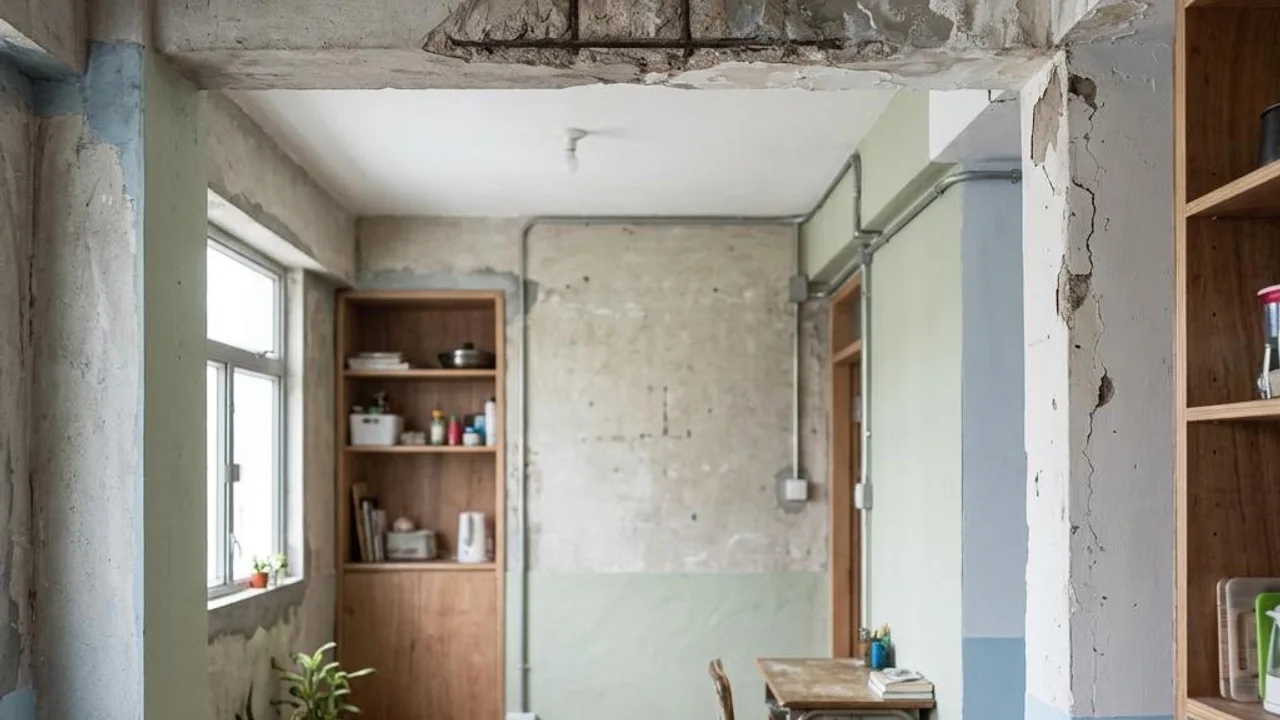
When conducting a structural inspection, the property inspector will assess the flatness of walls, floors, and ceilings. If village houses or Tong Lau experience excessive settlement or uneven stress, it may lead to internal structural misalignment or irregular cracks, which need to be identified early to decide whether repairs are necessary.
For properties of this type that are older, one should pay attention to whether the walls have abnormal tilting or structural cracks. While a visual inspection cannot replace a professional structural engineer's appraisal, it can serve as an indicator of whether the property has basic residential safety and requires further follow-up.
- Check floor flatness and wall verticality
- Observe if there is any abnormal ceiling settlement
- Record the location of structural cracks for maintenance reference
Water seepage prevention and drainage system inspection
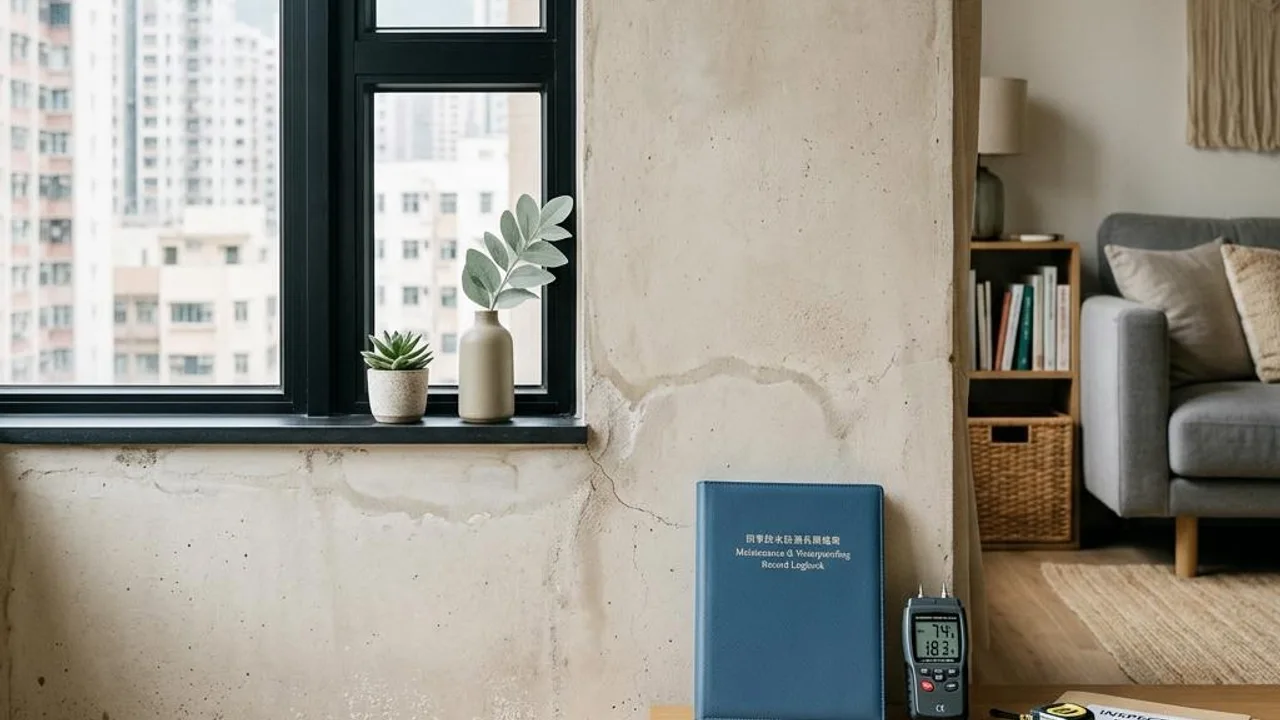
Since village houses and Tong Lau have larger exposed areas, roof and exterior wall waterproofing are the main focus of maintenance. Property inspection services often use infrared technology to detect moisture distribution and identify potential signs of seepage on rooftops, window sills, and pipe joints to prevent severe leakage after moving in.
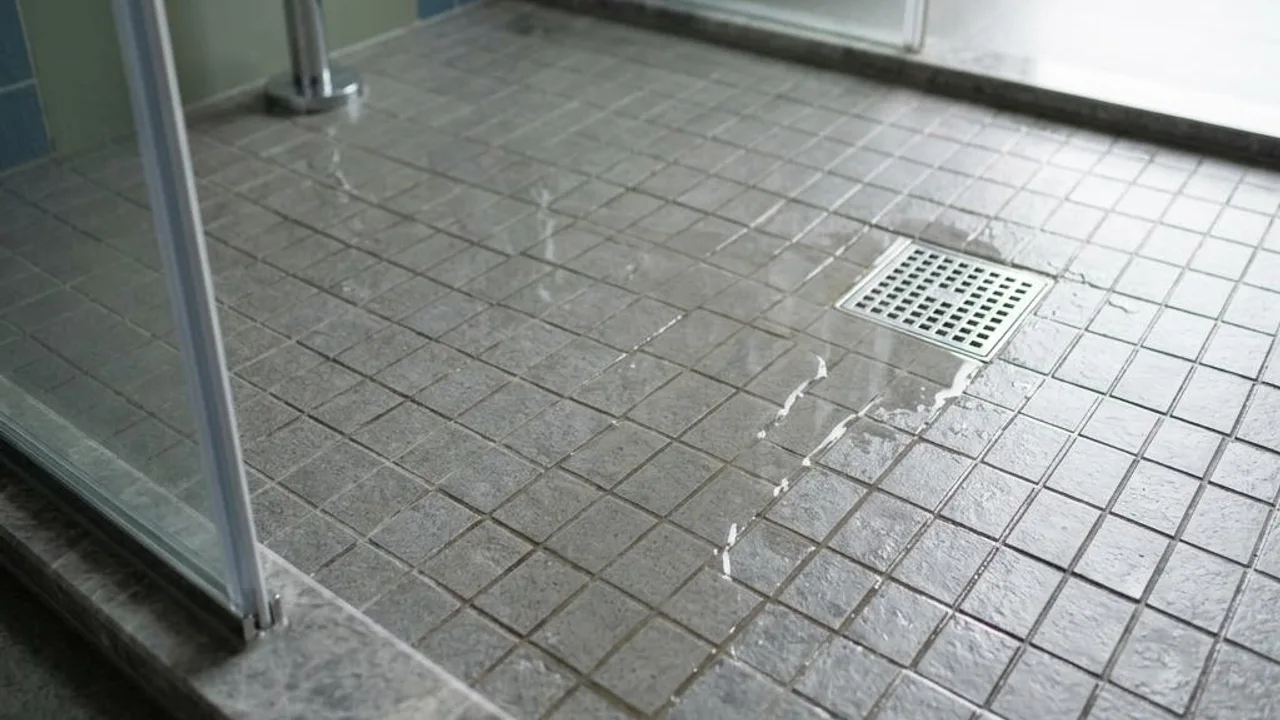
Drainage system inspection ensures that domestic water can be drained away smoothly. Because the drainage pipes of some older buildings may be aged or blocked, a professional inspection can ensure drainage is clear, reducing the damage caused by damp environments to the building structure.
- Infrared camera detection for hidden signs of seepage
- Assessment of waterproofing status on window sills and rooftops
- Drainage pipe clearance and joint inspection
Door and window functionality and exterior assessment
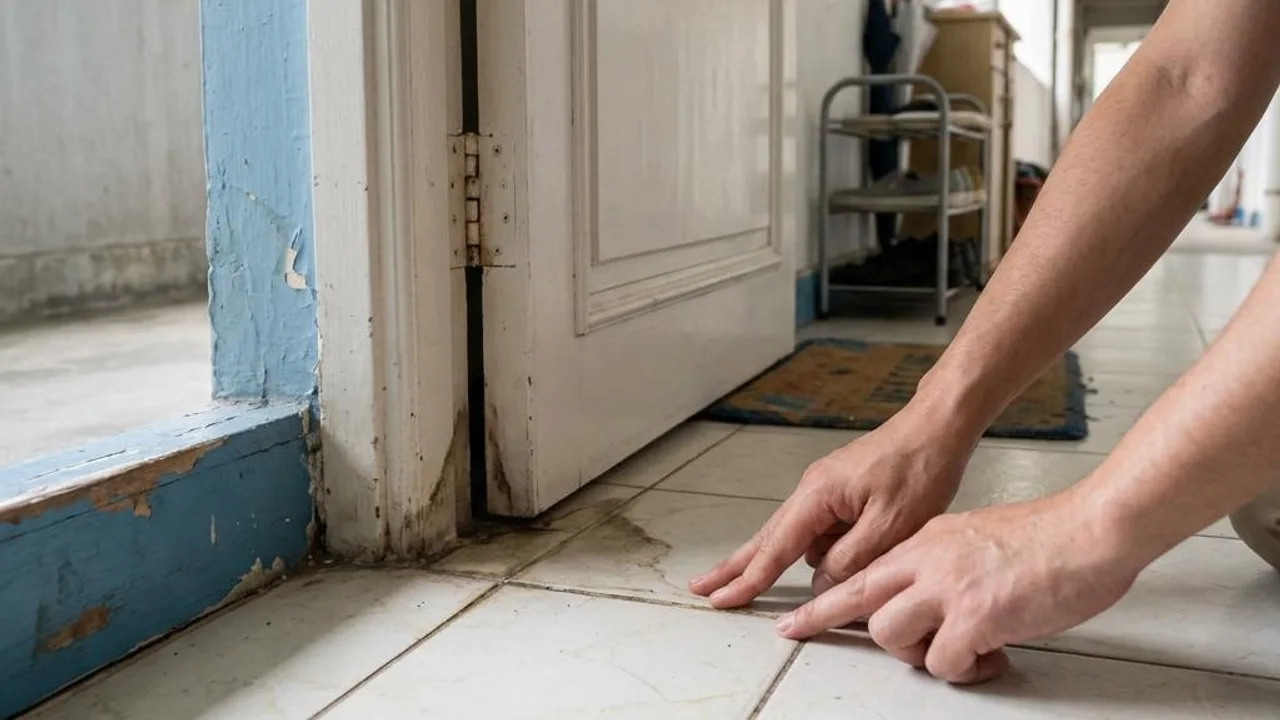
The doors and windows of village houses and Tong Lau are directly exposed to the elements, making their sealing performance and durability key to safety. During property inspection, the smoothness of door and window operations, the integrity of the sealant at the edges of aluminium windows, and the stability of window hinges will be checked in detail to ensure safety during extreme weather.
In addition to functionality checks, one must also be alert to whether the window frame structure shows oxidation, deformation, or rusted screws. A professional inspection helps owners clearly understand which window components need to be repaired or replaced to avoid the risk of falling.
- Window and door sealing performance and functionality testing
- Check stability of window hinges and locking parts
- Assessment of windproof structural integrity of aluminium windows
Current state of electrical appliances and pipe facilities
The electrical configurations and plumbing systems of older properties often require upgrading. The property inspection team will check socket power output, switch operations, and the functionality of main supply and drainage pipes. If the wiring layout is found to not meet safety principles or water pressure is extremely unstable, it should be corrected promptly.
During the inspection, owners should pay attention to the drainage speed of daily water points and whether sockets show signs of ageing such as loosening or discolouration; these are key indicators of whether infrastructure is operating normally.
- Basic electrical power supply test for sockets
- Domestic water pipe pressure check
- Identify safety hazards in electrical facilities
The importance of a professional OPO Inspection team.
For complex village houses or Tong Lau, it is difficult for owners to grasp all hidden hazards based solely on experience. The professional property inspection team is equipped with specialist instruments capable of analysing architectural details in depth, and providing systematic inspections based on the specific nature of the property type, providing a basis for subsequent renovation or maintenance for the owner.
Through assessment by professional personnel, owners can more objectively prioritise repairs, especially for core issues involving structure or water seepage, effectively avoiding higher repair costs caused by improper handling.
- Equipped with professional testing instruments for comprehensive assessment
- Provide a targeted repair recommendation report
- Clarify priorities for property repairs
FAQs
How do property inspection priorities for village houses and Tong Lau differ from ordinary housing estates?
Village houses and Tong Lau are mostly independent buildings or older structures with larger exposed areas; therefore, inspection priorities focus on exterior wall waterproofing, roof heat insulation, overall structural settlement, and the durability of old-fashioned plumbing systems, which differs from housing estates where the main focus is on interior renovation details.
As an owner, what can I observe before a professional inspection?
Owners can observe whether there are irregular cracks or abnormal discolouration on walls and ceilings, whether door and window operations are smooth without obvious rust, and whether there is any water stagnation when turning on taps; these observations help provide background information when professionals perform the inspection.
If cracks are found on the walls during inspection, does it mean the structure is in danger?
Wall cracks may be caused by the ageing of the surface finish, or they may be related to settlement or structural deformation. Since it is difficult to determine the nature of cracks by visual inspection, if abnormalities are found, their location should be recorded, and a structural engineer or relevant professional should be sought for an expert appraisal.