The importance of identifying water stains during property inspection
During the property handover process, no form of water stain should be ignored. Water stains not only affect the aesthetic of the home, but are also direct signs of interior leakage, drainage system failure, or structural problems. If the source of seepage is not identified and rectified in time, the long-term damp environment will cause wall mould, wear and tear to renovations, and may even affect the long-term stability of reinforced concrete structures.
Many owners focus only on surface renovation when taking over property, but overlook the hidden concerns behind water stains. The appearance of water stains is often directly related to construction quality, the quality of waterproofing layer installation, or pipe connection points. Through systematic property inspection, we can discover these problems earlier, thereby requiring the developer to carry out necessary repairs, protecting your property rights and subsequent service life.
- Water stains may be an early sign of pipe leakage
- Reflects that there may be blockages or design flaws in the indoor drainage system
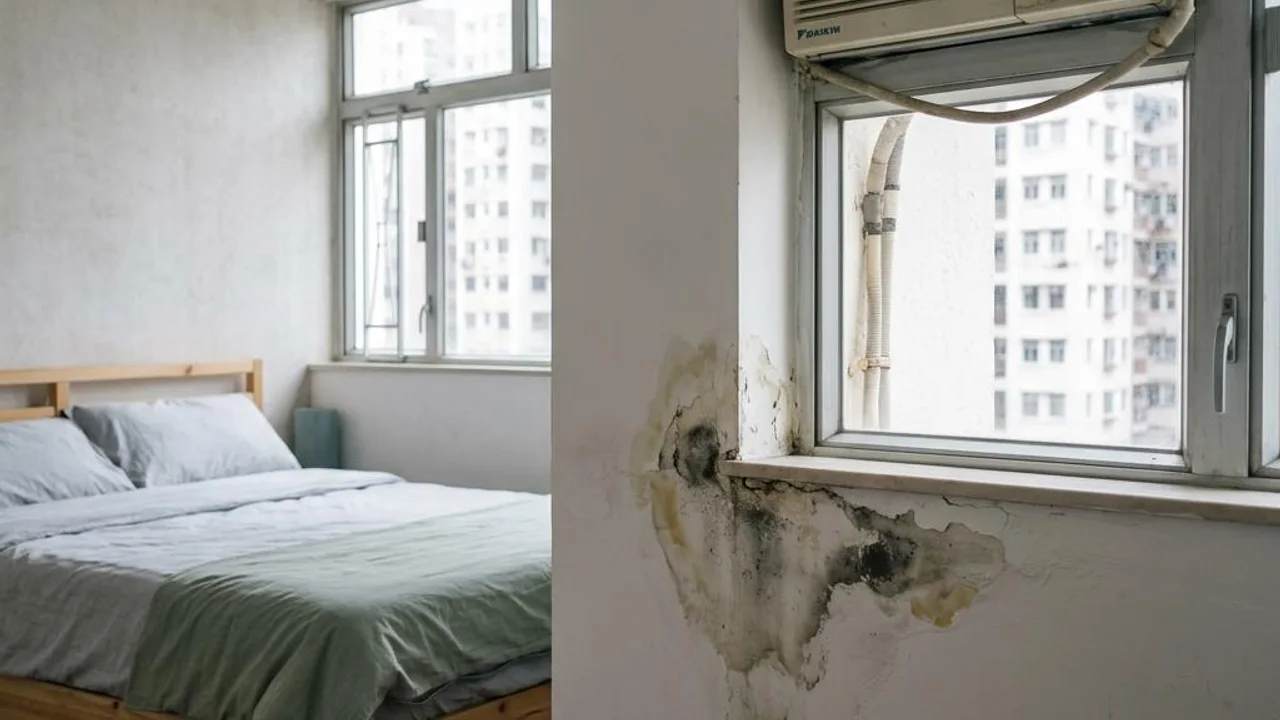
- Long-term water accumulation may lead to a decline in indoor air quality and wall peeling
- Untreated water seepage problems may evolve into structural repair projects over time
Key steps for detecting water stains during property inspection
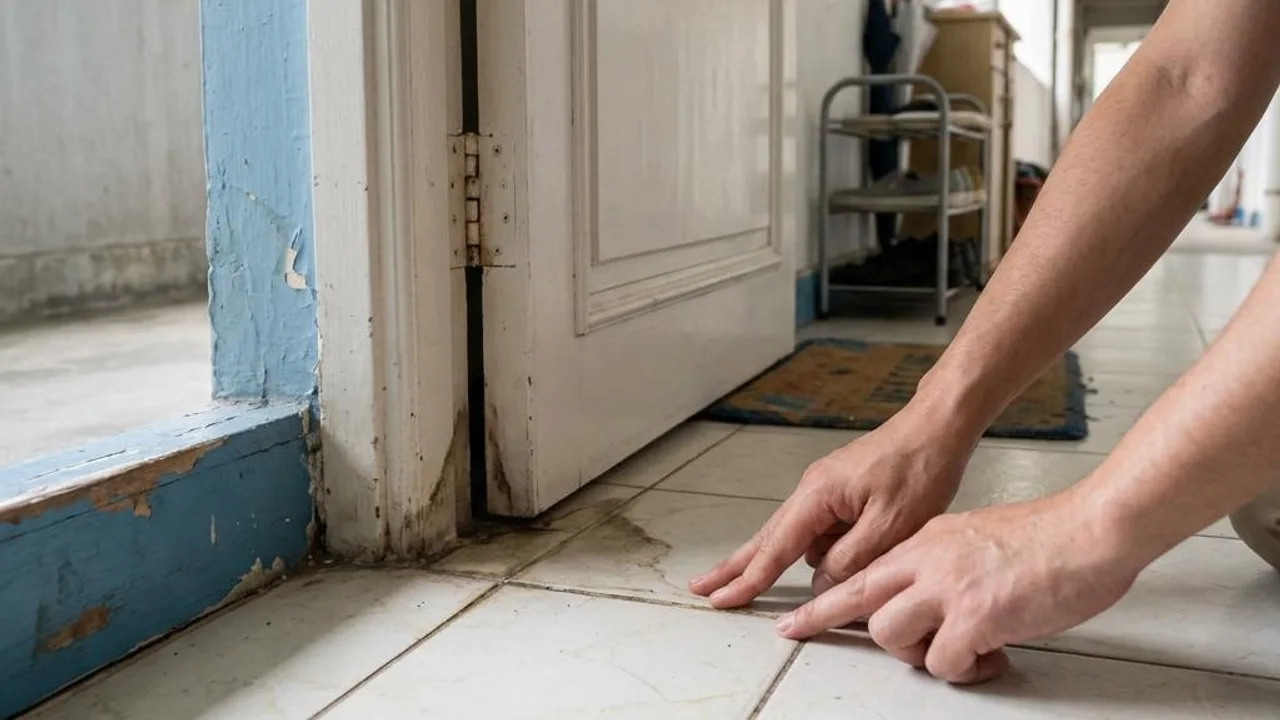
When carrying out property inspection, a comprehensive visual inspection is required. Focus on examining all areas near water sources, such as bathroom walls, under the kitchen sink, around air conditioners, and balcony drains. Not only should you observe whether wallpaper or paint is discoloured or blistering, but you must also note whether there are water stains near skirting boards. If any suspicious traces are found, their location and affected area must be precisely marked in the inspection report for subsequent comparison and tracking.
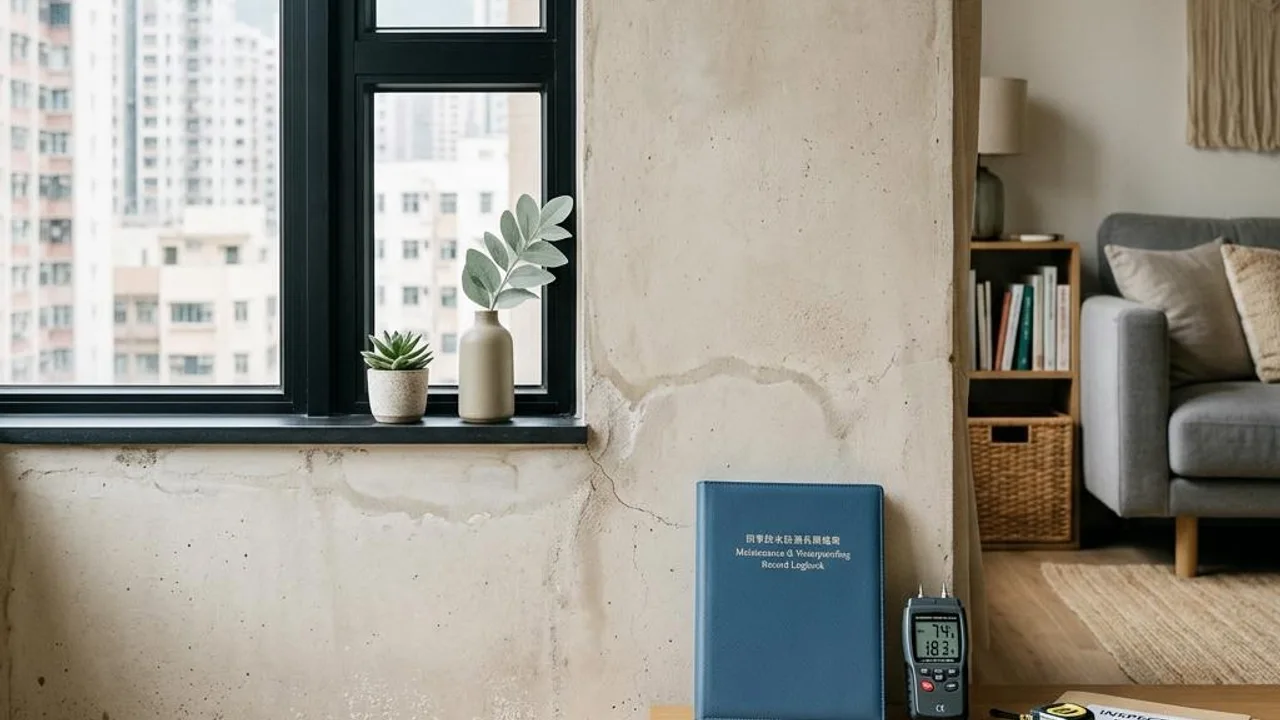
Evaluating the nature of water stains is equally critical. Common household water stains may stem from daily condensation, but if they appear in dry areas where there should be no water source, such as living room ceilings or bedroom walls, this is considered a high-risk situation. Such mysterious stains usually require professional testing equipment to determine whether they are due to failure of window sill waterproofing, condensation, or exposed pipe leakage, ensuring the accuracy of the diagnosis.
- Comprehensive inspection of abnormal colour variations on walls, floors, and ceilings
- Careful inspection of the sealant around door and window frames
- Recording all discovered locations and the condition of the stains, and taking photos for retention
- Designating bathrooms and kitchens as key monitoring areas
Professional logic for judging the cause of water stains
The causes of water stains are complex; not all stains are caused by structural cracks. When inspecting a property, observing the timing and location of moisture is crucial. For example, water stains by windows that appear after rain are usually related to the failure of window frame sealant or the external wall waterproofing layer; whereas persistent wall stains are more likely directly related to water leakage at in-wall pipe connection points.
Apart from observing surface signs, owners should understand the path of moisture conduction. Water stains often seep from high to low due to gravity; therefore, when checking ceiling stains, one must also investigate the units above or rooftop drainage facilities. This multi-angle assessment method helps professionals more accurately clarify the source of leakage, avoiding blind repair attempts.
- Analysing the correlation between the timing of water stains and weather changes
- Observing the diffusion and flow direction of water stains affected by gravity
- Checking the state of sealant near pipe connections
- Evaluating whether the air conditioning drainage system has a risk of condensation backflow
Follow-up measures after discovering water stains
Once water stains are found, the primary task is to determine their exact source. If it is pipe leakage, repairs must be carried out by a licensed plumber as soon as possible; if a waterproofing layer problem is suspected, the waterproof coating needs to be treated. After repairs, do not restore the wall surface immediately; it is recommended to observe for a period of time to ensure no further water stains appear, and thoroughly clean the damp building materials to prevent mould growth from affecting health.
Prevention is better than cure. Owners should regularly check the drainage system in daily life to ensure there is no blockage, and periodically inspect air conditioning drain pipes for fractures. If water seepage problems are found to be related to the building structure, such as leakage from ceiling cracks, contact the management office or developer immediately and, if necessary, seek advice from an architect to assess whether structural repair work is involved.
- Contact the developer or management office as soon as possible to confirm the source of seepage
- Repair work to be executed by registered professionals
- Continuous observation after repairs to ensure the situation does not recur
- Maintaining indoor humidity at a reasonable level (not exceeding 70%)
Points for daily maintenance and monitoring of water seepage
Beyond inspections during property handover, daily maintenance after moving in should not be overlooked. A long-term damp environment leads to the ageing of building materials and accelerates the wear of waterproof coatings. Owners should pay attention to indoor humidity changes and ensure that the bathroom ventilation system operates normally to reduce the chance of water vapour condensing on wall surfaces, which is the first line of defence in preventing mould formation.
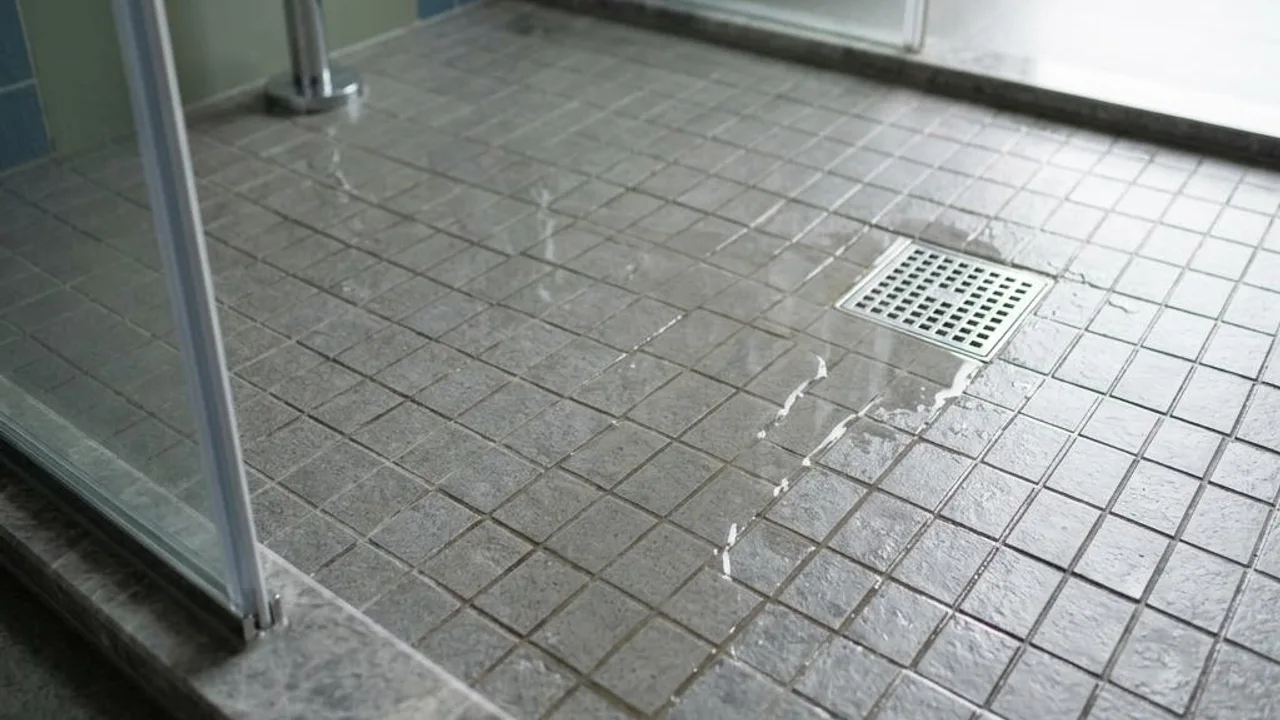
For easily overlooked hidden locations, such as the bottom of washbasin cabinets or around drainage covers, it is recommended to use a dry cloth to wipe them regularly and observe if there is any abnormal seepage of water droplets. If persistent water stains continue to appear after regular cleaning, consider inviting professionals to conduct a moisture test to rule out the possibility of micro-leaks in hidden pipes, ensuring the safety of long-term home use.
- Regularly cleaning stagnant water in bathroom corners and cabinet bottoms
- Ensuring kitchen and bathroom ventilation systems are functioning well
- Observing if there are tiny water droplets on the surface of drainage pipes
- Checking connection points under hand basins and kitchen sinks
FAQs
Does discovering water stains necessarily mean there is a serious structural problem?
Not necessarily. Water stains could be caused by improper pipe sealing, damaged waterproofing, or condensation. It is recommended to have a professional assess the situation to clarify the cause of the seepage.
Is it feasible to repair the surface of water stains yourself?
If you repair directly without finding the source of the seepage, you may trap the water inside the wall, causing further damage and even mould to internal building materials. It is recommended that you must resolve the source before restoring the wall surface.
Who should be contacted first if water stains appear on the ceiling?
If it is confirmed that the water stain is not caused by individual usage habits, contact the management office immediately, as this may involve the building's communal pipes or waterproofing issues of the unit above, requiring intervention and investigation by the management department.