
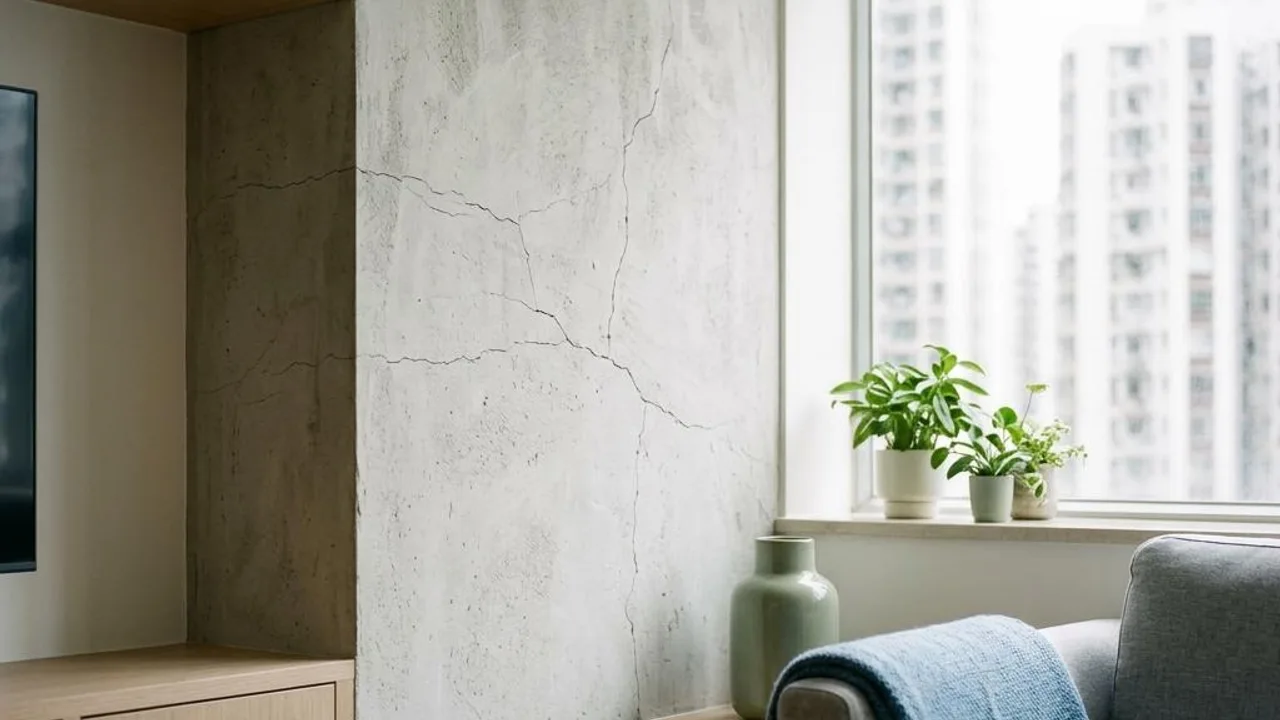
Structural stress and wall response under typhoons.
Acoustic composite walls are mostly composed of high-density gypsum board, acoustic felt, and lightweight steel framing, with a structure designed to be elastic to absorb sound energy. When a typhoon strikes, the building experiences micro-vibrations due to exterior wall wind pressure; this physical stress is transmitted to the indoor structure and may affect non-load-bearing acoustic walls.
If the wall joint treatment or expansion joint provision is inadequate, external stress can easily cause stress cracks on the wall surface or at junctions. Homeowners should understand this physical conduction process to facilitate scientific post-disaster inspections after a typhoon, ensuring the stability of the residence.
- High-density gypsum board is a non-load-bearing structure.
- Wind pressure causes micro-vibrations in the building's main structure.
- Stress concentrates at wall joint locations.
Post-typhoon wall surface inspection procedures.
To evaluate the condition of walls after a typhoon, a systematic surface diagnosis must be adopted. The inspection focus should be on the joints between the wall and existing ceilings or floors, as well as the seams between various boards, checking for the appearance of hairline cracks.
In addition to visual observation, standard inspection procedures recommend combining the percussion method to check for looseness in the wall and to assess its airtightness. Acoustic structures rely on airtightness; even micro-cracks can cause sound leakage, requiring timely identification to prevent performance degradation.
- Observe the connection points between the ceiling and walls.
- Check for cracks in the joints between gypsum boards.
- Confirm whether the sound when tapping the wall is unusual.
- Assess the integrity of local sealing.
Key observation points for common structural abnormalities.
Besides obvious linear cracks, homeowners should carefully observe whether there is blistering, peeling, or local indentation in the wall coating. These visual signs often imply physical pressure from the internal framing being excessively pulled or compressed during the typhoon.
If you find unusual looseness around fixtures or sockets on the acoustic wall, stop using them and record the location. These connection points are usually structural weak links and require in-depth assessment through non-destructive methods to confirm whether they affect the overall stability of the wall.
- Observation of wall coating blistering and peeling.
- Inspection of loose fixtures and socket edges.
- Check for local deformation in wall flatness.
Prevention and repair strategies for structural cracks.
Incorporating post-disaster wall inspections into daily property management is a far-sighted approach. If minor cracks caused by stress are found, they should be repaired as early as possible using professional acoustic sealant or anti-crack filler to prevent the cracks from spreading further due to thermal expansion/contraction or subsequent wind seasons.
This preventive maintenance not only maintains the acoustic performance of the wall but also protects the finish materials from moisture seepage. Scientific repairs can ensure the structural integrity of the acoustic layer, allowing your living space to continue enjoying a sense of quiet and withstand the test of the natural environment.
- Use high-elasticity sealant for repairs.
- Handle cracks in a timely manner to avoid expansion.
- Prevent moisture from eroding through cracks.
Seeking professional structural acoustic assistance.
Inspecting cracks behind acoustic walls involves architectural acoustics and stress analysis; it is difficult for homeowners to determine structural looseness or potential sound leakage points in the underlying finish by subjective touch alone. Hiring a professional property inspection team can utilize scientific instruments to conduct non-destructive testing, safeguarding the performance of your home's barrier.
Professional inspection equipment, including sound level meters and precision spirit levels, can locate damaged areas without damaging the decoration. Objective reports provided by expert teams can help homeowners pinpoint craftsmanship defects, ensuring the acoustic wall achieves its best shielding effect.
- Wall diagnostics performed with professional equipment
- Non-destructive structural condition analysis
- Provision of objective inspection reports
FAQs
After a typhoon, small cracks appeared on the wall. Does this mean the soundproofing performance is completely lost?
Not necessarily completely lost, but airtightness will be impaired. Fine cracks may cause changes in the sound conduction path, leading to a decrease in local soundproofing performance. It is recommended to repair and seal them promptly to restore the original level of airtightness.
Is it sufficient for owners to use putty to repair wall cracks themselves?
DIY repairs only improve visual aesthetics. If there is no assessment of structural stress or internal studs, the cracks may reappear with environmental changes. If the cracks are accompanied by wall hollowness or looseness, it is recommended to seek professional advice first.
How should I describe wall abnormalities after a typhoon to a professional?
You should record the specific location, length, and shape of the cracks in detail, and explain whether there are any unusual sounds or loose feelings when touching the wall. Providing video records can assist professionals in judging the nature of structural damage.


