Understanding the unique definition of Phoenix Units
In the Hong Kong real estate market, a 'Phoenix Unit' usually refers to the floor directly below the top floor, considered a prime location within a building. Such units enjoy the views and quiet of high floors while avoiding the heat exposure and potential water leakage risks associated with the top floor, making them a preferred choice for many buyers.
This positioning makes Phoenix Units often more attractive in the secondary market than other mid-to-low floor units. Due to their unique location, the interior environment of such floors is often more open, and the spatial configuration is usually more flexible, making them suitable for both self-occupation and investment.
- The floor below the top floor, avoiding common top-floor issues
- Possesses a relatively more expansive field of view
- Higher level of privacy and less affected by street noise
- Generally maintains higher value in the market
Core residential advantages of Phoenix Units
The biggest advantage of a Phoenix Unit lies in its superior view. For buyers seeking panoramic city or sea views, these units offer unparalleled sensory enjoyment. Additionally, because the location is higher up, it can effectively keep away from noise and dust generated by ground-level traffic, creating a tranquil home environment.
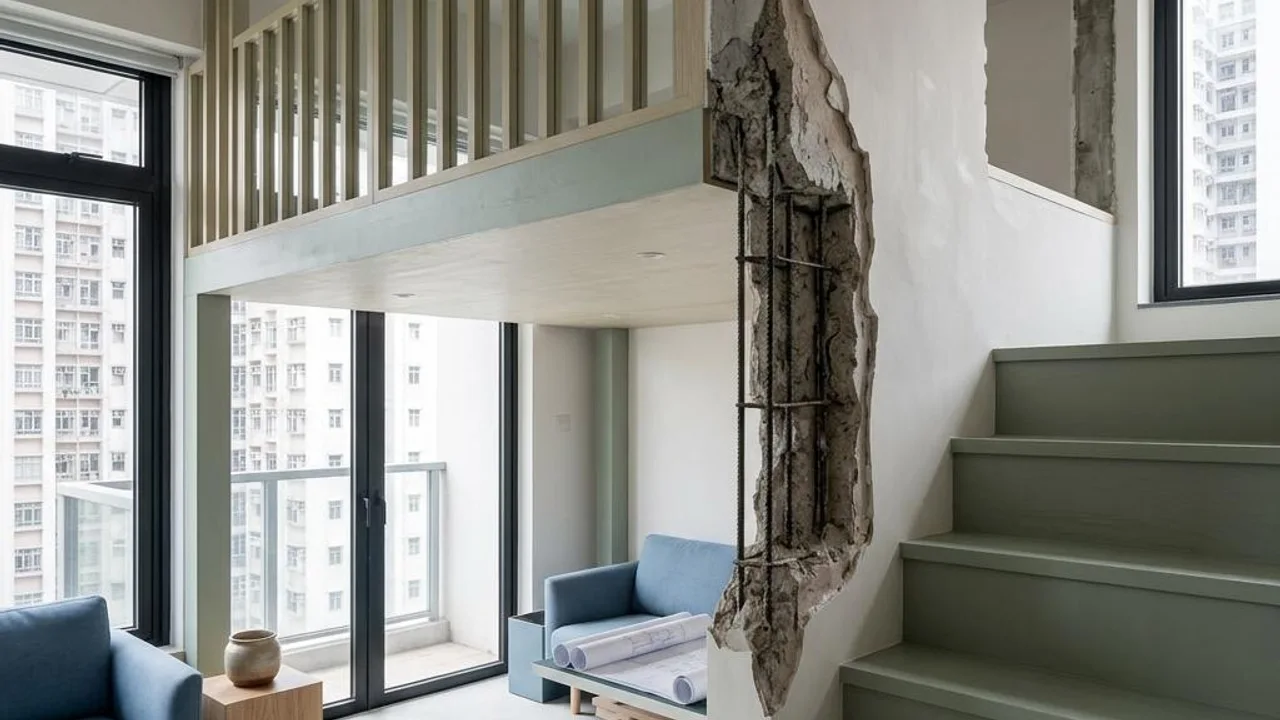
In terms of privacy, Phoenix Units are less disturbed by outside views due to their high position. At the same time, due to building design factors, the layout of such units is sometimes more comprehensive than other standard floors, making them an ideal target for those who pursue quality of life.
- Expansive view, reducing external visual interference
- Lower noise levels, improving sleep quality
- Air circulation is usually better, providing a comfortable living experience
- Far from ground-level pollutants, ensuring a clean interior environment
Investment potential and market value
From an investment perspective, Phoenix Units usually have a higher return on investment due to their scarcity and advantages in various living conditions. Whether for future sale or letting, such properties tend to attract more quality tenants or buyers and possess better premium potential.
Of course, investors still need to thoroughly examine the overall conditions of the development before purchasing. Apart from the floor advantage, factors such as the property's location, the developer's reputation, community amenities, and the building's maintenance status are all important factors influencing long-term appreciation capability.
- Possesses higher market premiums and resale value
- Easier to attract high-quality tenant groups
- Scarcity enhances value preservation and appreciation potential
- Investment risk is relatively lower with stable returns
Professional inspection considerations before handover
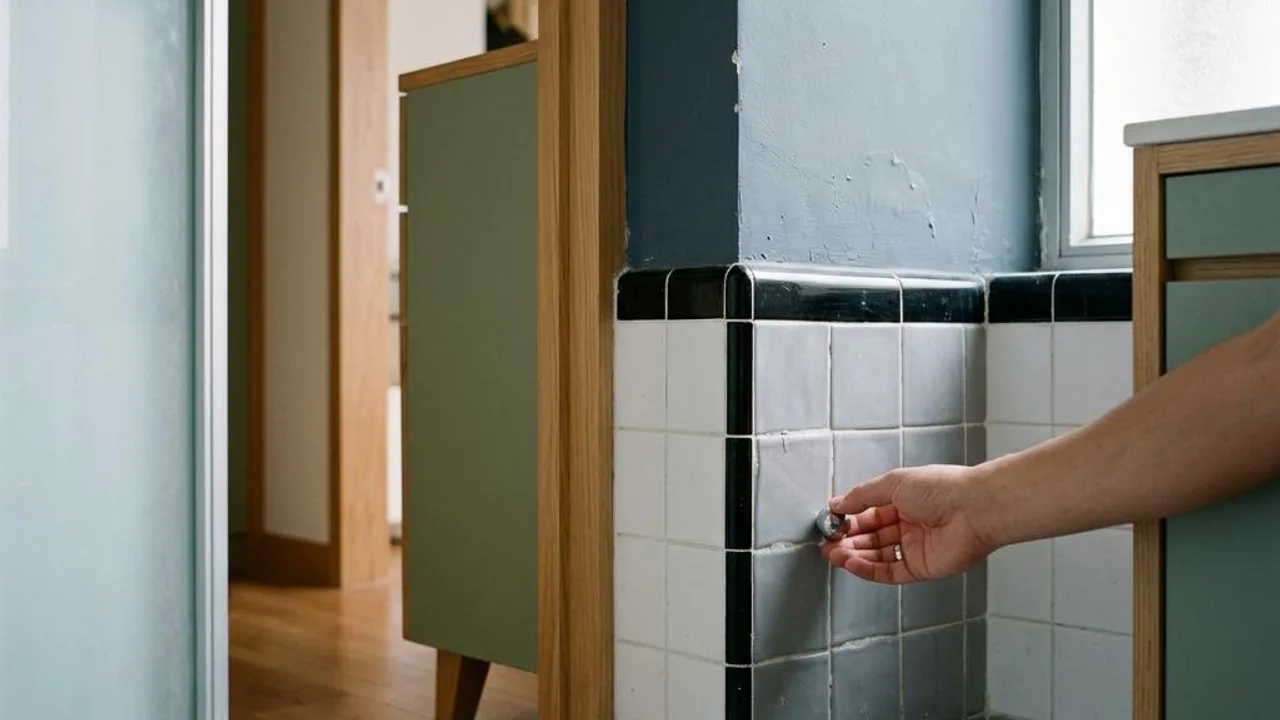
Although Phoenix Units have superior conditions, it does not mean there are no problems within the unit. A detailed inspection of water and electrical systems must be conducted at handover. For instance, high-rise units have special requirements for water pressure and mechanical/electrical maintenance; inspections should verify whether tap water flow is normal and if the drainage system is obstructed.
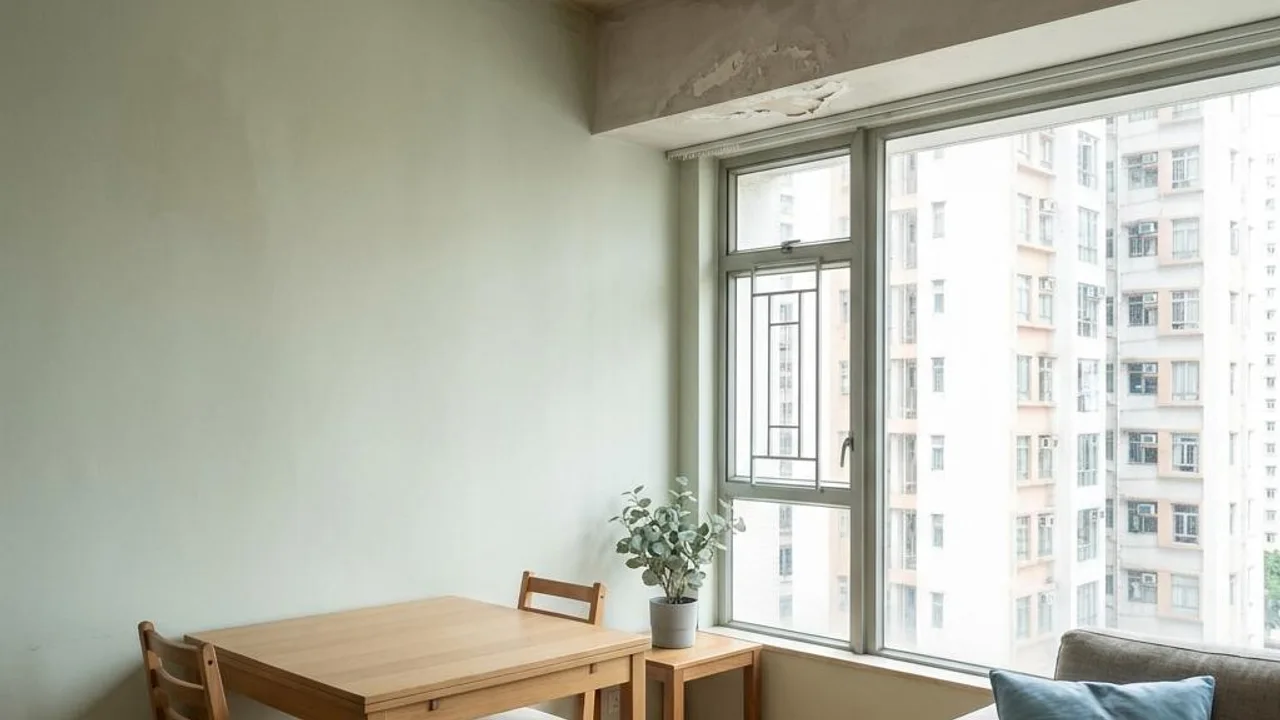
Window safety is also a key point for inspection; specifically, high-rise units must withstand greater wind pressure. It is essential to ensure that window frames are firmly installed and that rubber seals are not aged to avoid water leakage. Furthermore, all fixed electrical installations should be checked by professionals to ensure residential safety.
- Check if the water pressure in high-rise units is sufficient
- Test window wind resistance and the integrity of waterproof rubber seals
- Verify the safety and stability of the operation of all electrical installations
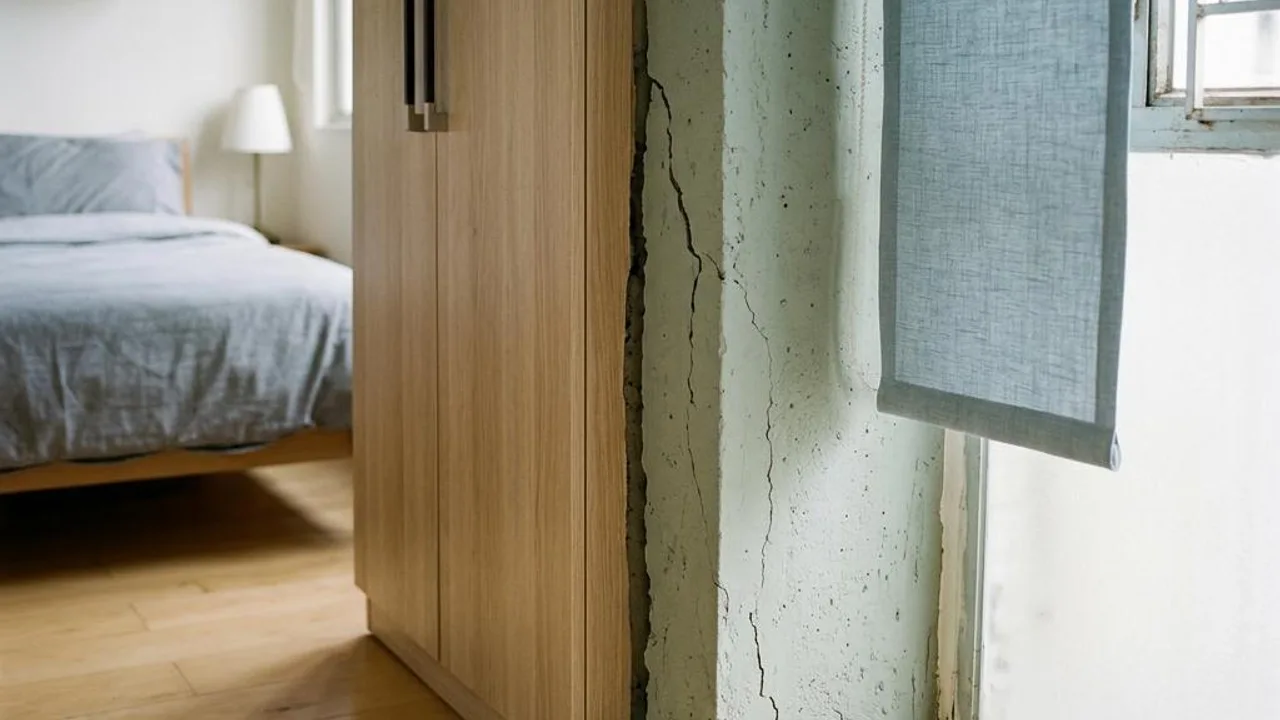
- Inspect ceilings and walls for hidden cracks
Owner observations and acceptance recommendations
Owners can perform basic visual checks during handover, observing walls for irregular cracks or testing the smoothness of window operation. If abnormalities are found, they should be documented in detail and professionals contacted for an in-depth assessment to avoid handling complex mechanical and electrical systems yourself.
When encountering difficult-to-identify water leakage or structural concerns, seek an inspection by a qualified building inspector or professional architect. Do not alter or dismantle fixed installations without permission to avoid affecting the property's safety structure and waterproofing performance.
- Visually inspect walls and ceilings for obvious cracks
- Test if window operation and locks function correctly
- Confirm that the water pressure from taps is stable
FAQs
Are Phoenix Units necessarily more expensive than top-floor units?
Not necessarily. Although Phoenix Units have their floor advantages, the final price is jointly influenced by unit view, building location, and market supply and demand. Top-floor units sometimes also command higher values due to special designs like balconies or rooftops.
Are high-rise units more prone to water leakage problems?
The causes of water leakage are complex and related to the maintenance of the building's exterior wall waterproofing, window construction quality, and the age of the piping. While high-rise units are not directly affected by leaks from units above, one still needs to pay attention to the state of the waterproof seals at the windows and exterior wall maintenance records.
How should I handle unstable power supply found during handover?
If you find that the electrical output in the unit is unstable or that the circuit breaker trips, you should immediately stop using that circuit and request the developer or seller to appoint a registered electrical worker to perform a safety inspection. Do not dismantle the circuit board or change the circuit configuration yourself.