
Deconstructing the necessity of property inspection for special units
In the real estate market, special units usually refer to top-floor units, those with platforms, adjoining units, or units with unique views. Although such units possess scarcity value, their specific architectural designs are often accompanied by particular maintenance and inspection challenges, such as balcony waterproofing layers, exterior wall joints, or rooftop coverings. If these areas are not handled properly, they are prone to water seepage problems.
When conducting property inspection for special units, the focus is not only on whether the interior decoration is aesthetically pleasing, but more importantly on the long-term safety of these additional facilities. Many balconies or platforms in special units fall within the scope of private property; once leakage occurs, the owner must bear the repair responsibility. Therefore, using professional property inspection to discover design defects in advance can save significant costs for long-term maintenance in the future.
- Check whether the balcony and rooftop waterproofing layers are complete
- Confirm whether the exterior wall structure has cracks or risks of water seepage
- Assess the installation safety of special view glass
- Verify the building compliance of additional spaces
Appearance and environmental assessment of special units
For top-floor special units, the rooftop's drainage system and waterproofing construction are the key inspection areas. The inspector will note whether the rooftop floor is level, whether there are blockages in the drains, and whether the waterproof coating shows signs of peeling or ageing. The outdoor exposed parts of special units are often subject to sun and rain, so weather resistance tests for the materials are extremely critical.
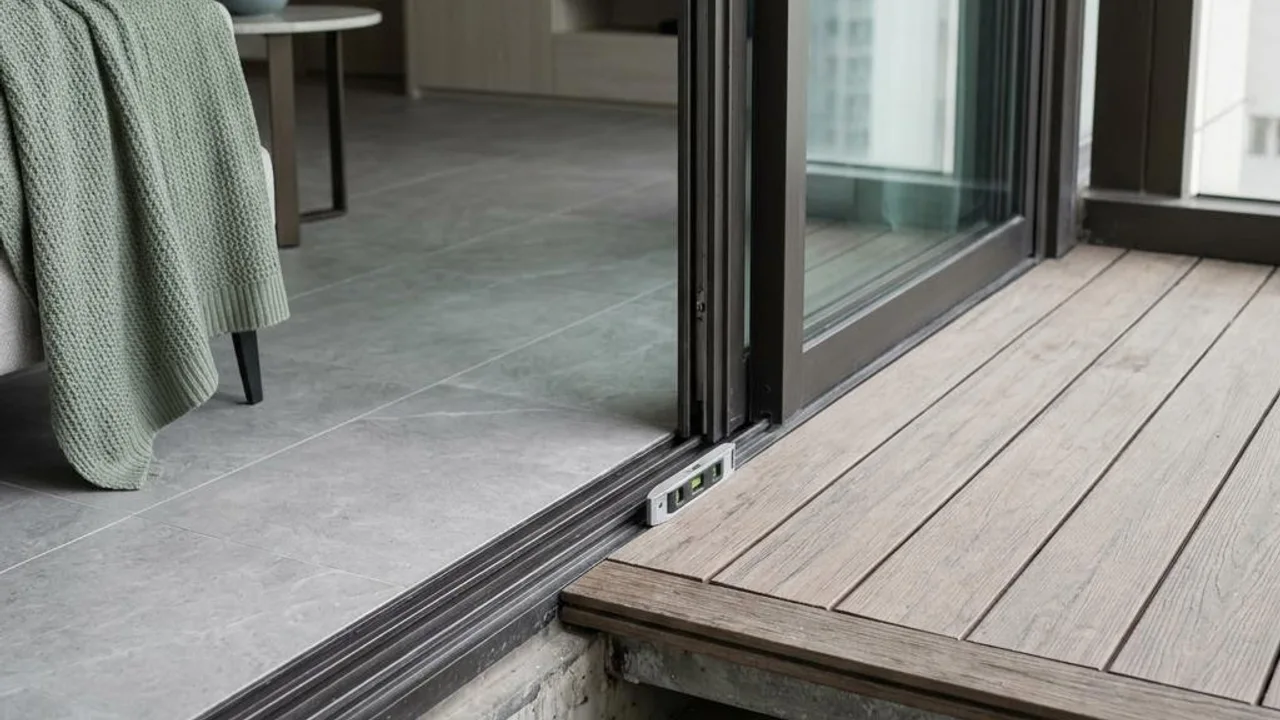
In addition, because special units have larger window areas or possess large balconies, special attention should be paid to the waterproofing and caulking around window frames. If the rubber seals are found to be ageing or cracked, they must be recorded immediately to prevent rainwater from seeping into the interior along the walls. When inspecting windows, you should also check whether they open and close smoothly and whether there is any aluminium frame deformation.
- Test whether the drainage slope of the balcony floor is ideal
- Check the waterproof coating for any cracks or bubbles
- Verify whether the window frame sealing strips are intact
- Observe whether there is any hollowness in the outdoor floor tiles
Internal planning and space utilisation review
The internal layout of special units is often more complex. During property inspection, attention should be paid to whether the spatial structure has sacrificed practicality for design needs. For example, some high-ceiling designs look grand, but if lighting positions are set unreasonably, it will increase daily maintenance burdens; or certain corners may have dead spots with insufficient lighting, which should be checked against the design blueprints during hand-over.
Furthermore, electrical systems in special units often have different layout requirements, such as smart home systems or high-power indoor decorative lighting. The property inspector will evaluate whether the arrangement of these circuits meets load requirements and check whether the concealed electrical conduits are stable, ensuring the complex spatial design does not affect the overall safety of the electrical system.
- Verify whether the interior planning complies with the original sales brochure
- Test the functional stability of complex lighting circuits
- Check the completeness of the finish craftsmanship at corners and edges
- Evaluate the efficiency of the ventilation system under special layouts
Evaluating the investment potential and risks of special units
Owners should consider that the maintenance cycle for special units is different from that of regular units. For example, the cleaning and maintenance frequency for platforms or balconies is higher. If this involves checking exterior wall structures or public drainage pipes, one must first understand the mandatory ordinances of the Buildings Department to ensure the unit complies with legal requirements and avoid unnecessary disputes in the future.
In the long term, the maintenance budget for special units should be more generous than for standard units. Owners should proactively check whether the drainage system inside the unit is unobstructed, regularly observe whether there are signs of ageing in outdoor structures, record relevant observations, and, if necessary, ask qualified professionals to perform a detailed inspection.
- Analyse maintenance expenditure and potential rental returns of the unit
- Confirm that the unit structure meets the basic requirements of the Buildings Department
- Reserve sufficient annual maintenance funds
- Assess whether there is a risk of change to the property's scenic view
Professional property inspection procedures and subsequent arrangements
The property inspector will observe the indoor surface condition based on the structural characteristics of the special unit. Such observations cannot guarantee structural safety, compliance of electrical or gas equipment operation, nor can they detect the thickness of hidden wall waterproofing layers, the internal condition of drainage pipelines, remaining service life, or repair effectiveness. Thermal imaging inspection only shows surface temperature distribution; it is not a conclusion for water leakage causes or hidden structural problems, and the tool cannot guarantee the discovery of all hidden flaws. If it involves the Mandatory Window Inspection Scheme, it must be performed by a person registered and qualified by the Buildings Department, which is outside the scope of general property inspection services.
Regarding professional fields, testing should be conducted by qualified individuals. Owners must not perform electrical tests, dismantle electrical appliances, adjust water pressure valves, or climb onto rooftops or exterior wall windows themselves. Please keep relevant records and inspection reports for reference.
After obtaining the property inspection list, owners should refer to its content to carry out follow-up with the developer. If hidden hazards are found in the walls or glass, they should be assessed by a professional team to avoid problems with maintenance responsibilities caused by handling them personally, ensuring that the property delivery meets planning expectations.
- Detailed structural inspection for special units by a senior property inspector
- Objective and fair problem list facilitates subsequent rectification
- Provide follow-up problem tracking and professional consultation
FAQs
How should the platform waterproofing layer of a special unit be observed?
Owners can observe whether there is obvious water accumulation on the floor and whether there is silt accumulation near the drains. If cracks in the waterproofing layer or hollowness in the floor tiles are found, a qualified person should be commissioned to conduct a detailed inspection to assess the risk of water seepage.
What special attention is needed for the large windows in special units?
In addition to checking the smoothness of opening and closing, the focus should be on the waterproof caulking around the window frames. If the rubber seals are ageing, cracked, or there is an obvious gap between the window frame and the wall, rainwater may seep in accordingly; it is recommended to record the location and ask a professional to follow up.
Why does property inspection for special units need to check the electrical layout?
Special units are often equipped with more indoor lighting or smart home devices, and electrical requirements are more complex. The focus of property inspection is to evaluate whether concealed electrical conduits are stable, ensure that relevant power configurations are stable, and avoid affecting electricity safety due to unique spatial layouts.


