
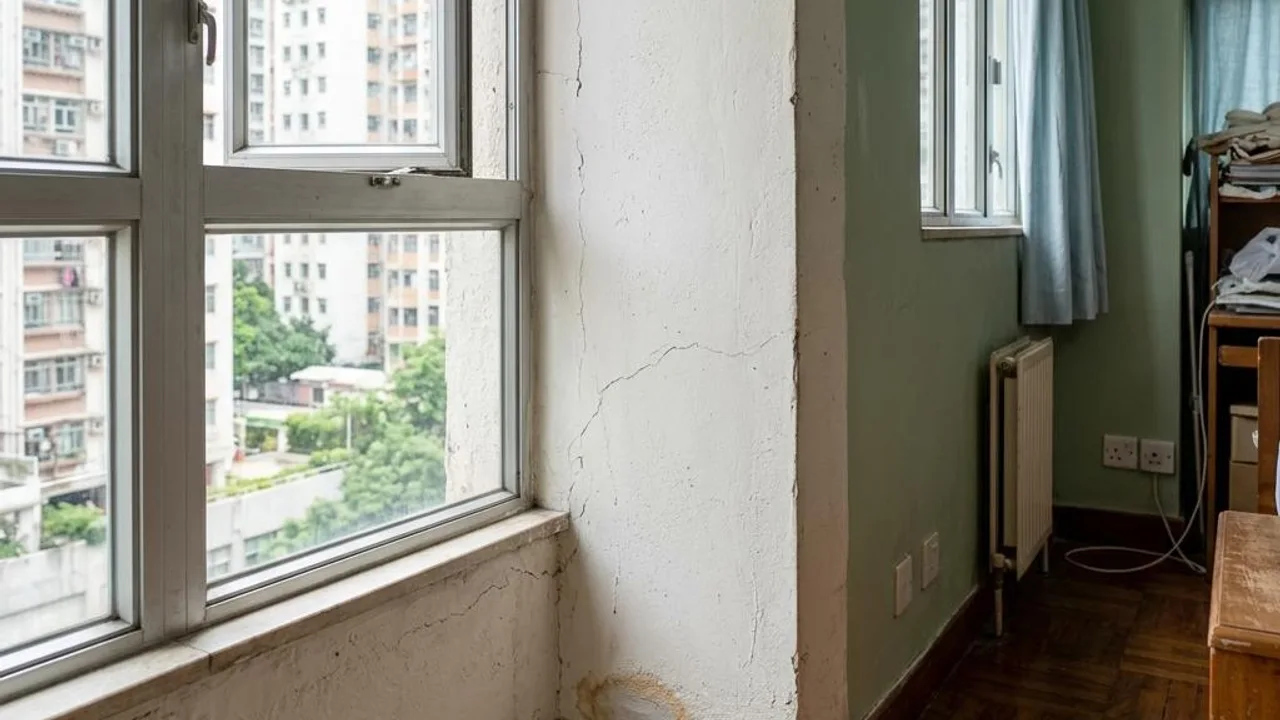
Second-hand property market and the challenges of ageing building systems
Second-hand properties in the Hong Kong market offer unique advantages such as mature community amenities and high efficiency. However, as buildings age, electrical systems, hidden pipes, and waterproofing works often deteriorate due to long-term usage. Before entering the market, buyers need to look beyond the decorative appearance and face these hidden system ageing issues within the walls to avoid frequent facility maintenance troubles after moving in.
Beyond surface renovations, a property's basic infrastructure has often been tested by time. Second-hand property buyers should pay special attention to structural stability and the lifespan of ancillary facilities. Through systematic inspection, one can gain a deep understanding of the property's condition, reduce extra repair pressure caused by a lack of fundamental knowledge, and ensure the purchased property meets expectations and safety levels for long-term living.
- Advantages of mature community amenities and convenient transport
- Systemic ageing risks brought by increasing building age
- Importance of inspecting hidden works inside walls
- Assessing the basic structure and wear-and-tear status of a property
In-depth identification of hidden safety defects in second-hand properties
Common issues in second-hand properties, such as insufficient electrical circuit capacity and ageing water supply systems, are core factors affecting residential safety. Professional inspections can identify potential burdens caused by ageing wiring, as well as internal wall corrosion in metal pipes due to long-term exposure to moisture. If these hidden dangers are not detected in time, they often translate into expensive costs for full electrical and plumbing rewiring after possession.
Waterproofing failure is also a common problem in second-hand properties, especially the waterproofing layers in bathrooms and kitchens. Through professional instruments, it can be identified whether there are leakage traces on walls or floor slabs, avoiding the need for large-scale excavation and re-paving works only after purchasing blindly. To protect one's asset value, scientific condition analysis and preliminary assessment are crucial.
- Identifying hidden circuit ageing and load capacity issues
- Checking for rusting in water supply pipes and leakage risks
- Assessing wall damage caused by failed waterproofing layers
- Distinguishing between cosmetic decoration and structural cracks
Core practical points for second-hand property inspection
The core of property inspection lies in a comprehensive review of the building structure and mechanical/electrical systems. Owners can observe whether there are irregular cracks in the walls, which sometimes reflect structural deformation or foundation load conditions. For various types of windows, it is necessary to focus on the opening/closing functionality and whether the waterproof rubber seals have lost their sealing capability due to ageing; this is the first line of defence against indoor water leakage.
In addition, the functionality of the drainage system is of utmost importance. By observing the drainage speed and the connection points of drainage pipes, one can determine if there are any blockages or air leakage risks. During the inspection process, owners should record the operational data of these basic facilities in detail as a scientific basis for communicating with relevant professionals and planning maintenance work.
- Checking for wall cracks and signs of structural deformation
- Reviewing the ageing of the electrical system and appliance load capacity
- Confirming the smooth operation of water supply and drainage systems
- Assessing aluminium window waterproof seals and structural safety hazards
How to use professional property inspection data for planning
A detailed property inspection report is not only a record of problems but also a blueprint for the owner's future renovation planning. When the report points out that hidden pipes have reached their replacement age, or that the circuit load cannot cope with modern appliance demands, the owner can reserve sufficient engineering budget accordingly and propose specific repair requirements to licensed contractors, rather than discovering the need for refurbishment after the renovation is completed.
Apart from reflecting problems, the report can also assist owners in conducting price negotiations with sellers based on symmetrical information. Through objective inspection data, both parties can clearly understand the current condition of the property, which helps in evaluating the property value more reasonably. This fact-based assessment process can provide more stable protection for the owner's living experience after market entry.
- Using inspection data to assist in budget planning and renovation deployment
- Using objective condition reports for price negotiation and communication
- Planning targeted works to resolve potential safety issues
- Safeguarding long-term living comfort and property investment value
Frequently Asked Questions (FAQ)
In second-hand property transactions, buyers often have doubts about inspection services. The following three core questions are compiled to help you clarify the functional boundaries between property inspection services and subsequent repair works, ensuring effective use of professional information to safeguard the property's condition.
When owners have doubts about the property's basic infrastructure, it is recommended to quantify the hidden dangers through objective inspection procedures. The following questions cover key information from report interpretation to repair responsibilities, providing a clear direction for your decision-making.
- Question: If serious water leakage is found during the inspection, does the property inspection service include repair work? Answer: No. The property inspection service aims to provide a property condition assessment and a scientific data report; repair works must be carried out by professional licensed contractors to ensure safety.
- Question: Can a second-hand property inspection report be used as evidence to hold the seller accountable for hidden defects? Answer: The property inspection report records the current situation observed objectively. Buyers can use the report as an objective record of the property's condition; it is recommended to consult legal professionals regarding specific contract terms and legal responsibilities.
- Question: Can a property inspector confirm through inspection that there are no illegal alterations within the unit? Answer: The property inspector will conduct observations based on the current state of the property. If suspected unauthorized works or breaches of building safety are found, they will be marked and highlighted in the report. Buyers should further check the Buildings Department's plans for comparison.
FAQs
If serious water leakage is found during the inspection, does the property inspection service include repair work?
No. The property inspection service aims to provide a property condition assessment and a scientific data report; repair works must be carried out by professional licensed contractors to ensure safety.
Can a second-hand property inspection report be used as evidence to hold the seller accountable for hidden defects?
The property inspection report records the current situation observed objectively. Buyers can use the report as an objective record of the property's condition; it is recommended to consult legal professionals regarding specific contract terms and legal responsibilities.
Can a property inspector confirm through inspection that there are no illegal alterations within the unit?
The property inspector will conduct observations based on the current state of the property. If suspected unauthorized works or breaches of building safety are found, they will be marked and highlighted in the report. Buyers should further check the Buildings Department's plans for comparison.


