
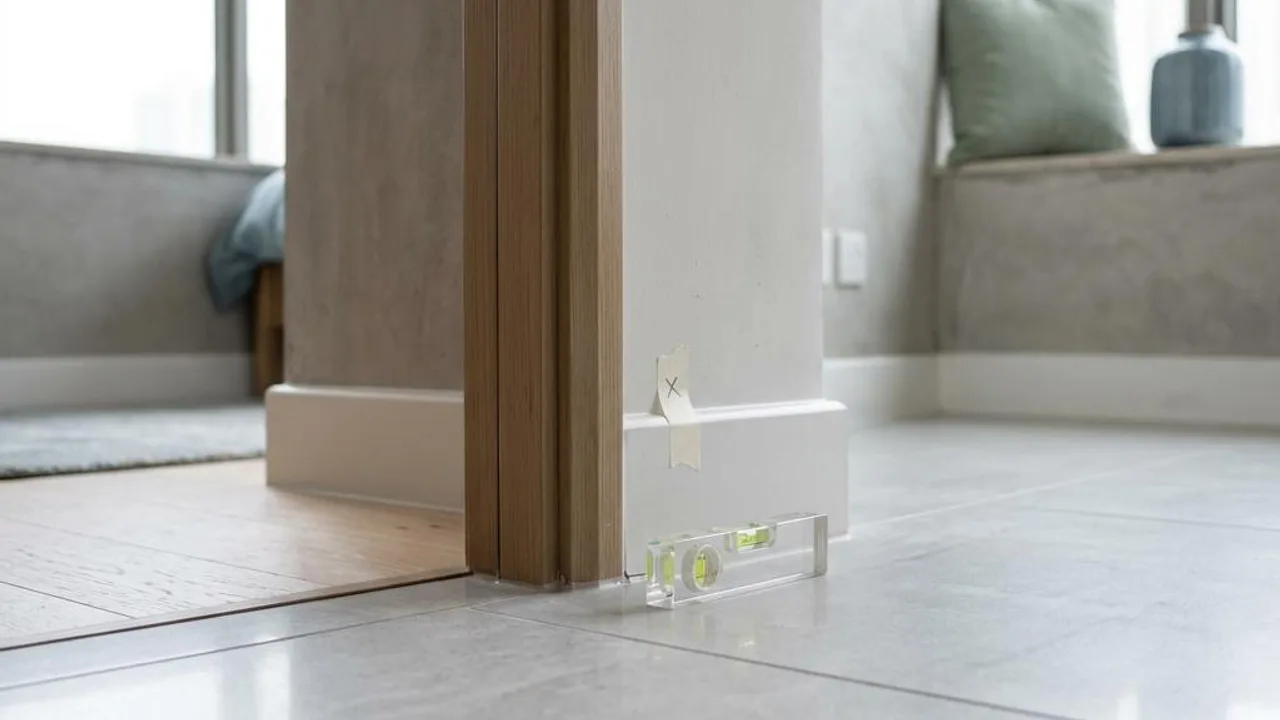
The value of property inspection in the home-buying process
Property inspection is a key part of the handover procedure; it is not only an opportunity to confirm the delivery status of the property, but also an important guarantee for safeguarding the owner's interests. Through detailed inspection, owners can detect defects left during the construction process early, ensuring that the property quality is consistent with the contract signed with the developer.
During the property inspection process, owners can not only understand the actual condition of the property but also uncover potential risks in walls or concealed areas. If developers are requested to make corrections early, it not only saves on future maintenance costs but also ensures that the new home meets ideal living conditions in every detail.
- Ensure the property meets building contract specifications
- Timely identification of construction quality defects
- Protecting investment value and future usage rights
- Establish a complete property condition file
Key inspection areas and technical points
Property inspection is not just about looking at surface aesthetics; it is about systematic practicality. Regarding structural safety, check carefully if walls are flat and if there are abnormal cracks. Regarding electrical circuits, use a voltage detector to check if all sockets are powered, and observe whether the circuit breaker in the distribution board functions normally to ensure basic power supply is correct.
In addition, the sealing and drainage smoothness of the water pipe system are also key points; check the bathroom and kitchen for signs of water seepage or leakage. Checking for hollow tiles and the levelness of wall paint are important indicators of construction quality, and owners should examine every detail in each area meticulously.
- Check wall straightness and cracks
- Test socket power and distribution board functions
- Verify the sealing of drainage and water supply systems
- Check for hollow tiles and paintwork quality
Door and window testing and soundproofing considerations
The protective performance and soundproofing effect of doors and windows directly affect quality of life. Check if the main entrance and room doors open and close smoothly and if the locks are secure. Windows need their opening mechanisms tested, and sealing strips must be checked for aging or incomplete installation, which effectively prevents rainwater ingress and noise disturbances.
Window hardware accessories should be tested to see if they are too tight or too loose to ensure daily operational safety. If you find that windows cannot be closed tightly during inspection, you should request repairs immediately and never ignore the long-term impact such issues have on the home's sealed environment and safety.
- Check the operation of door locks and hinges
- Test window sealing performance and hardware operation
- Observe whether the glass sealant around windows has cracks
- Assess the basic level of home soundproofing
Home equipment and appliance installation testing
In addition to hardware, the correctness of the installation of built-in appliances must also be verified. This includes range hoods, air conditioners, and kitchen stoves; ensure their switches operate normally and that pipe connections are firm and not loose. In particular, for high-power appliances, confirm that they use independent sockets to comply with electrical safety standards.
All pre-installed electrical appliances should be observed for operational status during testing; if there is an unusual smell or sound, stop immediately and record it. This type of inspection avoids appliance failures in the early stages of moving in and ensures that all equipment is in a compliant and safe operating state.
- Verify the operational functions of all built-in appliances
- Confirm that high-power appliances use independent sockets.
- Check the firmness of appliance installation positions
- Ensure drainage and exhaust duct positions are free of foreign objects
Standardized property inspection workflow
A systematic property inspection procedure can significantly improve efficiency. It is recommended to follow an inside-to-outside, top-to-bottom sequence to ensure no corner is missed. During the inspection process, carry a logbook and measuring tools to provide detailed descriptions of every issue discovered, and mark the locations when necessary.
After discovering defects, communicate with the developer to request repairs and set a follow-up deadline. For owners, maintaining a calm and professional attitude can more effectively prompt the developer to implement repairs, and a final inspection should be performed after the issues are resolved to ensure perfect delivery of the new home.
- Establish a systematic inspection path
- Detailed recording of problem details and locations
- Report repair list to the developer
- Conduct final inspection after repairs
FAQs
If hollow tiles are discovered during property inspection, is it mandatory to request a replacement immediately?
Hollow tiles usually reflect insufficient cement mortar filling during construction. Owners should mark and record the location of the hollow tiles in detail, then reflect this to the relevant contractor. A professional technician should evaluate whether the hollow area will lead to tile spalling or future cracks before deciding whether re-tiling is necessary.
How can you determine if there is a risk of water seepage around the windows?
Owners can observe whether the sealing strips between the window frame and the wall have cracks, signs of aging, or have detached. In addition, watch for signs of mold or peeling paint on the windowsill, as these may be signs of water seepage. If there are doubts, ask professionals to assist with the inspection and do not perform water irrigation or forced testing yourself.
Is it necessary to conduct an electrical load test during a property inspection?
General property inspections mainly check if sockets are powered and if the circuit breaker functions normally. Regarding specific electrical load performance, it is recommended that owners ensure all high-power appliances are connected to appropriate independent sockets. If you have deep concerns about the circuit layout or electrical safety, consult a qualified registered electrical worker for a detailed inspection.


