
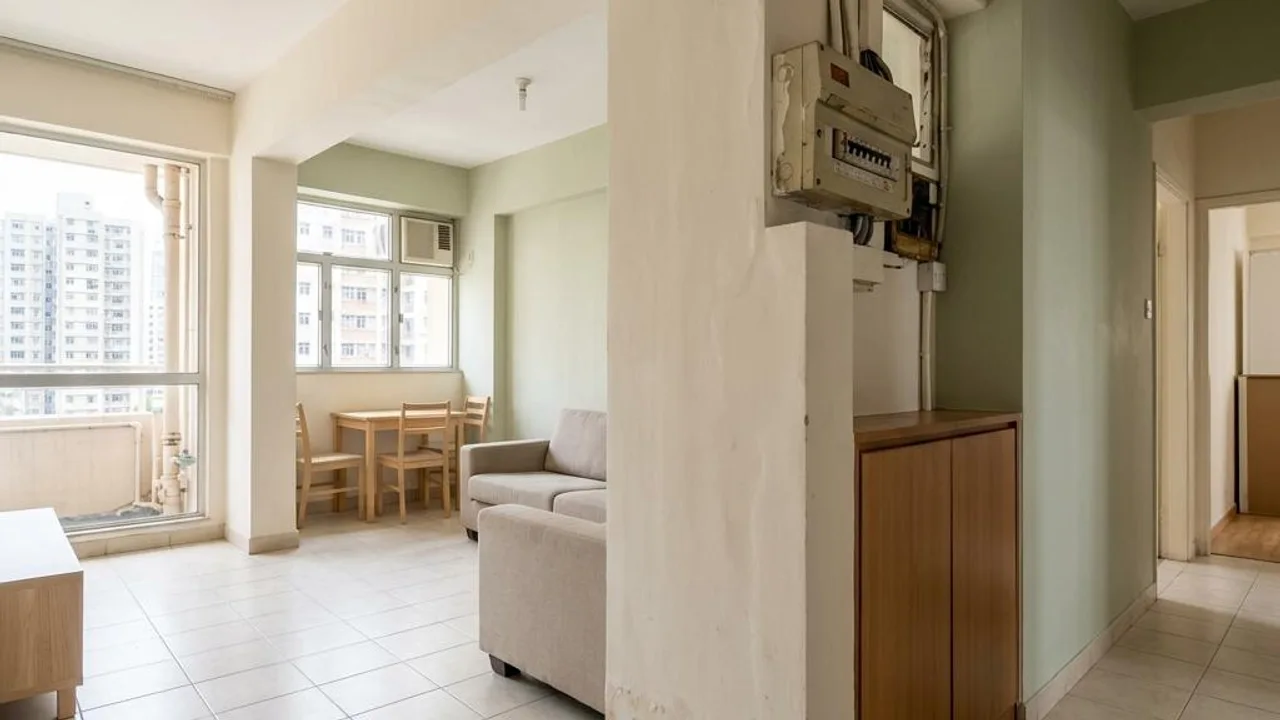
Preparation work before property inspection
Many prospective owners are hesitant about whether to hire a professional property inspection team when facing a new home. Buyers attempting self-inspection usually rely on fragmented online tutorial videos or personal experience, lacking systematic planning. In such cases, inspections often remain superficial, easily overlooking subtle hazards that affect long-term living quality, such as structural issues or deviations in renovation details.
Before arriving, professional property inspection teams organize background information on the target unit. This includes checking building age, past inspection data for the developer, unit floor plans, and relevant maintenance records. This preparation significantly enhances the targeting and efficiency of the inspection, ensuring key locations like floor levels, wall flatness, and pipe connections are not missed, providing a scientific basis for the subsequent acceptance.
- Verifying original unit floor plans against the actual layout
- Analyzing common inspection problems in similar unit types
- Creating an exclusive inspection checklist
- Understanding the developer's past preferences for construction details
Professional tools and inspection scope during the property inspection
Self-inspection relies heavily on the naked eye and simple tools like measuring tapes or spirit levels. Such checks cannot serve as a guarantee for structural, electrical, or gas safety, nor can they confirm the condition of concealed pipes or waterproofing layer thickness, let alone predict the remaining lifespan of facilities. If internal wall structures or concealed works are involved, non-professional equipment cannot easily diagnose potential hazards, leading to a failure to confirm the cause when wall dampness or cracks appear later. Thermal imaging cameras only display surface temperature variations and do not necessarily mean there is a leak or structural defect. If you need to handle electrical systems, dismantle components, adjust water pressure valves, or perform high-altitude inspections, please entrust them to registered professionals to ensure safety.
The Mandatory Window Inspection Scheme is a specific legal requirement that must be executed by a qualified person registered with the Buildings Department; property inspections do not cover this statutory procedure.
Professional property inspection teams are equipped with tools like infrared thermal imaging cameras and laser levels to observe surface temperature patterns or measure vertical and horizontal deviations. Such inspections are limited to reviewing visible conditions and cannot prove the integrity of concealed works (such as internal pipe installation, waterproofing thickness, or tile hollowness), nor guarantee property structure, electrical, or gas safety. Results from such equipment are for reference only and do not signify that all potential defects have been uncovered. For concealed structures or professional regulatory matters, consult qualified professionals.
- Using infrared thermal cameras to inspect for dampness and abnormal heat
- Using professional probes and percussion rods to assess tile hollowness
- Using laser levels to measure floor and wall verticality
- Checking voltage stability and the safety of earthing circuits
Completeness of the property inspection report and legal reference value
After the property inspection, buyers conducting their own checks usually only have blurred mobile phone photos or fragmented notes, which are often difficult to use as persuasive evidence when requesting repairs from the developer or seller. In the Hong Kong property market, disorganized complaints rarely receive prompt and efficient responses and may even delay repair progress due to insufficient proof.
A professional property inspection firm produces a rigorously structured report, detailing the specific location, severity grading, and repair suggestions for each defect. The report not only helps buyers clearly present defect rectification requests to the developer but also holds significant reference value, serving as an objective basis in a legal context to confirm the property's true state at delivery, providing the owner with more reasonable protection.
- Detailed labeling of the specific coordinates where problems occur
- Objective scoring according to severity
- Providing professionally based reference plans for defect rectification
- Establishing a traceable record document for property handover
Differences in follow-up and bargaining power
Property inspection is not just about 'looking'; the follow-up is even more important. Owners doing their own inspections often face pressure during repair claims while negotiating frequently with developers or agents; lacking professional terminology and scientific arguments, they are often dismissed by the other party on grounds of 'craftsmanship standards'. This negotiation process not only consumes a lot of energy but may not achieve an ideal repair result.
Professional teams usually provide follow-up consultation after the report. When serious issues are found, professionals can assist owners in organizing a demand list and, if necessary, provide relevant repair cost suggestions. According to experience in the Hong Kong market, cases with professional follow-up support show significantly better communication efficiency and repair success rates with developers than owners fighting alone.
- Providing a repair list as a basis for communication
- Assisting buyers in clarifying defect rectification responsibilities with the developer
- Providing repair cost references from a professional standpoint
- Following up on improvement status after reinspection when necessary
Advice on choosing professional inspection services
When choosing a property inspection firm, owners should look beyond price and focus on the team's qualifications, experience, and reputation. A quality firm should transparently display sample reports and clearly explain whether the inspection scope covers electrical, waterproofing, and structural safety. Additionally, the public can inquire whether the company provides responsible professional consultation to clients, which is crucial for avoiding purchasing units with severe hidden hazards.
Quality property inspection services provide an objective safety assessment; when potential risks (such as severe dampness or electrical safety hazards) are found, they can immediately alert the owner to take preventive measures. This professional opinion not only saves on future repair costs but also serves as a dual safeguard for your finances and residential safety. Finding a team with a good reputation and technical background is the key to ensuring the property inspection is worth the investment.
- Checking genuine word-of-mouth reviews from past owners
- Confirming whether the company has a clear reinspection policy
- Confirming that inspection personnel possess backgrounds in relevant professional fields
Commonly asked questions regarding property inspection services
During a property inspection, homeowners often have questions regarding the scope of testing and repair responsibilities. Understanding the following professional areas helps homeowners judge the condition of their property more clearly and communicate effectively with the relevant responsible parties when defects are found.
It is recommended that homeowners observe closely during the property inspection and record any anomalies found. If you encounter difficult-to-explain water leakage or electrical tripping problems, please be sure to seek professional advice and request further investigation or repairs by qualified personnel.
- What hidden problems is an infrared thermal imager mainly used to check?
- What follow-up measures should be taken if hollow tiles or wall hollowness are discovered?
- How to use a professional property inspection report to require developers to carry out defect rectification?
FAQs
What hidden problems is an infrared thermal imager mainly used to check?
An infrared thermal imager is mainly used to detect subtle differences in surface temperature. In property inspections, it is commonly used to identify potential water seepage marks inside walls, missing waterproofing layers, and abnormal hot spots caused by loose electrical connections, thereby preventing potential water leaks or electrical safety hazards.
What follow-up measures should be taken if hollow tiles or wall hollowness are discovered?
Once tile hollowness has been confirmed through professional equipment, homeowners should clearly mark it in the property inspection report and record the specific location and the scope of the hollowness in detail. Homeowners should submit this list to the developer or repair party, requiring appropriate grouting or re-laying within a specified timeframe to ensure the structural stability of the tiles.
How to use a professional property inspection report to require developers to carry out defect rectification?
A qualified property inspection report should include severity ratings and detailed location annotations. Homeowners can use the report as an objective document to clearly list defects and require the developer to carry out defect rectification according to the list. If the developer refuses to repair, the homeowner can request a reasonable explanation for the workmanship standards regarding the issue based on the professional assessment in the report.


