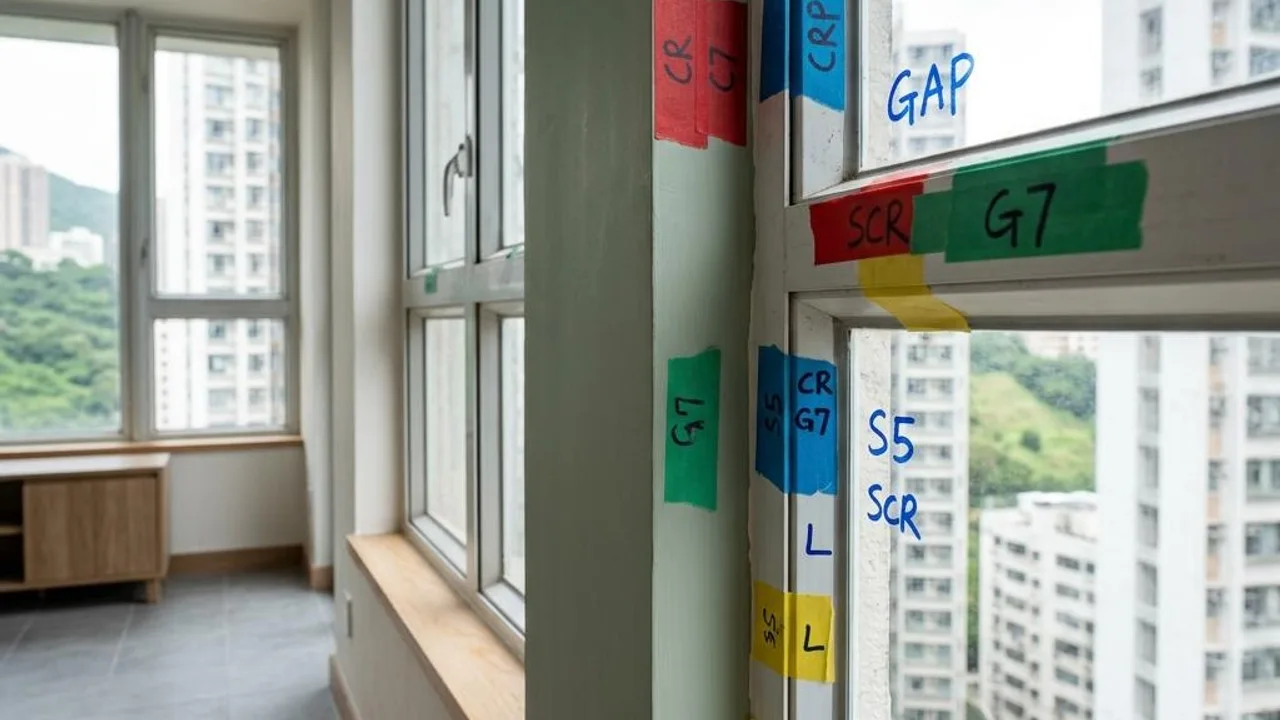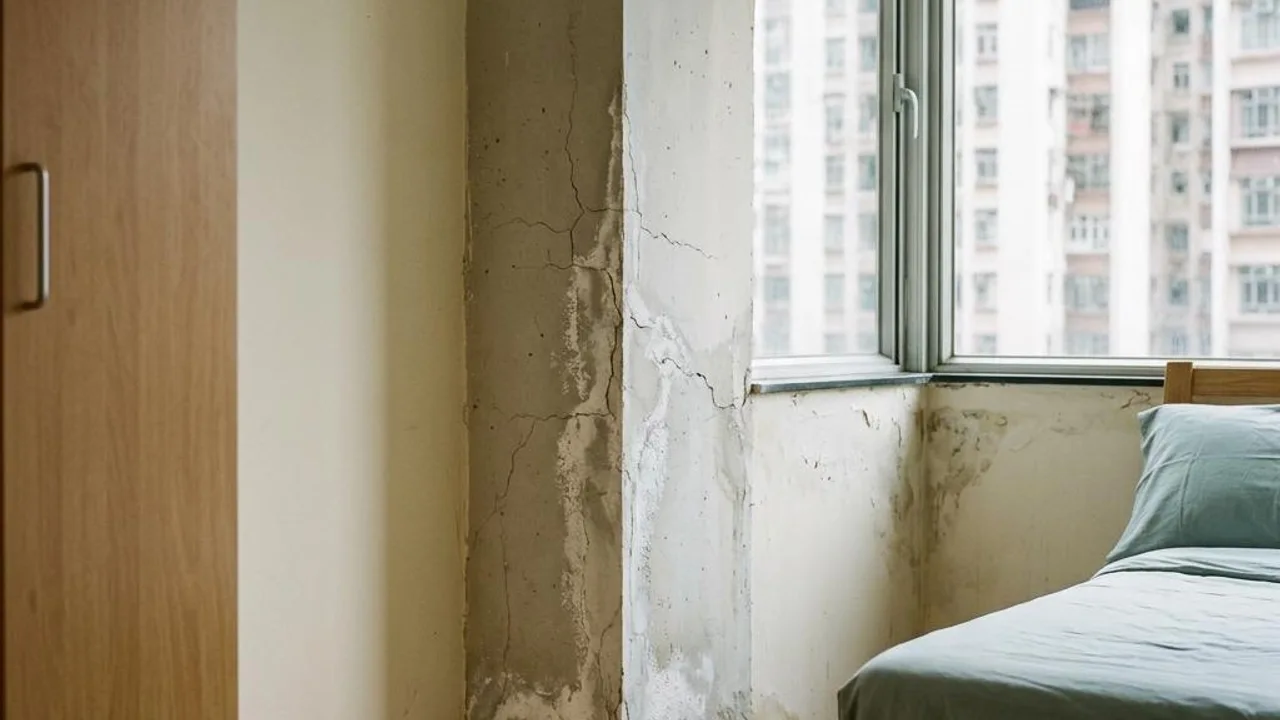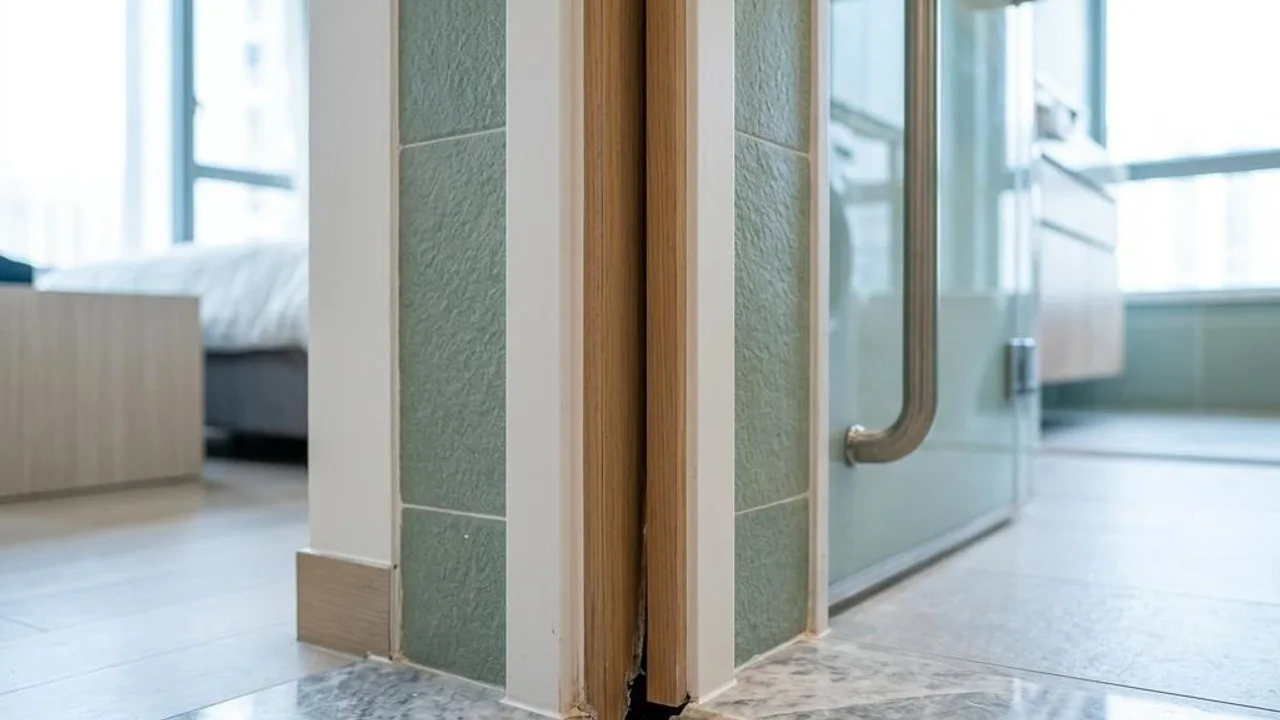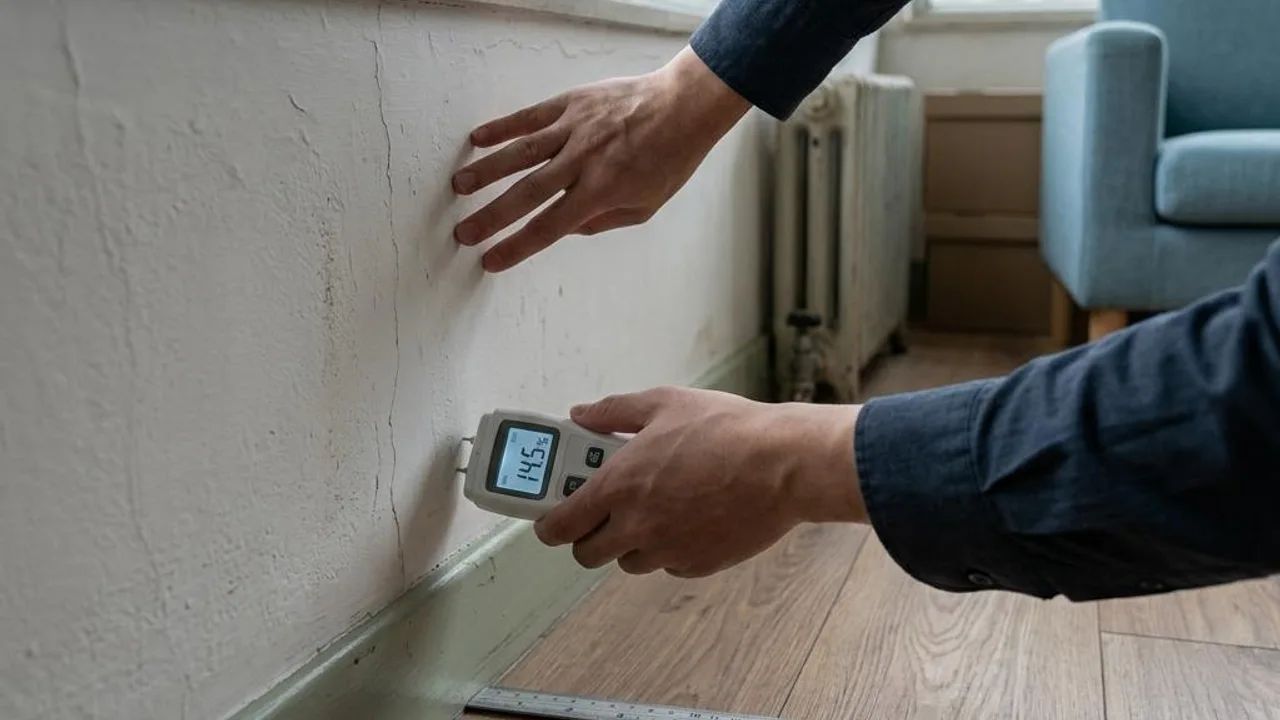
Wall inspection: Combining side-lighting and tapping.
Whether the wall plastering is level directly affects the paint finish. It is recommended to use the 'side-lighting method' by holding a high-powered torch close to the wall surface; the light and shadow will magnify surface unevenness, plastering fluctuations, paint drips, or cracks. This method identifies surface defects more easily than front-facing lighting.
Regarding the internal condition of the plastering, you should use an inspection rod to gently tap the wall. If you hear a crisp 'dong-dong' sound, it suggests that there may be 'hollowness' at that spot. Large areas of hollowness will cause the plaster to peel off over time or even lead to wall tiles falling off; you must request the contractor to perform targeted repairs during the handover stage.
- Use side-lighting to check the flatness of plastering.
- Identify paint drips and fine cracks.
- Tap to check for internal plastering hollowness.
- Large areas of hollowness require defect rectification.
Floor inspection: Five-point tapping and damp-proofing details.
The core of floor tile inspection lies in stability; it is recommended to use the 'five-point tapping method,' which involves tapping the four corners and the center of each tile. A hollow echo indicates that the bottom cement mortar is not fully filled, forming a hollow tile. Such floor tiles are prone to bursting or loosening due to thermal expansion and contraction.
For wooden flooring, check the surface for signs of dampness, or blackening and mould at the edges. Note any abnormal squeaking when walking, which usually indicates an unstable subfloor or insufficient expansion gaps. Check if the skirting boards are tightly against the wall to prevent dust accumulation and water from seeping into the bottom.
- Floor tile four-corner and center hollowness test.
- Identify unfilled bottom cement mortar.
- Wooden flooring dampness and mould inspection.
- Skirting board seal and finish inspection.
Distinguishing the nature of defects and risks of defect rectification.
Not all defects are suitable for major works. For very minor paint pinholes or fine hairline cracks, if they do not affect the overall structure or visual effect, forcing a large-scale plastering repair might impact surrounding good tiles due to vibration or cause colour differences that are difficult to fix.
Hollowness, penetrating wall cracks, or obvious tile chips are considered serious flaws that affect future safety or durability and must be insisted upon for replacement by the contractor. Rational trade-offs during the defect rectification period can achieve the best repair results and avoid making things worse.
- Identify minor pinholes and structural cracks.
- Avoid unnecessary destructive defect rectification.
- Insist on repairing hollowness and serious defects.
- Prevent colour difference problems caused by repairs.
Professional equipment and inspection advantages.
While self-tapping tests on walls and floors are simple, they are prone to misjudgment. Professional property inspection teams are equipped with infrared thermal imaging cameras to detect abnormal wall moisture and warn of seepage risks. Laser levels can precisely assess wall flatness, providing credible, quantitative data for defect rectification.
With the assistance of a professional team, homeowners have a stronger case when negotiating with developers. Professional reports detail all wall and floor defect data to urge contractors to perform targeted repairs. Property inspection is a key procedure for laying a solid foundation for your new home; discovering potential problems early can prevent high future maintenance costs.
- Infrared thermal imaging camera for seepage and moisture detection.
- Laser level for precise flatness assessment.
- Digitised reports improve defect rectification efficiency.
- Professional experience reduces inspection errors.
Property inspection reports and follow-up items.
After the property inspection is completed, the inspection team will produce an electronic report. This report does not include photos taken on-site and is generally sent to the homeowner on the next working day. If homeowners wish to keep a record, they may take their own photos of the relevant locations during the inspection for comparison.
If you have concerns after the contractor completes the defect rectification, you may consider applying for a reinspection service. Reinspection is an independent service item and is not an automatic extension included in the initial property inspection fee; relevant arrangements should be confirmed with the service provider before the reinspection.
- Electronic inspection reports do not include photos
- Reports are usually sent on the next working day.
- Homeowners can take their own photos for record-keeping.
- Reinspection is an independently paid service.
FAQs
The property inspector found hollow tiles; should I require the contractor to replace them?
For significantly large areas of hollow tiles, which are prone to cracking due to thermal expansion and contraction, it is recommended to request the contractor to replace them or perform targeted grouting repairs to ensure long-term durability.
The electronic property inspection report I received has no photos; how should I show the problems to the contractor?
The company's electronic report does not include photos. Homeowners should take their own photos of locations requiring repair during the inspection and use them in conjunction with the written descriptions in the report to create a defect rectification list.
If I am not satisfied after the contractor's repair, is the reinspection fee free?
Reinspection is an independent service and is not a free follow-up. If homeowners require a reinspection, it is suggested to confirm the reinspection process and fee arrangements with the relevant service unit after the initial defect rectification is completed.