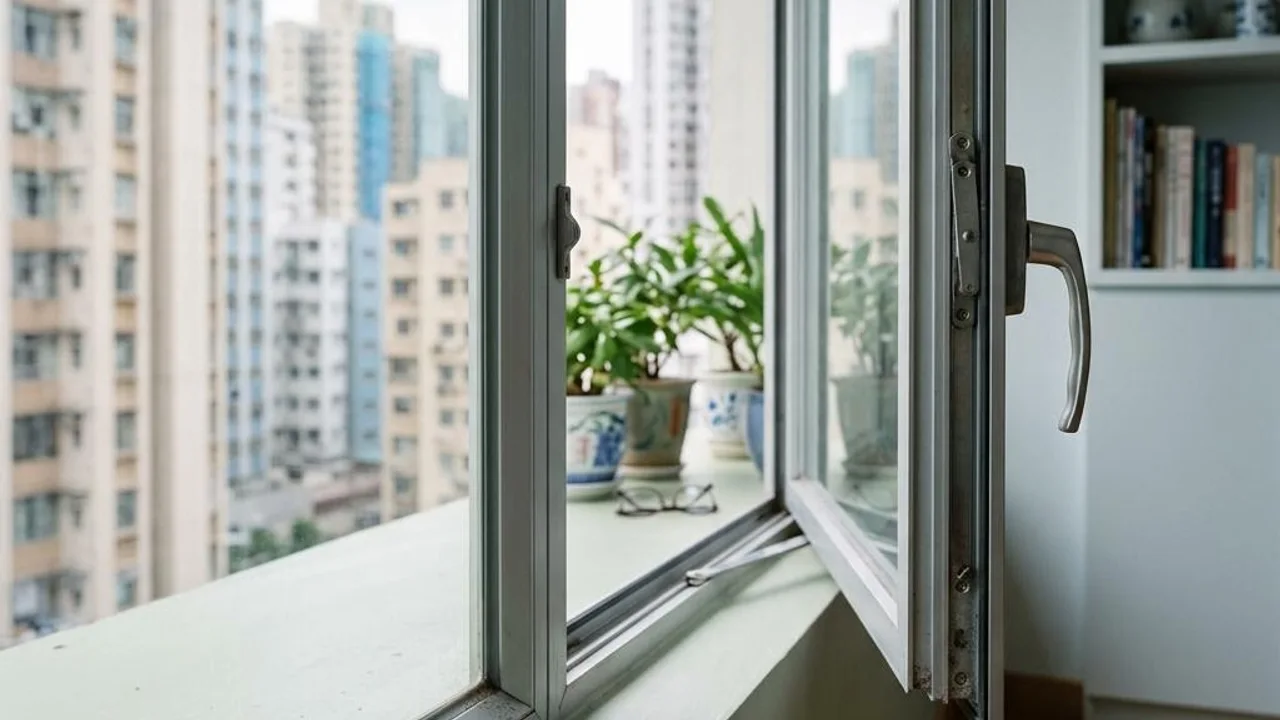
Wall paint and plastering quality inspection.
The flatness of the wall paint and plastering layer is the foundation of renovation craftsmanship. Under natural light, some minor defects may be difficult to identify; it is recommended that owners turn off all lighting in the unit at night and shine a high-intensity torch parallel to the wall, so that through the shadows cast by the light, one can easily find uneven wave patterns in the plaster or repair traces. This inspection method can effectively filter out ambient light interference to ensure the paint finish is smooth and delicate.
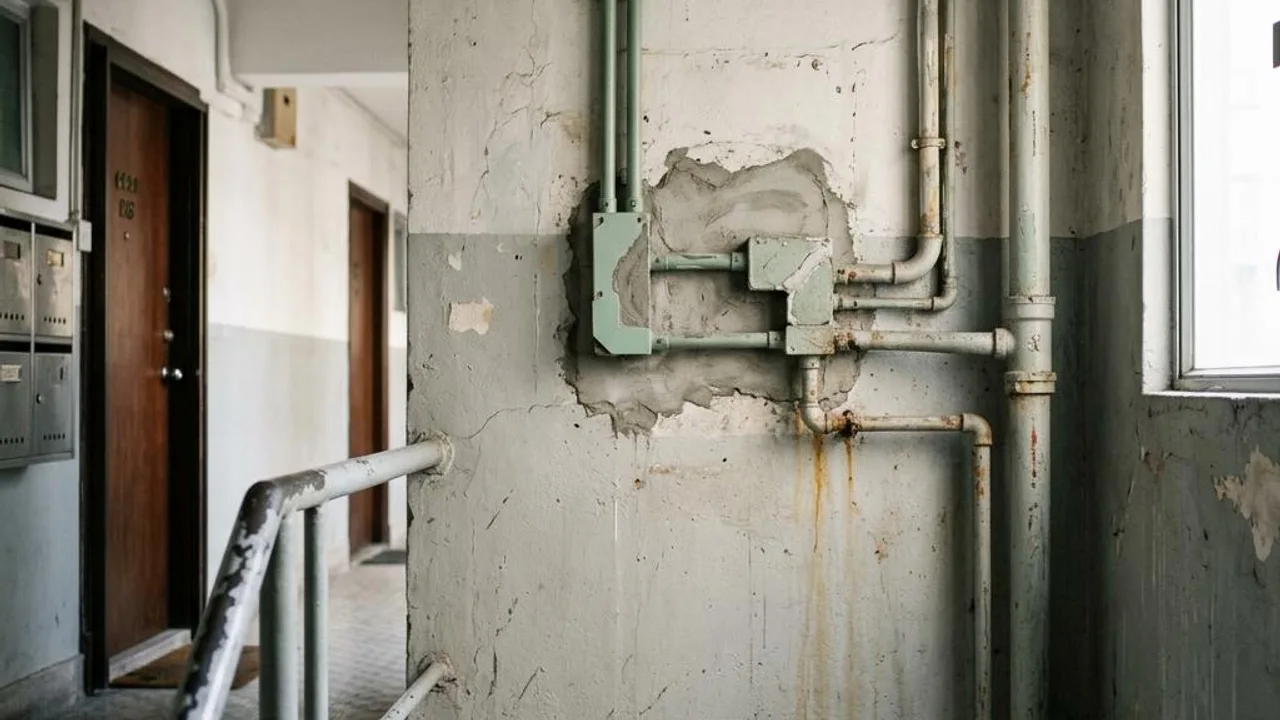
In addition to flatness, one must carefully check whether there are cracks, air bubbles, or peeling paint at wall corner connection points, windows, and ceiling boundaries. If such defects are not dealt with immediately, under the influence of long-term temperature and humidity changes, cracks are extremely likely to expand, which not only affects the aesthetic appearance but also shortens the durability of the paint finish. If the above situations are discovered, mark the location and require the worker to perform local sanding and re-repair.
- Use a high-lumen torch to illuminate the wall at a parallel angle to inspect flatness.
- Check wall corners and ceiling boundaries for any fine cracks.
- Verify if the paint colour is uniform and if there is any obvious colour difference or marks.
- Require workers to re-repair and locally sand the discovered defects.
Masonry engineering, tile, and drainage assessment.
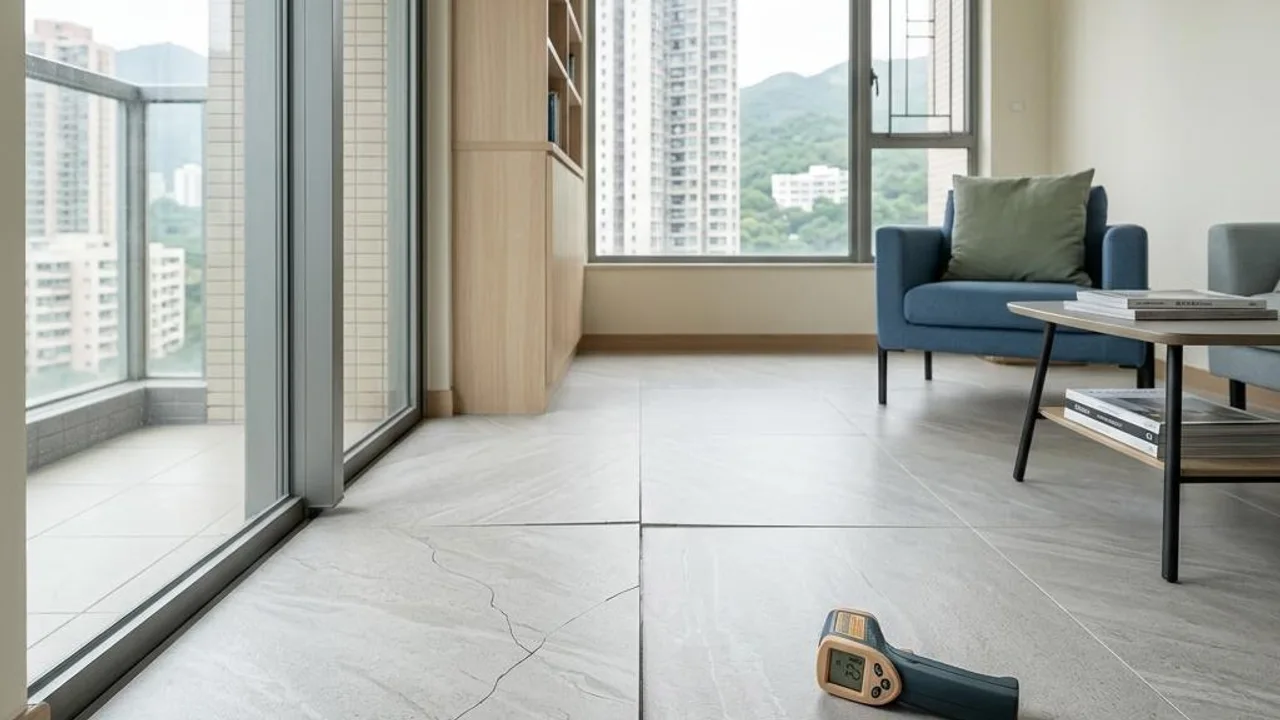
Masonry engineering is key to home anti-seepage. When inspecting tiles, owners can use a coin to gently tap the centre and four corners of the tile surface; if a hollow sound appears, it means the underlying cement mortar is insufficiently filled. If this hollowing situation is not replaced in time, thermal expansion and contraction will easily lead to tiles arching or even bursting in the future. Through systematic tapping, areas with insufficient construction density can be screened out.
In addition, controlled testing must be performed for bathrooms and kitchens to ensure the floor slope is sufficient to guide water to the drain. During testing, observe the water flow speed to ensure no obvious ponding remains. If it is found that water cannot be drained smoothly, it means the floor drainage slope is insufficient; such problems must be requested to be handled as defect rectification to prevent long-term dampness from causing mould problems and to safeguard home environment hygiene.
- Lightly tap tiles with a coin to check for hollow areas.
- Inspect floor tile grout to ensure it is full and level.
- Pour water in wet areas to confirm it flows smoothly towards the drainage outlet.
- Check around the drainage outlet for any signs of water leakage.
Electrical system and concealed water pipe inspection.
Electrical safety is the cornerstone of home safety. Property owners can use a socket tester to check every power point in the house one by one to ensure good earthing and correct wiring, preventing leakage hazards. For fixed appliances such as electric water heaters, it is mandatory to confirm that the power supply has been modified by a qualified person and that a Work Completion Certificate (WR1) has been issued, which is essential for ensuring the stability and safety of the power supply.
Regarding water pipes, turn on the faucets to observe the stability of the water flow. If conditions permit, try filling a basin and releasing the water instantly to test the drainage speed and pipe airtightness. Property owners should note whether there is any dampness or water stains inside the sink cabinet, which are often early signs of poor pipe connection. If any signs of water leakage are found, seek a licensed plumber immediately for a detailed inspection and repair.
- Use a socket tester to verify wiring and power supply stability at power points.
- Ensure high-power appliances have independent sockets to avoid overloading power strips.
- Perform a storage water test to check drainage speed and ensure pipe joints are dry.
- Check whether electrical installations have compliant certifications.
Bespoke furniture installation detail verification.
The hardware and edge-banding quality of custom-made furniture directly affect its service life. Property owners should test cabinet doors and drawers one by one to ensure they open and close smoothly, without unusual noise, and with consistent rebound force. Quality hardware should feature stable soft-close functions without displacement. Carefully open and close cabinet doors to inspect if the installation angles are precise and to ensure the cabinet structure is stable.
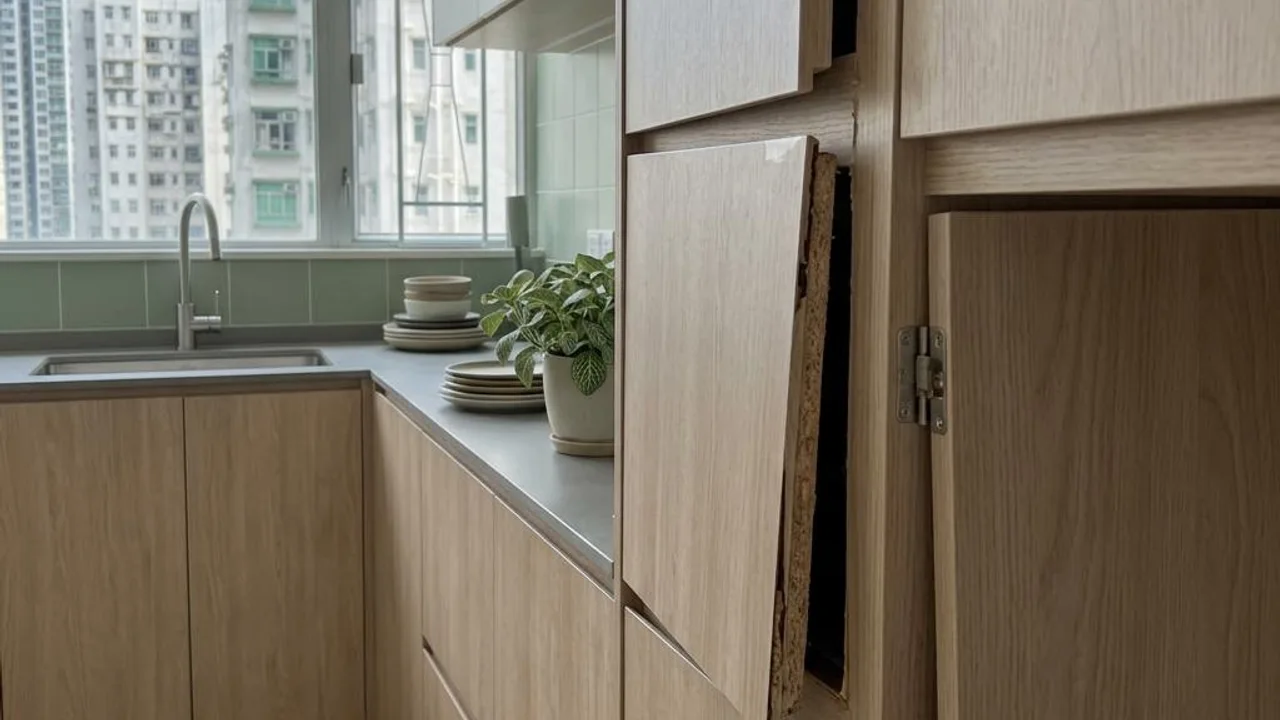
At the same time, it is essential to pay attention to edge-banding in concealed areas, such as the bottom of the cabinet, behind shelves, and at wall joints. If not properly sealed, exposed wood substrates not only affect aesthetics but may also expand due to moisture in humid environments. Furthermore, check if the gaps between cabinet doors and the cabinet frame are aligned to avoid collision or excessive spacing when closing, ensuring both the aesthetic appearance and structural integrity of the furniture.
- Repeatedly open and close cabinet doors and drawers to test damping and hardware smoothness.
- Check for collisions or uneven gaps when opening and closing cabinet doors.
- Inspect whether concealed areas at the bottom and back of cabinets are properly edge-banded.
- Confirm that shelf supports are stable, with no looseness or unusual noises.
Professional property inspection and renovation testing.
Although property owners can perform preliminary visual inspections, professional inspection can help identify conditions that are hard to detect with the naked eye. An infrared thermal imager can be used to observe surface temperature distribution to identify potential signs of water leakage, but it cannot serve as absolute evidence for the cause of leaks or hidden structural problems. Various inspection tools are only for auxiliary observation and cannot guarantee the discovery of all hidden defects. Professional matters regarding power systems, gas pipes, structural safety, or Mandatory Window Inspection should be assessed by qualified professionals. Do not attempt to dismantle electrical installations, adjust water pressure valves, climb on exterior walls, or enter dangerous areas yourself. If suspicious leaks or electrical problems are found, consult relevant professionals.
Professional inspectors are usually experienced in identifying various engineering defects and can assist property owners in clarifying the engineering status of the contractor. Combining professional observation with the owner's self-checks can further review renovation quality and help owners better understand the status of their unit. Please note that general inspection services cannot guarantee structural, electrical, or gas safety, or details of concealed works, nor can they assess the remaining service life. Relevant professional issues should be consulted with qualified professionals. If it involves statutory requirements such as the Mandatory Window Inspection Scheme, it must be carried out by qualified professionals registered with the Buildings Department and does not fall within the scope of general home inspections.
Do not attempt to dismantle electrical installations, adjust water pressure valves, or climb on exterior walls and roofs yourself.
- Use professional tools to inspect wall structure and water leakage risks.
- Assist in identifying potential engineering defects in concealed locations.
- Ensure renovation quality meets safety and aesthetic requirements.
FAQs
How should tiny cracks in the plaster be handled when inspecting walls?
It is recommended that owners first record the length and location of the cracks and observe their depth under both natural and strong light. If they are only surface paint cracks, you may ask the contractor to polish and touch up the paint; if the cracks continue to expand or involve deep wall layers, request that the contractor check for structural hazards in the base layer and consult a professional for assessment if necessary.
If hollow floor tiles are discovered, is it necessary to request the contractor to re-lay them?
Hollow tiles indicate insufficient cement mortar filling under the tiles, which increases the risk of future arching or cracking. It is suggested that owners communicate with the contractor to inspect the affected area. Generally, to avoid frequent repairs in the future, it is recommended to request the contractor to re-grout or dismantle and re-lay the affected tiles to ensure the longevity and durability of the floor.
How can one determine if there is a water leakage problem at concealed pipe joints?
Property owners can observe the area around faucets and pipe joints inside cabinets to check for water droplets, water stains, or signs of mould. After conducting a water flow test, use a dry paper towel to touch the joints. If leakage is detected, do not dismantle it yourself; contact a qualified professional immediately to perform a pressure test or check the quality of the pipe connections.