
The key significance of property inspections
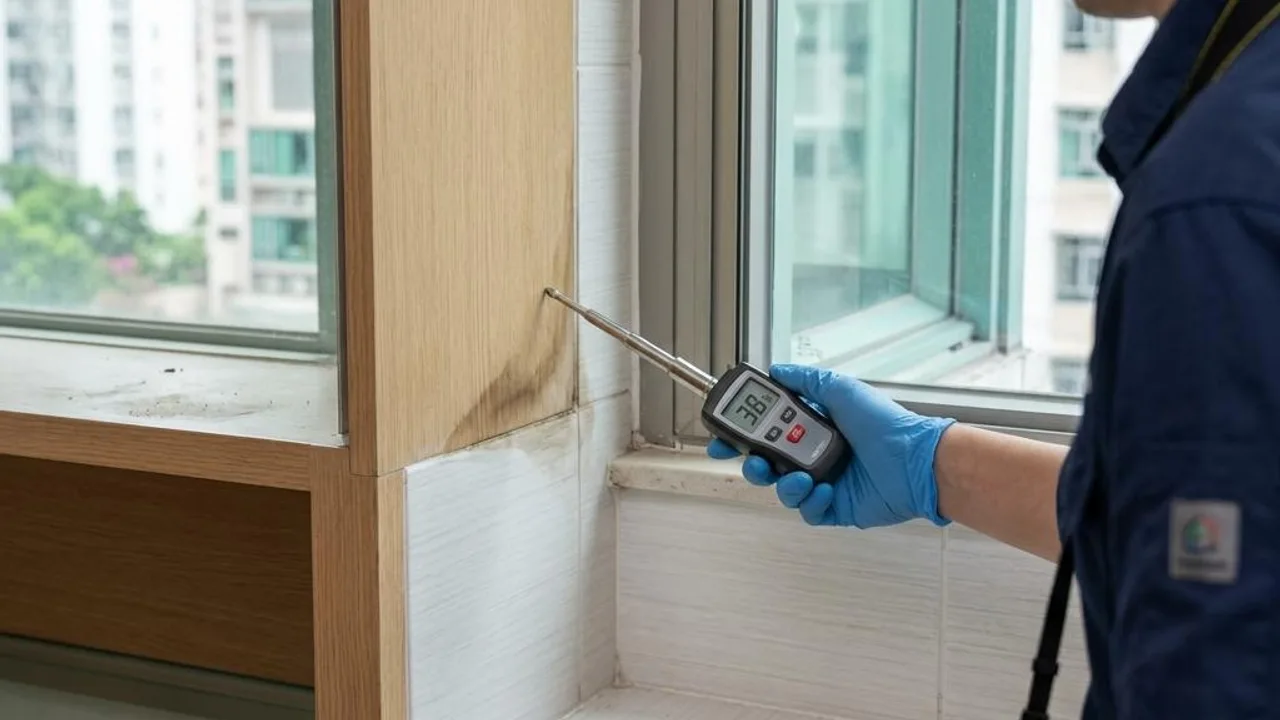
Property inspection is an important procedure for buyers to protect asset value. Through a comprehensive inspection of the unit, buyers can assess the structural condition of the property and whether the facility functions are operating normally, thereby avoiding the purchase of units with serious hidden hazards. Property inspection is not mere nitpicking, but is meant to ensure living safety and future living comfort.
Identifying quality hazards in the unit early helps in requesting repairs within the contractual warranty period. This not only significantly reduces repair expenses after the owner moves in but also allows for negotiation of repair responsibilities with the developer or previous owner through a formal inspection report, protecting the long-term investment value of the property.
- Identify quality hazards in the unit early
- Reduce repair expenses after the owner moves in
- Negotiate repair responsibilities through reports
- Protect the long-term investment value of the property
Professional property inspection process and planning
The entire property inspection process begins with choosing a suitable professional inspection team. It is recommended that buyers check the inspector's qualifications and client reputation to ensure they possess the professional ability to inspect residential infrastructure. When booking an inspection, communicate clearly with the seller or developer to ensure the unit can maintain the lighting and water pressure conditions required for inspection.
On the day of the inspection, buyers should accompany the inspector throughout. This not only allows the buyer to learn about specific unit problems directly from the inspector but also provides a more intuitive understanding of the inspection methods. After the inspection, the inspector will issue a formal report listing all defects discovered. Buyers need to read the content in detail and follow up with the relevant responsible parties based on the recommendations listed in the report.
- Carefully select professional and qualified property inspectors
- Schedule the inspection time and ensure water and electricity are functioning normally
- Buyer to accompany the inspection for immediate communication
Structural and interior facility inspection focus
Structural safety is the core of the inspection, including checking walls and ceilings for cracks, hollow tiles, or exposed reinforcing bars. Although the inspector cannot perform destructive structural testing, they will use visual observation and professional instruments to check wall flatness. Additionally, electrical facilities are equally important; ensure there are no loose electrical sockets and that the circuit distribution meets daily load requirements.
Regarding plumbing facilities, the focus is on checking the supply and drainage performance of the kitchen and bathroom to ensure there is no leakage. Renovation quality is found in the details; the inspector will check whether windows open and close smoothly, whether seals are tight, and whether there are construction defects in joints of wooden doors or cabinets, as these details directly affect daily living experience.
- Check if walls and ceilings have cracks and hollow tiles
- Test electrical switches, socket safety, and circuit loads
- Check kitchen and bathroom drainage and leakage risks
- Test the smoothness of door, window, and cabinet operation
Preparation and precautions before property inspection
Before the property inspection, buyers should have the relevant unit floor plans ready so that the inspector can compare them during the check. If you have any doubts about certain issues during the process, be sure to ask on the spot; do not assume that certain defects are 'normal'. Remember, the purpose of a professional property inspection is to find all factors that may affect living safety.
Owners should be aware that if serious electrical abnormalities are discovered during the inspection, do not handle them yourself; you must hire a qualified professional contractor for troubleshooting and repairs. For any abnormalities in structure and facilities, they should be detailed and noted in the report to clarify responsibilities later.
- Prepare unit floor plans for comparison
- Ask questions immediately about any structural or facility abnormalities
- Electrical abnormality issues require hiring a professional contractor
Common problems and maintenance recommendations
Problems discovered after the property inspection should be compiled in a timely manner and verified against the responsible party to track the progress of corrections. For water leakage issues, owners should observe the location of water stains and provide records when professionals arrive to facilitate the assessment of the leakage source. Remember not to perform any destructive tests.
Besides defects found during the property inspection, owners should also regularly check the condition of door and window seals and faucet interfaces in daily life. If you find that facilities are not operating smoothly, you can first check if it is a simple lubrication issue or a loose screw; if it involves deep structures or plumbing and electricity, please consult professional advice.
- Regularly observe wall water stains
- Check the aging of door and window seals
- Record facility operation abnormalities and consult experts
FAQs
If slight cracks are found on the wall during the property inspection, does that mean there is a structural problem?
Slight cracks usually originate from plaster shrinkage or renovation quality issues and do not necessarily involve building structural safety. The property inspector will use instruments to inspect them. If they suspect structural safety is involved, the owner should engage an authorized person for an in-depth assessment.
Is the property inspector's advice in the report equivalent to legal proof of repair liability?
The property inspection report is a professional observation record used to reflect the current status of the unit. Its content assists both buyers and sellers in communicating repair matters, but it does not have legal ruling authority. Specific repair responsibilities must be clarified according to the terms of the sale and purchase agreement.
If a circuit load test cannot be performed on the day of the property inspection, what are the alternatives?
Property inspection mainly performs electrical facility safety checks. If a full circuit load test cannot be performed on-site, it is recommended to check the safety of sockets and the status of the electrical distribution board, and hire a licensed electrician to perform a detailed load and circuit safety test after moving in.


